Top 5 Natural Monuments around Altwarmbüchener Moor
Best natural monuments around Altwarmbüchener Moor include a significant natural landscape recognized as a nature reserve and a Fauna-Flora-Habitat area, located approximately 10 kilometers northeast of Hanover. Despite historical degradation from peat cutting, ongoing rewetting and conservation efforts are restoring its unique ecosystems. This area offers diverse habitats, including remnants of natural moor biotopes, moor forests, and numerous small water bodies from old peat cuttings. It is a valuable destination for nature enthusiasts seeking varied natural features and rare species.
…Last updated: June 27, 2026
Kalmia Field in the Altwarmbüchener Moor
Highlight • Natural
Translated by Google •
Tip by

Altwarmbüchener Moor
Highlight • Natural
Translated by Google •
Tip by

Sign up now to discover places like this
Get recommendations on the best single tracks, peaks, & plenty of other exciting outdoor places.
Sign up for free
Moor Ponds
Highlight • Natural
Translated by Google •
Tip by

Start today with a free account
Your next adventure awaits.
Login or Signup
Popular around Altwarmbüchener Moor
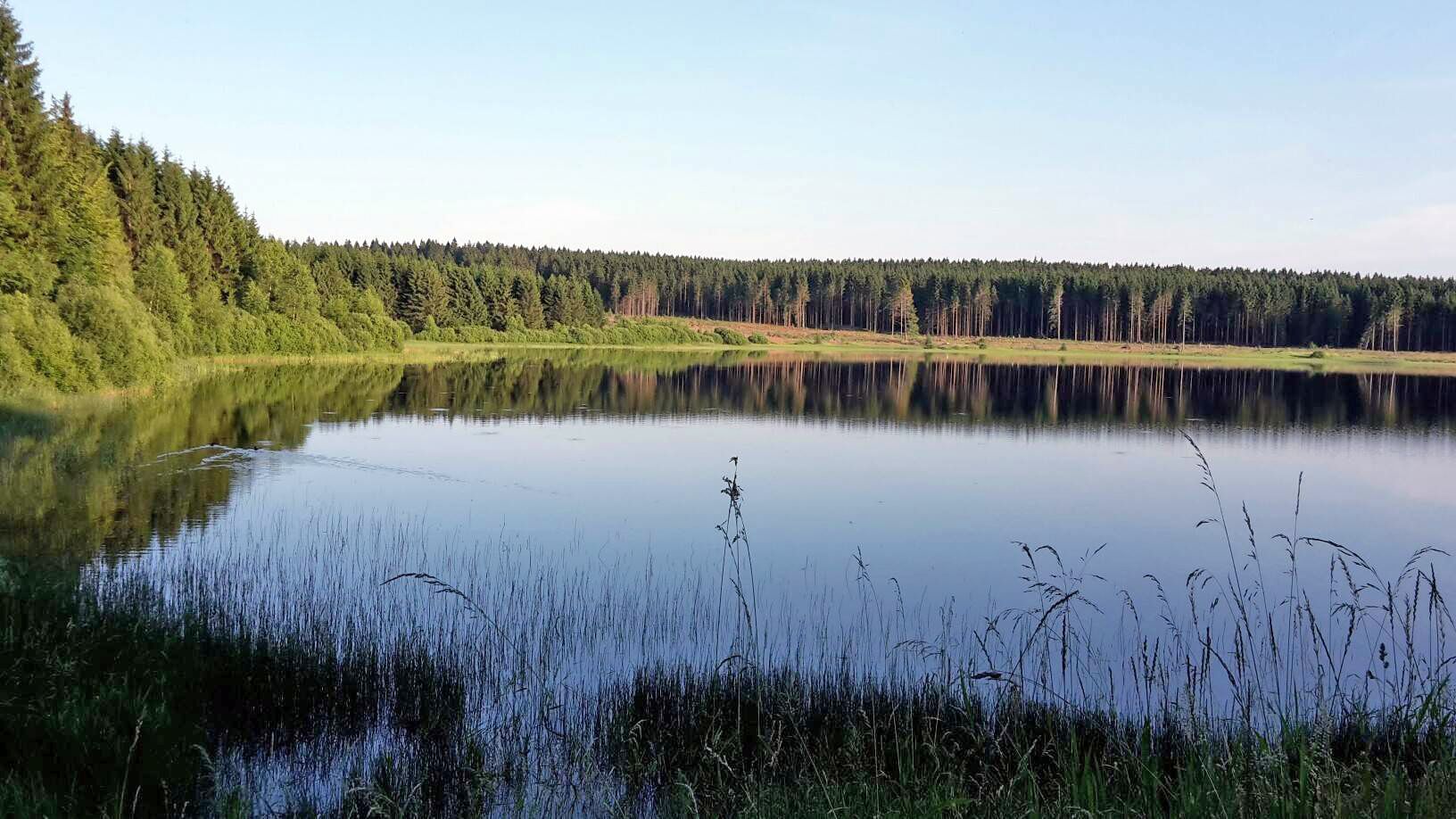
The best swimming lakes in Lower Saxony
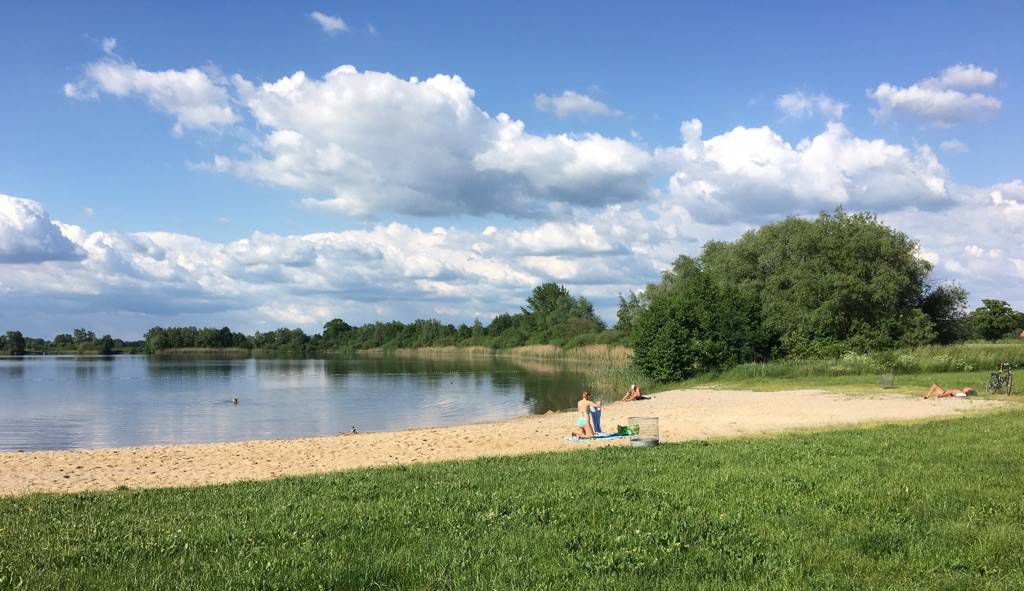
The best swimming lakes around Hannover
Cycling around Altwarmbüchener Moor
Running Trails around Altwarmbüchener Moor
Hiking around Altwarmbüchener Moor
Road Cycling Routes around Altwarmbüchener Moor
MTB Trails around Altwarmbüchener Moor
Gravel biking around Altwarmbüchener Moor
Other adventures around Altwarmbüchener Moor

Tips from the Community

A special treasure is the moor and its ponds. They are protected and provide a habitat for many animals and plants.
0
0

Now there are lots of small ponds in the moor again.
1
0

In some sections you have to guess the way. The white markings on the trees are helpful at times.
1
0

The paths are completely impassable. You would need a machete. Also, everything is soggy and there are tons of mosquitoes. We had to give up without seeing the Kalmia 😥
0
0

The bloomed is in May / June. Otherwise nice too.
0
0

I was probably there at the wrong time. Here's something else from the web: https://www.baumschule-horstmann.de/shop/exec/product/733/6290/Berglaurbeer-Lorbeerrose.html
0
0

an unusual field of plants - put on long trousers!
1
0

Every June and July the Kalmia blooms in a clearing in the Kolshorn Moor. The poisonous plant is actually native to Canada. It was imported to Great Britain in the 18th century for ornamental gardens and greenhouses. Due to the personal union between Great Britain and the Kingdom of Hanover, which existed from 1714 to 1837, the plant also came to the Herrenhausen Gardens. In 1834, Hanoverian nature lovers are said to have planted Kalmia seeds in the Kolshorn moor to enhance the landscape. She has lived there since then. With a population in the neighboring Oldhorster Moor, this is the only occurrence of wild Kalmia in Europe.
4
0
Frequently Asked Questions
What unique plant species can I find in the Altwarmbüchener Moor?
The Altwarmbüchener Moor is home to several unique plant species. A notable example is the narrow-leaved bay rose (Kalmia angustifolia), a North American plant that blooms beautifully from mid-June to late July. You can find this at the Kalmia Field in the Altwarmbüchener Moor. Additionally, the moor features remnants of natural moor biotopes with characteristic vegetation like cotton grass-sphagnum moss oscillating bogs and moor heaths. Rare species such as the Narrow-leaved Marsh Orchid and Royal Fern can also be found.
What kind of wildlife can I observe in the Altwarmbüchener Moor?
The Altwarmbüchener Moor is a vital habitat for a rich diversity of rare and endangered animal species. Visitors might encounter cranes, black storks, adders, sand lizards, grass snakes, moor frogs, tree frogs, great crested newts, and otters. The area is also teeming with various butterflies, moths, grasshoppers, and dragonflies, especially around the numerous small water bodies.
What is the best time of year to visit the natural monuments in Altwarmbüchener Moor?
The Altwarmbüchener Moor offers a diverse and tranquil landscape for recreation throughout the year. For observing the unique narrow-leaved bay rose, mid-June to late July is ideal when the Kalmia Field in the Altwarmbüchener Moor is in full bloom. Spring and summer are excellent for wildlife observation, while autumn provides beautiful colors. Even in winter, the moor offers a peaceful experience, though conditions may vary.
Are there family-friendly activities or trails in the Altwarmbüchener Moor?
Yes, the Altwarmbüchener Moor offers a tranquil and engaging natural experience suitable for families. The varied terrain, encompassing moor forests, open moorlands, grasslands, and numerous small water bodies, provides plenty to explore. While specific 'family-friendly' categories aren't listed for the natural monuments, the general appeal of nature observation and easy walks makes it a good option for families seeking outdoor recreation.
What historical aspects can I learn about at the Altwarmbüchener Moor?
The Altwarmbüchener Moor itself offers a deep dive into the region's history. It was formed towards the end of the last Ice Age, and you can observe the historical impact of centuries of peat cutting and drainage. The area still shows visible traces of these past economic activities, with numerous 'Kuhlen' (hollows) from old peat cuttings now forming small open water bodies. Ongoing recultivation and renaturation efforts also highlight a modern commitment to preserving this valuable ecosystem.
What types of natural features define the Altwarmbüchener Moor?
The Altwarmbüchener Moor is characterized by a variety of natural features. These include remnants of natural moor biotopes like cotton grass-sphagnum moss oscillating bogs, extensive moor forests (pine, birch, birch-alder swamp, oak-mixed, and beech forests), and a unique marl biotope. A significant feature is the collection of small open water bodies, known as Moor Ponds, which formed from historical peat cuttings and now provide important habitats.
What outdoor activities can I do near the natural monuments in Altwarmbüchener Moor?
Beyond exploring the natural monuments, the area around Altwarmbüchener Moor offers various outdoor activities. You can enjoy cycling on routes like the 'Silver Lake, Langenhagen – Bike path through Vahrenheide loop' or 'Bothfelder Damm – Altwarmbüchen Clay Pit loop'. For mountain biking, trails such as 'Wulbek Footbridge – S1 Trail Along the Wulbek loop' are available. Road cycling routes are also popular. You can find more details on these activities in the Cycling around Altwarmbüchener Moor, MTB Trails around Altwarmbüchener Moor, and Road Cycling Routes around Altwarmbüchener Moor guides.
Are there specific hiking trails to explore the natural monuments?
While specific hiking trails directly named after individual natural monuments aren't detailed, the Altwarmbüchener Moor itself is ideal for hiking and nature observation. The area's varied terrain, including moor forests and open moorlands, provides numerous paths. Visitors often explore the areas around the Kalmia Field and the Moor Ponds, which are integrated into the wider network of trails within the nature reserve.
What makes the Moor Ponds a special natural monument?
The Moor Ponds are a special collection of small open water bodies within the Altwarmbüchener Moor. They originated from historical peat cuttings and have since evolved into sphagnum-rich transitional bogs and wet peat bog hollows. These protected ponds provide crucial aquatic and semi-aquatic habitats for a variety of animals and plants, contributing significantly to the moor's rich biodiversity.
What is the significance of the Altwarmbüchener Moor as a nature reserve?
The Altwarmbüchener Moor is recognized as a significant natural landscape, designated as a nature reserve (NSG HA 044) and a Fauna-Flora-Habitat (FFH) area (FFH-Gebiet 328, DE-3525-331). This designation highlights its importance for biodiversity and ecosystem protection. Ongoing rewetting and conservation efforts are actively working to restore its unique ecosystems, making it a crucial site for environmental preservation and a valuable destination for nature enthusiasts.
Is the Altwarmbüchener Moor accessible by public transport?
The Altwarmbüchener Moor is located approximately 10 kilometers northeast of Hanover's city center. While specific public transport routes directly to the natural monuments are not detailed, its proximity to Hanover suggests that public transport options to the general area are available, followed by a walk or short connection to the moor's entry points. It's advisable to check local transport schedules for the most current information.
Most popular routes around Altwarmbüchener Moor
Most popular attractions around Altwarmbüchener Moor

Get inspired with the komoot mobile app


Explore more
Extend your search for the best caves by checking out these guides of the top ones around Altwarmbüchener Moor:
