Top 10 Natural Monuments around Vijlenerbos
Best natural monuments around Vijlenerbos are found within a picturesque forest area in South Limburg, characterized by rolling hills and diverse landscapes. This region features significant geological formations and ancient historical sites. The forest's higher elevation creates a distinct microclimate, supporting a rich variety of plant and animal life. It offers numerous viewpoints with panoramic vistas extending into neighboring countries.
Best natural monuments around Vijlenerbos
- The most popular natural monuments is Bronze Age burial mound, a historical site consisting…
Last updated: May 15, 2026
Bronze Age burial mound
Highlight • Historical Site
Translated by Google •
Tip by

Barrow: archaeological monument
Highlight • Historical Site
Translated by Google •
Tip by

Sign up now to discover places like this
Get recommendations on the best single tracks, peaks, & plenty of other exciting outdoor places.
Sign up for free
Sandstone Blocks Geological Monument
Highlight • Natural Monument
During a period of the Tertiary. 40 to 12 million years ago, South Limburg was flooded several times by the …
Translated by Google •
Tip by

Bronze Age Child Burial Mound Sculpture by Anneke Eussen (Malensbosch)
Highlight • Monument
Translated by Google •
Tip by

The dog in the tree
Highlight • Natural Monument
History goes back a long way (before people settled in these regions).
The …
Translated by Google •
Tip by
Sign up for free to discover even more natural monuments around Vijlenerbos.
Sign up for free
Already have an account?
Start today with a free account
Your next adventure awaits.
Login or Signup
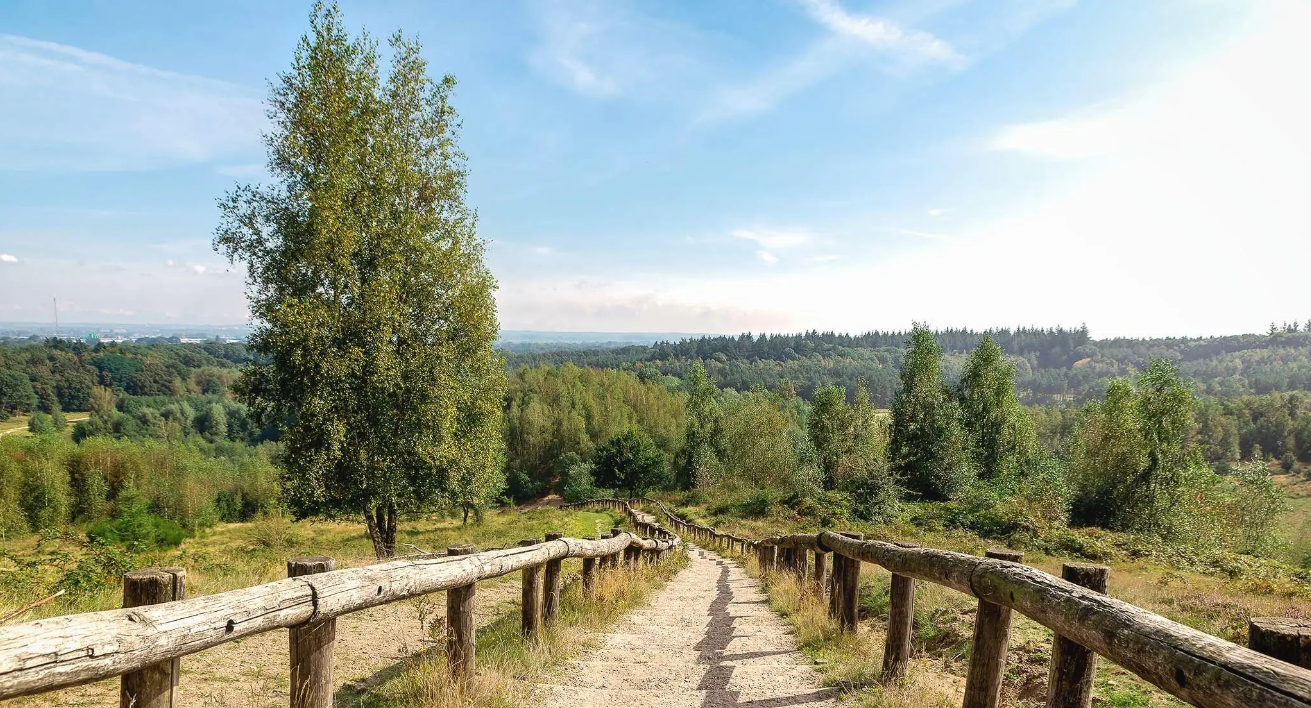
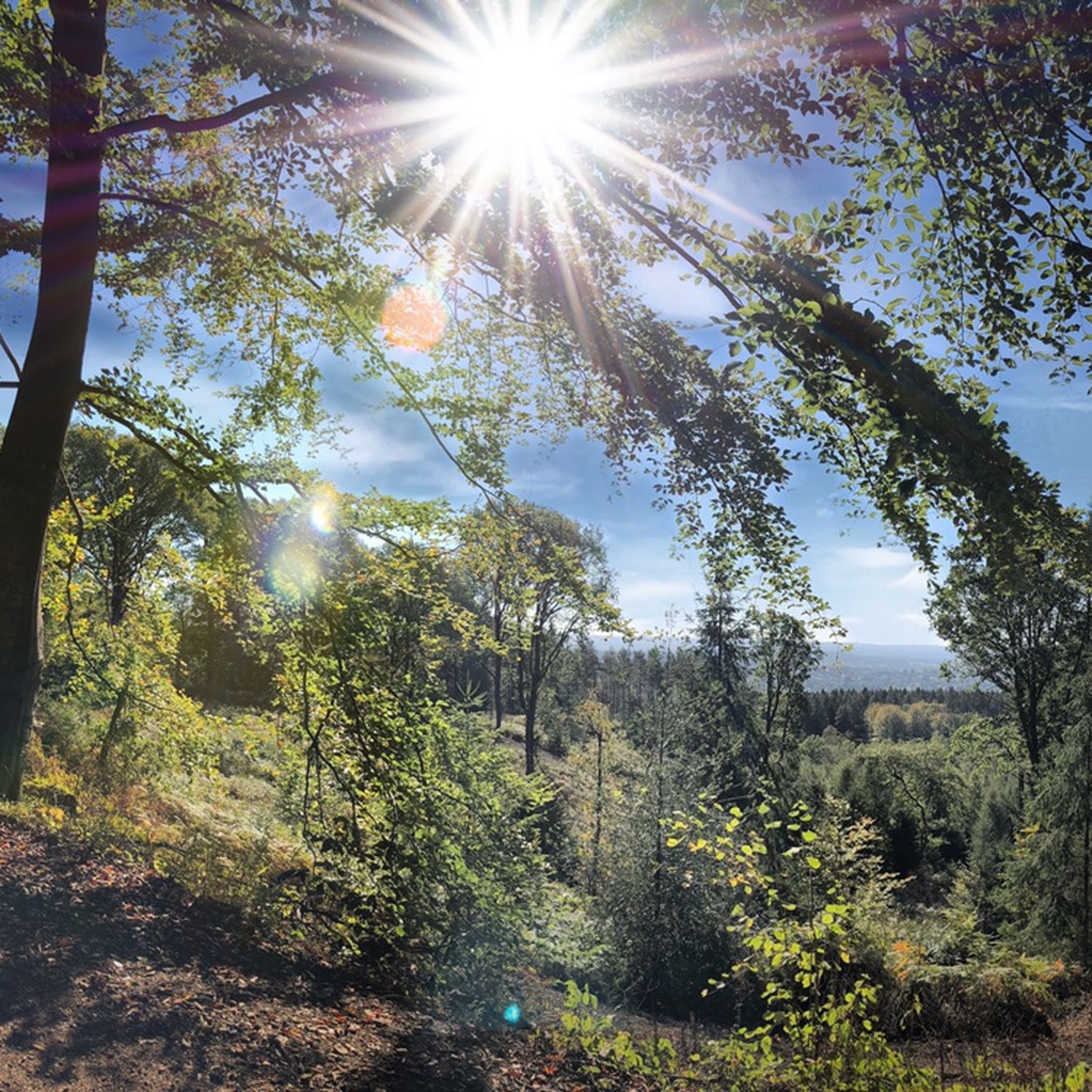
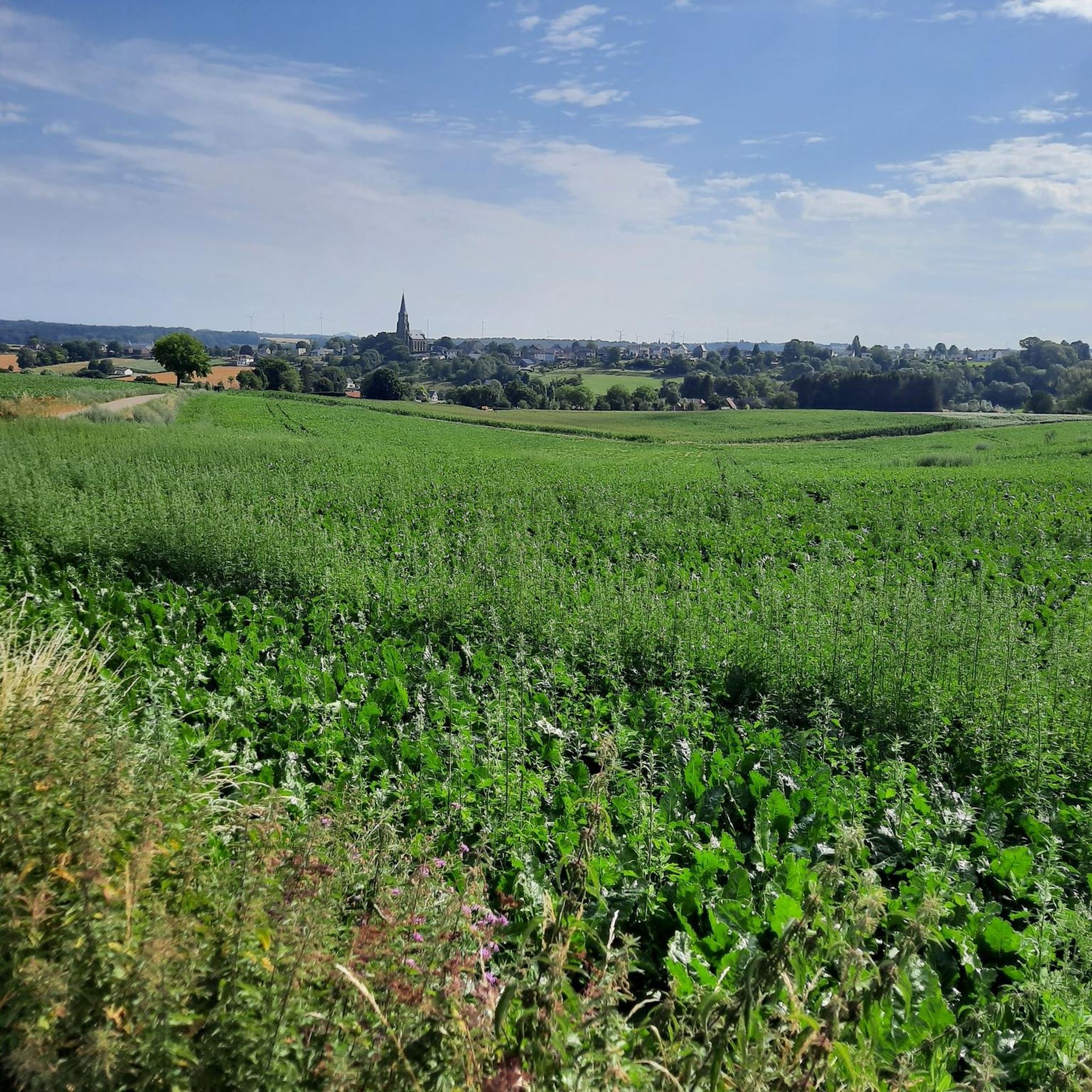
Other adventures around Vijlenerbos

Tips from the Community

Deep in the forest lie imposing sandstone blocks, remnants of a time when this area was still submerged. Now they form a silent geological monument—roughly weathered and moss-covered. Among the trees, they take on a mysterious quality, as if they carry stories from a prehistoric age that has never entirely disappeared.
0
0
Deep in the Malensbosch forest, you'll find a moving place: the Bronze Age burial mound for a child, marked by a sculpture by Anneke Eussen. The area exudes tranquility and history, a quiet reminder of the distant past surrounded by the soft rustle of the forest.
0
0
A burial mound, often also called a tumulus, is a raised earth or stone structure used as a burial ground in prehistoric times. These mounds are of great archaeological importance because they provide insight into the burial rituals, social structures, and living conditions of past communities. Many burial mounds have been preserved as monumental landscape elements and are protected for their historical value. Archaeological excavations can reveal artifacts such as ceramics, weapons, jewelry, and human remains that tell the story of the area's inhabitants. A burial mound as an archaeological monument offers not only scientific knowledge but also a place of reflection and historical awareness, often surrounded by nature, allowing visitors to experience the past in a serene setting.
0
0
This burial mound dates back to the Bronze Age (c. 2000–800 BC) and is among the oldest visible traces of human habitation in this area. Such mounds were used as burial places for important members of the community and are often surrounded by myths and stories. Today, they stand as quiet reminders of thousands of years of history, surrounded by nature. Perfect for pausing for a moment and imagining how people lived here centuries ago.
1
0

A burial mound (also: mound grave or tumulus) is a prehistoric mound that was used as a burial place. The mounds were raised over human remains in a pit, tree coffin, dolmen, stone coffin, burial coffin, urn, tomb or burial chamber. Burial mounds come in various sizes and were made of different materials, depending on the period and the area. The social position of the deceased also determined the type of burial mound. https://nl.wikipedia.org/wiki/Grafheuvel
2
0
In burial mounds that were thrown up in the early Bronze Age, boulders are sometimes found. From the early to late Bronze Age, cremation urns with ash remains are found in the mound. In the middle Bronze Age, the deceased is sometimes buried in a hollowed-out tree (tree coffin).
2
0

The eternal value of these forests is unparalleled!
0
0
Frequently Asked Questions
Which natural monuments are most popular in Vijlenerbos?
Visitors frequently appreciate the ancient historical sites. The Bronze Age burial mound and the Barrow: archaeological monument are particularly popular, offering insights into prehistoric burial rituals. Another notable site is the Bronze Age Child Burial Mound Sculpture by Anneke Eussen (Malensbosch), which combines history with art.
What geological natural monuments can I explore in Vijlenerbos?
Vijlenerbos is home to significant geological formations. You can visit the Sandstone Blocks Geological Monument, which are remnants from a time when the sea covered the area. The region also features dolines, bowl-shaped depressions formed by the dissolution of limestone, particularly notable at the 'Zeven Wegen' site.
Are the natural monuments in Vijlenerbos suitable for families?
Yes, many natural monuments in Vijlenerbos are family-friendly. The Bronze Age burial mound, the Barrow: archaeological monument, and the Sandstone Blocks Geological Monument are all categorized as family-friendly. Additionally, the unique The dog in the tree offers a whimsical story that children often enjoy.
When is the best time to visit the natural monuments in Vijlenerbos?
The Vijlenerbos area can be visited year-round, with each season offering a different experience. Spring brings lush greenery and blooming flora, while autumn showcases vibrant fall colors. The forest's higher elevation creates a distinct microclimate, similar to the Ardennes, making it pleasant during warmer months. Always check local weather conditions before your visit.
What outdoor activities can I do near these natural monuments?
The Vijlenerbos area is excellent for various outdoor activities. You can find numerous running trails, such as the 'Beech Avenue in Vijlenerbos – Vijlenerbos Trail loop from Vaals,' or explore mountain biking routes like the 'Schaloen Castle – Vijlenerbos Climb loop from Epen.' For hikers, there are mountain hikes like 'The Geul River and Surroundings – View of Vijlen loop from Epen.' You can find more details on these activities in the Running Trails around Vijlenerbos, MTB Trails around Vijlenerbos, and Mountain Hikes around Vijlenerbos guides.
Are there hiking trails that include the natural monuments?
Yes, many hiking trails in Vijlenerbos incorporate the natural monuments. The forest itself is well-suited for hiking, with accessible paths leading to sites like the prehistoric burial mounds and geological formations. You can explore various routes, including circular walks, that allow you to discover these remarkable features while enjoying the scenic landscape. Check the Mountain Hikes around Vijlenerbos guide for specific trail options.
Where can I find panoramic views among the natural monuments?
Vijlenerbos offers numerous viewpoints with magnificent panoramas over the rolling hills of South Limburg, extending into Germany and Belgium. While specific natural monuments might not be viewpoints themselves, trails leading to and from them often pass by spots like the 'View of Vaals' or benches that provide expansive views of the Limburg Hills, perfect for enjoying the serene landscape.
What kind of wildlife and flora can I expect to see in Vijlenerbos?
Vijlenerbos is known for its rich biodiversity. As the longest forest in the Netherlands, it features a mix of coniferous and deciduous trees and is traversed by various streams. Its distinct microclimate supports diverse plant life, including numerous ferns. The forest is also home to rare animal species such as badgers, pine martens, and even wild cats, making it a great spot for wildlife observation.
Is there parking available near the natural monuments?
While specific parking details for each monument are not provided, Vijlenerbos is generally accessible, and there are likely designated parking areas or roadside spots near popular trailheads and attractions within the forest. It is advisable to check local signage or maps for the most convenient parking options when planning your visit.
Are there cafes or places to eat near the natural monuments?
Yes, the region around Vijlenerbos offers options for refreshments. While not directly at every monument, you can find cafes and brasseries in nearby villages or along popular routes. For instance, the 'Kindergraf' burial mound is opposite Brasserie Lodge 7, and some hiking routes mention 'Forest Café 't Hijgend Hert' as a point of interest.
Can I bring my dog to the natural monuments in Vijlenerbos?
Vijlenerbos is generally dog-friendly, and many trails and natural areas welcome dogs, often on a leash. The natural monuments are typically integrated into the forest landscape, making them accessible for walks with your canine companion. Always ensure to follow local regulations regarding dogs in nature reserves.
What is the historical significance of the burial mounds in Vijlenerbos?
The prehistoric burial mounds, such as the Bronze Age burial mound and the Barrow: archaeological monument, are of immense archaeological and historical importance. Dating back between 3,500 and 5,000 years to the Bronze Age, these earth or stone structures served as burial grounds. They provide valuable insights into the burial rituals, social structures, and daily lives of past communities in the region.
What makes 'The dog in the tree' a unique natural monument?
The dog in the tree is a unique natural monument due to its fascinating regional folklore. The story tells of an old hunting dog turned to wood by a troll, forever trying to jump from the tree. Visitors are encouraged to stroke the dog's head to make a wish for others, adding a magical and interactive element to this natural curiosity.
Most popular routes around Vijlenerbos
Most popular attractions around Vijlenerbos

Get inspired with the komoot mobile app


Explore more
Extend your search for the best caves by checking out these guides of the top ones around Vijlenerbos:
