Top 5 Natural Monuments around Schwetzinger Hardt
Best natural monuments around Schwetzinger Hardt offer a diverse landscape within Baden-Württemberg's largest regional forest reserve. This expansive area, covering more than 3000 hectares, is recognized for its ecological value, featuring sparse pine forests and open sand grass communities. The region is home to unique geological formations, such as the Inland Dune, and serves as a significant habitat for various flora and fauna. Visitors can explore a network of paths through this historically rich forest landscape.
Best natural monuments around…
Last updated: June 27, 2026
Inland dune in the Schwetzinger Hardt
Highlight • Natural Monument
Translated by Google •
Tip by

Kuhbrunnen (Cow Well) in Hardtwald
Highlight • Natural Monument
Translated by Google •
Tip by

Sign up now to discover places like this
Get recommendations on the best single tracks, peaks, & plenty of other exciting outdoor places.
Sign up for free
Sand Biotope on Ketscher Weg
Highlight • Natural
Translated by Google •
Tip by

Sand Biotope Schwetzinger Buckel
Highlight • Natural
Translated by Google •
Tip by

Bannwald Primeval Forest of Tomorrow
Highlight • Forest
Tip by

Sign up for free to discover even more natural monuments around Schwetzinger Hardt.
Sign up for free
Already have an account?
Start today with a free account
Your next adventure awaits.
Login or Signup

Tips from the Community

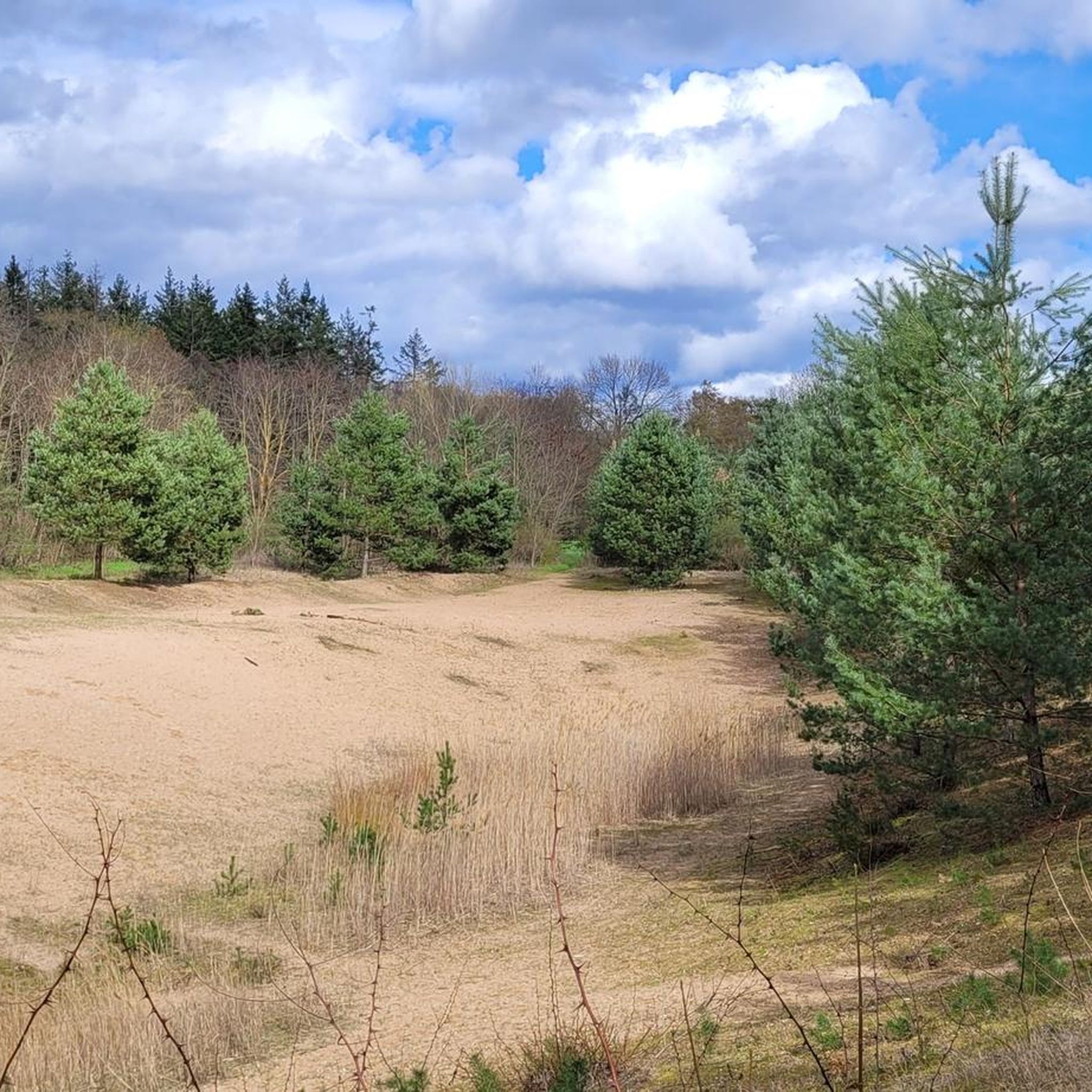
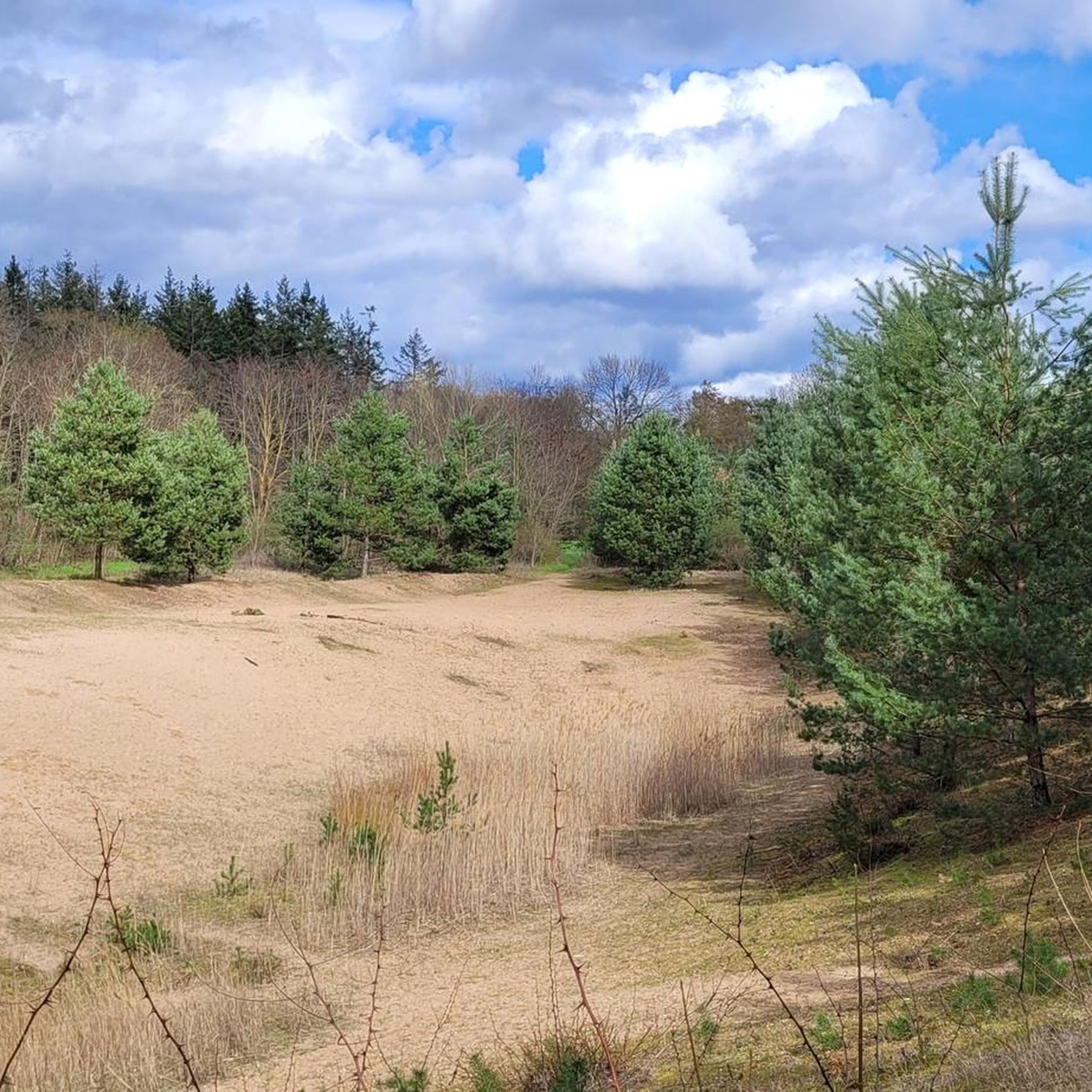
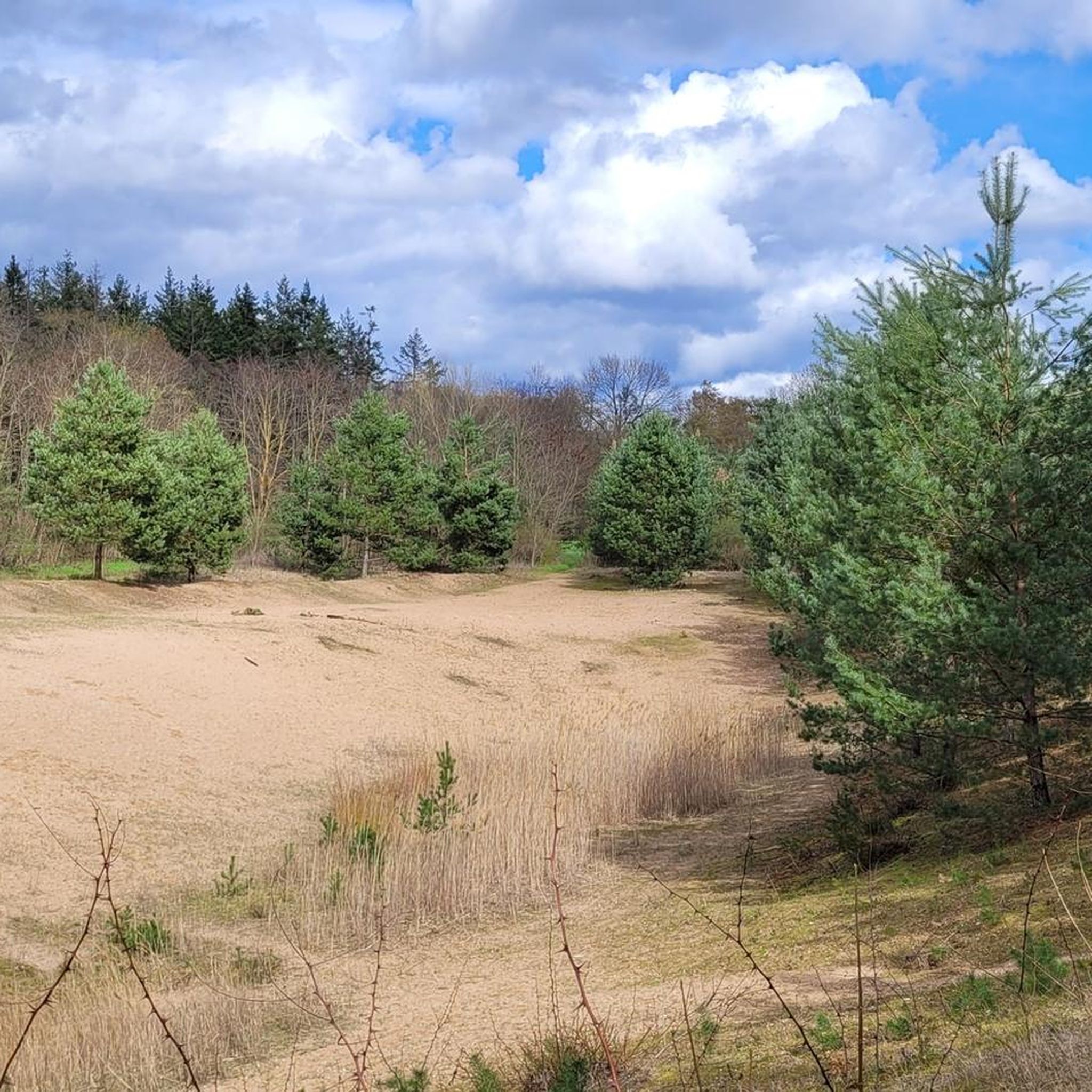
A newly created sand biotope alongside the Ketscher Weg — an active conservation project to support rare sand-dwelling species. Information boards explain the biodiversity project.
0
0
A designated rewilding area — the 'Primeval Forest of Tomorrow' is a nature reserve where fallen trees are left to decay naturally. Fascinating and eerie; don't stray from the path.
0
0

Biotope for the protection of endangered animal species
4
0

Very beautiful area, flat for cycling for the whole family, pure nature.....
1
0

2024 - The new sand biotope is still being created. So far all you can see is a flat sand hill and a few fenced off areas. But you will see what changes here in the following trips.
3
0

One does not expect
1
0

Always surprising to see a large sand dune that is neither on a coast nor in a desert
3
0

An absolutely exciting natural event
3
0
Frequently Asked Questions
What kind of natural features can I expect to see in the Schwetzinger Hardt region?
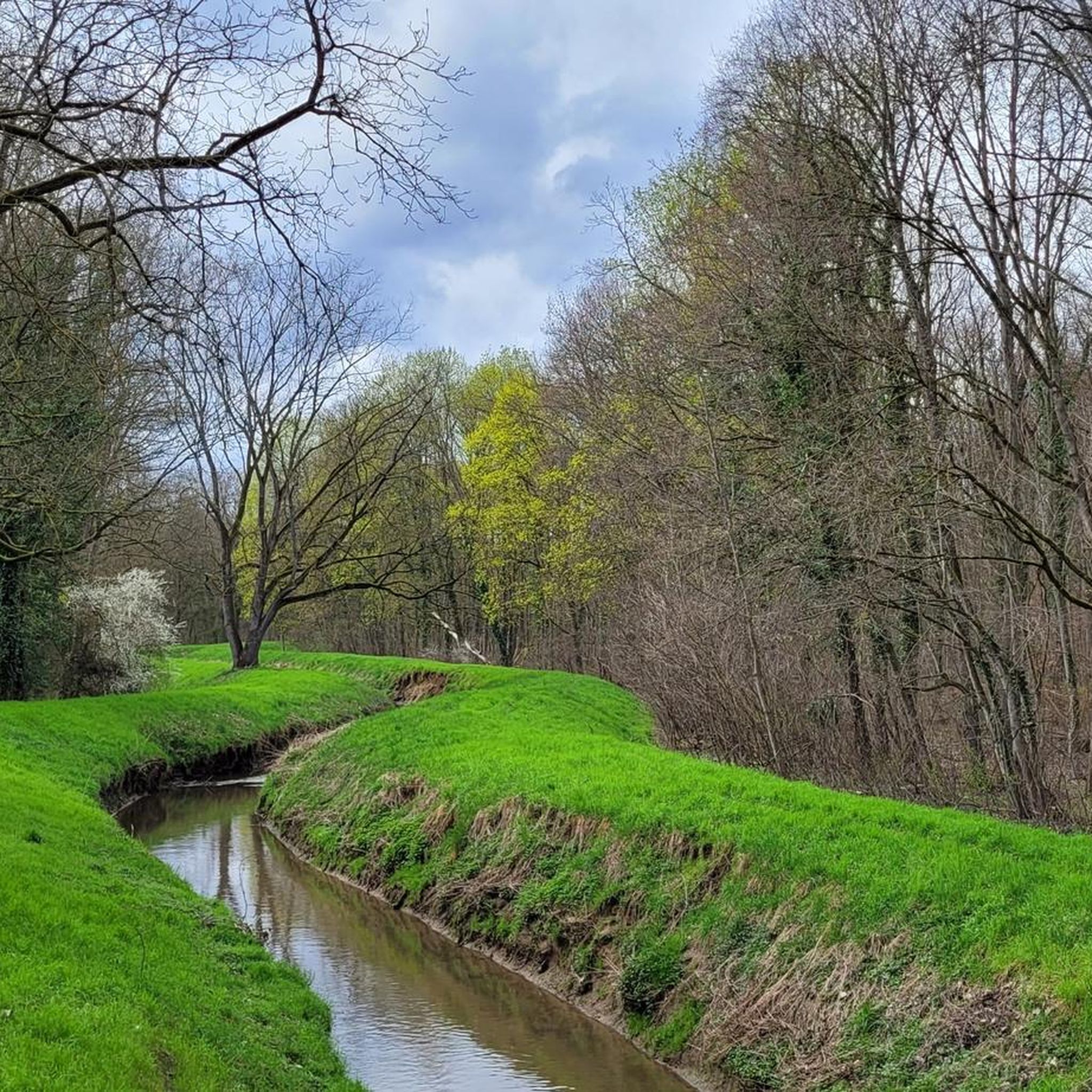
The Schwetzinger Hardt is a diverse landscape, primarily known for its unique Inland Dune, which features sand as fine as a seashore. You'll also find extensive light pine forests, open sand grass communities, and the Hardtbach flowing through the area. It's a region with a historically rich biotope and species diversity.
Are there any historical sites among the natural monuments?
Yes, the Kuhbrunnen (Cow Well) in Hardtwald is both a natural monument and a historical site. Visitors can still draw water from the well using a bucket and rope, reminiscent of its past use when the forest served as pasture for cattle.
What makes the Inland Dune in the Schwetzinger Hardt so special?
The Inland Dune in the Schwetzinger Hardt is unique because it was overgrown for a long time but has recently become visible again due to dry summers. Its sand is remarkably fine, comparable to that found on a seashore, offering an unexpected landscape within a forested region.
Are there family-friendly natural monuments or activities in Schwetzinger Hardt?
Many of the natural monuments in Schwetzinger Hardt are family-friendly. For instance, the Inland Dune, Kuhbrunnen (Cow Well), and the Sand biotope on the old Hockenheimring are all suitable for families. The region's well-maintained paths are also ideal for walks and cycling with children.
What kind of wildlife can I observe in the Schwetzinger Hardt?
The Schwetzinger Hardt is a significant habitat for diverse flora and fauna. It serves as an entry point for insects from the Mediterranean region, with species like the European praying mantis observed annually. Dragonflies and caddisflies can be found along the Hardtbach, and the area's protected status supports a rich variety of plant and animal life.
Can I go hiking or cycling near these natural monuments?
Absolutely. The Schwetzinger Hardt offers an extensive network of well-maintained paths perfect for both hiking and cycling. You can find numerous routes, including easy hikes and cycling tours, that allow you to explore the diverse forest environments and natural monuments.
What is the best time of year to visit the natural monuments in Schwetzinger Hardt?
The Schwetzinger Hardt is enjoyable year-round, but spring and autumn offer particularly pleasant conditions for exploring, with mild temperatures and beautiful foliage. Summer provides cool forest environments, while the unique landscape of the Inland Dune can be appreciated in any season.
Are there any specific regulations or protected areas within Schwetzinger Hardt?
Yes, the Schwetzinger Hardt is designated as a Regional Forest Reserve and Recreational Forest. It includes EU bird sanctuaries and FFH areas, highlighting its importance for biodiversity. There are also designated 'protected forest' areas (Bannwald) totaling 143 hectares where nature takes absolute priority and entry is forbidden to allow natural processes to unfold undisturbed.
What is the 'Sand biotope on the old Hockenheimring'?
The Sand biotope on the old Hockenheimring is a unique natural biotope located in the middle of the forest. It's a pleasant spot for a break or a picnic, offering a distinct natural environment within the area.
What do visitors enjoy most about the natural monuments in Schwetzinger Hardt?
Visitors particularly appreciate the unique and unexpected landscapes, such as the Inland Dune, and the opportunity to experience a diverse and historically rich forest. The well-maintained paths for recreation and the chance to observe unique ecosystems and wildlife are also highly valued.
Are there running trails available near the natural monuments?
Yes, the Schwetzinger Hardt offers several running trails. You can find various running routes that take you through the forest, allowing you to enjoy the natural surroundings while exercising. These trails vary in length and difficulty.
Is there a place to learn more about the local biodiversity?
Yes, the Further Viewing Station "Deadwood Alive" offers an opportunity to learn about the value of deadwood for biodiversity and to discover some of its inhabitants, often with augmented reality features for an interactive experience.
Most popular routes around Schwetzinger Hardt
Most popular attractions around Schwetzinger Hardt

Get inspired with the komoot mobile app


Explore more
Extend your search for the best caves by checking out these guides of the top ones around Schwetzinger Hardt:
