Top 7 Natural Monuments around Raakmoor
Best natural monuments around Raakmoor include a protected wetland reserve on the northern outskirts of Hamburg, Germany. This area is recognized for its ongoing ecological regeneration, transforming former peat extraction sites back into a raised bog state. The reserve encompasses a mosaic of peat bogs, open meadows, and reed-lined ponds, providing diverse habitats. It is home to a variety of flora and fauna, making it a significant site for nature observation.
Best natural monuments around Raakmoor
- The most popular natural…
Last updated: May 15, 2026
Raakmoor Retention Pond
Highlight • Lake
Translated by Google •
Tip by

Raakmoor Pond
Highlight • Lake
de.wikipedia.org/wiki/Mandarinente
Translated by Google •
Tip by

Sign up now to discover places like this
Get recommendations on the best single tracks, peaks, & plenty of other exciting outdoor places.
Sign up for free
View of Raakmoor
Highlight • Viewpoint
Translated by Google •
Tip by

Raakmoor Nature Reserve
Highlight (Segment) • Natural
Translated by Google •
Tip by

View of the restored moorland at Raakmoor
Highlight • Viewpoint
Translated by Google •
Tip by

Sign up for free to discover even more natural monuments around Raakmoor.
Sign up for free
Already have an account?
Start today with a free account
Your next adventure awaits.
Login or Signup
Tips from the Community

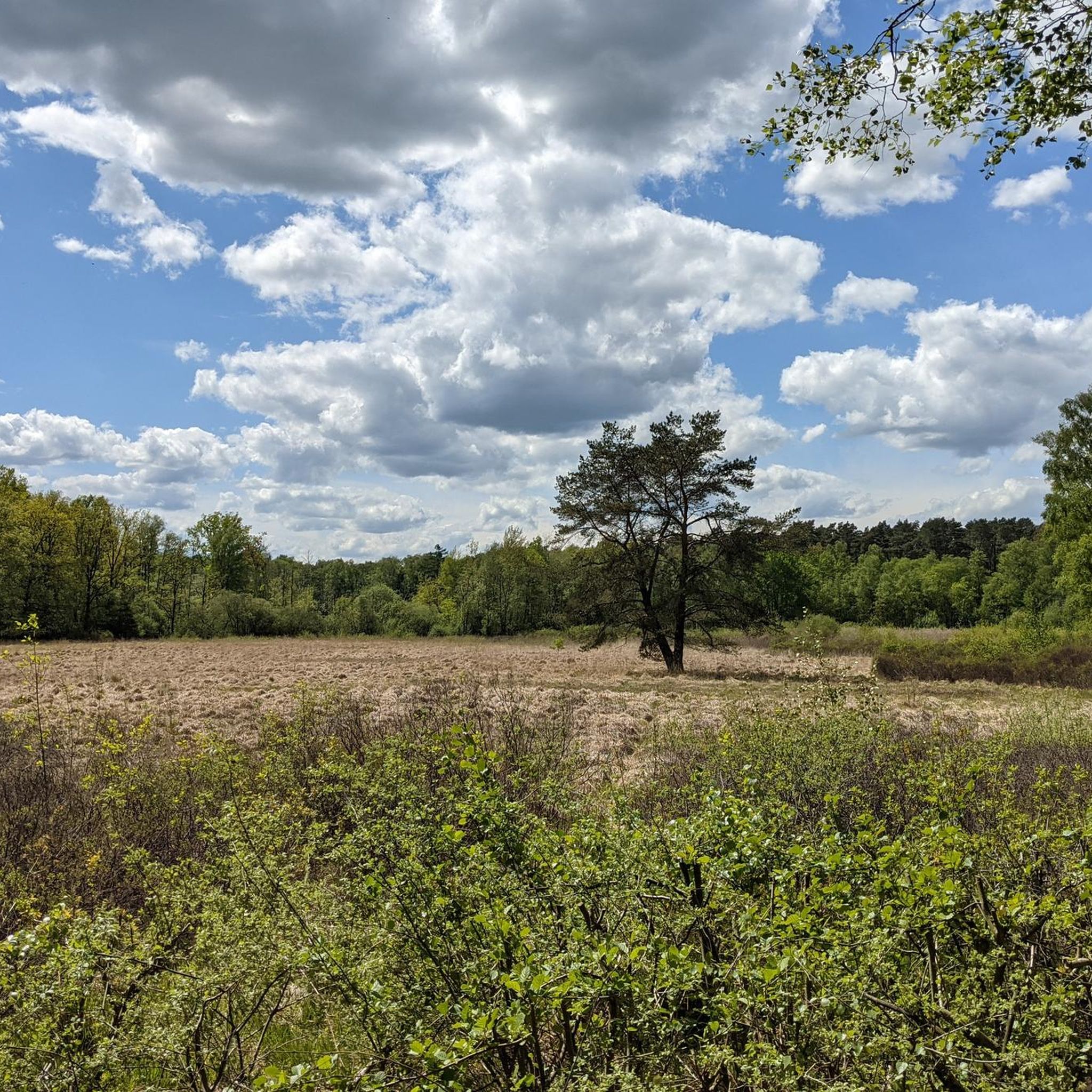
The exotic Mandarin duck can also be seen regularly in the rainwater retention basin. Carp, rudd, tench, perch and pike also swim here. Fishing is prohibited here, however!
1
0


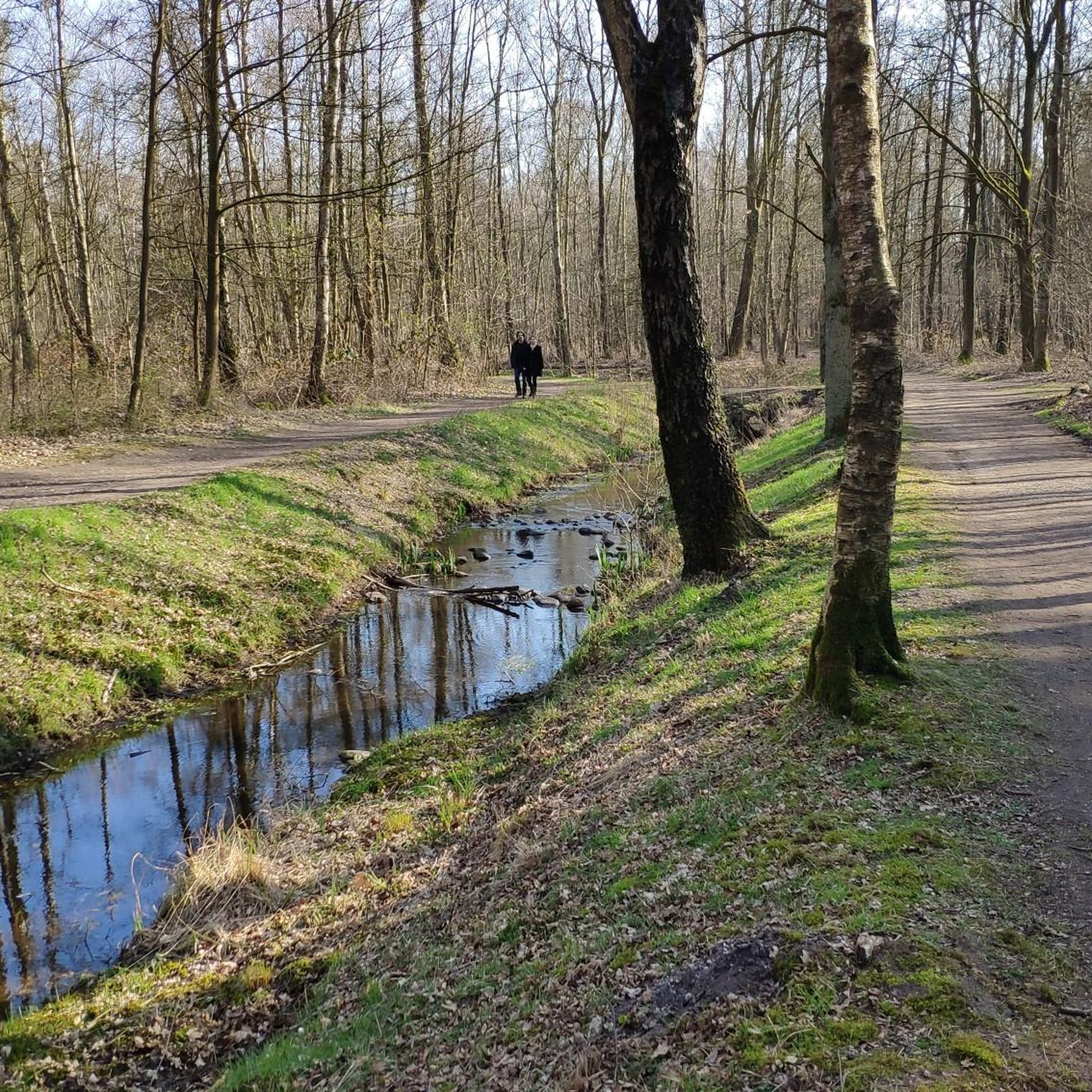
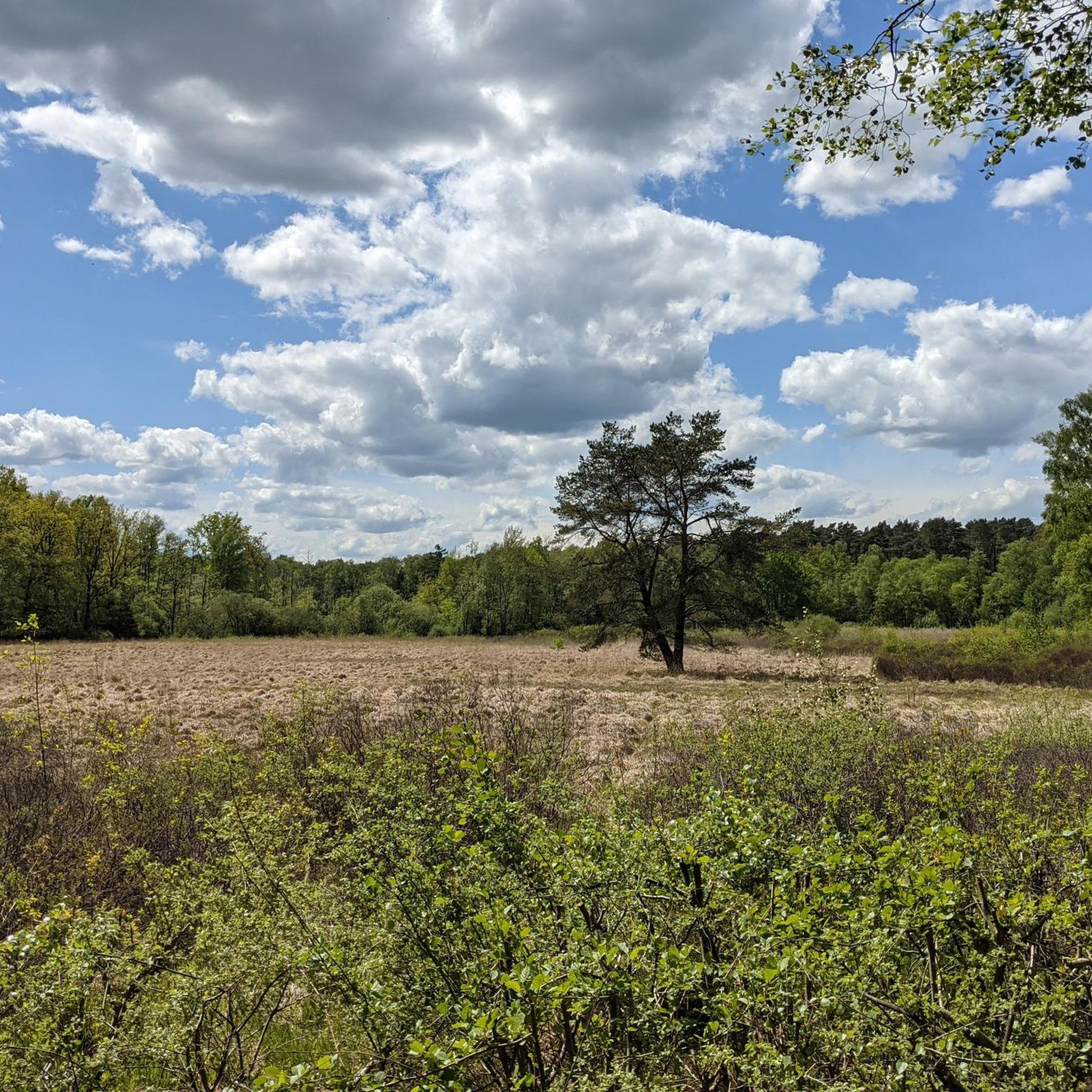
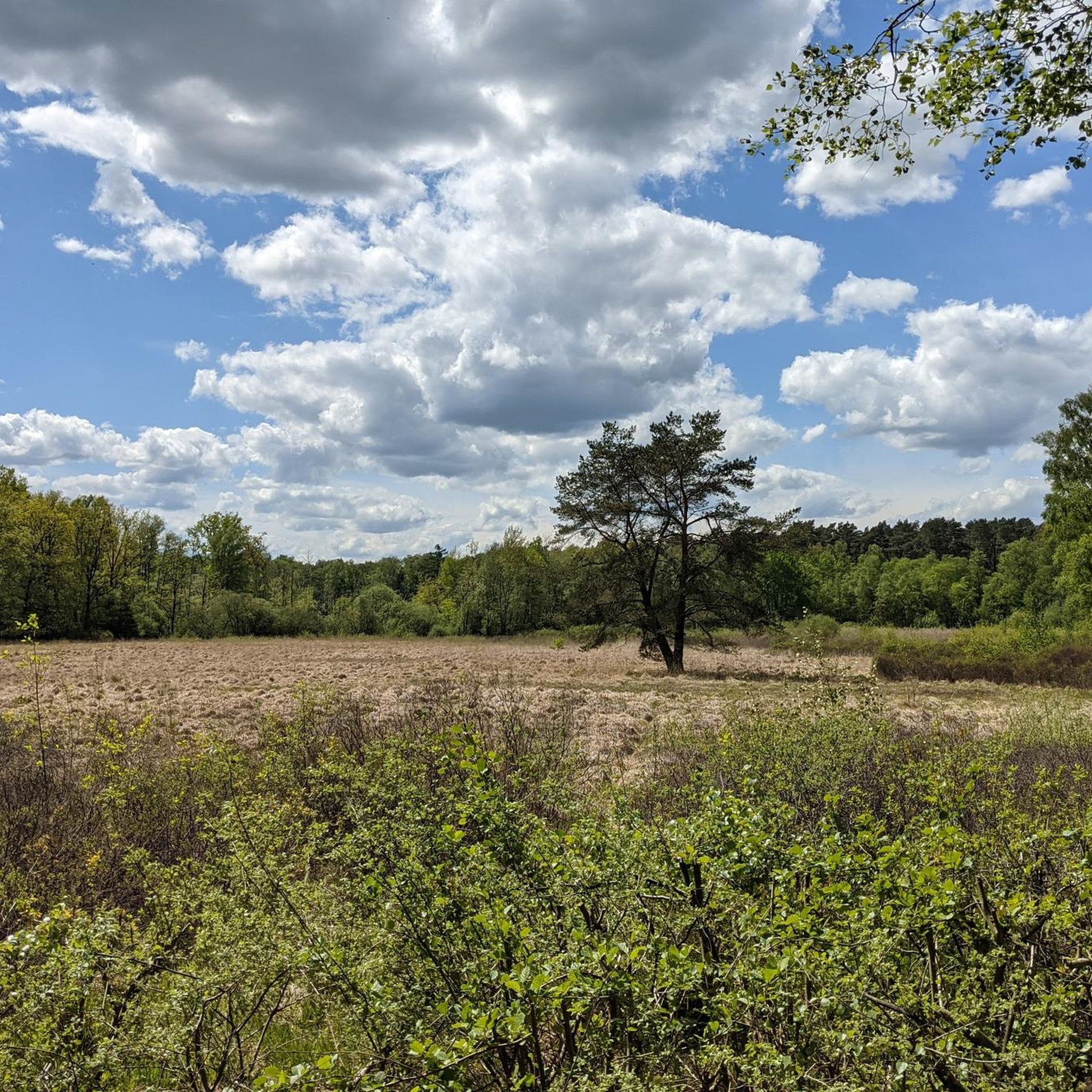
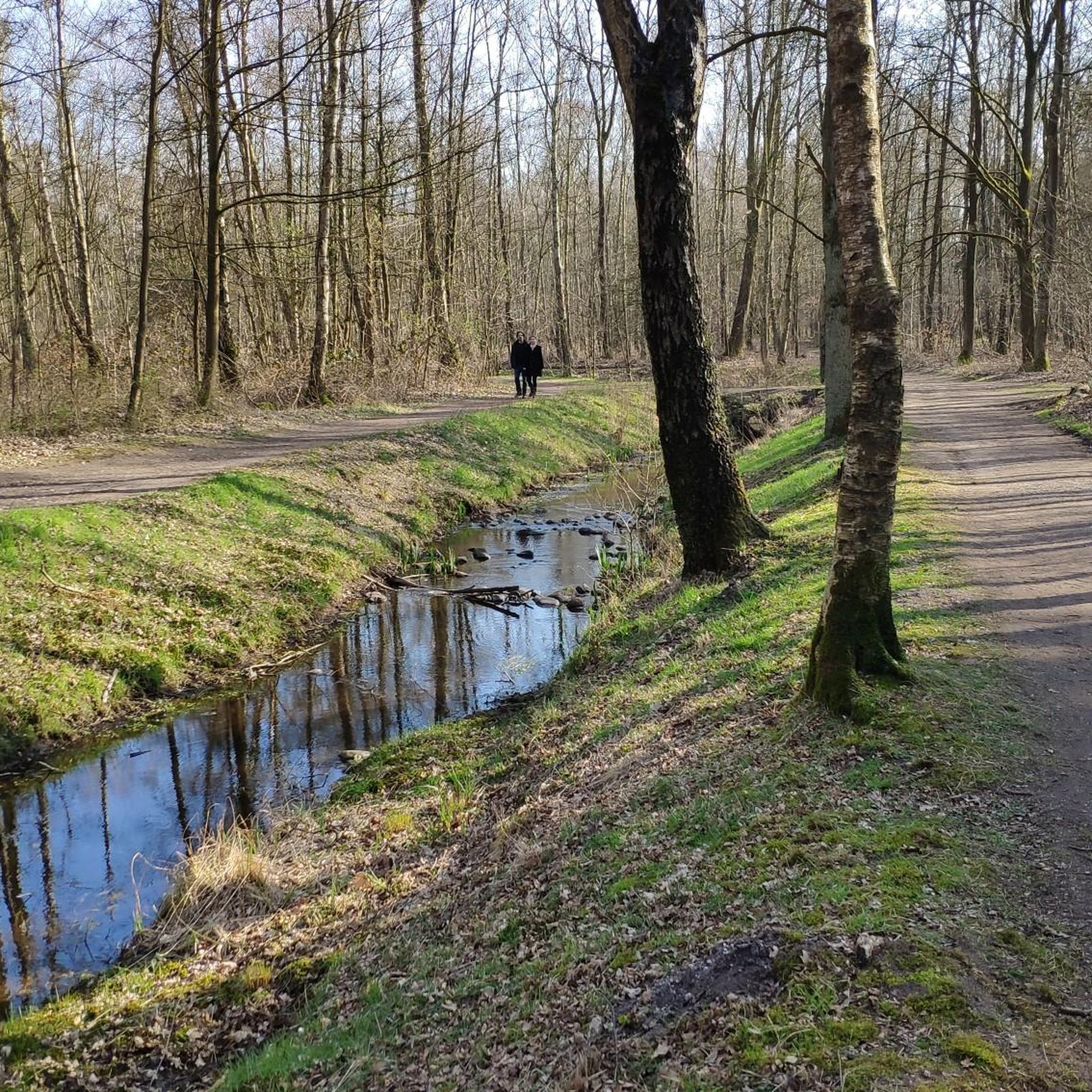
The Raakmoor is the remainder of a raised bog that arose after the last ice age in the headwaters of one of the Alster tributaries. The nature reserve consists mostly of swamp forest, but has a regenerating moor area in the center. At 33 hectares, the Raakmoor is one of the smallest nature reserves in Hamburg. The former high moor was destroyed by peat removal and drainage in order to use it for landscape purposes. But now, with a little help, the area is in the process of getting back to its original state. Due to the removal of peat from the moor and the associated changes, the Raakmoor has a vegetation that is atypical for a moor, with many coniferous and deciduous trees. But these places are also turning more and more into broken forest. This shows that the area is changing back to a raised bog. In the meantime, moor-typical plants such as bog lily, heather, peat moss or the insectivorous sundew can be discovered again in the Raakmoor. In between there are toads, adders, numerous species of dragonflies and rare butterflies that call Raakmoor home. The paths in the nature reserve are well developed for hiking. There are romantic hiking trails along the watercourses, and there are also footbridges for crossing the wet moor areas. https://www.hamburg.de/wandern-excursion-hamburg/298158/wandern-raakmoor/
6
1

Exactly the right place to unwind and switch off.
1
0

From this platform you have a great view over the moor. There is a second platform almost opposite.
3
0

We even saw a male mandarin duck. This kind of duck doesn't really belong here anymore .. unfortunately: - https://de.wikipedia.org/wiki/Mandarinente
6
1

Raakmoor, beautiful nature, hardly ever to meet people, easy paths, a bit muddy in places. Fantastic, that makes you feel like you're on holiday. We recommend.
6
2

It's quite small but definitely worth a visit
7
0
Frequently Asked Questions
What unique natural features can I expect to see in Raakmoor?
Raakmoor is a fascinating example of ecological regeneration. You'll find a regenerating bog landscape, where former peat extraction sites are returning to their original raised bog state. This includes a mosaic of peat bogs, open meadows, and reed-lined ponds, along with swamp forests. Keep an eye out for moor-typical plants like bog lily, heather, sphagnum moss, and even insectivorous sundew.
Where are the best viewpoints to observe the Raakmoor landscape?
For expansive views, visit the View of Raakmoor, which offers perspectives into the wild moor areas. Another tranquil spot is the View of Raakmoorteich, a lake within the nature reserve, perfect for observing waterbirds and enjoying the peaceful setting.
What kind of wildlife can be observed in the Raakmoor nature reserve?
Raakmoor is home to diverse wildlife. Birdwatchers can spot breeding birds like greylag and Canada geese, as well as visitors such as cranes, woodcocks, and kingfishers. The exotic mandarin duck is also a regular sight. Amphibians like toads, reptiles such as adders, and various dragonfly and rare butterfly species thrive here. Mammals like roe deer, foxes, and the elusive harvest mouse also inhabit the area.
Are there specific water bodies or ponds worth visiting in Raakmoor?
Yes, the area features several notable water bodies. The Raakmoor Pond is a central lake within the regenerating moor, known for its diverse wildlife. You can also visit the Raakmoor Retention Pond, which offers insights into the wild moor areas and is part of the rewetting efforts.
Are there hiking trails suitable for exploring the natural monuments in Raakmoor?
Absolutely! Raakmoor offers well-developed paths and footbridges for hiking. An approximately 6-kilometer circular trail allows visitors to explore the area. For more options, you can find several easy hikes, such as the "Raakmoor Pond – View of Raakmoor loop from Hummelsbüttel" or the "View of Raakmoor – View of Raakmoorteich loop from Langenhorn," by checking out the Easy hikes around Raakmoor guide.
Are there family-friendly options for visiting the natural monuments in Raakmoor?
Yes, many areas within Raakmoor are considered family-friendly. The well-maintained paths are suitable for walks with children, and the diverse wildlife and regenerating bog landscape offer educational opportunities. Highlights like Raakmoor Pond and View of Raakmoor are popular choices for families.
What other outdoor activities can I do near the Raakmoor natural monuments?
Beyond hiking, Raakmoor and its surroundings offer opportunities for running and cycling. You can explore various running trails, including moderate routes like the "Raakmoor Nature Reserve – Raakmoor Retention Basin loop." Cyclists can find easy to moderate routes, such as the "Kleine Tarpenbek Bridge – Wooden Frog Sculpture loop." For detailed routes, refer to the Running Trails around Raakmoor and Cycling around Raakmoor guides.
How can I get to the Raakmoor natural monuments by public transport?
Raakmoor is located on the northern outskirts of Hamburg, making it accessible by public transport. While specific bus or train stops aren't detailed here, it's generally well-connected within the Hamburg public transport network. You can plan your journey to the Hummelsbüttel district to reach the reserve.
Is there parking available near the Raakmoor natural monuments?
Yes, visitors typically find parking options in the vicinity of the Raakmoor nature reserve, particularly in the Hummelsbüttel area. It's advisable to check local signage for designated parking zones when you arrive.
What is the best time of year to visit Raakmoor to experience its natural beauty?
Raakmoor offers unique beauty throughout the year. Spring and summer are excellent for observing diverse flora and fauna, including bog plants and various bird species. Autumn brings beautiful colors to the surrounding forests. However, for photographers and those seeking tranquility, misty mornings, especially in cooler months, create serene and picturesque scenes over the wetland pools.
What do visitors particularly enjoy about the natural monuments in Raakmoor?
Visitors appreciate Raakmoor for its tranquility and the unique experience of witnessing ecological restoration. Many enjoy the romantic walks along watercourses and footbridges, observing the diverse wildlife, and the opportunity for quiet nature photography, especially during misty conditions. The area is seen as a peaceful retreat from the city.
Are there any cafes or restaurants nearby for refreshments?
While Raakmoor itself is a nature reserve, there are cafes, pubs, and restaurants available in the surrounding districts of Hamburg, such as Hummelsbüttel and Langenhorn. These provide options for refreshments before or after your visit to the natural monuments.
Most popular routes around Raakmoor
Most popular attractions around Raakmoor

Get inspired with the komoot mobile app


Explore more
Extend your search for the best caves by checking out these guides of the top ones around Raakmoor:
