Top 7 Natural Monuments around Holler- und Wittemoor
Best natural monuments around Holler- und Wittemoor are found within a significant nature reserve in Lower Saxony, Germany. This 377 to 380-hectare area, located northwest of Hude, preserves a remnant of an extensive marginal raised bog. It is celebrated for its successfully regenerated high moor landscape, offering a blend of ecological restoration and unique biodiversity. Rewetting initiatives since the 1980s have revitalized the moor, fostering a thriving environment for characteristic high moor species.
Best natural monuments around Holler- und Wittemoor
…Last updated: June 27, 2026
Prehistoric Boardwalk in Witte Moor
Highlight • Historical Site
Translated by Google •
Tip by

Observation Platform at Holler- und Wittemoor
Highlight • Viewpoint
Three designated hiking trails lead you through the …
Translated by Google •
Tip by

Sign up now to discover places like this
Get recommendations on the best single tracks, peaks, & plenty of other exciting outdoor places.
Sign up for free
Holler Moor
Highlight • Natural
Translated by Google •
Tip by

Moorland in the Wildeshauser Geest Nature Park
Highlight (Segment) • Natural
However, it is difficult to ride a touring bike or, as others would say, very demanding.
Translated by Google •
Tip by

Biele and Wittenmoor Nature Experience
Highlight • Natural
Translated by Google •
Tip by
Sign up for free to discover even more natural monuments around Holler- und Wittemoor.
Sign up for free
Already have an account?
Start today with a free account
Your next adventure awaits.
Login or Signup
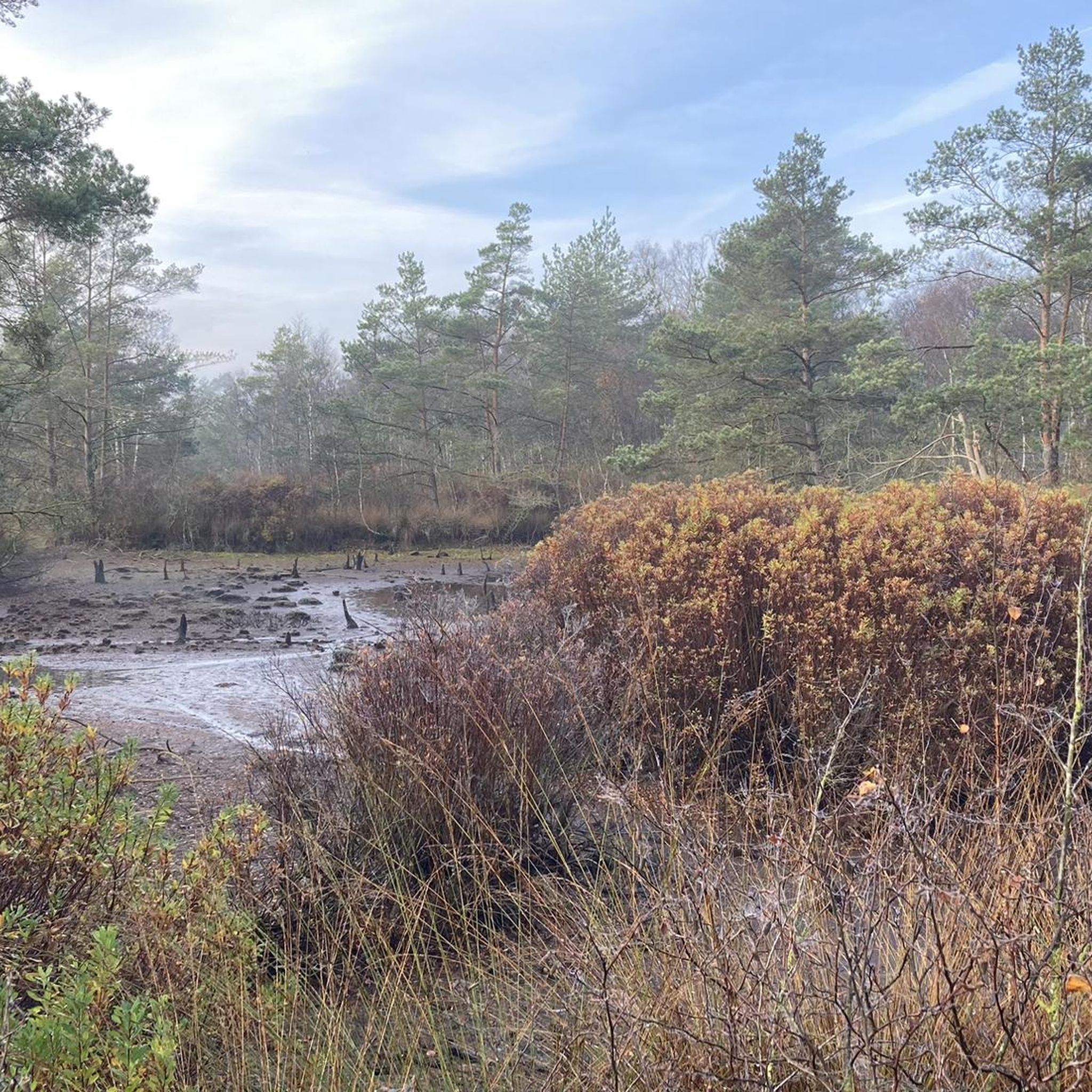
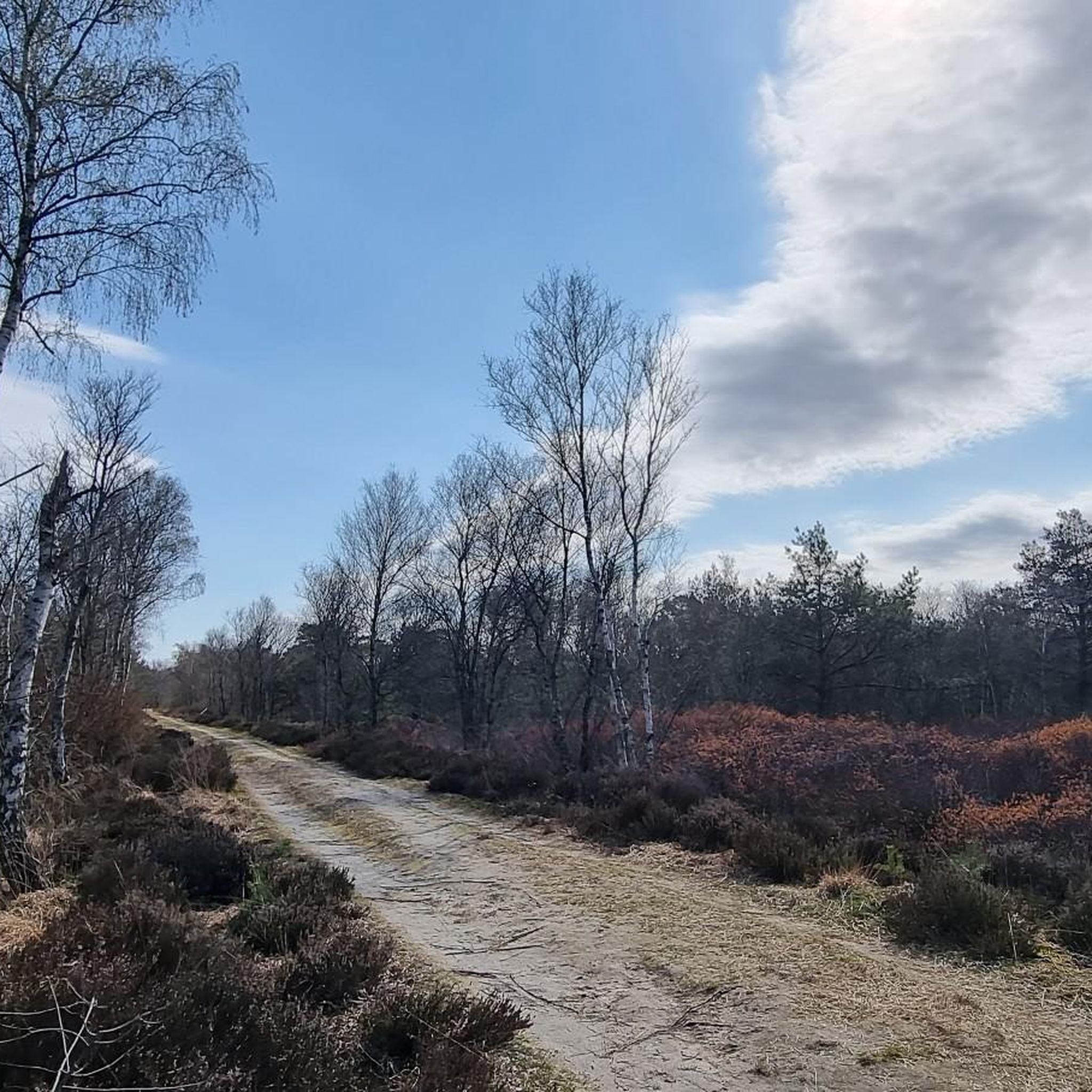
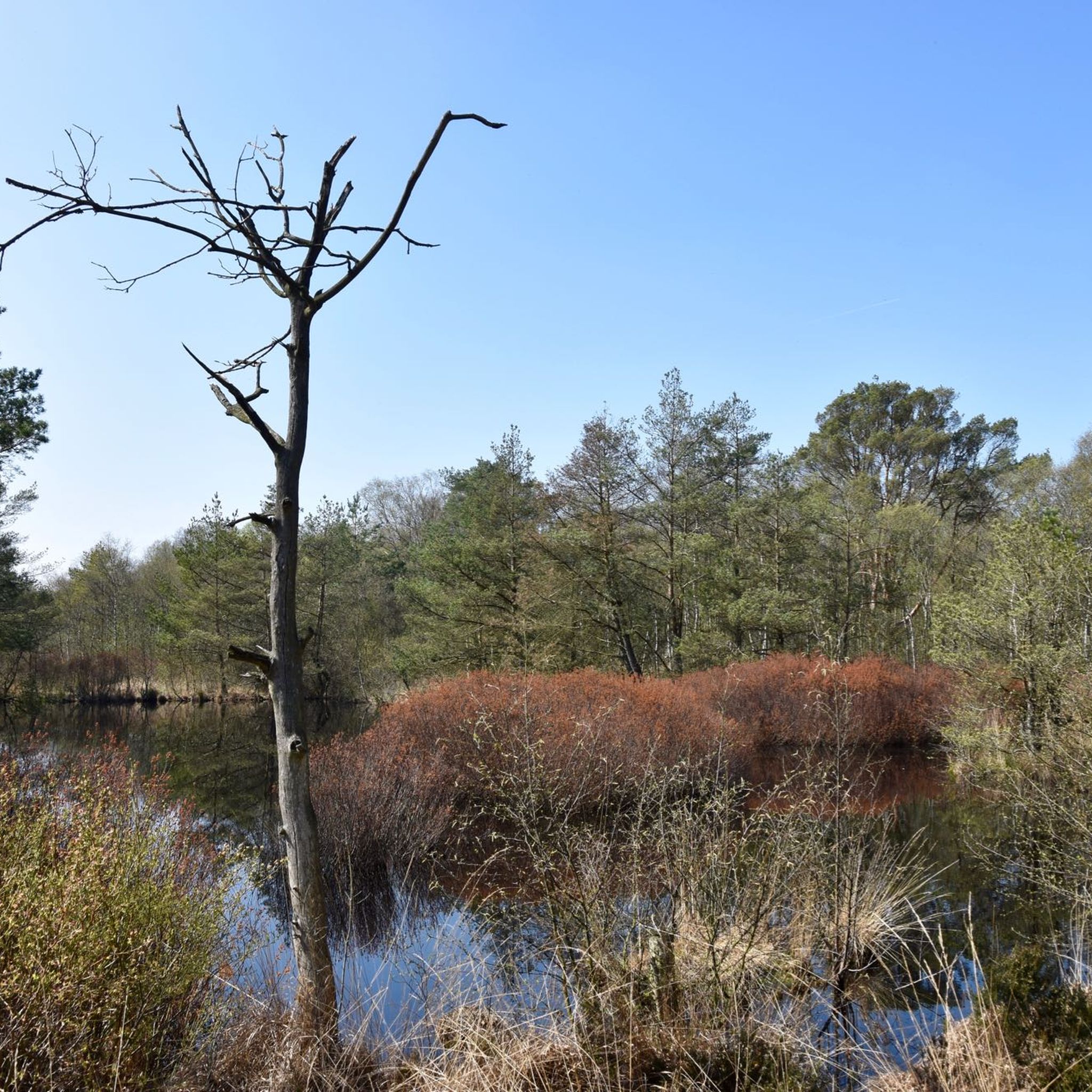
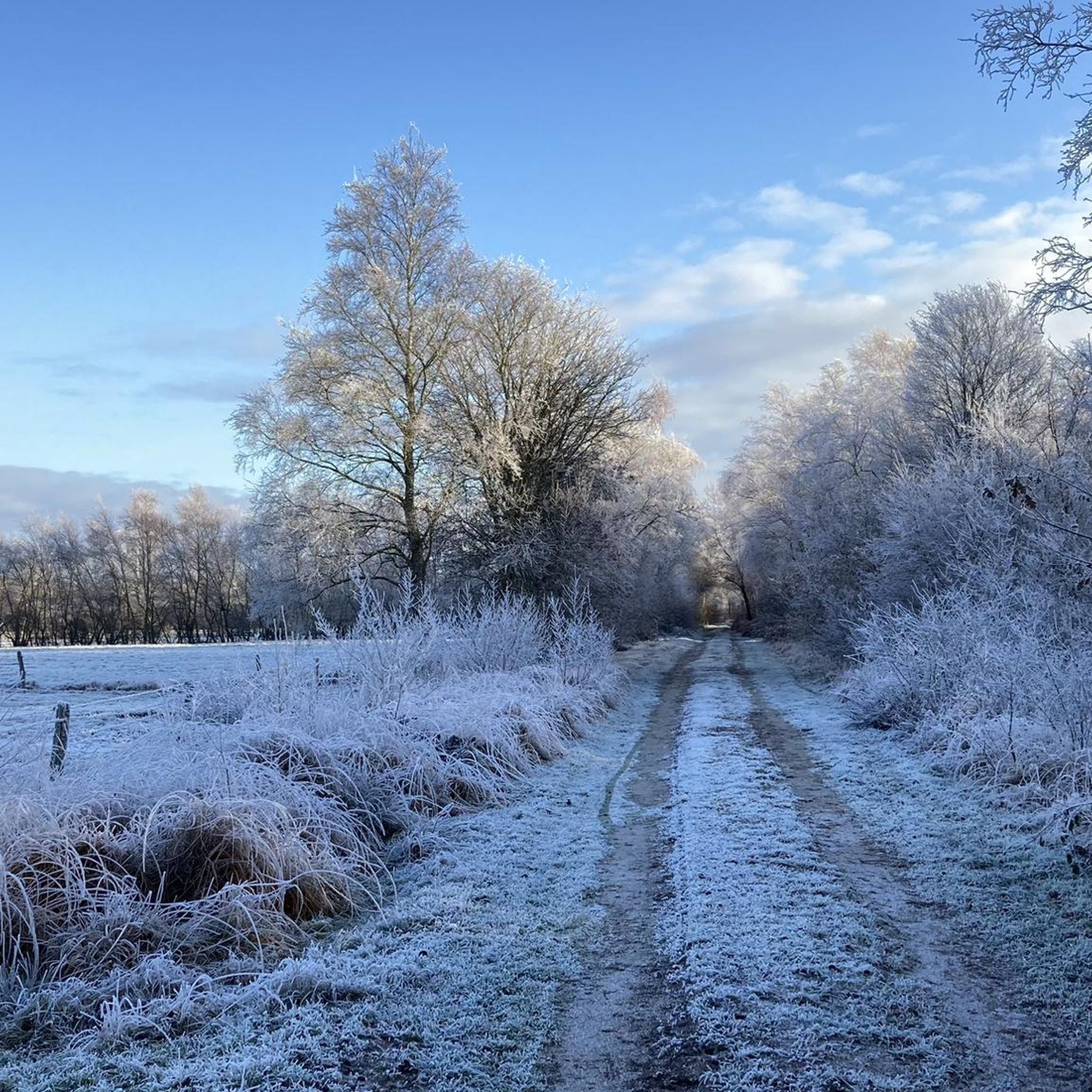
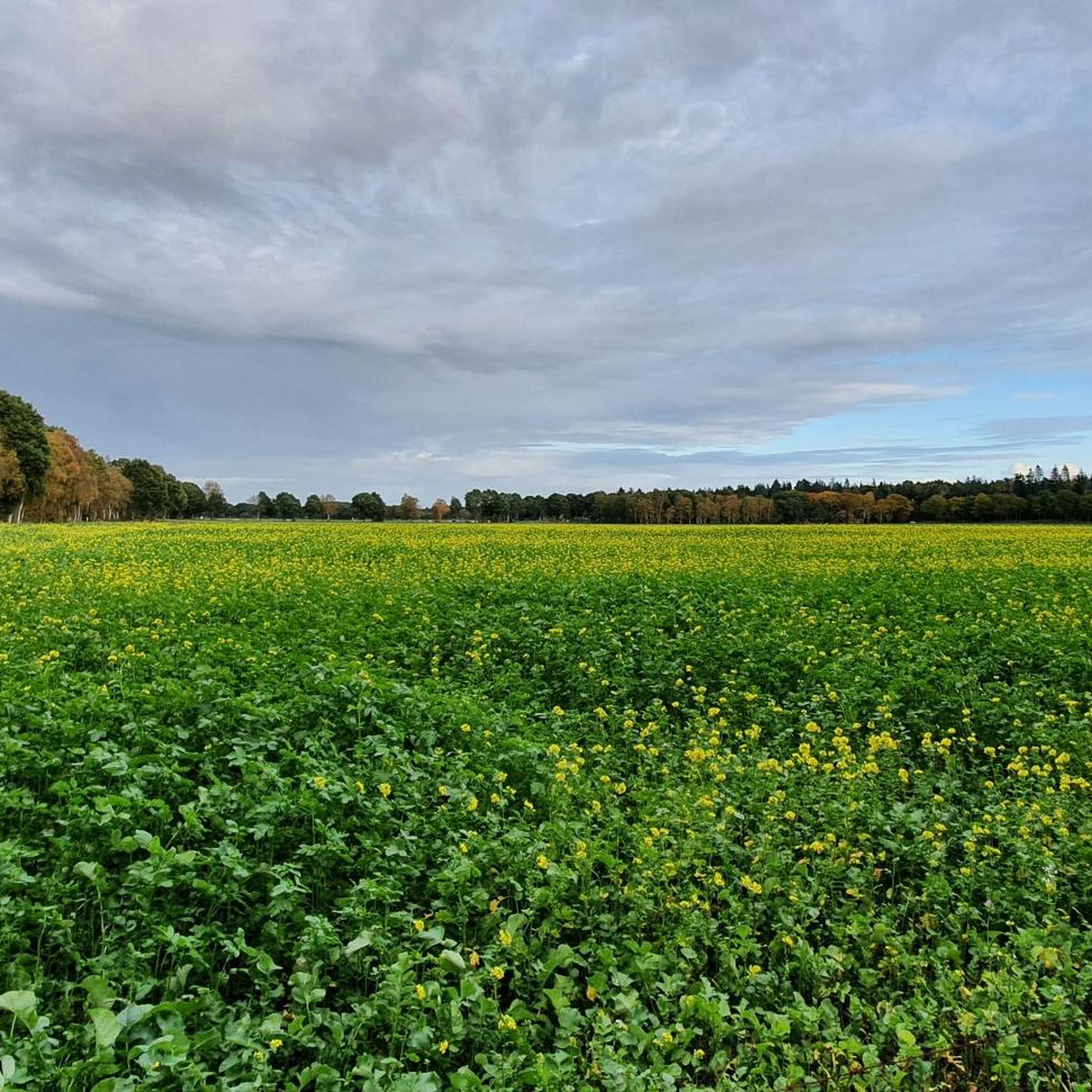
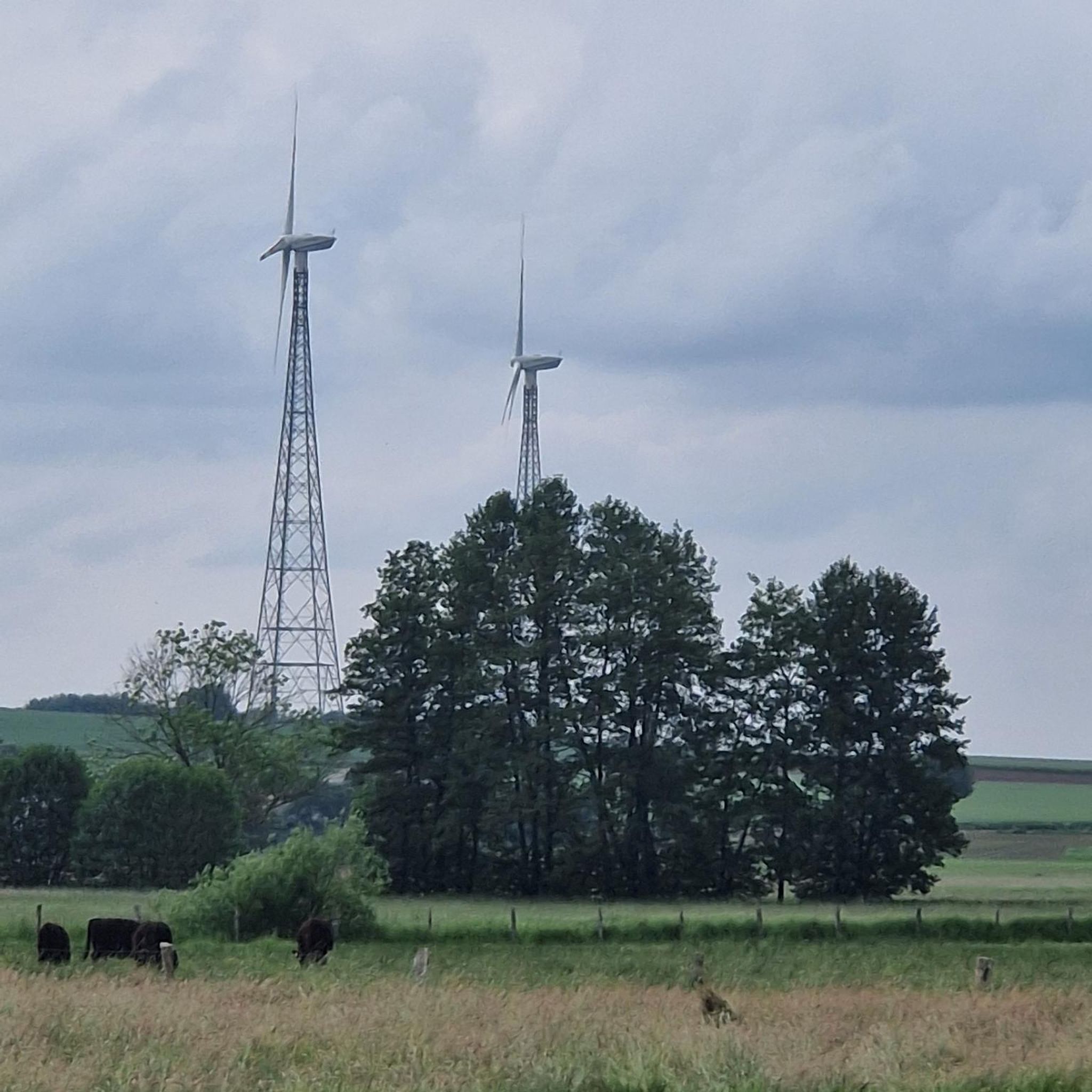
Tips from the Community

Looks completely natural. Made by nature.
2
0

Very beautiful moor with three marked hiking trails. For cycling, only the main trail is advisable and permitted. You can get a good view of the moor from a viewing platform. Information boards are available.
1
0
Great moor with three marked hiking trails. A bit difficult for cycling and only advisable and permitted on the main path. There is a viewing platform that offers a great view over the moor. Information boards also give an overview of life in the moor.
1
0

The Holler Moor borders directly on the Witte Moor. A beautiful, rewetted moorland area. It now offers a habitat for many animals and plants.
4
0

A special experience can be had here in April/May, when the bog myrtle blooms.
2
0

I always enjoy coming here. This peace and nature, today I saw lots of dragonflies dancing over the water. Flowering cotton grass.....🥰
1
0

The nature reserve with the registration number NSG WE 093 is around 377 hectares in size. It consists of the 195 hectare “Holler Moor” in the Oldenburg district and the 182 hectare “Wittemoor” in the Wesermarsch district. The area has been protected since December 17, 1988. The “Holler Moor” nature reserve, which was designated in 1978, and the “Holler and Wittemoor” landscape protection area, which was also designated in 1978, were incorporated into it. The responsible lower nature conservation authorities are the districts of Oldenburg and Wesermarsch. The raised moor area is located northwest of Hude on the edge of the Delmenhorster Geest in the transition area to the Wesermarsch and is a remnant of a former extensive raised bog that has largely been destroyed and disappeared due to drainage and peat mining. Parts of the protected moor were rewetted in the 1980s so that it can regenerate. Moor-typical plants such as peat mosses and cotton grass are settling here again.
1
0
The Holler Moor borders directly on the Witte Moor. A nice re-wetted murder area. This means it once again offers a habitat for many animals and plants.
4
0
Frequently Asked Questions
What are the main natural attractions to see in Holler- und Wittemoor?
The primary attraction is the regenerating high moor landscape itself, a testament to successful ecological restoration. Key points of interest include the Observation Platform at Holler- und Wittemoor, which offers expansive views, and the Holler Moor, known for its re-wetted areas providing habitat for diverse flora and fauna.
What makes the Holler- und Wittemoor area unique?
Holler- und Wittemoor is unique for its successfully regenerated high moor landscape, which was once degraded by peat extraction. Extensive rewetting initiatives since the 1980s have revitalized the moor, fostering a thriving environment for characteristic high moor species like sphagnum mosses, cotton grass, and heather. It's a crucial refuge for biodiversity in the region.
Are there any historical sites within the natural monuments area?
Yes, the area features a fascinating blend of natural and cultural history. You can explore the Prehistoric Boardwalk in Witte Moor, a replica of an ancient path that connects to the original Wittemoor timber trackway dating back to 135 BCE. This offers insights into ancient human ingenuity and the region's archaeological past.
What kind of wildlife can I expect to see in Holler- und Wittemoor?
Thanks to the rewetting efforts, the moor provides a habitat for various animals. Birdwatching is popular, with species like the red-backed shrike and moor frogs being sighted. The unique ecosystem supports specialized flora and fauna that thrive in the revitalized bog landscape.
Are there designated hiking trails in Holler- und Wittemoor?
Yes, there are designated hiking trails that weave through the nature reserve. These trails guide visitors across the historical boardwalk and to the observation tower, offering diverse routes through regenerating moorland, moor forests, and grasslands. You can find more information on hiking routes in the area on the Hiking around Holler- und Wittemoor guide.
What types of outdoor activities are available near Holler- und Wittemoor?
Besides hiking, the area around Holler- und Wittemoor offers opportunities for gravel biking. You can explore various routes that take you through the surrounding landscapes. For detailed routes, refer to the Gravel biking around Holler- und Wittemoor guide.
Are there easy hiking trails suitable for beginners or families?
Absolutely. Many trails in Holler- und Wittemoor are considered easy, making them suitable for beginners and families. These routes range from approximately 4.2 km to 6.7 km, offering relaxing walks through the moor. Check out the Easy hikes around Holler- und Wittemoor guide for specific options.
Is Holler- und Wittemoor suitable for families with children?
Yes, Holler- und Wittemoor is considered family-friendly. The designated hiking trails are generally easy, and the replica of the historical boardwalk offers an engaging educational experience. The observation platform also provides an exciting vantage point for children to spot birds and appreciate the landscape.
What is the best time of year to visit Holler- und Wittemoor?
The moor has its charm in every season. However, for comfortable walking and optimal nature observation, spring and summer are ideal when the moor plants are in full bloom and wildlife is active. Autumn also offers beautiful colors. Be prepared for damp conditions, especially after rain, regardless of the season.
What should I wear when visiting the moor?
It is highly recommended to wear appropriate waterproof footwear, such as sturdy hiking boots, as conditions can be damp and muddy, especially after rain or during wetter seasons. Layered clothing is also advisable to adapt to changing weather conditions.
Where can I park when visiting Holler- und Wittemoor?
While specific parking locations are not detailed, the nature reserve is accessible, and visitors typically find parking near the main access points to the trails. It's advisable to look for designated parking areas at the trailheads or entrances to the reserve.
What do visitors enjoy most about the natural monuments around Holler- und Wittemoor?
Visitors frequently highlight the quiet and relaxing atmosphere of the moor. They appreciate the unique ecosystem, the opportunity for nature observation, and the blend of natural beauty with the historical insights provided by the Prehistoric Boardwalk. The observation platform is also a favorite for its panoramic views.
Most popular routes around Holler- und Wittemoor
Most popular attractions around Holler- und Wittemoor

Get inspired with the komoot mobile app


Explore more
Extend your search for the best caves by checking out these guides of the top ones around Holler- und Wittemoor:
