Top 12 Natural Monuments around Im Saalscheid
Best natural monuments around Im Saalscheid offer a diverse landscape within the Bergisches Land Nature Park. This region features wooded areas, tranquil stream valleys, and historical industrial sites integrated with nature. Visitors can explore a blend of natural beauty and cultural heritage, making it suitable for outdoor activities. The area provides opportunities for recreation and a glimpse into the historical interaction between human activity and the natural environment.
Best natural monuments around Im Saalscheid
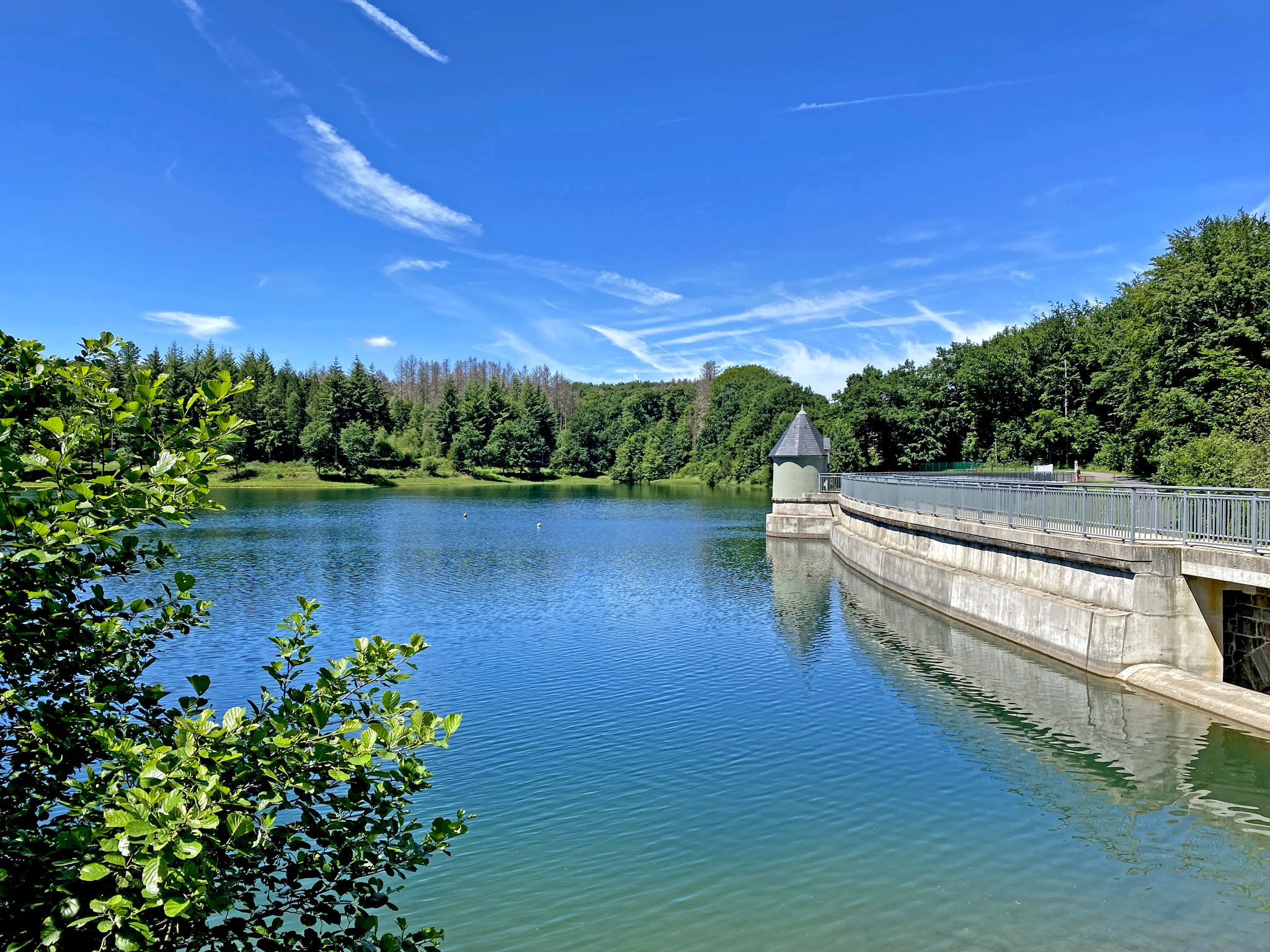
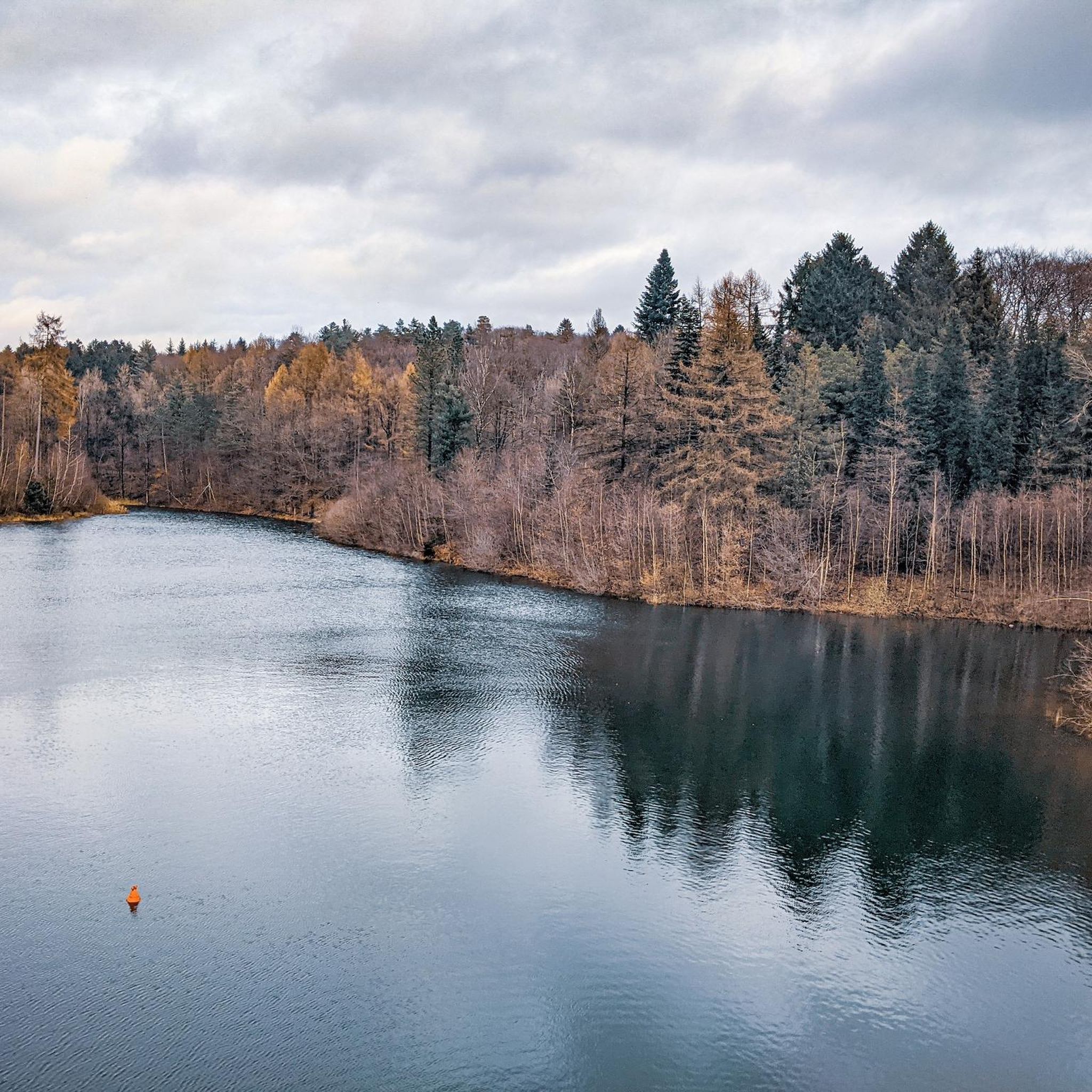
- The most popular natural monuments is Ronsdorf Reservoir, a lake that provides opportunities for relaxation and enjoyment of nature. This dam, inaugurated in 1899, was built using the "Intze principle" to reduce water pressure.
- Another must-see spot is Wet Meadow in the Gelpe Valley, an other natural area. This location showcases how water and hydropower shaped the landscape, with remnants of 19th-century grinding machines and hammers. Today, these wet meadows are valuable, species-rich habitats for plants and animals.
- Visitors also love Saalbach Valley, a gorge that forms a protected running water system. This valley offers biotopes for rare animal and plant species, with display boards explaining the different habitats and the history of old hammer works.
- Im Saalscheid is known for its lakes, gorges, and other natural areas, often featuring historical industrial sites. The region offers a variety of natural monuments to see and explore, from tranquil reservoirs to historical hammer mills.
- The natural monuments around Im Saalscheid are appreciated by the komoot community, with more than 2300 upvotes and over 1600 photos shared by visitors.
Last updated: September 30, 2026
Ronsdorf Reservoir
Highlight • Lake
Showing Translation
Tip by

Saalbach Valley
Highlight • Gorge
Translated by Google •
Tip by

Sign up now to discover places like this
Get recommendations on the best single tracks, peaks, & plenty of other exciting outdoor places.
Wet Meadow in the Gelpe Valley
Highlight • Natural
Translated by Google •
Tip by

Pond at Reinshagenshammer
Highlight • Lake
Further information on the history of the Reinshagenshammer:
waterboelles.de/archives/6813-Fritz-Hardt-kaufte-auch-den-Reinshagenshammer-auf.html
Translated by Google •
Tip by

Residences of the assistants and grinders
Highlight • Historical Site
Translated by Google •
Tip by
Sign up for free to discover even more natural monuments around Im Saalscheid.
Already have an account?
Start today with a free account
Your next adventure awaits.

Other adventures around Im Saalscheid

Tips from the Community

There are a variety of hammers and cottages to see here - often well preserved but neglected.
3
0

The Saalbach Valley is one of my favorite areas to enjoy the peace and quiet of nature.
1
0

Beautiful view of the dam wall of the Ronsdorf Dam.
1
0

Almost all hammersmiths, their assistants and the grinders of the water power plants in the Gelpe-Saalbach area lived near their workplaces, for example in the towns of Holthausen (Ronsdorf), Dahl (Cronenberg), Westen (Lüttringhausen) and Clemenshammer (Cronenberg, Lüttringhausen, Alt-Remscheid). The assistants (journeymen, hammer workers, apprentices) sometimes lived in the attic of their workplaces. Merchants who were also hammer or grinding shop owners also sometimes lived near Gelpe and Saalbach, including in the towns of Westen and Hasten (Remscheid).
7
0
Water and hydropower have not only shaped the shape of the banks of the streams. Numerous grinding machines and hammers were operated here in the 19th century. The energy required to drive the machines was provided by the dammed water in the streams. The wet meadows were used extensively as hay meadows. Everywhere in the Gelpetal visitors can find indications of the former use. Today, the wet meadows are a valuable, species-rich habitat for plants and animals. Tall perennials such as meadowsweet, purple loosestrife and water daisy provide a colorful summer aspect. In spring, the rich yellow blossoms of the marsh marigold shine in the meadows. Amphibians like e.g. The fire salamander, for example, and numerous birds find their nesting sites here.
6
0

Totally rustic area with many small streams and small ponds.
5
0
Always good for a short walk, e.g. after eating in one of the Rondorf restaurants.
8
0

The Saalbach rises below the Ronsdorf comprehensive school, flows through the small but fine Ronsdorf dam and finally flows into the Gelpe. Together with this, it forms a protected running water system that offers biotopes for rare animal and plant species. The different habitats (e.g. damp and wet meadows, alluvial forest, etc.) are explained on display boards. Other display boards tell the story of the old hammer works and grinding huts, which inspired the Bergische steel and tool industry through the use of water power.
5
0
Frequently Asked Questions
What are some of the most popular natural monuments to visit around Im Saalscheid?
Visitors frequently enjoy the Ronsdorf Reservoir, a tranquil lake perfect for relaxation. Another highly rated spot is the Wet Meadow in the Gelpe Valley, which showcases the historical use of water power and is now a rich habitat for plants and animals. The Saalbach Valley, a protected running water system with rare species and historical hammer works, is also a favorite.
Are there family-friendly natural monuments in the Im Saalscheid region?
Yes, several natural monuments are suitable for families. The Ronsdorf Reservoir and the Saalbach Valley are both categorized as family-friendly. The Wet Meadow in the Gelpe Valley also offers an engaging experience for all ages, with its diverse flora and fauna and historical context.
What kind of historical industrial sites can be found integrated with nature in this area?
The region is unique for its blend of natural beauty and industrial heritage. Along the Gelpe and Saalbach streams, you'll find remnants of historical industrial sites known as 'Kotten' and hammer works. Examples include the beautifully restored Käshammer, first mentioned in 1607, and the area around Pond at Reinshagenshammer, which was once a hammer mill. These sites illustrate how water power shaped the local economy.
What outdoor activities can I do near the natural monuments around Im Saalscheid?
The area is ideal for various outdoor activities. You can enjoy extensive hiking on trails like the Gelpetal Wanderweg, which follows the Gelpebach. There are also numerous running and cycling routes. For hiking, explore options like the Circular hiking trails Wuppertal - Ronsdorf Reservoir. Cyclists can find routes such as the Haus Zillertal – Ronsdorf Reservoir loop.
Are there specific hiking trails that highlight the natural monuments?
Yes, the Gelpetal Wanderweg is a prominent trail that allows you to experience the natural beauty of the Gelpebach and Saalbach streams, passing by historical industrial sites. You can also find specific routes like the Ronsdorf Reservoir – Gelpetal Hiking Trail loop, which combines natural scenery with historical context.
What makes the Gelpe and Saalbach streams significant natural features?
The Gelpe and Saalbach streams flow through a large wooded area in Wuppertal, forming a vital recreational space. The Gelpe is known for its abundant water flow, feeding several ponds that historically powered metalworking hammers. Together, they form a protected running water system, providing biotopes for rare animal and plant species, as highlighted in the Saalbach Valley.
Can I bring my dog to the natural monuments and trails?
While specific regulations for each monument may vary, many natural areas and hiking trails in the Bergisches Land Nature Park, including those around Im Saalscheid, are generally dog-friendly. It's always recommended to keep dogs on a leash to protect wildlife and ensure a pleasant experience for all visitors.
What kind of wildlife can I expect to see in the natural monuments?
The diverse habitats, especially around the wet meadows and stream valleys, support a variety of wildlife. The Wet Meadow in the Gelpe Valley is a valuable habitat for plants and animals, including amphibians like the fire salamander and numerous bird species that find nesting sites there. The protected running water system of the Gelpe and Saalbach also provides biotopes for rare animal and plant species.
What is the best time of year to visit the natural monuments around Im Saalscheid?
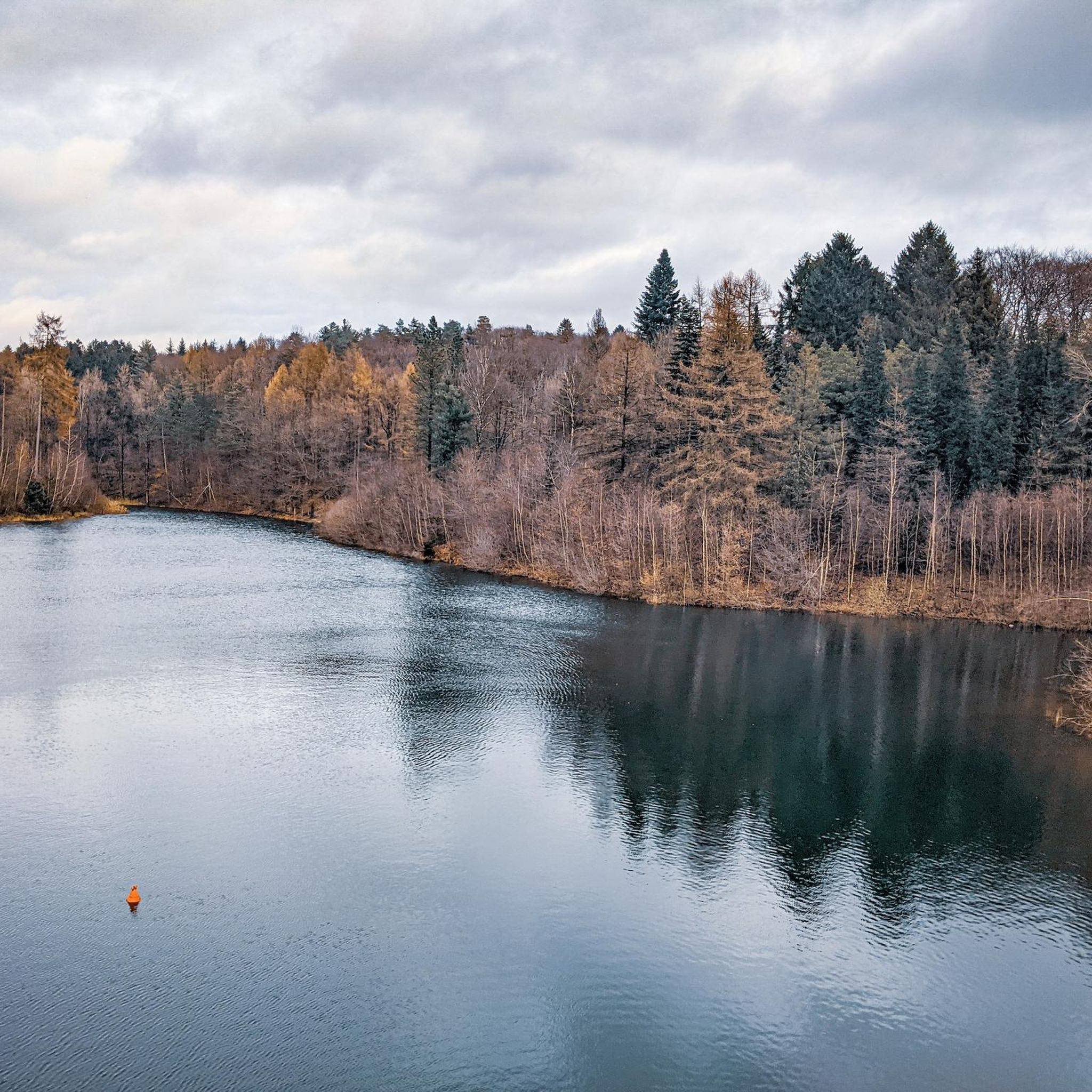
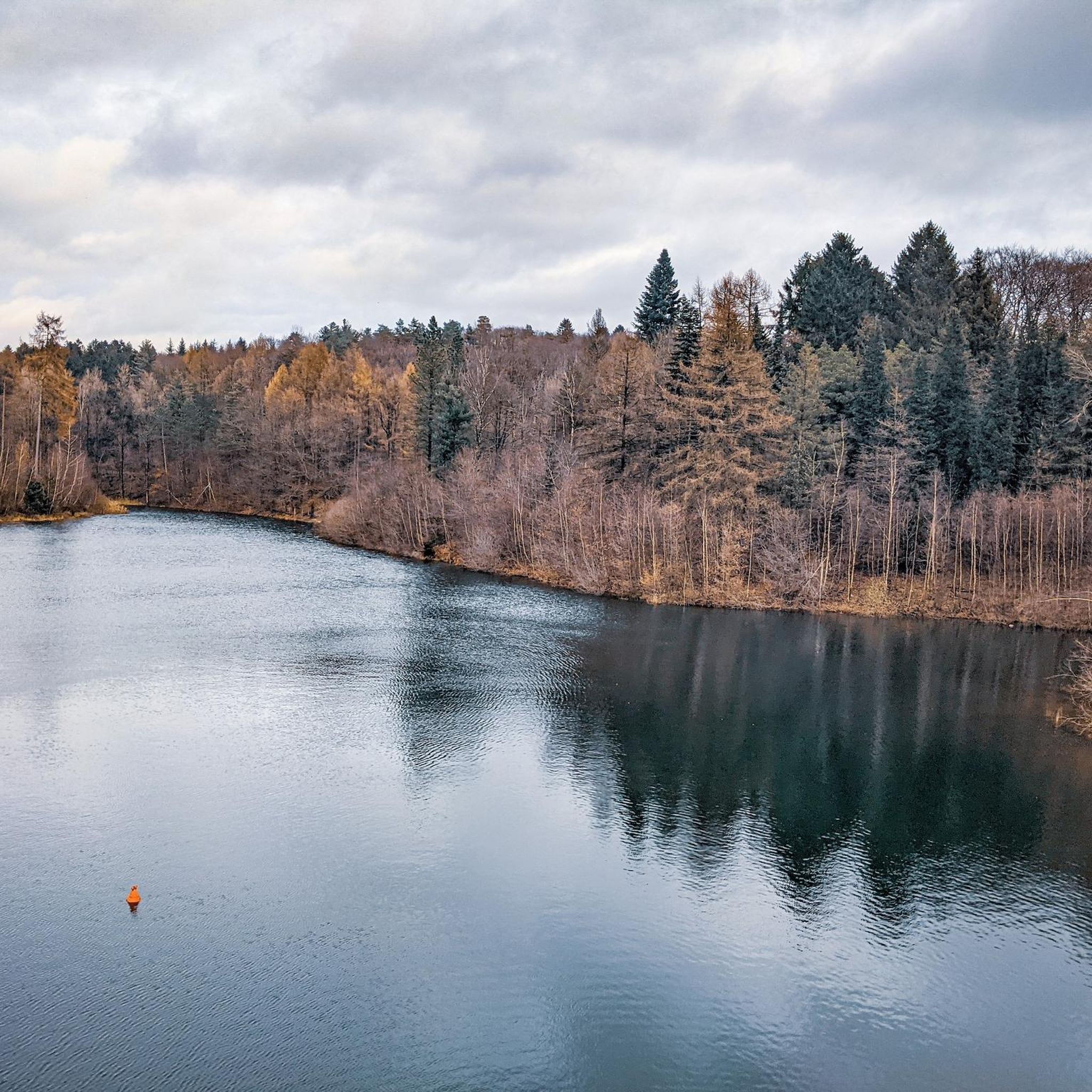
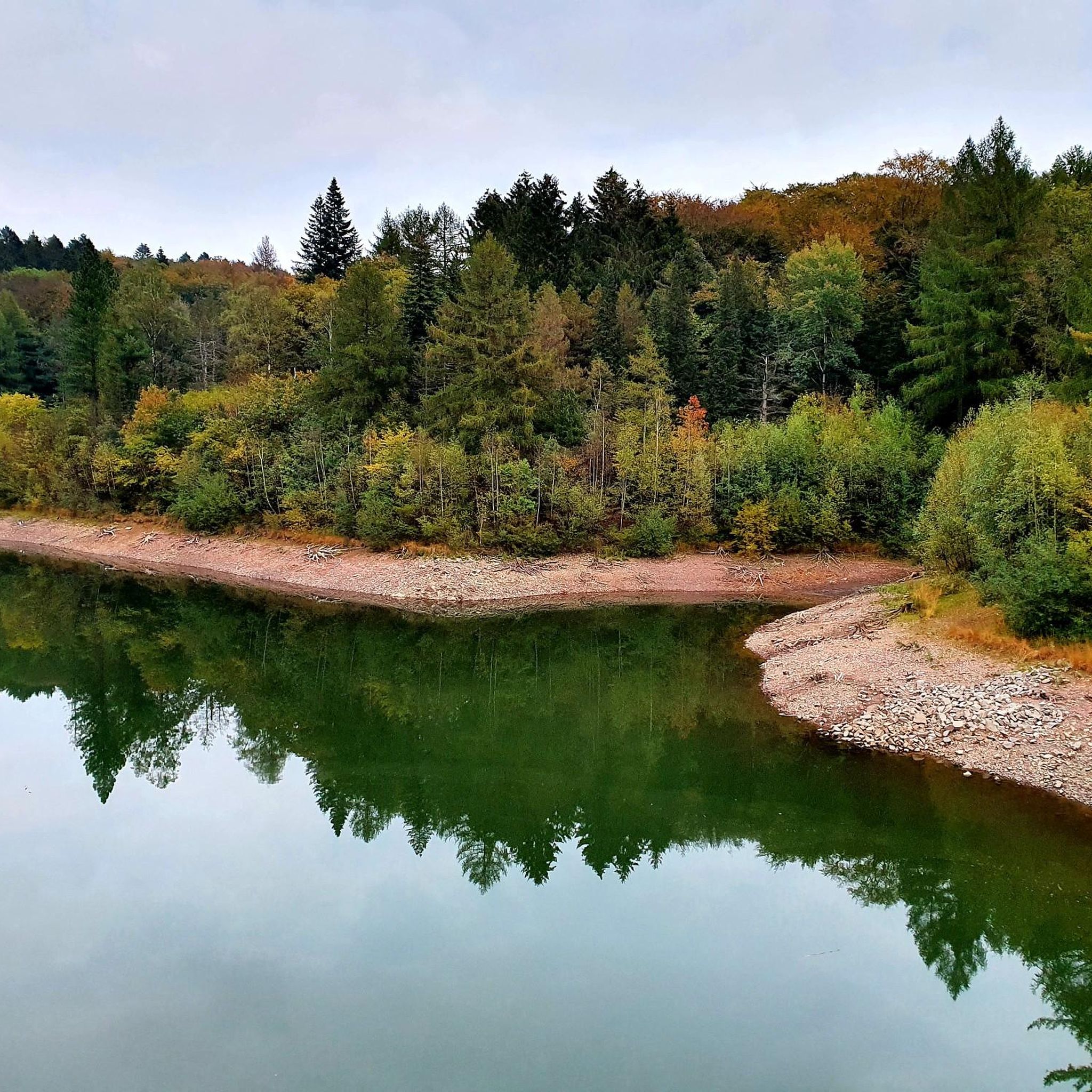
The natural monuments around Im Saalscheid offer beauty throughout the year. Spring brings vibrant yellow blossoms of marsh marigolds in the wet meadows, while summer provides lush greenery for hiking and relaxation. Autumn showcases colorful foliage, and even winter offers a striking destination, especially around the Ronsdorf Reservoir, as noted by visitors.
Are there any historical industrial sites that are particularly well-preserved or notable?
Yes, the region boasts several notable historical industrial sites. The Kremerskotten, though it burned down in 1895, still features the reservoir and two stone bridges, offering a glimpse into its past as a scythe smith's hammer and grinding workshop. The area around the Pond at Reinshagenshammer also has a rich history as a hammer mill.
What do visitors enjoy most about the natural monuments in Im Saalscheid?
Visitors particularly appreciate the unique combination of natural beauty and historical industrial heritage. The serene atmosphere of places like the Ronsdorf Reservoir, the diverse ecosystems of the stream valleys, and the opportunity to explore remnants of old hammer works and grinding huts are frequently highlighted. The integration of these elements provides a rich experience for both nature lovers and history enthusiasts.
Are there any easy hiking routes suitable for beginners or those looking for a relaxed walk?
Yes, there are several easy routes available. For instance, the Ronsdorf Reservoir loop from Ronsdorf is an easy 2.5 km hike. Another option is the Remscheid - Gelpetal circular hiking trail, which is an easy 6.4 km route, perfect for a relaxed exploration of the Gelpetal.
Most popular routes around Im Saalscheid
Most popular attractions around Im Saalscheid

Get inspired with the komoot mobile app


Explore more
Extend your search for the best caves by checking out these guides of the top ones around Im Saalscheid:
