Top 4 Natural Monuments around Glauer Berge
Best natural monuments around Glauer Berge are found in a distinctive sandy hill landscape southwest of Berlin, within the Nuthe-Nieplitz Nature Park. This region was shaped by a massive glacier around 28,000 years ago, resulting in sand dunes, unique vegetation, and geological formations. The area features varied terrain, offering exploration routes and a sense of quiet solitude. It is characterized by its moraine landscape and protected lichen-pine forests.
Best natural monuments around Glauer Berge
- The most popular natural monuments is…
Last updated: June 27, 2026
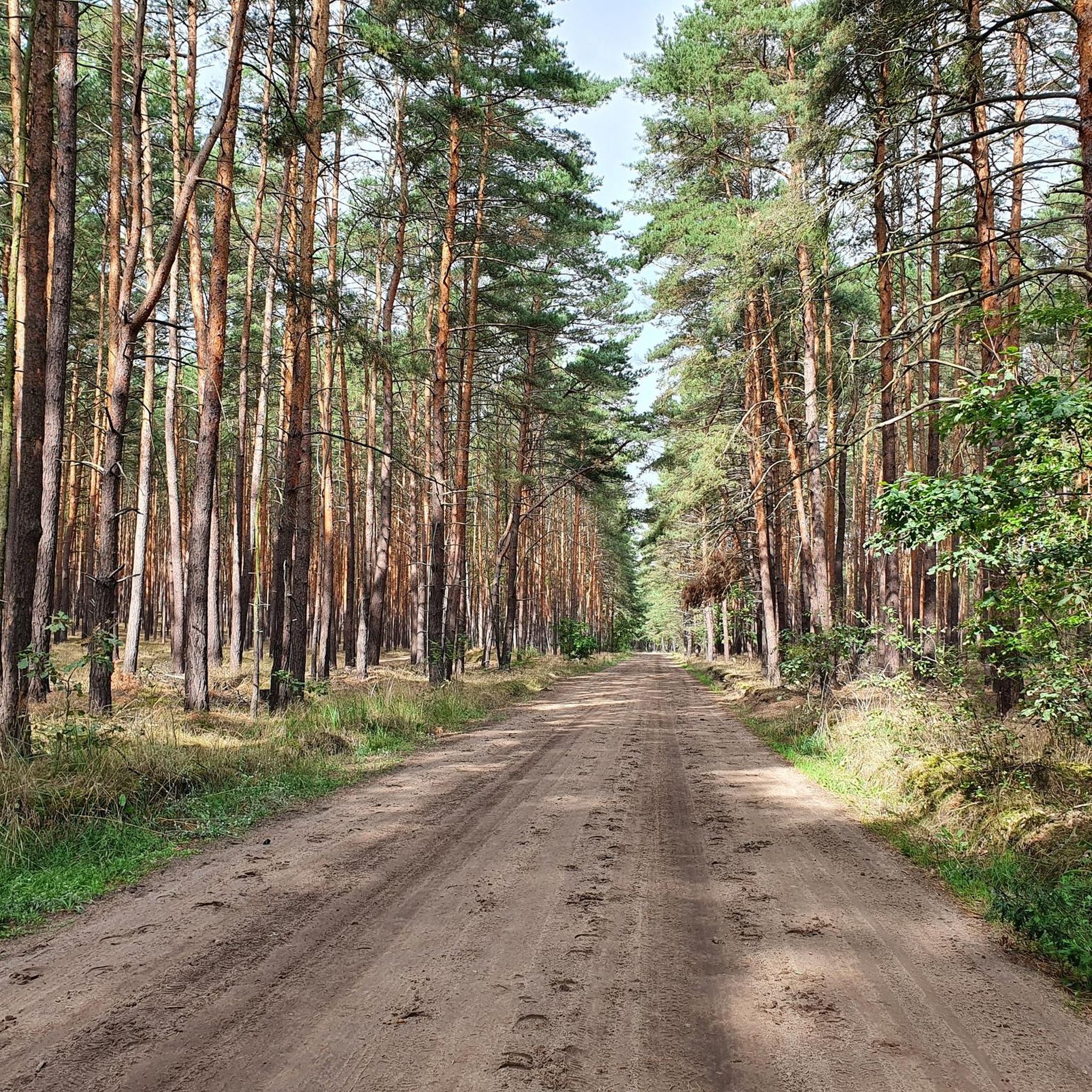
Glauer Berge — Sand Dunes and Pine Forest
Highlight • Forest
Translated by Google •
Tip by

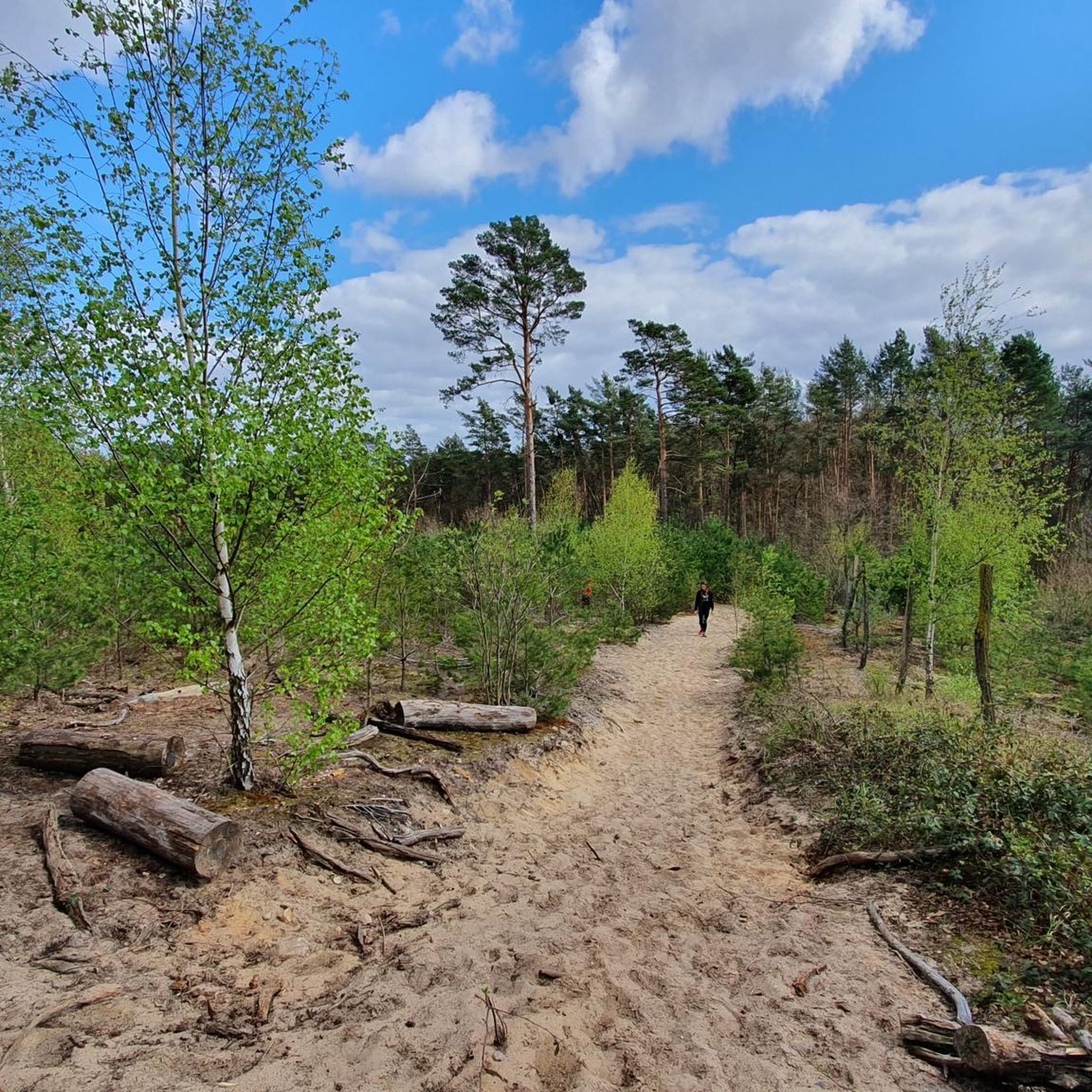
Gorge Trail in Naturpark Nuthe-Nieplitz
Highlight • Trail
Translated by Google •
Tip by

Sign up now to discover places like this
Get recommendations on the best single tracks, peaks, & plenty of other exciting outdoor places.
Sign up for free
Kapellenberg (Glauer Hills)
Highlight • Summit
Translated by Google •
Tip by

Fuchsberg — Summit Cross and Viewpoint
Highlight • Summit
Translated by Google •
Tip by
Kesselberg
Highlight • Summit
Translated by Google •
Tip by

Start today with a free account
Your next adventure awaits.
Login or Signup
Tips from the Community

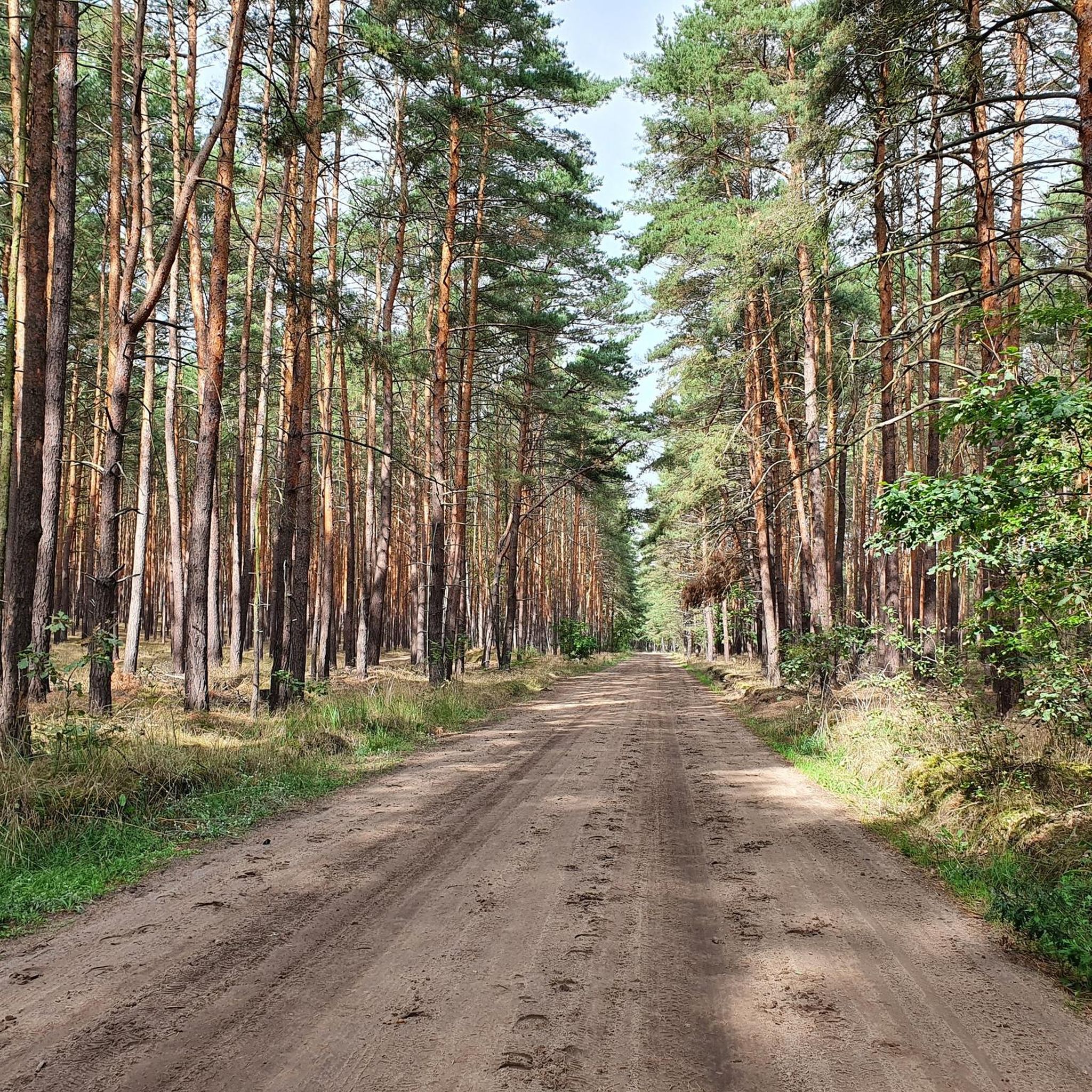
In the "Schluchtenweg" or sandy hollow path, joy comes on foot. =) There were also some horse tracks to be seen.
0
0

On the Fontane hiking trail there is this varied section through a narrow ravine. Gorge might be an exaggeration, but the trail is in Brandenburg, where every manor house is called a castle.
2
0

Not as high as Mount Etna, but still well protected from flooding.
0
0

The ground here is mostly covered by a lichen field. Looks beautiful.
1
0
In the direction of Kesselberg there is a beautiful gorge path uphill.
5
2
The pines are very stunted and crooked, it looks like a witch's forest here. It is the result of the fact that in ancient times the branches were harvested to be used as bedding. Increasingly, paths come from all directions. In autumn, mushroom pickers appear everywhere here out of nowhere. Everything here is full of mushrooms at the moment.
1
0

Beautiful view of the wooded area. There is a covered table and bench combination for a break with a view. A mighty cross towers over the whole.
1
0
Beautiful view of the wooded area. There is a covered bench for a break with a view. The whole is surmounted by a mighty cross.
1
0
Frequently Asked Questions
What unique natural features can I explore in the Glauer Berge region?
The Glauer Berge are known for their distinctive sandy hill landscape, shaped by a massive glacier. You can explore extensive sandy ridges and pine forests, including unique 'Krüppelkiefern' (gnarled pine trees) at Glauer Berge — Sand Dunes and Pine Forest. The region also features geological formations like the Kapellenberg (Glauer Hills) and Kesselberg, which are remnants of a compression moraine.
Are there any notable viewpoints or summits in Glauer Berge?
Yes, the Glauer Berge offer several excellent viewpoints. The Fuchsberg — Summit Cross and Viewpoint provides a fantastic vantage point with views of the Grosse Lowlands and a covered bench for breaks. The Kapellenberg (Glauer Hills) is another significant elevation, and the Kesselberg is the highest point in the Glauer Berge, offering occasional views.
What kind of hiking trails can I expect in the Glauer Berge?
The Glauer Berge offer varied terrain for hiking. You can find picturesque paths like the Gorge Trail in Naturpark Nuthe-Nieplitz, which leads uphill towards Kesselberg through a narrow, ravine-like area. Many trails traverse the sandy ridges and pine forests, providing a peaceful atmosphere. For more hiking options, explore the Hiking around Glauer Berge guide.
Is the Glauer Berge area suitable for families with children?
Yes, the Glauer Berge region offers family-friendly activities. The Glauer Berge — Sand Dunes and Pine Forest provides unique landscapes for exploration. Additionally, the Wildgehege Glauer Tal, located at the foot of the Glauer Berge, is a 160-hectare open-air enclosure where families can observe red deer, fallow deer, and mouflons up close on hiking trails. The NaturParkZentrum Glauer Tal serves as a great starting point for family excursions.
What is the terrain like for hiking in Glauer Berge, and what footwear is recommended?
The Glauer Berge are characterized by a sandy, hilly landscape, remnants of an ice-age terminal moraine. Many paths, especially over the hills, are exceptionally sandy. Sturdy footwear is highly recommended for comfortable hiking through the dry sand dunes and varied terrain.
Are there historical sites or interesting facts about the natural monuments?
Yes, the Kapellenberg (Glauer Hills), for instance, is named after a chapel that stood on its summit about 150 years ago, though only a few brick remains are left today. The unique 'Krüppelkiefern' (gnarled pine trees) in the pine forests are also a result of historical forestry practices where farmers harvested branches, leading to their distinctive shapes.
Can I see wildlife in the Glauer Berge region?
Absolutely. The Glauer Berge are part of the Nuthe-Nieplitz Nature Park, which is rich in wildlife. The Wildgehege Glauer Tal, a large open-air enclosure, is home to over 100 red deer, fallow deer, and mouflons, which you can observe from hiking trails. The lichen-pine forests also provide habitat for various species.
What is the best time of year to visit the natural monuments around Glauer Berge?
The Glauer Berge offer a unique experience throughout the year. Spring and autumn provide pleasant temperatures for hiking and enjoying the changing colors of the vegetation. The 'Krüppelkiefern' (gnarled pine trees) and sandy landscapes are particularly striking in various seasons. Always check local weather conditions before your visit.
Are there options for cycling or road cycling near the Glauer Berge natural monuments?
Yes, the area around Glauer Berge is suitable for cycling. You can find various routes for both touring bicycles and road cycling. For detailed routes and guides, check out the Cycling around Glauer Berge guide and the Road Cycling Routes around Glauer Berge guide.
Where can I find amenities like cafes or restaurants near Glauer Berge?
While the Glauer Berge themselves offer a sense of quiet solitude, you can find amenities in nearby villages. The NaturParkZentrum Glauer Tal, located at the foot of the Glauer Berge, serves as an excellent starting point and may offer facilities. Additionally, the surrounding villages like Blankensee and Glau provide options for cafes and restaurants.
What makes the pine forests in Glauer Berge unique?
The pine forests in Glauer Berge are distinctive due to their extensive sandy ridges and the presence of 'Krüppelkiefern' (gnarled pine trees). These oddly shaped pines are a result of historical forestry practices and contribute to the almost 'fairy-tale' appearance of the landscape. This unique lichen-pine forest is also a protected Flora-Fauna-Habitat.
Most popular routes around Glauer Berge
Most popular attractions around Glauer Berge

Get inspired with the komoot mobile app


Explore more
Extend your search for the best caves by checking out these guides of the top ones around Glauer Berge:
