Top 5 Natural Monuments around Lake Ohrid
Best natural monuments around Lake Ohrid include the lake itself, a UNESCO Natural and Cultural World Heritage Site. Lake Ohrid is one of Europe's deepest and oldest lakes, formed tectonically approximately two to three million years ago. It is known for its clear waters and an extraordinary aquatic ecosystem, harboring over 200 endemic species of flora and fauna. The region offers diverse natural attractions, from ancient lakes to river sources and mountain viewpoints.
Best natural monuments around Lake Ohrid
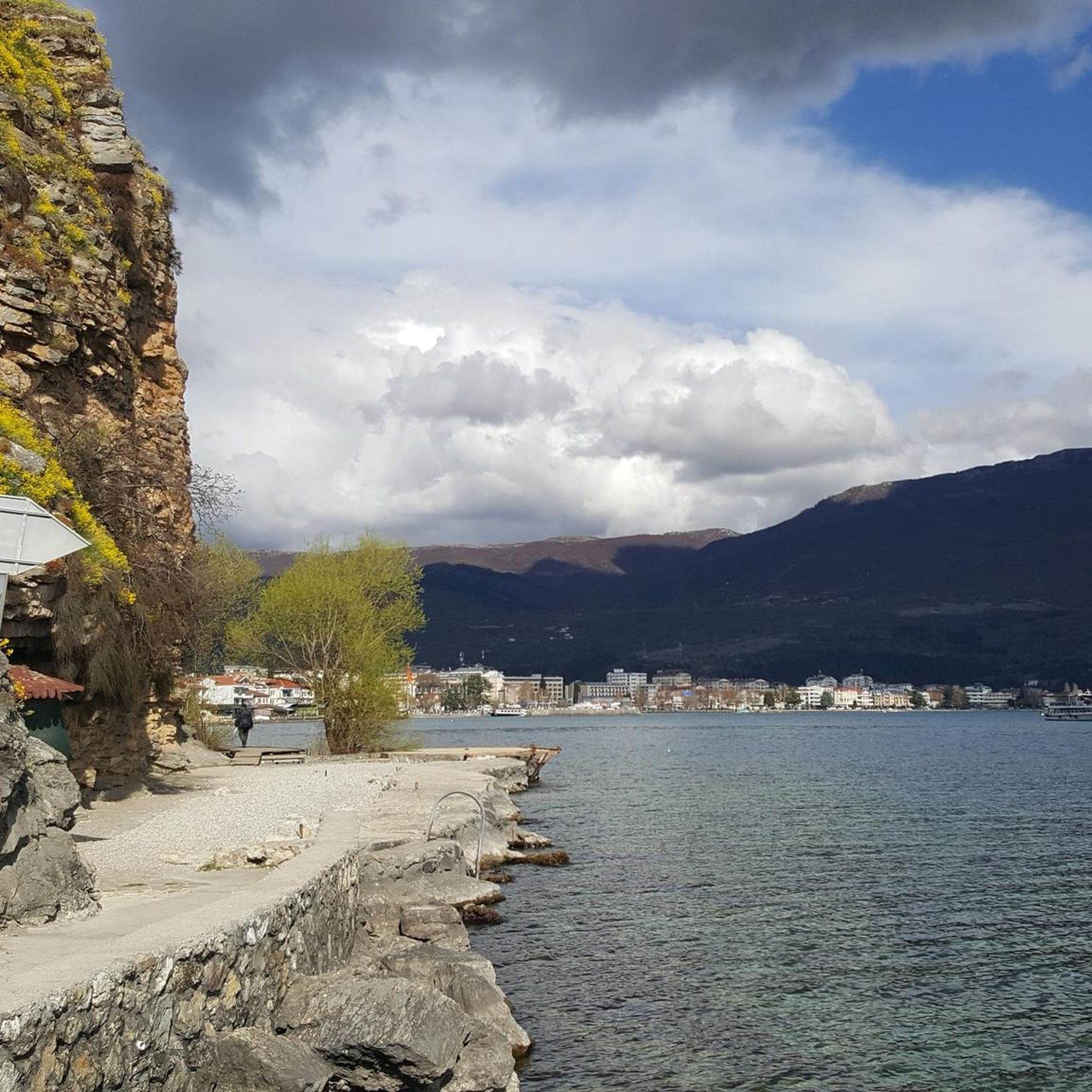
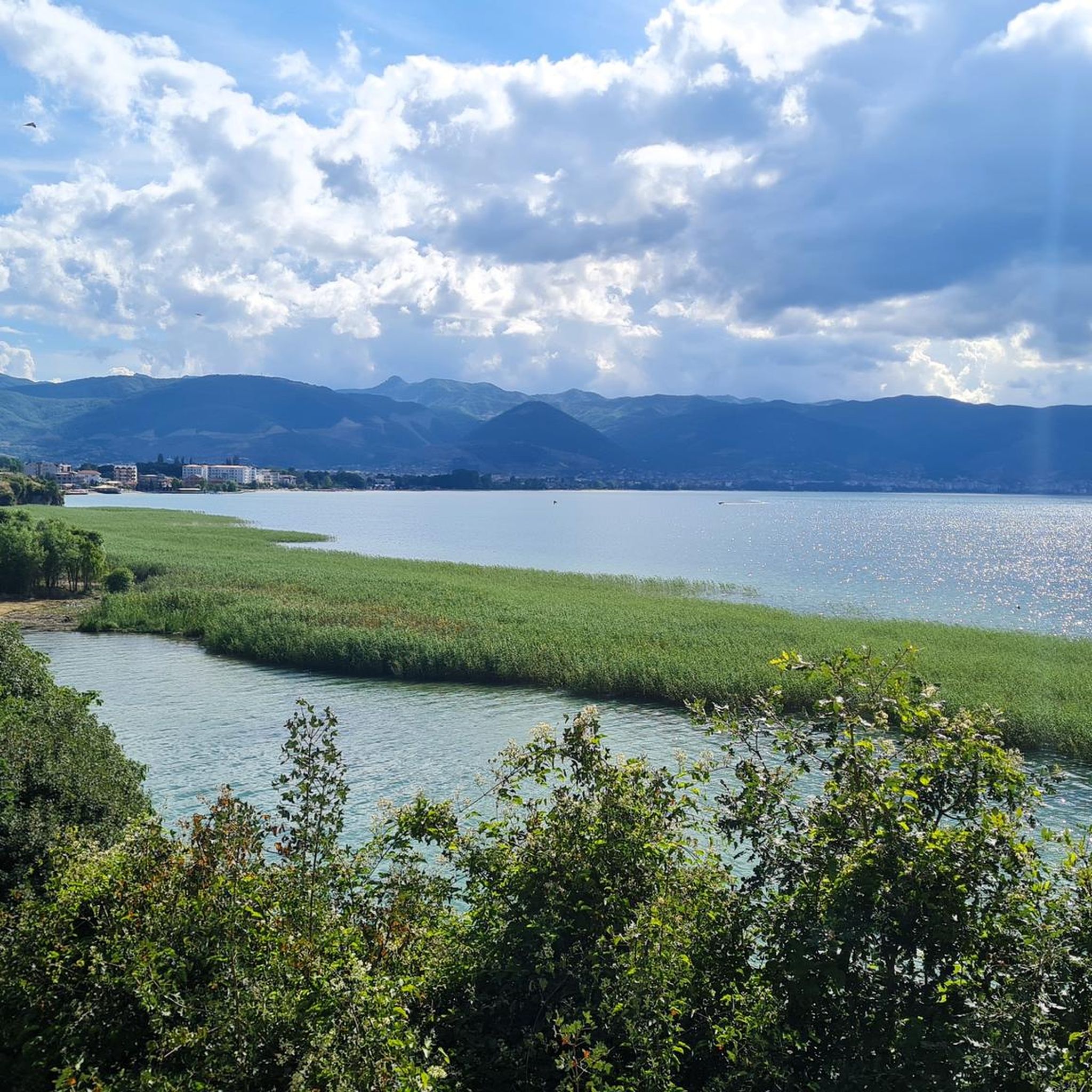
- The most popular natural monument is Lake Ohrid, a lake that is the second largest on the Balkan Peninsula. It is one of the oldest lakes in the world, with a maximum depth of 288 meters.
- Another must-see spot is Source of the Black Drin, a river that emerges from Lake Ohrid in Struga. Walking along its riverbanks offers a relaxing experience with reflections on the water.
- Visitors also love View of Lake Ohrid at the Albania–North Macedonia Border, a viewpoint offering panoramic views of Lake Ohrid. It provides a perspective of the lake where it meets the border.
- Lake Ohrid is known for its ancient lakes, river sources, and mountain viewpoints. The region features diverse natural monuments, including unique aquatic ecosystems and geological formations.
- The natural monuments around Lake Ohrid are appreciated by the komoot community, with more than 50 upvotes and over 30 photos contributed by users.
Last updated: May 15, 2026
Source of the Black Drin
Highlight • River
Translated by Google •
Tip by

Lake Ohrid
Highlight • Lake
It is the second largest lake on the Balkan Peninsula and one of the oldest in the world. It lies mostly in North Macedonia and partly in Albania. The water level is at an altitude of 695 meters and it has a maximum depth of 288 meters.
Translated by Google •
Tip by

Sign up now to discover places like this
Get recommendations on the best single tracks, peaks, & plenty of other exciting outdoor places.
Sign up for free
Lake Ohrid
Highlight • Lake
Translated by Google •
Tip by

View of Lake Ohrid at the Albania–North Macedonia Border
Highlight • Viewpoint
Translated by Google •
Tip by
St. Atanasius Rock Church
Highlight • Religious Site
Translated by Google •
Tip by

Sign up for free to discover even more natural monuments around Lake Ohrid.
Sign up for free
Already have an account?
Start today with a free account
Your next adventure awaits.
Login or Signup
Other adventures around Lake Ohrid

Tips from the Community

Lake Ohrid is also called the Lake Garda of the Balkans. If you look at some pictures you will know why.
5
1

Luckily, thanks to Gimli, I remembered my ID. The Albanian border guards were not very friendly and took forever. On the North Macedonian side, things went very quickly
3
0

The river in Struga turns into a kind of free outdoor swimming pool in the afternoon. You can jump from the bridge and meet many locals
0
0


Beautiful rock church of St. Atanasius, on the water. You can enter via the rock (recommended!!) but also via the monastery
1
0

The river starts directly at Lake Ohrid.
0
0

I swim in the clear water
0
0
beautifully clear water gushes from the lake into the river. children dive into the stream
0
0
Frequently Asked Questions
What are the most popular natural monuments around Lake Ohrid?
The most popular natural monument is Lake Ohrid itself, renowned for its ancient origins and unique biodiversity. Other highly regarded spots include the Source of the Black Drin in Struga and the panoramic View of Lake Ohrid at the Albania–North Macedonia Border.
Are there family-friendly natural monuments around Lake Ohrid?
Yes, many natural monuments are suitable for families. Lake Ohrid offers clear waters for swimming and boat cruises. The Source of the Black Drin in Struga provides relaxing riverbank walks. The Sveti Naum Springs, with their unique boat rides over underwater springs, are also a great family experience.
What unique natural features can I expect to see at Lake Ohrid's natural monuments?
You can expect to see exceptionally clear waters, unique endemic species like the Ohrid trout and sponge, and ancient geological formations. Lake Ohrid is one of Europe's deepest and oldest lakes. The Sveti Naum Springs showcase vibrant underwater vegetation, and Galicica National Park features diverse ecosystems, impressive rock formations, and underground rivers.
What outdoor activities can I do near these natural monuments?
The region offers a variety of outdoor activities. You can enjoy easy hikes around the lake, such as the 'Lake Ohrid – Ohrid Lakeside Promenade loop' or the 'St. Naum Monastery – Springs of Lake Ohrid loop'. For cycling enthusiasts, there are road cycling routes like the 'Macedonia-Albania border loop'. Running trails are also available, including the 'Канал Студенчишта loop'. For more details, explore the easy hikes, road cycling routes, and running trails guides.
Are there hiking trails near the natural monuments around Lake Ohrid?
Yes, there are numerous hiking opportunities. Galicica National Park, situated between Lake Ohrid and Lake Prespa, offers various trails for different skill levels with spectacular panoramic views. You can find easy routes like the 'View of Lake Ohrid – View of Lin loop' or the 'Lake Ohrid – Ohrid Lakeside Promenade loop'. More information on these and other trails can be found in the easy hikes around Lake Ohrid guide.
What is the best time to visit the natural monuments around Lake Ohrid?
The best time to visit is generally during the warmer months, from late spring to early autumn (May to September), when the weather is ideal for swimming, hiking, and exploring. The crystal-clear waters of Lake Ohrid are perfect for boat trips, and the trails in Galicica National Park are most accessible. Winter offers a different, serene beauty, but some activities might be limited.
How much time should I allocate to visit the natural monuments?
To fully appreciate the main natural monuments like Lake Ohrid, the Sveti Naum Springs, and Galicica National Park, it is recommended to allocate at least 2-3 full days. You could spend a day exploring the lake and its immediate surroundings, another day for the springs and nearby historical sites, and a third day for hiking in Galicica National Park. Shorter visits can focus on specific highlights.
Are there places to eat or amenities near the natural monuments?
Yes, especially around the more developed areas. Near Lake Ohrid, particularly in Ohrid and Struga, you'll find numerous cafes and restaurants along the lakeside and riverbanks. The Sveti Naum Monastery area also has dining options. When venturing into Galicica National Park, it's advisable to carry your own provisions, though some visitor centers or villages might offer limited amenities.
Can I see historical or cultural sites alongside the natural monuments?
Absolutely. The Lake Ohrid region is a UNESCO Natural and Cultural World Heritage Site. Near the Sveti Naum Springs, you can visit the historic Monastery of Saint Naum. The St. Atanasius Rock Church is another unique site, accessible via rock or monastery, combining natural cave features with religious history.
What wildlife and flora can be observed in the natural parks around Lake Ohrid?
Lake Ohrid is known for its exceptional aquatic ecosystem, harboring over 200 endemic species, including the unique Ohrid trout, Ohrid sponge, and Ohrid planarian. Galicica National Park boasts rich flora and fauna, offering a chance to observe diverse species in their natural habitat within its rugged mountains and varied ecosystems.
How can I reach the natural monuments around Lake Ohrid?
Many natural monuments are accessible by car, with parking available at popular spots like the Sveti Naum Monastery and various viewpoints. Public transport, primarily buses, connects the main towns of Ohrid and Struga, and some routes extend to areas near Galicica National Park. Boat tours are also a popular way to experience Lake Ohrid and the Sveti Naum Springs.
Most popular attractions around Lake Ohrid

Get inspired with the komoot mobile app


