Top 4 Natural Monuments around Wöhrder Lake
Best natural monuments around Wöhrder Lake, located in Nuremberg, Germany, form a significant natural space within the city. This man-made reservoir, created for flood control, has evolved into a vital ecosystem and a landscape protection area. The lake is divided into two main sections, the Upper and Lower Wöhrder See, offering distinct natural features and experiences. The area is recognized for its ecological importance and diverse wildlife, serving as a green lung for Nuremberg.
Best natural monuments around Wöhrder Lake
…Last updated: May 15, 2026
Wöhrder Lake
Highlight • Lake
Translated by Google •
Tip by

Norikusbucht Recreation Area, Wöhrder See
Highlight • Lake
Translated by Google •
Tip by

Sign up now to discover places like this
Get recommendations on the best single tracks, peaks, & plenty of other exciting outdoor places.
Sign up for free
Information board for the Pegnitztal protected landscape area
Highlight • Rest Area
Translated by Google •
Tip by

Eco Island on the north shore of Wöhrder Lake
Highlight • Natural
Translated by Google •
Tip by

Station 2 of the Pegnitztal Nature Trail: The Pond
Highlight • Lake
Translated by Google •
Tip by

Sign up for free to discover even more natural monuments around Wöhrder Lake.
Sign up for free
Already have an account?
Start today with a free account
Your next adventure awaits.
Login or Signup
Popular around Wöhrder Lake
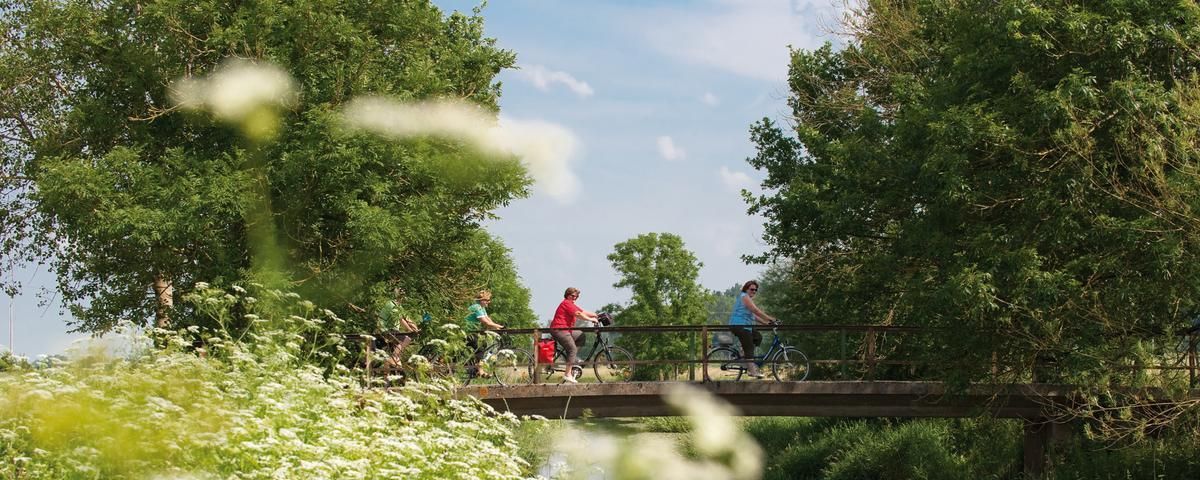
The most beautiful long-distance cycle paths in Franconia
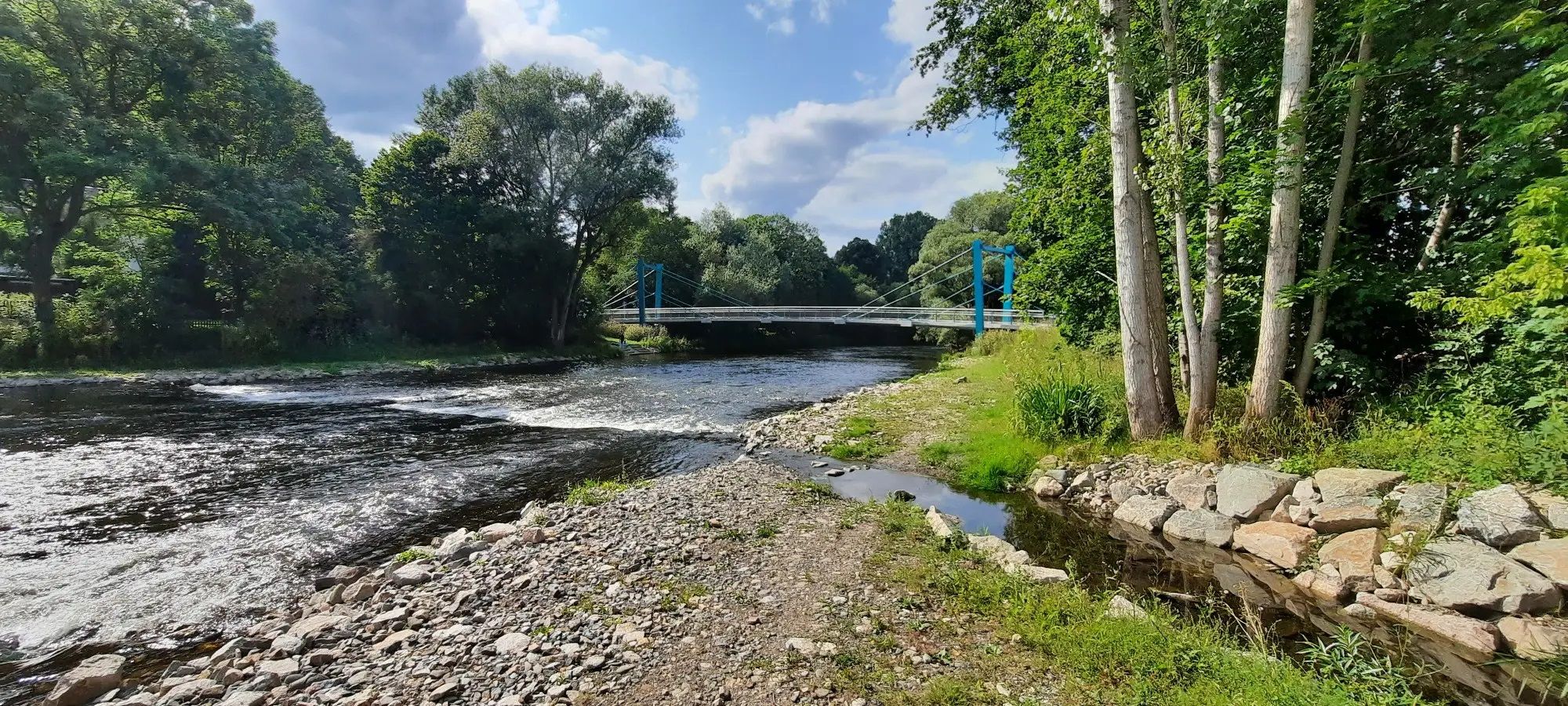
D-Route 11 – Baltic Sea - Upper Bavaria
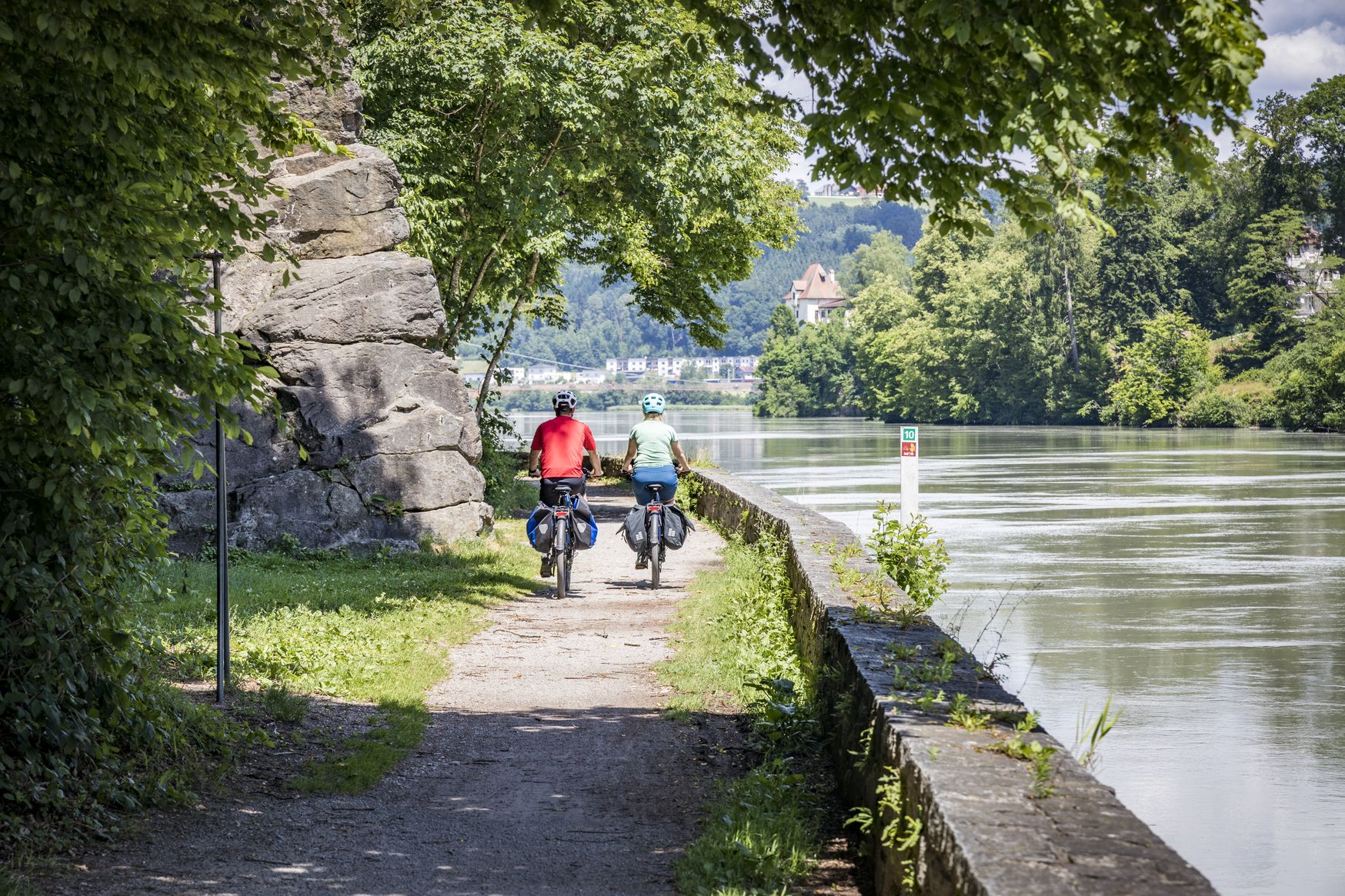
Kilometres of cycling fun – long-distance cycle routes in Bavaria
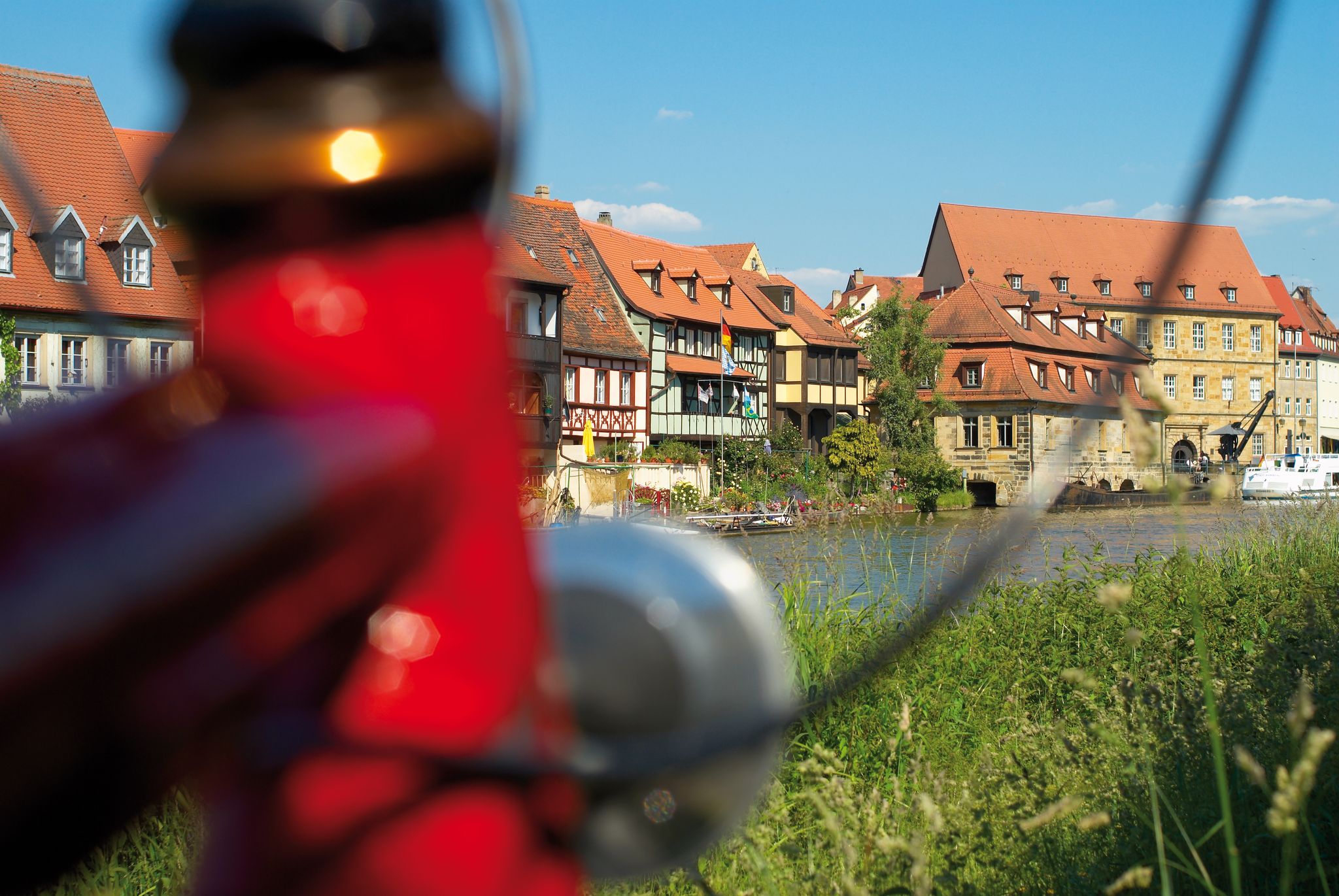
The Regnitz Cycle Route – Green River Floodplains and Historic Old Towns
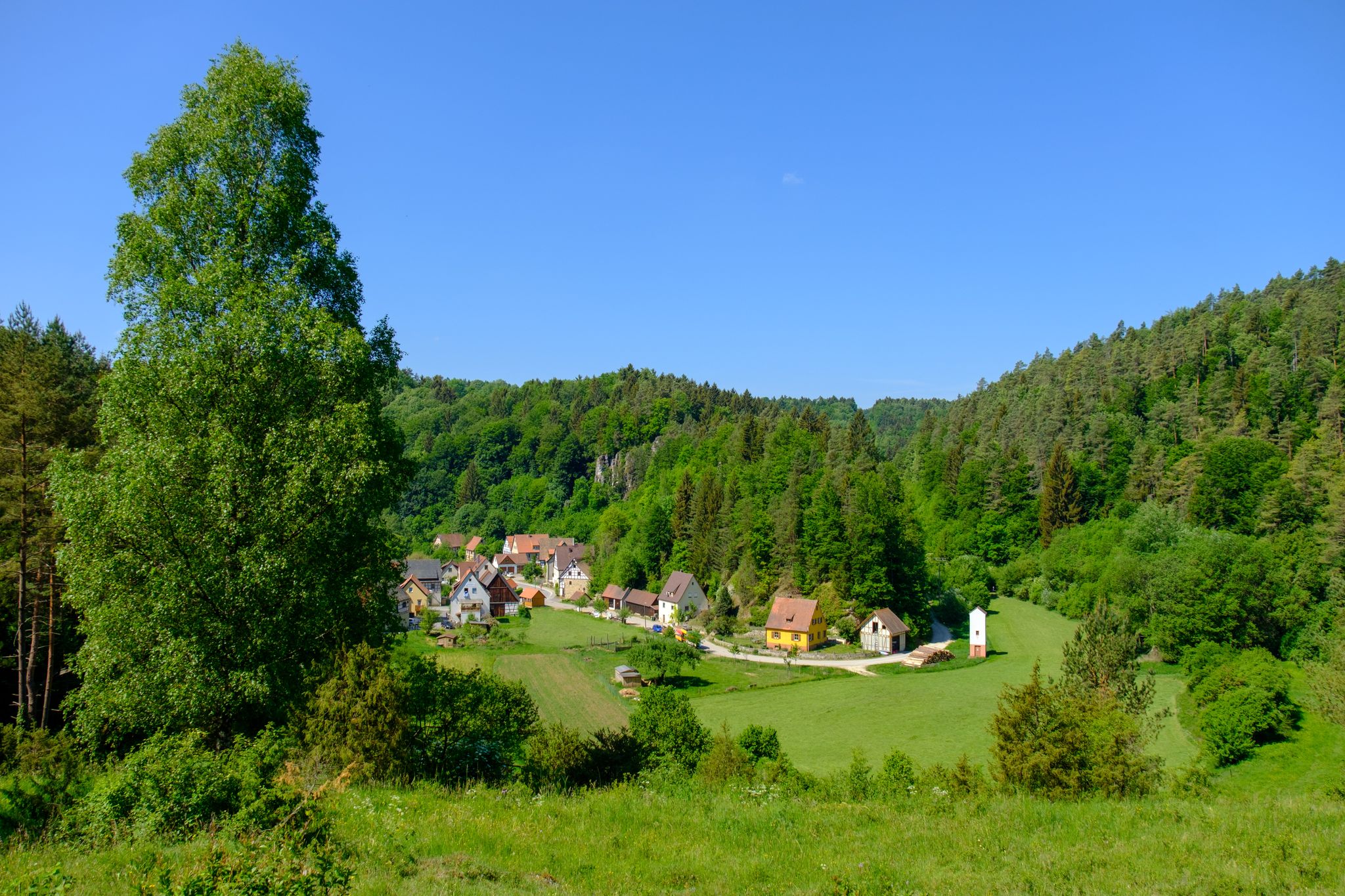
The most beautiful cycle paths through the Nuremberg Land
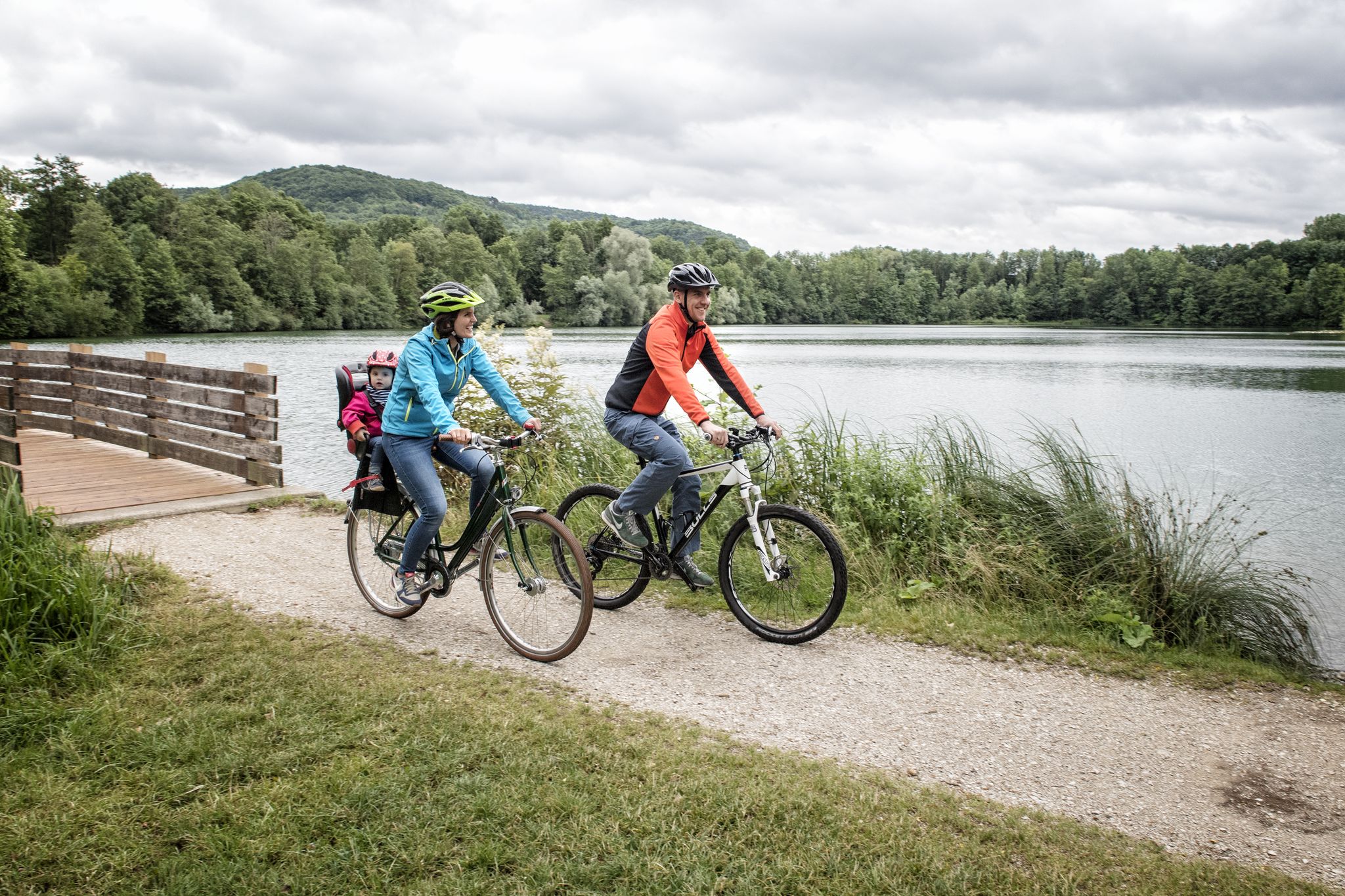
Incredible cycling in the Nuremberg region
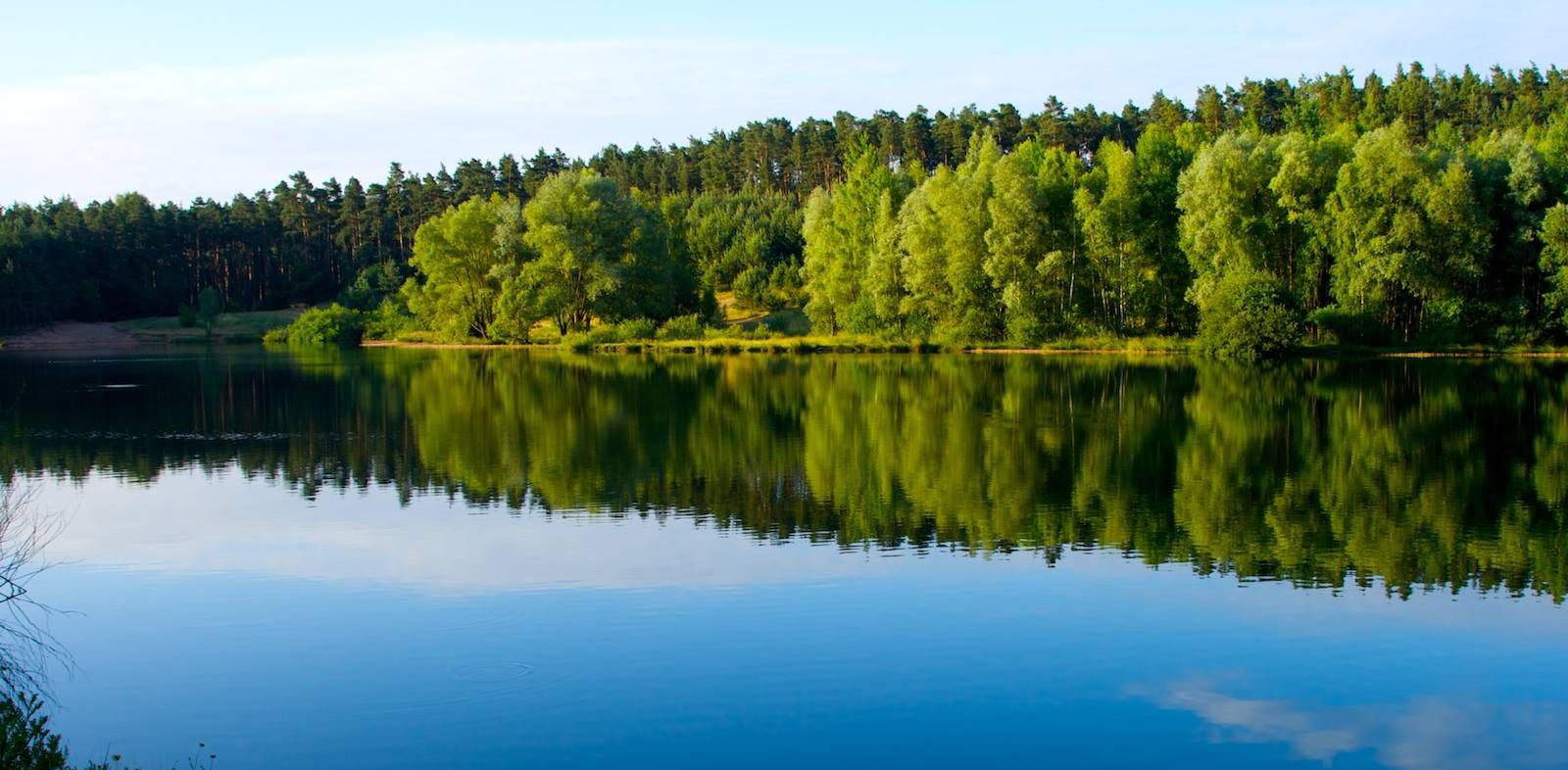
The most beautiful swimming lakes around Nuremberg
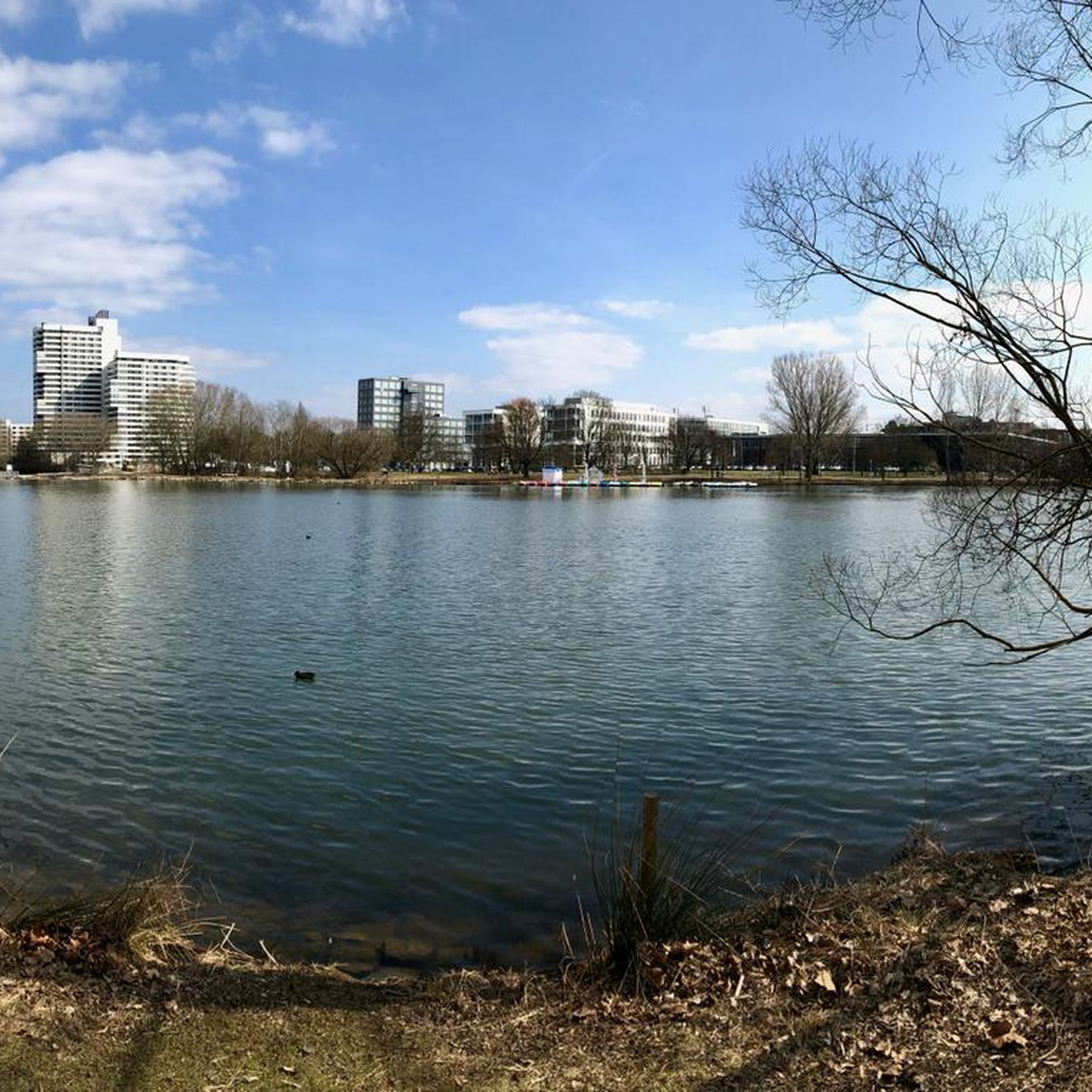
Hiking around Wöhrder Lake
Running Trails around Wöhrder Lake
Road Cycling Routes around Wöhrder Lake
Other adventures around Wöhrder Lake


Tips from the Community

Here, education in nature is not neglected...beautifully made nature trail
0
0

Walked past
0
1

Wöhrder See, Nuremberg Wöhrder See, the youngest of Nuremberg's waterways, is a popular local recreation area in the heart of the city, providing a natural habitat for endangered species. It is not a natural lake, but was created by damming the Pegnitz River, which flows through it. The idea for an inner-city lake existed as early as the 1930s. The project was approved for implementation in October 1959. In addition to the City of Nuremberg, the State Water Management Authority and the Middle Franconia District were involved in the planning and construction. Recreational concerns were not the only priority in the design. The lake is also part of the extensive flood protection measures after the Second World War. Construction work began in 1968 with the Lower Wöhrder See and continued until 1972. The sand trap above the waterway was built between 1972 and 1975. The final construction phase of the Upper Wöhrder Lake was completed in 1981. Text / Source: Nürnberg Infos.de / Nürnberger Nachrichten https://nuernberginfos.de/gewaesser-nuernberg/woehrder-see.php
15
0

Beautiful islands where swans and ducks frolic.
0
0

A walk around the lake can be a lovely family walk. A total of 6.5 km with no elevation gain and a lovely, varied route.
18
0

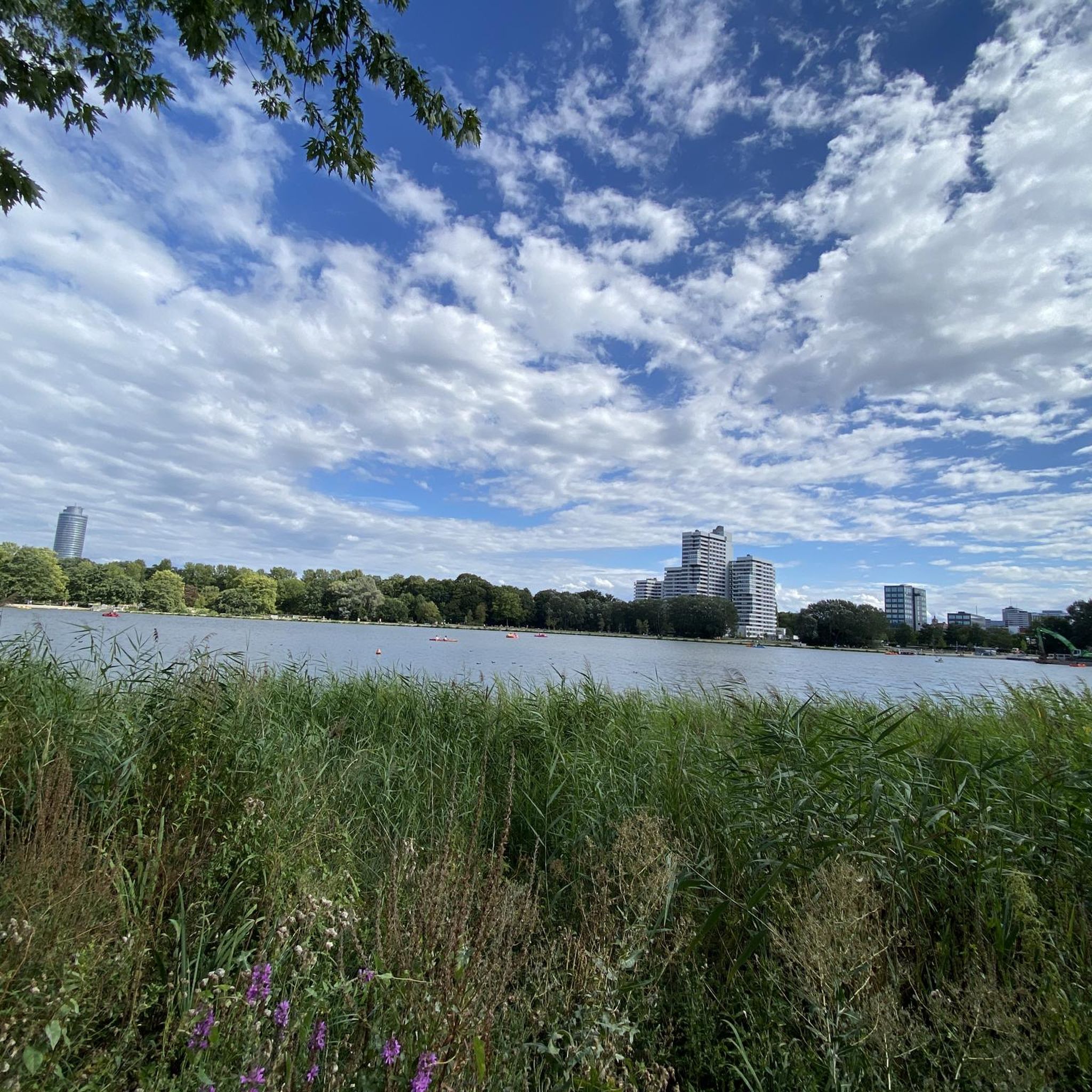
The northern shore of the Lower Wöhrder Lake is mostly steep – there is no reed belt. This reed belt is not only an important habitat for animals and plants, but also contributes to the self-purification of the water. Therefore, three ecological islands totaling 1000 square meters were created between the sandy beach and the boulevard and planted with reeds such as common reed, cattail, and bulrush.
4
0

Originally it was created for flood protection, today the Wöhrder See is a popular local recreation area. The lake has been redesigned: while the lower section with a new bathing bay and sandy beach is attractive for those seeking relaxation, the upper section is reserved for species protection. After the sandy beach, the jetty on the north side and the underwater islands, the "Bay at Norikus" on the southern shore of Lake Wöhrder is another building block on the way to the planned local recreation area "Water World Wöhrder See". A walkable, 400 meter long dam separates part of the water surface from the lake. This increases the flow rate within the lake, and algae and other proliferating aquatic plants grow less vigorously. A bay was formed on the other side of the dam. You can swim here in the summer months. Because the water that flows from the lake into the bay first passes through a regeneration zone with reed plants. This natural plant filter cleans the incoming water. Source: https://www.nuernberg.de/internet/stadtportal/wasserwelt_woehrdersee.html
5
0

In 1959 the Nuremberg city council decided to create the Wöhrder See. It was completed in 1981. Before that, the Pegnitz flowed through a floodplain in two arms, which was often flooded. In addition to the flood exposure of Nuremberg's old town, a much-used recreational area was created with the Wöhrder See and the bomb crater landscape in the Pegnitzwiesen, which the Second World War had left behind, was eliminated. (https://de.wikipedia.org/wiki/W%C3%B6hrder_See)
12
0
Frequently Asked Questions
What are the main natural features to explore around Wöhrder Lake?
The Wöhrder Lake area, recognized as a landscape protection area, offers several significant natural features. The Upper Wöhrder See functions as a nature reserve, particularly important for waterfowl and birdwatching. You can also explore the Eco Island on the north shore of Wöhrder Lake, which provides crucial habitat with its reed beds, and the natural shorelines and shallow zones that support diverse aquatic life. The Norikusbucht Recreation Area also features a swimming bay with a natural plant filter.
What kind of wildlife can I observe at Wöhrder Lake?
Wöhrder Lake is a vibrant ecosystem, especially known for its birdlife. You can observe numerous species such as Great Crested Grebes, Little Grebes, various ducks, and Grey Herons. The Upper Wöhrder See is a hotspot for birdwatching, with a notable Grey Heron and Great Cormorant colony. During migration seasons, rare species like Red-crested Pochards and Black Terns can be spotted. The surrounding areas also host insects and small critters, while carp and pike inhabit the waters.
Are there family-friendly natural areas or activities at Wöhrder Lake?
Yes, Wöhrder Lake is very family-friendly. A walk around Wöhrder Lake itself is a lovely 6.5 km route with no elevation gain, suitable for all ages. The Norikusbucht Recreation Area features a newly landscaped beach, sunbathing areas, and a swimming bay, perfect for families. The Eco Island is also a great spot to observe swans and ducks, which children often enjoy.
What walking routes are available around Wöhrder Lake?
The most popular walking route is the circular path around Wöhrder Lake, which is approximately 6.5 km long and has no elevation gain, offering a varied and accessible experience. Additionally, the Pegnitztal protected landscape area features nature trails, such as the one leading to Station 2 of the Pegnitztal Nature Trail: The Pond, which provides informative boards about local flora and fauna.
What is the best time to visit Wöhrder Lake for nature observation?
The changing seasons offer different natural beauty at Wöhrder Lake. Early morning and late afternoon are considered the best times for birdwatching. Spring brings blooming trees, while autumn showcases colorful leaves. The lake is particularly vibrant during spring and summer when countless birds, including herons, ducks, swans, and wild geese, are present. Winter offers a serene, sometimes icy, landscape.
Are there any protected areas around Wöhrder Lake?
Yes, the entire Wöhrder Lake area is designated as a protected landscape area. Specifically, the Upper Wöhrder See functions as a nature reserve, and the Pegnitztal Ost is also a nature reserve. Information boards, such as the Information board for the Pegnitztal protected landscape area, provide details on these areas and any access restrictions to protect wildlife, especially during breeding seasons.
What outdoor activities can I do near these natural monuments?
Beyond walking, Wöhrder Lake offers various outdoor activities. You can find numerous running trails, such as the 'Wöhrder Meadow Trail', which are generally moderate in difficulty. For cyclists, there are road cycling routes like the 'Pegnitztal East Cycle Path'. While not directly at the lake, there are also waterfall hikes available in the broader region. You can explore more options in the Running Trails around Wöhrder Lake, Waterfall hikes around Wöhrder Lake, and Road Cycling Routes around Wöhrder Lake guides.
What do visitors enjoy most about Wöhrder Lake's natural areas?
Visitors frequently praise Wöhrder Lake as a wonderful local recreation area. They appreciate the opportunity to enjoy nature without traveling far, highlighting its varied routes for walking and sports. The serene environment, especially for birdwatching, and the family-friendly amenities like the sandy beach at Norikusbucht are also highly valued. Many find it a small recreational paradise, perfect for relaxation and observing wildlife.
Are there specific areas for birdwatching at Wöhrder Lake?
Yes, the Upper Wöhrder See is particularly significant for birdwatching. This section has undergone extensive ecological restoration, creating natural shorelines, shallow water zones, and reed beds that attract numerous bird species. An island in the Pegnitz River within the upper lake hosts a Grey Heron and Great Cormorant colony, which is a lively sight during breeding season. The Eco Island also provides important habitat for waterfowl.
Can I swim in Wöhrder Lake?
Yes, swimming is possible in designated areas. The Norikusbucht Recreation Area features a specific bay where you can swim during the summer months. This bay benefits from a natural plant filter with reed plants that clean the incoming water, ensuring a pleasant bathing experience.
What is the significance of the Eco Island at Wöhrder Lake?
The Eco Island on the north shore of Wöhrder Lake is a crucial part of the lake's ecological restoration. These artificial islands, totaling 1000 square meters, were created and planted with reeds like common reed and cattail. They serve as vital habitats for various animals and plants, providing nesting sites, shelter, and feeding grounds, and also contribute to the self-purification of the lake's water.
Most popular routes around Wöhrder Lake
Most popular attractions around Wöhrder Lake

Get inspired with the komoot mobile app


Explore more
Extend your search for the best caves by checking out these guides of the top ones around Wöhrder Lake:
