Top 4 Natural Monuments around Großer Segeberger Lake
Best natural monuments around Großer Segeberger Lake are characterized by a unique geological history, including the lake's formation from a collapsed salt dome. This region offers a diverse natural landscape, featuring gypsum formations and various water features. The lake is approximately 1.7 square kilometers in size and reaches a maximum depth of 12 meters. Visitors can explore a range of natural attractions that highlight the area's distinctive geological and ecological significance.
Best natural monuments around Großer Segeberger Lake
- The most…
Last updated: June 27, 2026
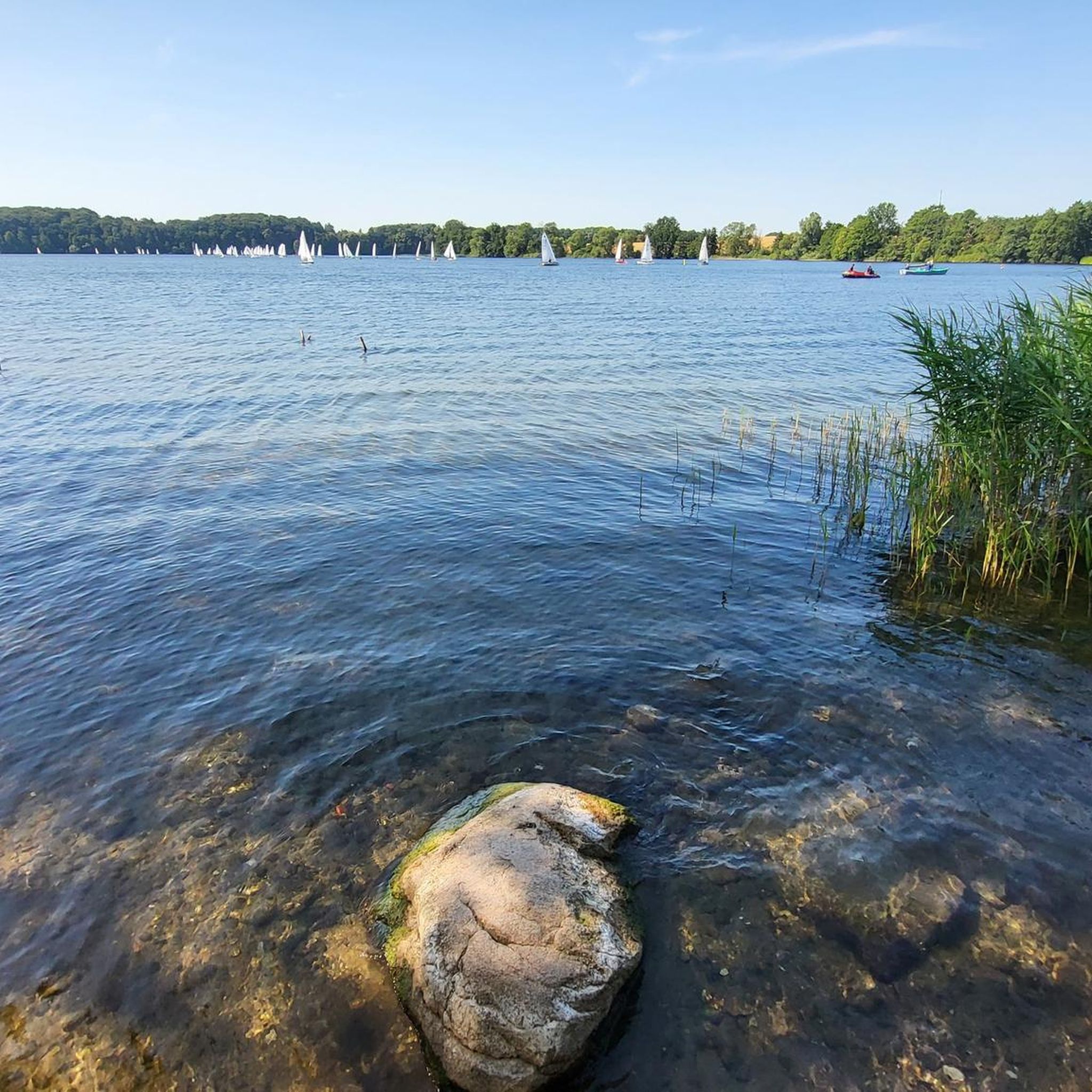
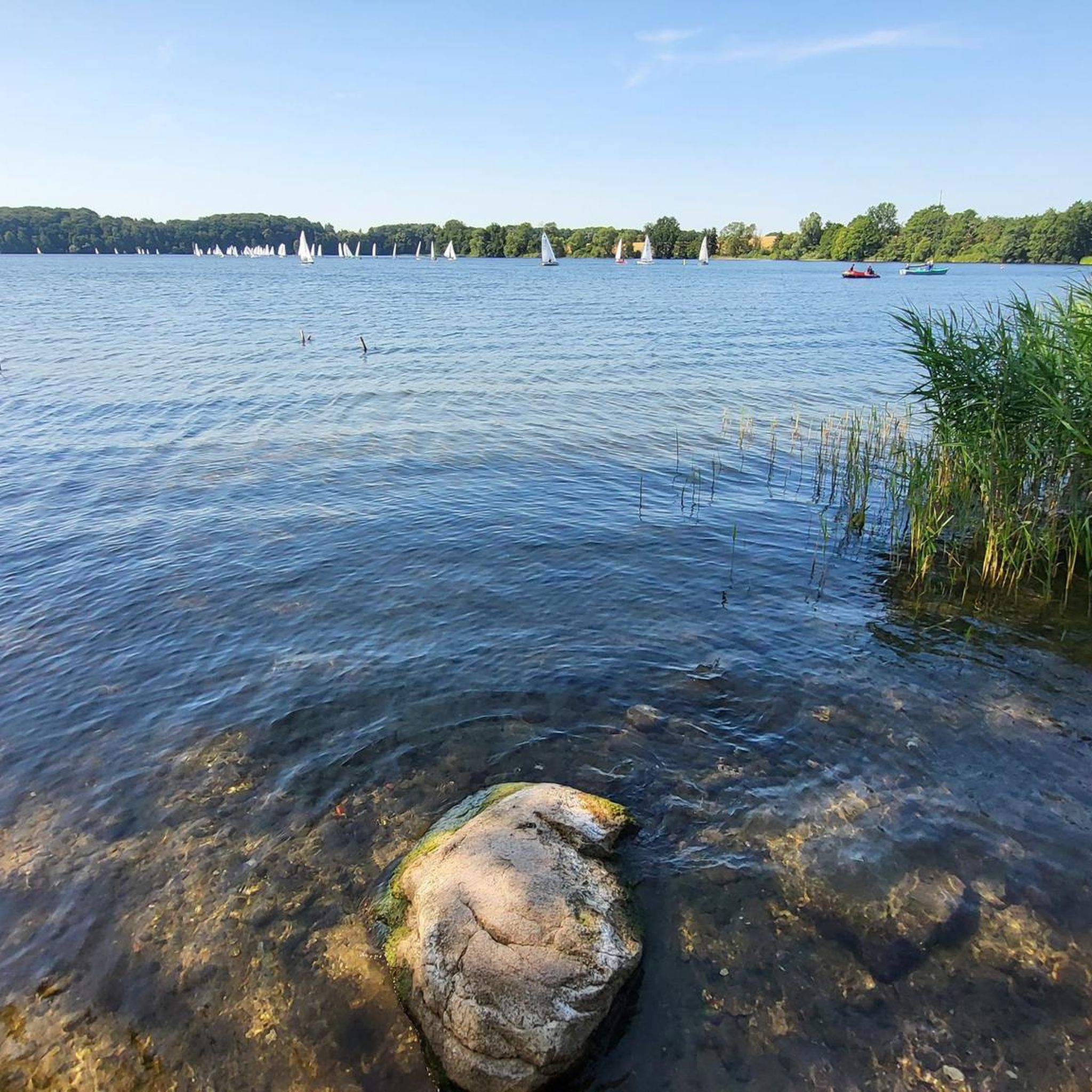
Rönne estuary and stone bridge at Großer Segeberger See
Highlight • Bridge
Translated by Google •
Tip by

Five Columns for a Red Indian / Old World – New World
Highlight • Monument
Translated by Google •
Tip by
Sign up now to discover places like this
Get recommendations on the best single tracks, peaks, & plenty of other exciting outdoor places.
Sign up for free
Geological cross-section of the Segeberg salt dome
Highlight • Natural Monument
Translated by Google •
Tip by

Frieda Spring
Highlight • Natural Monument
Translated by Google •
Tip by

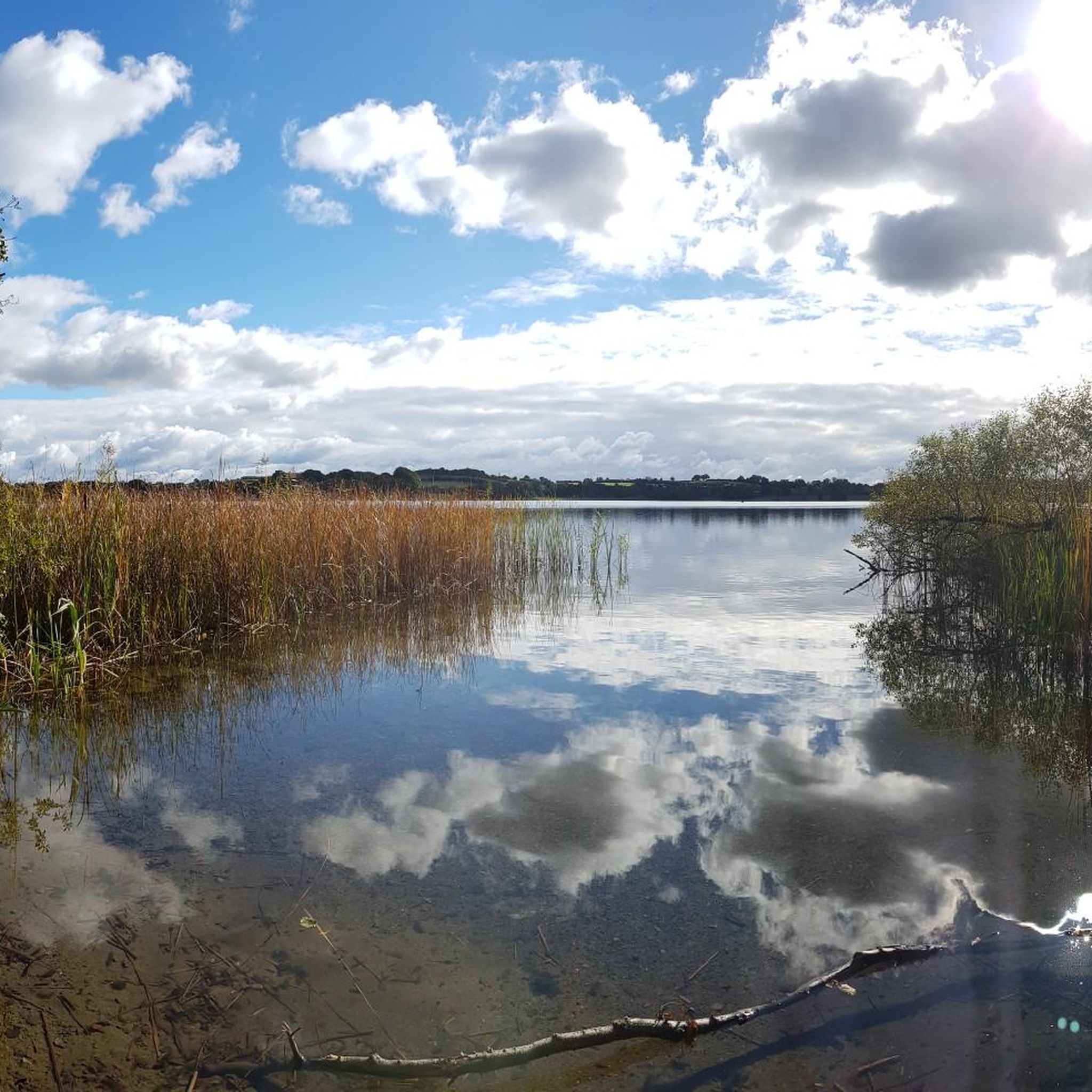
Fallen Trees in the Water – Naturpark Holsteinische Schweiz
Highlight • River
Translated by Google •
Tip by

Sign up for free to discover even more natural monuments around Großer Segeberger Lake.
Sign up for free
Already have an account?
Start today with a free account
Your next adventure awaits.
Login or Signup
Tips from the Community

A steep staircase is easily walkable
2
0

The salt dome beneath the area around Lake Segeberg and the Sühlfeld is a so-called salt diapir – a geological structure that forms when layers of salt from the depths are pushed upward through the overlying rock. Salt is plastic and less dense than the surrounding rock, which is why it "rises" upwards due to pressure over millions of years. A geological cross-section typically shows: • At the bottom are massive salt deposits (mainly rock salt) that were deposited in deep sedimentary basins. • The salt has been pushed upwards by movements in the subsurface, bulging or breaking through the overburden (sandstones, clays, limestones). • This forms a "stock" of salt, which creates a dome-shaped structure in the overburden. • Tensions are often found around the salt dome, leading to faults and fractures in the rock. • Lake Segeberg lies partly in the depression created by these tectonic movements.
1
0
These salt domes are geologically significant because they often contain deposits of natural gas or crude oil, and the upwelling of the salt strongly influences the structure of the subsurface. At the same time, they influence groundwater conditions and can cause problems due to subsidence during mining activities.
1
0

Photographer and sculptor Klaus Kammerichs created the multifaceted work "Five Columns for a Red Indian / Old World – New World" in 1992 as a contribution to the cultural program of the Schleswig-Holstein Music Festival. Five tall reinforced concrete steles stand on a meadow by the Great Segeberg Lake – an impressive monument with a total size of 528 x 950 x 600 cm. The steles are covered with an irregular pattern, featuring notches, surfaces, and lines on top of each other at different levels. See: https://sh-kunst.de/klaus-kammerichs-alte-welt-neue-welt/#:~:text=F%C3%BCnf%20hohe%20Stelen%20aus%20Stahlbeton,Linien%20in%20verschiedenen%20Ebenen%20%C3%BCbereinander.
1
0
Five tall reinforced concrete steles stand on a meadow by the Great Segeberg Lake – an impressive monument with a total size of 528 x 950 x 600 cm. The steles are covered with an irregular pattern, with notches, surfaces, and lines stacked on top of each other at different levels. The eye seeks to follow and decipher the labyrinth, feeling as if it were immersed in a thicket. The shapes and surfaces alternate between smooth and rough, between positive and negative. Taking a few steps back and viewing the work from a greater distance, the seemingly abstract lines suddenly make sense: like a woodcut, the portrait of a Native American appears. Photographer and sculptor Klaus Kammerichs created the multifaceted work "Five Columns for a Red Indian / Old World – New World" in 1992 as a contribution to the cultural program of the Schleswig-Holstein Music Festival. The portrait depicts He Dog, chief of the Oglala Lakota Sioux, who participated in the last great freedom struggle of the northern Plains Indians against the Americans in the 1860s and 1870s. The monument evokes diverse associations, reminiscent of the canyons and valleys of the American prairie as well as the annual Karl May Festival in Bad Segeberg. The columns are reminiscent of both Old World totem poles and New World skyscrapers. And the fractured image of the Native American provides a clear indication of his fate. Person Klaus Kammerichs Klaus Kammerichs was born in Iserlohn in 1933. From 1947, he completed an apprenticeship as a photographer and worked as a press, advertising, and industrial photographer. In the 1950s, he had his first encounters with modern art. In 1953, he attended a seminar on "Subjective Photography" with Otto Steinert. In 1954, he first participated in the photokina exhibitions in Cologne. From 1956 to 1960, he studied fine art under Otto Pankok and Otoo Coester at the State Art Academy in Düsseldorf. In 1968, he began creating three- and four-dimensional (kinetic) sculptures. Since 1975, he has had various commissions for sculptures in public spaces. In 1973, he was appointed professor at the Düsseldorf University of Applied Sciences, where he served as dean from 1978 to 1984. In 1994, he received the David Octavius Hill Medal from the German Photographic Academy. He lives in Cologne and Demerath in the Eifel region.
15
0

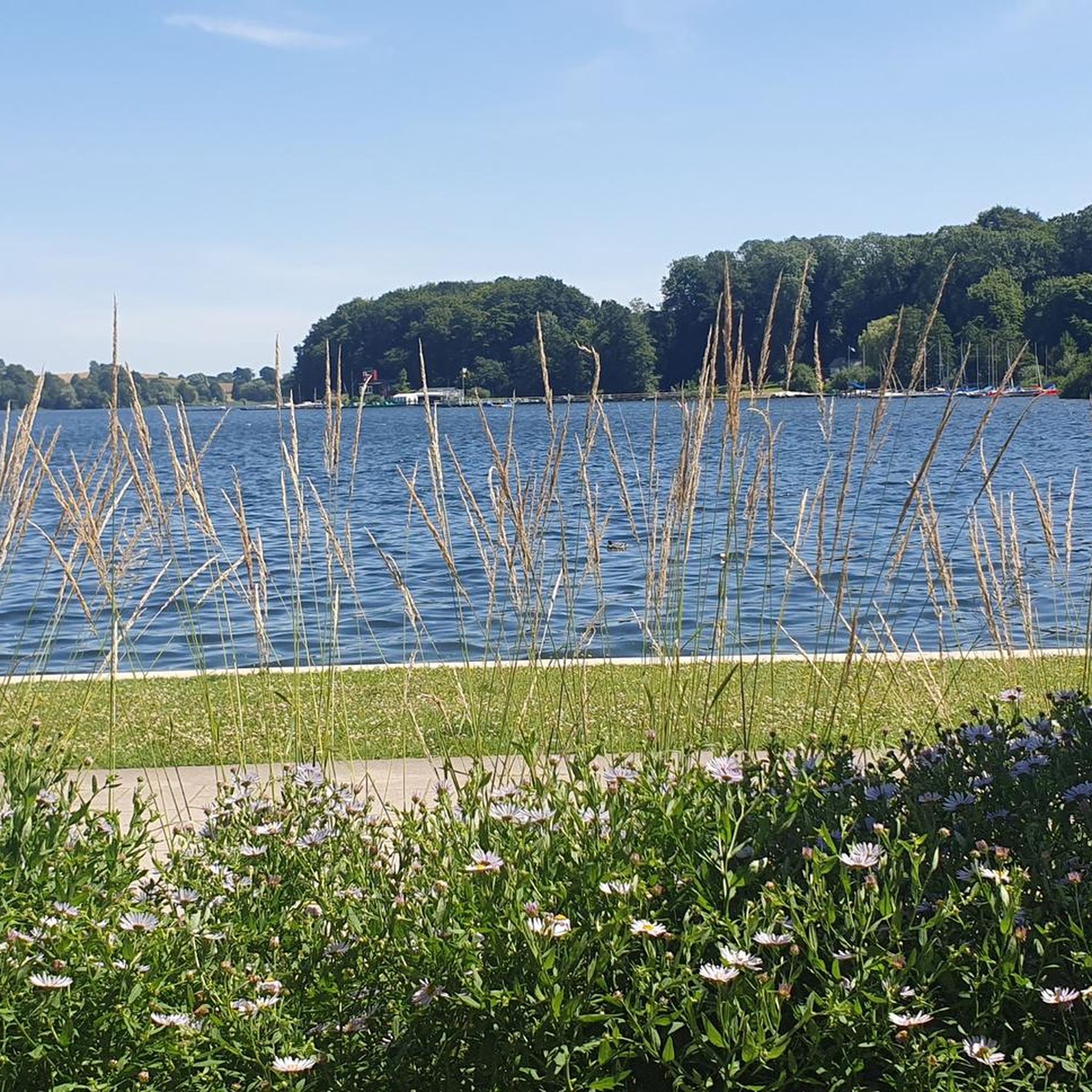
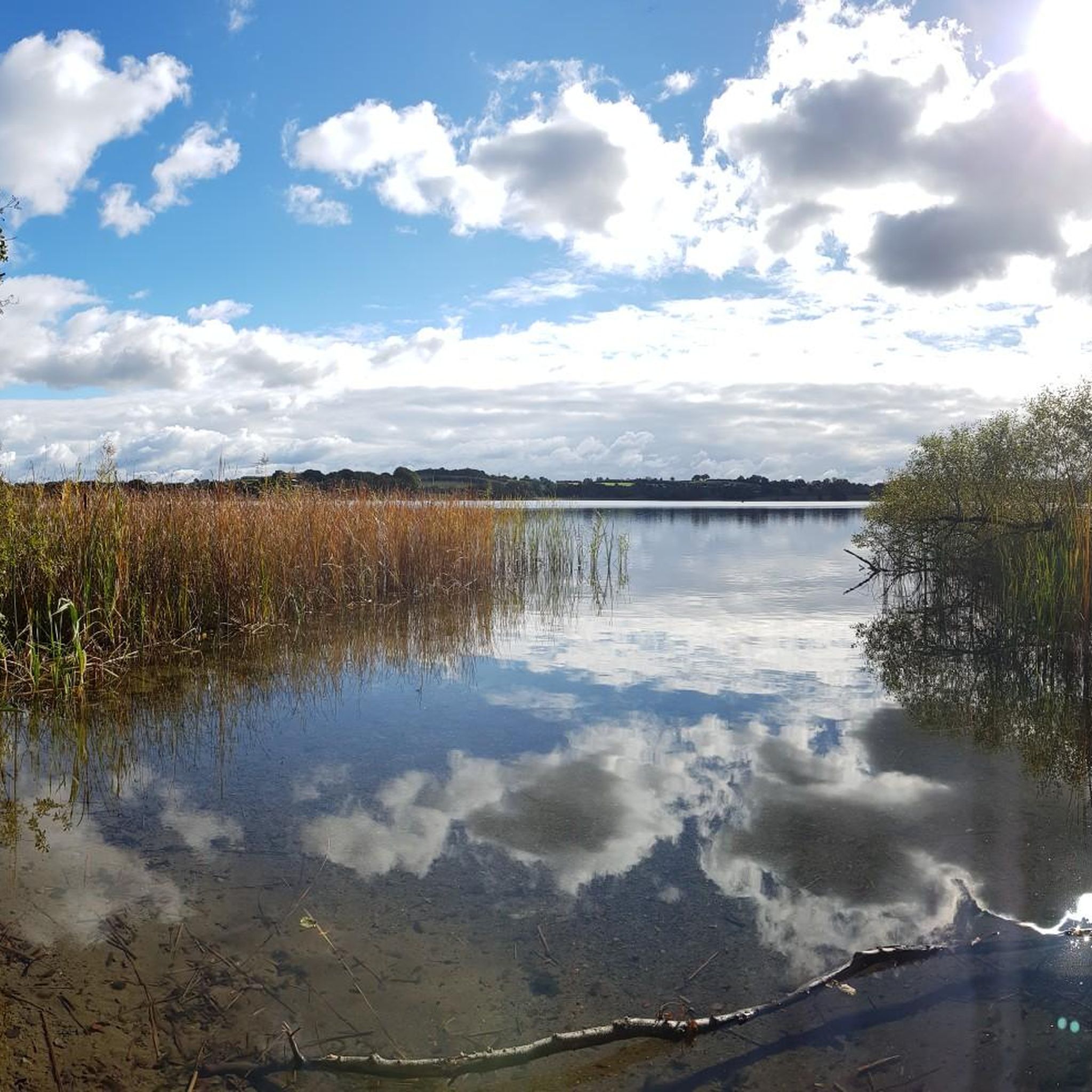
wonderful photo opportunities on many shore sections, which always look different depending on the light and cloud situation
2
0
Enjoy this 8.5-kilometer circular trail near Bad Segeberg, Schleswig-Holstein. The route is generally classified as moderate and can be ...
12
1

Photographer and sculptor Klaus Kammerichs created the multifaceted work "Five Columns for a Red Indian / Old World – New World" in 1992 as a contribution to the cultural program of the Schleswig-Holstein Music Festival. The columns are reminiscent of both Old World totem poles and New World skyscrapers. And the fractured image of the Indian provides a clear indication of his fate. One must find the right perspective, and then the five columns form the overall picture. But that's not so easy.
5
0
Frequently Asked Questions
What are the most prominent natural monuments around Großer Segeberger Lake?
The region is defined by its unique geological history. Key natural monuments include the lake itself, formed from a collapsed salt dome, and the iconic Segeberger Kalkberg, a gypsum rock formation with a cave. Other notable spots are the Rönne estuary and stone bridge, offering beautiful lake views, and the Frieda Spring, a historical spring enclosure.
What unique geological features can be found around Großer Segeberger Lake?
The area's geology is fascinating, primarily shaped by a salt dome composed of gypsum rock. This led to the formation of the Großer Segeberger See and the smaller Klüthsee after the last ice age, as melting groundwater dissolved underground salt and gypsum, causing overlying rock layers to collapse. The Geological cross-section of the Segeberg salt dome highlight provides more insight into this process.
Are there any viewpoints to appreciate the natural beauty of the lake and its surroundings?
Yes, the Moosberg Viewpoint near Stipsdorf offers enchanting views of the Großer Segeberger See. Additionally, the stone bridge at the Rönne estuary provides excellent vantage points for observing the lake.
Are there family-friendly natural monuments around Großer Segeberger Lake?
Many natural monuments in the area are suitable for families. The Rönne estuary and stone bridge is a great spot for a leisurely visit. The Five Columns for a Red Indian / Old World – New World monument is also family-friendly and offers an interesting visual puzzle. The Geological cross-section of the Segeberg salt dome and the Frieda Spring are also accessible for families.
What outdoor activities can I do near these natural monuments?
The region around Großer Segeberger Lake is excellent for various outdoor activities. You can find numerous hiking trails, including the 9.7 km 'Großer Segeberger See Loop'. There are also dedicated MTB trails and gravel biking routes to explore the diverse landscape.
Are there hiking trails near the natural monuments around Großer Segeberger Lake?
Yes, there are several hiking trails. The 'Großer Segeberger See Loop' is a popular 9.7 km moderate trail. Other options include the 'Great Segeberg Lake – Kalkberg, Bad Segeberg loop' (5.9 km, easy) and the 'Trave Riverside Trail – Wildlife Along the Trave loop' (8.5 km, moderate). You can find more details and routes in the Hiking around Großer Segeberger Lake guide.
What is the best time of year to visit the natural monuments around Großer Segeberger Lake?
The natural monuments are beautiful year-round, but spring and autumn offer particularly pleasant conditions for hiking and exploring, with milder temperatures and vibrant scenery. Summer is ideal for water sports on the lake, while winter can provide a serene, frosty landscape.
Are there any hidden natural gems in the area?
Beyond the main attractions, the Vogelinsel (Bird Island) in the northern part of Großer Segeberger See is a unique, ephemeral natural monument. It's often submerged and only visible when water levels are exceptionally low, serving as an important bird sanctuary. The Frieda Spring, with its historical enclosure, also offers a tranquil, less-known spot.
What do visitors enjoy most about the natural monuments around Großer Segeberger Lake?
Visitors frequently appreciate the diverse natural landscape, from the geological wonders of the Kalkberg and the lake's formation to the serene water features. The Rönne estuary and stone bridge is particularly popular for its beautiful lake views, and the Five Columns for a Red Indian / Old World – New World monument is often highlighted for its unique artistic perspective. The area's photo opportunities, especially at spots like Fallen Trees in the Water, are also highly valued.
Are there options for cycling or mountain biking near the natural monuments?
Yes, the region offers a variety of cycling opportunities. For mountain biking, you can explore routes like the 'Klein Rönnau Watermill – Lake view of the Wardersee loop' (24.5 km, easy). Gravel biking enthusiasts can enjoy routes such as the 'Great Segeberg Lake – View of the Großer Segeberger See loop' (8.9 km, easy). More routes are available in the MTB Trails around Großer Segeberger Lake guide and the Gravel biking around Großer Segeberger Lake guide.
Are there any cafes or restaurants near the natural monuments for refreshments?
Bad Segeberg, located directly on Großer Segeberger Lake, offers various cafes and gastronomy options where you can find refreshments after exploring the natural monuments. Many establishments are situated conveniently for visitors.
How can I reach the natural monuments by public transport?
Bad Segeberg is well-connected by public transport, making it a good starting point for visiting the natural monuments. Local bus services operate within the town and to surrounding areas, providing access to various points around the lake and its attractions. It's advisable to check local transport schedules for specific routes to your desired monument.
Most popular routes around Großer Segeberger Lake
Most popular attractions around Großer Segeberger Lake

Get inspired with the komoot mobile app


Explore more
Extend your search for the best caves by checking out these guides of the top ones around Großer Segeberger Lake:
