Top 6 Natural Monuments around Klöntalersee
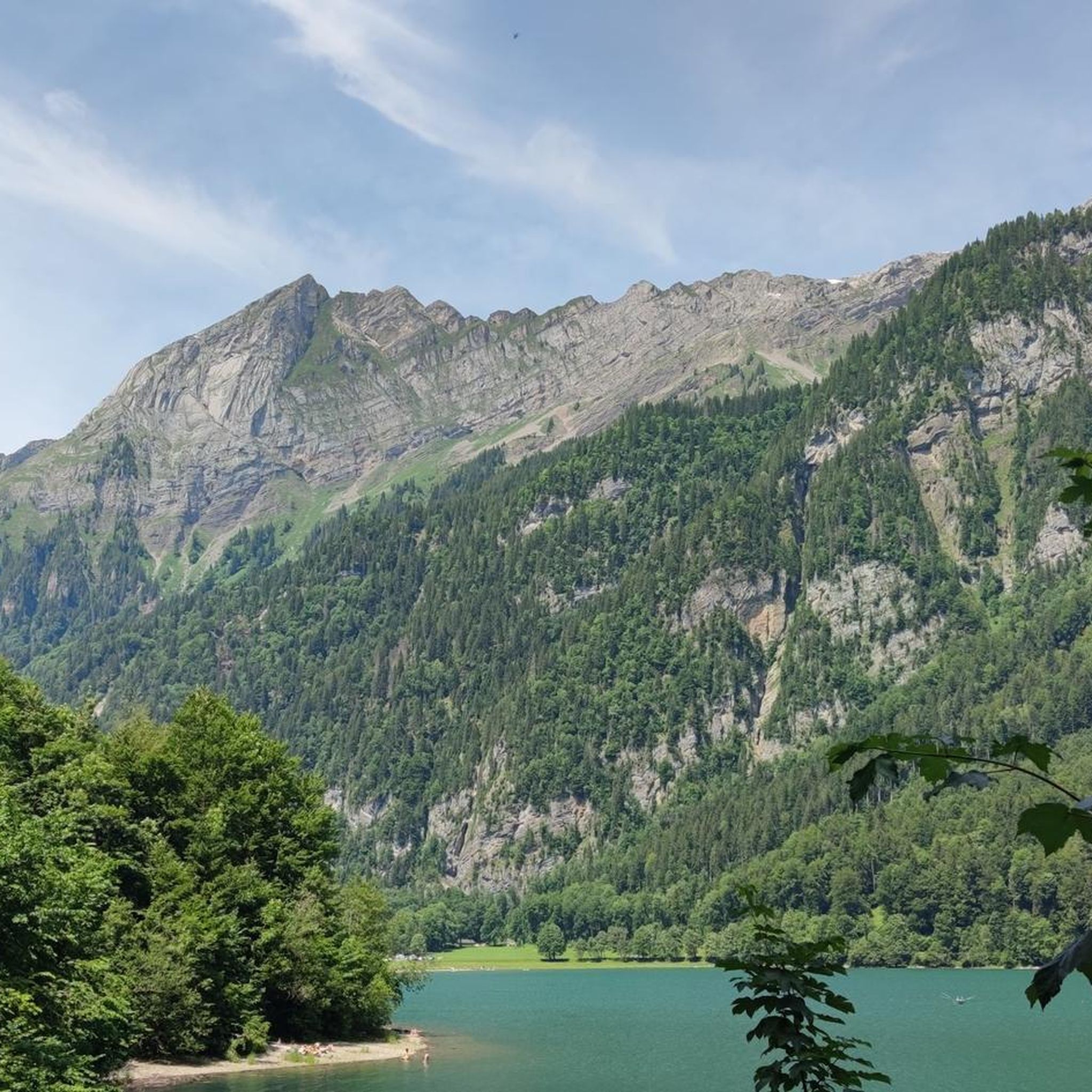
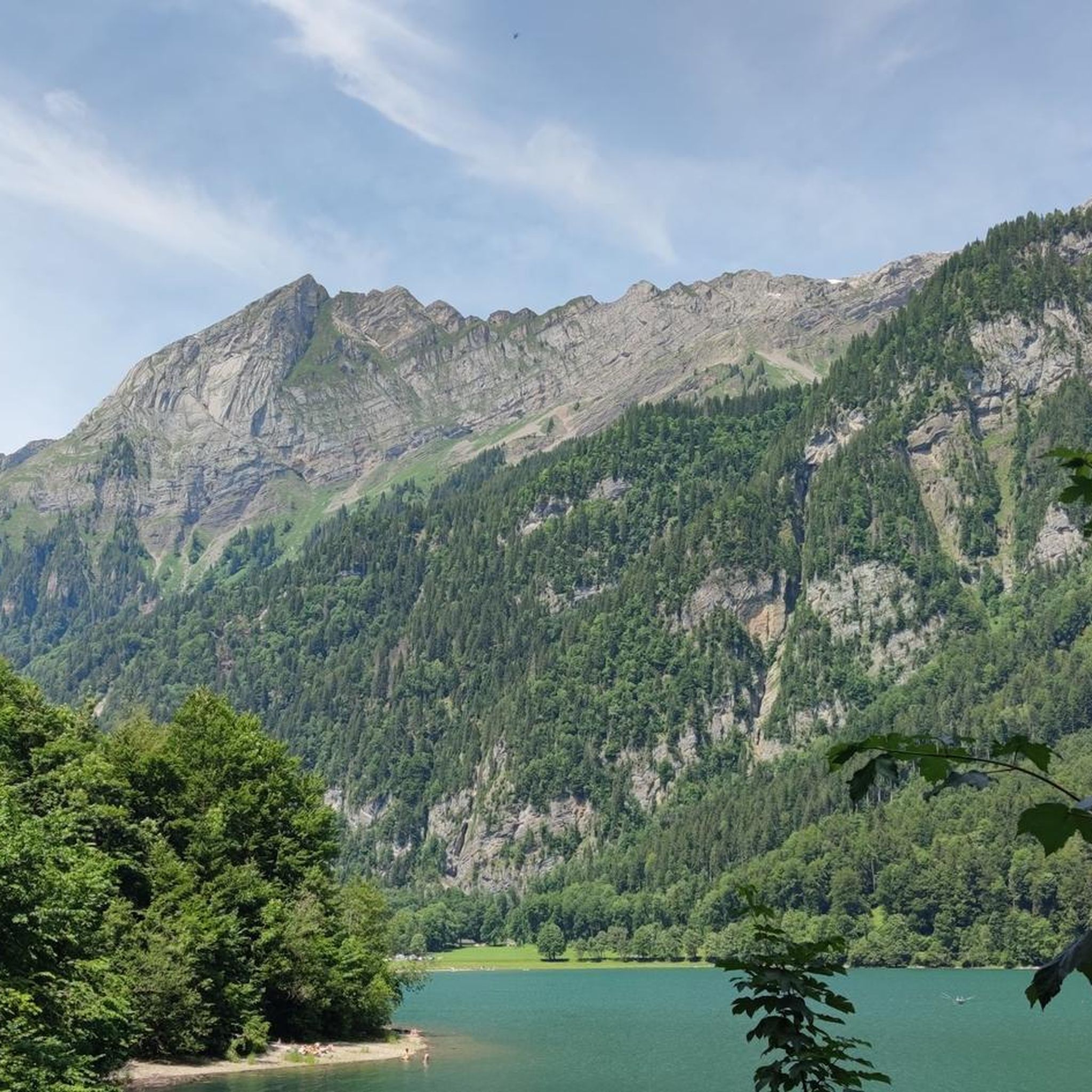
Best natural monuments around Klöntalersee include the lake itself, framed by the Glärnisch and Dejenstogg mountains. The area features diverse geological formations, including shell limestone, and a protected floodplain at the mouth of the Klön stream. Klöntalersee is a natural lake, impounded since 1908, known for its clear waters and reflective surface. This region offers a variety of natural features for exploration.
Best natural monuments around Klöntalersee
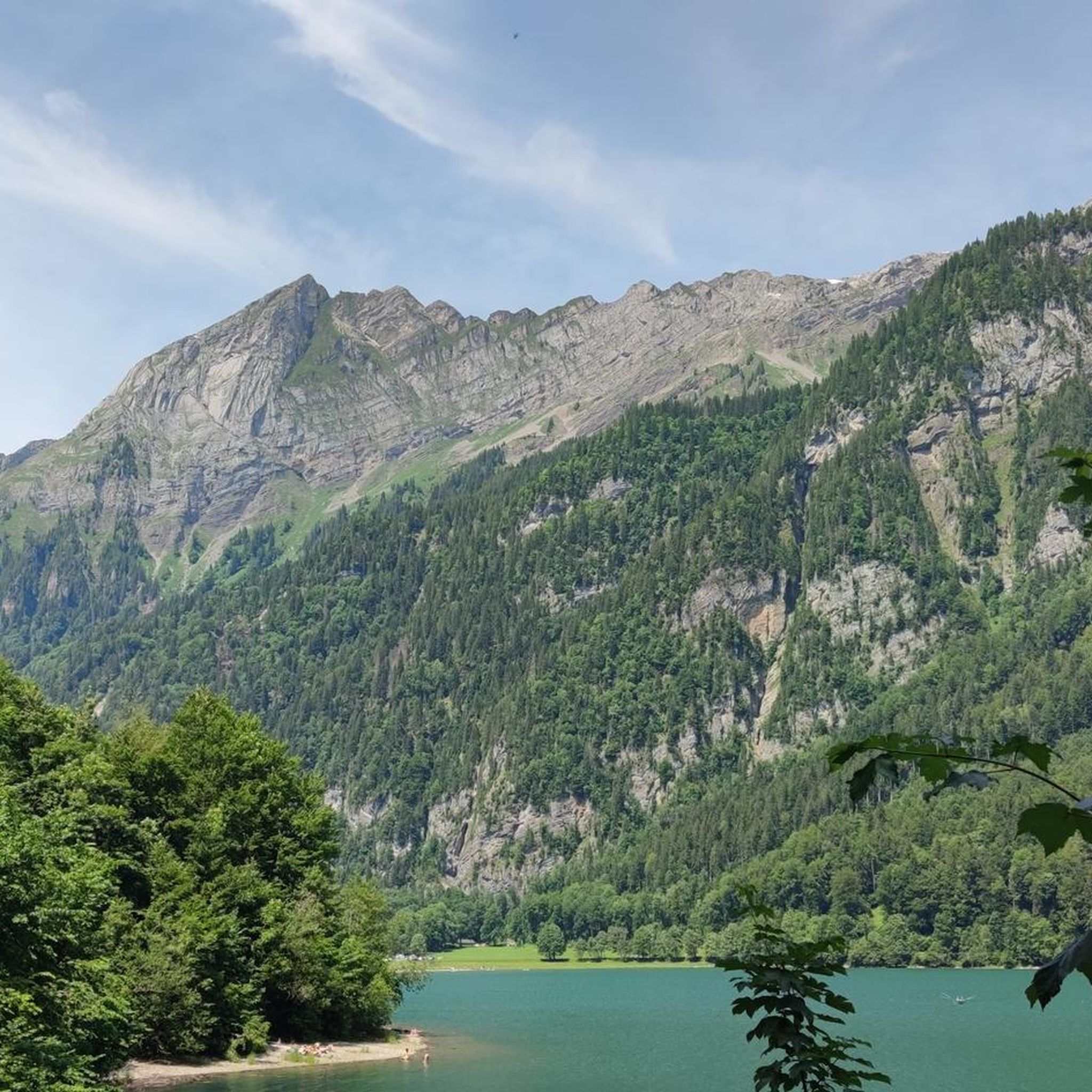
- The most popular natural monuments is Klöntalersee, a lake lined by large peaks. Its quiet, clear waters are suitable for various activities.
- Another must-see spot is Waterfall at Lake Klöntal, a waterfall along a shady hiking trail. Visitors can experience a noticeable temperature difference and wind near the falls.
- Visitors also love Cliffs at Bärentritt – View of Lake Klöntal, a viewpoint offering perspectives of the lake. This location provides a refreshing experience from a height.
- Klöntalersee is known for lakes, waterfalls, and cliffs. The area presents a variety of natural monuments to see and explore, including significant geological formations and protected floodplains.
- The natural monuments around Klöntalersee are appreciated by the komoot community, with more than 880 upvotes and over 270 photos shared by users.
Last updated: June 27, 2026
Klöntalersee
Highlight • Lake
Translated by Google •
Tip by

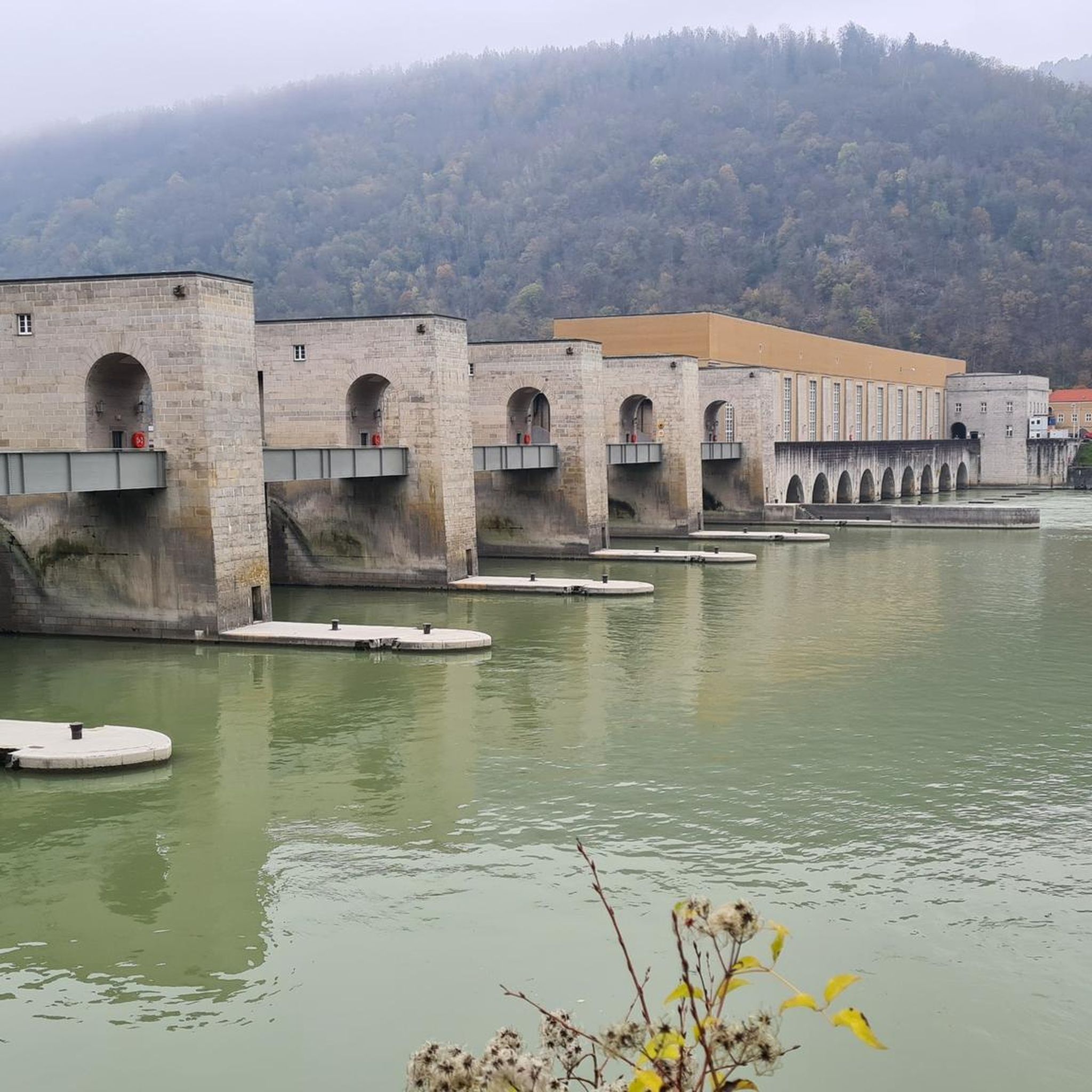
Klöntal Lake Dam
Highlight • Monument
Translated by Google •
Tip by

Sign up now to discover places like this
Get recommendations on the best single tracks, peaks, & plenty of other exciting outdoor places.
Sign up for free
Waterfall at Lake Klöntal
Highlight • Waterfall
Translated by Google •
Tip by

Salomon Gessner Memorial
Highlight • Monument
SALOMON GESSNERN
NATURE WANTED TO CREATE A MONUMENT
AND SHE HAS HIS NAME HERE
BY Z. AND B., 1788
Geßner himself never visited the valley; But the two admirers, governor Büeler von Rapperswil and Pannerherr J. P. Zwicky von Glarus, rightly found the symbol for the poet's delicate idyllic art in the quiet place on the lake shore.
«We looked at each other, couldn't talk; for everyone had tears in their eyes; we fell on each other's necks and kissed. " Büeler tells of the intimate inauguration of the memorial stone.
Kaspar Freuler, 1897
Translated by Google •
Tip by

Cliffs at Bärentritt – View of Lake Klöntal
Highlight • Viewpoint
Translated by Google •
Tip by

Sign up for free to discover even more natural monuments around Klöntalersee.
Sign up for free
Already have an account?
Start today with a free account
Your next adventure awaits.
Login or Signup
Popular around Klöntalersee
From Lake Constance to Lake Geneva
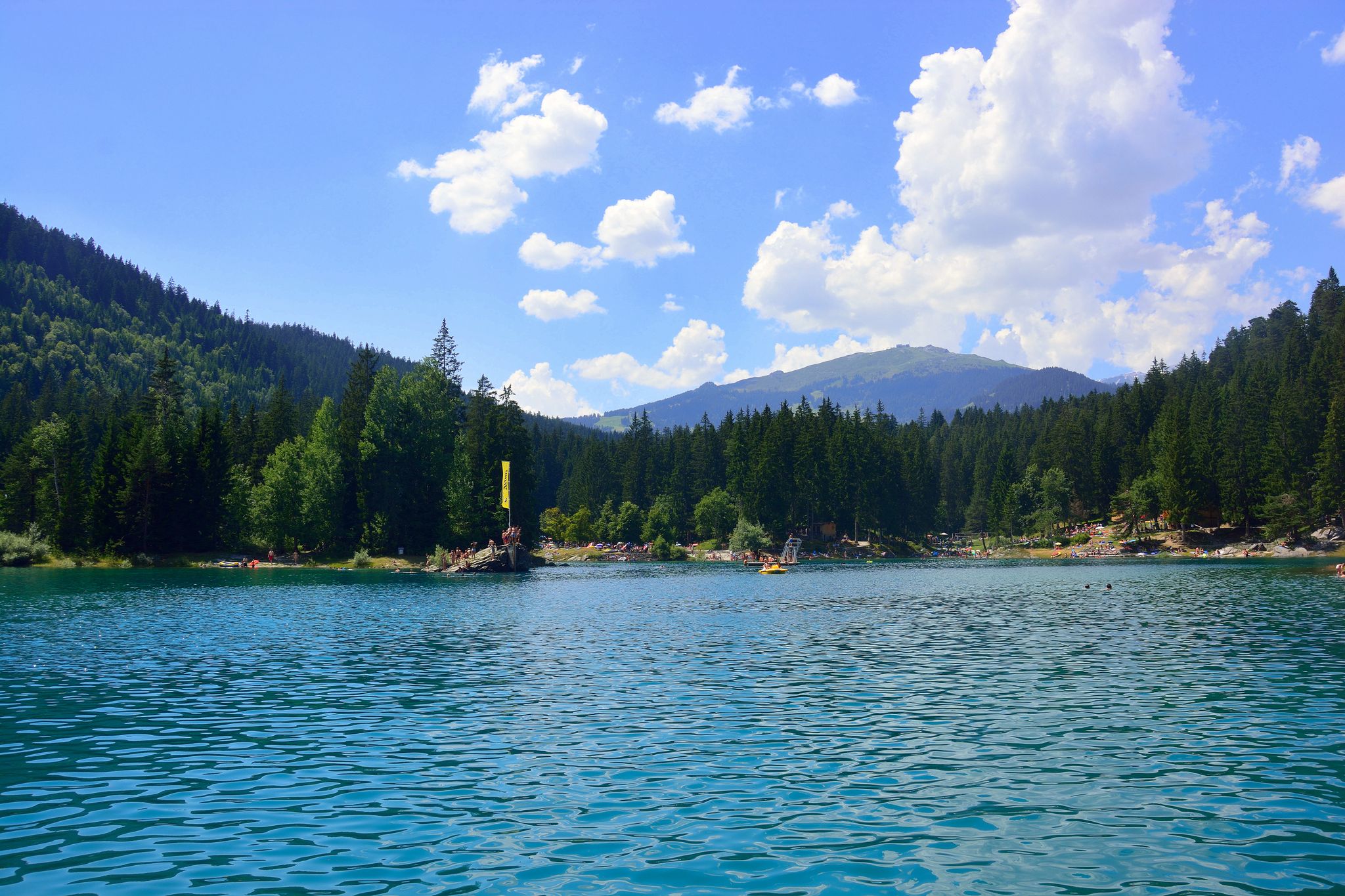
The most beautiful swimming lakes in Switzerland
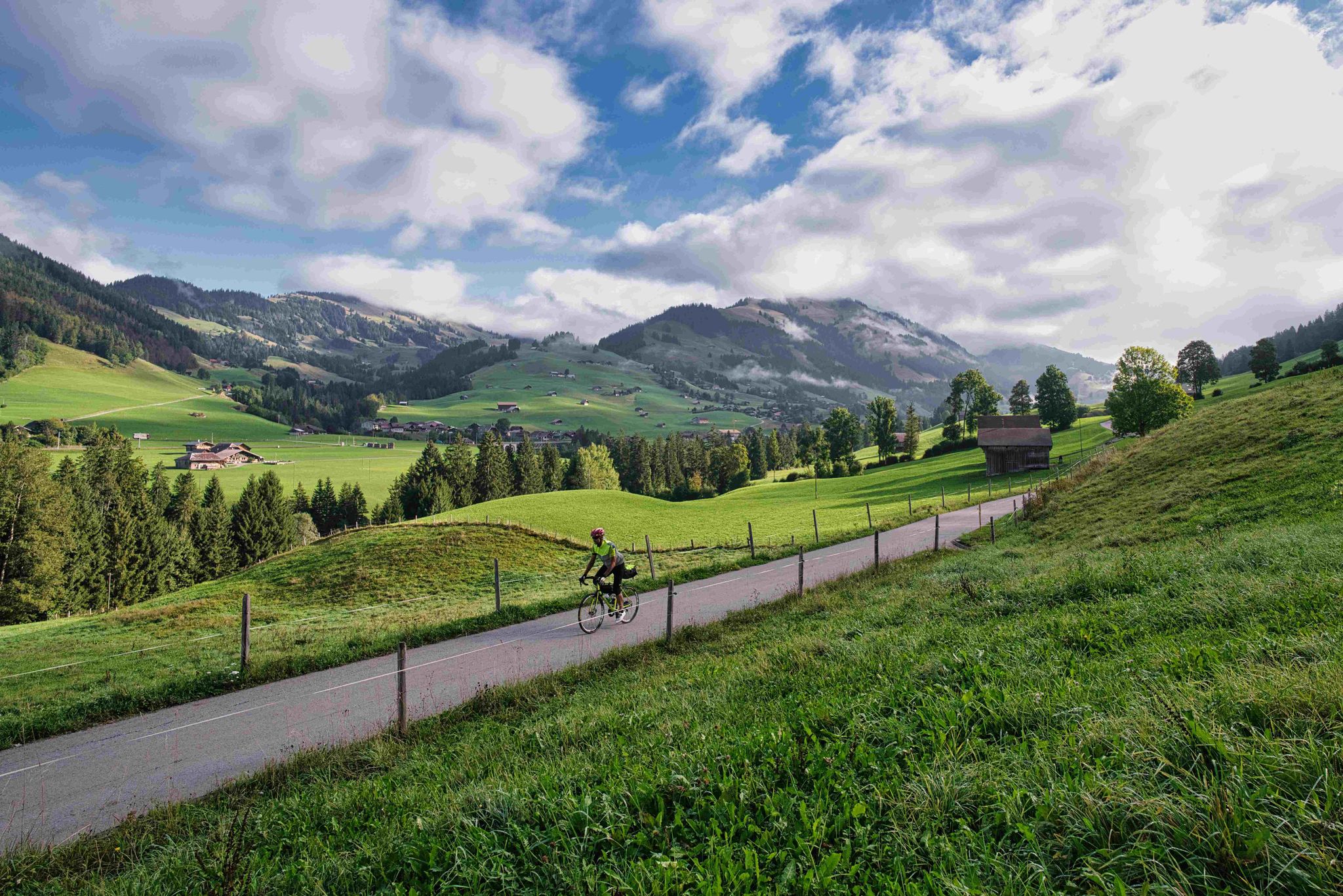
Road Cycling Routes around Klöntalersee
Cycling around Klöntalersee
Hiking around Klöntalersee
MTB Trails around Klöntalersee
Mountain Hikes around Klöntalersee
Running Trails around Klöntalersee

Gravel biking around Klöntalersee


Tips from the Community

Beautiful waterfall and a trail in very good condition. Only in this section there is no marked trail and you have to jump between rocks.
1
0

From the dam you have a wonderful view over the entire Klöntalersee and the Glärnisch flank.
1
0

A picture book panorama, one must have visited!
3
0

The Chlünteler Treasure: An iron chest was found in the Chlüntelersee, about as big as a lying chest and with a lock on it. It is worth its full value. No miracle is so strange. How did the treasure get into the lake? Did a troop or a silly boy get into it? It was a prince and his name was Suvorov and he was a general. In 1799 he led a troop of Russian soldiers over Prague and drove the French out of Glarus, as he did. But the troops built it and defended themselves like lions. They hit and beat with rifle and cannon, as if the gang were in hell. When Suvorov got there, it seemed as if he was slapping his head against the wall, and he said to his men: "We're putting my fortifications between the mountains. If the enemy doesn't weigh the war treasury now, the best thing would be to fly them to sea. They can hold on until we come back!" And that's what they did. But Suvorov never came into the gang, and not even any of the soldiers who had the gang in. She is still working on the bare feet today, one of them is sawing at the back of the bear's path; she thinks she is the quickest to find them on the Seerüti. One thing is certain: whoever brings her up will be a made man!
0
0
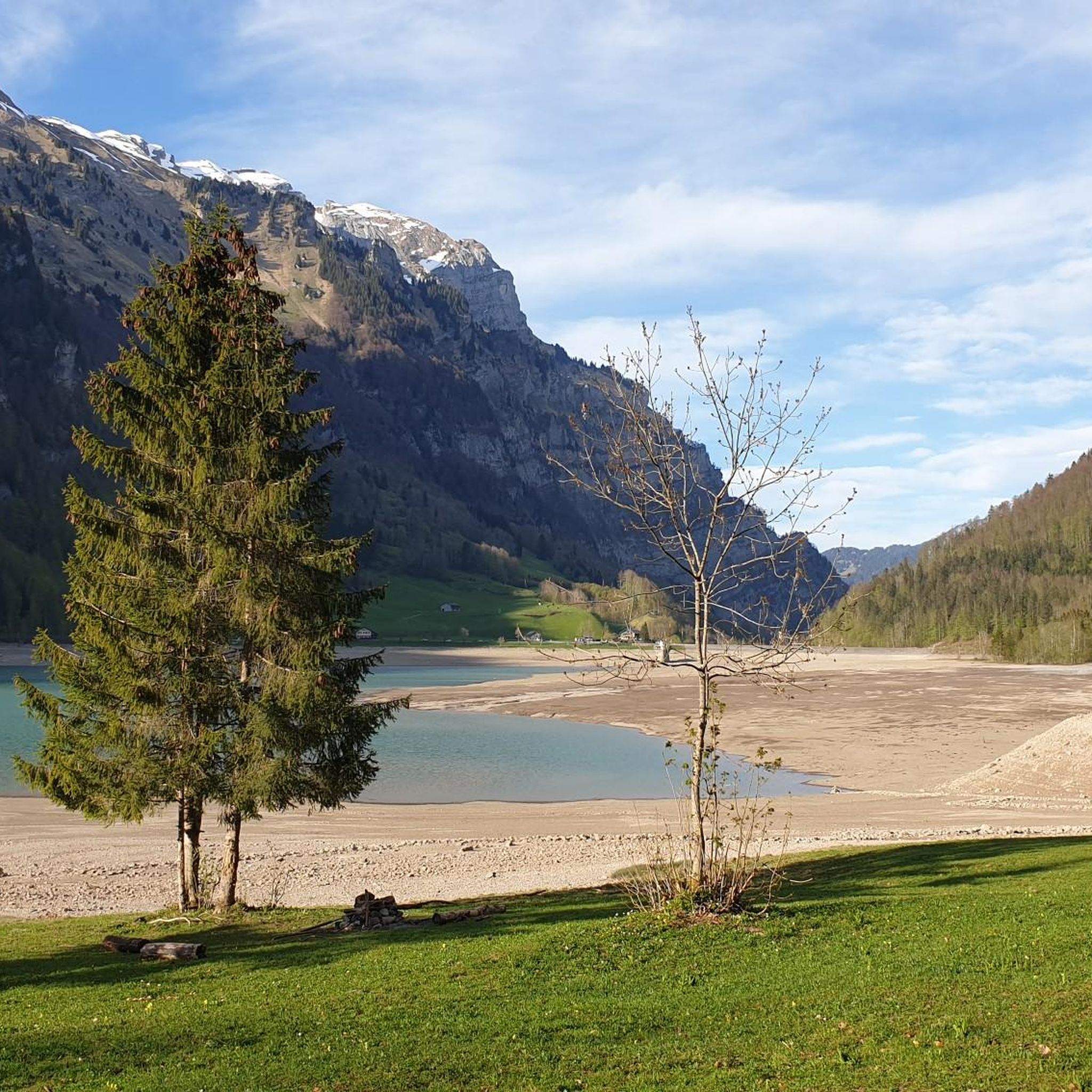
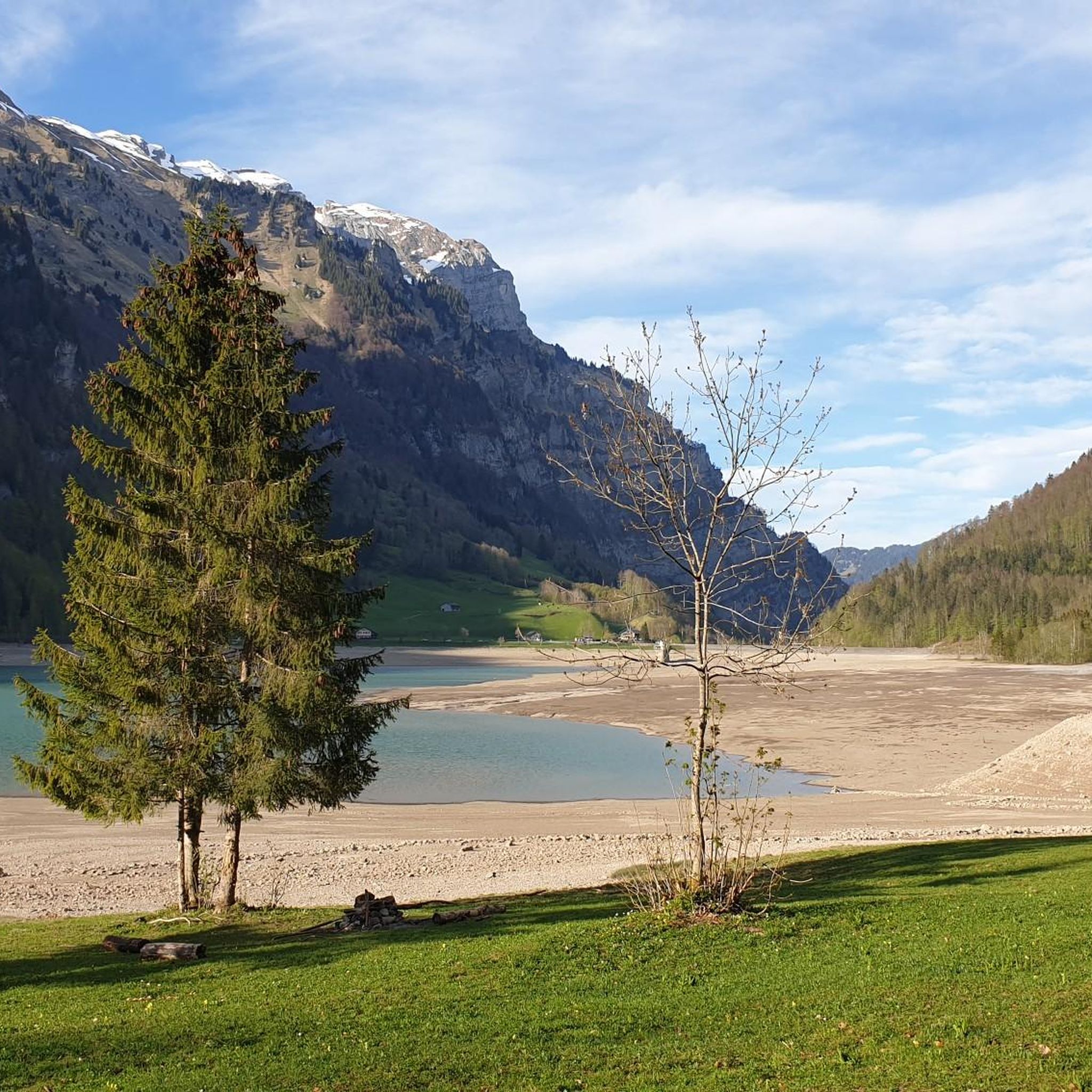
The reservoir is fed by the river Klön (Glarus dialect: Chlü) and some smaller mountain streams. The Löntsch, in turn, flows down from the lake and flows into the Linth at Netstal.
0
0

Nice view from the monument.
0
0

Large earth dam (partly natural, the rest artificially raised) at the eastern end of the Klöntalersee.
0
0

Go up to the water if you can. You will feel an impressive cold difference. In addition, it is extremely windy under the waterfall.
1
0
Frequently Asked Questions
What are the most popular natural monuments to visit around Klöntalersee?
The most popular natural monument is the Klöntalersee itself, renowned for its clear, quiet waters and stunning reflections of the surrounding peaks like Glärnisch. Another highly appreciated spot is the Waterfall at Lake Klöntal, offering a refreshing experience along a shady hiking trail. Visitors also enjoy the panoramic views from the Cliffs at Bärentritt – View of Lake Klöntal.
Are there family-friendly natural monuments around Klöntalersee?
Yes, several natural monuments are suitable for families. The Klöntalersee is ideal for swimming and offers a marked trail around the lake. The Waterfall at Lake Klöntal is accessible via a shady hiking trail, providing a pleasant adventure for all ages. Many of the easy hiking routes around the lake are also perfect for families, allowing them to explore the natural beauty safely.
What kind of geological features can I explore in the Klöntalersee area?
Beyond the lake itself, which was formed by a rockslide and geological sag, the region features impressive shell limestone formations, offering insights into the area's natural history. The towering mountains like Glärnisch and Dejenstogg also showcase dramatic alpine geology, providing a stunning backdrop to the lake.
What outdoor activities can I do near the natural monuments?
The Klöntalersee area is perfect for various outdoor activities. You can enjoy swimming, canoeing, windsurfing, and angling on the lake. For hikers, there are numerous trails, from easy walks around the lake to more challenging mountain hikes. Cycling is also popular, with routes ranging from easy loops to demanding passes. You can find more details on specific routes in the Mountain Hikes around Klöntalersee, Cycling around Klöntalersee, and Easy hikes around Klöntalersee guides.
Are there any protected natural areas or wildlife to observe?
Yes, at the mouth of the Klön stream, which feeds into the lake, there is a nationally significant protected floodplain. This area includes a nature reserve on the east bank, providing a serene environment where visitors can observe local flora and fauna in their natural habitat.
What makes the Klöntalersee lake special for photography?
The Klöntalersee is often described as a 'photography paradise' due to its emerald-green or turquoise-blue waters. Its frequently mirror-like surface beautifully reflects the majestic surrounding mountains, creating breathtaking alpine scenery and unique photographic opportunities.
Can I find viewpoints that offer impressive perspectives of the lake and mountains?
Absolutely. The Cliffs at Bärentritt – View of Lake Klöntal provide a refreshing experience and excellent perspectives of the lake from a height. Additionally, the surrounding mountains, such as Glärnisch and Dejenstogg, offer numerous vantage points with panoramic views of Klöntalersee and its dramatic alpine setting.
Is there a historical site among the natural monuments?
Yes, the Salomon Gessner Memorial is a unique blend of natural and historical significance. This man-made monument, dedicated to the poet Salomon Gessner, is nestled amidst moss-covered rock debris, offering a quiet place with a nice view and a story dating back to 1788.
What is the best time of year to visit Klöntalersee for its natural monuments?
The Klöntalersee area is beautiful year-round. Summer is ideal for swimming, hiking, and water sports, with the lake's clear waters being particularly inviting. Autumn offers stunning foliage and pleasant hiking conditions. In winter, when the ice is thick enough, the lake can even be used for ice diving, and the snow-covered landscape provides a tranquil beauty for winter walks.
Are there easy hiking trails suitable for beginners near the natural monuments?
Yes, there are several easy hiking trails around Klöntalersee. For instance, the marked trail that encircles the lake is generally considered easy. You can find specific easy routes, such as the 'Lake Klöntal – Lake Klöntal loop from Klöntalersee' or the 'Klöntal Lake Loop – Lake Klöntal loop from Klöntalersee', in the Easy hikes around Klöntalersee guide.
What can I expect when visiting the Waterfall at Lake Klöntal?
The Waterfall at Lake Klöntal offers a 'little adventure feeling.' Located along a shady hiking trail, you'll notice a significant drop in temperature and increased wind near the falls. The water plunges down a mighty rock face, making it a refreshing and impressive natural sight.
Most popular routes around Klöntalersee
Most popular attractions around Klöntalersee

Get inspired with the komoot mobile app


Explore more
Extend your search for the best caves by checking out these guides of the top ones around Klöntalersee:
