Top 6 Natural Monuments around Embalse de Alcántara
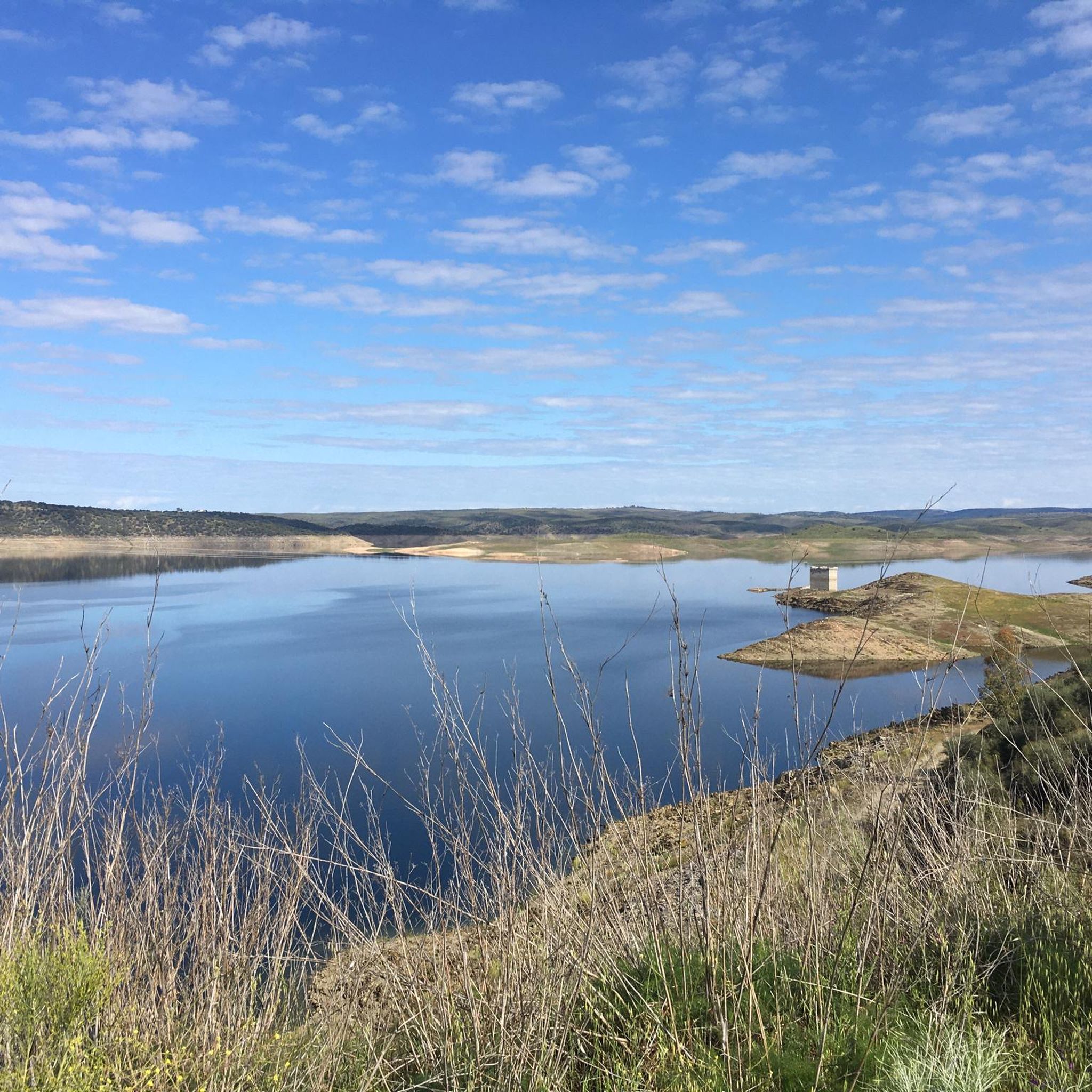
Best natural monuments around Embalse de Alcántara include a diverse range of geological formations and ecological sites. This region, located in the province of Cáceres, features significant natural and historical points of interest. The landscape is characterized by the confluence of major rivers and impressive granite formations. It offers opportunities to observe diverse wildlife and explore historical remnants.
Best natural monuments around Embalse de Alcántara
- The most popular natural monuments is The Gypsy's Leap, a natural monument known for…
Last updated: May 14, 2026
The Gypsy's Leap
Highlight • Natural Monument
Translated by Google •
Tip by

Serrano Viewpoint
Highlight • Viewpoint
Translated by Google •
Tip by

Sign up now to discover places like this
Get recommendations on the best single tracks, peaks, & plenty of other exciting outdoor places.
Sign up for free
Confluence of the Tagus and Tiétar rivers
Highlight • River
Showing Translation
Tip by

Mirador del Boquerón
Highlight • Viewpoint
Translated by Google •
Tip by

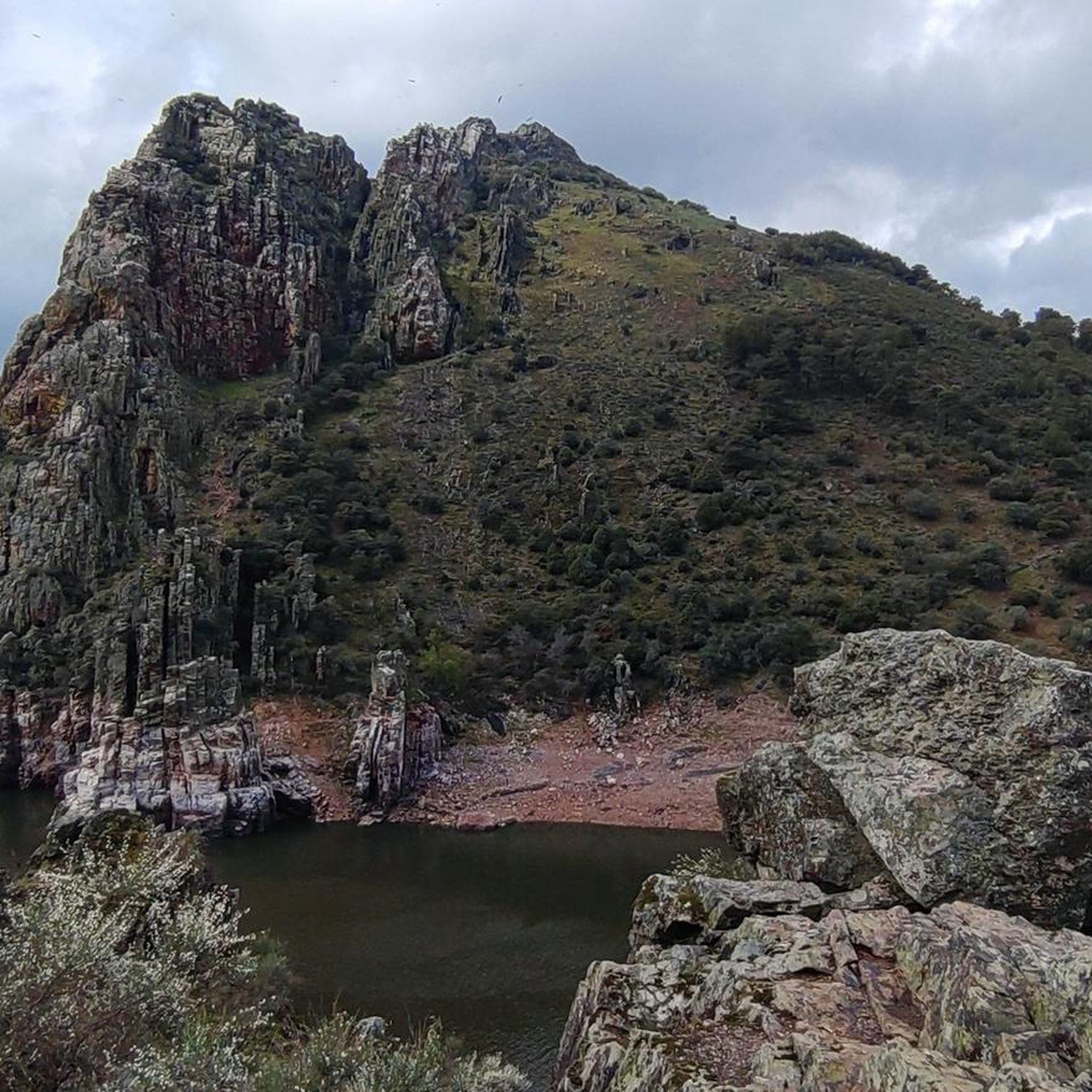
View of Peña Falcón and Vultures
Highlight • Viewpoint
Translated by Google •
Tip by

Start today with a free account
Your next adventure awaits.
Login or Signup
Tips from the Community

The highlight of Monfrague and lots of birds, especially in the afternoon when the thermals are optimal.
0
0
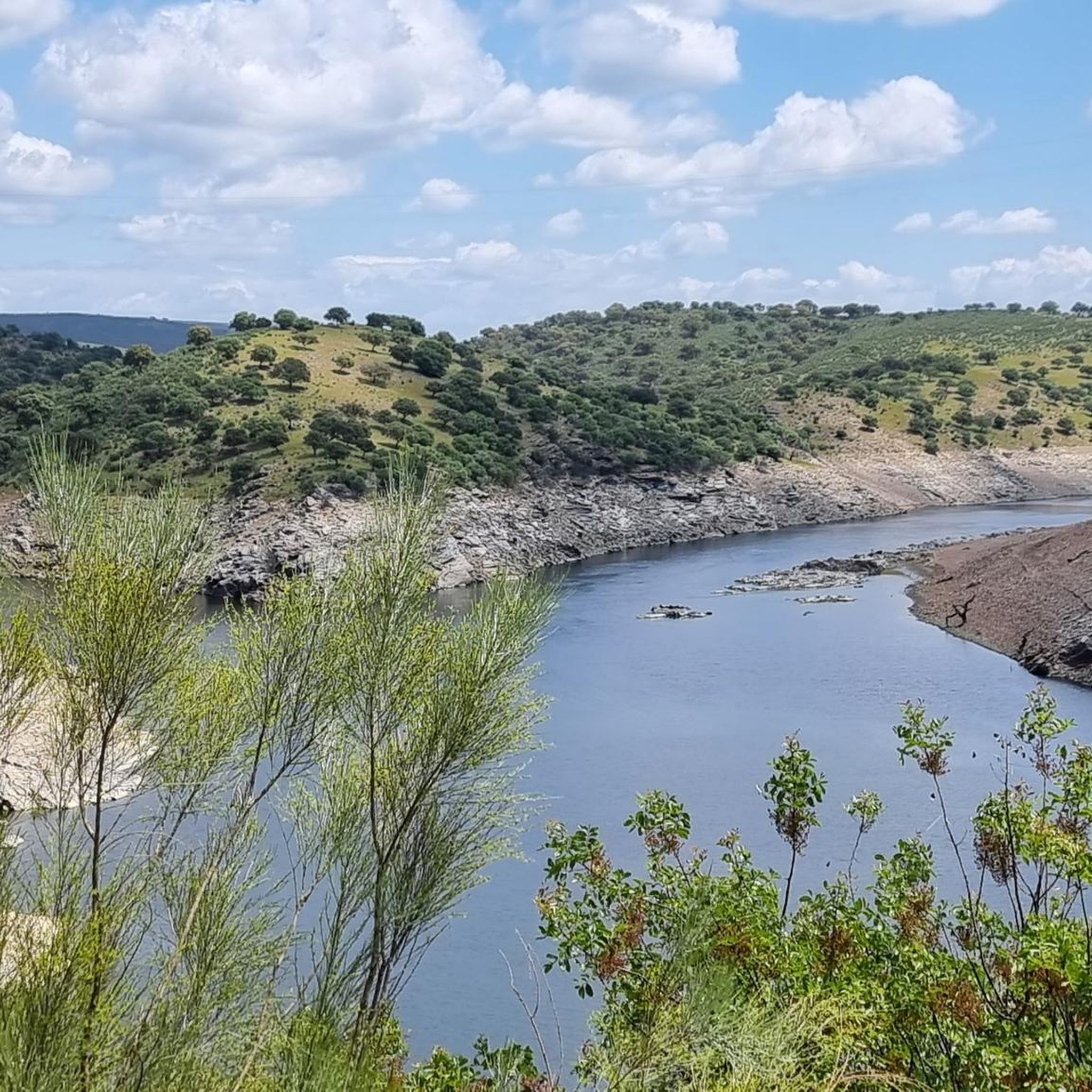
CENTRAL point where the 2 large rivers meet, there is ample parking to admire the natural splendor.
10
1

Ideal habitat and breeding ground for large birds.
1
1
Eagles, vultures and black storks can be seen particularly well here.
0
1
From the observation post on the road you can watch the birds in flight and approaching their nests.
0
0

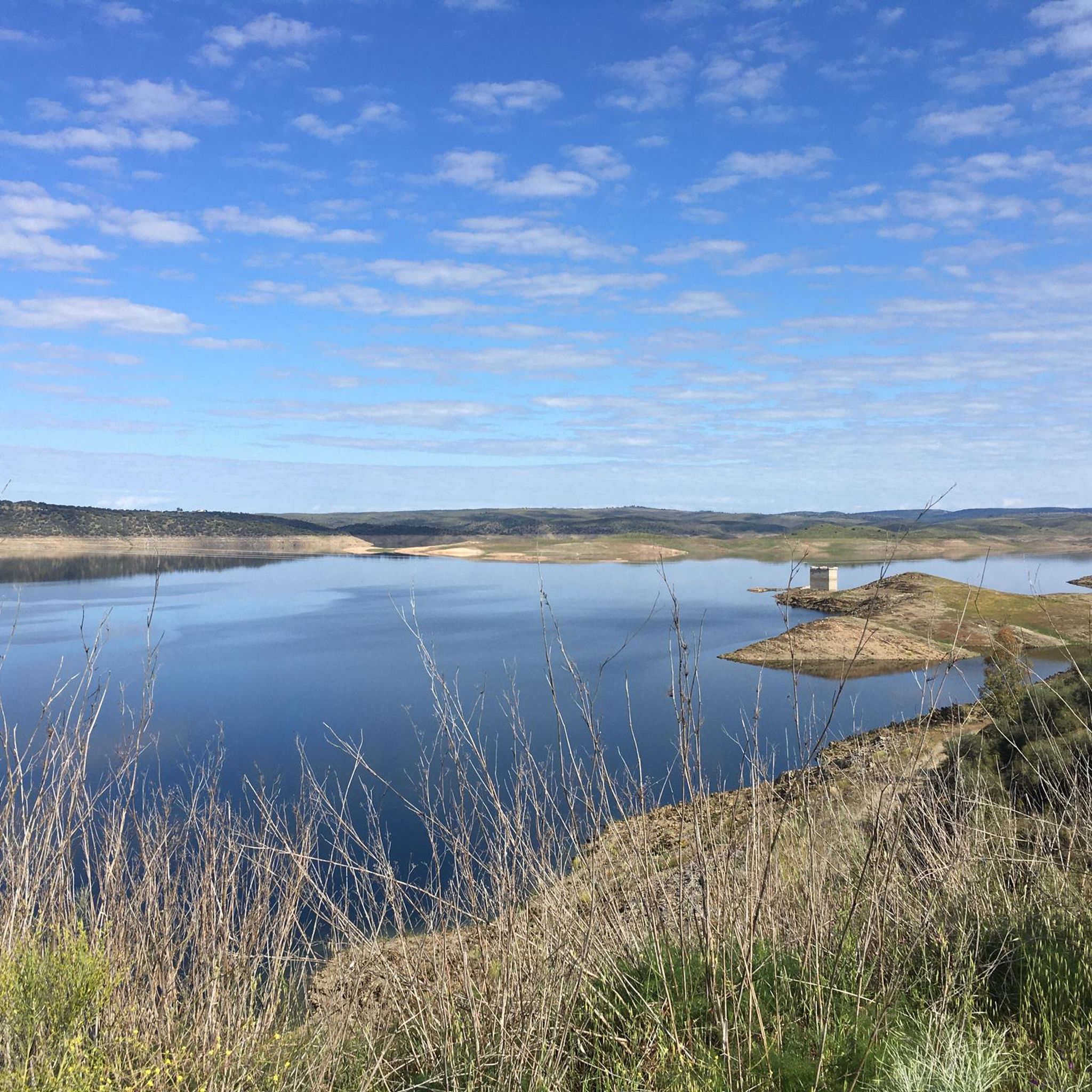
The path comes to an end in the natural park of Los Canchos De Ramiro, the Mirador del Boquerón is an incredible scenic spot to see the confluence of the Alagón and Gata rivers.
1
0
From this point you can see one of the most emblematic natural elements of the Monfragüe National Park. The magnificent rock formation of Salto coming out of the mountain created by geological forces and time.
2
1

Very close to the town of Villarreal de San Carlos and on the so-called Yellow Route, is this viewpoint with wonderful panoramic views of the entire Tiétar river valley at its confluence with the Tagus river in the heart of Monfragüe National Park.
3
0
Frequently Asked Questions
What unique natural features can I explore around Embalse de Alcántara?
Beyond the well-known viewpoints, the region offers fascinating natural features. You can discover Mirador del Boquerón, which provides incredible scenic views of the confluence of the Alagón and Gata rivers. Another unique feature is Peña Cepeda, an impressive granite boulder that appears to float on the Alagón River, serving as a vital nesting ground for various bird species.
Are there opportunities for birdwatching near the natural monuments?
Yes, the Embalse de Alcántara region is excellent for birdwatching. The Gypsy's Leap and Peña Falcón (Gypsy’s Leap) are indispensable places to see birds, including a large number of griffon vulture nests. Peña Cepeda is also a significant nesting and breeding ground for species like the griffon vulture and black stork.
Can I find family-friendly natural monuments in the area?
Absolutely. Several natural monuments are suitable for families. The Gypsy's Leap and Serrano Viewpoint are both categorized as family-friendly, offering accessible spots to enjoy nature and views.
What historical sites are connected to the natural landscape of Embalse de Alcántara?
The region uniquely blends history with nature. The Torre de Floripes (or Castillo de Rocafrida), an ancient fortress, becomes visible when the embalse's water levels are low, revealing its Arab origins and Roman foundations. Similarly, submerged sections of old bridges, including one designed by Eiffel, occasionally emerge, offering a tangible connection to the region's past infrastructure.
Are there hiking trails suitable for different skill levels near these natural monuments?
Yes, the area offers a variety of hiking trails. For an easy option, consider the Puente de Alcántara Trail. Moderate trails include the Menhir del Cabezo from the Mirador del Presa del Embalse de Alcántara. You can find more options in the Hiking around Embalse de Alcántara guide.
What kind of wildlife can I expect to see?
The Embalse de Alcántara is rich in wildlife, especially birds. You can frequently spot griffon vultures and black storks, particularly around Peña Cepeda and the various viewpoints like The Gypsy's Leap. The confluence areas of the Tajo and Alagón rivers are recognized as special protection zones for birds, supporting diverse aquatic and riparian wildlife.
What do visitors enjoy the most about the natural monuments around Embalse de Alcántara?
Visitors particularly enjoy the spectacular views and the abundant birdlife. Many highlight the experience of watching vultures glide through the air, often recommending binoculars for a better view. The panoramic vistas from spots like Serrano Viewpoint are also highly praised.
Are there any specific viewpoints offering panoramic views?
Yes, the region is known for its impressive viewpoints. Serrano Viewpoint offers wonderful panoramic views of the entire Tiétar river valley at its confluence with the Tagus river within Monfragüe National Park. Mirador del Boquerón also provides incredible scenic views of the Alagón and Gata rivers' confluence.
What other outdoor activities can I do in the Embalse de Alcántara region?
Besides exploring natural monuments, the area is great for various outdoor sports. You can find numerous running trails, including loops around Serrano Viewpoint. For cyclists, there are extensive road cycling routes, such as the Monfragüe National Park Loop Trail.
When is the best time of year to visit the natural monuments around Embalse de Alcántara?
Spring and autumn are generally the most pleasant seasons to visit, offering mild temperatures ideal for hiking and birdwatching. During these times, the landscape is vibrant, and wildlife activity is high. Summer can be very hot, while winter offers a quieter experience, though some submerged historical sites might be more visible if water levels are low.
Are there any natural river confluences worth visiting?
Indeed. The Confluence of the Tagus and Tiétar rivers offers a beautiful landscape where the Tiétar flows into the Tagus. Additionally, the confluence of the Tajo and Alagón rivers is a recognized point of special protection for birds, highlighting its ecological importance.
What should I wear when visiting the natural monuments?
Given the outdoor nature of the attractions, it's advisable to wear comfortable walking shoes or hiking boots. Layered clothing is recommended as temperatures can change throughout the day. Don't forget sun protection, such as a hat and sunscreen, and consider bringing binoculars for birdwatching.
Most popular routes around Embalse de Alcántara
Most popular attractions around Embalse de Alcántara

Get inspired with the komoot mobile app


Explore more
Extend your search for the best caves by checking out these guides of the top ones around Embalse de Alcántara:
