Top 20 Natural Monuments around Szczeciński Park Krajobrazowy „Puszcza Bukowa”
Best natural monuments around Szczeciński Park Krajobrazowy „Puszcza Bukowa” are found within a landscape shaped by glacial processes, featuring dense beech forests and varied topography. The park is home to numerous natural monuments, including impressive erratic boulders and several nature reserves. These features offer insights into the region's geological history and diverse ecosystems. The area provides a blend of geological wonders and natural landscapes.
Best natural monuments around Szczeciński Park Krajobrazowy „Puszcza Bukowa”
- The most popular natural monuments is Emerald…
Last updated: July 10, 2026
Emerald Lake (Jezioro Szmaragdowe)
Highlight • Lake
Translated by Google •
Tip by

Serce Boulder (Millstone)
Highlight • Natural Monument
Translated by Google •
Tip by

Sign up now to discover places like this
Get recommendations on the best single tracks, peaks, & plenty of other exciting outdoor places.
Sign up for free
Bukowa Forest
Highlight • Forest
Showing Translation
Tip by

Swedish Stone
Highlight • Natural Monument
Translated by Google •
Tip by

Swedish Mill Ruins
Highlight • Historical Site
Translated by Google •
Tip by
Sign up for free to discover even more natural monuments around Szczeciński Park Krajobrazowy „Puszcza Bukowa”.
Sign up for free
Already have an account?
Start today with a free account
Your next adventure awaits.
Login or Signup
Popular around Szczeciński Park Krajobrazowy „Puszcza Bukowa”
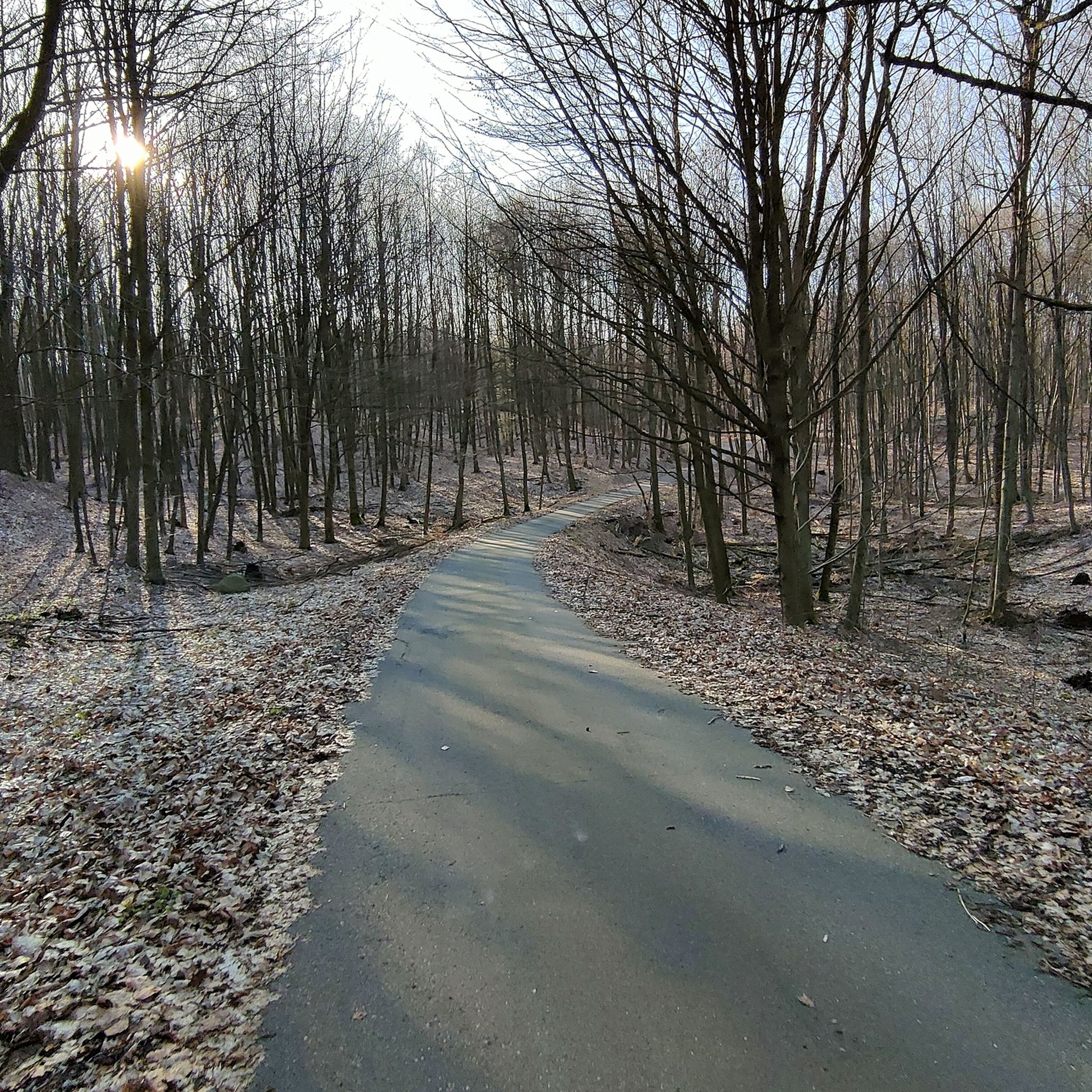
Road Cycling Routes around Szczeciński Park Krajobrazowy „Puszcza Bukowa”
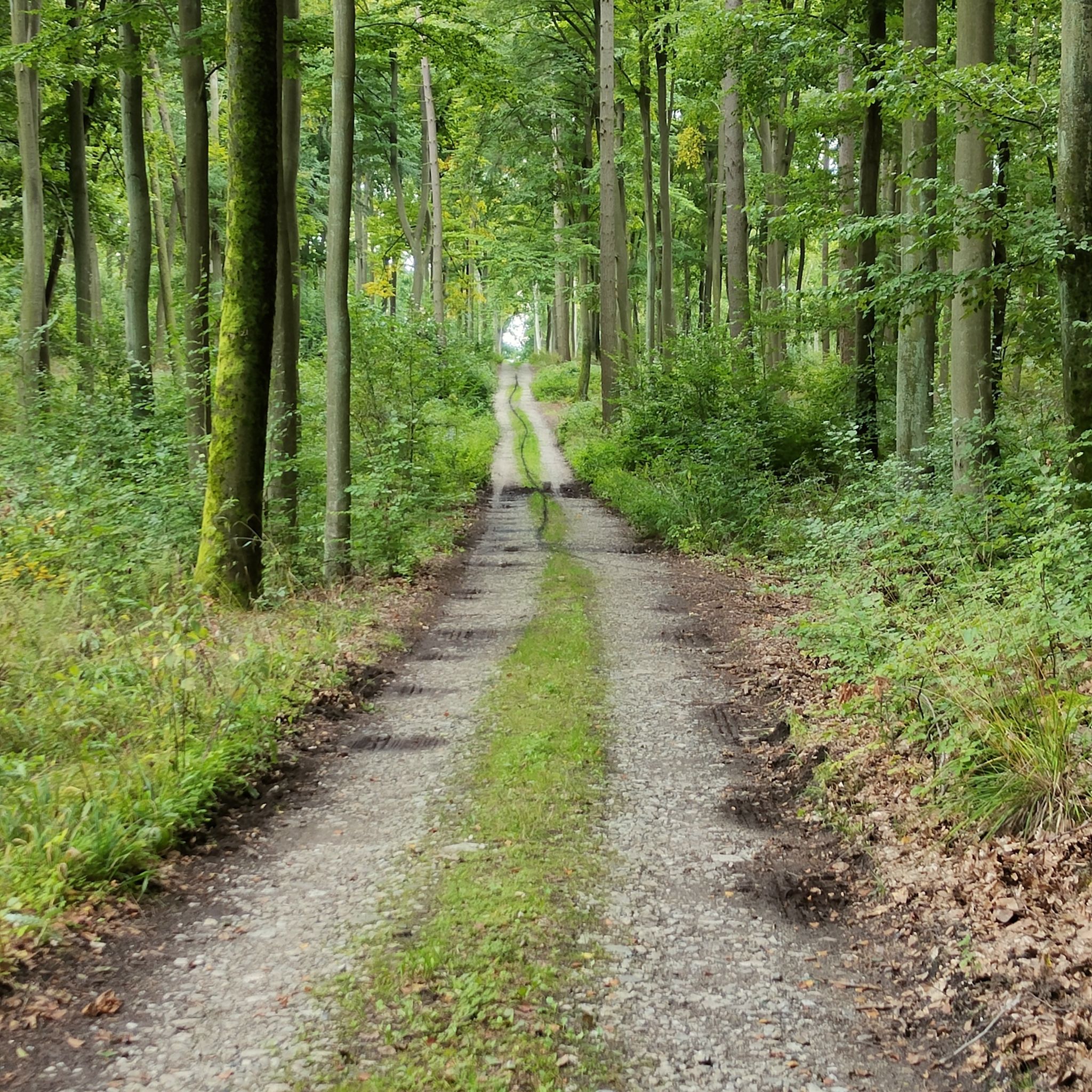
MTB Trails around Szczeciński Park Krajobrazowy „Puszcza Bukowa”
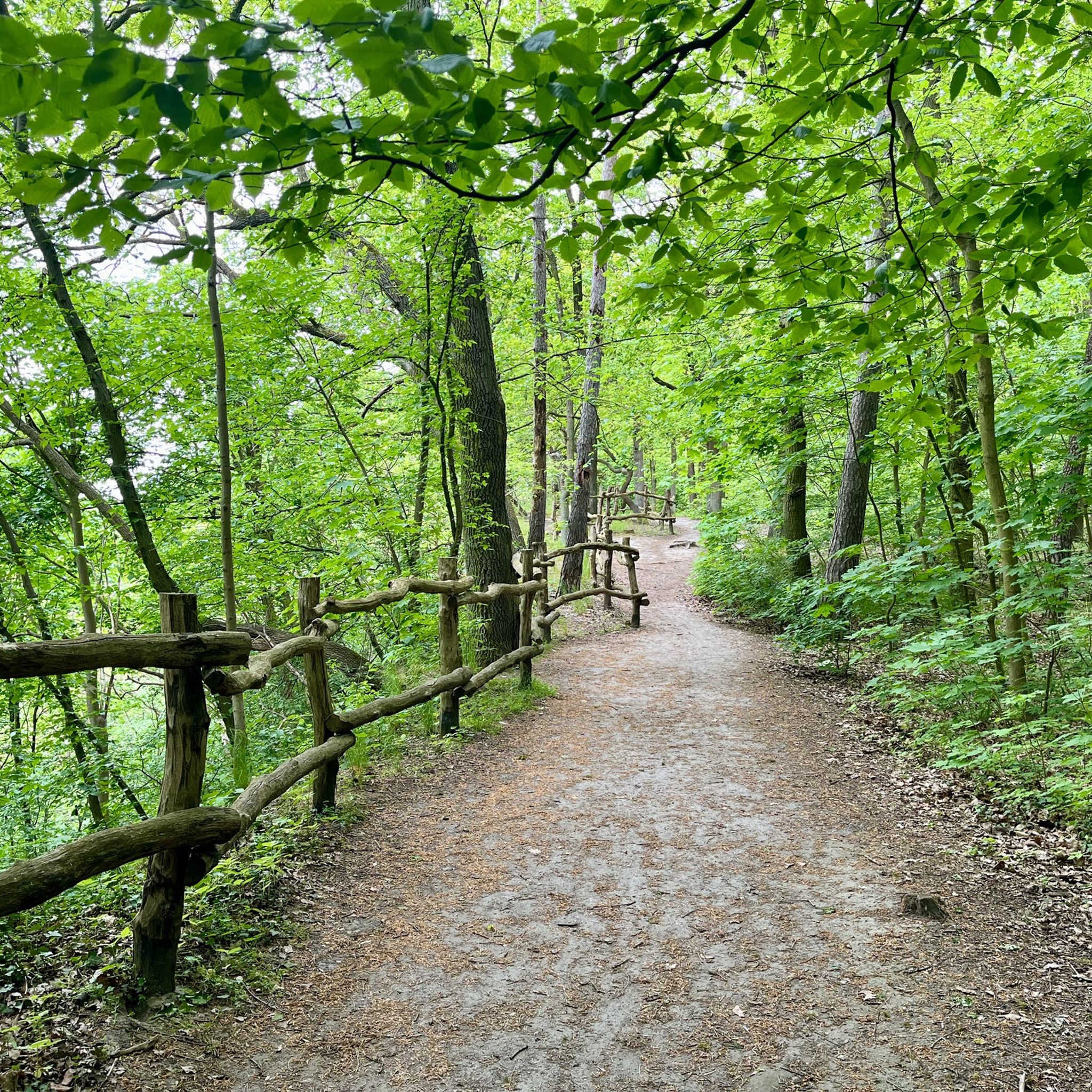
Hiking around Szczeciński Park Krajobrazowy „Puszcza Bukowa”

Gravel biking around Szczeciński Park Krajobrazowy „Puszcza Bukowa”
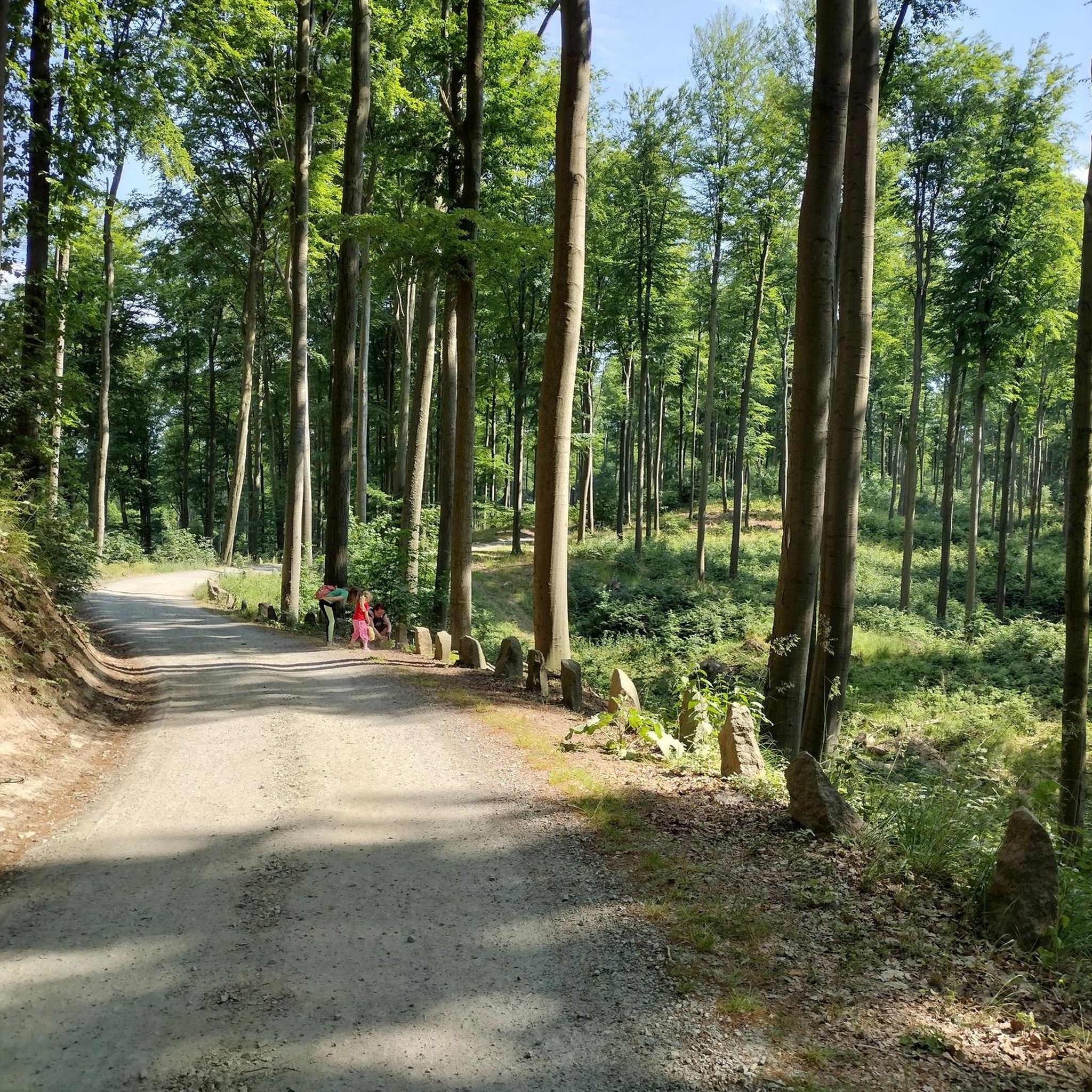
Cycling around Szczeciński Park Krajobrazowy „Puszcza Bukowa”
Running Trails around Szczeciński Park Krajobrazowy „Puszcza Bukowa”
Tips from the Community

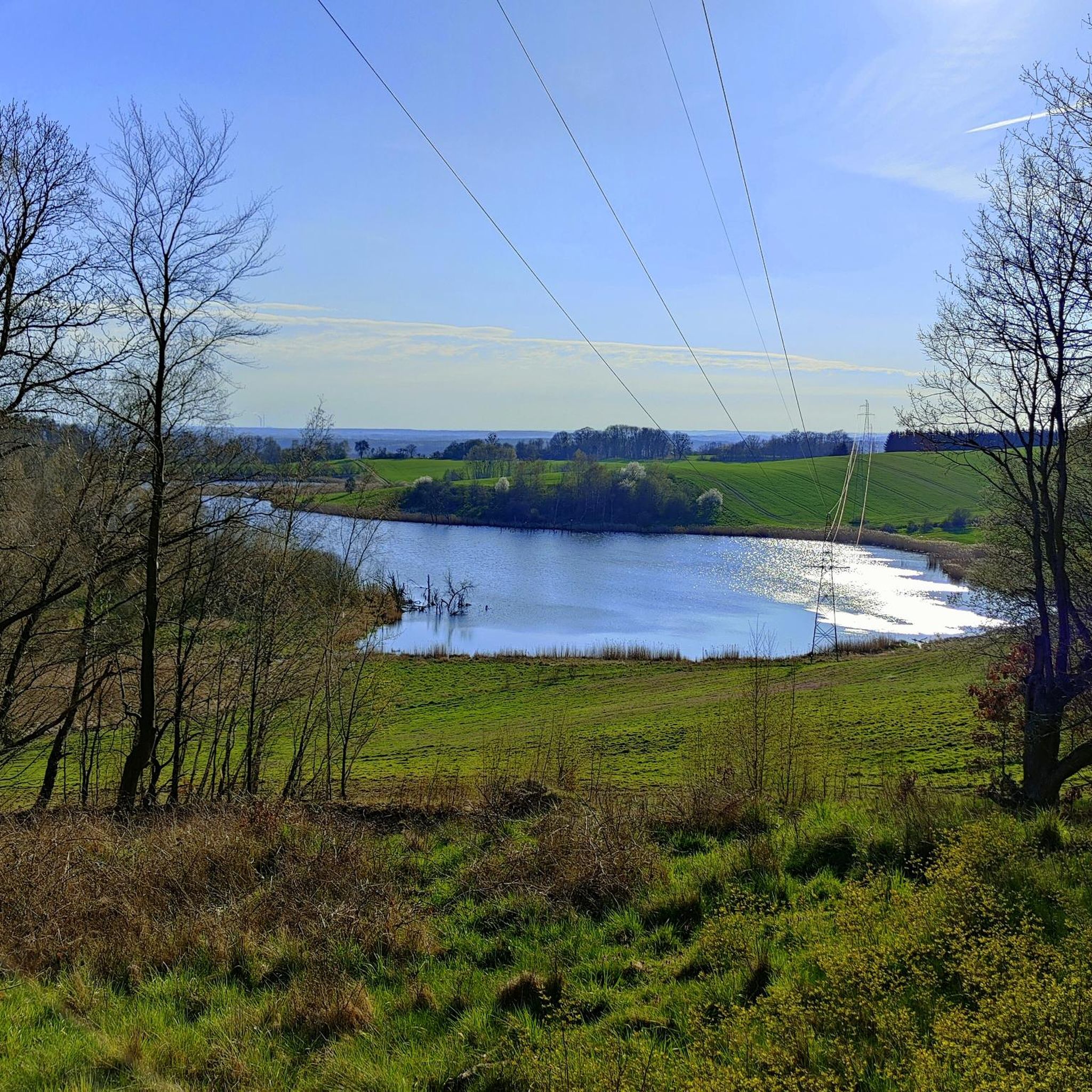
A former chalk and marl mine operated by the nearby "Stern" Portland cement factory, founded in 1862 and owned by the Toepffer family. In 1925, a sudden flood of groundwater through a layer of permeable sand led to the quarry's opening. The quarry quickly filled with water. People were immediately evacuated. The quarry was flooded. Emerald Lake was created, which owes its color and name to the high calcium carbonate content in the water and the reflection of light from the chalk bed. In good weather, railway wagons and even workers' tools can still be seen at the bottom of the lake. A concrete bridge, part of the railway track used to transport chalk output to the nearby cement plant, still stands near the lake today.
0
1

The Heart Boulder, also known as the Mill Stone, is an erratic. Made of granite, its shape resembles a heart. It is entered in the register of natural monuments. It is also colossal in terms of size: impressive dimensions: circumference 14.5 m, and length over 4 m.
0
0

A great place for mtb. It reminds me a lot of the Tricity Landscape Park from where I live.
1
0
These are the remains of a former grain mill, whose history dates back over 700 years. The first owners were the Cistercians from Kołbacz (and who else ;). Subsequent owners were: the Swedes - during the Thirty Years' War they turned the mill into a powder mill - which was destroyed by fire, Hans Blaurock and his heirs in the 12th - 19th centuries (again as a grain mill), Friedrich Jaeckel from 1838 who started production here paper and bags for the nearby Stern cement plant, and finally Johannes Burmeister - in 1880 he founded a restaurant here which attracted crowds of tourists and the place became the main tourist center in the forest. The history of this place ends abruptly in 1944, when, as a result of war, some of the buildings were destroyed and then the whole thing was gradually devastated, until it reached its present state, i.e. a few remains in the form of: stairs, a dam embankment and a rotting valve, an overgrown mill pond and foundations and basement vaults.
3
2
It is proven that the hills on which the Forest is located were created as a result of the ice sheet that once existed here, or commonly known as a glacier. Numerous erratic boulders were moved along with the glacier from the areas of today's Scandinavia. Therefore, one of the erratic boulders was named after the glacier and the place where it probably comes from - Swedish Stone. It is a pink-gray, granoplastic erratic boulder (plagioclase-biotite gneiss) with a pegmatite vein, 910 cm in circumference and 180 m high, with deep frost cracks. The boulder is located on a small hill near Szwedzki Bruk (Chojnowska Road) about a kilometer south of Szwedzki Młyn. You can get there by following the green trail from Lake Szmaragdowe, or the red trail and then the green trail from the estate. Bukowy (having previously visited the Chojna stronghold and Szwedzki Młyn).
1
2

If you go to the Polish Baltic coast, you can take a small detour straight to the lake, just 15 km after the border of Germany - Pl podjuche exit, then the lake is directly on the right in the forest after a few km !!!
2
1

A walk around the lake is definitely worth it!
2
0

The lake is considered the most beautiful spot in Szczecin. Its name derives from its characteristic emerald-green hue, which results from saturation with calcium carbonate and the sunlight reflected off the chalk bedrock. Nearby, there is a viewing terrace offering panoramic views of the Lower Oder Valley and the city of Szczecin. On the southern shore is a fire station with an underground tunnel system, built by the Germans. Also nearby are the "Polana Widok" viewpoint, the "Grota" restaurant, and a walking path.
2
2
Frequently Asked Questions
What are some of the most impressive natural monuments to visit in Szczeciński Park Krajobrazowy „Puszcza Bukowa”?
Among the most impressive natural monuments are the striking Emerald Lake (Jezioro Szmaragdowe), known for its unique green water and former chalk mine history. You can also explore colossal erratic boulders like the heart-shaped Serce Boulder (Millstone), the historically significant Groński Boulder with its commemorative plaque, and the distinct Swedish Stone.
What makes the natural monuments in Szczeciński Park Krajobrazowy „Puszcza Bukowa” unique?
The natural monuments in this park are unique due to their origin in glacial processes, resulting in a landscape rich with over 100 erratic boulders and diverse nature reserves. These features showcase the region's geological history and varied ecosystems, from ancient beech forests to unique hydrological formations.
Are there family-friendly natural monuments suitable for children?
Yes, several natural monuments are suitable for families. Emerald Lake (Jezioro Szmaragdowe) is a popular choice, offering picturesque views and easy walking paths. The Groński Boulder and Swedish Stone are also accessible and offer interesting stories for all ages.
What kind of nature reserves can I explore within the park?
Szczeciński Park Krajobrazowy „Puszcza Bukowa” is home to seven nature reserves. Notable ones include Buczynowe Wąwozy (Beech Ravines), known for its varied topography and ancient beech forests, and Osetno, one of Poland's first mycological reserves, protecting diverse mushroom species and rare birds. Other reserves like Bukowe Zdroje and Kołowskie Parowy also protect valuable beech forests and unique hydrological features.
Do any of the natural monuments have historical significance?
Yes, several monuments carry historical weight. The Groński Boulder features a plaque commemorating Stanisław Groński, a pioneer of tourism in the region. The Swedish Stone is named after a nearby mill used by Swedes during the Thirty Years' War. Additionally, Emerald Lake was formed from a flooded chalk and marl mine, with remnants of mining equipment believed to still lie at its bottom.
What outdoor activities can I do near these natural monuments?
The park offers an extensive network of approximately 200 km of hiking and cycling trails. You can enjoy easy hikes, such as the "Serce Puszczy Boulder – Czwójdziński Gate loop from Bukowe-Klęskowo" or "Hiking loop from Rezerwat Zdroje". For runners, there are routes like the "Emerald Lake – View of Emerald Lake (Jezioro Szmaragdowe) loop from Rezerwat Zdroje". You can find more options on the easy hikes guide, running trails guide, and general hiking guide for the area.
Are there hiking trails that lead to or past these natural monuments?
Yes, many natural monuments are integrated into the park's trail system. For instance, a yellow hiking trail allows visitors to explore the Buczynowe Wąwozy reserve, and a green tourist trail traverses the Osetno reserve. The Serce Boulder is located on the western side of the Royal Path, which is part of the black mountain trail. You can find various routes, including easy and moderate options, in the hiking guide for the region.
What do visitors enjoy most about the natural monuments in Szczeciński Park Krajobrazowy „Puszcza Bukowa”?
Visitors frequently praise the stunning natural beauty and tranquility. The unique emerald-green color of Emerald Lake is a major highlight, often described as the most beautiful place in Szczecin. The impressive size and distinctive shapes of erratic boulders like the Serce Boulder also captivate visitors, offering a sense of wonder and a connection to the region's geological past.
What kind of wildlife can I expect to see in the park's natural monument areas?
The park is rich in biodiversity. The Beech Forest (Puszcza Bukowa) is home to about 140 bird species, including the black stork, white-tailed eagle, lesser spotted eagle, and red kite. You might also encounter various mammals and several reptile species. The Osetno reserve, in particular, is a critical refuge for rare bird species.
Is it possible to find viewpoints offering panoramic scenery?
Yes, there are several viewpoints. Near Emerald Lake, there's an observation deck that provides panoramic views of the Lower Oder Valley and the city of Szczecin. Many of the erratic boulders, such as the Serce Boulder and Swedish Stone, are located in scenic forest settings that offer pleasant views of the surrounding natural landscape.
Are there any specific natural monuments known for their geological formations?
The erratic boulders are prime examples of geological formations. Serce Boulder is a granite erratic with a distinctive heart shape. The Swedish Stone is a plagioclase-biotite gneiss boulder with a unique pink-gray color and pegmatite vein, showcasing the diverse rock types transported by glaciers. The formation of Emerald Lake in a former mine also represents a fascinating geological and human-influenced landscape.
Most popular routes around Szczeciński Park Krajobrazowy „Puszcza Bukowa”
Most popular attractions around Szczeciński Park Krajobrazowy „Puszcza Bukowa”

Get inspired with the komoot mobile app


Explore more
Extend your search for the best caves by checking out these guides of the top ones around Szczeciński Park Krajobrazowy „Puszcza Bukowa”:
