Top 7 Natural Monuments around Þjóðgarðurinn Snæfellsjökull
Best natural monuments around Þjóðgarðurinn Snæfellsjökull are found within a national park characterized by its diverse geological features, encompassing both coastal areas and mountainous terrain. This region on the Snæfellsnes Peninsula in West Iceland presents a landscape of volcanic formations, rugged coastlines, and ancient geological structures. The area is notable for its varied natural features, including lava fields, basalt cliffs, and a glacier-capped stratovolcano.
Best natural monuments around Þjóðgarðurinn Snæfellsjökull
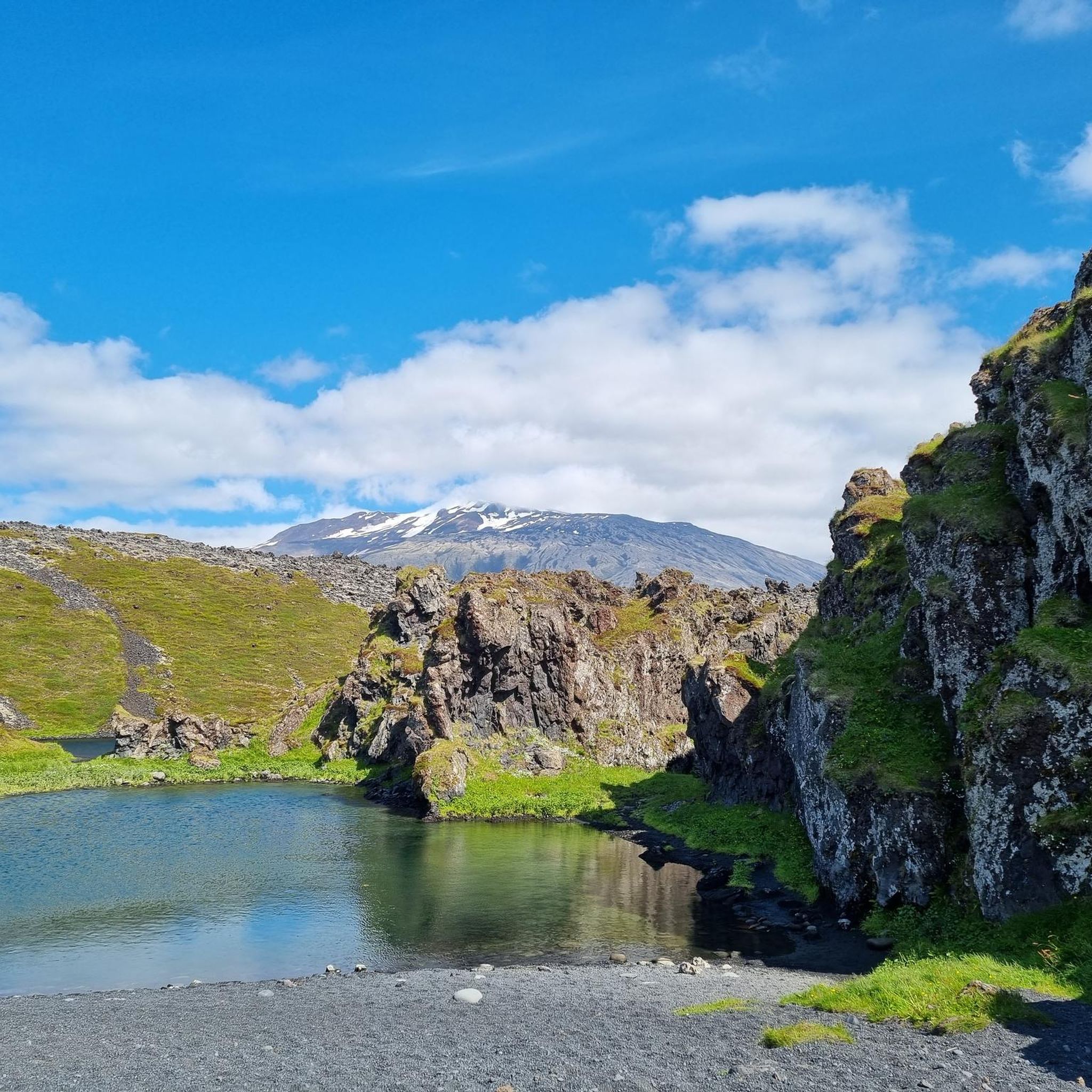
- The most popular natural monuments is Djúpalónssandur — Black Sand Beach, a beach consisting of black sand and smooth black pebbles. This site features lava formations and two freshwater lagoons, with historic strength testing stones present on the beach.
- Another must-see spot is Lóndrangar Rock Formations, natural rock towers made of volcanic basalt. These formations are remnants of an ancient volcanic crater, with pinnacles reaching 75 meters and 61 meters in height.
- Visitors also love Saxhóll Crater, a volcano approximately 100 meters high. An accessible walking path with steps leads to the top, offering panoramic views of the surrounding landscape.
- Þjóðgarðurinn Snæfellsjökull is known for its volcanic craters, black sand beaches, and basalt rock formations. The region offers a variety of natural monuments to see and explore, from coastal features to inland geological sites.
- The natural monuments around Þjóðgarðurinn Snæfellsjökull are appreciated by the komoot community, with more than 75 upvotes and over 119 photos shared across the highlights.
Last updated: May 14, 2026
Djúpalónssandur — Black Sand Beach
Highlight • Beach
You will also discover the wreckage of the British trawler Epine GY7, which broke on March 13, 1948 east of Dritvík Bay. Fourteen men died and five more were saved by the Icelandic search and rescue teams from neighboring cities. The iron ruins lie here to commemorate the fatalities - so please don't take them away!
Translated by Google •
Tip by

Lóndrangar Rock Formations
Highlight • Natural Monument
Translated by Google •
Tip by

Sign up now to discover places like this
Get recommendations on the best single tracks, peaks, & plenty of other exciting outdoor places.
Sign up for free
Trail to Djúpalónssandur Beach
Highlight • Trail
Translated by Google •
Tip by
Saxhóll Crater
Highlight • Volcano
Tip by

Lóndrangar Viewpoint
Highlight • Viewpoint
Translated by Google •
Tip by

Sign up for free to discover even more natural monuments around Þjóðgarðurinn Snæfellsjökull.
Sign up for free
Already have an account?
Start today with a free account
Your next adventure awaits.
Login or Signup
Popular around Þjóðgarðurinn Snæfellsjökull
Tips from the Community

The hike to the rock formation is worth it. If you're lucky, you might see arctic foxes.
0
0

You hike up many steps to the Saxhóll crater, which offers a fantastic view. If the weather is good, you can also see the glacier.
0
1
You can take a wonderful walk along the coast here; many birds nest on the rugged cliffs.
0
0

Very beautiful and interesting beach. Unfortunately we were there in the pouring rain, but the round, black stones shone like mirrors.
0
0

Here you are closest to the "fortress" of Lóndrangar. It consists of two stone columns that rise from the sea on the south side of the peninsula. The largest is 75 m high, the smallest 61 m. They are the remains of a volcano, which was washed away by the seawater. The coast here is also interesting for bird watchers because of the bird rock þúfubjarg.
2
0
The rock formation looks like a fortress, but may be the remains of a crater. It is the habitat of a large bird colony.
1
0

A great coastal landscape with lots of views and the opportunity to see seabirds and possibly an arctic fox.
2
0

Extremely windy, but if you're in the area you should take the climb, the view is great!
3
2
Frequently Asked Questions
What unique geological features can I explore in Þjóðgarðurinn Snæfellsjökull?
Þjóðgarðurinn Snæfellsjökull offers a rich tapestry of geological wonders. You can explore volcanic landscapes, rugged coastlines, and ancient formations. Highlights include the glacier-capped stratovolcano Snæfellsjökull, the unique sandy lava fields of Búðahraun, and impressive basalt cliffs like Lóndrangar Rock Formations. The area also features black sand beaches such as Djúpalónssandur and volcanic craters like Saxhóll.
Are there any family-friendly natural monuments in the park?
Yes, several natural monuments are suitable for families. Djúpalónssandur — Black Sand Beach is popular, where children can enjoy the smooth black pebbles and try lifting the historic 'strength testing' stones. Saxhóll Crater also features an easily accessible walking path and steps to the top, offering panoramic views without a strenuous climb, making it a good option for families.
What kind of hiking opportunities are available near these natural monuments?
The region around Þjóðgarðurinn Snæfellsjökull offers various hiking opportunities. You can find easy trails like the loops around Lóndrangar Rock Formations or the path to Djúpalónssandur Beach. For more details on routes, you can explore the Hiking around Þjóðgarðurinn Snæfellsjökull guide or the Easy hikes around Þjóðgarðurinn Snæfellsjökull guide.
What makes Djúpalónssandur Beach a unique natural monument?
Djúpalónssandur, often called the 'black lava pearl beach,' is distinctive for its smooth, black pebbles and dramatic lava formations. It also features two freshwater lagoons and the spectacular arch rock Gatklettur. Visitors can engage with history by attempting to lift four ancient 'strength testing' stones used by sailors, and observe remnants of a 1948 shipwreck.
Can I visit the Snæfellsjökull Glacier itself?
The Snæfellsjökull Glacier and Volcano is the iconic centerpiece of the park. While its summit is popular for hikers and ice-climbers, offering breathtaking views, access can be challenging and often requires guided tours, especially for glacier travel. It's a 700,000-year-old stratovolcano capped by a majestic glacier.
What is special about the Lóndrangar Cliffs?
Lóndrangar Cliffs are impressive basalt formations, remnants of an ancient volcanic crater, with pinnacles reaching 75 and 61 meters. Often called 'the rocky castle,' they offer spectacular coastal views and are steeped in local folklore, with beliefs that elves reside there. They are also a prime location for birdwatching, with many seabirds nesting on the cliffs.
Is Saxhóll Crater easily accessible for visitors?
Yes, Saxhóll Crater is quite accessible. It features an easily navigable walking path and steps leading to the top of the approximately 100-meter-high volcano. This makes it a relatively easy and rewarding hike, providing wonderful panoramic views of the surrounding landscape in every direction.
What is the Búðahraun Lava Field known for?
The Búðahraun Lava Field, located on the southernmost point of the national park, is renowned for its peculiar sandy lava fields and exceptional biodiversity. It's home to around 130 plant species, including 11 of Iceland's 16 fern varieties, and rare moss species. Its unique geology, including triple-flecked lava rock, makes it a fascinating site for nature enthusiasts.
Are there any underground natural monuments to explore?
Yes, the Vatnshellir Lava Cave offers a unique underground experience. This captivating lava tube was formed about 8,000 years ago during a volcanic eruption. Guided tours allow visitors to journey 200 meters into the earth, revealing unique geological formations and offering a sense of being at the 'center of the Earth'.
What is the best time of year to visit the natural monuments around Þjóðgarðurinn Snæfellsjökull?
The best time to visit depends on your preferences. Summer (June-August) offers milder weather and longer daylight hours, ideal for hiking and exploring. However, the park's natural monuments are captivating year-round. Winter visits can offer dramatic snowy landscapes, especially around the Snæfellsjökull Glacier, but require careful planning due to weather conditions.
Where can I find parking when visiting the natural monuments?
Parking is generally available at popular natural monuments. For instance, when visiting Lóndrangar Rock Formations, there are two car parks, either east or west of the chimneys, easily accessed via a coastal path. Other sites like Djúpalónssandur Beach also have designated parking areas.
What do visitors particularly enjoy about the natural monuments here?
Visitors frequently praise the dramatic scenery and unique geological formations. The black sand and smooth pebbles of Djúpalónssandur are often highlighted, as are the impressive basalt columns of Lóndrangar. The panoramic views from Saxhóll Crater are also a favorite, especially on clear days when the glacier is visible. The blend of volcanic history, coastal beauty, and unique landscapes creates a memorable experience.
Are there opportunities for birdwatching among the natural monuments?
Yes, the coastal natural monuments offer excellent birdwatching opportunities. The Lóndrangar Cliffs and the nearby Þúfubjarg cliffs are particularly known as prime locations for birdwatching, with many seabirds nesting on their impressive rock faces.
Most popular routes around Þjóðgarðurinn Snæfellsjökull
Most popular attractions around Þjóðgarðurinn Snæfellsjökull

Get inspired with the komoot mobile app


Explore more
Extend your search for the best caves by checking out these guides of the top ones around Þjóðgarðurinn Snæfellsjökull:
