Parque Nacional de Sierra Nevada
Parque Nacional de Sierra Nevada
Top 20 Natural Monuments around Parque Nacional de Sierra Nevada
Natural monuments around Parque Nacional de Sierra Nevada are characterized by dramatic mountain landscapes, glacial formations, and diverse ecosystems. This Biosphere Reserve features the highest peaks on the Iberian Peninsula, along with unique flora and fauna. The park offers a variety of natural features, from high-altitude lakes to ancient forests and wetlands. It is a significant destination for exploring geological processes and ecological diversity.
Best natural monuments around Parque Nacional de Sierra Nevada
- The most popular natural monuments is Hondera…
Last updated: October 13, 2026
Mulhacén Summit
Highlight • Summit
Translated by Google •
Tip by

Monument to the Virgin of the Snows
Highlight • Religious Site
Translated by Google •
Tip by

Sign up now to discover places like this
Get recommendations on the best single tracks, peaks, & plenty of other exciting outdoor places.
Hondera Lagoon
Highlight • Lake
Translated by Google •
Tip by
Mares' Lagoon
Highlight • Lake
Translated by Google •
Tip by

Tajos del Ángel Viewpoint
Highlight • Viewpoint
Translated by Google •
Tip by
Sign up for free to discover even more natural monuments around Parque Nacional de Sierra Nevada.
Already have an account?
Start today with a free account
Your next adventure awaits.
Popular around Parque Nacional de Sierra Nevada
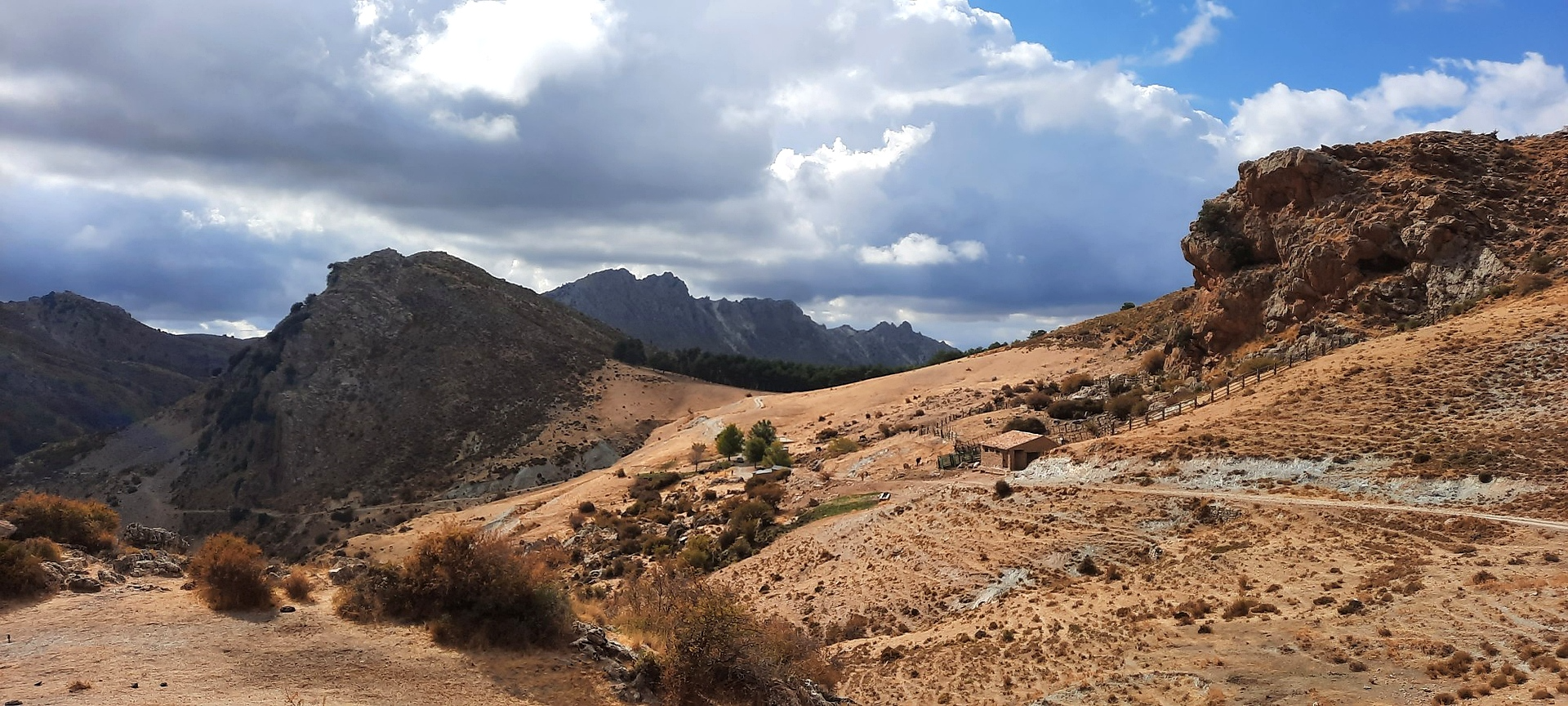
Sulayr Trail (GR 240) — 300 kilometers in the mountain of the sun
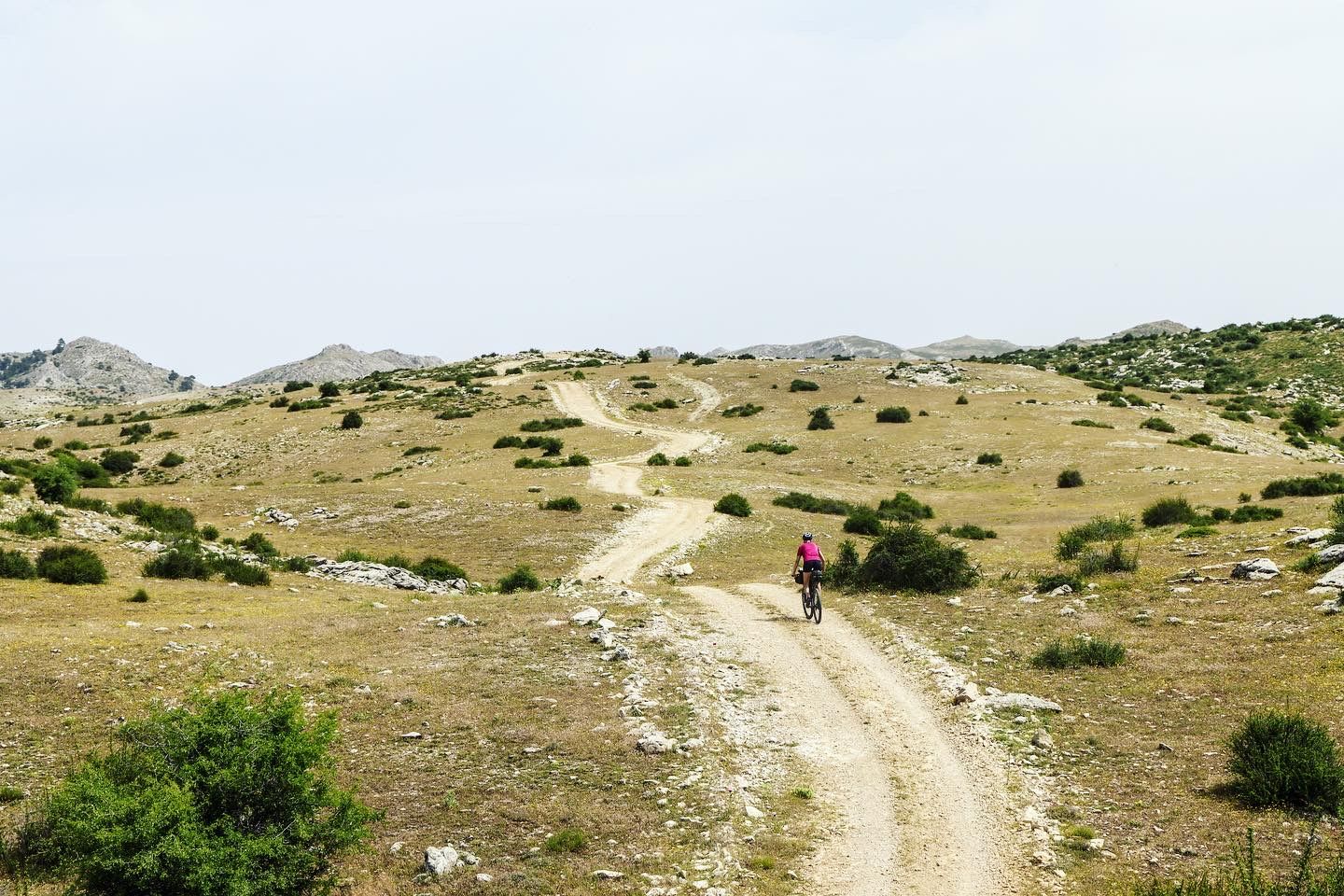
Bikepacking the mountains and deserts of Andalucía
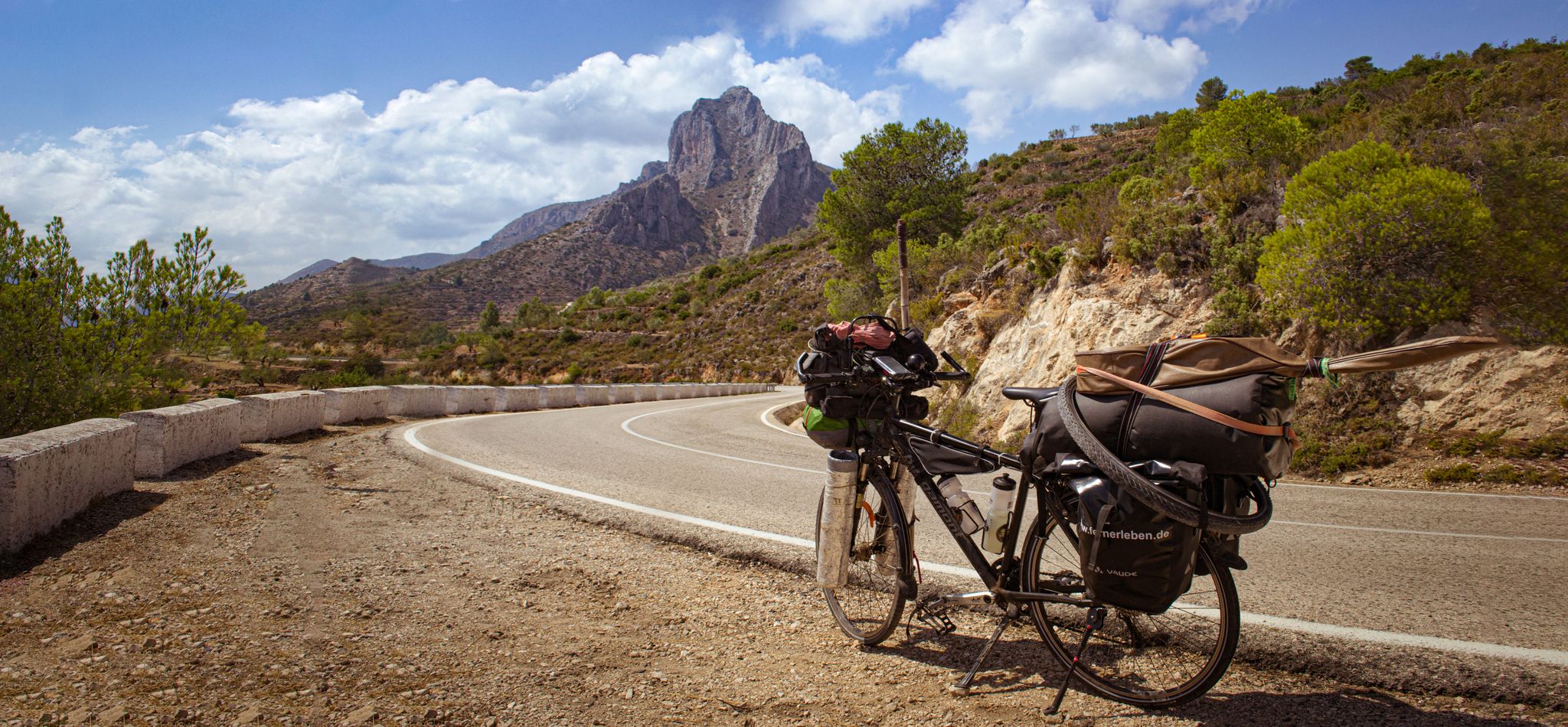
On the road to the sun — bikepacking to southeast Spain
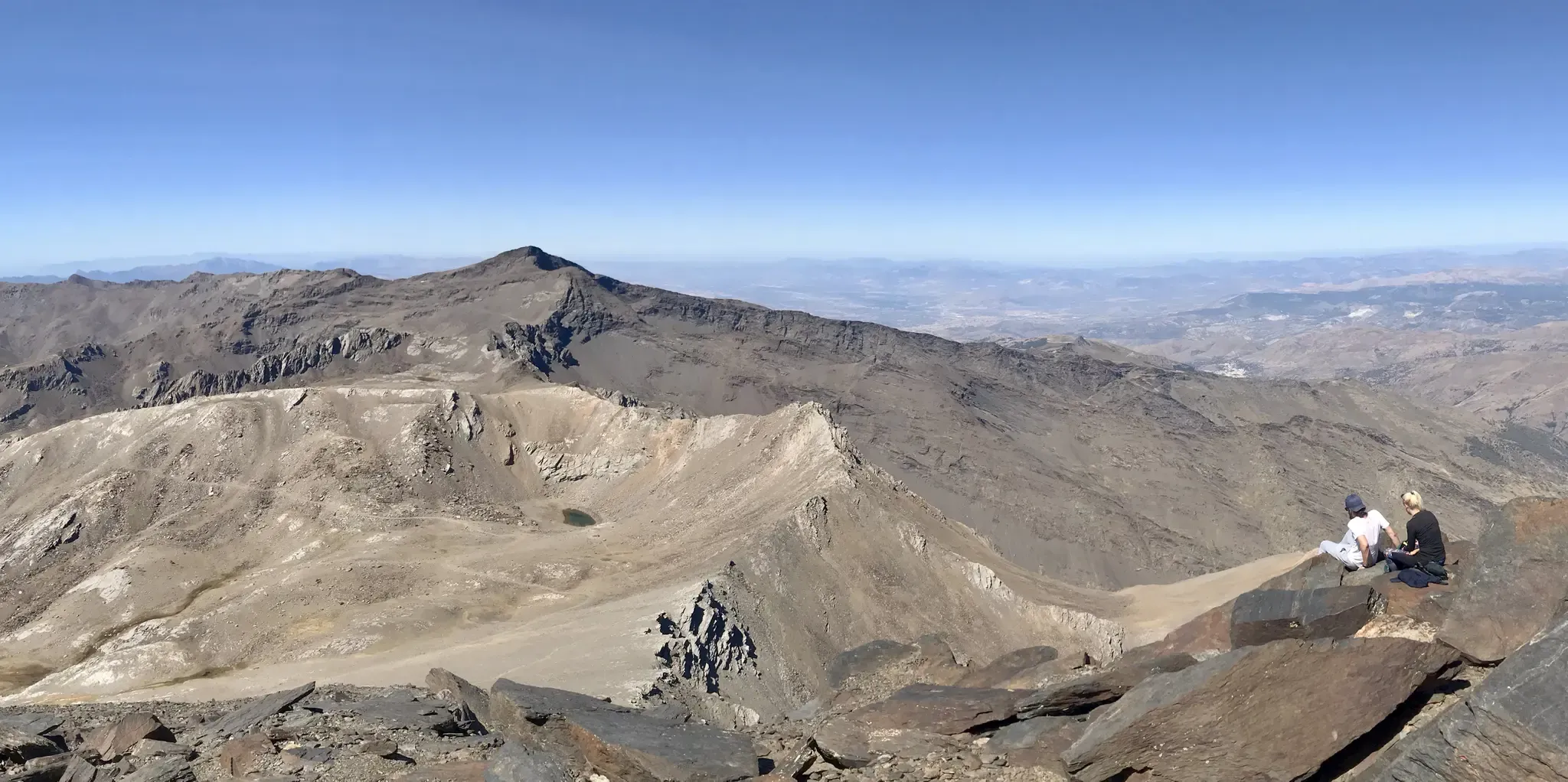
An unforgettable adventure – climb the Mulhacén’s north face in Spain
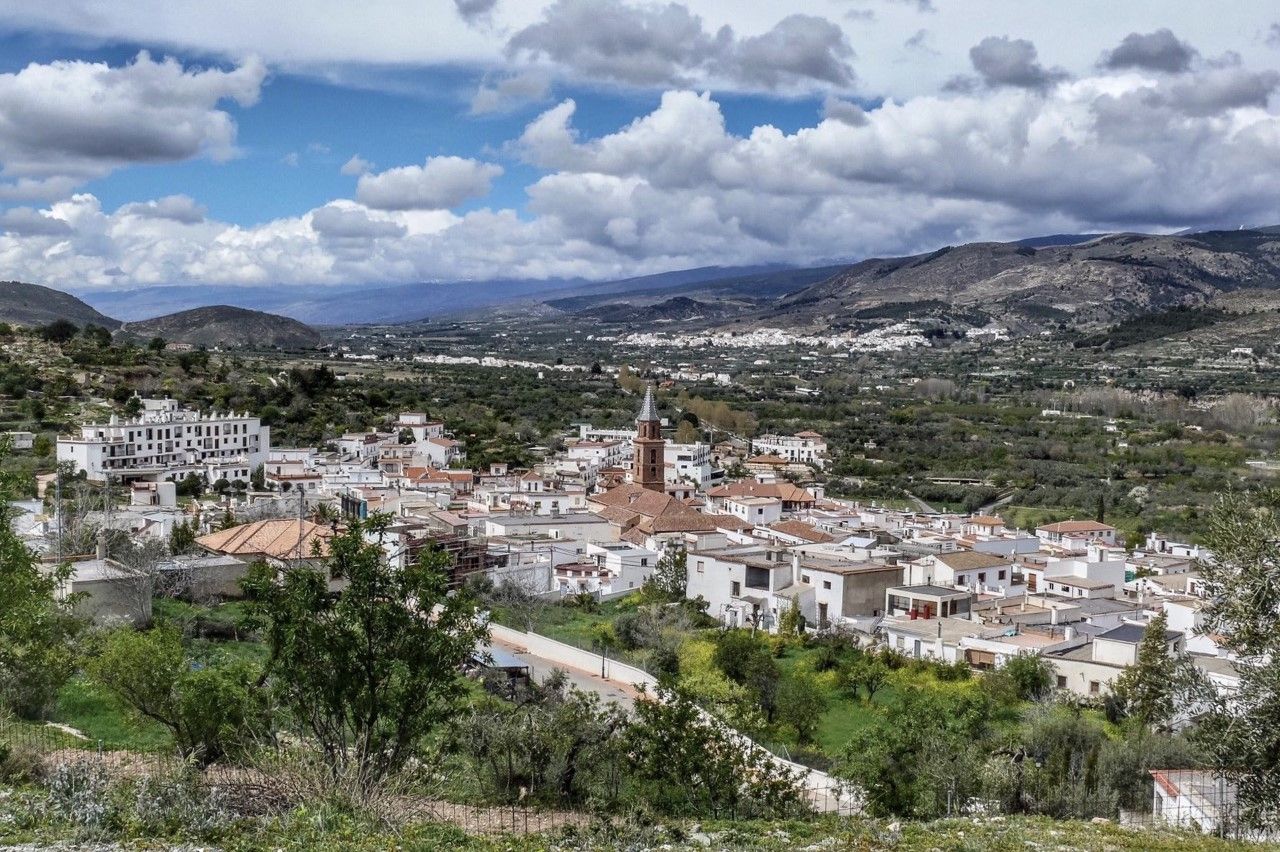
Gullies and summits – TransAlmería by MTB (Las Alpujarras)
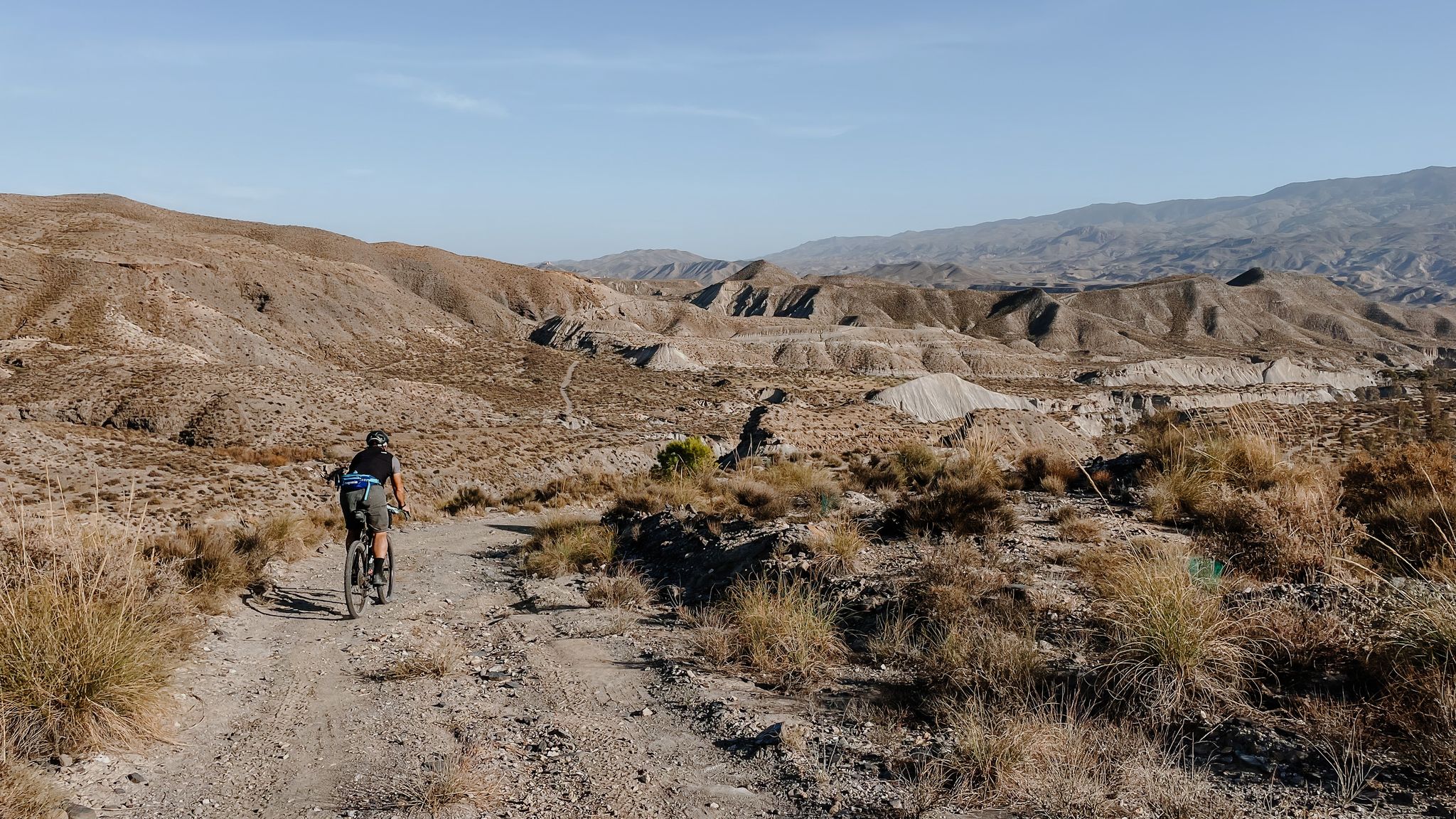
High mountains, desert and sea – an adventure of contrasts in Andalusia
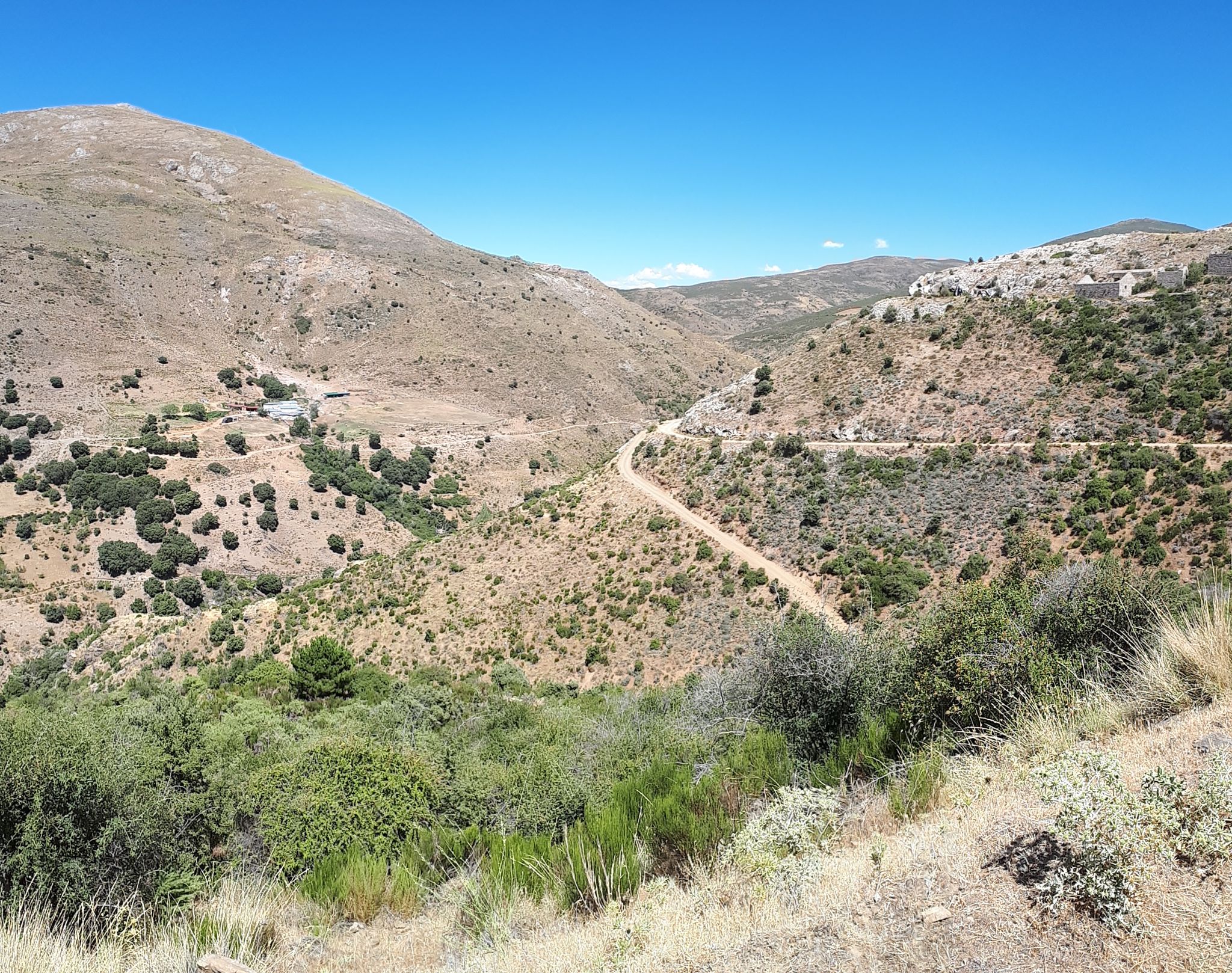
Nature and singletrack – bikepacking in Spain’s Sierra de Huétor
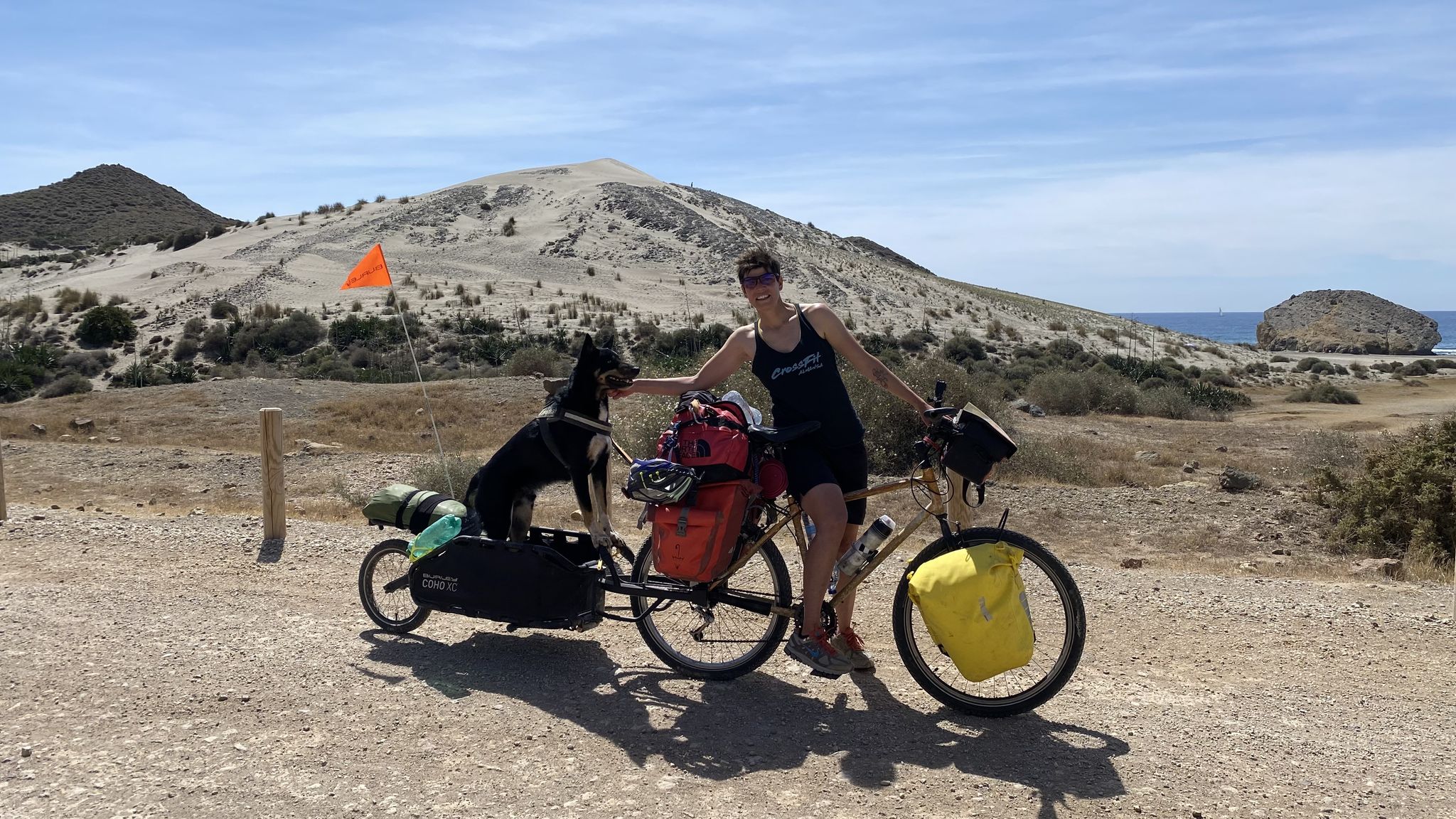
Let’s head south – cycle in Andalusia with me and my dog
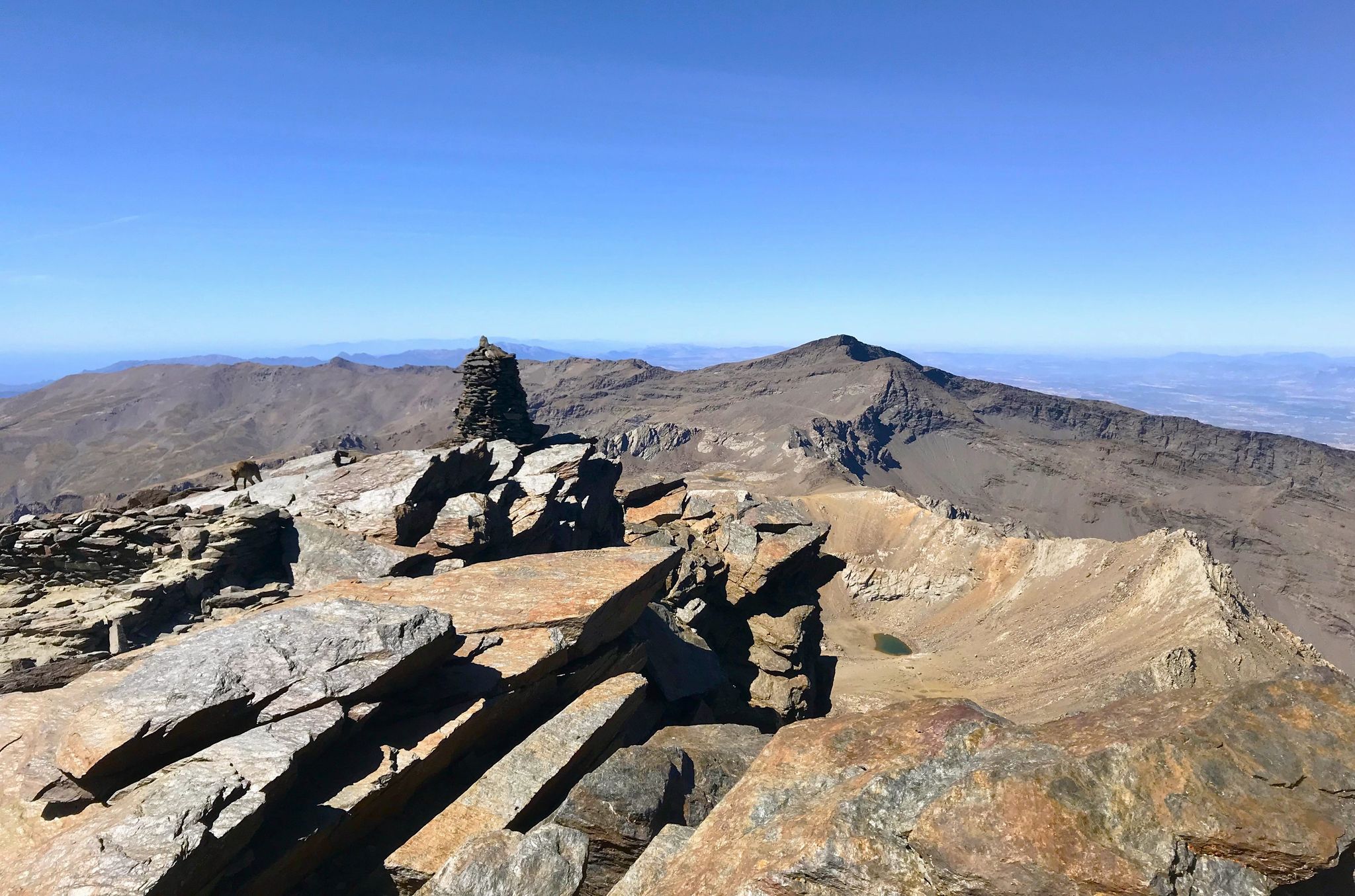
A night under the roof of the Iberian Peninsula – Mulhacén ascent
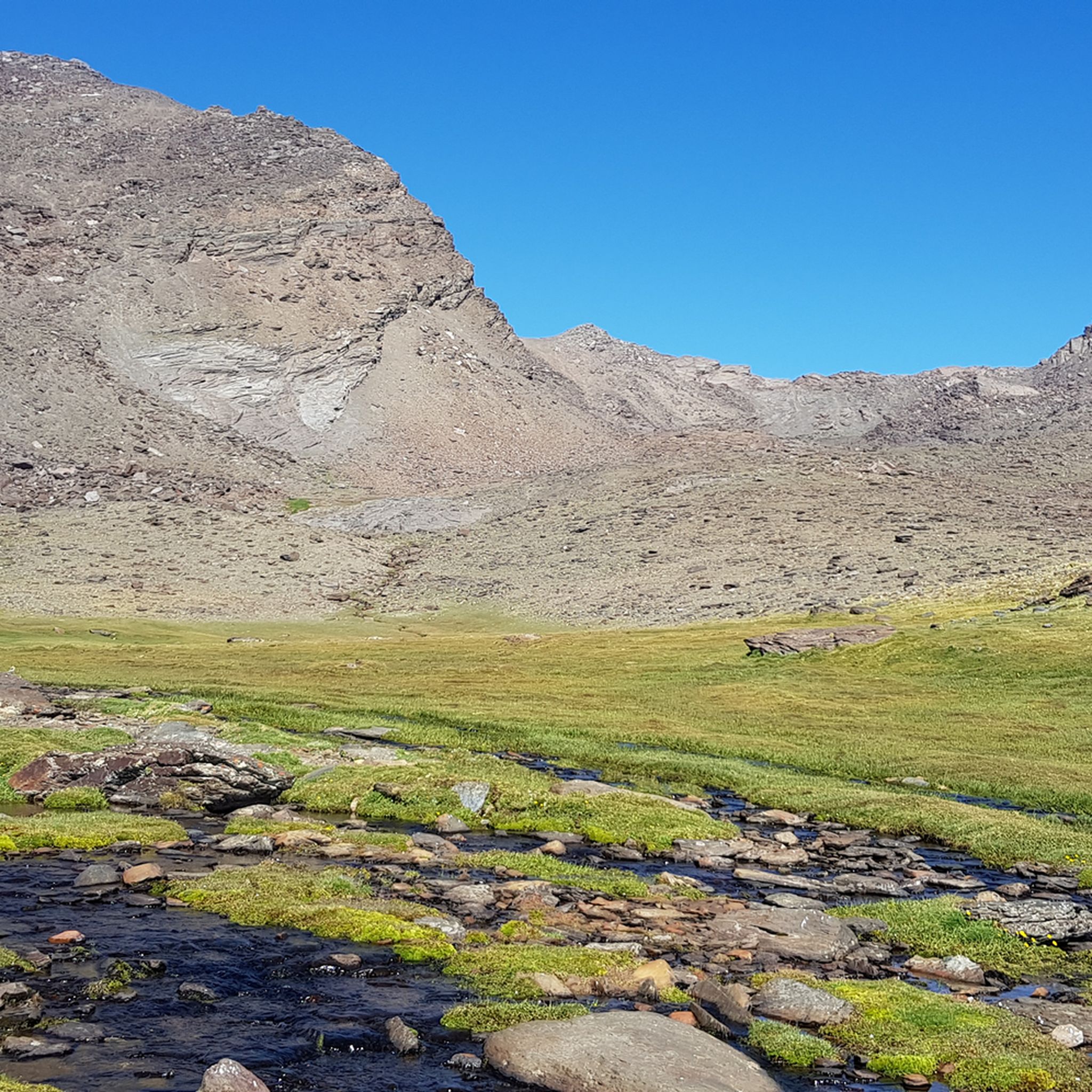
Hiking around Parque Nacional de Sierra Nevada
Other adventures around Parque Nacional de Sierra Nevada


Tips from the Community

A cool but very tough route
0
0

A very beautiful, expansive hiking and biking area. Also suitable for multi-day hikes with overnight stays (tent, bikepacking, etc.). Awesome views in every direction. Plenty of free parking available. A must-see for anyone in the area.
1
1

Beautiful little reservoir that is currently being filled by meltwater
0
0

Here you can gain a few extra meters in altitude.
0
0

The trail is pretty easy to find until you get to the waterfalls. To reach Laguna Hondera you must climb up beside the first waterfall. That is between the two waterfalls. There are cairns on the path but it’s quite easy to miss them amongst the other routes up there. It’s a beautiful location. We saw a few ibex but only 2 other hikers!
1
0

The area of the Seven Lagoons (and Laguna Hondera in particular) is one of the most beautiful places in the Sierra Nevada National Park. The climb up here next to the waterfall formed by the Chorreras Negras is demanding, but all the pain in your legs is forgotten as soon as you reach the top and see the beauty of the place. Important note: if you plan to spend the night here, do not pitch your tent in the borreguiles (the grasslands). They are home to several species of flora endemic to the Sierra Nevada and it is necessary to protect them.
4
0
If you want to access the viewpoint, you just have to walk along a paved road that takes you there in a gentle climb. The views from above are spectacular: you can see the high mountains of Sierra Nevada, as well as the entire Poqueira ravine and its three famous towns: Pampaneira, Bubión and Capileira.
2
0

Tajos del Ángel viewpoint one of the best places to rest from the long and intense climb to the vane from the coast
0
0
Frequently Asked Questions
What are some of the most notable natural features and viewpoints in Sierra Nevada National Park?
The Sierra Nevada National Park is rich in dramatic landscapes. You can experience the breathtaking glacial formations and high-mountain lakes at Hondera Lagoon, part of the Siete Lagunas area. For unparalleled panoramic views, ascend to Mulhacén Summit, the highest peak on the Iberian Peninsula. Another excellent spot for views is Tajos del Ángel Viewpoint, offering vistas of the Poqueira ravine and its charming towns.
When is the best time to visit the natural monuments in Sierra Nevada National Park?
The best time to visit depends on your interests. For vibrant autumnal colors, the Dehesa del Camarate is particularly stunning as its deciduous trees change. Summer offers access to high-altitude areas like Siete Lagunas and Mulhacén, though weather can change rapidly. Winter brings snow, making some areas challenging but beautiful for experienced mountaineers.
Are there family-friendly natural monuments or viewpoints in the park?
Yes, the Tajos del Ángel Viewpoint is considered family-friendly. It's accessible via a paved road with a gentle climb, offering spectacular views that can be enjoyed by all ages without a strenuous hike.
What kind of wildlife can I expect to see around these natural monuments?
The Sierra Nevada National Park is a Biosphere Reserve with diverse ecosystems. You might spot the Iberian ibex in the higher mountain regions. The Wetlands of Padul are particularly important for birdwatching, hosting various species of waterbirds, both resident and migratory.
What outdoor activities can I do near the natural monuments?
The region offers a wide range of outdoor activities. You can find numerous MTB trails, gravel biking routes, and road cycling routes. Popular options include the challenging Transnevada Route for MTB or scenic road cycling loops like the Pinos Genil village – Monachil loop.
Are there challenging hikes to reach some of the natural monuments?
Absolutely. The ascent to the Siete Lagunas area, including Hondera Lagoon, is demanding, often involving a climb alongside the Chorreras Negras waterfall. Reaching Mulhacén Summit also involves a significant and challenging trek, especially from villages like Trevelez.
What unique flora can be found in the Sierra Nevada's natural monuments?
The Sierra Nevada National Park is home to over 2,000 cataloged plant species, including 66 exclusive endemics. In the higher elevations, around peaks like Mulhacén and Veleta, you can find unique species such as the Sierra Nevada violet and the 'star of snows'.
Can I find historical or religious sites among the natural monuments?
Yes, the Monument to the Virgin of the Snows is a notable religious building and viewpoint located at 2700 meters above sea level. It's the only preserved sanctuary of its kind from the 18th century in the area and offers beautiful panoramic views.
What are the geological highlights of the Sierra Nevada National Park?
The park is characterized by its dramatic mountain landscapes and glacial formations. Key geological features include the U-shaped valleys and cirques around Mulhacén and Veleta, which are clear marks of glacial erosion. The Falla de Nigüelas, a large accumulation of rocks, also provides interesting insight into the region's geological processes.
Are there any less-known natural gems in the park that are worth exploring?
Yes, the Dehesa del Camarate, located on the northern face of the Sierra Nevada, is often described as one of the park's most beautiful and lesser-known treasures. It features one of Andalusia's best-preserved mixed forests, a relict ecosystem that offers a striking contrast to the high-mountain landscapes.
What do visitors particularly enjoy about the natural monuments in Sierra Nevada National Park?
Visitors frequently praise the stunning natural beauty and the sense of accomplishment after challenging hikes. For instance, the demanding climb to Hondera Lagoon is often described as rewarding, with the pain in legs forgotten upon seeing the beauty of the glacial landscape. The panoramic views from summits like Mulhacén are also a major highlight.
How long does it typically take to hike to some of the major natural monuments?
Hiking times vary significantly based on the monument and starting point. For example, a long hike to Mulhacén Summit via the Siete Lagunas from Trevelez village can take a full day or even require an overnight stay. Shorter, less strenuous walks like to the Tajos del Ángel Viewpoint can be completed in a couple of hours.
Most popular routes around Parque Nacional de Sierra Nevada
Most popular attractions around Parque Nacional de Sierra Nevada

Get inspired with the komoot mobile app


Explore more
Extend your search for the best caves by checking out these guides of the top ones around Parque Nacional de Sierra Nevada:
