Top 20 Natural Monuments around Parc Natural de l'Alt Pirineu
Best natural monuments around Parc Natural de l'Alt Pirineu is a region characterized by high peaks, glacial valleys, and extensive forests. This natural park, the largest in Catalonia, spans nearly 70,000 to 80,000 hectares. It features diverse ecosystems and a significant number of natural monuments. The park offers a range of landscapes from Mediterranean forests to alpine flora, making it a destination for exploring geological formations and natural beauty.
Best natural monuments around Parc Natural de l'Alt Pirineu
- The most…
Last updated: July 10, 2026
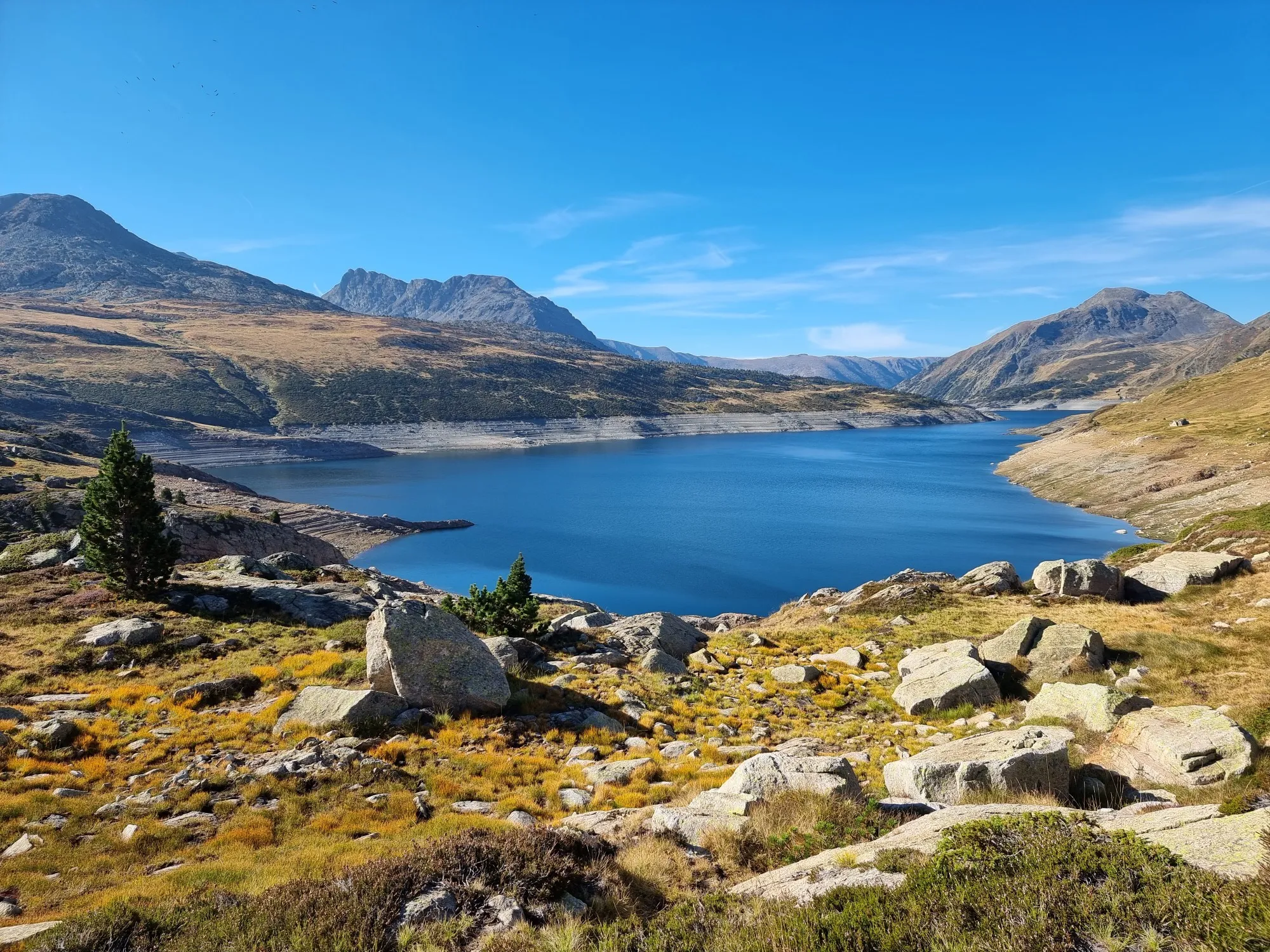
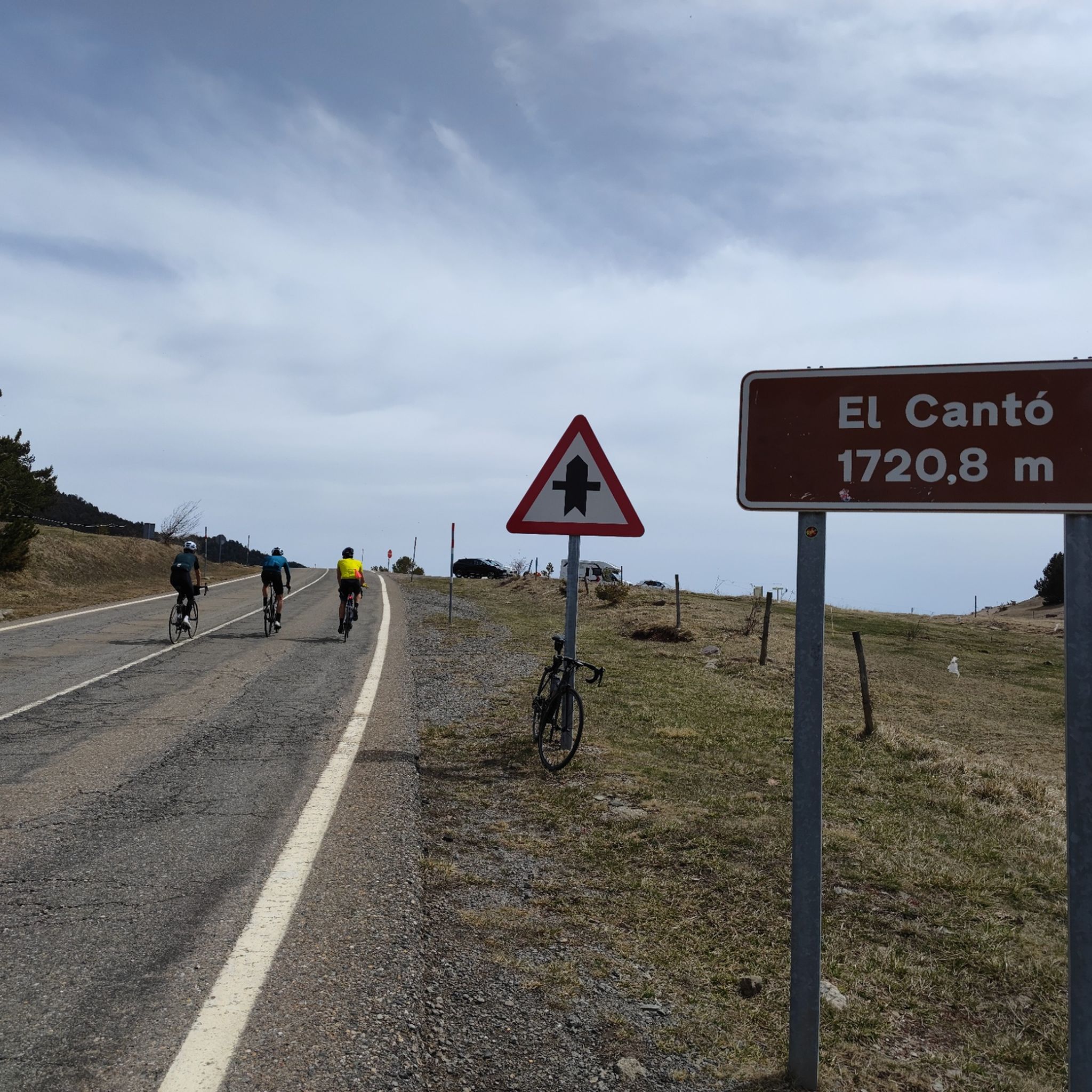
Port del Cantó (1,721 m)
Highlight • Mountain Pass
Translated by Google •
Tip by

Pica d'Estats
Highlight • Summit
Translated by Google •
Tip by

Sign up now to discover places like this
Get recommendations on the best single tracks, peaks, & plenty of other exciting outdoor places.
Sign up for free
Port de Cabús
Highlight • Mountain Pass
Translated by Google •
Tip by

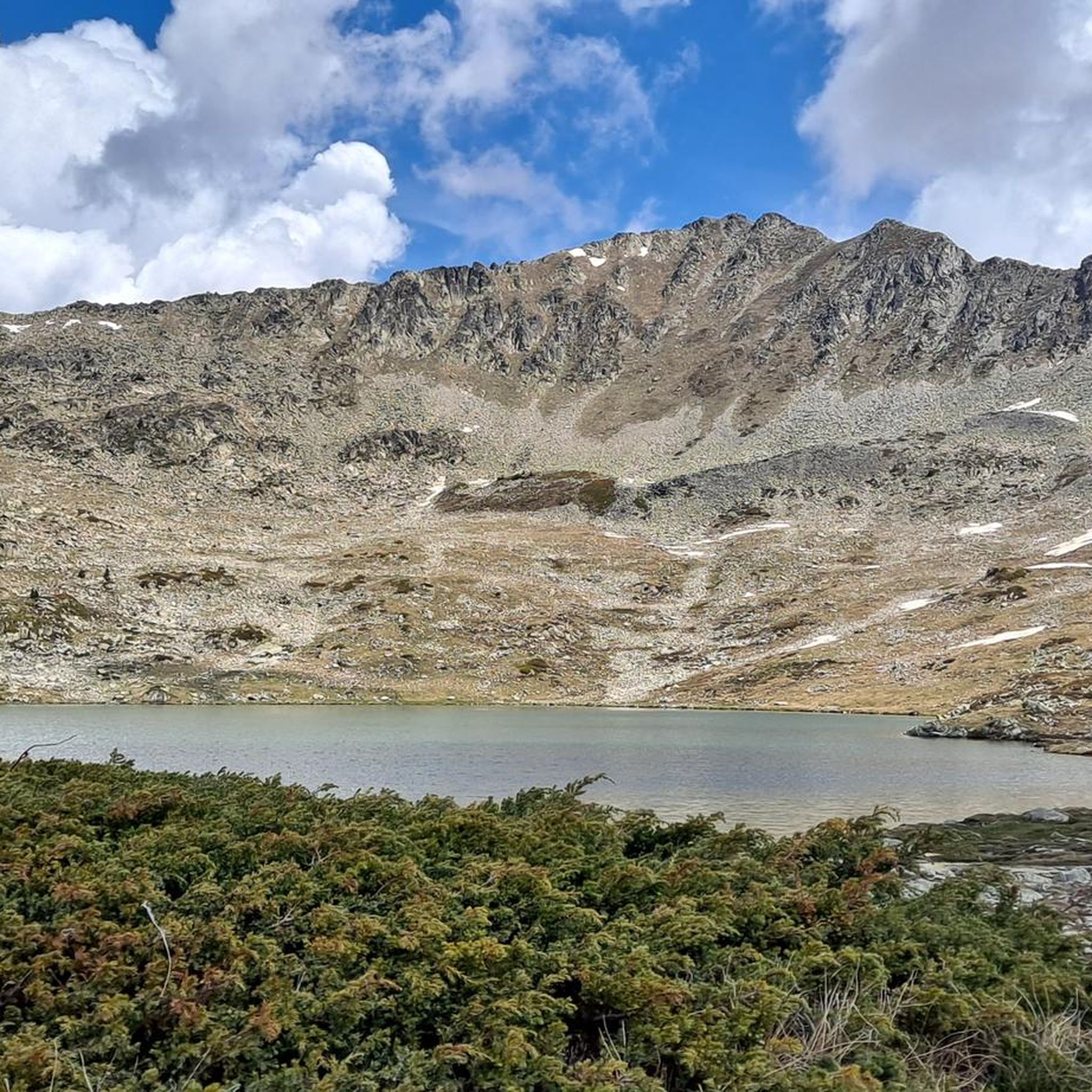
Estany de Romedo de Dalt
Highlight • Lake
Tip by

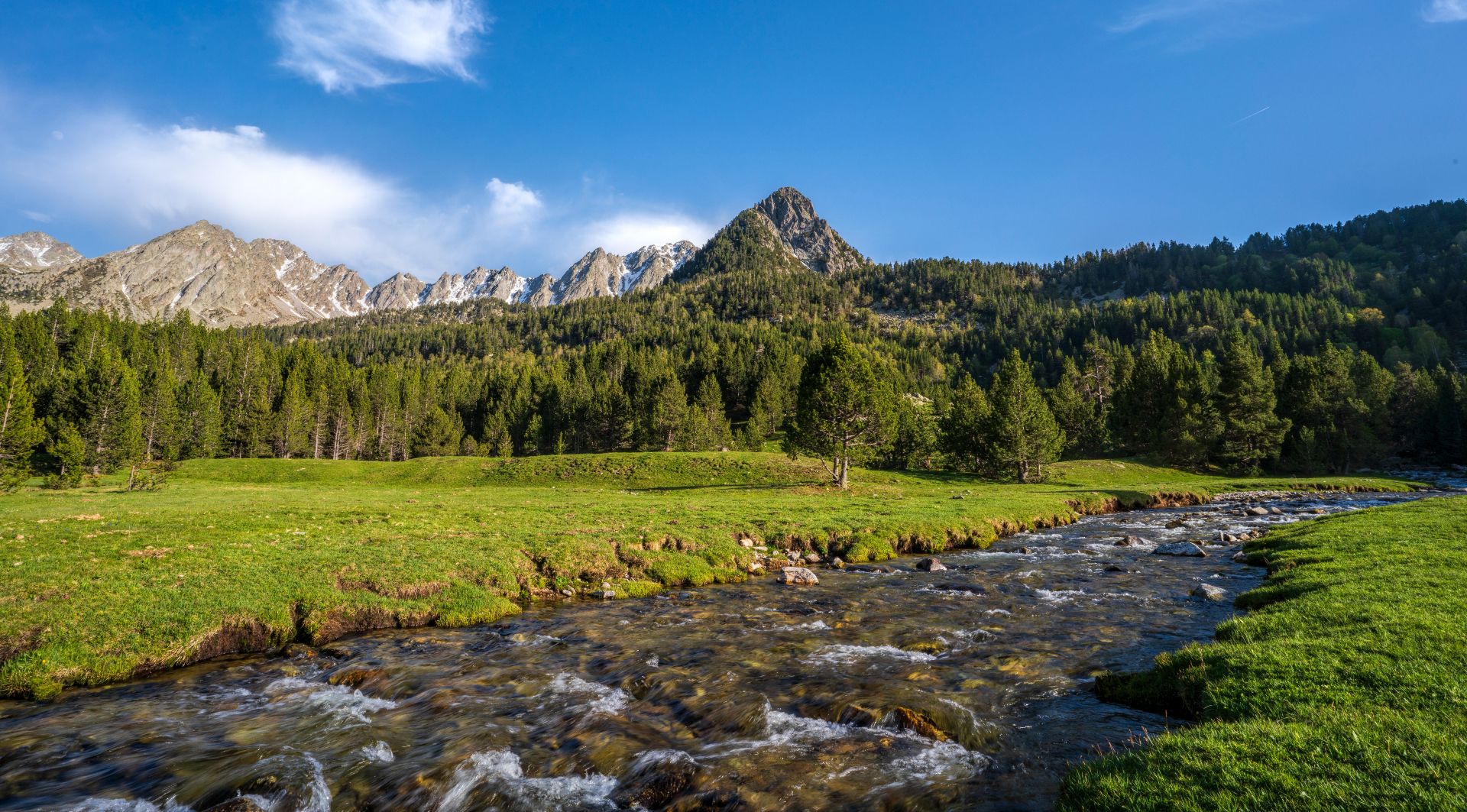
Pont de Perosa
Highlight • Bridge
From this point there are 3 itineraries that are indicated on the information panel that we will find next to the bridge.
Translated by Google •
Tip by

Sign up for free to discover even more natural monuments around Parc Natural de l'Alt Pirineu.
Sign up for free
Already have an account?
Start today with a free account
Your next adventure awaits.
Login or Signup
Popular around Parc Natural de l'Alt Pirineu
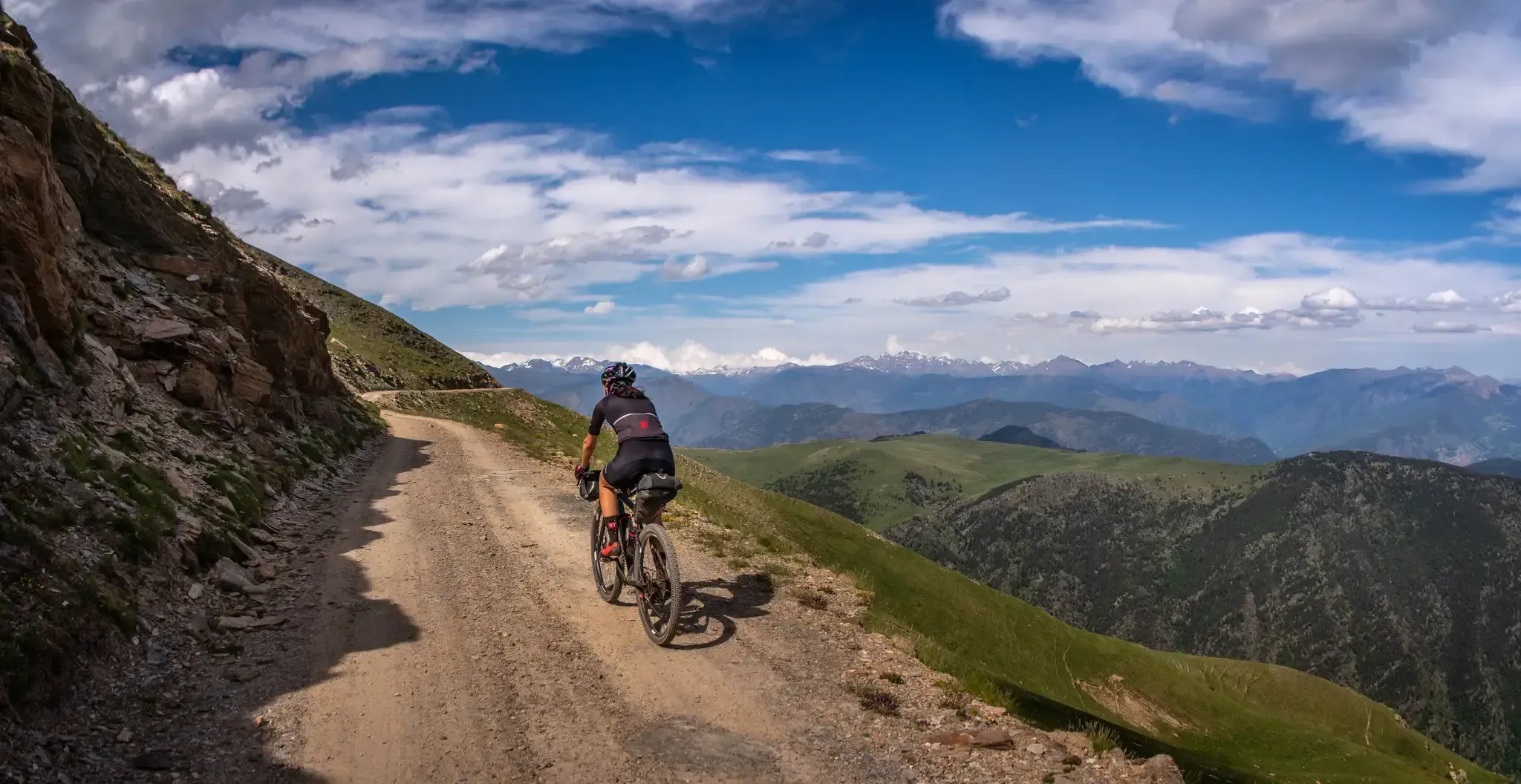
Pedals de Foc – An adventure through the Catalan Pyrenees
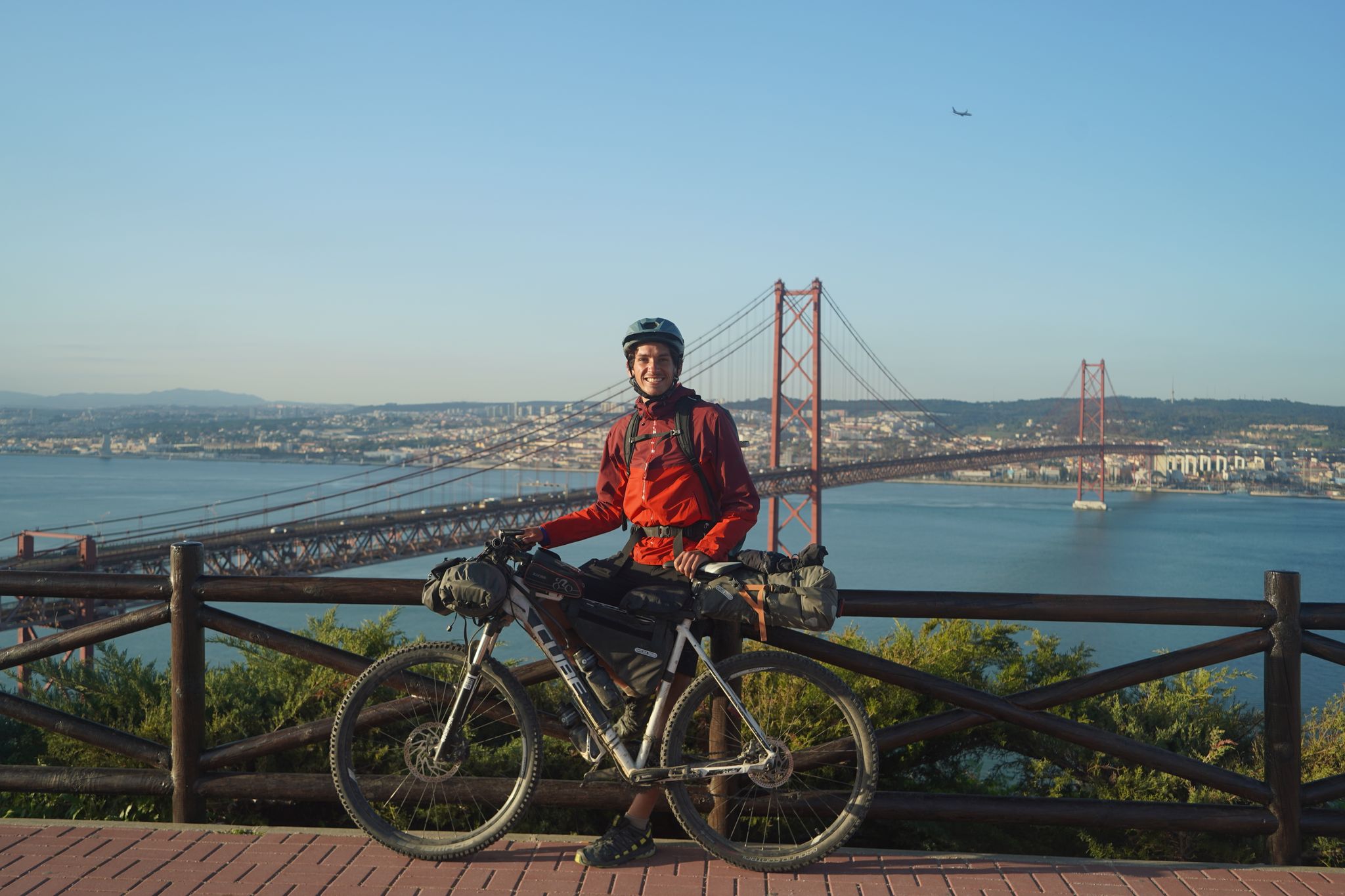
Road to Lisbon – bikepacking the Alps, Pyrenees and Picos de Europa
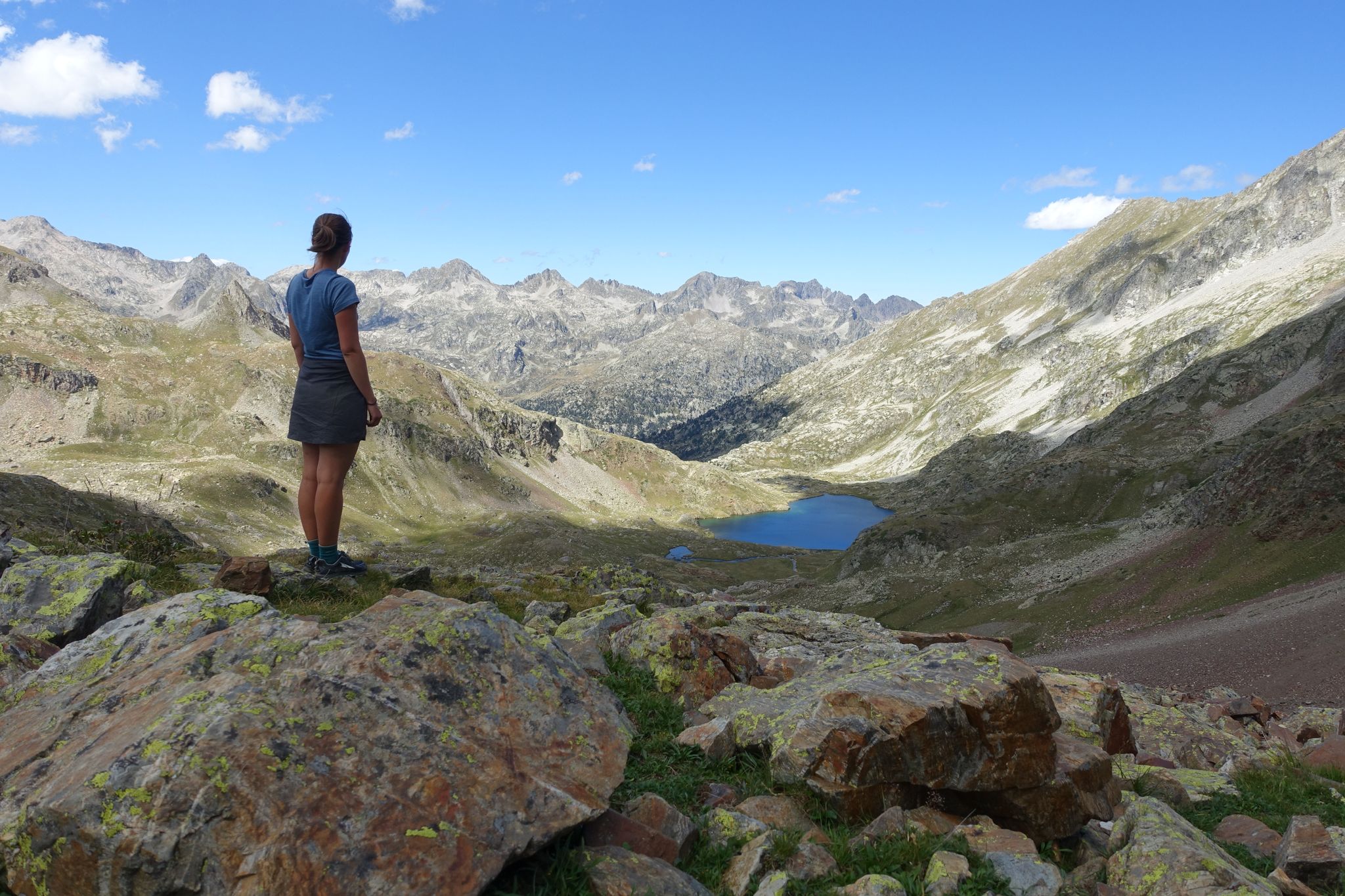
Haute Route Pyrénéenne – Pyrenees Crossing
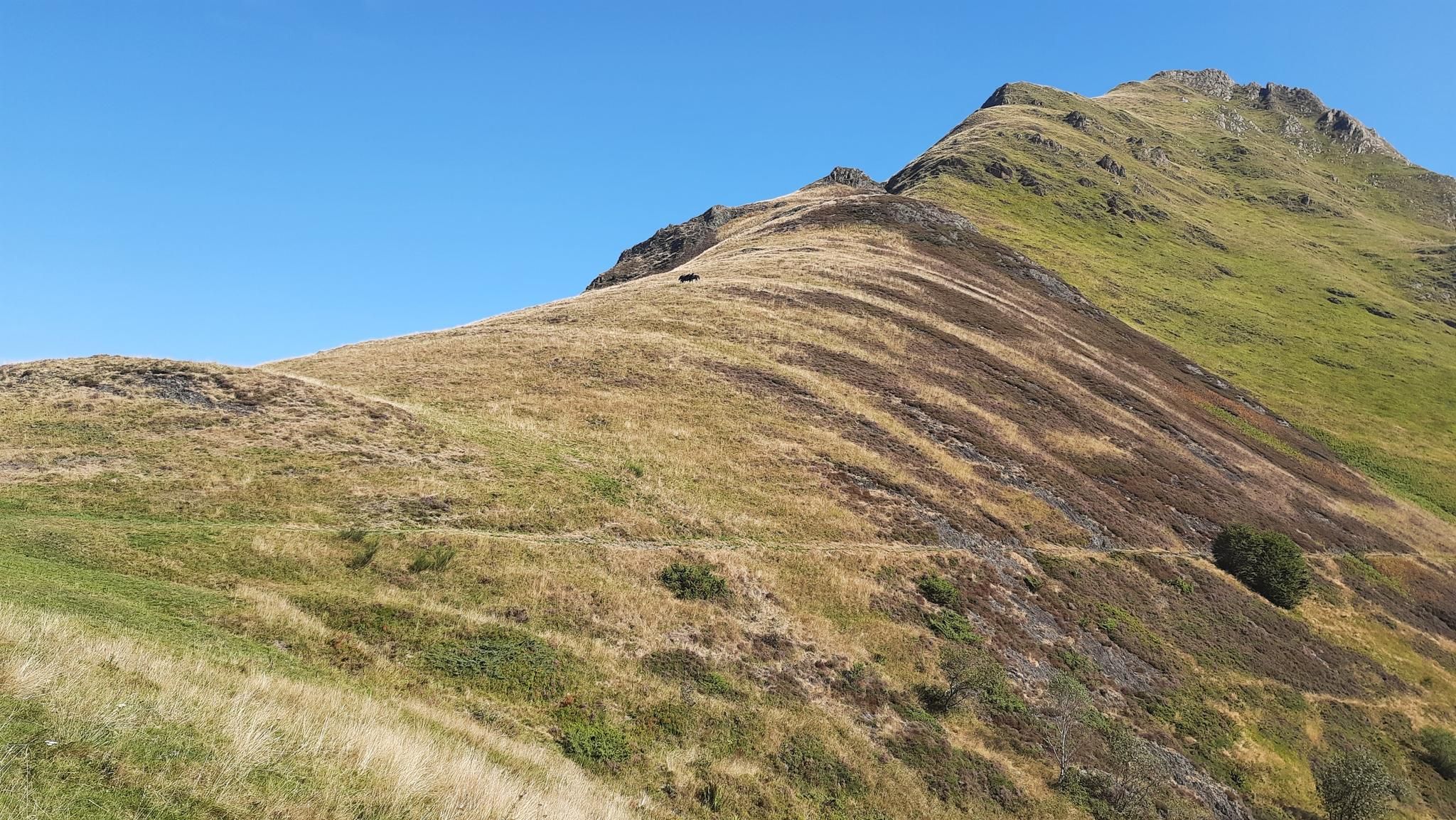
Tour of Mont Valier - The Giant of Ariège
On wild ridges: Catalonia to Ariège – Hexatrek, Eastern Pyrenees
Catalonia and Andorra on the Pyrenean Trail – GR 11
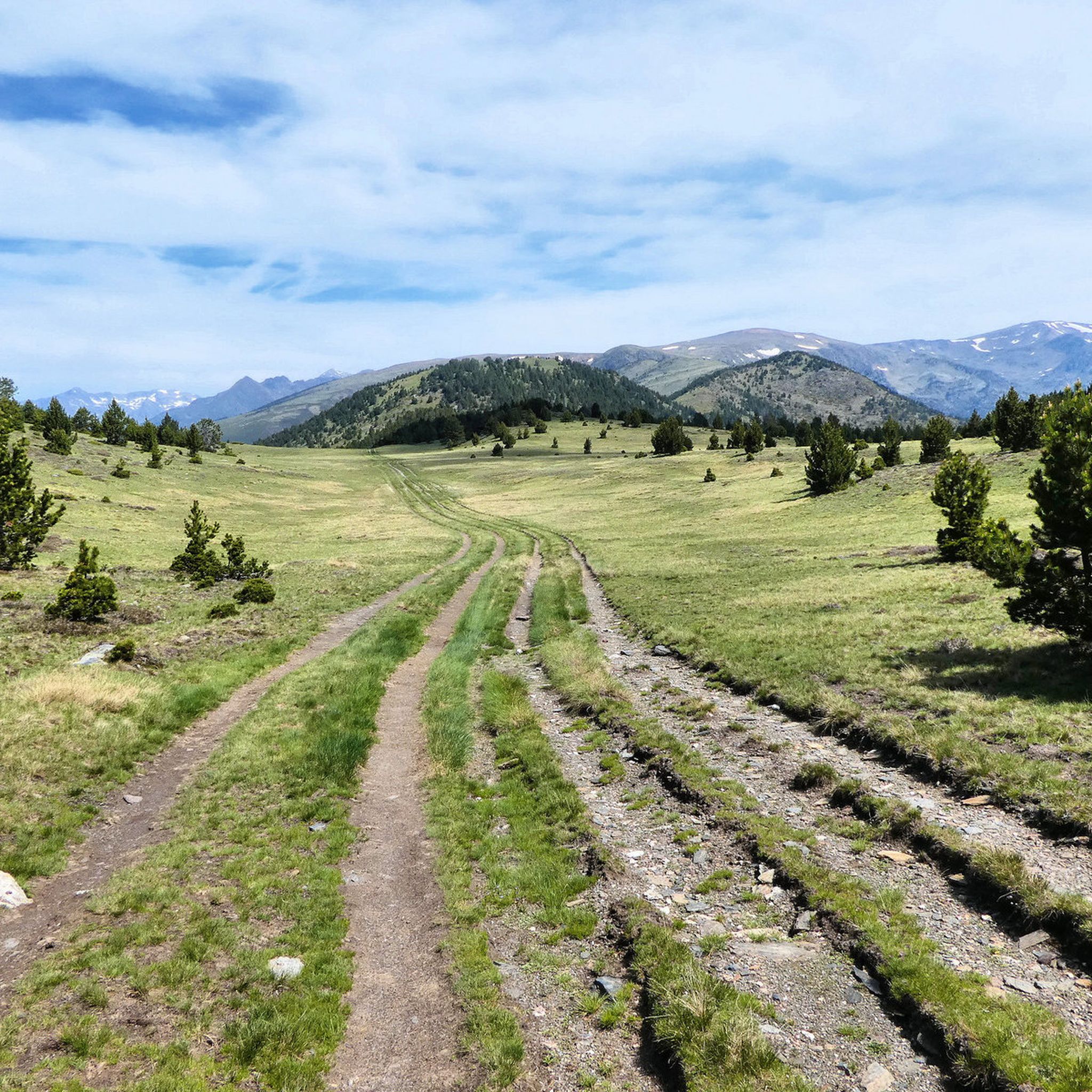
Hiking around Parc Natural de l'Alt Pirineu
MTB Trails around Parc Natural de l'Alt Pirineu
Road Cycling Routes around Parc Natural de l'Alt Pirineu
Cycling around Parc Natural de l'Alt Pirineu
Other adventures around Parc Natural de l'Alt Pirineu


Tips from the Community

The highest peak in the Catalan Pyrenees is well worth the visit, although you have to earn it as it is a long route with considerable elevation gain to overcome.
0
0

Fantastic panoramic views all around; this summit is well worth it, as you can see from my two panorama photos. Ascent from Estany de Sotllo via the pass. I took the partly exposed scrambling/climbing ridge via Pic Verdaguer. Beautiful scrambling; you just have to be careful to stay on the right track. Descent around the summit, then back to the same pass and down past the same beautiful mountain lakes, and via the Valferrera Hut into the valley. The length and roughness of this route surprised me. Luckily, I didn't start my ascent from the hut. The section along the mountainside, especially above the hut, was quite challenging. There are frequent short climbs over rocky outcrops, and at one point, I found myself on a side path below the main trail, which then ended in the undergrowth. After a short climb, everything was fine again.
0
0

The pass summit has been reached. The climb is pleasant!
1
0
The pass summit has been reached
0
0

The Cabús Pass is a mountain pass that crosses the Pyrenees at 2,302 m above sea level. It is located on the border between Andorra and Spain, between the parish of La Massana and the municipality of Alins. Only the Andorran side is paved. From Alins, in the High Pyrenees, the climb is impressive and involves paths and trails that are not always in good condition.
0
0
Poblar de Segur, the pass on the marked beautiful route
0
0

The summit can be reached from several sides. The direct route from the Spanish side to the summit ridge is challenging (I estimate it to be T5 according to the SAC scale). However, you can "cheat" by first crossing the pass to the left to the north side, after which you have to descend a bit to reach the trail from the French side. The technically easiest ascent is certainly from the north via the Refuge du Pinet (T3). However, from the parking lot at L'Artigue, the total elevation gain is around 2,000 meters, which is why staying overnight at the refuge is a good option (a winter room was open in October 2024, €8 per night). I chose the third option, from the Étang de Soulcem. From there, it's "only" 1,500 meters of elevation gain with a difficulty of T3+/T4-. However, I chose a variant for the ascent (see my tour) that isn't on the map and that I would rate as T4+.
2
0

Ridden from Sort, it’s a good steady climb, with enough small variations in gradient to provide moments of relief. Great bar half way up too. The descent back to Sort is excilerating.
0
1
Frequently Asked Questions
What types of natural monuments can I explore in Parc Natural de l'Alt Pirineu?
Parc Natural de l'Alt Pirineu is rich in diverse natural monuments, including high peaks like Pica d'Estats, glacial lakes such as Estany de Romedo de Dalt, and scenic mountain passes like Port del Cantó (1,721 m) and Port de Cabús. You'll also find unique geological formations like the Cigalera de l'Obaga de Baleran gorge and ancient trees such as the Pla de la Selva Fir.
Are there family-friendly natural monuments to visit in the park?
Yes, for families, the Pont de Perosa offers a beautiful natural setting with an information panel indicating three itineraries from the bridge, making it suitable for a family outing. The Virós Forest is also a great option for wildlife spotting and gentle exploration.
What are some of the most impressive natural features in Parc Natural de l'Alt Pirineu?
The park boasts several impressive natural features. The Pica d'Estats stands out as Catalonia's highest peak. The region is also home to the largest glacial lake in the Pyrenees, Lake Certascan, and the deepest gorge in Catalonia, Cigalera de l'Obaga de Baleran. Extensive forests, like the Virós Forest, and numerous glacial valleys also contribute to its stunning landscape.
What outdoor activities can I do near these natural monuments?
The area around Parc Natural de l'Alt Pirineu offers a variety of outdoor activities. You can explore gravel biking routes like the 'Circular gravel on the Transpirenaica' or 'Hermitage of Sant Joan de l'Erm – Refugi de la Basseta loop'. For road cycling, consider routes such as 'Valle de Àneu - Pyrenean villages' or 'Port of Canto & Aine'. Many of these routes offer stunning views of the natural monuments. Find more details on these activities in the Gravel biking, Cycling, and Road Cycling guides.
Are there challenging hikes to natural monuments in the park?
Yes, for experienced hikers, the ascent to Pica d'Estats, Catalonia's highest peak, is a challenging and rewarding experience. The high-altitude setting around glacial lakes like Estany de Romedo de Dalt also offers opportunities for strenuous trekking with significant elevation changes.
What is the best time of year to visit the natural monuments in Parc Natural de l'Alt Pirineu?
The best time to visit largely depends on your preferred activities. Summer (June to September) is ideal for hiking and mountaineering to high peaks like Pica d'Estats and exploring glacial lakes. Spring and autumn offer milder temperatures and vibrant foliage, perfect for forest walks and enjoying the lower mountain passes. Winter transforms the park into a snowy landscape, suitable for winter sports, though some high-altitude areas may be inaccessible.
What do visitors enjoy most about the natural monuments in Parc Natural de l'Alt Pirineu?
Visitors frequently praise the spectacular panoramic views from mountain passes like Port de Cabús and Port del Cantó (1,721 m). The pristine, quiet scenery around glacial lakes such as Estany de Romedo de Dalt is also highly appreciated, with many noting the feeling of being alone in nature. The diverse landscapes, from rocky peaks to lush forests, consistently impress.
Are there any historical or cultural sites among the natural monuments?
While primarily natural, some sites blend natural beauty with historical significance. The Pont de Perosa is a bridge that offers both scenic views and a sense of historical presence. Additionally, the Virós Forest is noted for combining natural beauty with historical heritage, offering a glimpse into the region's past alongside its rich ecosystems.
Can I find viewpoints that offer extensive panoramas of the park?
Absolutely. Many natural monuments double as excellent viewpoints. Port del Cantó (1,721 m) provides pleasant climbs with broad views, while Port de Cabús offers spectacular views of Andorra from its final section. The summit of Pica d'Estats, as the highest peak, naturally provides unparalleled panoramic vistas of the Pyrenees.
What kind of wildlife can I expect to see near the natural monuments?
Parc Natural de l'Alt Pirineu is a sanctuary of biodiversity. When exploring areas like the Virós Forest, you might spot deer, chamois, and the endangered wood grouse. The park is also home to larger protected species such as the brown bear, otter, bearded vulture, and black vulture, particularly in more secluded areas and higher altitudes.
Are there any specific regulations for visiting natural monuments, such as permits or dog policies?
As a natural park, there are regulations in place to protect its environment and wildlife. While specific permits for general access to natural monuments are not typically required, certain activities or areas might have restrictions. For dog policies, it's generally recommended to keep dogs on a leash to protect wildlife and ensure a pleasant experience for all visitors. It's always best to check the official park website for the most current regulations regarding permits, access, and pet policies before your visit.
Most popular routes around Parc Natural de l'Alt Pirineu
Most popular attractions around Parc Natural de l'Alt Pirineu

Get inspired with the komoot mobile app


Explore more
Extend your search for the best caves by checking out these guides of the top ones around Parc Natural de l'Alt Pirineu:
