Top 10 Natural Monuments around Réserve Domaniale du Mont Valier
Best natural monuments around Réserve Domaniale du Mont Valier are found within one of the oldest and largest protected areas in the Pyrenees, encompassing over 9,000 hectares. This reserve features deep valleys, alpine meadows, dense forests, and glacially carved cirques and lakes. The area is characterized by its wild nature and significant geological features, making it a compelling destination for nature enthusiasts. It offers diverse ecosystems and opportunities to observe wildlife in a pristine mountain environment.
Best natural monuments around…
Last updated: July 10, 2026
Cascade de Nerech
Highlight • Waterfall
Translated by Google •
Tip by

Flora and Fauna of Col d'Auedole
Highlight (Segment) • Natural
Translated by Google •
Tip by
Sign up now to discover places like this
Get recommendations on the best single tracks, peaks, & plenty of other exciting outdoor places.
Sign up for free
Ayes Pond
Highlight • Lake
Translated by Google •
Tip by

Lake Bethmale
Highlight • Lake
Translated by Google •
Tip by
Trous Souffleurs
Highlight • Natural Monument
The phenomenon is …
Translated by Google •
Tip by

Sign up for free to discover even more natural monuments around Réserve Domaniale du Mont Valier.
Sign up for free
Already have an account?
Start today with a free account
Your next adventure awaits.
Login or Signup
Popular around Réserve Domaniale du Mont Valier
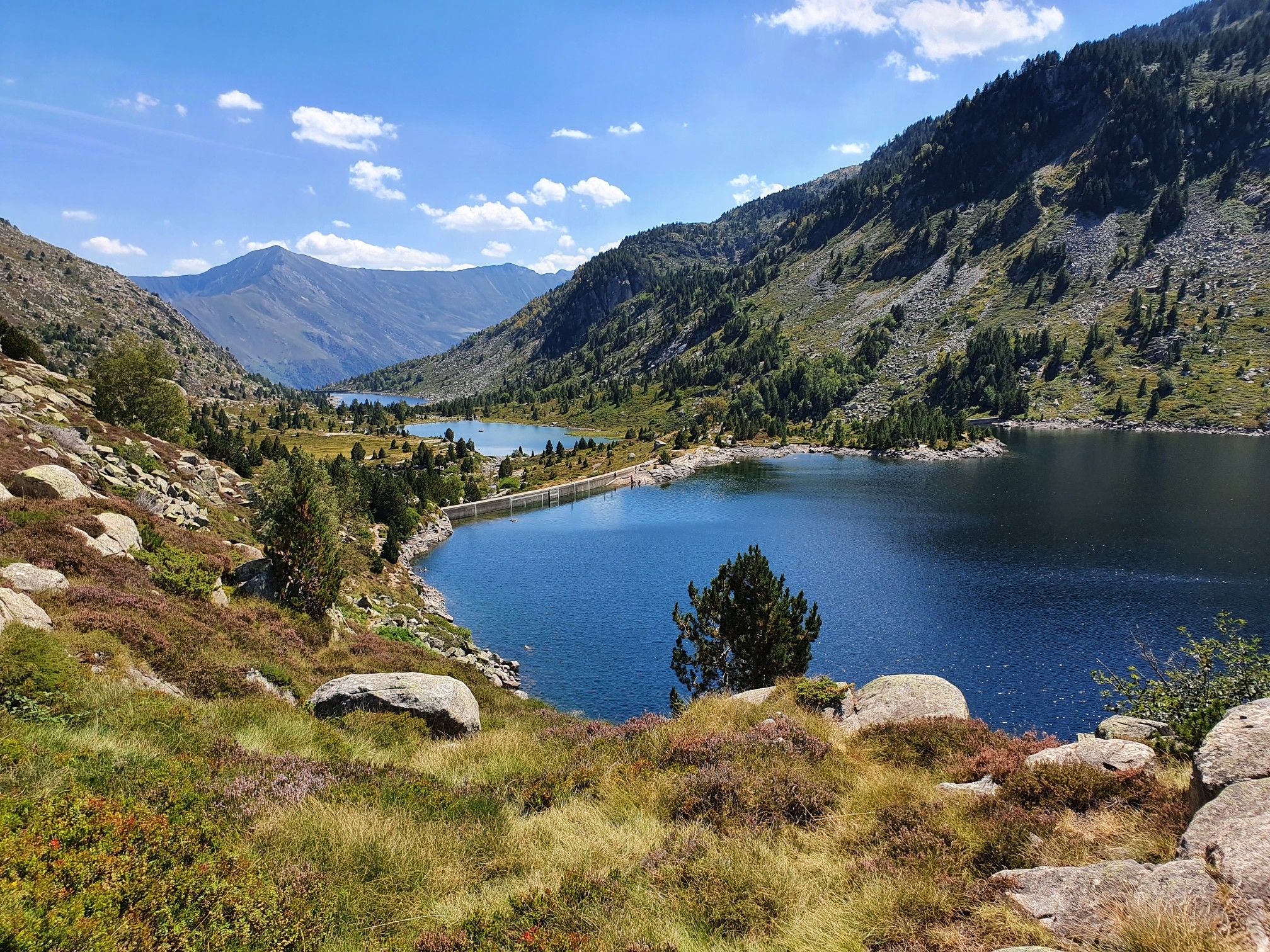
GR 10 – Explore the Ariège Pyrenees crossing the Pyrenees
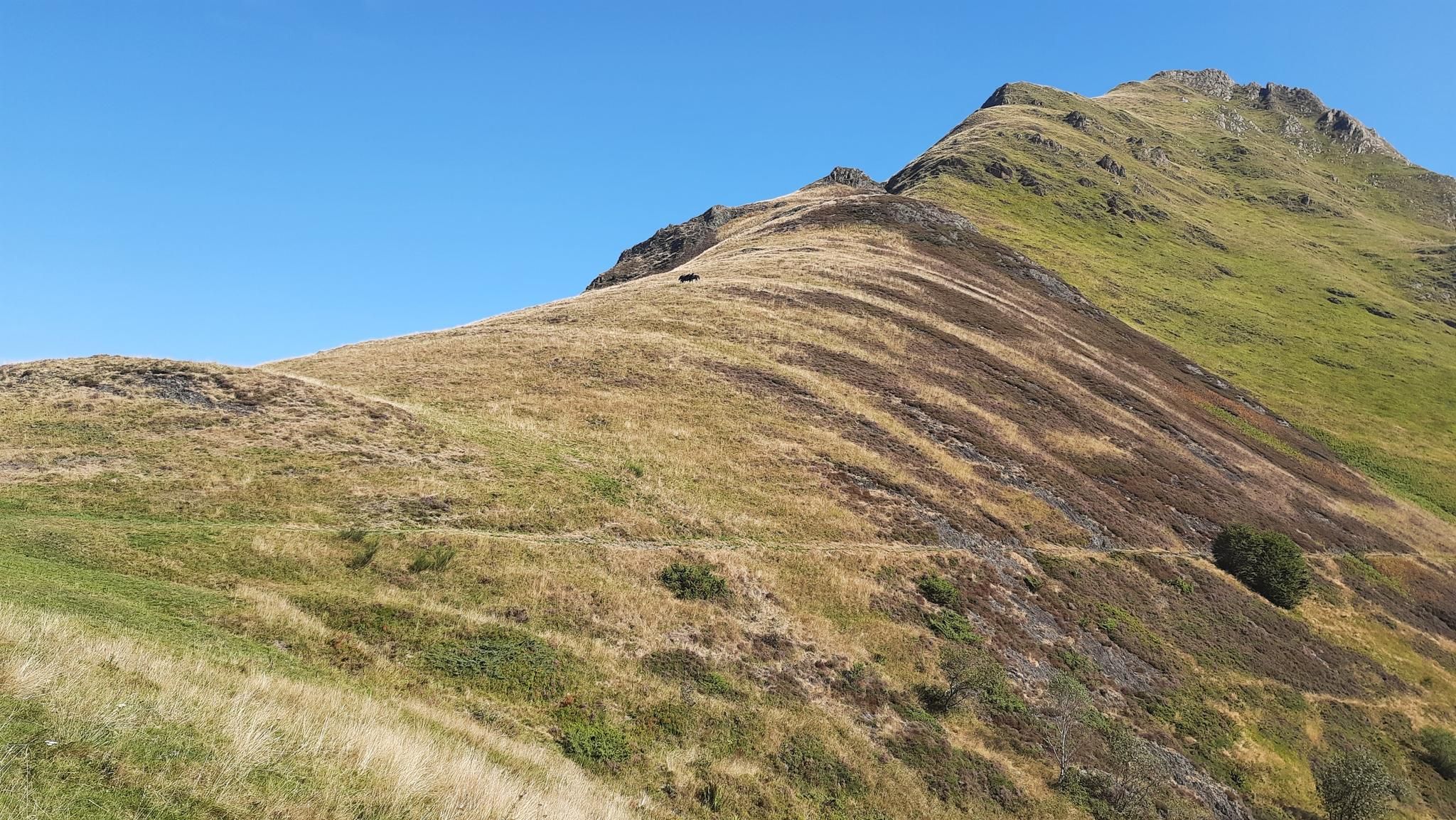
Tour of Mont Valier - The Giant of Ariège
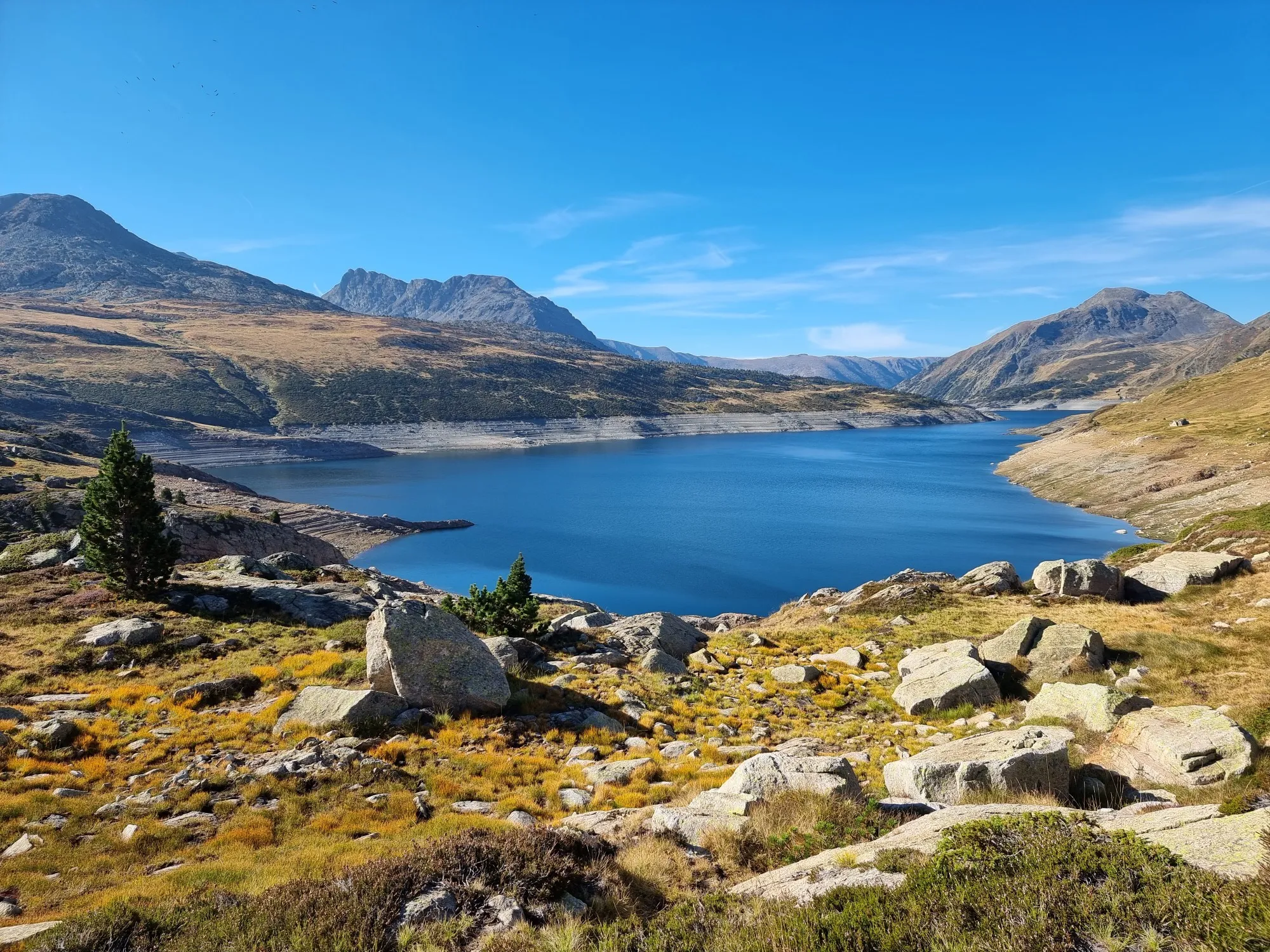
On wild ridges: Catalonia to Ariège – Hexatrek, Eastern Pyrenees
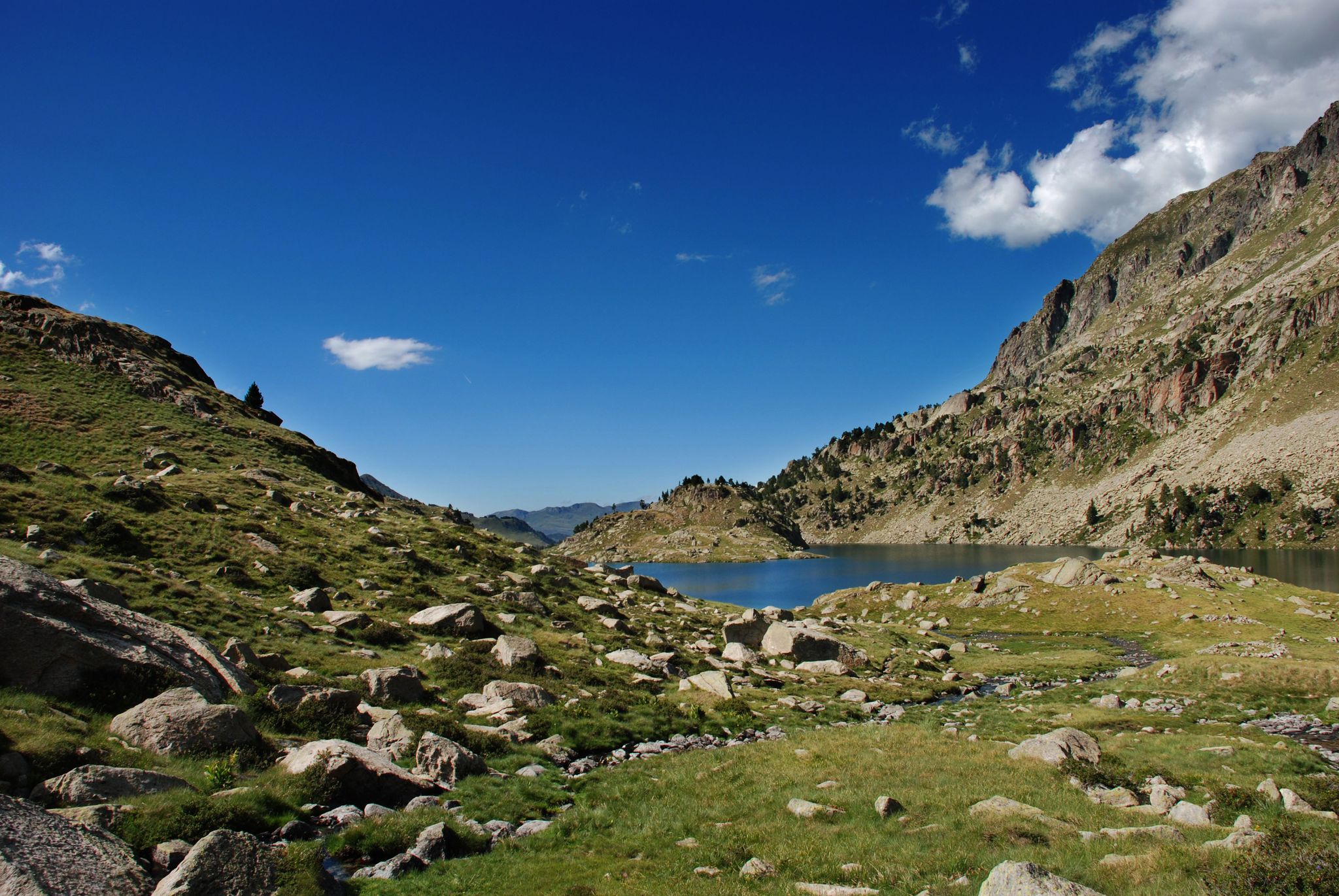
The Pyrenees without borders — the Pass'Aran
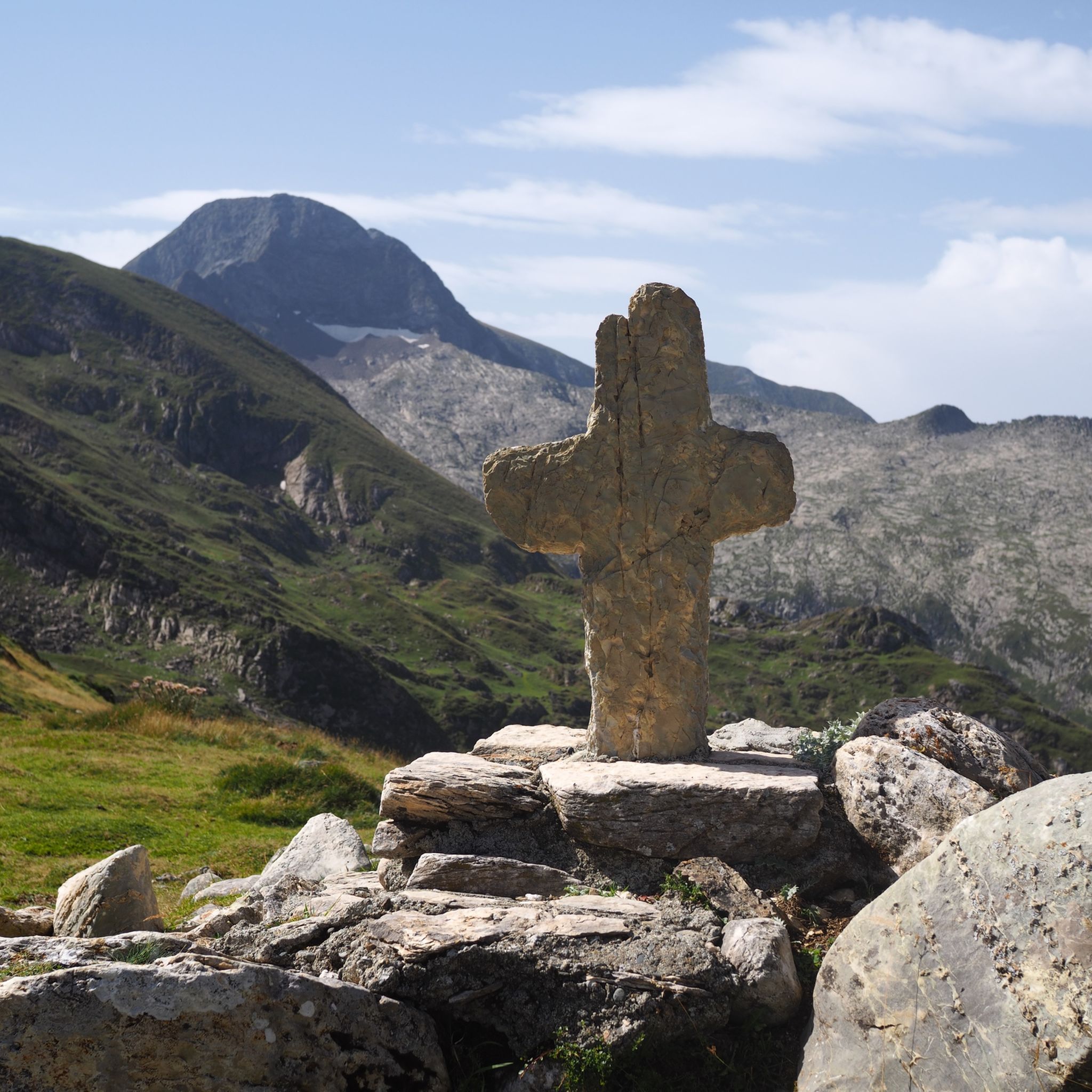
Hiking around Réserve Domaniale du Mont Valier
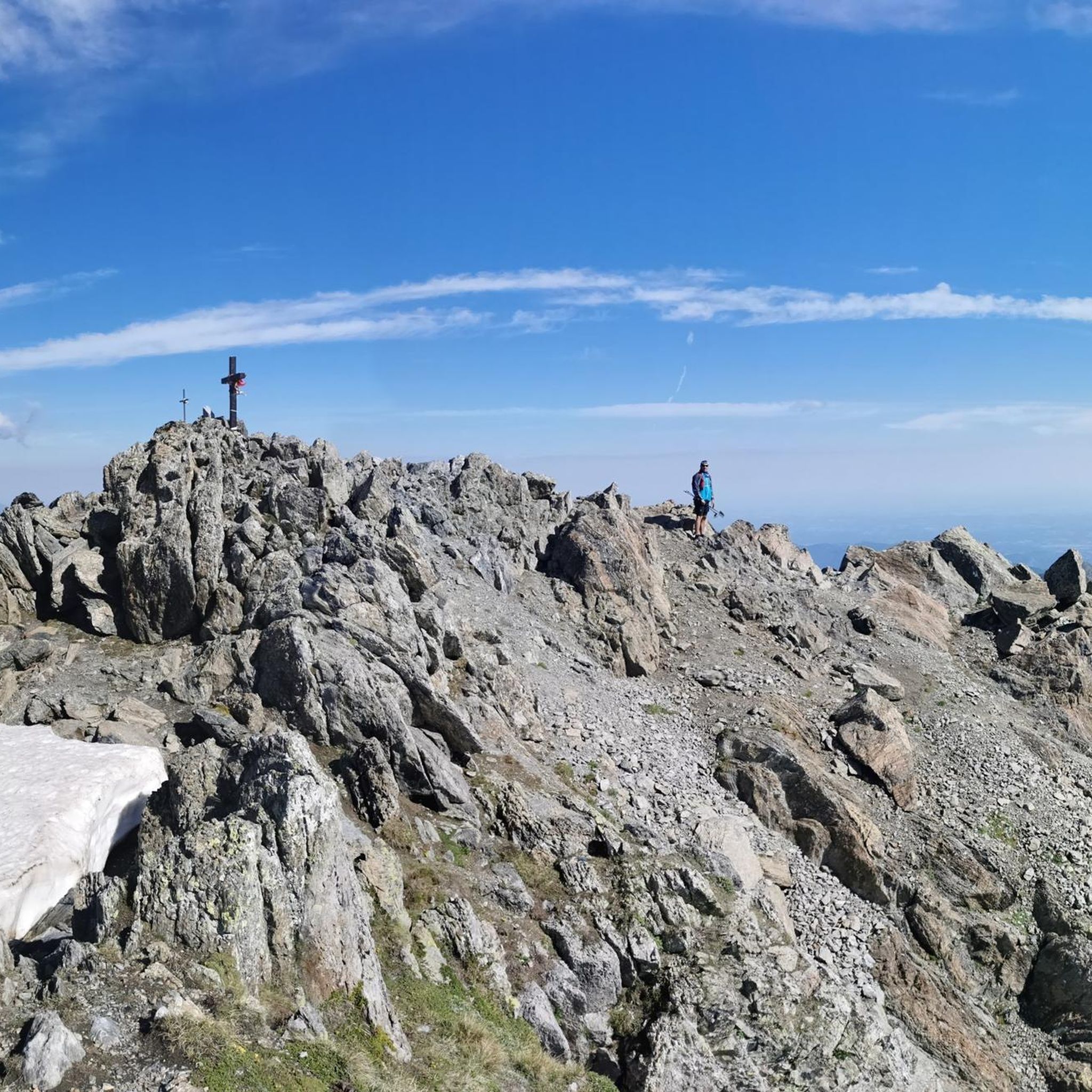
Road Cycling Routes around Réserve Domaniale du Mont Valier
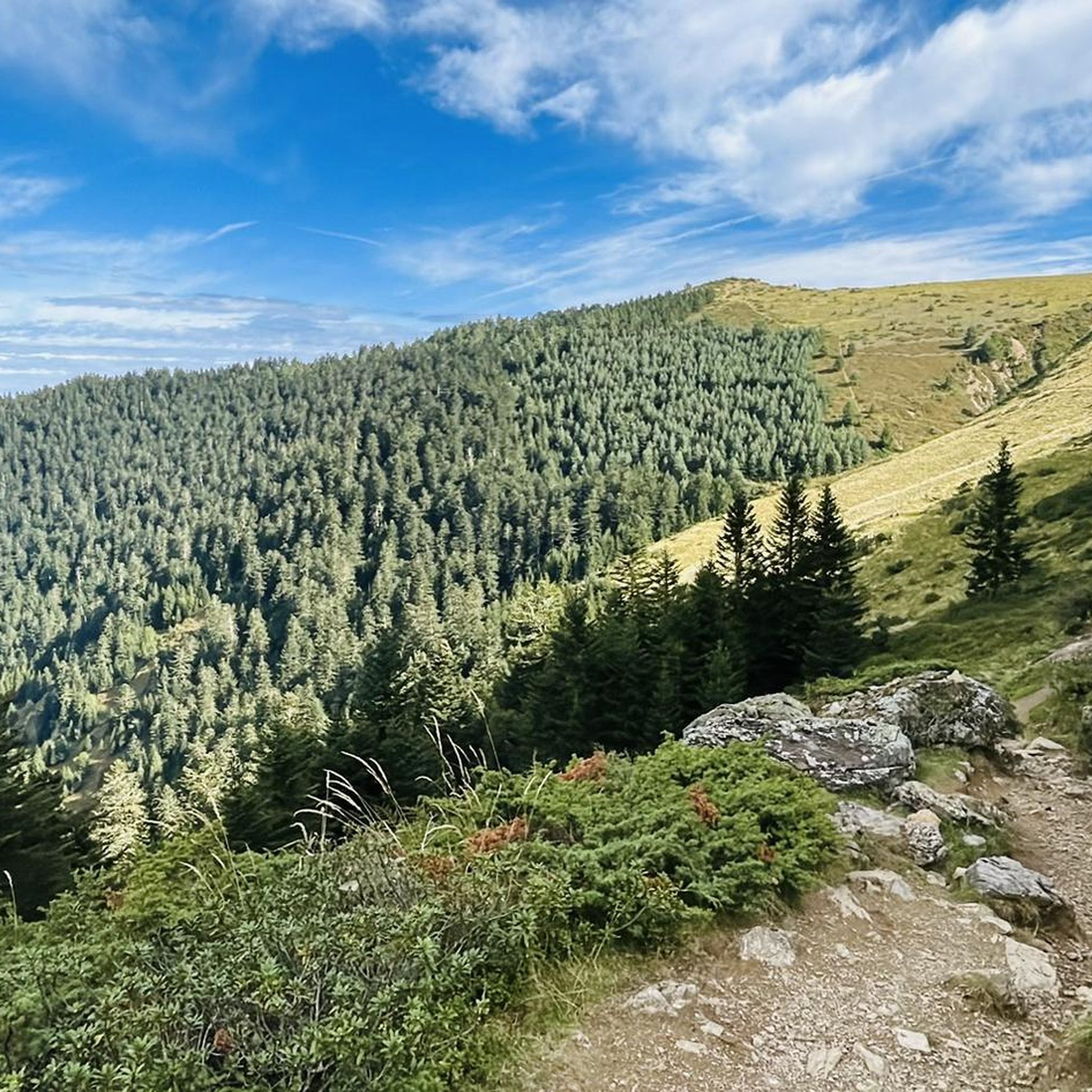
Cycling around Réserve Domaniale du Mont Valier
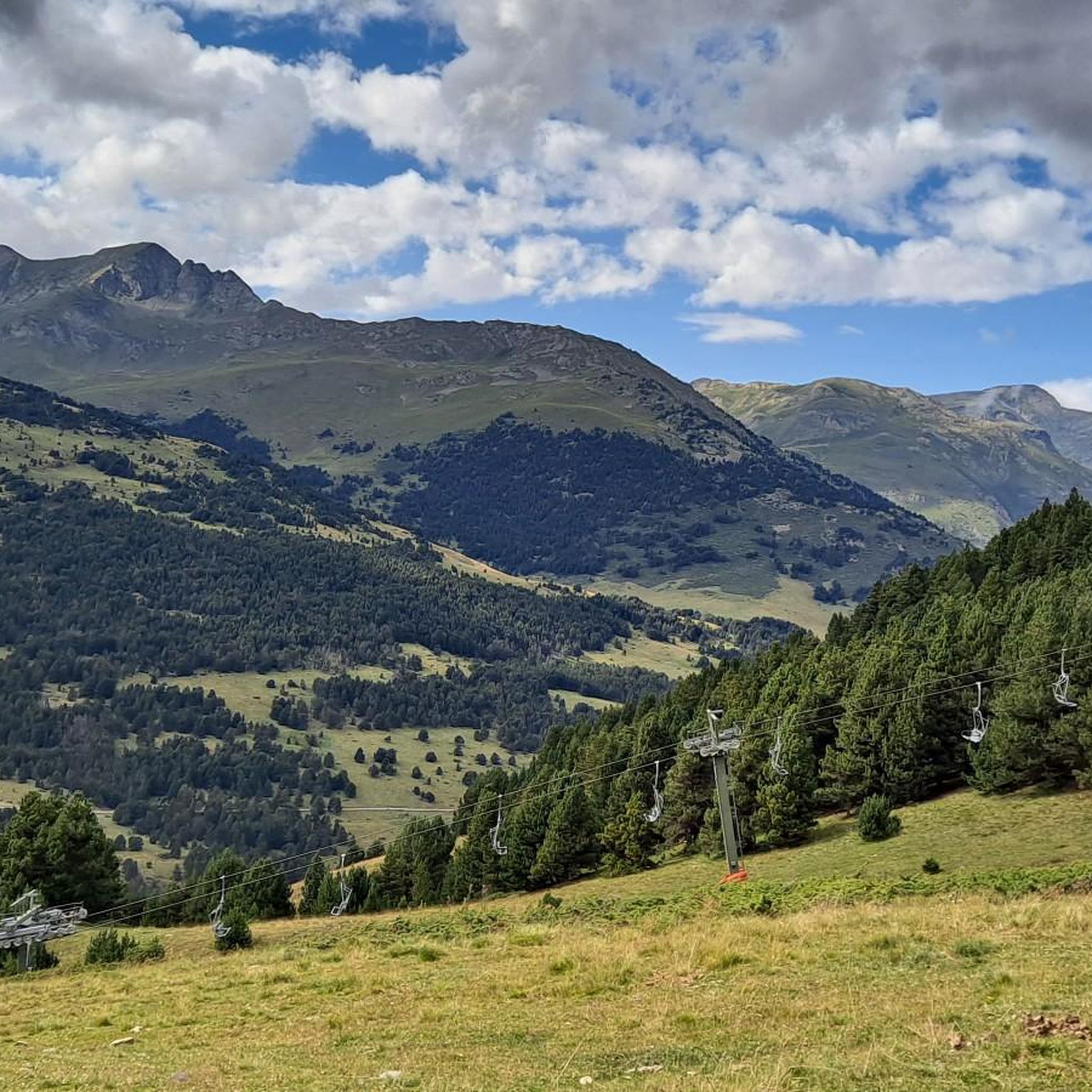
Running Trails around Réserve Domaniale du Mont Valier
MTB Trails around Réserve Domaniale du Mont Valier

Gravel biking around Réserve Domaniale du Mont Valier
Other adventures around Réserve Domaniale du Mont Valier


Tips from the Community

The Nerech waterfall is one of the most powerful in the Pyrenees. It flows into the heart of Couserans (vast territory combining high mountains, mountains and foothills, and covered areas). It is home to rich biodiversity. Among the species most observed here, there is a very wide variety of wild orchids.
1
0
Going over the Col d'Auedole is to treat yourself to a pretty sight. You will see the richness of flora and fauna with superb flowers, mushrooms, insects, reptiles and birds. On a larger scale, the panoramas open wide in front of you and show you all the beauty of the Pyrenees.
0
0

Access to the lake is either via the Auèdole pass or via the Campuls circus (at the end of a track) for those who wish to walk a little less.
1
0
Lake Bethmale is a pretty landscaped mountain lake, accessible by road and the GR 10.
1
0
Magnificent waterfall on the Valier route (for the more athletic).
1
0

Beautiful spot, but the steep hiking trail that starts there is a real challenge.
1
0

If you hike at over 30 degrees Celsius and are completely sweaty, you will be surprised by the approximately 8 degree cold air flow at this point. The phenomenon is caused by a heap of scree where warm air penetrates at the top, is then cooled by the large, cold blocks of rock and thus exits at almost "mountain temperature" due to the difference in density at the lower end of the heap.
3
0

Beautiful waterfalls as cascades. Nearby a small cave suitable for shelter overlooking Cascade de Nerech. Tour to the highlight: https://www.komoot.de/tour/340709639?ref=itd
3
0
Frequently Asked Questions
What are some of the most popular natural monuments to visit in the Réserve Domaniale du Mont Valier region?
The region offers several highly appreciated natural monuments. Visitors particularly enjoy Lake Bethmale, a beautiful landscaped mountain lake accessible by road and the GR 10. Another favorite is Ayes Pond, a mountain lake known for its fantastic views, accessible via the Auèdole pass or the Campuls circus. The powerful Cascade de Nerech is also a must-see, celebrated for its rich biodiversity, including wild orchids.
What kind of unique natural features can I expect to see in the Réserve Domaniale du Mont Valier?
Beyond the well-known lakes and waterfalls, the reserve is characterized by its wild and untamed nature. You can discover glacially carved cirques and mountain lakes, which are vital habitats for diverse flora and fauna. The region is also home to the unique Trous Souffleurs, a natural phenomenon where cold air flows from scree heaps, offering a refreshing surprise on warm days.
Are there opportunities to observe wildlife and diverse flora around the natural monuments?
Absolutely. The Réserve Domaniale du Mont Valier protects a rich variety of habitats, making it excellent for wildlife spotting and experiencing pristine mountain biodiversity. The area around the Flora and Fauna of Col d'Auedole is particularly noted for its superb flowers, mushrooms, insects, reptiles, and birds. You might spot Pyrenean chamois (isard), marmots, bearded vultures, and golden eagles throughout the reserve.
What is the best time of year to visit the natural monuments in the Mont Valier region?
The best time to visit largely depends on your preferred activities. Summer (June to September) offers the most favorable weather for hiking and exploring the high-mountain areas, with alpine meadows in full bloom. Spring and autumn provide beautiful colors and fewer crowds, though some higher routes might still have snow in spring or experience early snowfalls in late autumn. Winter offers opportunities for snowshoeing or ski touring, but access to many natural monuments will be more challenging.
Are there family-friendly natural monuments or easy walks suitable for beginners?
Yes, some natural monuments are more accessible for families and beginners. Lake Bethmale is easily accessible by road, making it a great spot for a leisurely visit with children. While many trails in the reserve can be challenging, there are often shorter, less strenuous walks around the more accessible lakes and viewpoints that families can enjoy.
What outdoor activities can I do near the natural monuments in the Réserve Domaniale du Mont Valier?
The region offers a wide range of outdoor activities. You can find numerous hiking trails, from moderate to difficult, that lead to or pass by these natural monuments. For cycling enthusiasts, there are challenging road cycling routes, such as the Col de la Core Loop, and varied MTB trails. Running trails are also available for those looking for a scenic jog. You can explore more options on the dedicated guides for MTB Trails, Road Cycling Routes, and Running Trails around the reserve.
What makes the Mont Valier region historically significant?
Beyond its natural grandeur, the Mont Valier Reserve holds historical significance, particularly as a route for escape during World War II. It was known as the 'Path to Freedom,' used by many seeking refuge. This blend of natural beauty and historical depth adds another layer to the region's appeal.
Are there any unique geological formations or features in the reserve?
The reserve is rich in geological features shaped by its glacial past. The most prominent is the Mont Valier Peak itself, an emblematic summit with a distinctive trapezoidal shape. The region also hosts the Glacier d'Arcouzan, unique as the only glacier in the Pyrenees situated below 3,000 meters and the most eastern and isolated in the chain, representing a rare and fragile remnant of glacial history.
What are the typical hiking terrain and difficulty levels around the natural monuments?
The hiking terrain around the natural monuments in the Réserve Domaniale du Mont Valier varies significantly. You can find everything from relatively easy paths around lakes like Lake Bethmale to challenging high-mountain trails leading to viewpoints and cirques. Many routes involve significant elevation gain, steep sections, and rocky paths, especially when accessing higher-altitude natural monuments like Ayes Pond. It's advisable to check specific route details for difficulty before setting out.
What do visitors enjoy most about the natural monuments in the Réserve Domaniale du Mont Valier?
Visitors consistently praise the breathtaking panoramic views, the sense of wild and untamed nature, and the tranquility found in the high-mountain environment. The opportunity to witness diverse flora and fauna, from wild orchids near Cascade de Nerech to the rich biodiversity at Col d'Auedole, is also a major highlight. The feeling of accomplishment after reaching a stunning viewpoint or a serene mountain lake is often mentioned as a rewarding experience.
Is it possible to find accommodation or places to eat near the natural monuments?
While the reserve itself is wild, there are options for accommodation and dining in nearby villages and towns. For multi-day treks into the higher reaches, the Refuge des Estagnous serves as a crucial base. In the valleys, towns like Seix, Oust, and Saint-Girons offer various services, including cafes, pubs, and restaurants, providing convenient access points before or after exploring the natural monuments.
Most popular routes around Réserve Domaniale du Mont Valier
Most popular attractions around Réserve Domaniale du Mont Valier

Get inspired with the komoot mobile app


Explore more
Extend your search for the best caves by checking out these guides of the top ones around Réserve Domaniale du Mont Valier:
