Top 14 Natural Monuments around Teverener Heide
Best natural monuments around Teverener Heide include a diverse and distinctive natural landscape in North Rhine-Westphalia, Germany. The area features open heathland, numerous lakes and ponds, valuable moorland, and varied forests. These habitats support a rich biodiversity, including many endangered animal and plant species. The region offers a mosaic of landscapes, providing opportunities for nature observation and hiking.
Best natural monuments around Teverener Heide
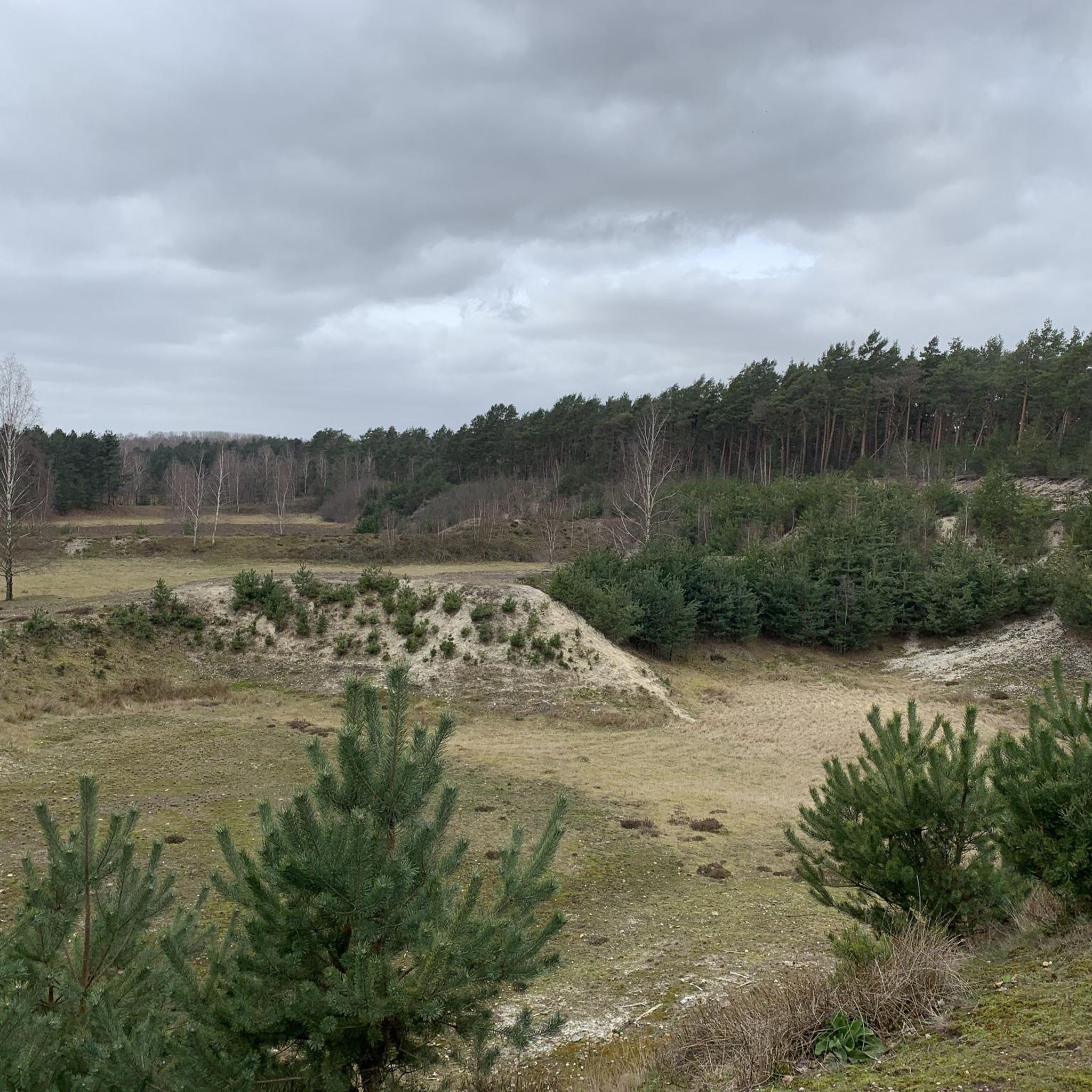
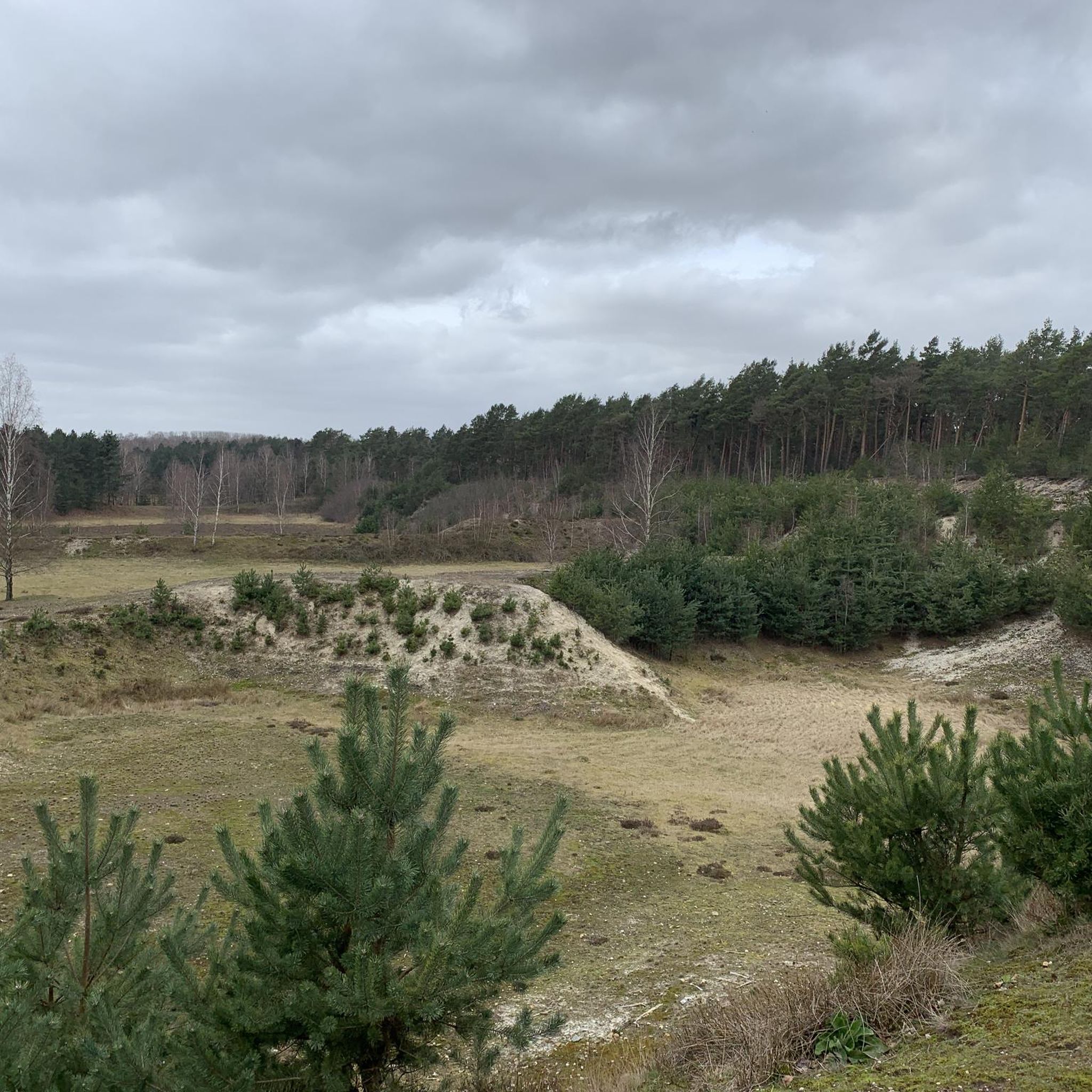
- The most popular natural monuments is Teverener Heide Nature Reserve, a natural monument that features an open heath landscape, especially vibrant when heather blooms in August and September. This area is characterized by its diverse habitats and serves as a starting point for various hiking trails.
- Another must-see spot is Pine Lake, a lake formed from 20th-century clay and gravel mining. It provides a habitat for over 200 endangered animal and plant species in North Rhine-Westphalia.
- Visitors also love Lake Christopherus, a lake known for its acidic, nutrient-poor water, which supports the growth of rare plant species like gentian. Its peripheral areas feature peat moss lawns, offering diverse habitats.
- Teverener Heide is known for its heathland, lakes, and moorland. The area offers a variety of natural monuments to explore, including forests and inland dunes.
- The natural monuments around Teverener Heide are appreciated by the komoot community, with over 1300 upvotes and more than 370 photos shared across 15 highlights.
Last updated: May 14, 2026
Teverener Heide Nature Reserve
Highlight • Natural Monument
Translated by Google •
Tip by

Pine Lake
Highlight • Lake
Translated by Google •
Tip by

Sign up now to discover places like this
Get recommendations on the best single tracks, peaks, & plenty of other exciting outdoor places.
Sign up for free
Lake Christopherus
Highlight • Lake
Translated by Google •
Tip by

Wiggelewak Moor
Highlight • Natural
Translated by Google •
Tip by

Teewensee
Highlight • Lake
Translated by Google •
Tip by

Sign up for free to discover even more natural monuments around Teverener Heide.
Sign up for free
Already have an account?
Start today with a free account
Your next adventure awaits.
Login or Signup

Tips from the Community

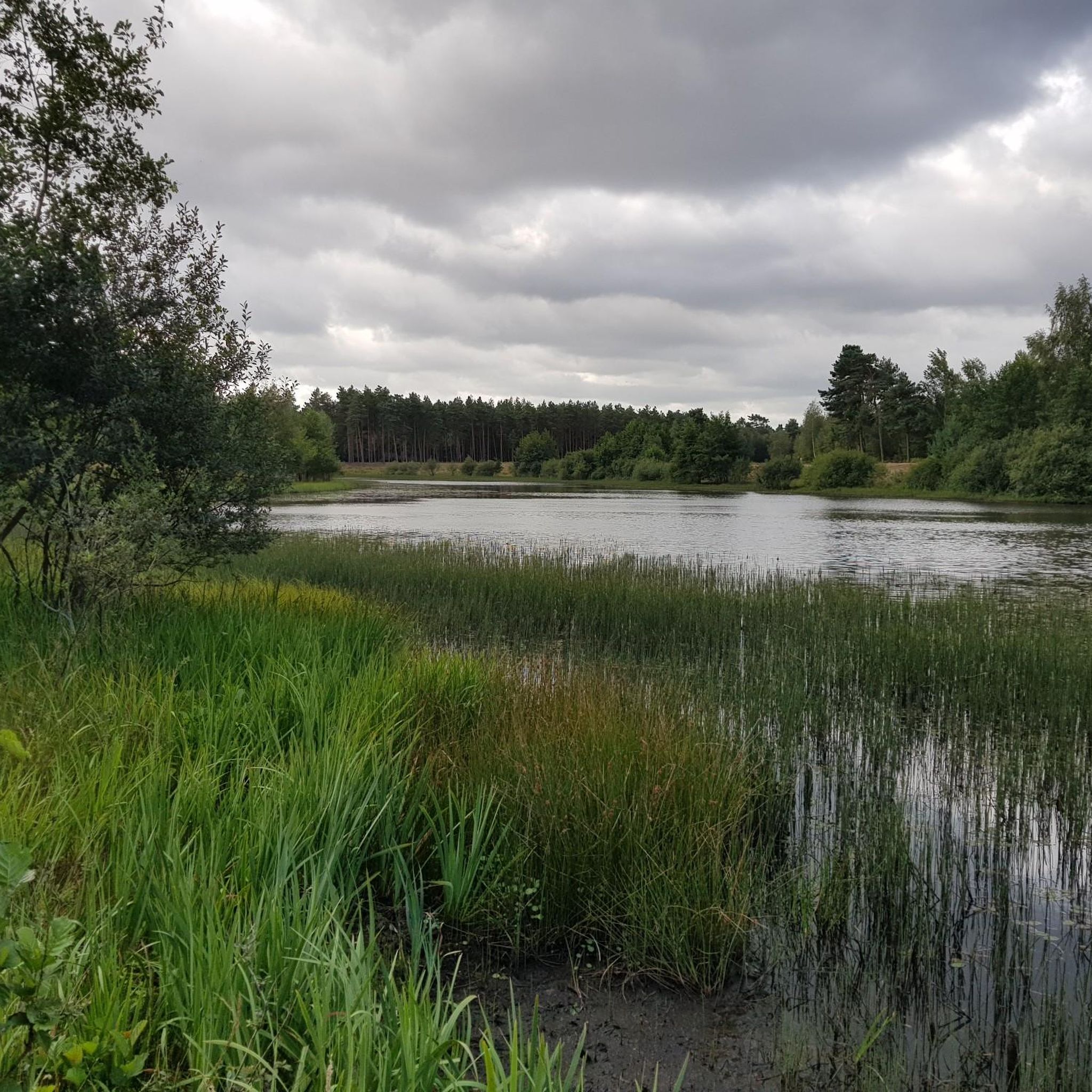
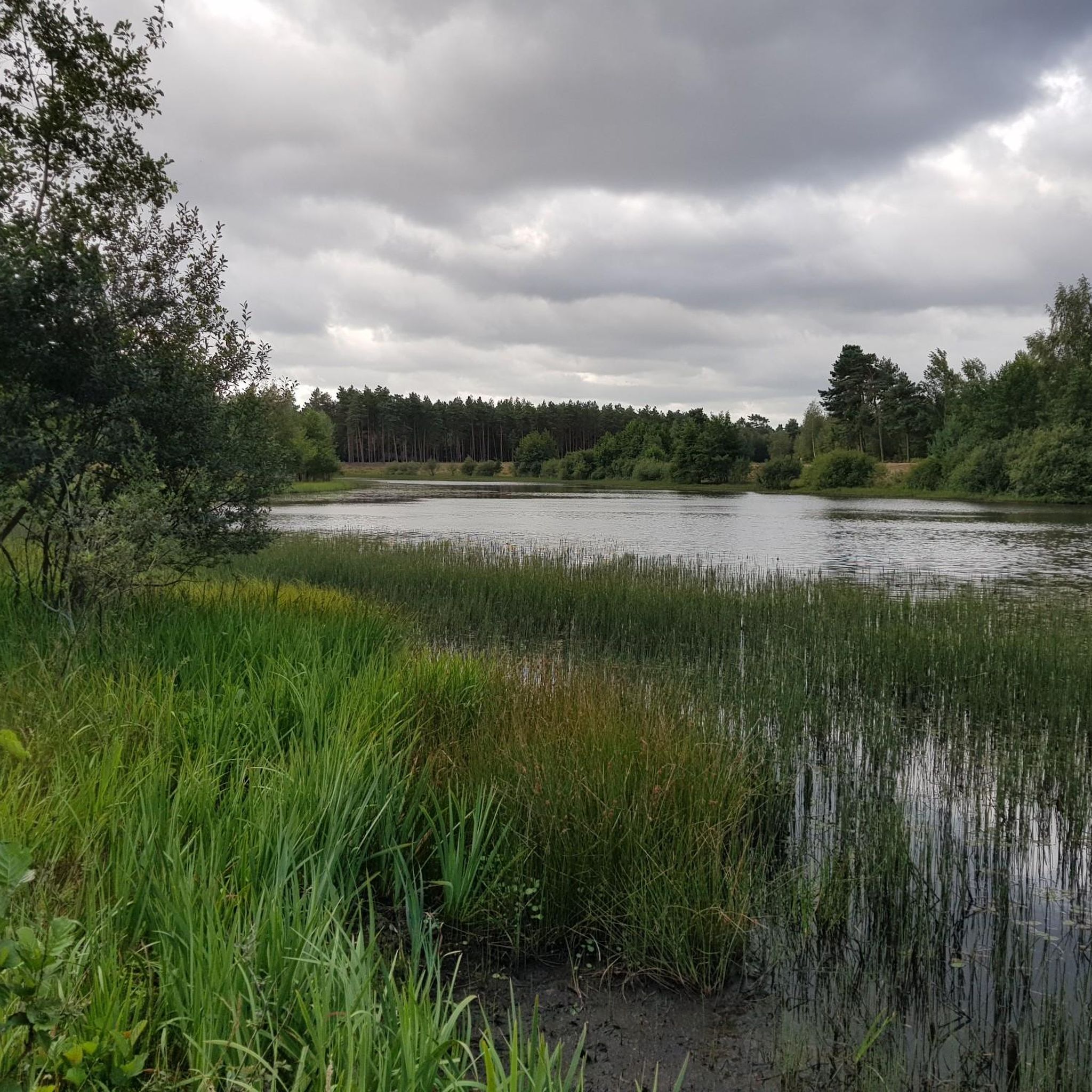
Teewensee is an idyllic lake surrounded by vast dunes and wooded areas, a place where water and sand blend harmoniously. Reeds and wild plants grow along the banks, while the open water provides a haven for birds, dragonflies, and other aquatic creatures. The area exudes peace and tranquility, ideal for walks or short breaks where you can fully immerse yourself in nature. The play of light on the water and the soft colors of the dunes change with each season, making Teewensee a photogenic and serene natural wonder.
0
0


There is a very beautiful lake landscape to see here.
5
0
the lake is "dystrophic", meaning low in nutrients.
9
0

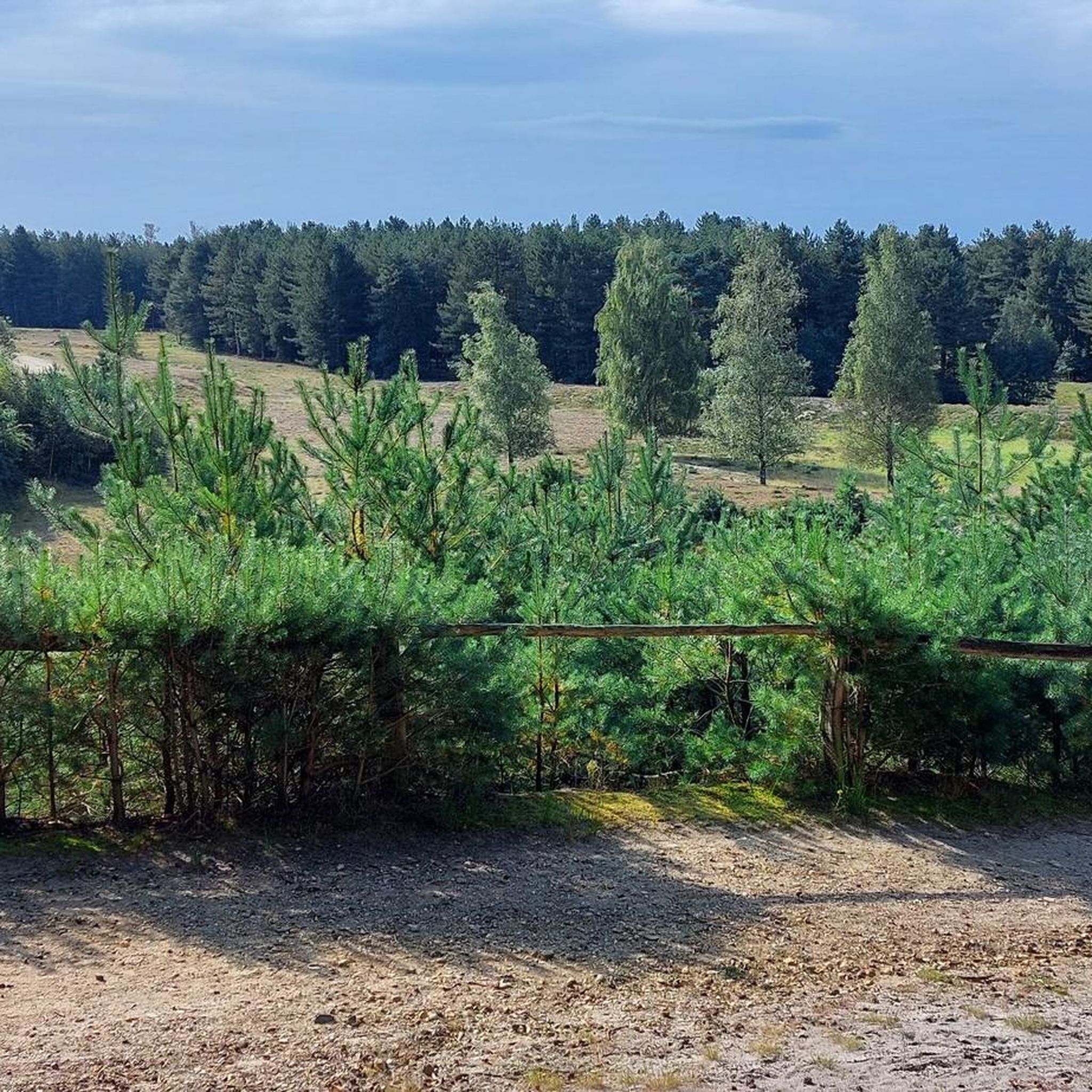
The open heath landscape lies on both sides of the wide, paved sand paths.
51
0
Frequently Asked Questions
What are some of the most prominent natural monuments to visit in Teverener Heide?
The Teverener Heide region is rich in diverse natural monuments. Key highlights include the Teverener Heide Nature Reserve itself, known for its expansive heath landscape. Other notable spots are Pine Lake and Lake Christopherus, both unique for their ecological value and origins from clay mining. The Wiggelewak Moor is also a significant area with interesting plant life.
What unique natural features can I expect to see in the Teverener Heide natural monuments?
The Teverener Heide offers a mosaic of natural features. You'll find extensive open heathlands, particularly vibrant during the heather bloom in August and September. The area is also characterized by numerous lakes and ponds, many formed from past clay and gravel mining, which are crucial biotopes. Valuable moorland and bogs, including the extraordinary Wiggelewak, are present, alongside varied forests and unique inland dunes.
When is the best time to visit the natural monuments in Teverener Heide?
The Teverener Heide offers charming natural impressions throughout the year. However, the heath landscape is particularly captivating in August and September when the heather is in full bloom, painting the landscape in vibrant purple hues. This period provides a stunning visual experience.
Are there family-friendly natural monuments or areas suitable for families in Teverener Heide?
Yes, several natural monuments in Teverener Heide are considered family-friendly. The Teverener Heide Nature Reserve, Pine Lake, Lake Christopherus, and Teewensee are all great options for families, offering accessible paths and scenic views for enjoyable outings.
What kind of wildlife and flora can be observed in the Teverener Heide natural monuments?
The Teverener Heide is a hotspot for biodiversity. Its fluctuating landscape of heathland, woods, lakes, and marshland provides a habitat for a remarkable array of wildlife, including rare animals and plants. Over 40 species of dragonflies have been recorded, and the lakes are home to over 200 endangered animal and plant species in North Rhine-Westphalia. Unique plant species like gentian thrive in the nutrient-poor waters of lakes like Christopherussee, and peat moss lawns can be found in boggy areas.
Are there hiking trails available near the natural monuments in Teverener Heide?
Absolutely. The Teverener Heide is well-equipped with attractive, signposted hiking trails that allow you to explore its natural monuments. You can find various routes, including those that loop around the Teverener Heide Nature Reserve, Teewensee, and Lake Christopherus. For more detailed hiking options, refer to the Hiking around Teverener Heide guide.
What other outdoor activities can I do near these natural monuments?
Beyond hiking, the Teverener Heide area offers excellent opportunities for cycling. There are numerous routes suitable for touring bicycles and road cycling that take you through the diverse landscapes surrounding the natural monuments. For specific cycling routes, you can explore the Cycling around Teverener Heide guide or the Road Cycling Routes around Teverener Heide guide.
What do visitors enjoy most about the Teverener Heide natural monuments?
Visitors frequently praise the Teverener Heide for its tranquil atmosphere and diverse landscape. The changing scenery, from open heath to serene lakes and dense forests, provides a unique experience. Many appreciate the well-maintained paths and the opportunity for quiet nature observation, especially during the heather bloom. The rich biodiversity and the sense of peace found here are often highlighted.
Are the natural monuments in Teverener Heide dog-friendly?
Yes, many areas within the Teverener Heide are dog-friendly. For instance, Lake Christopherus is specifically noted as dog-friendly, making it a great spot to visit with your canine companion. It's always recommended to keep dogs on a leash to protect the local wildlife and ensure a pleasant experience for all visitors.
Does the Teverener Heide have any historical or archaeological significance?
Beyond its natural wonders, the Teverener Heide holds archaeological importance. The area has yielded major finds from the Middle Stone Age, adding a layer of historical intrigue to its natural value. Information boards along the paths often provide insights into both the local biotopes and the history of the region.
Are there specific viewpoints to best appreciate the natural beauty of Teverener Heide?
Yes, the Teverener Heide features various vantage points designed to offer stunning views of its diverse landscapes. The Teverener Heide Nature Reserve itself provides expansive views over the heath. Lakes like Pine Lake and Lake Christopherus also offer picturesque spots to observe the unique ecosystems.
Where can I park when visiting the Teverener Heide natural monuments?
Parking is available for visitors. For example, the Scherpenseel hiking car park is a convenient starting point for exploring the Teverener Heide Nature Reserve. This car park is located approximately 100 meters west of the 'Drehunkel', a central point from which various hiking trails begin and cross.
Most popular routes around Teverener Heide
Most popular attractions around Teverener Heide

Get inspired with the komoot mobile app


Explore more
Extend your search for the best caves by checking out these guides of the top ones around Teverener Heide:
