Top 4 Natural Monuments around Lutterzand
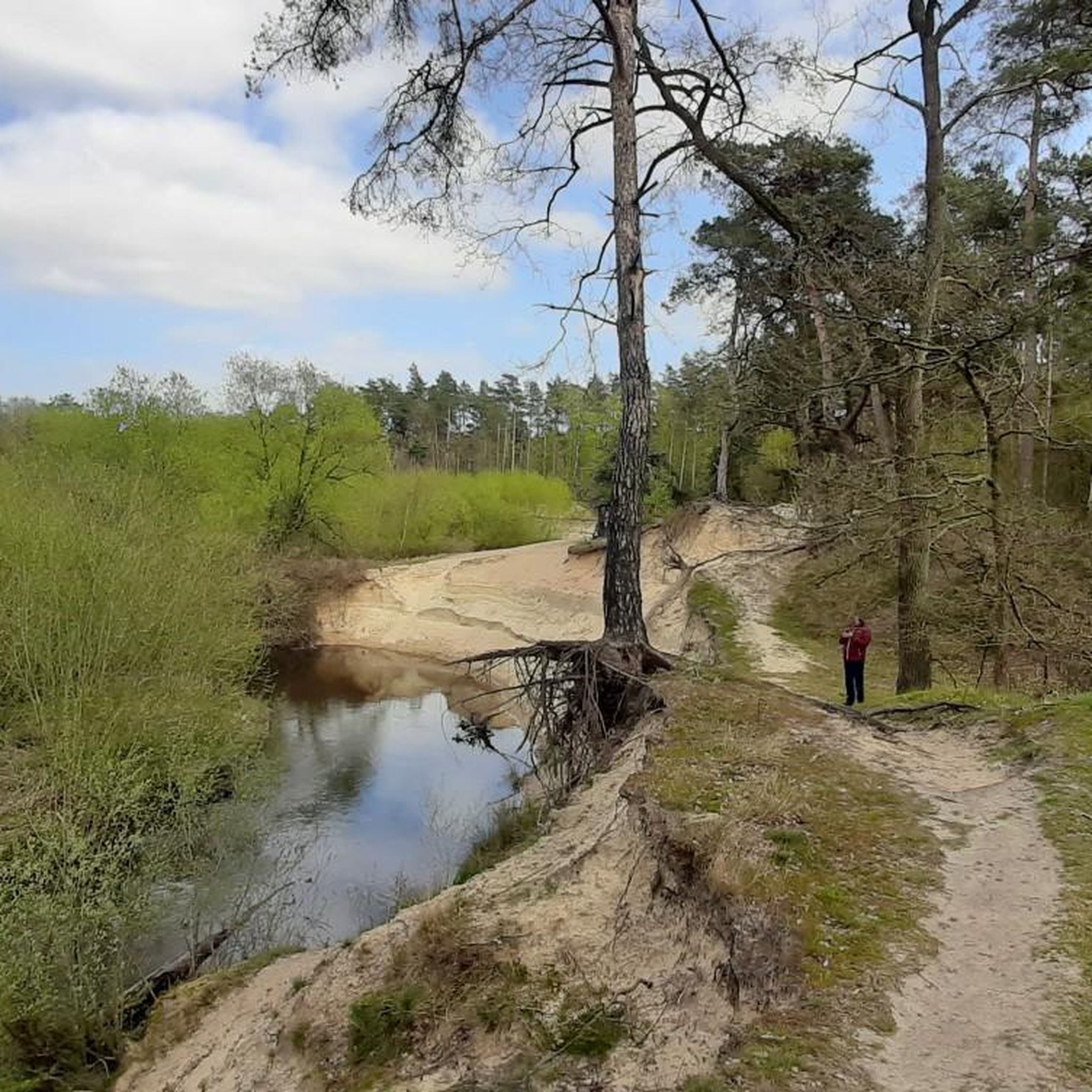
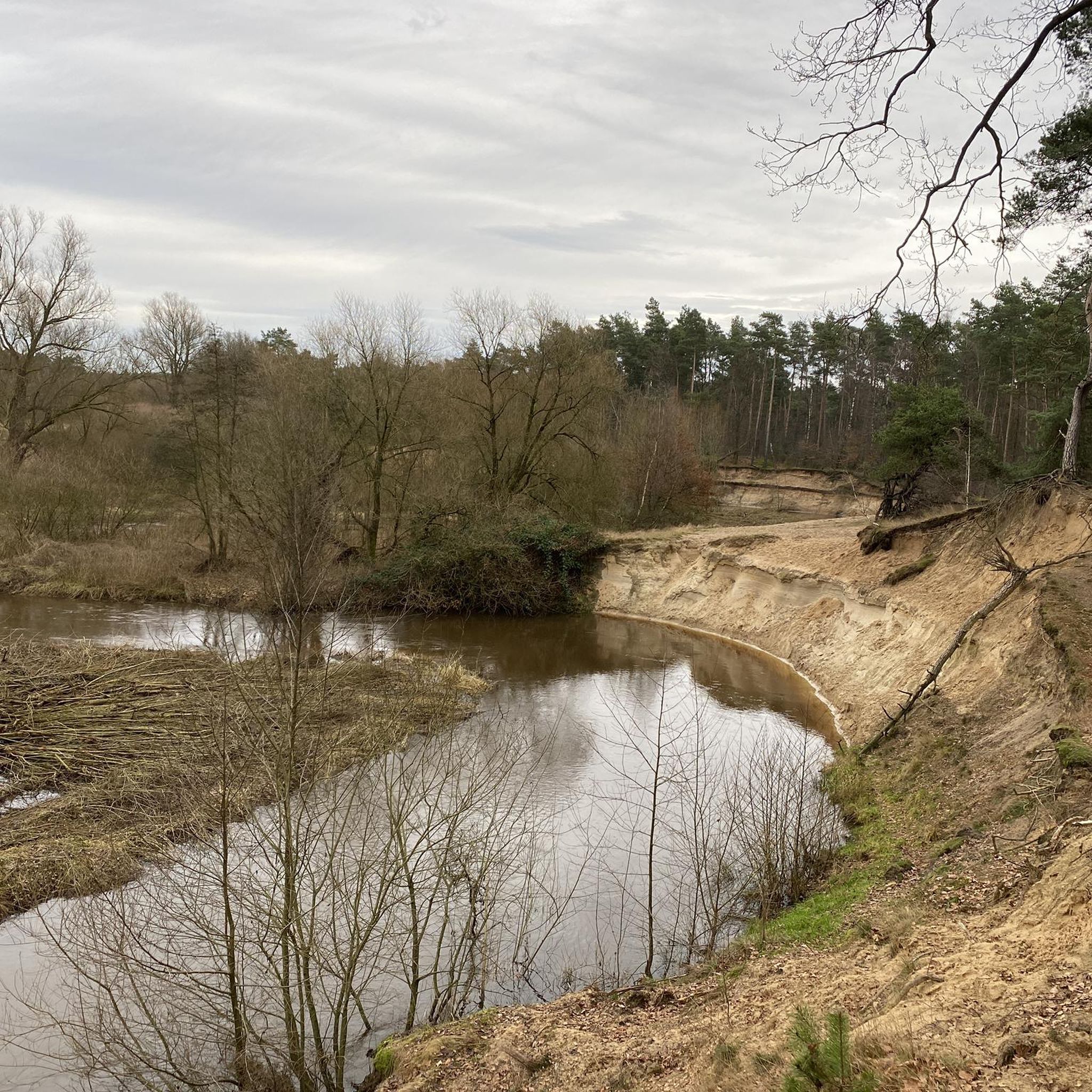
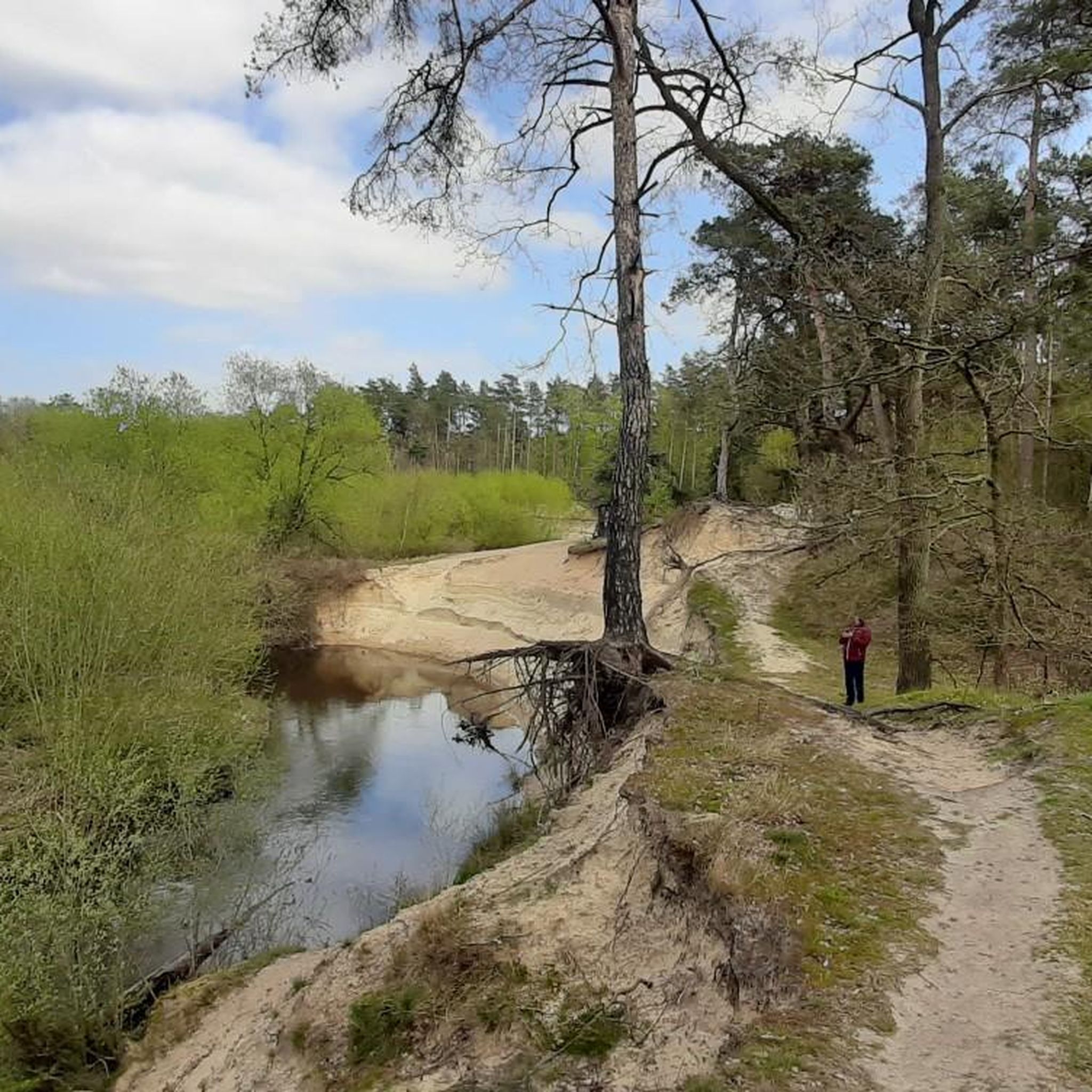
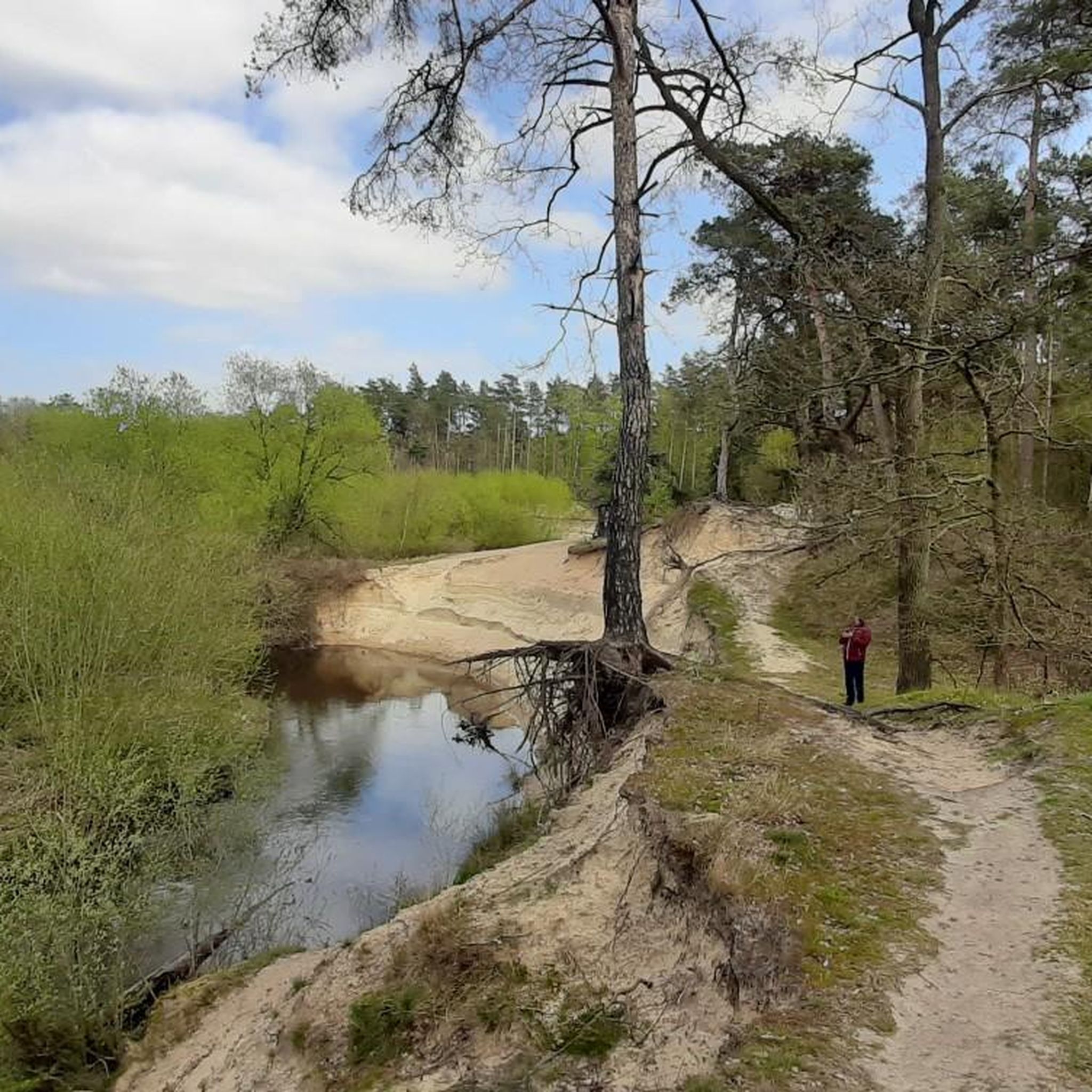
Best natural monuments around Lutterzand are characterized by the unique geological features of the Dinkel River valley. This area, recognized as a provincial geoscientific monument, showcases visible profiles of geological layers dating back 15,000 years. The landscape features the meandering Dinkel River with its steep, eroding banks, alongside diverse terrain including forests, heathlands, and ancient sand drifts. These natural elements create a dynamic environment for exploration.
Best natural monuments around Lutterzand
- The most popular natural monuments is Greune Stet Meander…
Last updated: June 26, 2026
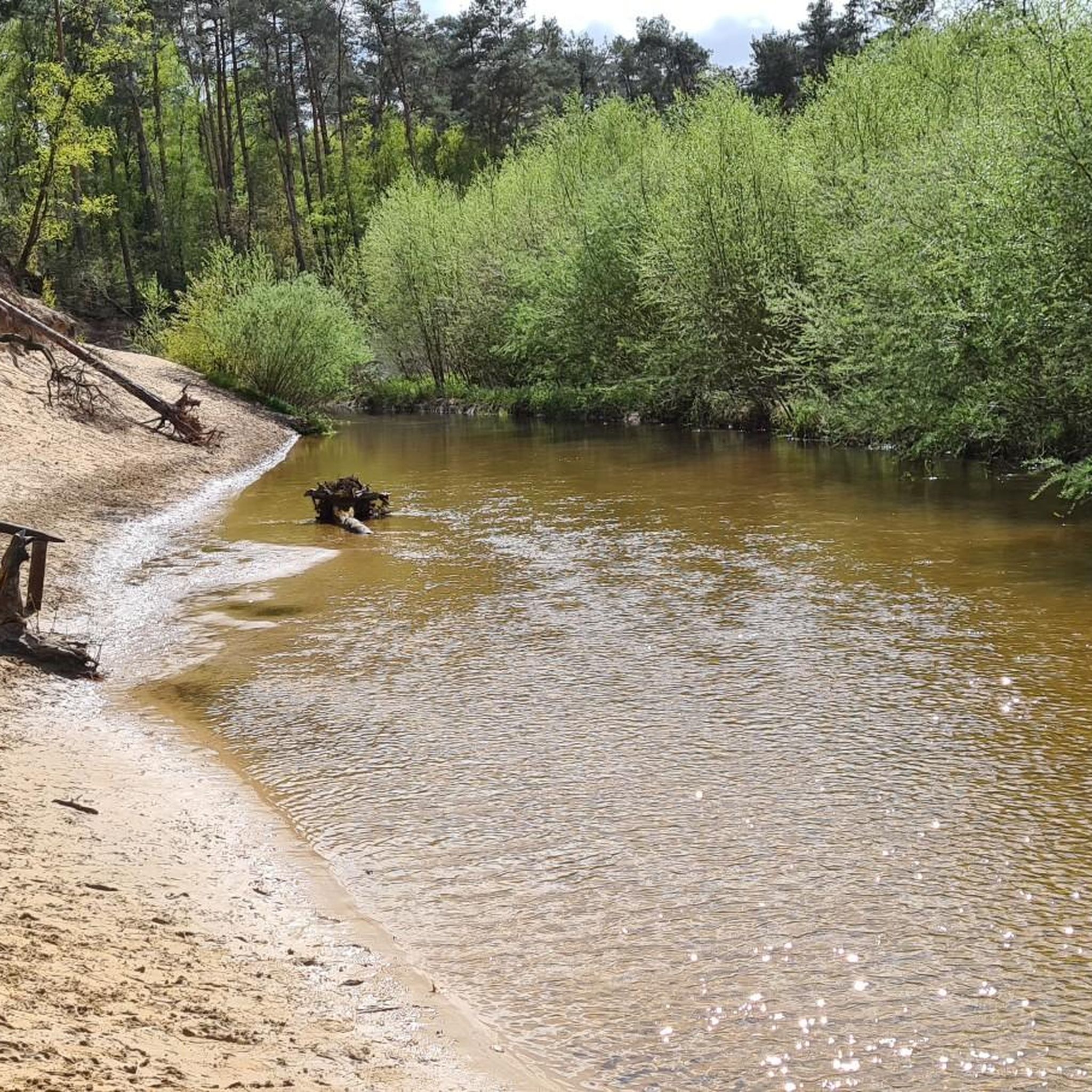
Dinkel River Beach in Lutterzand
Highlight • Beach
Translated by Google •
Tip by

Dinkel
Highlight • River
Translated by Google •
Tip by

Sign up now to discover places like this
Get recommendations on the best single tracks, peaks, & plenty of other exciting outdoor places.
Sign up for free
Meanders of the Dinkel River in Lutterzand
Highlight • River
Translated by Google •
Tip by

Greune Stet Meander on the Dinkel
Highlight • River
Translated by Google •
Tip by

View of the Dinkel River
Highlight • Viewpoint
Translated by Google •
Tip by

Start today with a free account
Your next adventure awaits.
Login or Signup

Other adventures around Lutterzand

Tips from the Community


It is not for nothing that the Dinkel River is lyrically celebrated in the first verse of a Twente folk song. The partly sandy banks of the Dinkel River offer an immense wealth of flora and fauna, with the magnificently colored kingfisher, a well-known resident of the area, serving as a kind of mascot. The Dinkel River has its source in North Rhine-Westphalia in the border region between Ahaus and Coesfeld. On the German side, it flows through Gescher, Epe, Gronau, and, in the municipalities of Losser and Dinkelland, almost entirely through untouched Dutch territory. It re-enters Germany near Lage in the county of Bentheim, before flowing into the Vechte River near Neuenhaus. The Vechte River flows into the IJsselmeer. A historical landmark is the ancient hydrodynamic lock "Schivenhuisje" on the Almelo-Nordhorn Canal in Denekamp. Here, the water level of the Almelo-Nordhorn Canal is regulated together with the water of the Nebendinkel. The Nebendinkel and the lower Dinkel then flow back together to form the Dinkel River. The Dinkel has a total length of approximately 96 kilometers, of which 46 kilometers flow through the Twente region. For a longer stay, there are numerous options for a stopover. From overnight stays in luxurious hotels, cozy bed and breakfasts, and farm lodges to accommodations in the extraordinary Star Cube. There's sure to be something for everyone here!
2
0
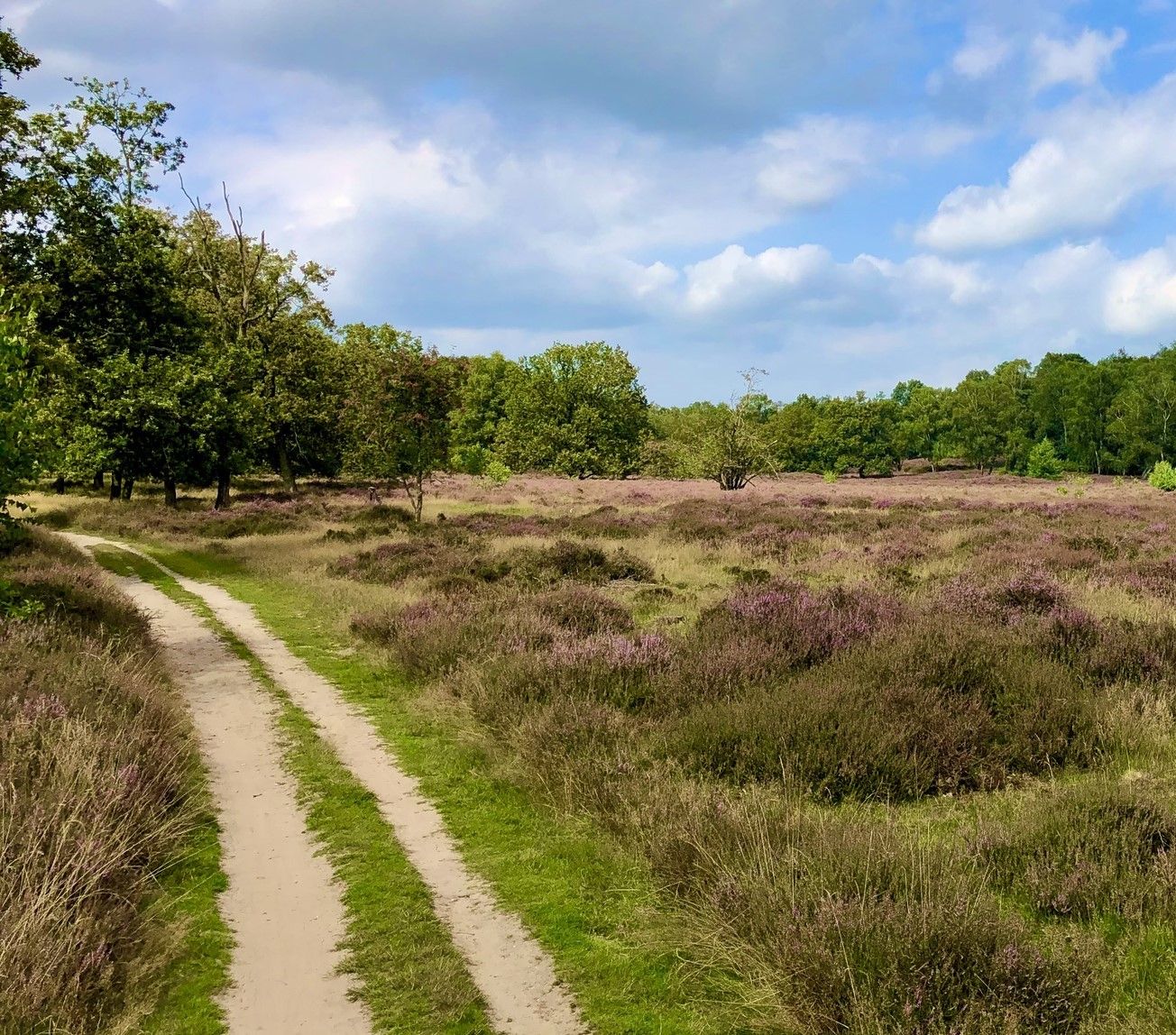
"Het Lutterzand" is a nature reserve of approximately 750 hectares in the province of Overijssel, on the German-Dutch border near the county of Bentheim. The diverse landscape, consisting of pine forests, juniper thickets, and heathland, is largely surrounded by the Dinkel River. The Dinkel River has retained its original character, and its meandering course has carved deep cuts into the drifting sand over time. The "Het Lutterzand" nature reserve, which boasts an excellent restaurant, is a popular excursion and recreation area. Beautiful hiking and cycling trails lead through this charming landscape.
2
0

Lutterzand - always beautiful. Whether by bike or on foot, it doesn't matter. The Dinkel meandering through the landscape is simply wonderful. The Lutte Hut invites you to have a coffee or a snack.
1
0

It is wonderful to cycle along this charming little border river!
2
0

The nature park is located directly on the A30 motorway and can therefore be reached quickly and easily from Enschede and the German border region. As soon as you leave the motorway, you notice how the world becomes a little quieter and less fast-paced. Super simple signs lead you along small streets, past meadows and fields, and finally to the Lutterzand Nature Park.
3
0

Beautiful to hike in the Lutterzand area. Idyllic and wonderful view. We recommend.
1
0

The Lutterzand is an extensive recreation area.
4
1
Frequently Asked Questions
What are the most prominent natural features to explore in Lutterzand?
The Lutterzand is defined by the Dinkel River, one of the Netherlands' few ancient rivers that has largely preserved its original, sinuous course. You can witness its impressive meanders and steep sand cliffs, some reaching eight meters high. The area also features diverse landscapes including extensive pine forests, heathlands, and ancient sand drifts, all contributing to its unique ecosystem.
Where can I experience the unique geological history of Lutterzand?
Lutterzand is a provincial geoscientific monument, offering visible profiles of geological layers dating back 15,000 years. These insights into the Dinkel valley's history since the last ice age are best observed along the river's steep banks, particularly where the Dinkel has actively eroded the landscape.
Are there family-friendly natural monuments or activities in Lutterzand?
Yes, Lutterzand is very family-friendly. The Dinkel River Beach in Lutterzand is a popular spot for picnics, swimming, and playing in the sand and water during warmer months. Many trails are suitable for families, and the diverse landscape offers opportunities for children to explore nature.
What outdoor activities can I do near these natural monuments?
Lutterzand offers excellent opportunities for hiking and cycling. You can find various routes, including easy and moderate options. For hiking, explore guides like Family-friendly hikes around Lutterzand. For cycling, check out Traffic-free bike rides around Lutterzand, which includes routes suitable for touring bikes and easy mountain biking.
What is the best time to visit Lutterzand to enjoy its natural beauty?
Lutterzand is beautiful year-round. Spring and summer are ideal for enjoying the Dinkel River Beach and lush greenery. Autumn brings vibrant colors to the forests, while winter offers a tranquil, stark beauty, especially along the Dinkel's banks. Birdwatching is excellent throughout the year, with different species present seasonally.
What do visitors enjoy most about the natural monuments in Lutterzand?
Visitors frequently praise the tranquil natural environment and the unique geological features. Many enjoy the opportunity to cycle along the charming Dinkel River and appreciate the dramatic Greune Stet Meander, which showcases the river's powerful erosion. The diverse landscape, from forests to heathlands, also receives high acclaim for its scenic beauty.
Are there specific viewpoints or scenic spots within Lutterzand?
Yes, the Greune Stet Meander on the Dinkel is a highly photographed location, offering a dramatic view of the river's almost 180-degree bend and its steep banks. The Dinkel River Beach in Lutterzand also provides a lovely spot to relax and take in the river scenery.
What kind of wildlife can I expect to see in Lutterzand?
Lutterzand's diverse habitats support a rich array of flora and fauna. Birdwatchers can spot species such as the buzzard, black woodpecker, pied flycatcher, and Eurasian nightjar. The magnificently colored kingfisher is a well-known resident along the Dinkel River, serving as a kind of mascot for the area.
Are there easy walking trails suitable for all abilities in Lutterzand?
Yes, Lutterzand offers several easy walking trails. For example, the guide Family-friendly hikes around Lutterzand includes 'Low-threshold Overijssel routes' that explore water bodies, pavilions, forest paths, and heathlands, all rated as easy difficulty.
Can I bring my dog to the natural monuments in Lutterzand?
Lutterzand is generally dog-friendly, with many trails suitable for walks with your canine companion. However, it's always advisable to keep dogs on a leash, especially in areas with wildlife or grazing animals, and to check local signage for any specific restrictions in certain zones.
Are there any cafes or pubs near the natural monuments in Lutterzand?
While the immediate natural monument areas are pristine, the nearby towns of De Lutte and Denekamp offer various options for cafes, pubs, and restaurants where you can refresh yourself after exploring Lutterzand.
What is the significance of the Dinkel River in Lutterzand?
The Dinkel River is central to Lutterzand's identity and ecological value. It is one of the few ancient rivers in the Netherlands that has maintained its natural, meandering course, continuously shaping the landscape through erosion and creating unique features like steep banks and the Greune Stet Meander. Its banks also provide crucial nesting sites for birds like sand martins and kingfishers.
Most popular routes around Lutterzand
Most popular attractions around Lutterzand

Get inspired with the komoot mobile app


Explore more
Extend your search for the best caves by checking out these guides of the top ones around Lutterzand:
