Top 9 Natural Monuments around ZPE Cabo Espichel
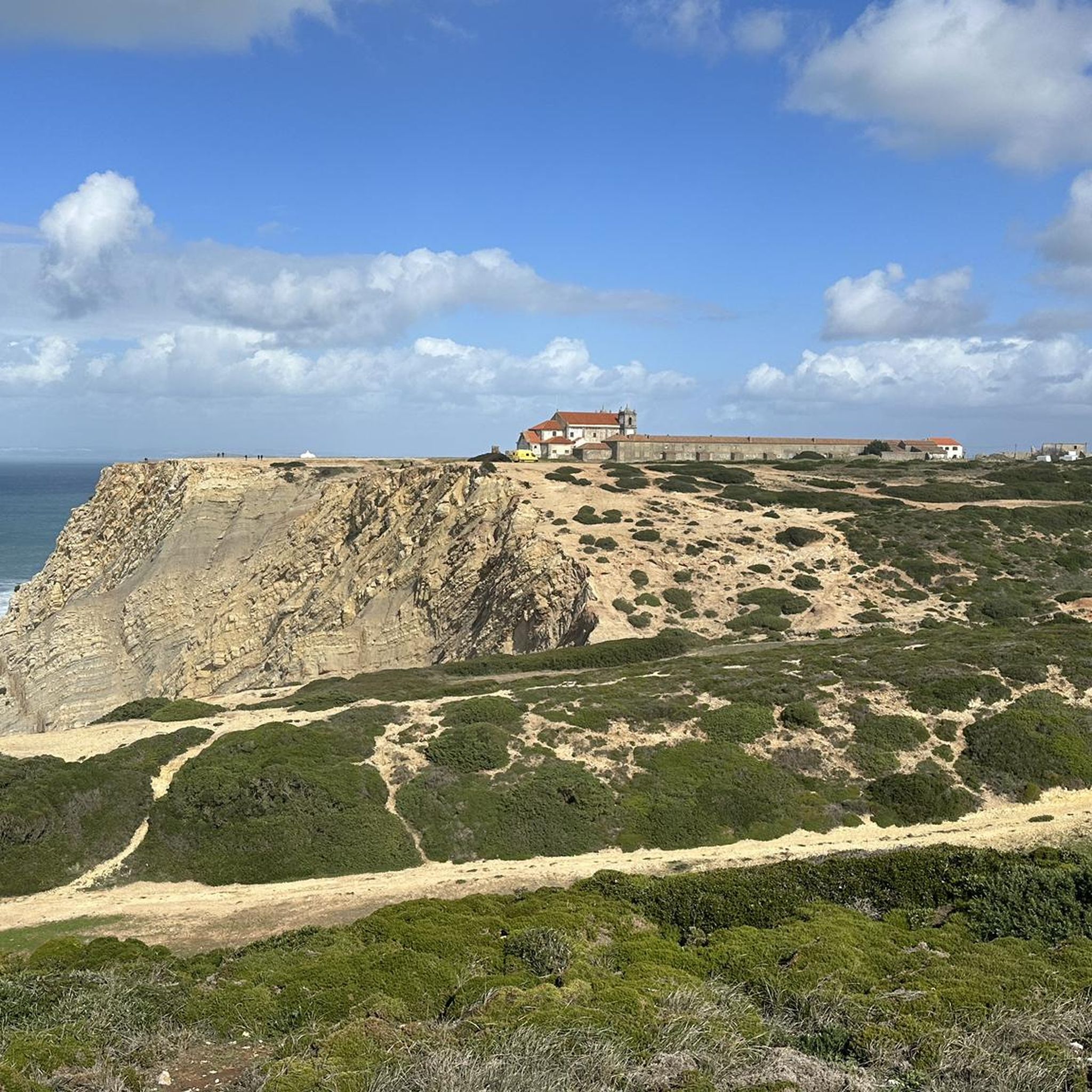
Best natural monuments around ZPE Cabo Espichel are found in a region characterized by dramatic landscapes and significant geological features on the southwestern tip of the Setúbal Peninsula. This area is known for its towering limestone cliffs, ancient paleontological sites, and unique Mediterranean shrubland ecosystem. Visitors can explore a variety of natural formations, including fossilized dinosaur tracks and coastal rock formations. The ZPE Cabo Espichel offers insights into Earth's history and diverse plant life.
Best natural monuments around ZPE Cabo…
Last updated: August 20, 2026
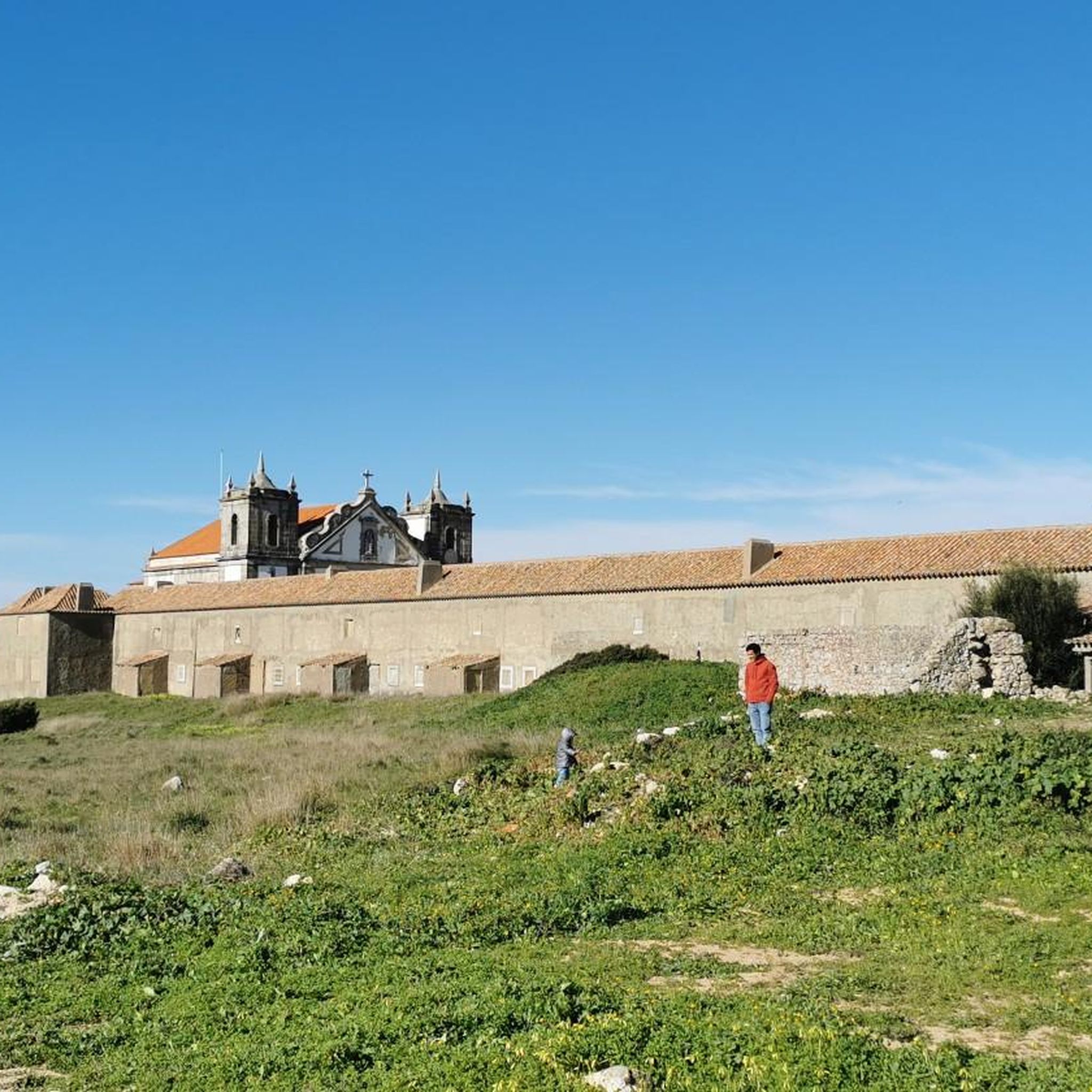
Sanctuary of Our Lady of Cape Espichel
Highlight • Religious Site
The church is incredibly beautiful inside. Unfortunately, photography is not allowed.
Translated by Google •
Tip by

Lagosteiros Natural Monument
Highlight • Natural Monument
Translated by Google •
Tip by

Sign up now to discover places like this
Get recommendations on the best single tracks, peaks, & plenty of other exciting outdoor places.
Sign up for free
Chã dos Navegantes Trail
Highlight (Segment) • Trail
Translated by Google •
Tip by
Cabo Espichel — Cliffs and Lighthouse
Highlight • Viewpoint
Translated by Google •
Tip by
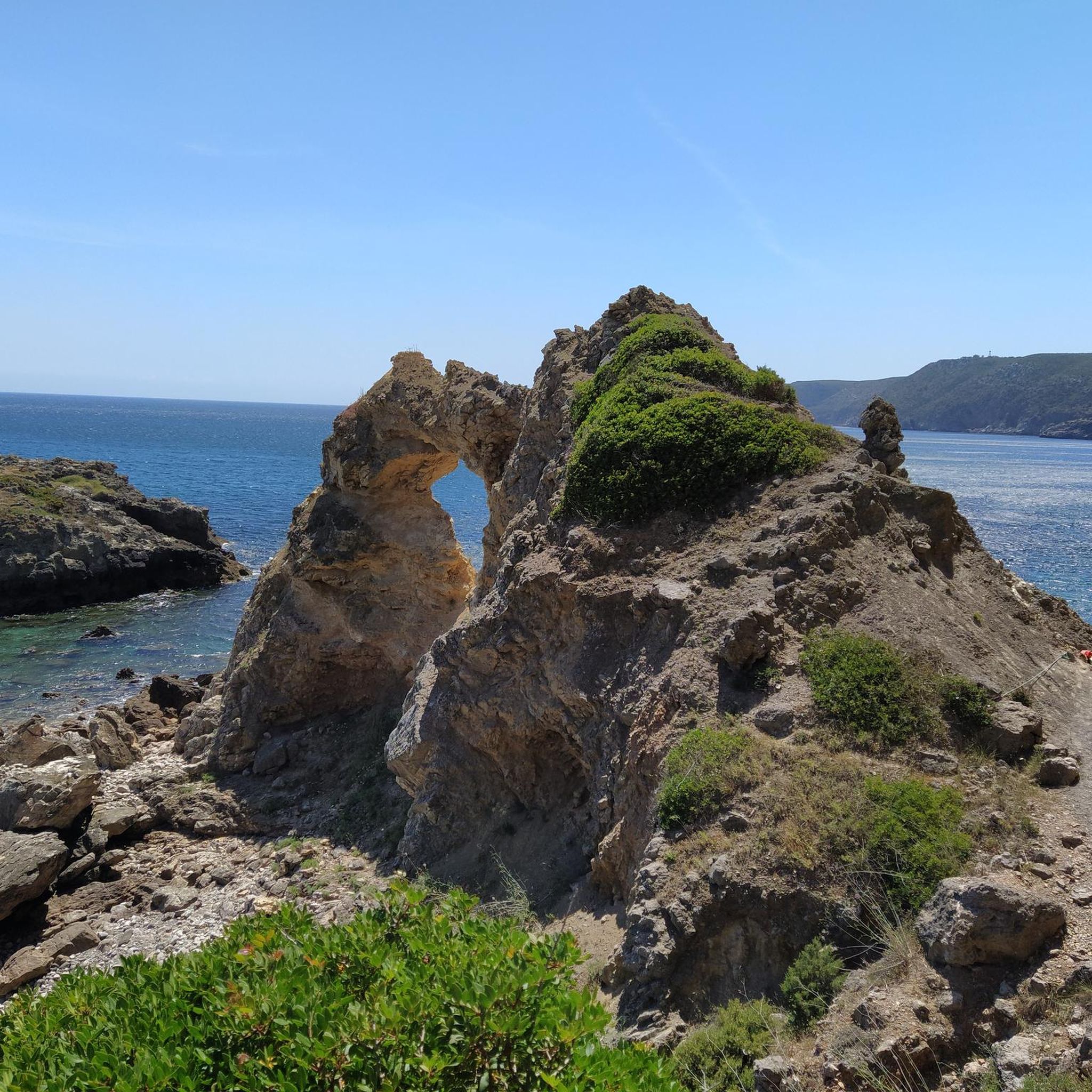
Descent to Praia do Inferno
Highlight • Climb
Translated by Google •
Tip by

Sign up for free to discover even more natural monuments around ZPE Cabo Espichel.
Sign up for free
Already have an account?
Start today with a free account
Your next adventure awaits.
Login or Signup
Tips from the Community

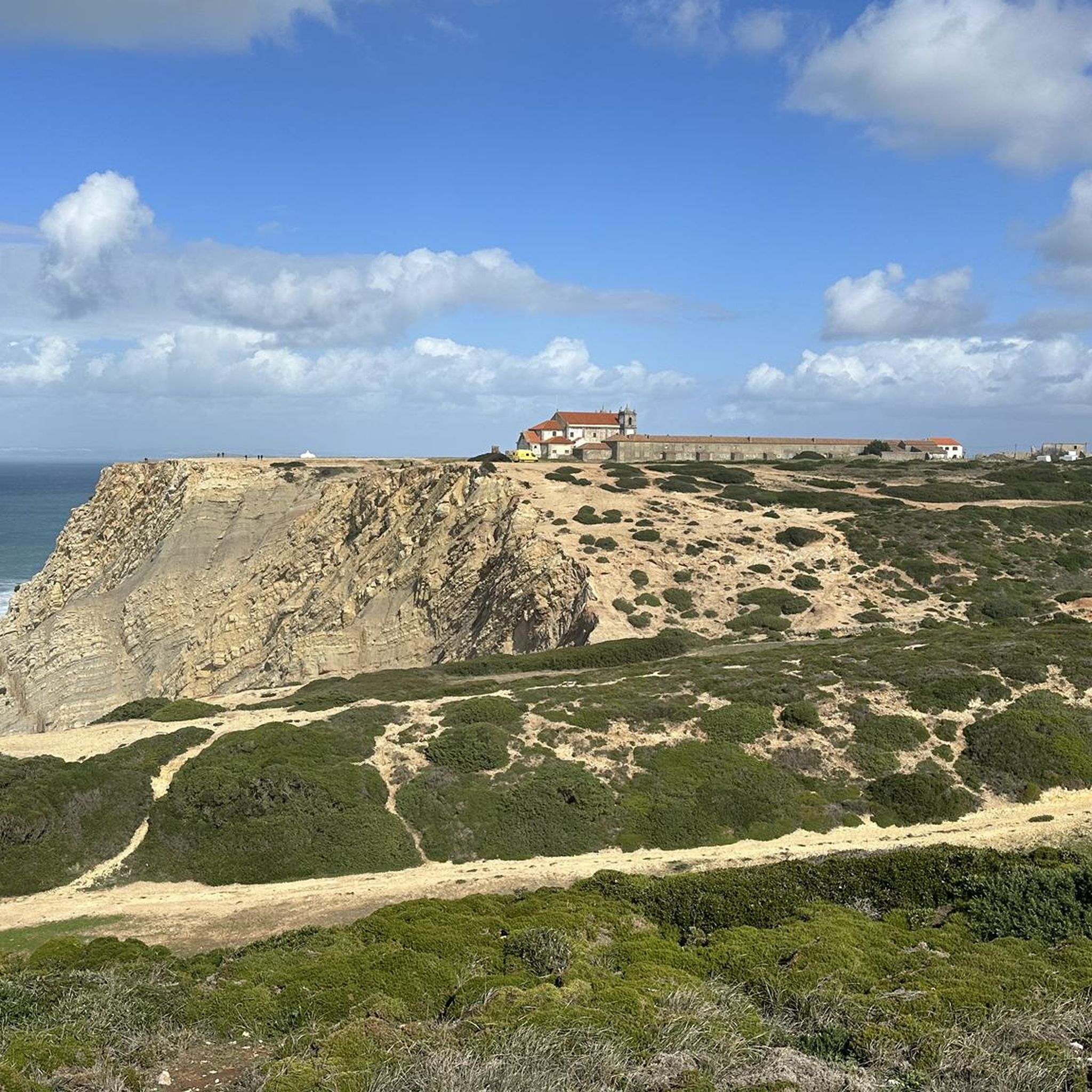
Cabo Espichel. A cape 45 km from Lisbon and the counterpart to Cabo do Roca.
1
0
Built in the 18th century, it is an eye-catcher with its baroque architecture and the typical blue and white tiles in which some icons were also kept.
2
0

Access is only for those who are in good physical shape. I've done it before, but it's been a few years and I don't know if I'll still be able to do it.😂🥾
1
0

A breathtaking view of the sea in the best weather with sunshine 🫶
3
0

On this trail between Chã dos Navegantes and Forte de São Domingos da Baralha, the landscape surprises you with every step. As you descend to the walls of the fort, you will notice the so-called "Horst do Forte da Baralha", a block of ancient rocks that rises between parallel faults, surrounded by more recent limestone. Turning south, Rechã dos Navegantes looks like an immense step carved by time, with the field of lapiás just below, marked by marine erosion. The scenery is simply incredible!
4
0
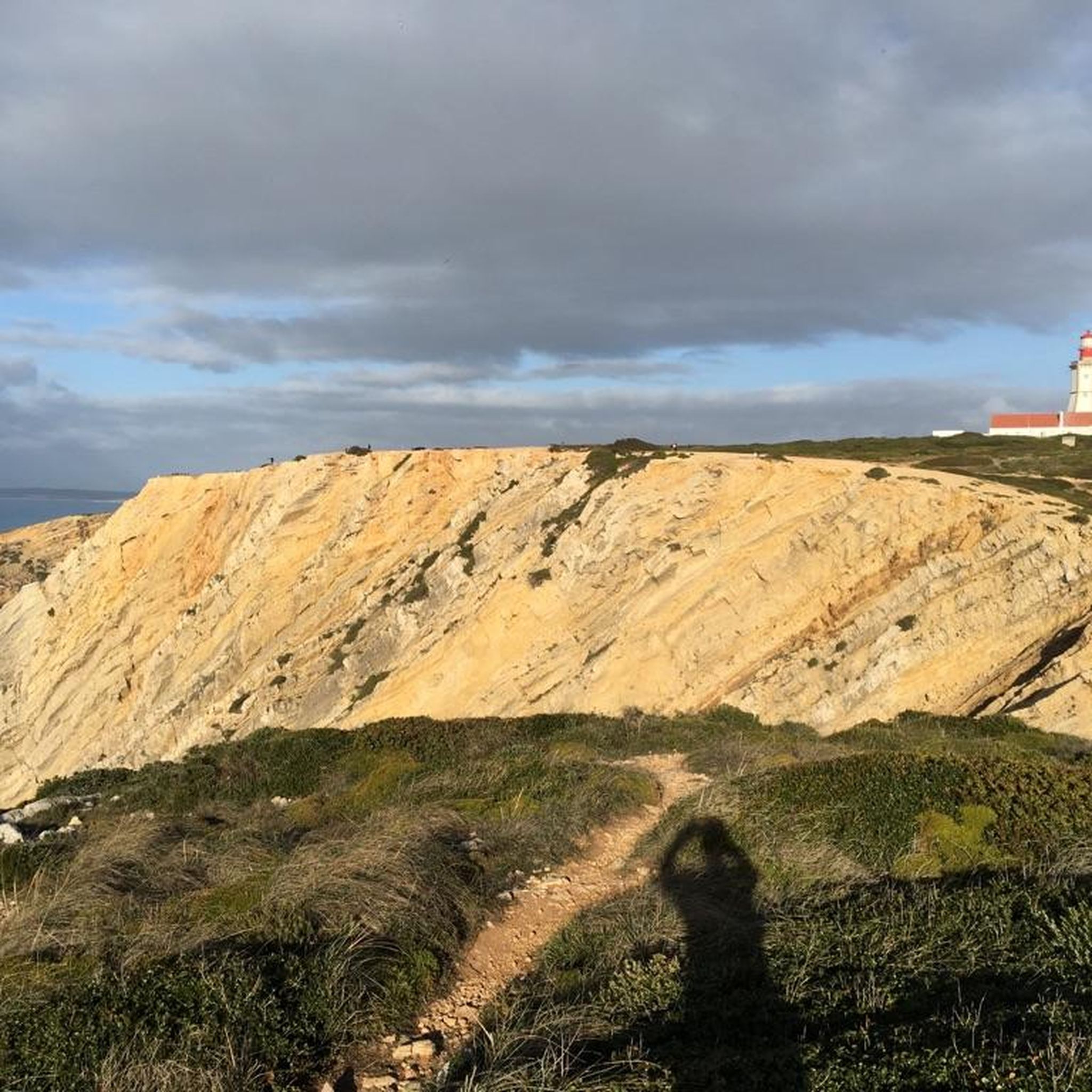
At the top of the cliff that embraces Lagosteiros beach, a piece of prehistory stands the test of time: the Lagosteiros Natural Monument. Traces left by dinosaurs over 130 million years ago can still be seen imprinted in the yellowish limestone. Among the various fossilized trails, one stands out, measuring an impressive 50 meters long, a true trace of the past, engraved in stone.
5
0

Its origins date back at least to the 14th century, to a document from the chancellery of D. Pedro I, dated 1366, which refers to the pilgrimage routes to Santa Maria do Cabo. However, according to oral tradition, the discovery of the image of Our Lady on the promontory by two old men from Caparica and Alcabideche, who had been warned by Heaven in similar dreams, only occurred in the year 1410. The 15th century therefore marked a major development of the Sanctuary. During this period, the Ermida da Memória was built, as well as the original Church. The high influx of pilgrims to the site, guided by the constitution of the Brotherhood of Our Lady of Cabo in 1432, led to the construction of the main buildings that today make up the architectural complex between 1701 and 1770: Casa da Água; Church; Aqueduct; Mãe d’Água/Poço Velho da Azóia; Wells; Casa da Lenha, Casa da Ópera; Inns; Three Pilgrimage Cruises and Arrival Cruise. With the Napoleonic invasions, the cult began to gradually decline, which was halted, however, by several restoration works carried out over the last few decades. Currently, the cult at the Sanctuary of Our Lady of Cabo Espichel is alive, particularly through the celebrations of the Azoia, Palmela and Sesimbra candlelight festivals, whose festivities take place in the months of March and April and August and September, respectively.
2
0

This is Cabo Espichel! https://www.portugal360.de/urlaub-reisen/sehenswuerdigkeiten/cabo-espichel
2
0
Frequently Asked Questions
What are the most popular natural monuments around ZPE Cabo Espichel?
The most popular natural monument is Lagosteiros Natural Monument, renowned for its dinosaur tracks. Other highly appreciated spots include Chã dos Navegantes Trail, offering unique geological views, and the challenging Descent to Praia do Inferno, which leads to a beach with a spectacular rock arch.
What unique geological features can I explore in ZPE Cabo Espichel?
ZPE Cabo Espichel is characterized by its dramatic landscapes, including towering limestone cliffs that plunge over 100 meters into the Atlantic. You can also find significant geological formations like the "Horst do Forte da Baralha" and fields of lapiás, shaped by marine erosion, particularly along the Chã dos Navegantes Trail.
Where can I see dinosaur footprints in ZPE Cabo Espichel?
The region is famous for its well-preserved fossilized dinosaur tracks. You can find them at Lagosteiros Natural Monument, which features a 50-meter-long trail from an ornithopod and tridactyl footprints. Another significant site is Pedra da Mua Natural Monument, where tracks embedded in near-vertical cliff faces provide evidence of sauropod herd behavior.
Are there family-friendly activities or natural monuments suitable for children?
Yes, the dinosaur footprints at Lagosteiros Natural Monument are a fascinating attraction for families and children interested in prehistory. The Sanctuary of Our Lady of Cape Espichel, while a historical site, is also listed as family-friendly and offers cultural insights.
What kind of plant life and ecosystems can be found in ZPE Cabo Espichel?
The area features a typical Portuguese Mediterranean shrubland ecosystem, adapted to the coastal environment. You can observe species like *Juniperus turbinata* and kermes oak in sheltered areas, while low bush forests of *Thymus zygis* thrive in more exposed, wind-swept locations. The coastal cliffs also host resilient plants such as *Limonium* species and rock samphire, along with local endemisms like *Euphorbia pedroi*.
What outdoor activities can I do near these natural monuments?
The ZPE Cabo Espichel area offers various outdoor activities. You can find numerous hiking routes, such as the 'View of the Arrábida coast – Chã dos Navegantes Trail loop' or the 'Cape Espichel – Cape Espichel Lighthouse loop'. There are also running trails and road cycling routes available. For more details on these activities, visit the Hiking around ZPE Cabo Espichel guide.
What is the best time to visit ZPE Cabo Espichel for exploring its natural monuments?
The region's natural monuments are best enjoyed during pleasant weather conditions, typically outside the peak heat of summer. Spring and autumn offer comfortable temperatures for hiking and exploring the coastal trails. The dramatic cliffs are particularly breathtaking at sunset, offering stunning views.
Are there any challenging routes to access specific natural monuments?
Yes, some natural monuments require a good level of physical fitness. For example, the Descent to Praia do Inferno is a challenging climb that may involve using a rope to reach the beach and its spectacular rock arch. Similarly, accessing Praia do Rebenta Bois involves a difficult path, sometimes requiring easy climbing.
What historical or cultural sites are located near the natural monuments?
Adjacent to the natural beauty, you can find the Sanctuary of Our Lady of Cape Espichel. This historical site, with origins dating back to the 14th century, includes a beautiful baroque church and interesting pilgrim accommodations, offering a glimpse into the region's rich past and religious traditions.
What do visitors enjoy most about the natural monuments in ZPE Cabo Espichel?
Visitors frequently praise the dramatic coastal landscapes, the breathtaking views from the towering cliffs, and the unique experience of seeing ancient dinosaur footprints. The raw, elemental beauty of the cape, especially at sunset, and the geological significance of the formations are also highly appreciated.
How long does it take to explore the main natural monuments?
The time required varies depending on the monuments you wish to visit and your activity level. A visit to the dinosaur footprints at Lagosteiros Natural Monument can be combined with a hike along the cliffs. More challenging routes like the Descent to Praia do Inferno will take longer due to their difficulty. Plan for at least a few hours to a full day to properly experience the area's highlights.
Most popular routes around ZPE Cabo Espichel
Most popular attractions around ZPE Cabo Espichel

Get inspired with the komoot mobile app


Explore more
Extend your search for the best caves by checking out these guides of the top ones around ZPE Cabo Espichel:
