Top 12 Natural Monuments around Burren National Park
Best natural monuments around Burren National Park showcase a unique karst landscape characterized by extensive limestone pavements and subterranean features. This region, part of Ireland's geological heritage, features a diverse ecosystem where Arctic-alpine and Mediterranean plants coexist. The park offers a tangible connection to ancient geological processes and a chance to explore an environment shaped by millions of years of erosion. Its distinctive features make it a significant natural area.
Best natural monuments around Burren National Park
- The most popular…
Last updated: June 26, 2026
Limestone Terraces of Burren National Park
Highlight • Natural Monument
Translated by Google •
Tip by

Lough Avalla Holy Well and Rag Tree
Highlight • Religious Site
Tip by

Sign up now to discover places like this
Get recommendations on the best single tracks, peaks, & plenty of other exciting outdoor places.
Sign up for free
Limestone pavement at Burren National Park
Highlight • Natural Monument
Tip by

Lough Gealáin
Highlight • Lake
Translated by Google •
Tip by

Spiral Hills of Burren National Park
Highlight • Natural Monument
Translated by Google •
Tip by

Sign up for free to discover even more natural monuments around Burren National Park.
Sign up for free
Already have an account?
Start today with a free account
Your next adventure awaits.
Login or Signup
Popular around Burren National Park
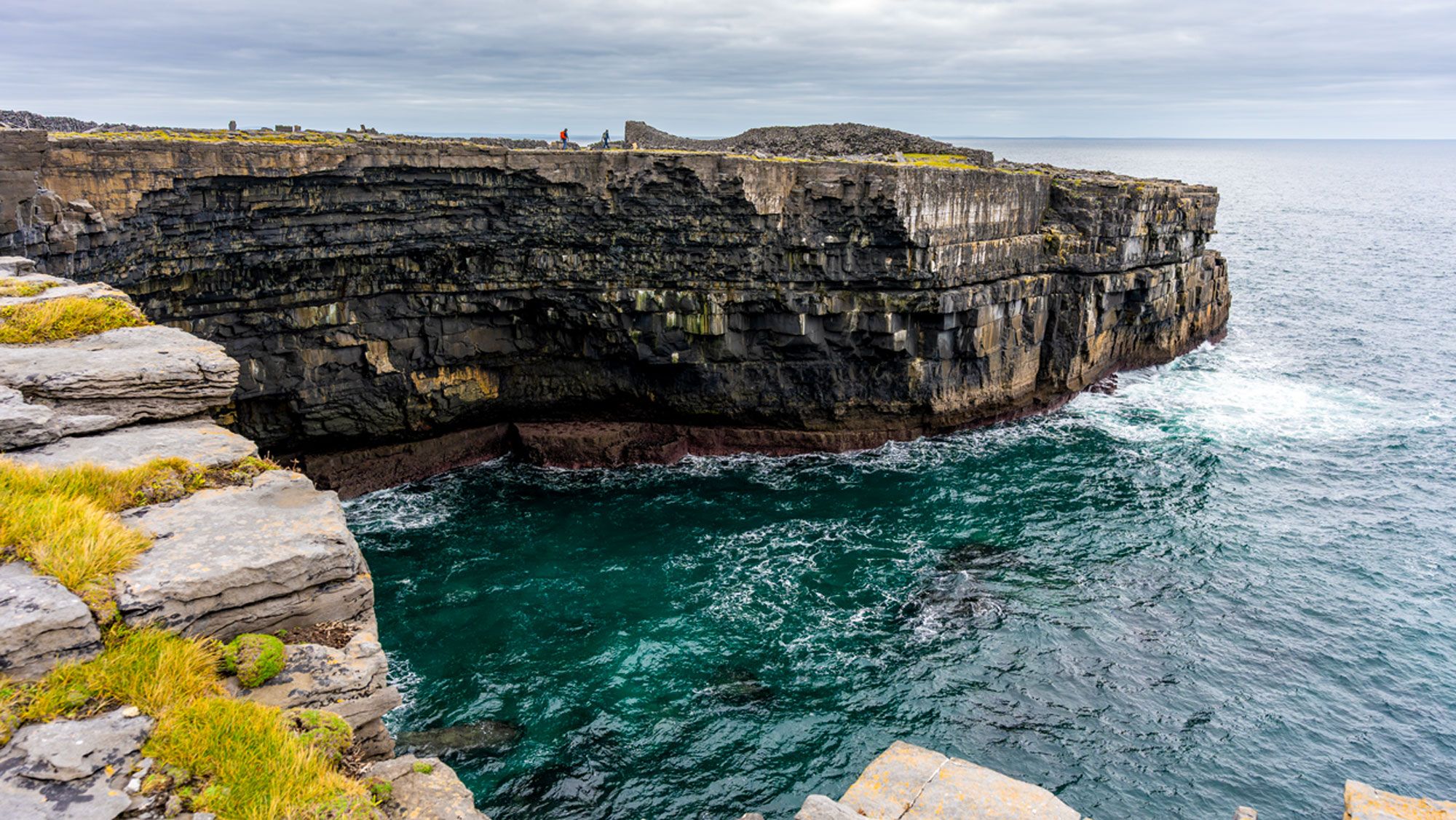
Aran Islands
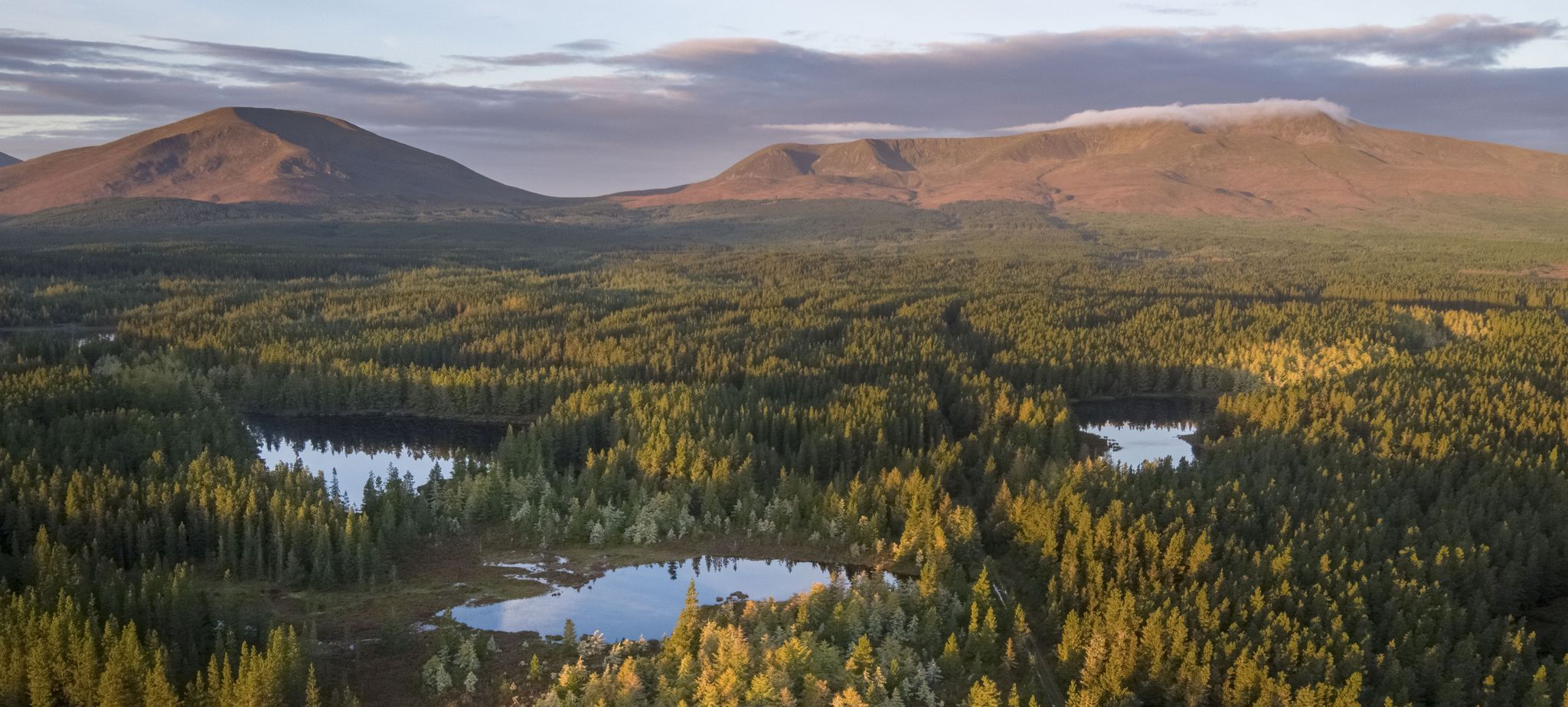
Discover Ireland's unspoilt nature in its national parks
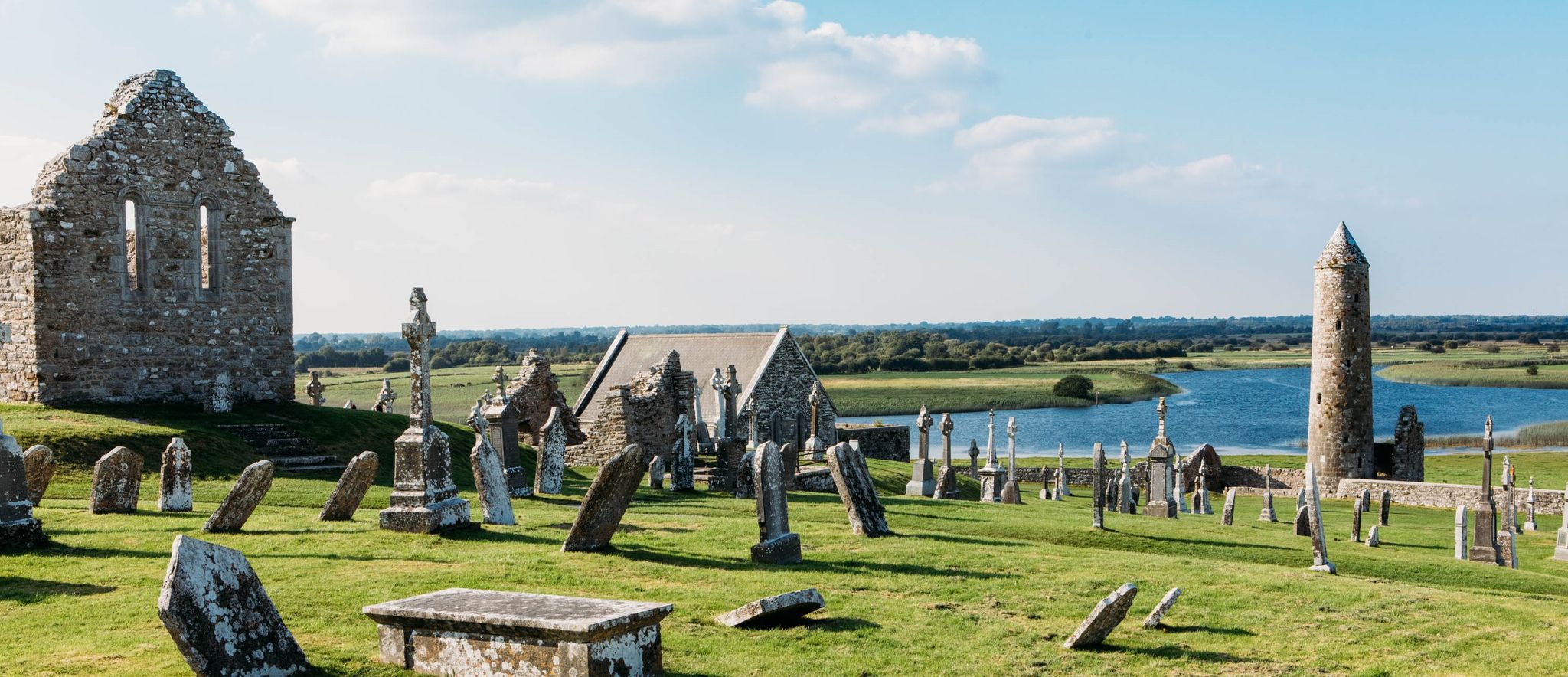
Discover Ireland's past – historical walks on the Emerald Isle
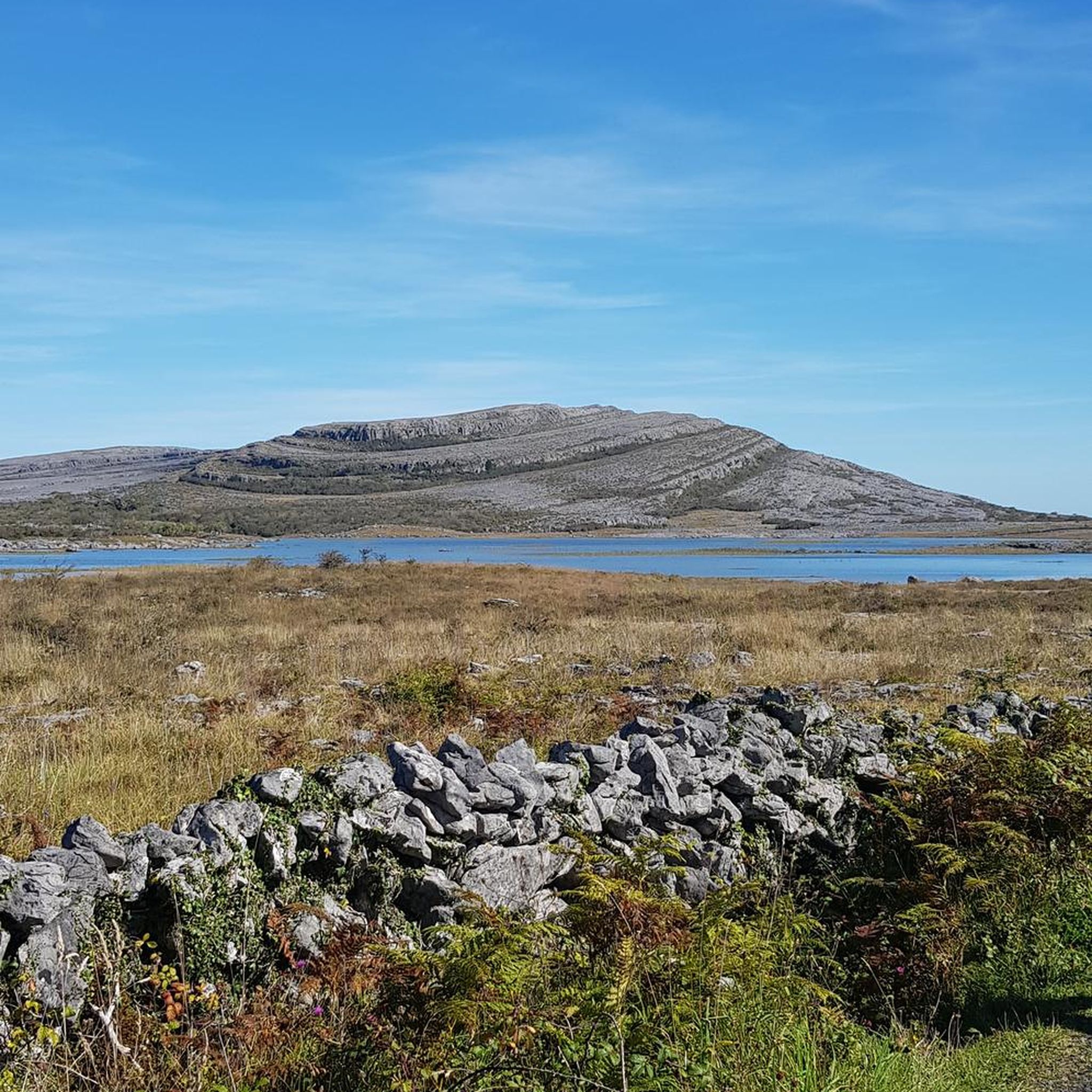
Hiking around Burren National Park
MTB Trails around Burren National Park
Road Cycling Routes around Burren National Park
Cycling around Burren National Park
Running Trails around Burren National Park


Tips from the Community

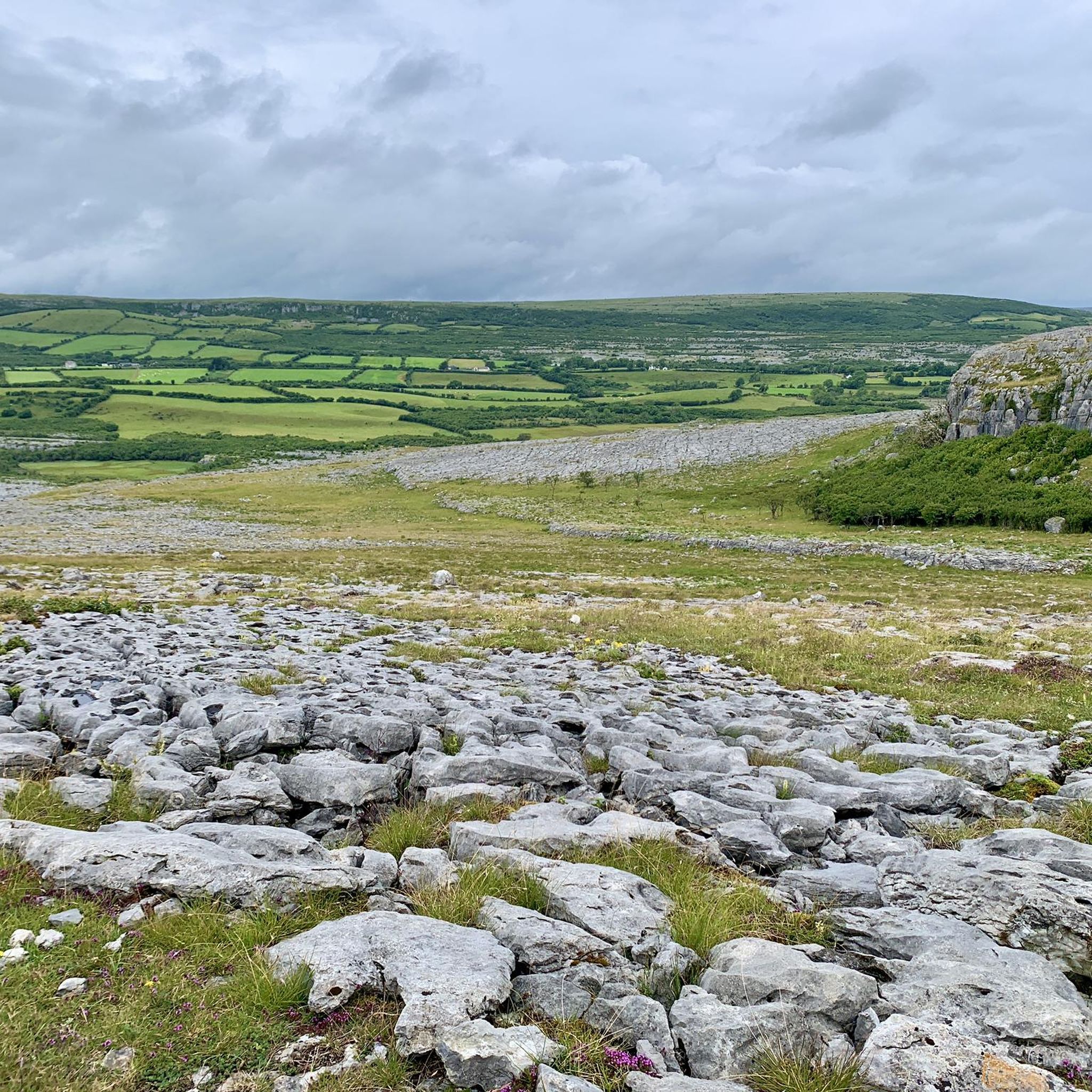
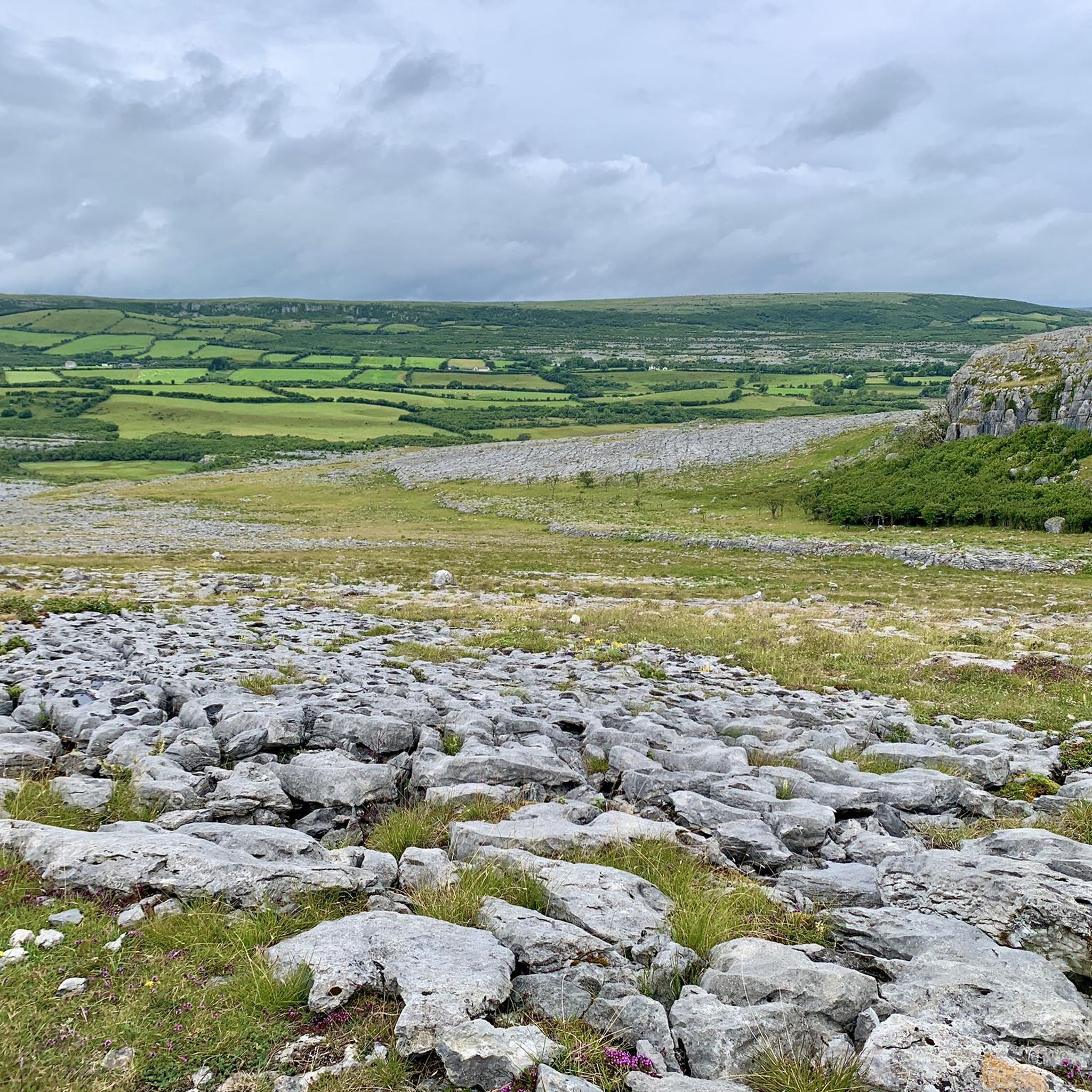
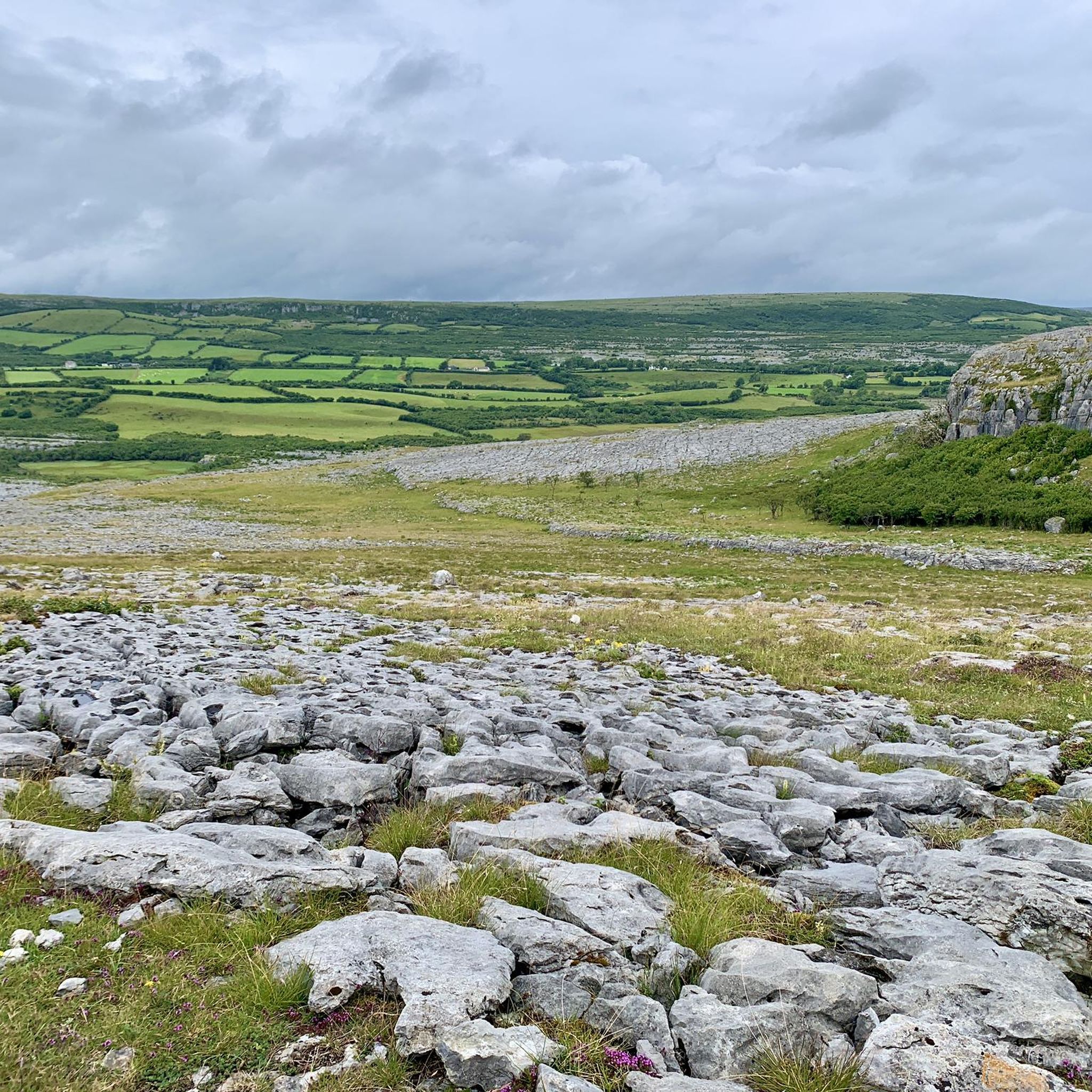
The Managed Landscape in County Clare opens a window into the distant past for you. As you hike across the limestone plateau, you will feel the depths of history beneath your feet. The ground, cracked and riddled with crevices, tells a haunting story of glaciers, human hands and the eternal battle against nature. Long ago, the force of the last Ice Age laid the foundations for this fascinating landscape. Where dense forests once flourished after the Ice Age, people have left their mark over thousands of years. The deforestation of these forests and the intensive use of the land formed the barren panorama that stretches out before you today. The fascination of this landscape lies not only in its raw beauty, but also in the dynamics of its existence. To maintain the delicate balance, constant efforts are made, for example to halt the advance of hazelnut trees that might otherwise overwhelm the limestone area. As you hike through the area, you'll be fascinated by the deep cracks in the limestone where rainwater collects. But be careful! The path can be treacherous. Especially when it's foggy, it's easy to get lost in this surreal world. That's why you should always be vigilant and follow the signposts. The Managed Landscape is not only a place of wonder, but also a witness to thousands of years of interactions between humans and nature. A place where history comes to life and invites you to follow in the footsteps of those who came before you. You can find more highlights and tours in County Clare here: https://www.komoot.de/collection/2437475/-county-clare.
0
0
At the first light of the morning, when the dew still covers the meadows of the Burren National Park with a glittering veil, a 1 km long gravel path leads you to the mystical spring of the Holy Well on Lough Avalla Farm. If you really want to feel the magic of this holy place, you should arrive before 9 a.m. - this way you can avoid the biggest crowds. Although this holy well is visited by many, there is a calm in the air that is only interrupted by the gentle rippling of the water. Holy wells in Ireland are not only historical testimonies, but also spiritual places. Each of them tells its own story, and although not all are maintained, they are all part of the national heritage and deserve our respect. The farmer keeps his cattle away from the spring, which makes the water pure and drinkable. The crystal-clear cups that are available invite you to drink from the spring. In the silence of this place you feel the connection to nature, history and spirituality. After drinking, place a coin on a stone in the stream or tie a piece of cloth or a small souvenir to the "rag tree" as a sign of respect and gratitude to the spirit of the well. Some beliefs say that the water from this special well can even cure diabetes if you drink it regularly at the site. The surrounding landscape is no less impressive. A 6 km circular hiking trail takes you through soft pastures, mysterious willow forests and impressive karst landscapes. Every step on this route brings you closer to the soul of this unique region. The power of this place can hardly be put into words. It is a place where stories are told, memories are honored and healing is sought. A place that must be seen and felt. You can find more highlights and tours in County Clare here: https://www.komoot.de/collection/2437475/-county-clare.
0
1

In contrast to the karst landscapes in Germany on the Swabian Alb, which are characterized by caves and sinkholes, here you will find an area that is riddled with deep cracks and crevices.
0
0

Unique arrangement of stones that look like a spiral mountain. Never seen before and therefore a highlight and natural wonder.
0
0
This limestone plateau is definitely worth seeing and unique. The stones often have deep cracks or holes in which water collects. You have to strictly follow the signposts to stay on the right path. In fog you can get quite lost there.
0
0

The Landscape here was formed by glaciers during the Last ice age. Today's barren landscape, however, was only created by humans. People have cleared the forests that developed here after the Ice Age and have used the land intensively for around 5,000 years. Traces of this can be seen in many places. In order to maintain the Landscape in its current state, forestry work must also be carried out regularly, for example to contain the spread of hazelnut trees, which would otherwise overgrow the karst landscape.
0
0

DISTINCTIVE LIMESTONE TERRACES The region's rich, distinctive limestone terraces and pavements formed like stair steps over the millennia as glacial action tore layers of stone from the slopes. These terraces are made up of thick horizontal layers or beds of limestone that were first deposited in a tropical seabed about 335 million years ago, during a geological time period called the Carboniferous. https://www.theburrencentre.ie/the-burren-region/a-living-landscape
6
1
Walk carefully, can be slippery when wet.
0
1
Frequently Asked Questions
What unique natural features define the Burren National Park's landscape?
The Burren National Park is renowned for its extraordinary karst landscape, primarily characterized by extensive Limestone Pavement. This 'moon-like' terrain features deep cracks called 'grikes' and blocks known as 'clints', formed by glacial action and erosion over millions of years. Another distinctive feature is the presence of Turloughs, which are temporary lakes that fill and empty with the seasons, showcasing the region's unique hydrological system. You can explore these features, for example, at Limestone Terraces of Burren National Park.
Are there any impressive cave systems to explore in the Burren National Park area?
Yes, the Burren is home to fascinating underground cave systems. Aillwee Cave offers guided tours to explore impressive stalactites, stalagmites, an underground river, and even ancient bear remains. Another notable site is Doolin Cave, famous for housing the 'Great Stalactite,' one of the longest free-hanging stalactites in the world, measuring an awe-inspiring 7.3 meters.
What are some of the best natural monuments for hiking with scenic views?
For scenic views and a quintessential Burren hiking experience, Mullaghmore Hill is an excellent choice. Its trails provide panoramic vistas of the surrounding karst landscape and seasonal lakes. Another great option is Slieve Carran Nature Reserve, also known as Eagle's Rock, which features dramatic limestone cliffs and secluded trails with stunning views amidst diverse woodlands and orchid-rich grasslands.
What kind of unique flora can be found among the natural monuments?
The Burren's natural monuments are a botanical marvel. The sheltered grikes of the Limestone Pavement create microclimates where a unique blend of rare plant species thrives, including orchids, gentians, and ferns. Slieve Carran Nature Reserve is particularly noted for its wide range of Burren-specialty plants, including numerous orchid species, making it an important ecological site.
Are there any family-friendly natural monuments or activities in the Burren National Park?
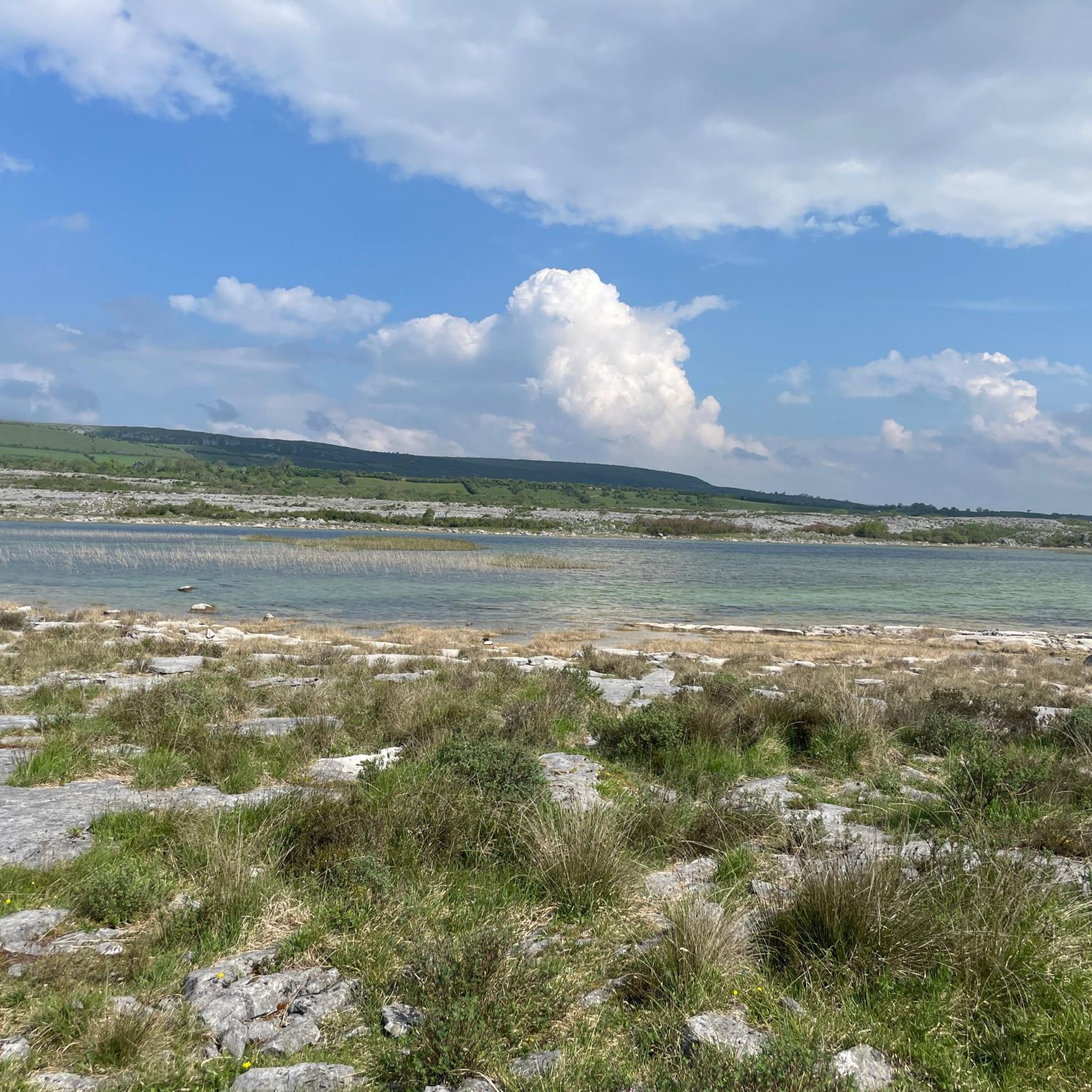
Many natural monuments in the Burren offer family-friendly experiences. Exploring the Limestone Pavement can be an adventure for children, observing fossils and unique plants. While Lough Gealáin can sometimes flood trails, it's a unique seasonal lake that can be interesting for families. Guided tours of Aillwee Cave and Doolin Cave are also popular with families, offering an exciting glimpse into the subterranean world. Remember to check specific trail conditions, especially after rain, as some paths can be slippery.
What are the best times to visit the natural monuments in Burren National Park?
The Burren's natural monuments are beautiful year-round, but spring and summer (April to August) are particularly vibrant. During these months, the unique flora, including orchids and wildflowers, is in full bloom, especially on sites like Mullaghmore Hill and Slieve Carran Nature Reserve. While the landscape is stunning in all seasons, be prepared for potentially wet and slippery conditions on limestone paths, particularly during autumn and winter.
What outdoor activities can I do near these natural monuments?
The area around Burren National Park offers a variety of outdoor activities. You can find numerous hiking trails, such as the 'Orientation for hikers loop from Glenroe ED' which is an easy 3.1 km route. For mountain biking, consider routes like the 'Slieve Carran to Termon Hill — Keelhilla Nature Reserve loop' (23.7 km, moderate). Road cycling enthusiasts can explore routes like 'View of the Burren – Orientation for hikers loop from Carran' (26 km, moderate). You can find more details on these activities and routes in the respective guides for MTB Trails, Easy Hikes, and Road Cycling Routes around Burren National Park.
Are there any natural monuments with historical or cultural significance?
Yes, some natural monuments hold historical and cultural significance. Lough Avalla Holy Well and Rag Tree is a sacred site featuring a natural underground spring. Visitors often leave tokens on the 'rag tree' and drink from the well, continuing ancient traditions. The presence of ancient bear remains in Aillwee Cave also adds a historical and ecological dimension to its natural wonder.
What do visitors enjoy most about exploring the natural monuments in Burren National Park?
Visitors frequently highlight the unique and otherworldly beauty of the landscape, often describing it as 'a hike on the moon.' They appreciate the sense of solitude and the opportunity to connect with Ireland's ancient geological past. The distinctive limestone formations, the rich diversity of rare plants, and the panoramic views from elevated points like Mullaghmore Hill are often mentioned as highlights. The well-marked trails, even if rocky and sometimes challenging, contribute to a rewarding experience.
Are there any hidden natural gems or less-known spots to discover?
While many natural monuments are well-known, the vastness of the Burren allows for discovery. The 'Spiral Hills of Burren National Park' are noted for their unique arrangement of stones that resemble a spiral mountain, offering unusual views. Exploring the less-trafficked areas of the Limestone Pavement or seeking out specific turloughs during different seasons can also reveal unique and tranquil natural beauty away from the main routes.
What should I be aware of regarding accessibility and terrain when visiting the natural monuments?
The terrain around the natural monuments in Burren National Park is predominantly rocky, characterized by limestone pavements. While many paths are not excessively steep, the uneven surfaces and 'grikes' require careful footing. Some trails, like those around the Limestone Terraces of Burren National Park, can be challenging and require climbing in places. When wet, the stones can become very slippery, so appropriate footwear is essential. Some sites, such as Lough Avalla Holy Well, are not wheelchair accessible due to gravel roads and uneven ground.
Most popular routes around Burren National Park
Most popular attractions around Burren National Park

Get inspired with the komoot mobile app


