East Caithness Cliffs Marine Protected Area
East Caithness Cliffs Marine Protected Area
Top 3 Natural Monuments around East Caithness Cliffs Marine Protected Area
Best natural monuments around East Caithness Cliffs Marine Protected Area are characterized by dramatic coastal scenery and geological formations. The area features weathered sandstone cliffs, some rising to 150 meters, sculpted by the sea. These natural features provide critical habitats for diverse ecosystems, including significant seabird populations. The region's status as a Marine Protected Area and Special Protection Area highlights its ecological importance.
Top natural monuments around East Caithness Cliffs Marine Protected Area
- The most popular natural monument is Stack…
Last updated: September 30, 2026
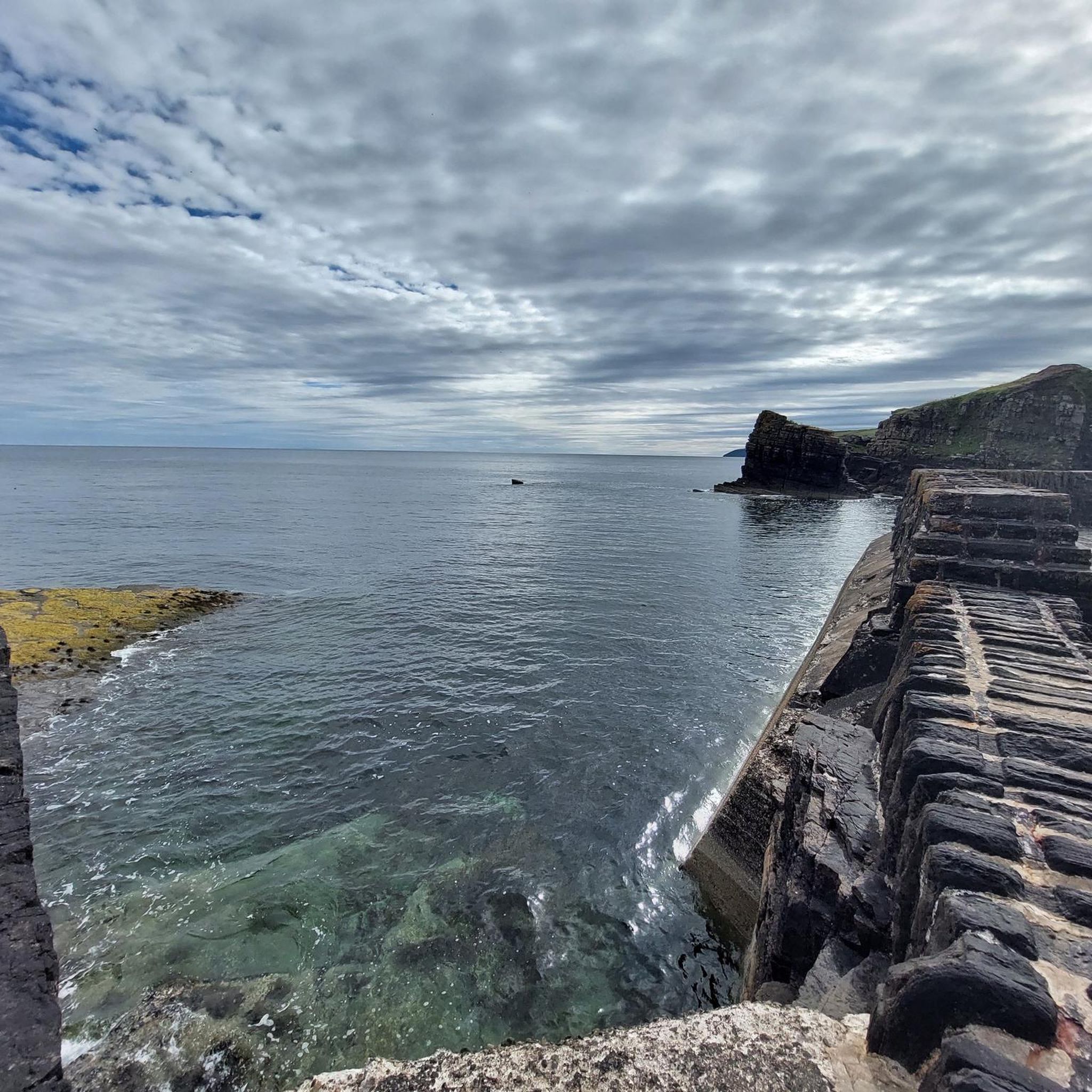
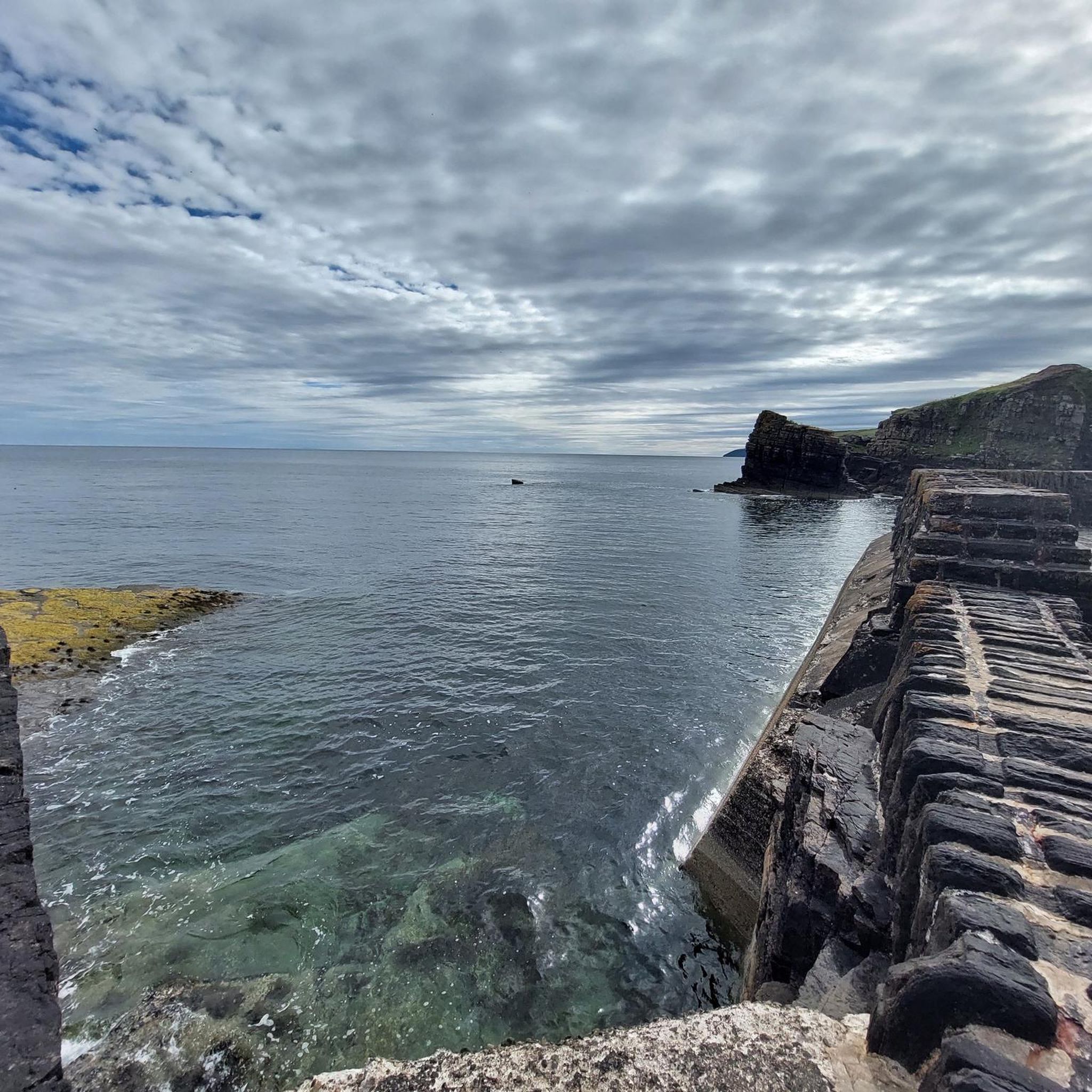
Whaligoe Steps
Highlight • Structure
Translated by Google •
Tip by

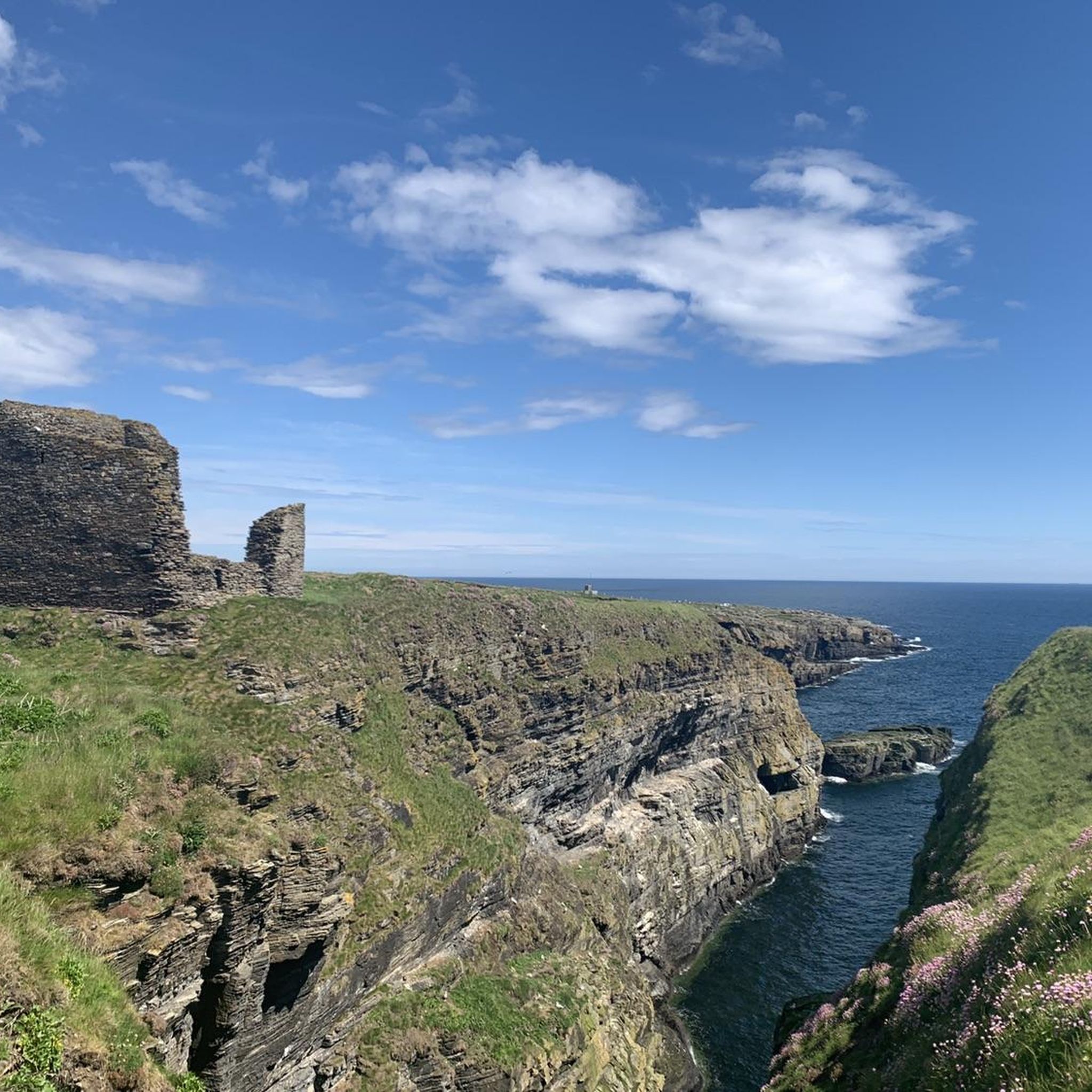
Old Wick Castle
Highlight • Castle
Tip by

Sign up now to discover places like this
Get recommendations on the best single tracks, peaks, & plenty of other exciting outdoor places.
Stack o' Brough Natural Arch
Highlight • Natural Monument
Tip by

Geo and Sea Arch at Duncansby Head
Highlight • Natural Monument
Translated by Google •
Tip by
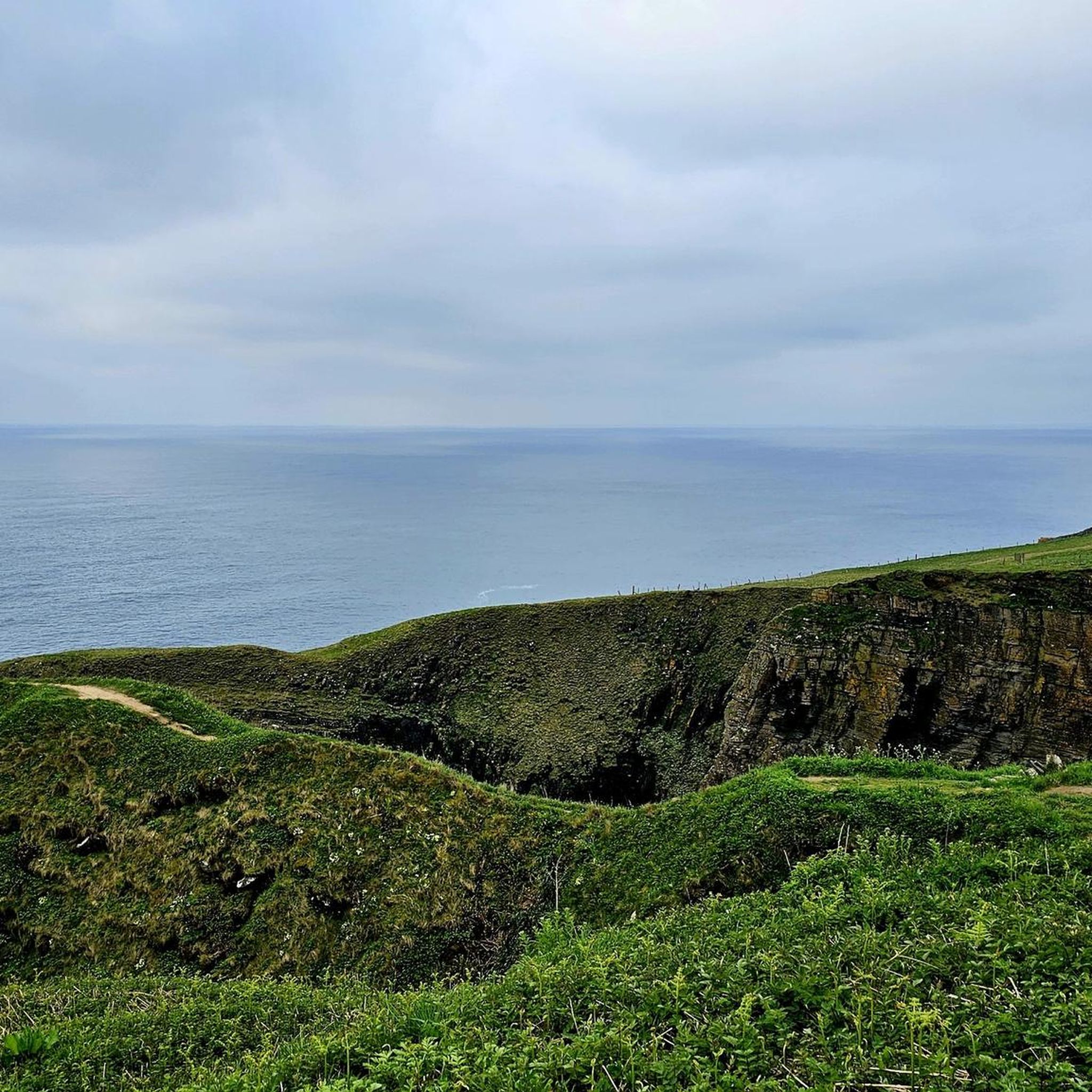
Wester Whale Geo Natural Arch
Highlight • Viewpoint
Tip by
Start today with a free account
Your next adventure awaits.
Popular around East Caithness Cliffs Marine Protected Area
Tips from the Community

Not much to see anymore, but you can get in.
0
0
A very steep staircase leads down. Unfortunately, no lift back up.
0
0

One of the most beautiful formations in Caithness
0
0

The stairs are quite steep, so you should not be afraid of heights.
0
0

The path to the viewpoint is now very easy, you no longer have to go around the valley (there is a comfortable path with wooden steps and a bridge). However, there can be a nasty wind at the top of the ledge, there are no railings!
0
0

... and the time aspect should not be underestimated! 😅😵💫
0
0

A unique geological formation in East Caithness, the Wester Whale Geo has been an inspiration for many over the decades with its green arch over the sea.
1
0
Locally known as "Scorrie's Island", the Stack o'Brough is a unique, tall rock rising out of the North Sea, with its' defining characteristic being the large tunnel hole from front to back.
0
0
Frequently Asked Questions
What are some of the most striking natural monuments to visit in the East Caithness Cliffs Marine Protected Area?
The region boasts dramatic coastal formations. A must-see is the Stack o' Brough Natural Arch, locally known as "Scorrie's Island," which features a unique tunnel-like arch. Another impressive sight is the Geo and Sea Arch at Duncansby Head, where the sea has carved out remarkable niches and arches, providing nesting grounds for seabirds. Don't miss the Wester Whale Geo Natural Arch, known for its distinctive green arch over the sea.
What geological features define the natural monuments in this area?
The natural monuments in the East Caithness Cliffs Marine Protected Area are primarily defined by its weathered sandstone cliffs, which can reach heights of up to 150 meters. The powerful action of the North Sea has sculpted these cliffs into dramatic sea stacks, arches, and geos (cliff niches), showcasing significant geological erosion and creating unique formations like the Stack o' Brough and the arches at Duncansby Head.
Are there hiking trails to explore the natural monuments?
Yes, there are numerous hiking opportunities to explore the natural monuments. You can find various routes, from easy strolls to more challenging paths, that lead to viewpoints overlooking these formations. For detailed hiking routes, including distances and difficulty levels, refer to the Hiking around East Caithness Cliffs Marine Protected Area guide.
What are the difficulty levels of trails around these natural monuments?
The trails vary in difficulty. For example, the path to the Whaligoe Steps is considered challenging due to its 330 steep steps. Many coastal paths offering views of the natural arches and geos are intermediate, requiring sturdy shoes and awareness of the terrain. You can find easy walks as well, such as the "Etta B. Juhle Memorial Plaque – Whaligoe Steps loop" which is an easy 1.4 km route.
Can I find family-friendly walks near the natural monuments?
Yes, there are family-friendly options available. While some coastal paths can be rugged, shorter, easier walks exist. For instance, the "Dunbeath Village to Dunbeath Broch via Dunbeath Strath Heritage Trail" is an easy 2.1 km walk. Always check the specific trail details for suitability with children and ensure appropriate footwear.
What kind of wildlife can I expect to see around the natural monuments?
The East Caithness Cliffs Marine Protected Area is a vital habitat for internationally important seabird populations. Visitors can expect to see large concentrations of breeding seabirds such as black guillemots, razorbills, kittiwakes, fulmars, and common guillemots, especially during nesting season. The dramatic cliffs provide ideal nesting sites, making it an excellent spot for birdwatching.
When is the best time to visit the East Caithness Cliffs Marine Protected Area for natural monuments?
The best time to visit is generally from late spring to early autumn (May to September) when the weather is milder and the days are longer. This period also coincides with the seabird breeding season, offering spectacular wildlife viewing opportunities. Be prepared for changeable weather conditions typical of coastal Scotland, regardless of the season.
How can I get to the natural monuments using public transport?
While public transport options exist, they may not directly reach all natural monuments. Buses serve some of the nearby towns like Wick, Helmsdale, and Dunbeath. From these points, you might need to walk or arrange local transport to reach specific sites. For walks accessible from bus stations, consult the Hikes from bus stations around East Caithness Cliffs Marine Protected Area guide.
Is parking available near the natural monuments?
Parking is generally available at or near popular access points for the natural monuments and coastal walks. For example, there is parking near the Whaligoe Steps. However, specific parking availability can vary, so it's advisable to check local information or maps for each destination before your visit.
Are the trails around the natural monuments dog-friendly?
Many coastal paths and trails in the East Caithness Cliffs area are dog-friendly, but it's crucial to keep dogs on a lead, especially near cliff edges and during the seabird breeding season (typically April to July) to protect nesting birds and livestock. Always clean up after your dog and respect local signage.
What do visitors particularly enjoy about the natural monuments here?
Visitors are consistently captivated by the sheer grandeur of the cliff faces and the dramatic coastal scenery. The opportunity to observe vast concentrations of breeding seabirds is a major draw. The unique geological formations, such as the tunnel-like arch of the Stack o' Brough Natural Arch, are often highlighted as visually impressive and memorable experiences.
Are there options for other outdoor activities besides hiking?
Beyond hiking, the region offers opportunities for road cycling, allowing you to explore the coastal landscapes and nearby towns. You can find various routes, from moderate to difficult, that traverse the area. For cycling routes, check out the Road Cycling Routes around East Caithness Cliffs Marine Protected Area guide.
Are there cafes or places to eat near the natural monuments?
While direct amenities at every natural monument might be limited, you can find cafes, pubs, and accommodation in nearby towns and villages such as Wick, Helmsdale, Dunbeath, and Berriedale. These locations offer places to refuel and relax after exploring the coastal wonders.
Most popular routes around East Caithness Cliffs Marine Protected Area
Most popular attractions around East Caithness Cliffs Marine Protected Area

Get inspired with the komoot mobile app


Explore more
Extend your search for the best caves by checking out these guides of the top ones around East Caithness Cliffs Marine Protected Area:
