Top 20 Natural Monuments around the Ticaround theo
Best natural monuments around the Ticaround theo include diverse landscapes from verdant valleys and crystal-clear rivers to majestic mountains and serene lakes. Ticino, Switzerland's Italian-speaking canton, offers a blend of natural beauty and unique geological features. These sites provide opportunities for outdoor activities and exploration. The region's natural monuments showcase its ecological diversity and cultural heritage.
Best natural monuments around the Ticaround theo
- The most popular natural monuments is Sacro Monte of Ghiffa, a religious building and natural monument…
Last updated: June 26, 2026
Sacro Monte of Ghiffa
Highlight • Religious Site
Translated by Google •
Tip by

Guex Monument at Gotthard Pass
Highlight • Monument
Translated by Google •
Tip by

Sign up now to discover places like this
Get recommendations on the best single tracks, peaks, & plenty of other exciting outdoor places.
Sign up for free
Ticino Park
Highlight • River
Translated by Google •
Tip by

Ticino River
Highlight • River
Translated by Google •
Tip by
Sasso Corbaro Castle
Highlight • Castle
Tip by

Lake Ritom
Highlight • Lake
Translated by Google •
Tip by

Bernate Ticino Wooden Footbridge
Highlight • Bridge
Translated by Google •
Tip by

Lago di Sella
Highlight • Lake
Translated by Google •
Tip by

Locarno Camellia Park
Highlight • Natural
Translated by Google •
Tip by

Lake Cadagno
Highlight • Lake
Translated by Google •
Tip by
Sign up for free to discover even more natural monuments around the Ticaround theo.
Sign up for free
Already have an account?
Start today with a free account
Your next adventure awaits.
Login or Signup
Popular around Ticino
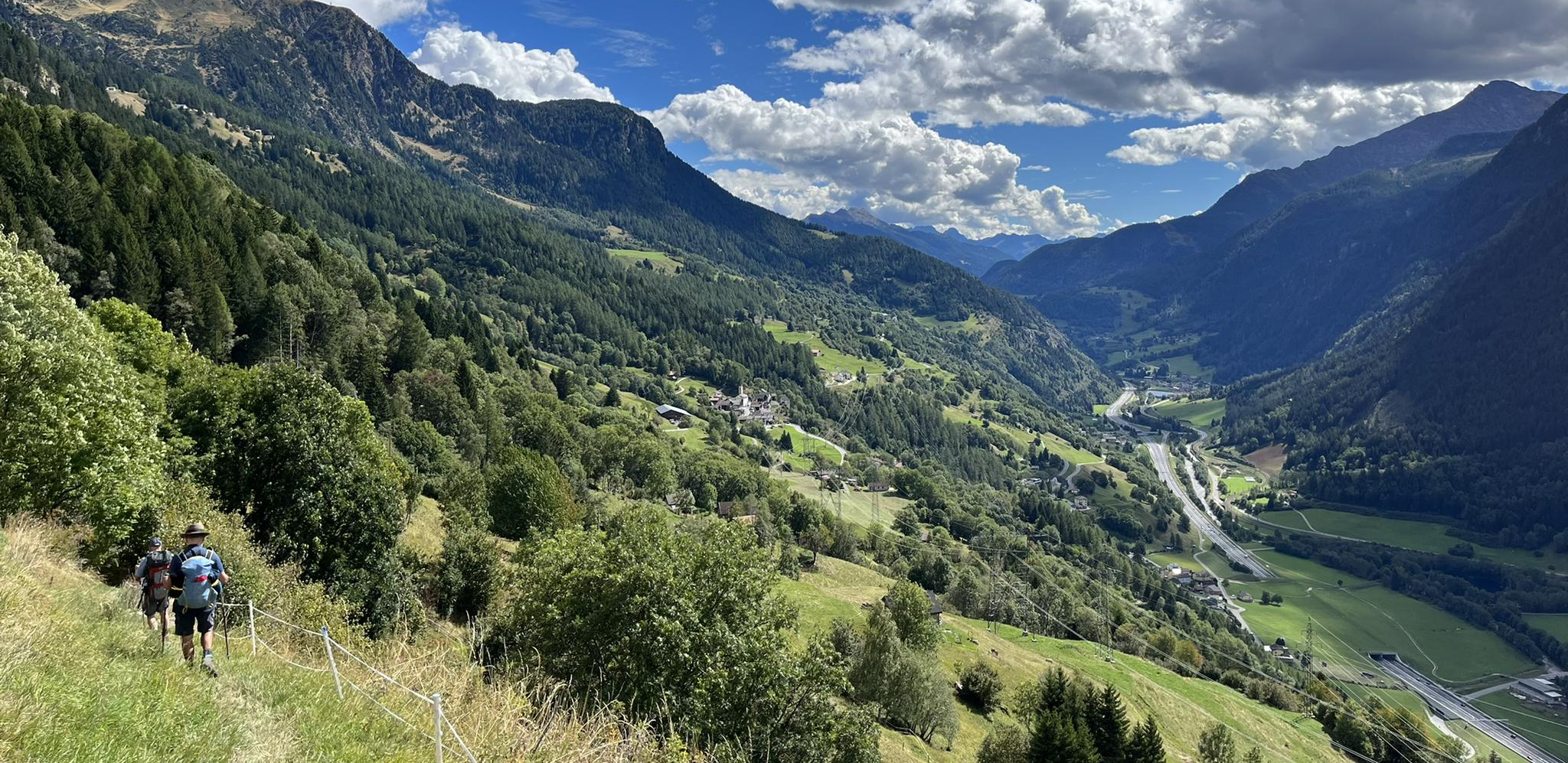
Strada alta – Hiking in the sun terrace of Switzerland
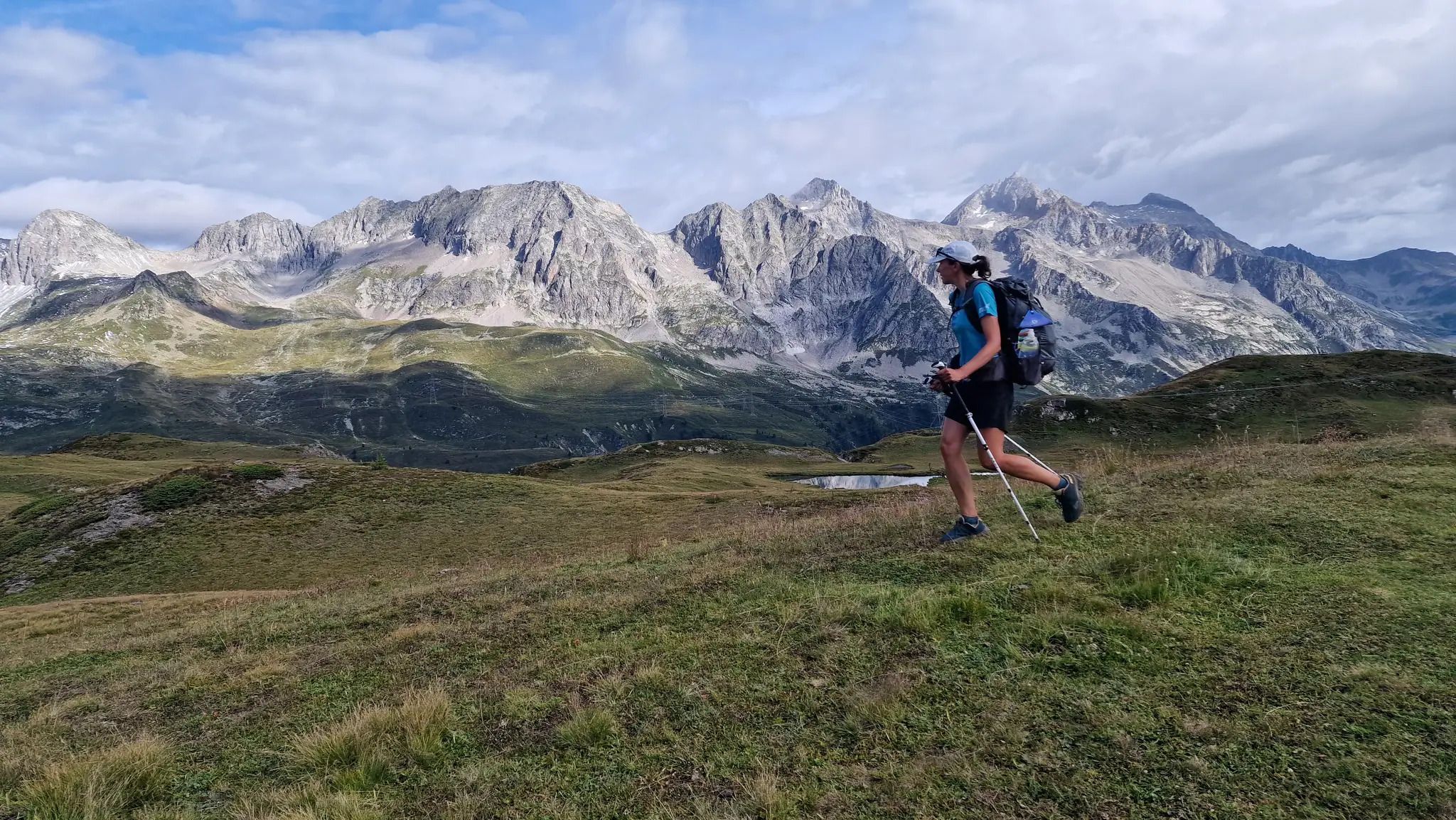
Alpine Passes Trail – hiking 700km across Switzerland
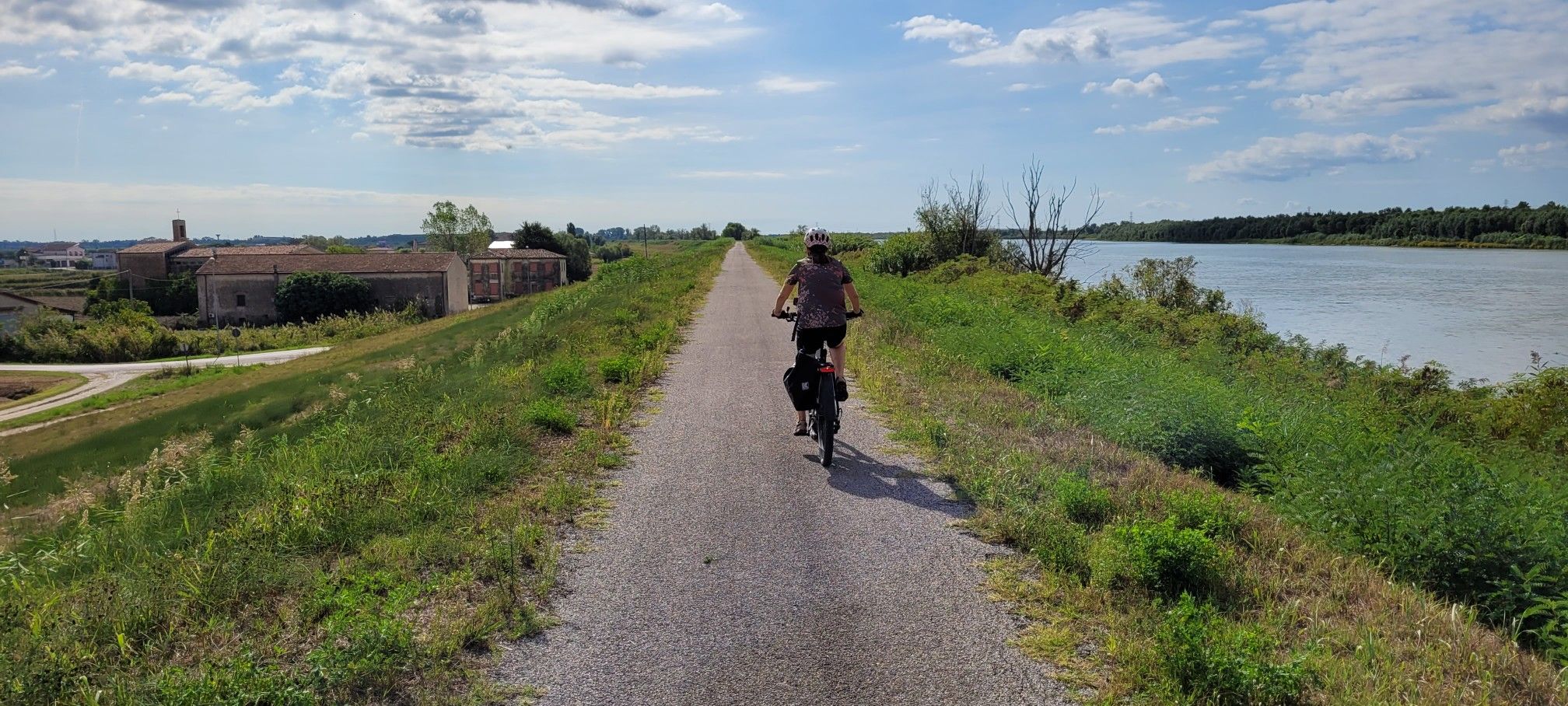
Ciclovie del Po — An all-round experience along Italy's longest river
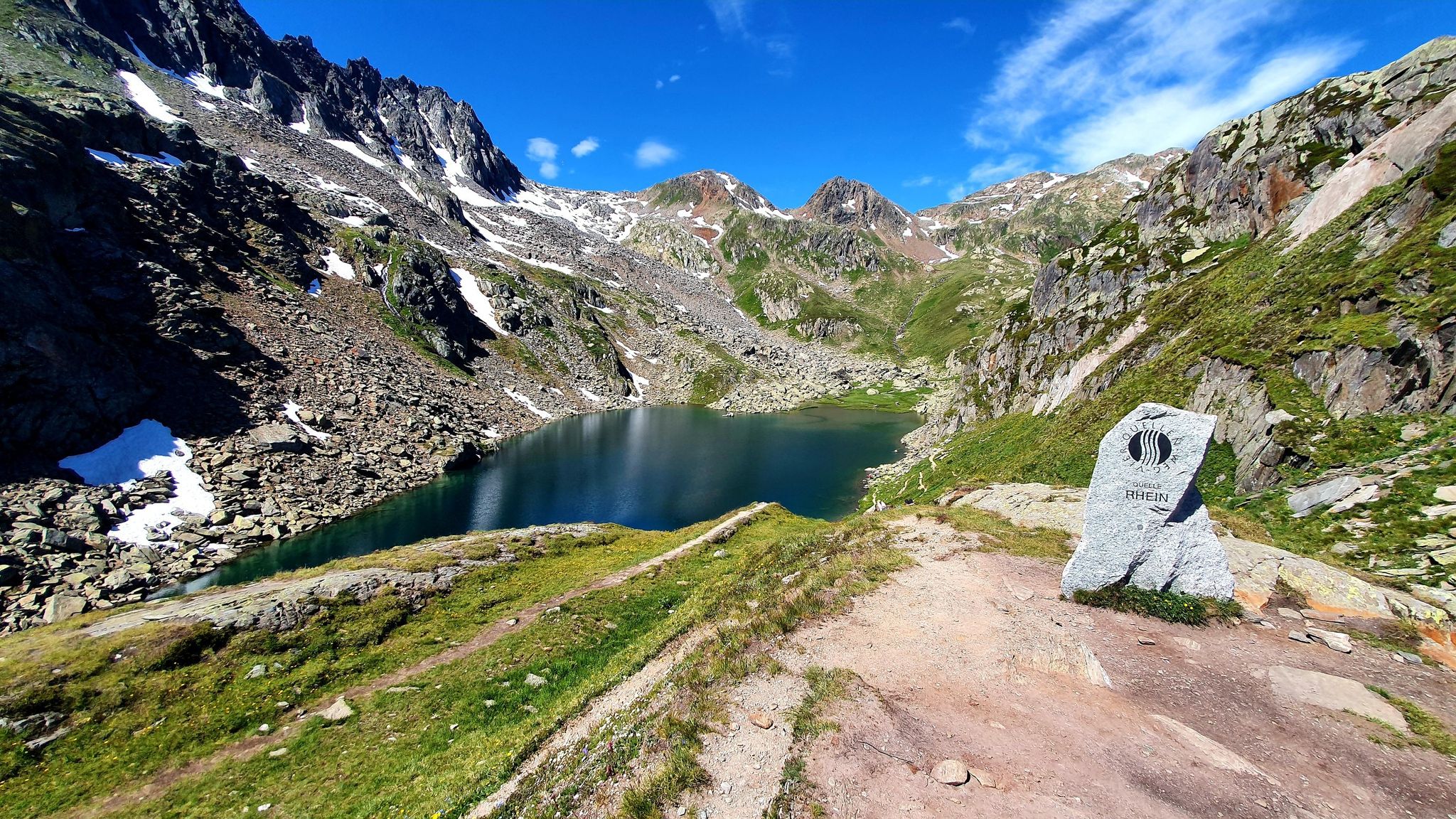
Four Springs Trail — Find flow in Switzerland's Gotthard Massif
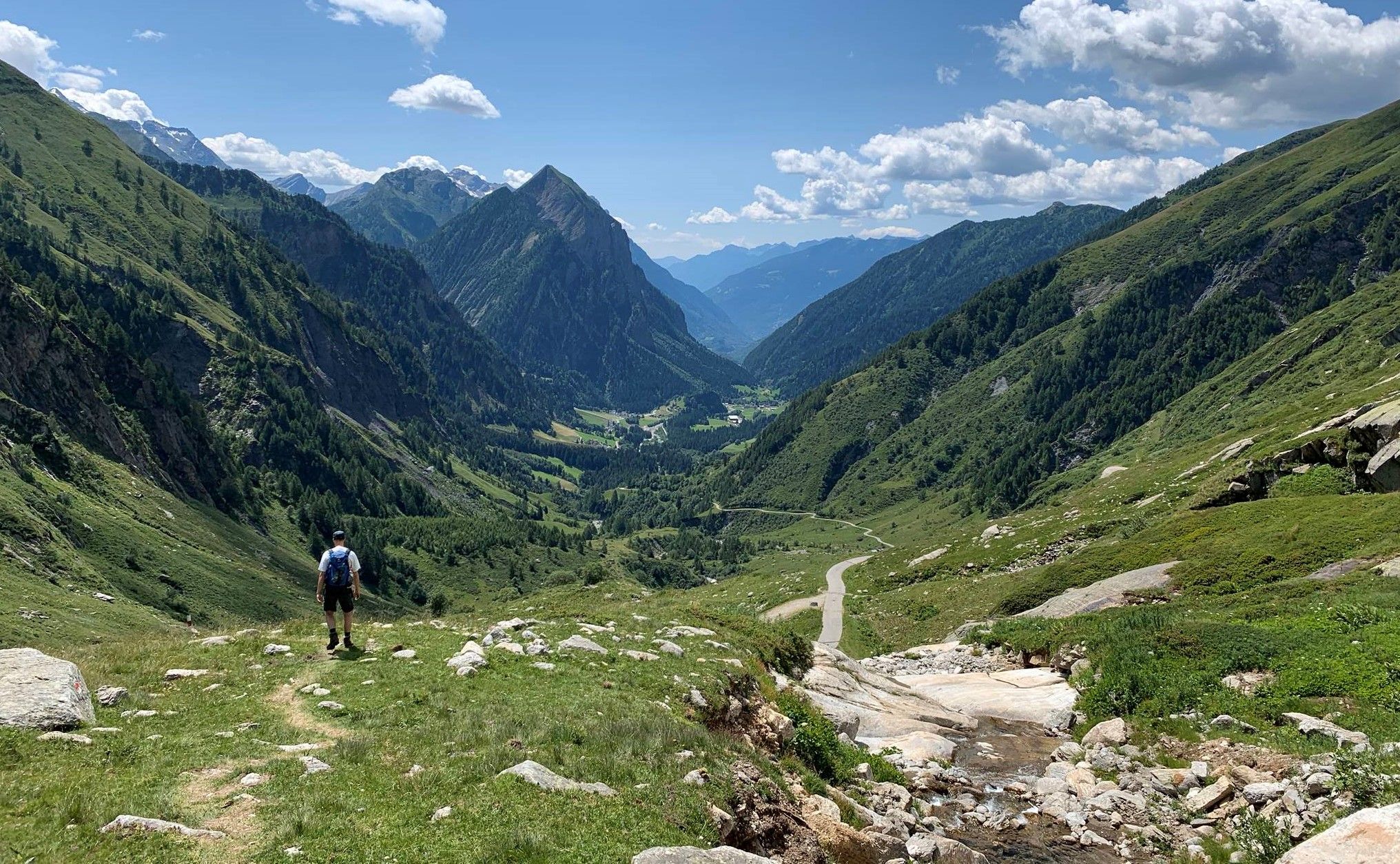
Alpine Passes Trail in Switzerland – 34 stages of pure mountain fun
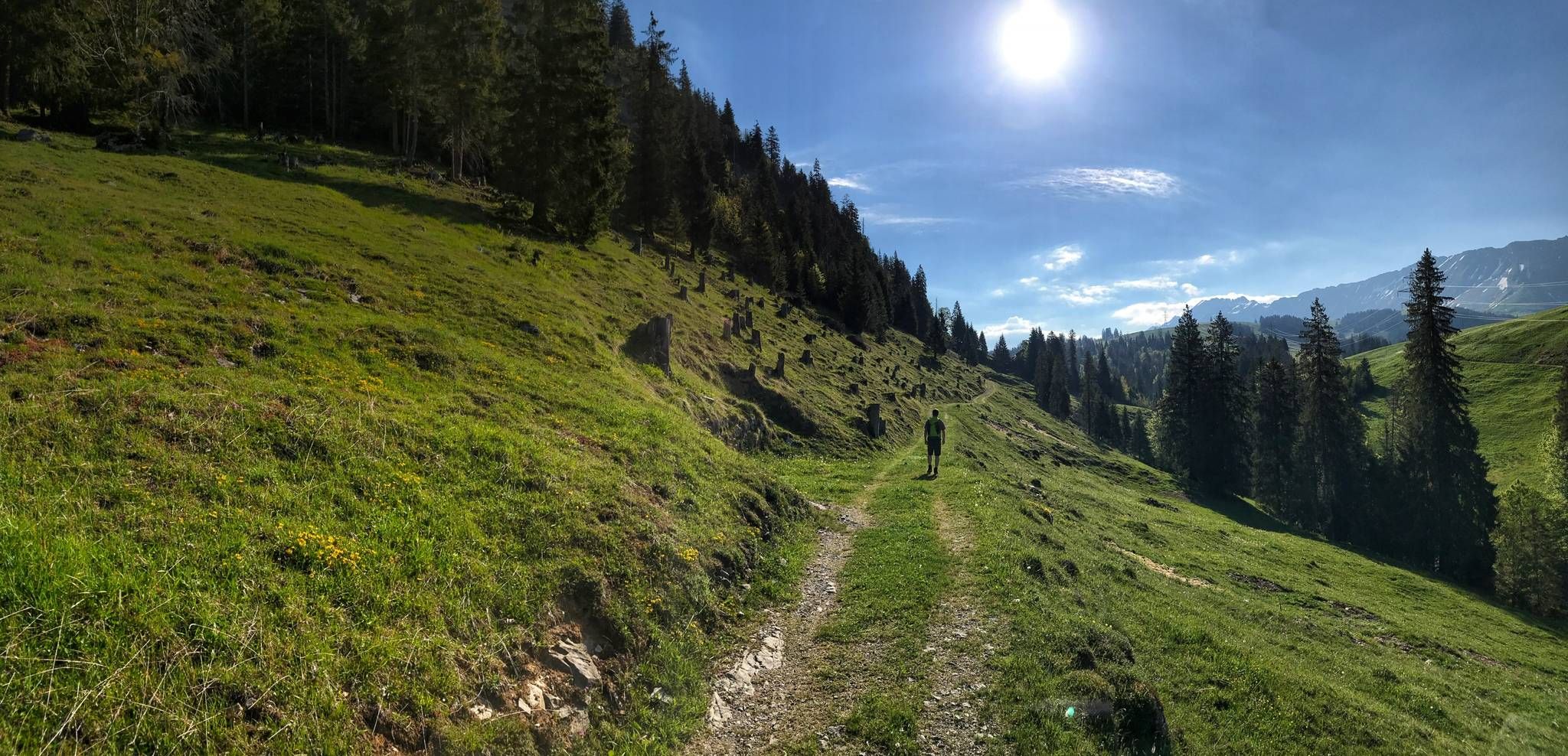
Trans Swiss Trail – Hiking across Switzerland
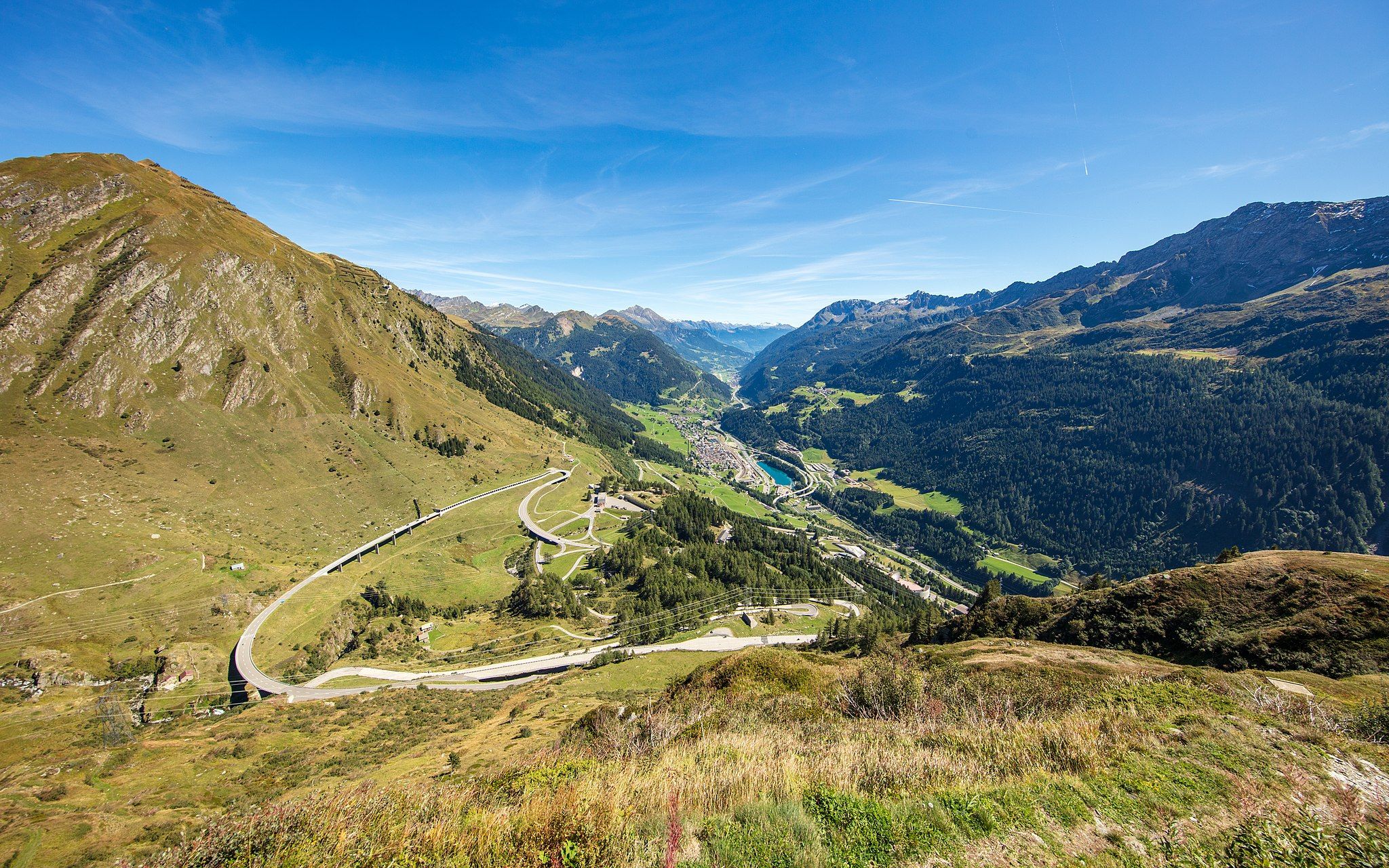
Via Gottardo – Following historic trails
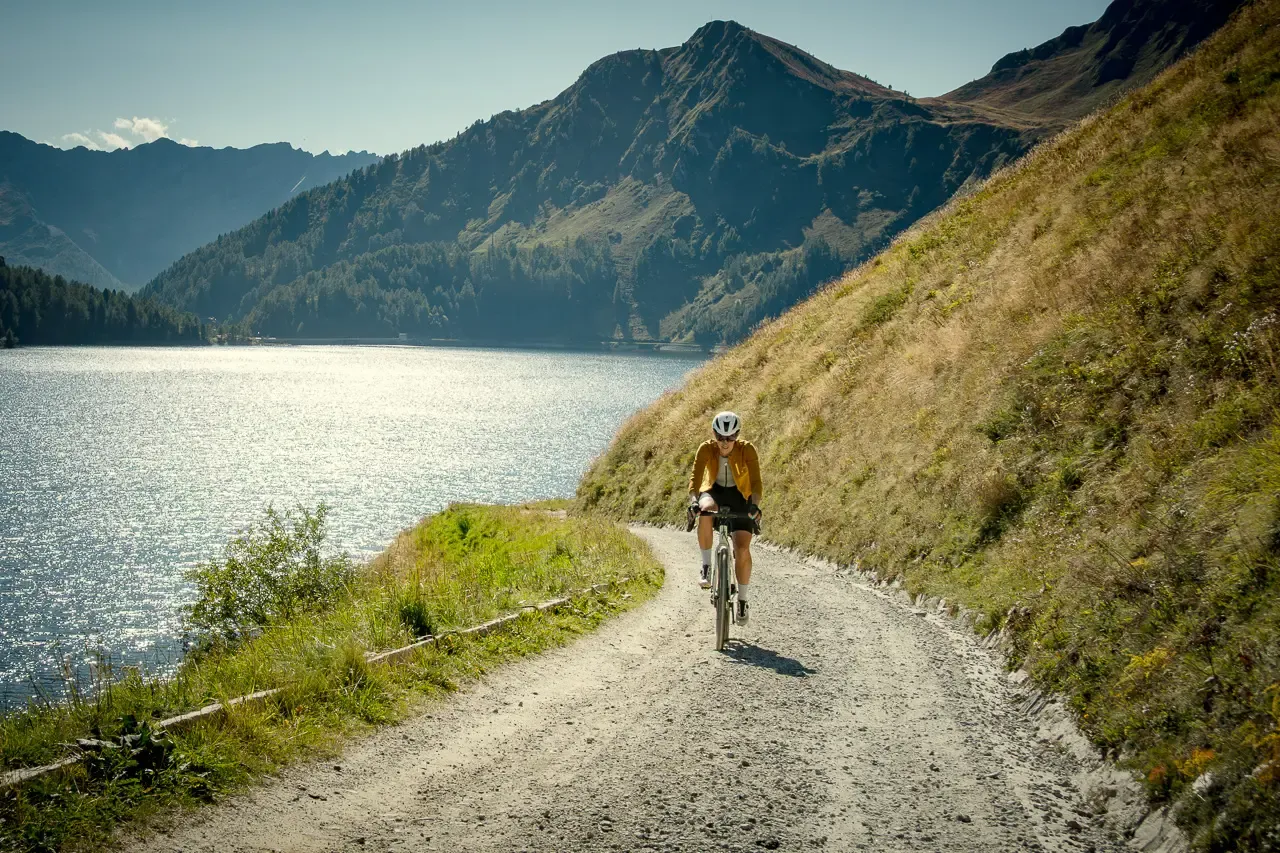
Ticino hut-to-hut: a 3-day alpine gravel escape

Every cycling trip is a little holiday – bike to work Challenge 2026
On the hunt for crystals and alpine lake magic – Gotthard Crystal Trek
Other adventures around the Ticaround theo


Tips from the Community


St. Gotthard Pass The Gotthard Pass divides waterways and connects various cultural and linguistic areas. Its significance as an "Alpine transversal" began at the beginning of the 13th century with the construction of the legendary Devil's Bridge in the Schöllenen Gorge. For many centuries, trade caravans (trading cattle and cheese for grain, wine, rice, and salt), mercenaries, messengers, and even entire armies crossed the pass. Between 1818 and 1836, the canton of Uri, with the help of other cantons, expanded the pass road, thus achieving its predominance among Swiss Alpine passes. The Gotthard Pass has significantly shaped the economy and culture of Central Switzerland for centuries. Until the opening of the Gotthard Railway in 1882, the Gotthard Pass was also used in winter. Dozens of roadmen and shovel workers were employed for this purpose. In 1922, the post bus replaced the stagecoach, and with the introduction of gasoline duties in 1923, the expansion of the pass roads began, continuing to this day. The old pass road on the south side, the Tremola between the top of the pass and Airolo, is still preserved and passable. This stretch of road recalls more tranquil journeys over the Gotthard that occurred not so long ago. In the 19th and 20th centuries, the Gotthard Pass was "condensed" into a myth, a symbol of Switzerland's independence, unity, and identity. Text / Source: Interest Group for Alpine Passes IAP, PO Box 11, 6491 Realp https://alpen-paesse.ch/de/alpenpaesse/gotthardpass
15
1

The Camellia Park in Locarno was opened after the World Congress of the International Camellia Society in 2005 and displays countless camellias in all colors and shapes. The park is open during the day and can be visited without an entrance fee.
2
0

There are also fallen trees along the path and it is necessary to get off and carry the bike by hand.
0
0

very pretty here, very pretty
2
0

Perched on one of the most evocative panoramas of Lake Maggiore, the smallest of the sacred mountains of Piedmont offers a breathtaking view of the Lombard pre-Alps. Among chestnut woods and an ancient archaeological path, there are the sanctuary, three chapels dedicated to the Incoronata, to San Giovanni Battista and to Abraham, and the eighteenth-century portico of the Via Crucis. The unique atmosphere, the mild climate and the beauty of the lake make it an enchanting and fascinating destination.
4
0

Special features of the city are life, especially nature.
1
1
Frequently Asked Questions
What unique natural features can I explore in Ticino's natural monuments?
Ticino offers a diverse range of natural features. You can discover the emerald-green waters and polished rock formations of Valle Verzasca, often called the 'Jewel of Ticino's Natural Beauty'. The Vallemaggia, or 'Magic Valley', features crystal-clear rivers, impressive waterfalls like Foroglio, and unique beech forests in Valle di Lodano, a UNESCO World Heritage Site. Additionally, the Muggio Valley boasts diverse ecosystems from alpine pastures to traditional chestnut groves and the Breggia Gorge Park.
Are there any natural monuments in Ticino that are particularly family-friendly?
Yes, several natural monuments in Ticino are great for families. Lago di Sella, a reservoir east of the Gotthard Pass, offers hiking trails suitable for families. The Ticino River area also has family-friendly sections. For a more relaxed experience, the Locarno Camellia Park is a beautiful garden with lake views, perfect for all ages. The Bolle di Magadino Nature Reserve also provides accessible trails for families.
What historical or cultural sites are integrated with Ticino's natural monuments?
Ticino's natural beauty often intertwines with rich history. The Sacro Monte of Ghiffa is a religious building and natural monument offering stunning views of Lake Maggiore, featuring a sanctuary, chapels, and an ancient archaeological path. The Sasso Corbaro Castle, a UNESCO World Heritage Site near Bellinzona, provides a glimpse into medieval history with panoramic views. The Valle Verzasca also features the iconic 17th-century Ponte dei Salti and charming traditional villages like Lavertezzo and Sonogno.
What outdoor activities can I enjoy near these natural monuments?
The natural monuments in Ticino are excellent starting points for various outdoor activities. You can find numerous hiking opportunities, from leisurely strolls to challenging alpine ascents, especially in Vallemaggia and Muggio Valley. The Valle Verzasca is popular for hiking, canyoning, and swimming in its emerald pools. For cycling enthusiasts, there are gravel biking routes around the region, including the 'Alpi Bedretto Gravel Tour' and the 'Lake Maggiore Family Tour'. You can explore more options like waterfall hikes and easy hikes by visiting the Waterfall hikes around the Ticaround theo or Easy hikes around the Ticaround theo guides.
Are there specific hiking trails or routes recommended near Ticino's natural monuments?
Yes, many natural monuments are surrounded by excellent trails. For example, you can enjoy a circumnavigation of Lake Ritom, which is relatively easy and can be combined with detours to Lago Cadagno or Lago Tom. The Muggio Valley offers a well-maintained network of hiking trails through diverse ecosystems. For more options, check out the Easy hikes around the Ticaround theo guide, which includes routes like the 'Walk in Verbania on Lake Maggiore' and the 'Parco delle Camelie e delta del Maggia da Locarno – loop tour'.
What is the best time of year to visit Ticino's natural monuments?
Ticino's natural monuments offer beauty throughout the year, but the best time often depends on your preferred activities. Spring (April-May) brings blooming flora, especially noticeable at the Locarno Camellia Park, and pleasant temperatures for hiking. Summer (June-August) is ideal for swimming in the rivers of Valle Verzasca and Vallemaggia, and for higher alpine hikes. Autumn (September-October) offers stunning fall foliage, particularly in the valleys, and comfortable temperatures for exploration. Winter can be beautiful for snow-covered landscapes, though some higher passes and trails may be inaccessible.
Where can I find panoramic views of the region's natural beauty?
For breathtaking panoramic views, Monte Generoso is an excellent choice, offering vistas that stretch from the Apennines to the Alps, encompassing valleys, lakes, and distant cities. Monte Brè, perched above Lugano, also provides spectacular views of Lake Lugano and the surrounding mountains. Additionally, the Guex Monument at Gotthard Pass offers expansive views from an altitude of 2,106 meters, connecting different cultural and linguistic areas.
Are there less crowded natural monuments in Ticino for a more tranquil experience?
For a more tranquil experience away from the main tourist hubs, consider exploring the Muggio Valley. It's recognized as one of Switzerland's most beautiful alpine valleys and is known for its peaceful atmosphere and rich biodiversity. The Valle di Lodano within Vallemaggia, a UNESCO World Heritage Site, also offers a serene experience with its unique beech forests and rare plants, often less crowded than the more famous spots.
What kind of wildlife might I encounter in Ticino's natural monuments?
Ticino's diverse ecosystems support a variety of wildlife. In the Muggio Valley, you might spot various bird species like nuthatches, magpies, and tits, as well as mammals such as chamois, wild boars, deer, and roe deer. The Valle di Lodano is also recognized for its rare plants and animals. While specific sightings are never guaranteed, these areas offer the best chances for wildlife observation in their natural habitats.
What do visitors enjoy most about the natural monuments in Ticino?
Visitors consistently praise the stunning natural beauty and diverse landscapes. Many are captivated by the emerald-green river in Valle Verzasca and the crystal-clear waters of Vallemaggia, perfect for refreshing dips. The panoramic views from peaks like Monte Generoso and Monte Brè are also highly appreciated. The blend of untouched nature, opportunities for outdoor activities, and the charm of traditional villages and historical sites like Sacro Monte of Ghiffa create a unique and memorable experience for visitors.
Are there any natural monuments that are particularly suitable for beginner hikers?
Yes, several areas offer easier trails. The circumnavigation of Lake Ritom is considered very easy, with a gravel road on the north bank. The trails around Lago di Sella are also noted as great for children or with a dog, suggesting a gentler terrain. For more options, the Easy hikes around the Ticaround theo guide provides several routes with an 'easy' difficulty grade.
Can I find cafes or refreshments near Ticino's natural monuments?
Yes, many popular natural monuments and valleys have facilities nearby. For instance, at the Gotthard Pass, you'll find restaurants and the San Gottardo hospice. Traditional villages within Valle Verzasca (like Lavertezzo and Sonogno) and Vallemaggia also offer local eateries. At Lake Ritom, there's a restaurant near the dam. Monte Generoso and Monte Brè, being easily accessible, also have visitor facilities including places to eat.
Most popular routes around the Ticaround theo
Most popular attractions around the Ticaround theo

Get inspired with the komoot mobile app


Explore more
Extend your search for the best caves by checking out these guides of the top ones around the Ticaround theo:
