Top 7 Natural Monuments around the Dnieper
Best natural monuments around the Dnieper offer a diverse range of experiences, from serene riverine landscapes to impressive geological formations. The Dnipro region features a blend of natural beauty and historical significance, with sites providing opportunities for exploration and appreciation of Ukraine's natural environment. These areas encompass unique ecosystems, ancient formations, and recreational spaces along the Dnieper River. The landscape includes significant natural and man-made landmarks that contribute to the region's character.
Best natural monuments around the Dnieper
- The most…
Last updated: May 14, 2026
Motherland Monument
Highlight • Monument
Translated by Google •
Tip by

Volodymyrska Hill Park
Highlight • Viewpoint
Translated by Google •
Tip by

Sign up now to discover places like this
Get recommendations on the best single tracks, peaks, & plenty of other exciting outdoor places.
Sign up for free
Kopys Castle Mound
Highlight • Castle
Translated by Google •
Tip by

Boris and Gleb Spring
Highlight • Natural Monument
Translated by Google •
Tip by
Lysaya Gora
Highlight • Natural Monument
Translated by Google •
Tip by
Zbarova Geological Outcrop
Highlight • Natural Monument
Translated by Google •
Tip by

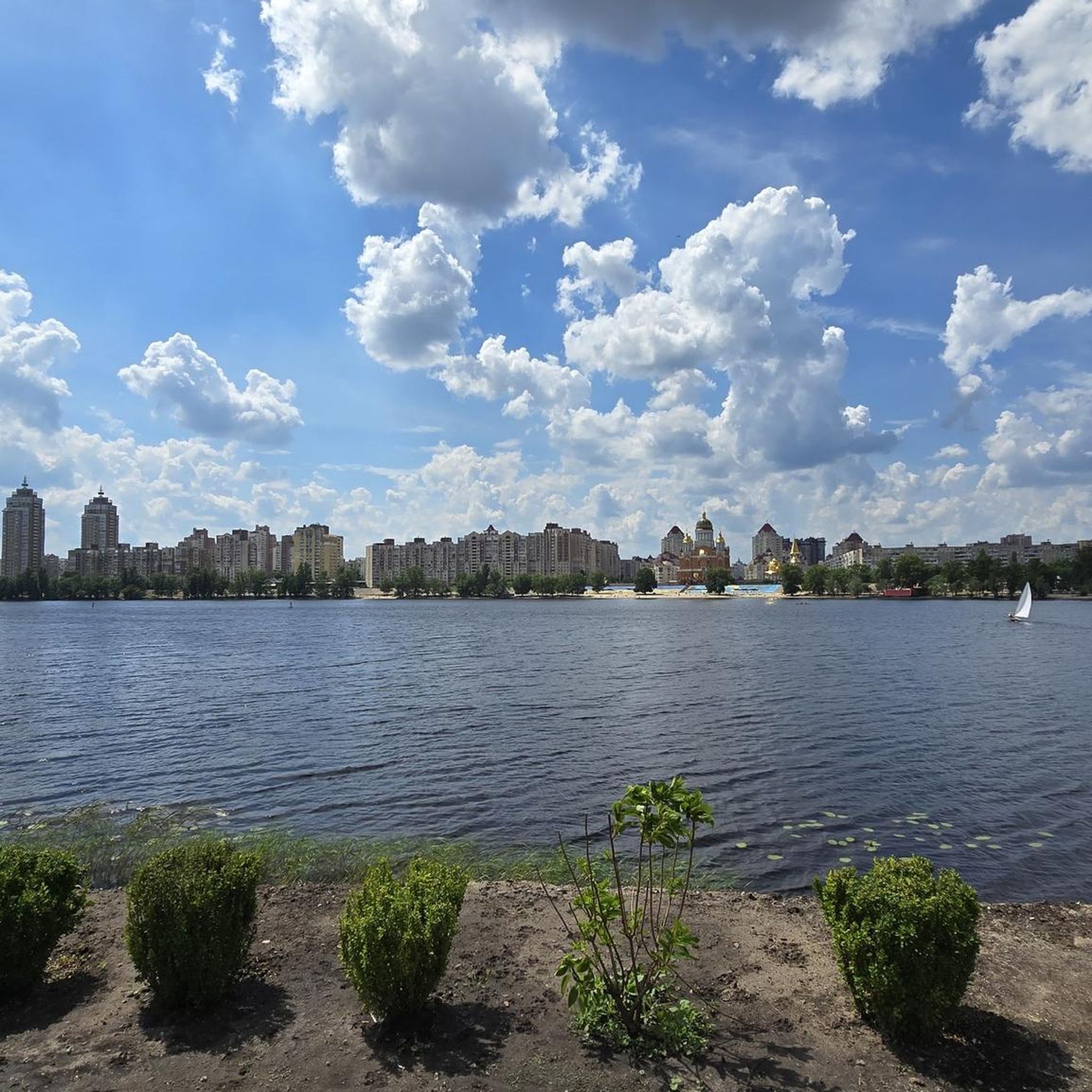
View of the Dnipro River from Kalynove Nature Reserve
Highlight • Viewpoint
Translated by Google •
Tip by

Start today with a free account
Your next adventure awaits.
Login or Signup
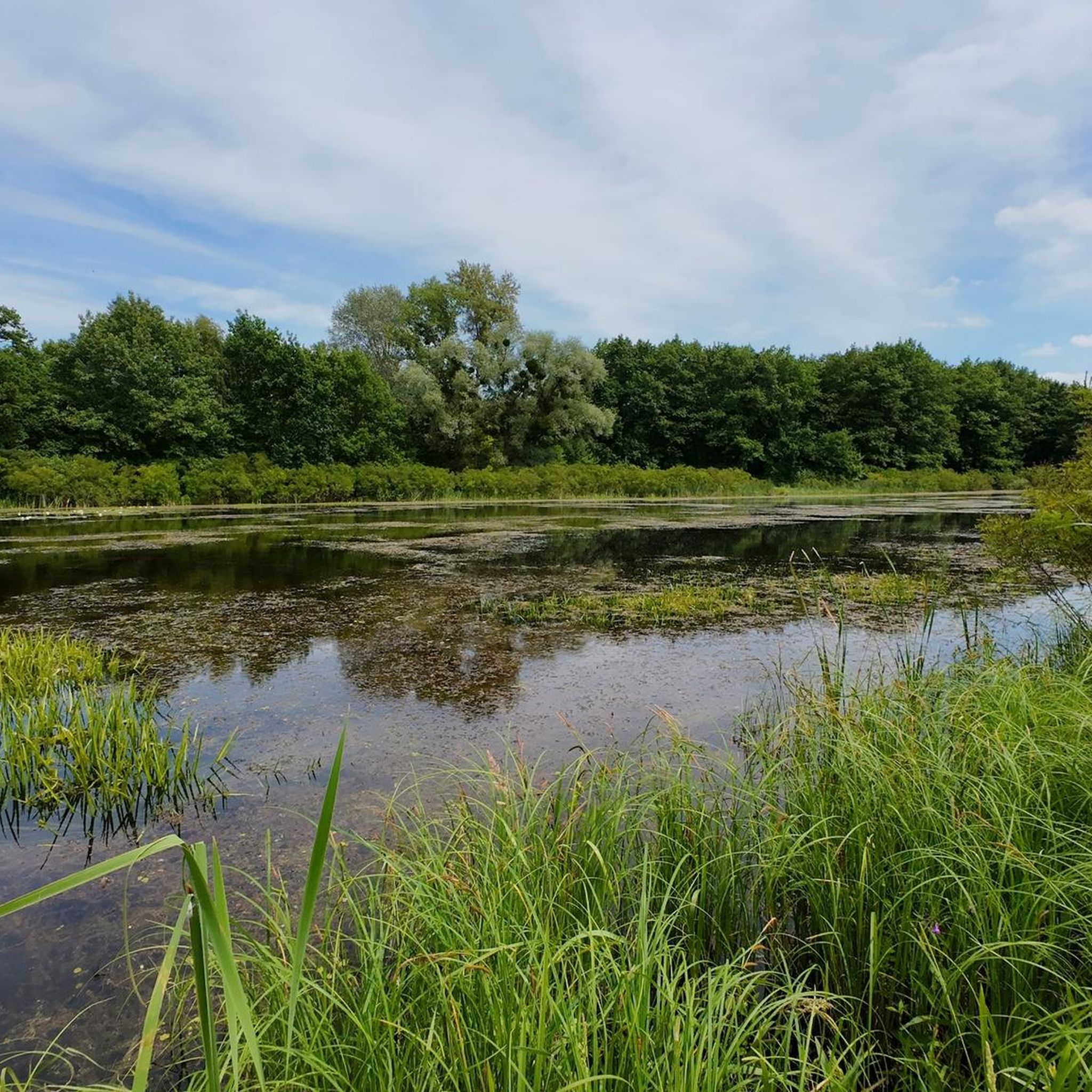
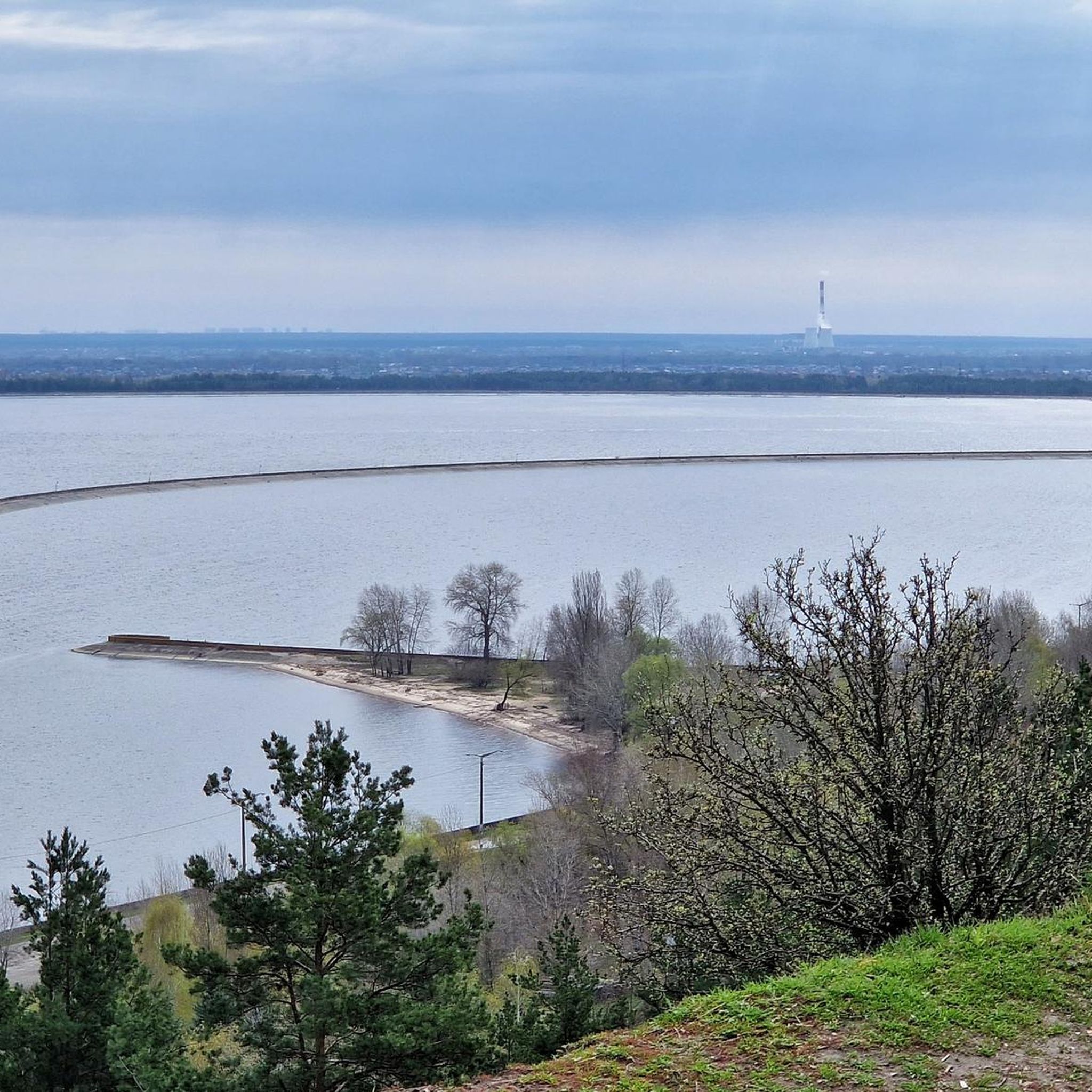
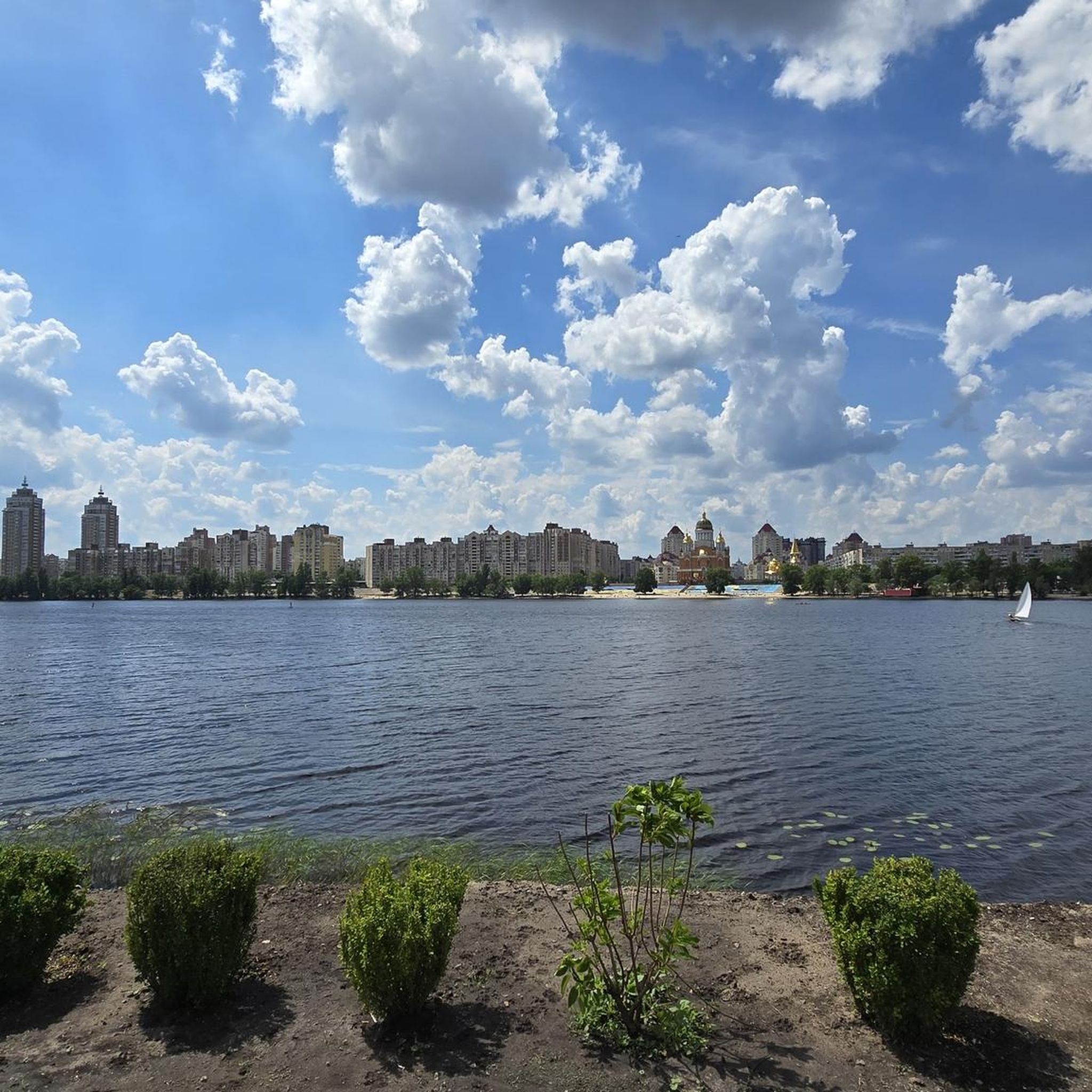
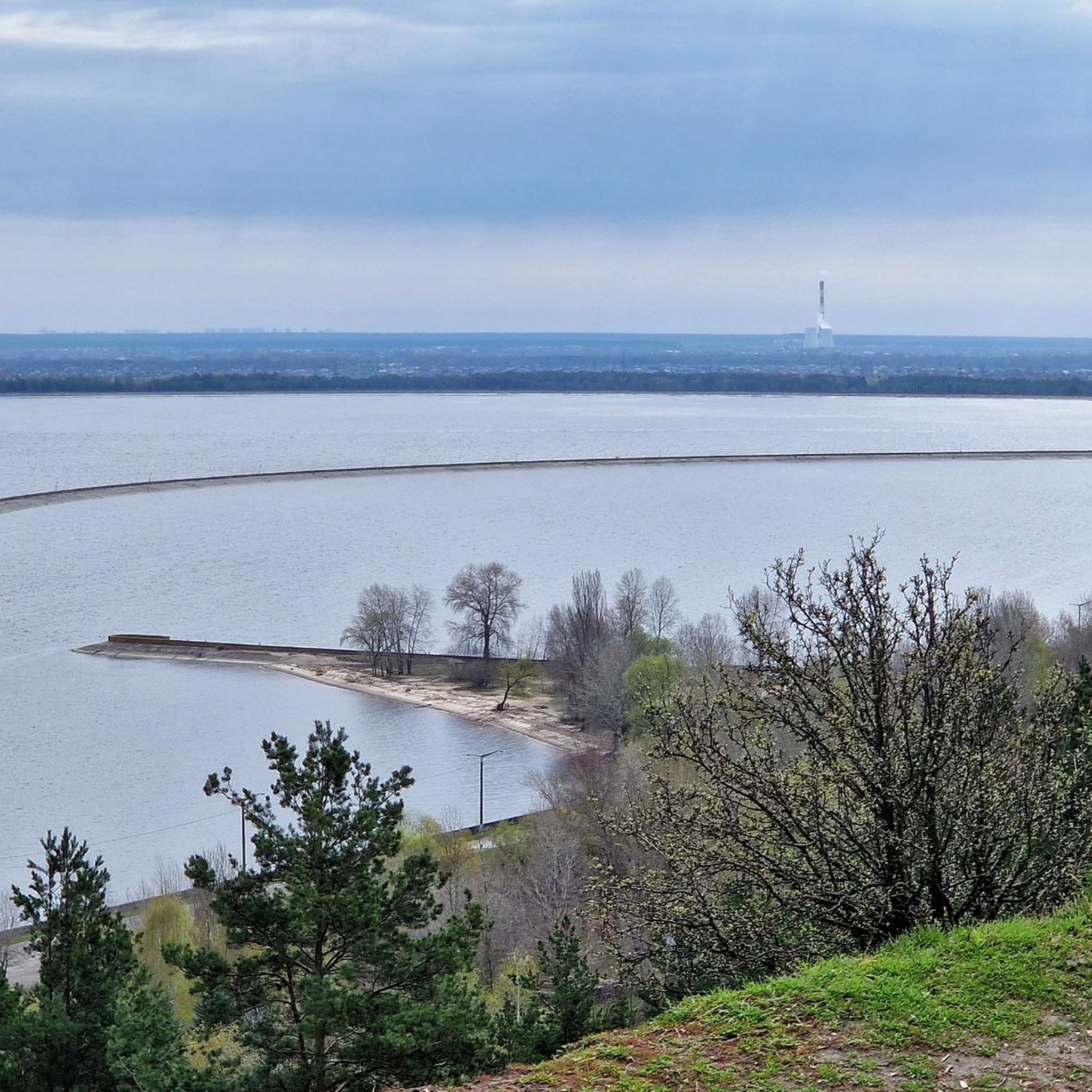

Tips from the Community

Nice place with beautiful views of Kyiv. Especially beautiful in the evening.
1
0

The first mention of Kopys was found in the Nikon Chronicle and refers to 1059. Here in the XIV-XVIII centuries. there was a castle, which, according to the inventory of 1726, consisted of an entrance tower, wooden walls and four bastions. Since 1772, the castle has not been restored and eventually collapsed. To date, only Petrovsky Val and the urban settlement have been preserved. Val is a fortified settlement of the 11th–18th centuries. has an arcuate shape with a total length of 370 m along the perimeter of the castle and reaches a height of 5 m. Petrovsky Val is an earth embankment with an ancient settlement. After reconstruction, it became an entertainment complex that attracts tourists who prefer tourism and recreation in Belarus, a venue for mass celebrations. During the Northern War, Peter I lived in Kopys, 100 meters from the castle. There are photographs showing that the emperor personally left an inscription of his stay here on the beam. The house itself has not survived, it burned down during the war. At present, a trip to the city of Kopys is included in most tourist programs aimed not only at ordinary holidays in Belarus, but also such as "Ecotourism in Belarus", "Weekend holidays in Belarus" (or "Weekend holidays in Belarus"), "Active holidays in Belarus" , "Children's holidays in Belarus" and many other programs involving tourism and recreation in Belarus.
0
0
At the beginning of the 11th century, the relics of Prince Gleb, who was killed near Smolensk, were transported along the Dnieper near the Shrine. There is a revered chapel of the holy martyrs Boris and Gleb on the graveyard of Staryye Staek. None of the village old-timers know when it was built, but several local traditions and legends are associated with the emergence of this chapel. According to one of the legends, the remains of the holy noble princes Boris and Gleb, brought here along the Dnieper, are buried under the chapel. It was the holiday celebrated in their honor that became the main local celebration and the reason why every year residents of not only Stary Staek, but also many surrounding villages and villages, as well as townspeople from Shklov, Orsha and Mogilev gather here. After the service in the chapel, according to tradition, believers are sent in a procession to the holy Borisoglebsk spring, where a water-blessing prayer service is served. According to another legend, two merchant brothers sailed along the Dnieper. A quarrel arose between them and one killed the other, who was called Boris. Here he left it, as well as gold and jewelry. The locals buried him on them and built a chapel. According to the third legend, the merchant and his son Boris sailed to the fair. But on the way, the son fell ill and died. The grieving father buried him in the cemetery of the village of Starye Staiki and erected a chapel in memory of him. According to the fourth legend, after the murder of Prince Boris, Prince Gleb hid for 5 years and lived here, right on the spring.
0
0
This is the Nizhninsky ditch, an outcrop of an interglacial peat bog. Radiocarbon analysis of wood fragments showed a date of more than 50 thousand years. The age of the fault itself is 500-700 million years. In terms of representation, power and structural features, the Nizhninsky Rov is significantly superior to similar facilities in other regions of Northern Eurasia and North America. The highest point of the moat is Bald Mountain, its height is more than 30 meters, and the city is perfectly visible from there. A waterway passed by the bald mountain, which in the annals was called "from the Varangians to the Greeks."
0
0

One of the best observation decks in Kyiv. Lots of gazebos. The park has two levels - the upper level around St. Michael's Cathedral, the lower - near the monument to Vladimir the Great.
1
0

Mother Motherland (Ukrainian: Батьківщина-Мати, Russian: Родина-мать) - a monumental monument standing in Kiev, in the Pechersk district. It is part of the Museum of the History of Ukraine in World War II. The statue is made of stainless steel, its height is 62 m, while the whole including the pedestal is 102 m high. The weight of the sculpture is 560 tons. The sword held in the right hand of the sculpture is 16 meters long and weighs 9 tons, while the left hand holds a shield measuring 13x8 meters with the emblem of the USSR. Inside the pedestal there is a memorial hall, lined with marble slabs with the names of more than 11,000 soldiers and 200 workers who received the titles of Hero of the Soviet Union and Hero of Socialist Labor. In the hills around the museum, flowers and wreaths are traditionally laid. In the 1950s, in the area now occupied by the monument, it was planned to build monuments to Włodzimierz Lenin and Józef Stalin, each 200 m high. Ultimately, however, these plans were not implemented [2]. A local legend has it that in the 1970s, the sculpture designer Yevgeny Vuczetich was on a cruise with a group of Kiev communist dignitaries who decided that the high slopes of the Transnistrian region were a perfect place to build a war memorial. In addition, the tall building was to overshadow the nearby Pechersk Lavra. https://pl.wikipedia.org/wiki/Matka_Ojczyzna https://www.youtube.com/watch?v=f8rgMXByR9k
3
0

Even without a ticket there is a lot to see here. Sculptures and memorials in the area under the Motherland Statue, where the entrance to the museum is, tanks and military equipment in the near area around the square.
3
0

The Mother Homeland Statue (Ukrainian Батьківщина-Мати Batkivshchyna-Maty, Russian Родина-мать Rodina-mat) in the Ukrainian capital Kiev is a colossal statue that was erected in the Soviet Union to commemorate the victory of the Soviet armed forces in the Great Father . The first model of the statue was made by the sculptor Yevgeny Vuchetich. After his death in 1974, the Ukrainian sculptor Wassyl Borodaj (1917-2010) continued the project. The artist Halyna Kaltschenko, who died in 1975, served him as a model for the monumental sculpture. [1] The statue is made of stainless steel, has a height of 62 meters and stands on a 40-meter high pedestal on the mountainside above the Dnieper. The total height of the monument is 102 meters, the weight is 500 tons. [2] To ensure stability, there is a special mechanical construction inside. The monument forms the center of a memorial that commemorates the victory of the Red Army in World War II. The shield, on which the coat of arms of the Soviet Union is depicted, is 36 square meters and weighs 13 tons. The sword is 16 meters long and weighs nine tons. The figure was to be inaugurated on May 9, 1980, the 35th anniversary of Victory. However, there were problems with the attachment of the platform and the use of a special crane was required to erect the figure. The inauguration took place on May 9, 1981 by party leader Leonid Brezhnev. It is possible to reach a small, barred viewing platform through an arm behind the shield. To do this, you have to climb a safety rope through a narrow shaft.
0
0
Frequently Asked Questions
What types of natural landscapes can I explore around the Dnieper?
The Dnieper region offers a diverse range of natural landscapes, from serene riverine areas and islands to impressive geological formations and ancient forests. You can find sites like View of the Dnipro River from Kalynove Nature Reserve, which provides tranquil river views, or explore the unique geological outcrops such as Zbarova Geological Outcrop and Lysaya Gora. Further afield, the Dnipro-Orel Nature Reserve protects unique flooded forests and floodplain lakes.
Are there family-friendly natural monuments to visit near Dnipro?
Yes, several natural monuments are great for families. Volodymyrska Hill Park is a popular choice with observation decks and forest areas. Monastery Island, connected to Dnipro city, features sandy beaches, an amusement park, and the impressive 'Roaring Waterwall,' making it a favorite spot for all ages.
Which natural monuments have significant historical or cultural importance?
Many natural sites around the Dnieper are intertwined with history. The Motherland Monument is a monumental statue that is part of the Museum of the History of Ukraine in World War II. Kodak Quarry, located near the former Kodak fortress, offers a unique blend of natural beauty with historical remnants, including an old cemetery. Mavrinsky Maidan is an intriguing archaeological site with a distinctive earth-crab shape dating back to the 2nd millennium BC.
What outdoor activities can I do near these natural monuments?
The Dnieper region provides excellent opportunities for outdoor activities. You can find various cycling routes, including easy to moderate options like the 'Parkovy Pedestrian Bridge – Trukhaniv Island loop' or the 'Vyshhorod Embankment – Dam loop.' For hikers, there are easy trails such as 'Русанівська коса loop' or moderate ones like 'Volodymyrska Hill Park Pathway – Statue of Volodymyr the Great loop.' You can explore more routes in the Cycling around the Dnieper and Hiking around the Dnieper guides.
Are there any natural monuments with waterfalls or unique water features?
Yes, the region boasts some impressive water features. Monastery Island in Dnipro is home to the 'Roaring Waterwall,' an artificial waterfall that is 17 meters high and 20 meters wide, operating during the warm season. Further afield, the Sholokhov Cascading Waterfall (Tokovskiy Falls), also known as 'Red Stones,' offers a picturesque series of granite cascades and natural pools.
Where can I find panoramic views of the Dnieper River?
For stunning panoramic views of the Dnieper River, visit Volodymyrska Hill Park, which offers excellent observation decks, especially beautiful in the evening. Another serene spot is the View of the Dnipro River from Kalynove Nature Reserve, providing a calm place to relax and enjoy the river scenery.
What is the best time of year to visit the natural monuments around the Dnieper?
The warm season, typically from late spring to early autumn, is generally the best time to visit. During these months, the 'Roaring Waterwall' on Monastery Island is operational, and the weather is ideal for outdoor activities like hiking, cycling, and enjoying the beaches and natural pools. Wildlife observation in reserves like Dnipro-Orel is also more active.
Can I spot wildlife at any of the natural monuments?
Absolutely. The Dnipro-Orel Nature Reserve is an excellent place for wildlife observation, protecting unique flooded forests and floodplain lakes. It is home to diverse wildlife, including warblers, thrush nightingales, sea eagles, roe deer, and badgers. The Lower Dnipro National Nature Park, further downstream, is a significant habitat for various bird species, including herons, swans, birds of prey, and the great white pelican.
Are there any natural monuments suitable for a quiet retreat or relaxation?
For a tranquil setting, consider Kodak Quarry, known for its crystal-clear and consistently cool water, surrounded by picturesque cliffs. The View of the Dnipro River from Kalynove Nature Reserve also offers a calm and cozy place to relax with a great view after a long trip. The Dnipro-Orel Nature Reserve provides a peaceful environment for nature lovers seeking quiet contemplation.
What do visitors enjoy most about the natural monuments in the Dnipro region?
Visitors particularly appreciate the blend of natural beauty and historical significance. Many enjoy the panoramic views from spots like Volodymyrska Hill Park and the tranquil atmosphere of places like the View of the Dnipro River from Kalynove Nature Reserve. The unique geological formations and the opportunities for relaxation and exploration are also highly valued.
Are there any natural monuments that are considered 'hidden gems' or less known?
While popular spots attract many, places like Mavrinsky Maidan, with its mysterious origins and unique earth-crab shape, offer a more off-the-beaten-path experience for those interested in natural curiosities and ancient history. The Zbarova Geological Outcrop also presents a significant geological feature that might be less known to general tourists but is highly valued by enthusiasts.
How accessible are these natural monuments by public transport or car?
Accessibility varies by location. Monuments directly within or very close to Dnipro, like Monastery Island, are easily accessible by public transport or a short drive. Sites further out, such as Sholokhov Cascading Waterfall or Mavrinsky Maidan, may require a car or organized transport due to their more remote locations. It's advisable to check specific transport options for each destination.
Most popular routes around the Dnieper
Most popular attractions around the Dnieper

Get inspired with the komoot mobile app


