Top 6 Natural Monuments around the Draround thea
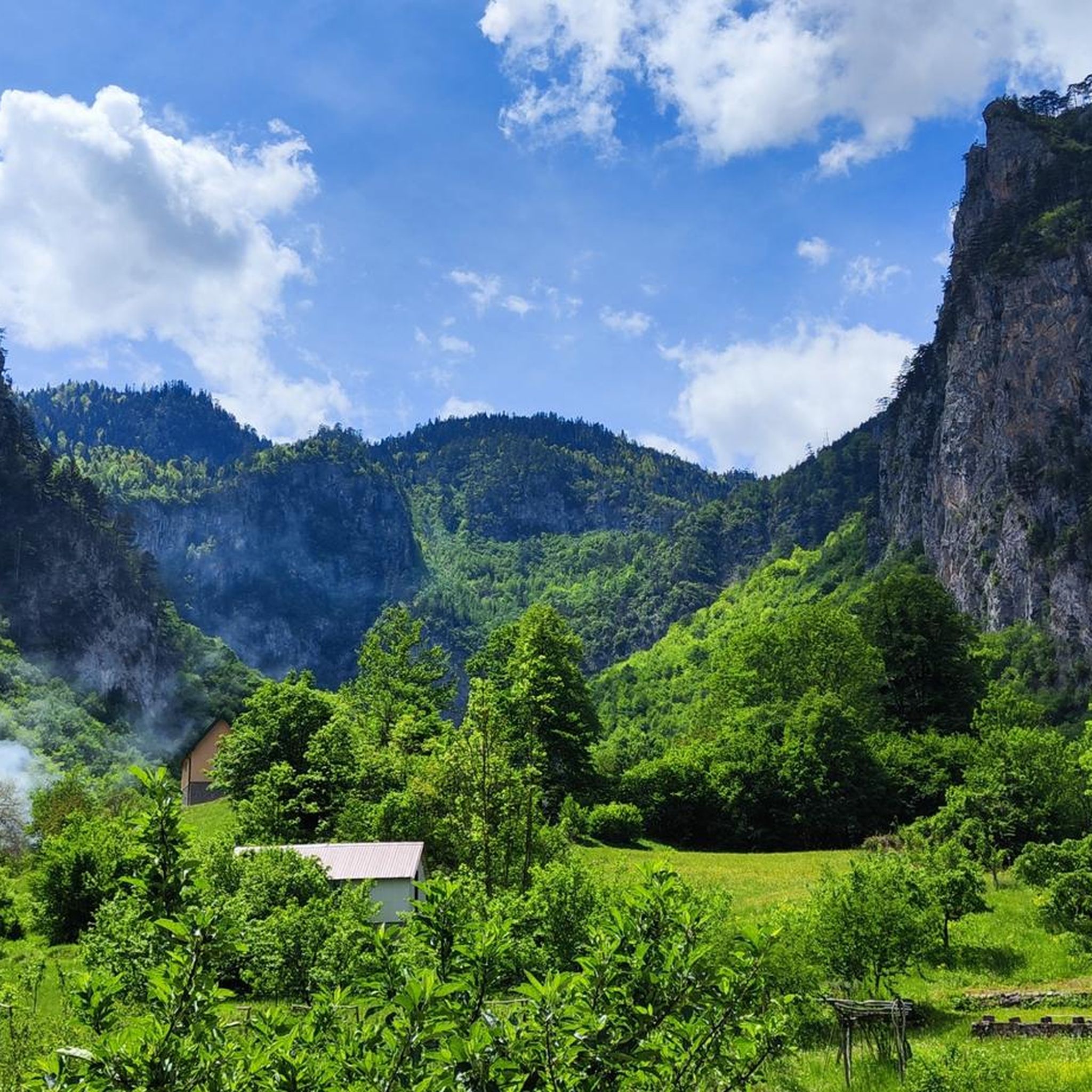
Best natural monuments around the Draround thea are characterized by dramatic canyons, pristine waters, and diverse ecosystems. The Drina River region, straddling the border between Bosnia and Herzegovina and Serbia, features deep gorges and lush forested slopes. These areas offer opportunities to explore unique flora and fauna within a significant natural landscape. The region's geological formations and river systems create a varied environment for outdoor activities.
Best natural monuments around the Draround thea
- The most popular natural monuments is View of the Tara Gorge, a viewpoint that offers an extraordinary perspective on the Tara Gorge. A track along the ridge allows for discovering several different viewpoints over this deep canyon.
- Another must-see spot is Black Pine and Norway Spruce Forest by the Tara River, a forest with many black pines and centuries-old conifers. Visitors can expect to see a magnificent forest grown on rugged pinnacles and limestone walls, with the Tara River flowing below.
- Visitors also love View of Tara Canyon, a viewpoint offering great views of the legendary Tara Canyon. This location provides panoramic vistas of one of the world's deepest canyons, known for its steep cliffs and emerald green waters.
- Drina is known for its canyons, forests, and viewpoints. The region offers a variety of natural monuments to see and explore, including river valleys and unique geological formations.
- The natural monuments around the Draround thea are appreciated by the komoot community, with 51 upvotes and 18 photos shared by visitors.
Last updated: June 26, 2026
Tara Canyon
Highlight (Segment) • Canyon
Translated by Google •
Tip by

View of the Tara Gorge
Highlight (Segment) • Viewpoint
Translated by Google •
Tip by

Sign up now to discover places like this
Get recommendations on the best single tracks, peaks, & plenty of other exciting outdoor places.
Sign up for free
Black Pine and Norway Spruce Forest by the Tara River
Highlight • Forest
Translated by Google •
Tip by

Derventa River Canyon
Highlight • Canyon
Tip by

View of Tara Canyon
Highlight • Viewpoint
Pack enough water, it's difficult to find any at the top!
Translated by Google •
Tip by

Natural Arch and Viewpoint Over Tara Canyon
Highlight • Natural Monument
Tip by

View of Sinjavina Cliffs and Crna Poda Black Pine Forest
Highlight • Viewpoint
Tip by
Start today with a free account
Your next adventure awaits.
Login or Signup
Popular around Drina
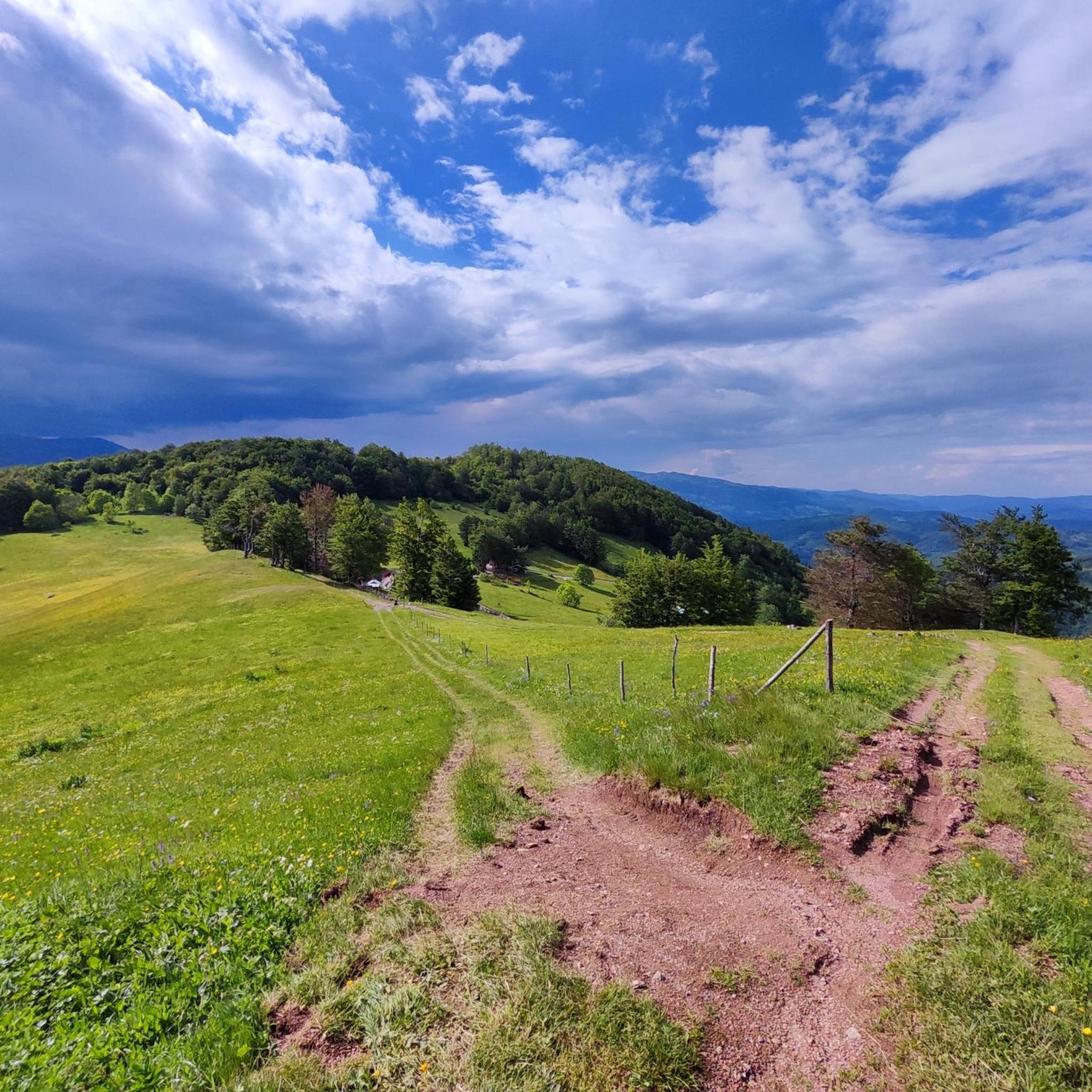
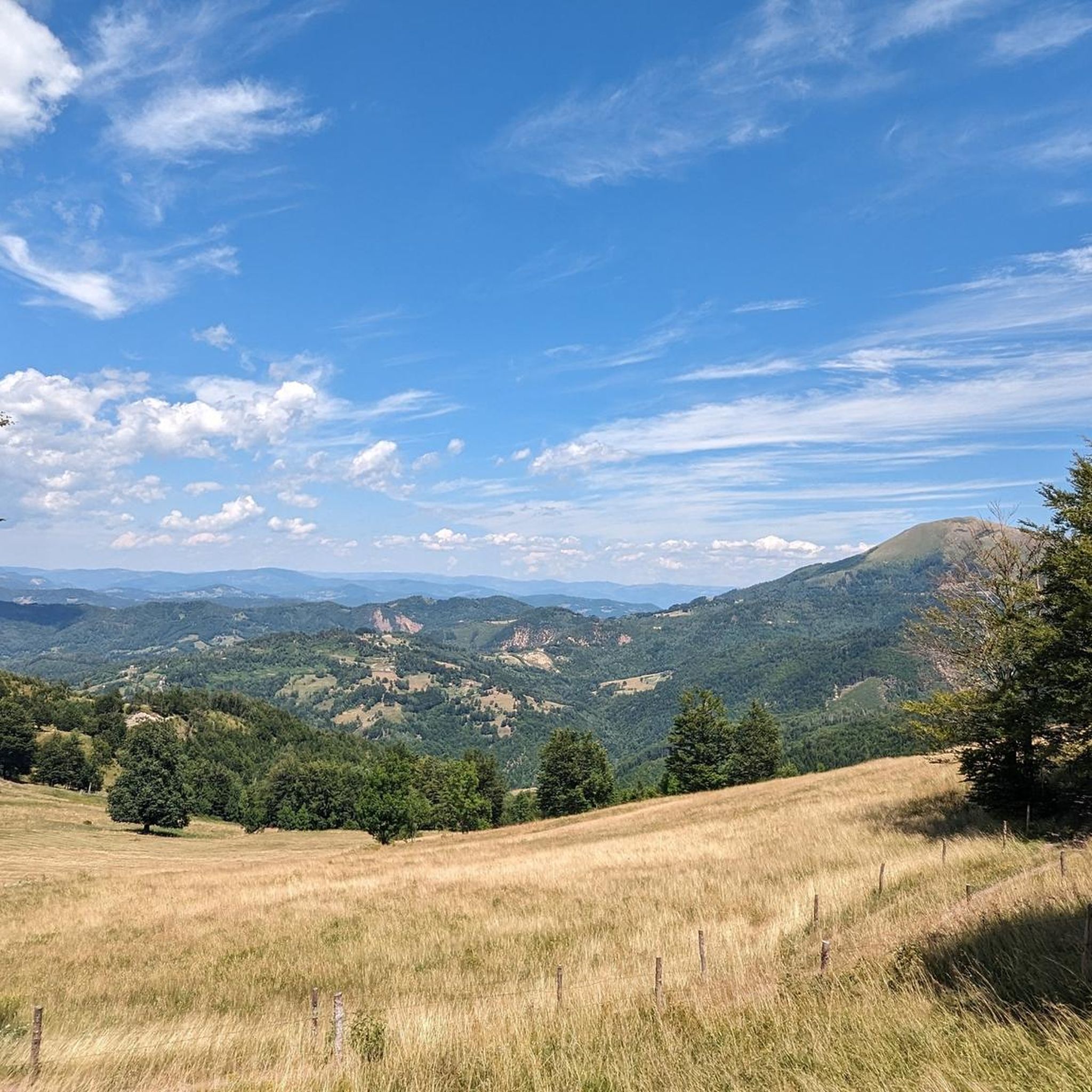
Other adventures around the Draround thea

Tips from the Community

A very beautiful view, homemade ingredients for food. Friendly hostess. Would also be good as accommodation.
0
0

Very beautiful forest with many pretty black pines in Durmitor National Park.
13
0

Great views of the legendary Tara Canyon! Pack enough water, it's difficult to find any at the top!
0
0

Let's dance the Balkans: A 12-stage cycle tour. Stage 3 from Mojkovac to Durdevica Tara. The night before we stayed at the Tara Valley Ecolounge, a bucolic site with clean bungalows, where if you ask in advance they can prepare dinner for you in an outdoor area, offering you the products they produce on the farm. We arrived a little late and went by bike to the Most restaurant on the river, riding a few romantic kilometers with the lights on. Stage 3 is quite easy, we allow ourselves a relaxed start after a hearty breakfast in the outdoor area in the still warm morning. Today's stage follows a stretch of asphalt road along the Tara River, starting to enter the Durmitor National Park. As you climb, you enter a magnificent centuries-old conifer forest, grown boldly on rugged pinnacles and limestone walls, which little by little completely surrounds us. At the bottom of the valley, the Tara flows ever further away. The road, also due to renovation work, is not used by cars. We meet a Dutch cycle traveler who has been traveling for six weeks (I would not want to be between her legs). Lots of photo shots and we arrive at the historic reinforced concrete trellis bridge over the Tara River, built between 1937 and 1939, it remains a daring construction that crosses the river gorge with a height of almost 180m. Despite the years it shows off and is a regular destination for tourists passing through. We thought of dedicating the next day to rafting, which we had already booked not without difficulty via internet/phone from home. It was interesting, but also due to the season the current was not strong and we also rowed at times. If you were interested in this activity, perhaps it would be better to try further north, where, in Bosnian territory, the 2 rivers Tara and Piva join to form the Drina River. Perhaps the flows will be more satisfying for a nice rafting, in the Bastasi area (BiH), where there are also several rafting centers.
1
0
Beautiful forest of black pines and spruces and in the background, the Tara flows
0
0

The view from the top of Ćurevac is extraordinary. This spot offers an extraordinary viewpoint on the Tara Gorge. In addition, a track along the ridge allows you to discover several different viewpoints on this gorge.
0
0

Be careful, there was a huge landslide in 2023 on this road and colossal work is underway. As I write, a portion of the road is only open between 12 p.m. and 2 p.m., even for bicycles... you have to keep that in mind!
0
0

Magnificent views of the Tara Gorge along a good road with little traffic. Absolutely worthwhile!
0
0
Frequently Asked Questions
What unique natural features can I expect to see among the Drina's natural monuments?
The Drina region is renowned for its dramatic canyons, pristine emerald green waters, and diverse ecosystems. You'll encounter deep gorges, lush forested slopes, and unique geological formations. Notable features include the Tara Gorge, considered one of the deepest in the world, and ancient forests like the Black Pine and Norway Spruce Forest by the Tara River, home to the rare Pančić's Spruce.
Which viewpoints offer the most spectacular views of the Drina region's natural monuments?
For breathtaking panoramic vistas, consider visiting View of the Tara Gorge, which offers an extraordinary perspective on the deep canyon. Another excellent spot is View of Tara Canyon, providing sweeping views of this legendary natural wonder. Don't miss the Natural Arch and Viewpoint Over Tara Canyon for a unique geological feature combined with stunning scenery.
Are there hiking opportunities near the natural monuments in the Drina region?
Yes, the Drina region offers numerous hiking opportunities. You can find trails ranging from easy to difficult. For example, there are easy hikes like the 'Start of Curevac Trail – Bench Overlooking Tara Canyon' loop, or more challenging routes such as 'Maglić Peak – Trnovačko Lake loop'. You can explore various options in the Hiking around the Drina guide.
What types of forests can be found among the Drina's natural monuments?
The region is home to dense, green forests, particularly within Tara National Park and Drina National Park. You can explore areas like the Black Pine and Norway Spruce Forest by the Tara River, known for its centuries-old conifers and black pines growing on rugged limestone walls. These forests are vital habitats for diverse wildlife and include endemic species like Pančić's Spruce.
What are some popular activities to do around the Drina River's natural monuments?
Beyond hiking, the Drina River and its surrounding areas offer opportunities for boat tours, kayaking, and fishing, especially on Perućac Lake. The dramatic canyon landscapes are perfect for photography, and the serene setting invites relaxation. For more active pursuits, consider exploring the Mountain Hikes around the Drina guide for challenging routes.
What is the best time of year to visit the natural monuments in the Drina region?
The Drina region is beautiful year-round, but the best time to visit for outdoor activities like hiking and boat tours is typically from late spring to early autumn (May to October) when the weather is mild and the landscapes are lush. Winter offers a different, serene experience, especially for those interested in snowshoeing or enjoying the quiet beauty of snow-covered forests, though some access might be limited.
Are there any unique geological formations or natural arches to see?
Yes, the region features fascinating geological formations. One notable example is the Natural Arch and Viewpoint Over Tara Canyon, which is a surprising erosion feature offering a unique perspective on the canyon below. The deep canyons themselves, like the Drina River Canyon and the Derventa River Canyon, are significant geological marvels.
What do visitors enjoy most about the natural monuments in the Drina region?
Visitors frequently praise the extraordinary views and untouched natural beauty. Many are captivated by the grandeur of the canyons, the tranquility of the forests, and the vibrant emerald waters of the Drina River. The opportunity for photography, especially from viewpoints like Ćurevac, is also a highlight for many.
Are there any natural monuments that are particularly suitable for families?
While specific family-friendly designations are not always available for all natural monuments, areas with well-maintained paths and accessible viewpoints can be enjoyed by families. Perućac Lake, for instance, offers calm waters suitable for swimming and boat rides. For easy walks, consider routes from the Easy hikes around the Drina guide, which are generally suitable for various fitness levels.
How can I access the Drina region's natural monuments?
Access to many natural monuments in the Drina region is primarily by car, especially for reaching more remote viewpoints and trailheads. While public transport options might be limited for direct access to all sites, major towns in the region serve as good starting points. Always check local information for specific monument access and parking availability.
What is the significance of the Drina River itself as a natural monument?
The Drina River is a natural monument in its own right, forming a significant part of the landscape and the border between Bosnia and Herzegovina and Serbia. Its canyon is considered one of the deepest in the world, with sections reaching 976 meters. The river's emerald green waters and the dramatic cliffs it carves make it a central feature of the region's natural heritage, inspiring both nature lovers and literature.
Are there any specific natural monuments known for their biodiversity?
Yes, both Tara National Park in Serbia and Drina National Park in Bosnia and Herzegovina are recognized for their rich biodiversity. These parks are refuges for diverse wildlife, including brown bears and chamois, and are crucial for the protection of rare and endemic plant species, most notably the Pančić's Spruce. The unique karst terrain also contributes to a distinctive flora and fauna.
Most popular routes around the Draround thea
Most popular attractions around the Draround thea

Get inspired with the komoot mobile app


Explore more
Extend your search for the best caves by checking out these guides of the top ones around the Draround thea:
