Top 10 Natural Monuments around the Sava
Natural monuments around the Sava encompass diverse landscapes across two distinct geographical areas: the Sava River Basin in Europe and the SAVA region in Madagascar. The European Sava River, a major Danube tributary, flows through Slovenia, Croatia, Bosnia and Herzegovina, and Serbia, featuring extensive floodplains and protected natural areas. In Madagascar, the SAVA region is characterized by dense primary forests, mountainous terrain, and high biodiversity. These regions offer a range of natural formations, from alpine sources and wetlands to rainforests…
Last updated: May 14, 2026
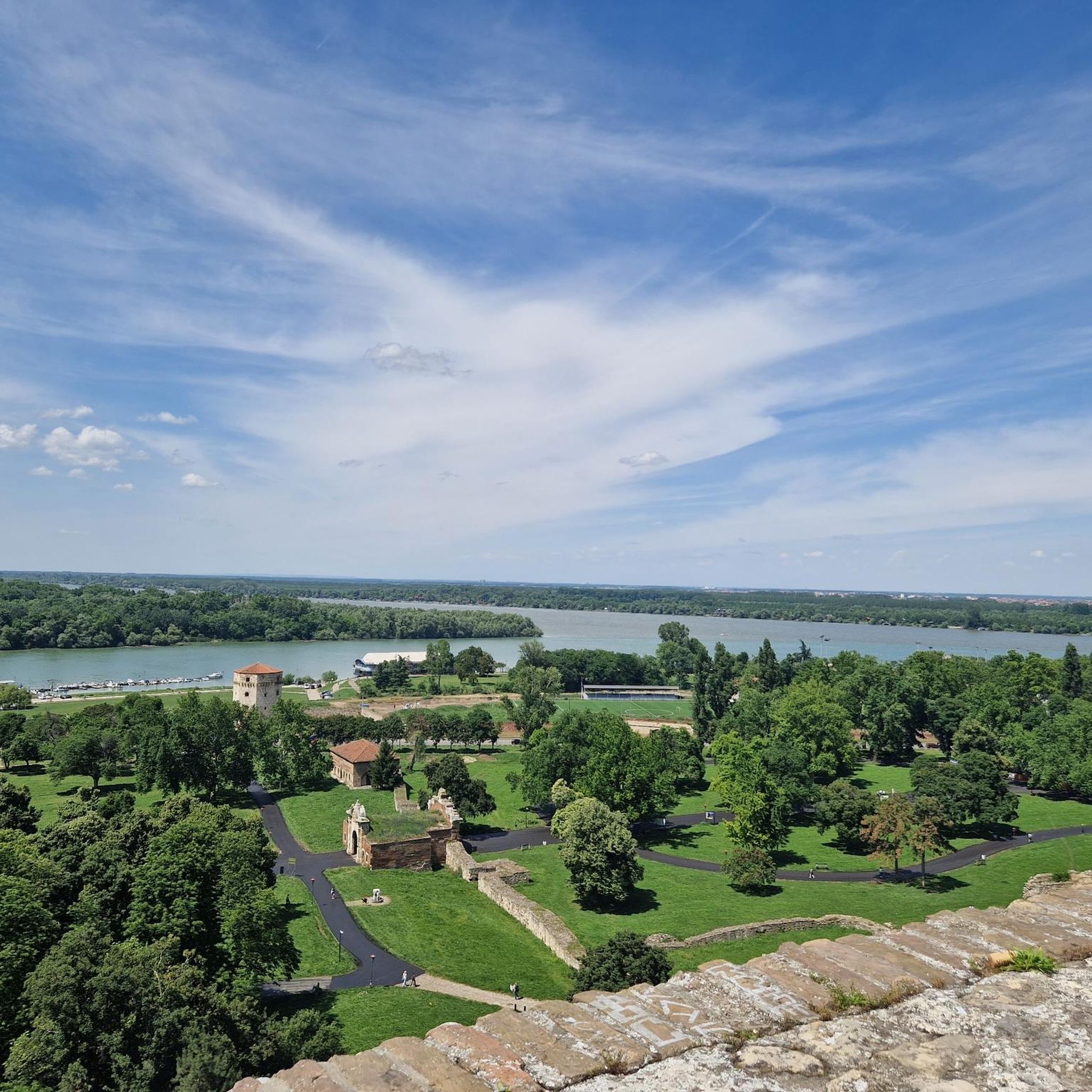
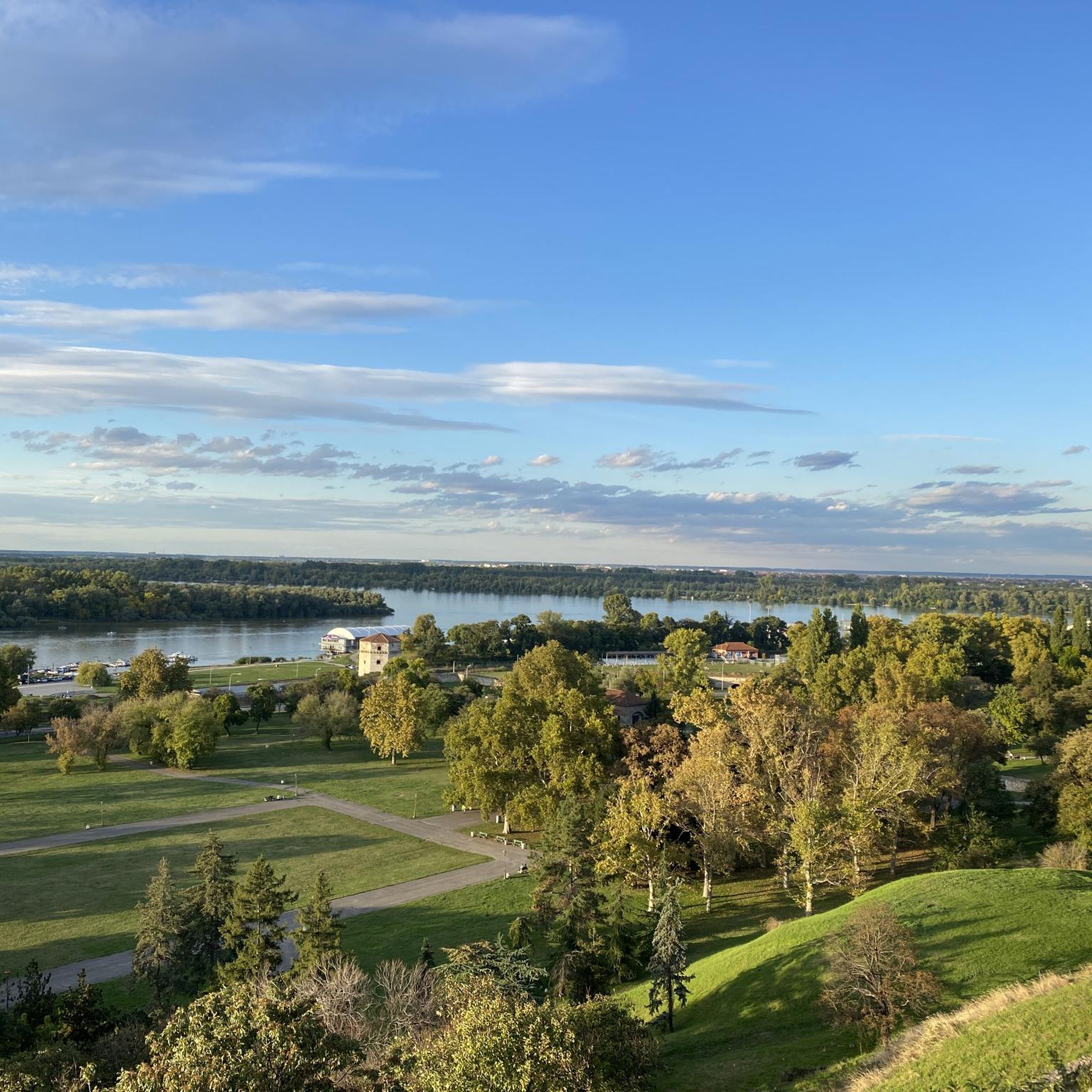
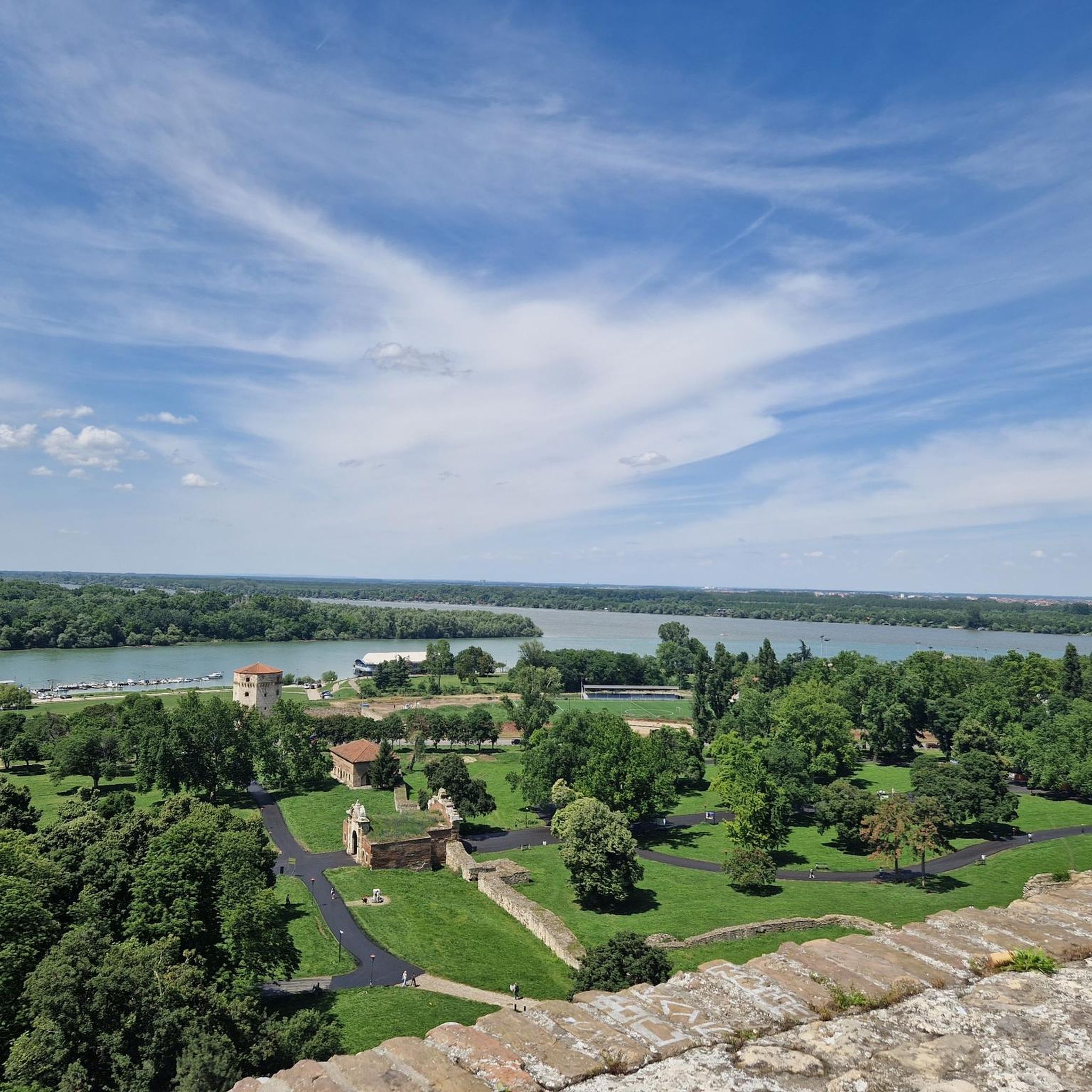
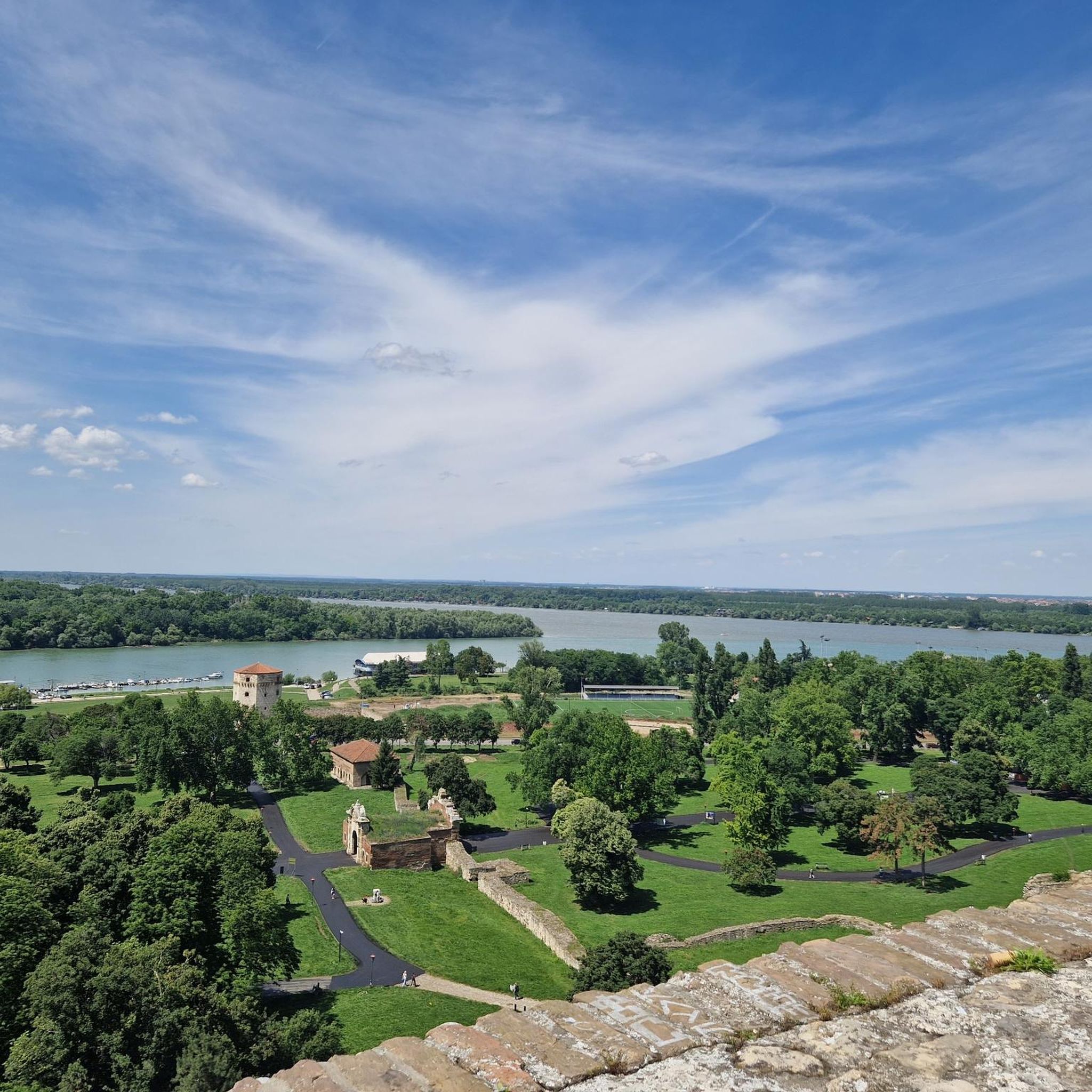
Belgrade Fortress (Kalemegdan)
Highlight • Castle
With its universities, colleges and scientific institutions, Belgrade is the educational centre and, with …
Translated by Google •
Tip by

Park of Friendship
Highlight • Structure
Translated by Google •
Tip by

Sign up now to discover places like this
Get recommendations on the best single tracks, peaks, & plenty of other exciting outdoor places.
Sign up for free
Unbelievable
Highlight • Monument
Tip by

Nature reserve
Highlight • Natural
Translated by Google •
Tip by
Turopolje Pig in Lonjsko Polje Nature Park
Highlight • Natural Monument
Translated by Google •
Tip by

Water reservoir
Highlight • Lake
Translated by Google •
Tip by
Natural forest
Highlight • Forest
Translated by Google •
Tip by
Start a hike
Highlight • Trail
Tip by
Start today with a free account
Your next adventure awaits.
Login or Signup
Popular around Sava
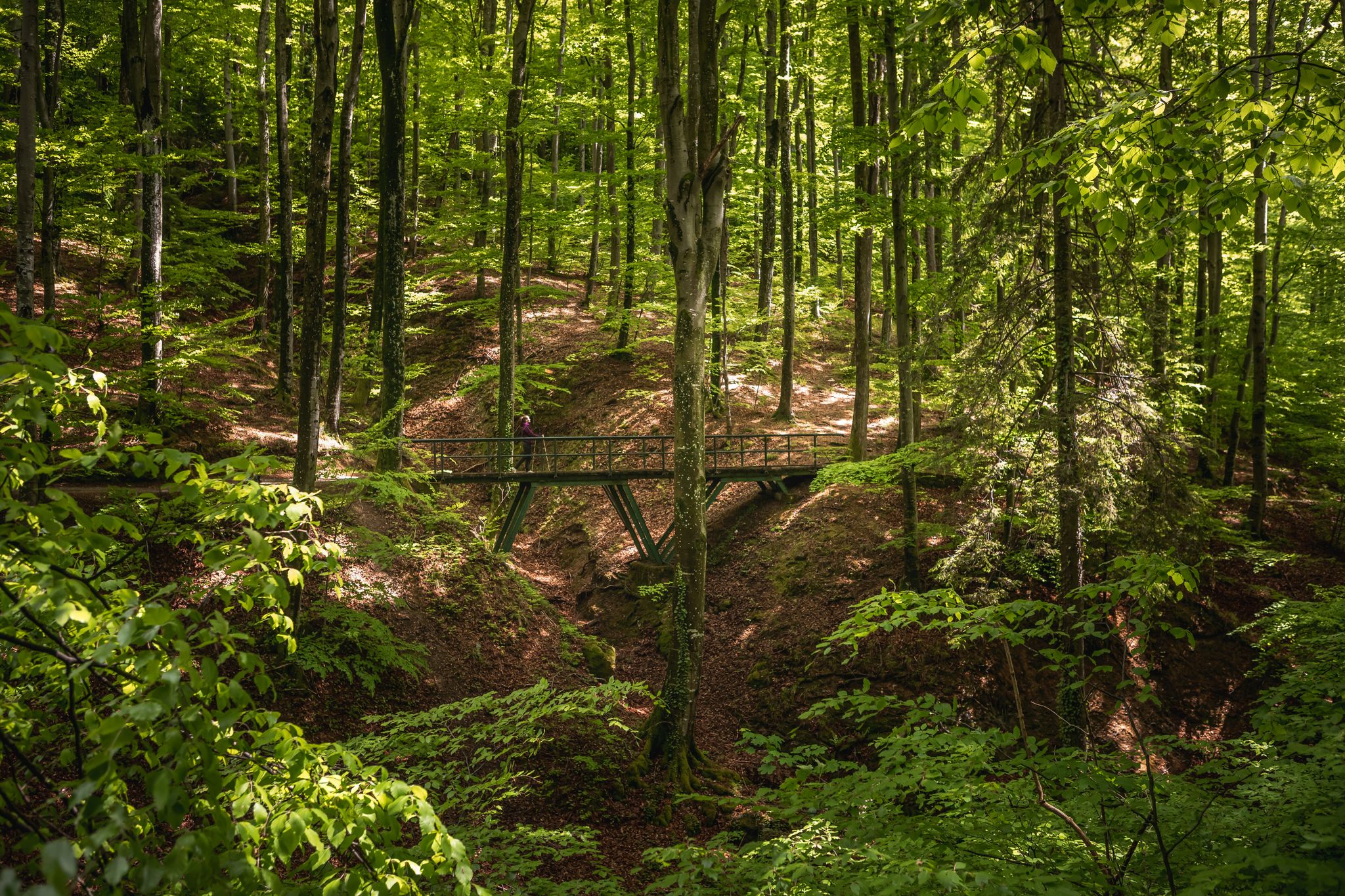
Discover the wild side of Zagreb – Medvednica Transversal
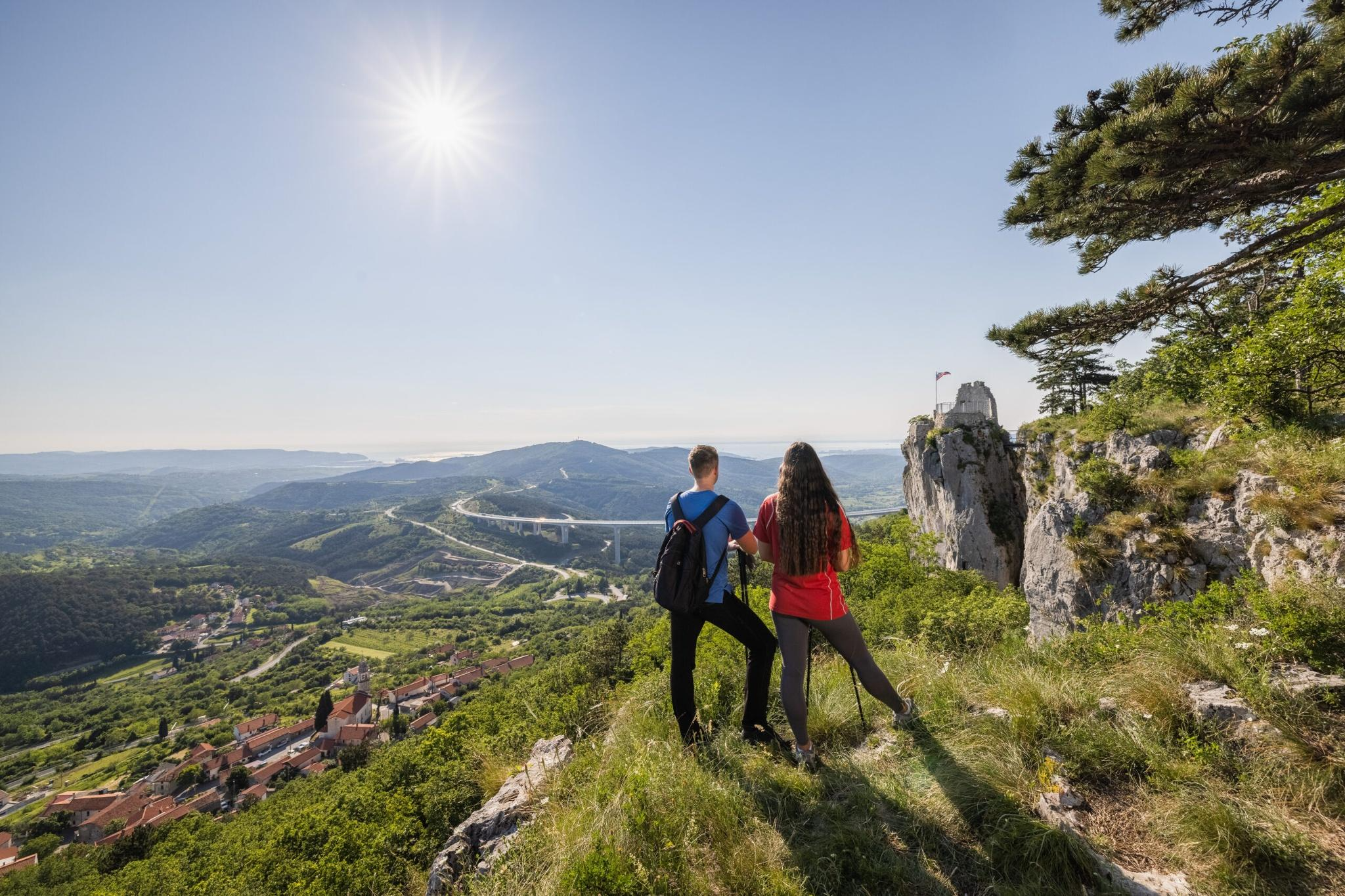
Hiking adventures in Slovenia for families away from the hustle and bustle
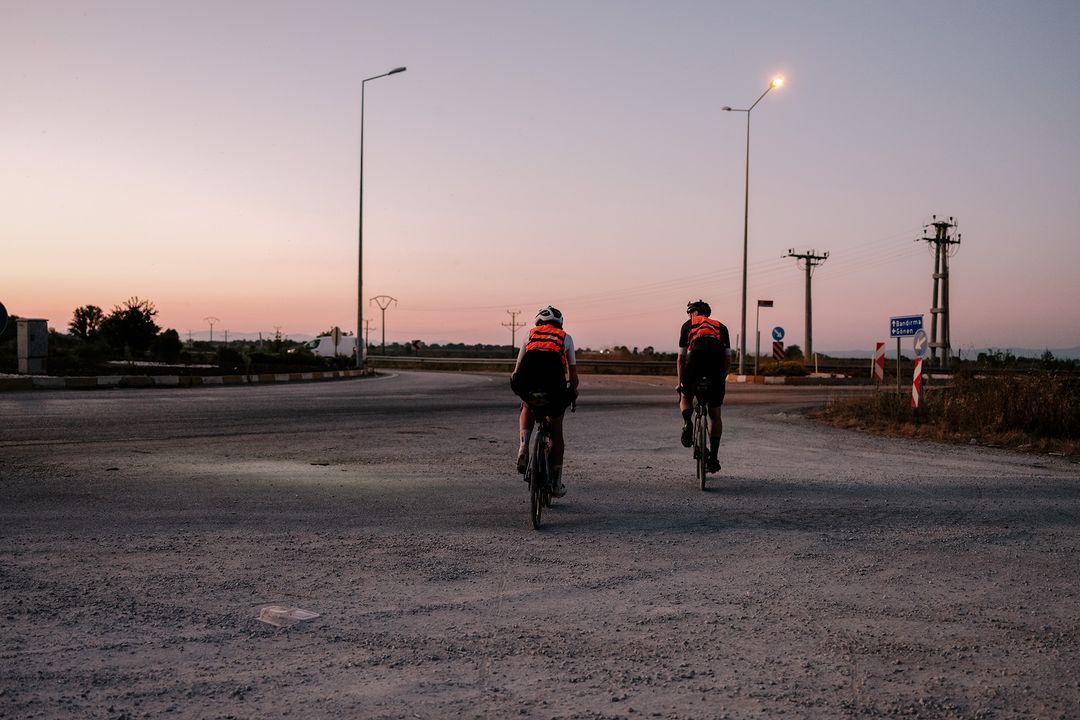
Transcontinental Race No10: crossing Europe from France to Turkey
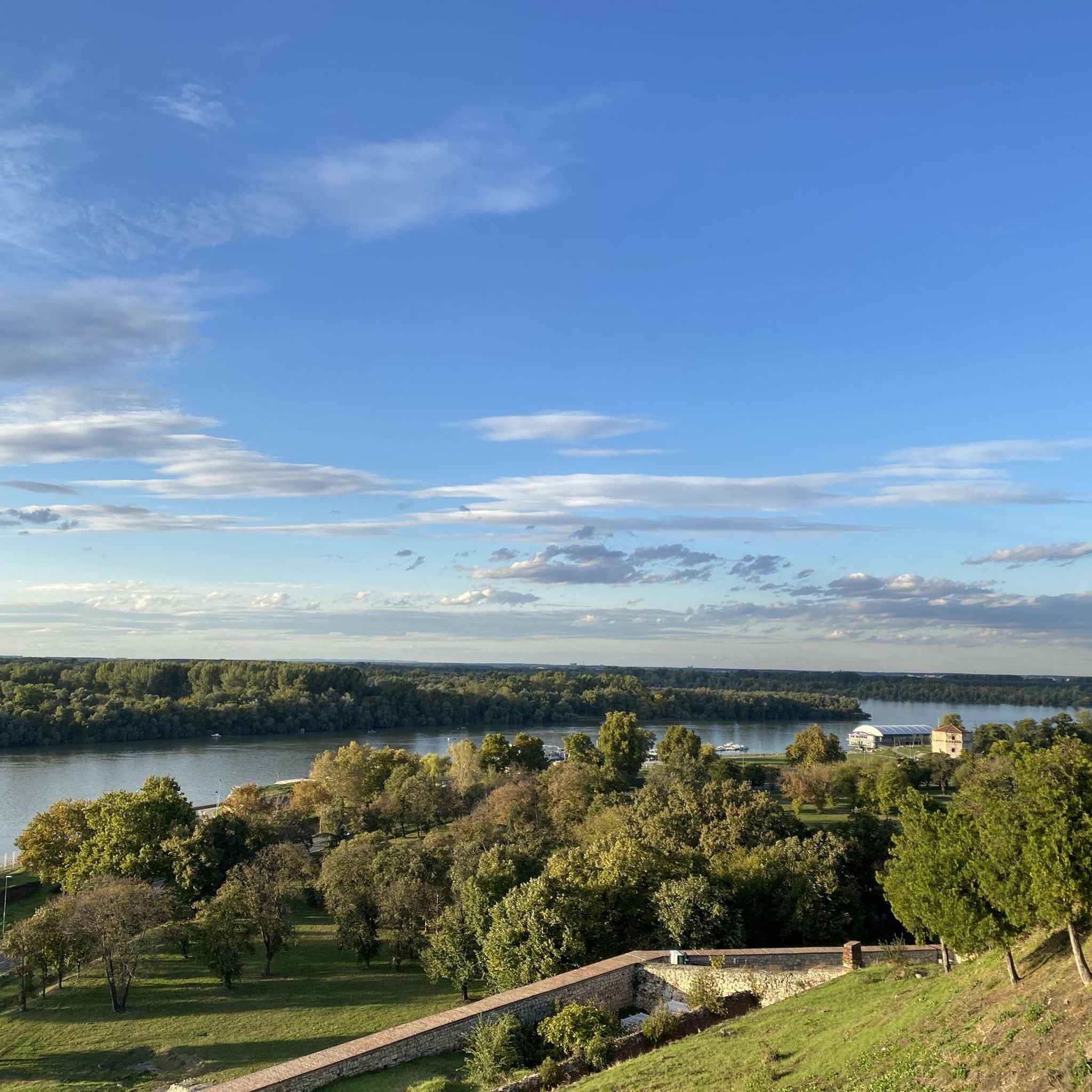
Running Trails around the Sava
Hiking around the Sava
Cycling around the Sava
Road Cycling Routes around the Sava
MTB Trails around the Sava
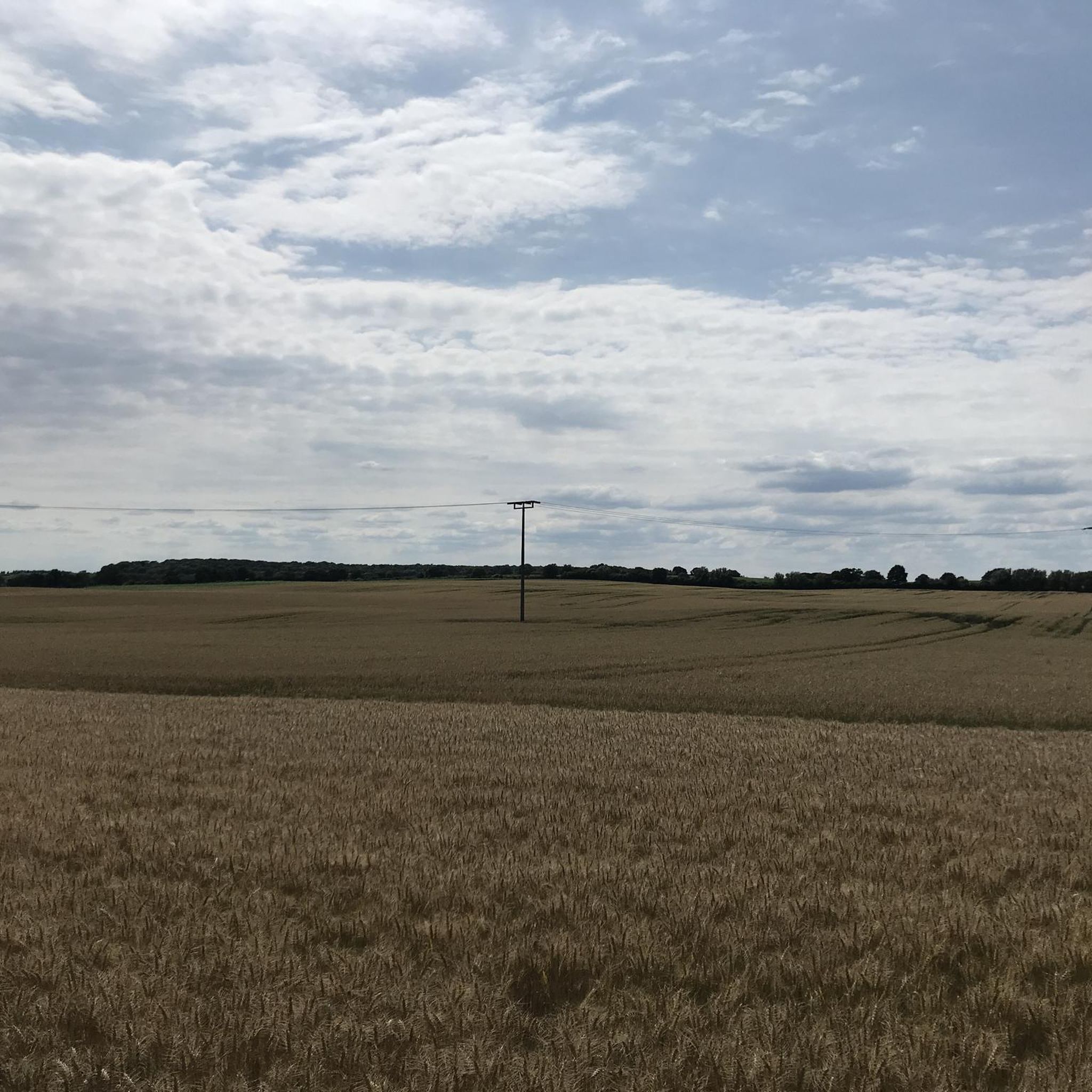
Mountain Hikes around the Sava
Gravel biking around the Sava
Other adventures around the Sava


Tips from the Community

You can spend a lot of time here. There are wonderful views of the Danube and the city, and it's free.
0
0

Hugely impressive sculpture in the middle of the landscape, commemorating the destruction of 80,000 lives in the Second World War.
6
0
The area forms a large water reservoir, this lake almost fills up at low tide and at high tide the water reaches the dike with the road.
6
0
Not only are there many wild boars in this natural forest, the rare black stork also lives here.
7
0
The most striking feature of Lonjsko Polje is that flooding can occur throughout the year, due to the unique position of the Sava and its tributaries, which makes the park an important buffer zone for the surrounding inhabited areas.
6
0

A world-famous pig breed
1
0
Lonjsko polje is often submerged when the water is high
2
0

The Kalemegdan. A fortress from ancient times with various designers and rulers over the eras. A force at the confluence of the Sava and the Danube.
1
0
Frequently Asked Questions
What are some of the most notable natural monuments around the Sava River Basin in Europe?
The Sava River Basin offers a variety of significant natural monuments. In Croatia, the Lonjsko Polje Nature Park is renowned for its expansive floodplain meadows, forests, and abundant wildlife, including migratory birds and traditional livestock like Turopolje pigs. Slovenia features the magnificent Savica Waterfall within Triglav National Park and the emerald-green Zelenci Pools, the source of the Sava Dolinka River. Bosnia and Herzegovina boasts Una National Park with its stunning waterfalls, while Serbia is home to the Zasavica Special Nature Reserve and Obedska Bara, both vital wetlands for biodiversity.
Which natural monuments in the SAVA region of Madagascar are worth exploring?
The SAVA region in Madagascar is a preserved natural gem with exceptional biodiversity. Key natural monuments include Marojejy National Park, a UNESCO World Heritage site known for its dense primary rainforests and unique endemic species like the silky sifaka. Other significant areas are Anjanaharibe-Sud Special Reserve, a wilder destination protecting virgin high-elevation rainforest, and Masoala National Park, Madagascar's largest nature reserve combining vast rainforests with pristine beaches.
Are there family-friendly natural monuments to visit around the Sava?
Yes, many natural monuments around the Sava are suitable for families. In Europe, the Lonjsko Polje Nature Park is great for wildlife viewing, and the Park of Friendship offers a pleasant outdoor space. The Belgrade Fortress (Kalemegdan), while a historical site, is also categorized as family-friendly and provides panoramic views. In Madagascar, Marojejy and Masoala National Parks offer immersive nature experiences for adventurous families, though some trails may be more challenging.
What kind of wildlife can I expect to see in the natural monuments of the Sava River Basin?
The Sava River Basin is a haven for wildlife, particularly birds. Areas like Lonjsko Polje Nature Park and the 'Nature reserve' highlight (likely referring to Lonjsko Polje or Obedska Bara) are recognized as Ramsar Sites and crucial breeding grounds for migratory birds, including white-tailed eagles, Saker falcons, and storks. You might also encounter endangered frogs, newts, turtles, and traditional livestock like Turopolje pigs and Posavina horses grazing in the meadows.
What unique species can be found in the SAVA region of Madagascar?
The SAVA region in Madagascar is a biodiversity hotspot with a high rate of endemic species. Marojejy National Park is home to the unique silky sifaka (simpona), as well as numerous other lemur species, birds, reptiles, and amphibians. Anjanaharibe-Sud Special Reserve hosts the northernmost population of Indris, while Masoala National Park features eleven species of lemurs and colorful amphibians like the tomato frog.
Are there any historical or cultural sites among the natural monuments around the Sava?
Yes, some natural monuments are intertwined with historical significance. The Belgrade Fortress (Kalemegdan), located at the confluence of the Sava and Danube rivers, is an ancient fortress offering panoramic views and a rich history. Additionally, the 'Unbelievable' highlight is a powerful sculpture commemorating the destruction of lives during World War II, set within the landscape.
What outdoor activities can I do near the natural monuments around the Sava?
The areas around the Sava offer diverse outdoor activities. You can find various routes for mountain hikes, including challenging loops around Sljeme. For cyclists, there are options for gravel biking, such as routes around Bundek Lake or the Sava River at Brežice Dam. MTB trails are also available, with routes like the Sunset View Over the River loop. Many natural monuments, like the 'Start a hike' highlight, serve as excellent trailheads for exploring the surrounding nature.
Are there accessible natural monuments for visitors with mobility considerations?
Yes, some natural monuments offer better accessibility. The Esplanade Fountain in Belgrade is noted as wheelchair accessible, providing a cool spot in a busy part of town. While many natural areas involve trails, it's advisable to check specific site information for detailed accessibility features before visiting.
What are the best times to visit the natural monuments in the Sava River Basin?
The best time to visit the natural monuments in the Sava River Basin largely depends on your interests. Spring and autumn offer pleasant temperatures for hiking and exploring wetlands, with spring being ideal for birdwatching as migratory birds return. Summer is great for water-based activities, though it can be warmer. Winter can provide unique snowy landscapes, especially in alpine areas like Triglav National Park, but some access might be limited.
What are the best times to visit the natural monuments in the SAVA region of Madagascar?
For the SAVA region in Madagascar, the dry season, typically from April to November, is generally recommended. During this period, trails are less muddy, and wildlife viewing is often easier. However, the region's rainforests can experience rain at any time of year. For specific park information, it's advisable to consult local tourism resources like madagascar-tourisme.com.
What do visitors enjoy most about the natural monuments around the Sava?
Visitors frequently appreciate the diverse natural beauty and historical significance. Highlights like the Belgrade Fortress (Kalemegdan) are praised for their panoramic views and historical depth. The 'Nature reserve' highlight, likely referring to a marshland, is noted as Europe's largest, offering a unique experience. The Esplanade Fountain is enjoyed as a pleasant meeting spot, while the Park of Friendship is valued for its unique commemorative trees.
Can I find natural forests to explore around the Sava?
Yes, the region offers opportunities to explore natural forests. The 'Natural forest' highlight points to areas where you can immerse yourself in the local woodland ecosystems. Additionally, the Sava River Basin is known for its ancient floodplain forests, particularly in reserves like Obedska Bara in Serbia, which are significant for their ecological value.
Most popular routes around the Sava
Most popular attractions around the Sava

Get inspired with the komoot mobile app


Explore more
Extend your search for the best caves by checking out these guides of the top ones around the Sava:
