Top 15 Natural Monuments around Avenches
Natural monuments around Avenches offer a blend of historical significance and diverse natural landscapes. The region is characterized by picturesque lakes, forests, and protected nature reserves, providing opportunities for outdoor activities. Avenches, known for its Roman history, is situated near Lake Murten and features areas like the Grande Cariçaie, a vital wetland ecosystem. These sites complement the town's cultural heritage with accessible natural environments for exploration.
Best natural monuments around Avenches
- The most popular natural monuments is Mont Vully,…
Last updated: June 26, 2026
Mont Vully
Highlight • Summit
Translated by Google •
Tip by

Magdalena Hermitage, Räsch
Highlight • Religious Site
Translated by Google •
Tip by

Sign up now to discover places like this
Get recommendations on the best single tracks, peaks, & plenty of other exciting outdoor places.
Sign up for free
Düdinger Moos Nature Reserve
Highlight • Lake
Translated by Google •
Tip by
Pierre Agassiz
Highlight • Natural Monument
Translated by Google •
Tip by

Saint Urban Chapel and Linden of Lage
Highlight • Religious Site
Translated by Google •
Tip by

Sign up for free to discover even more natural monuments around Avenches.
Sign up for free
Already have an account?
Start today with a free account
Your next adventure awaits.
Login or Signup
Tips from the Community

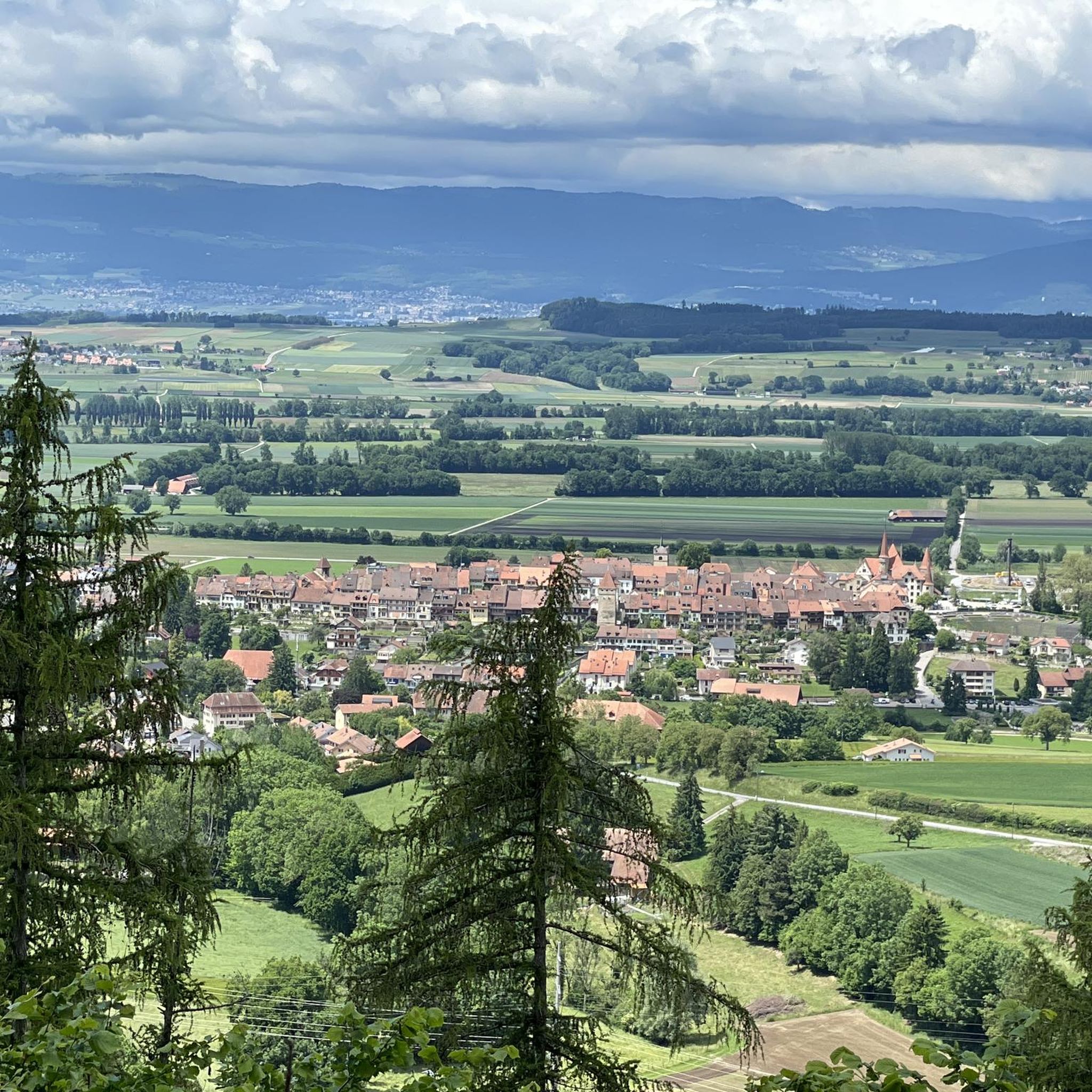
Awesome approach from Sugiez, then a further descent via Lugnorre. The view of 2-3 lakes is fantastic!
0
0

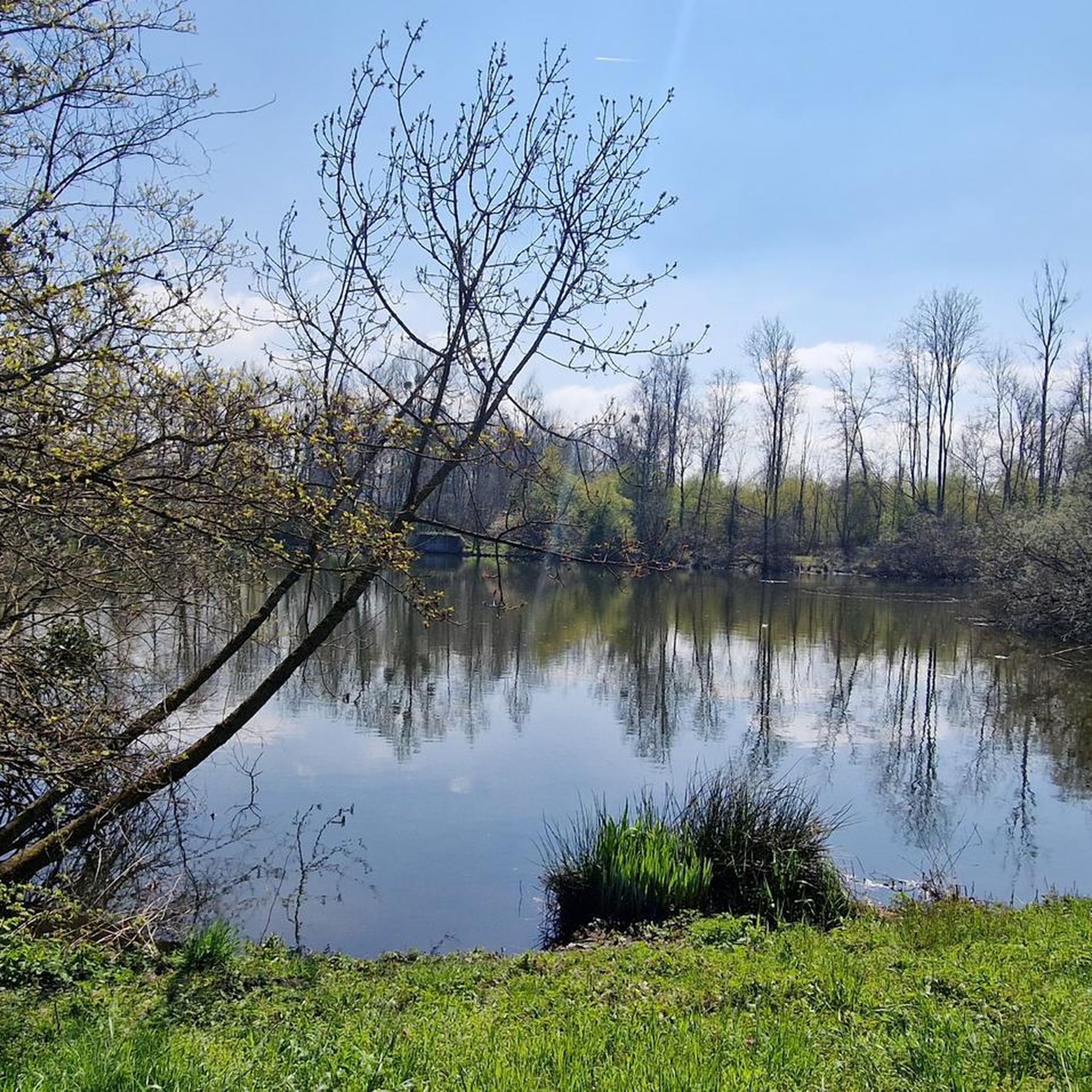
A super highlight is the Düdinger Moos
0
0

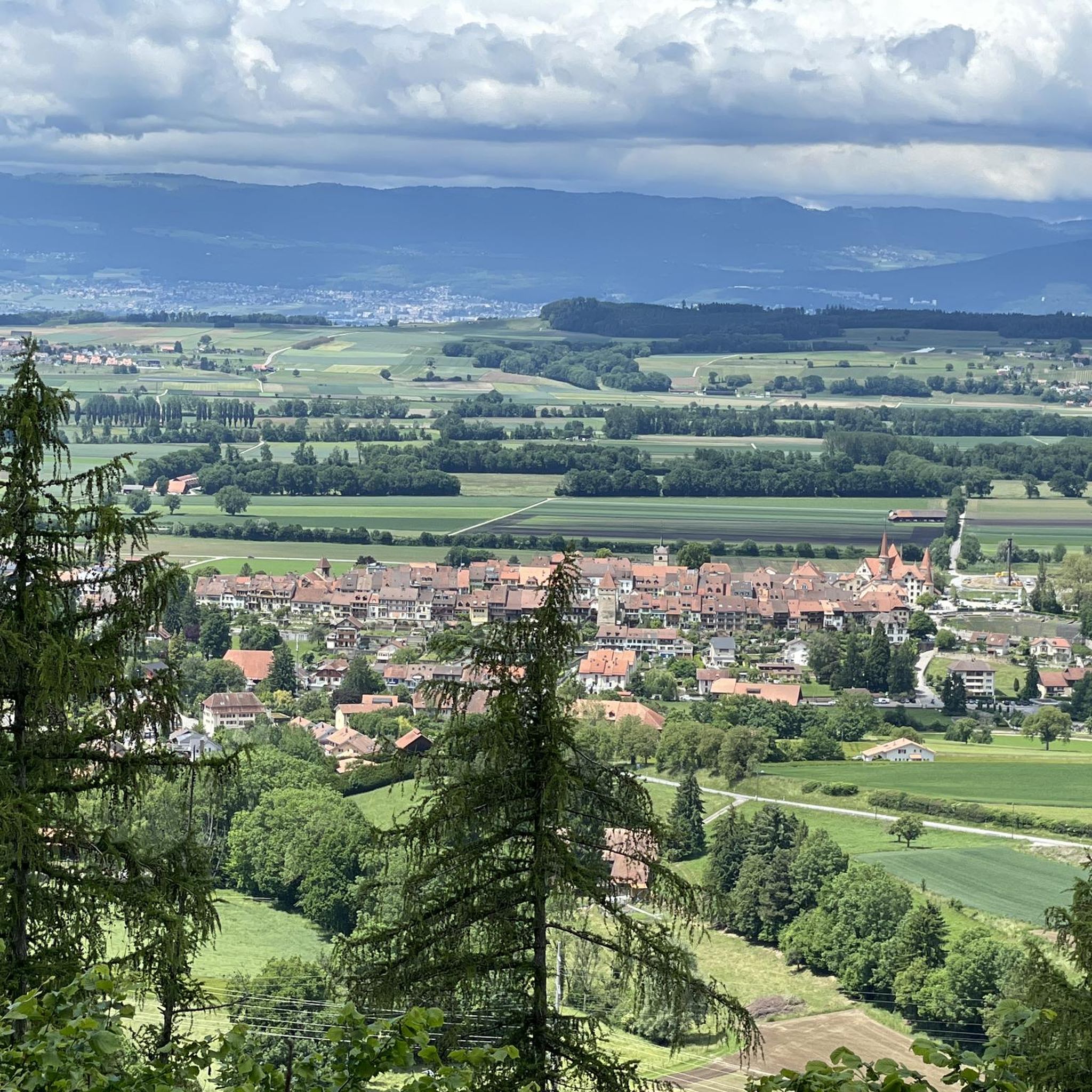
Cycling around Mont Vully offers an unforgettable experience with stunning views of Lake Murten and Lake Neuchâtel. You’ll pass through vineyards, charming Swiss villages and rolling hills, providing a picturesque landscape ideal for a leisurely ride.
0
0

The Agassiz Stone, due to its size (10 m wide and 5 m high) and its particular geological structure (eye gneiss), is part of the heritage of the municipality. During the last glaciation, the Rhone glacier extended from Furka to Solothurn and covered the entire Plateau. Over the millennia, this erratic block was transported by the Val de Bagnes (VS) or Val d'Arolla glacier to Mont-Vully. Located in the forest east of Joressens, it bears the name of Louis Agassiz, a scientist (born in Môtier / Vully), who, at the time, developed the theory of the formation and movement of glaciers. A legend also earned it the name "Pierre du Palet Roulant". https://mont-vully.ch/culture-loisirs/curiosites
0
0

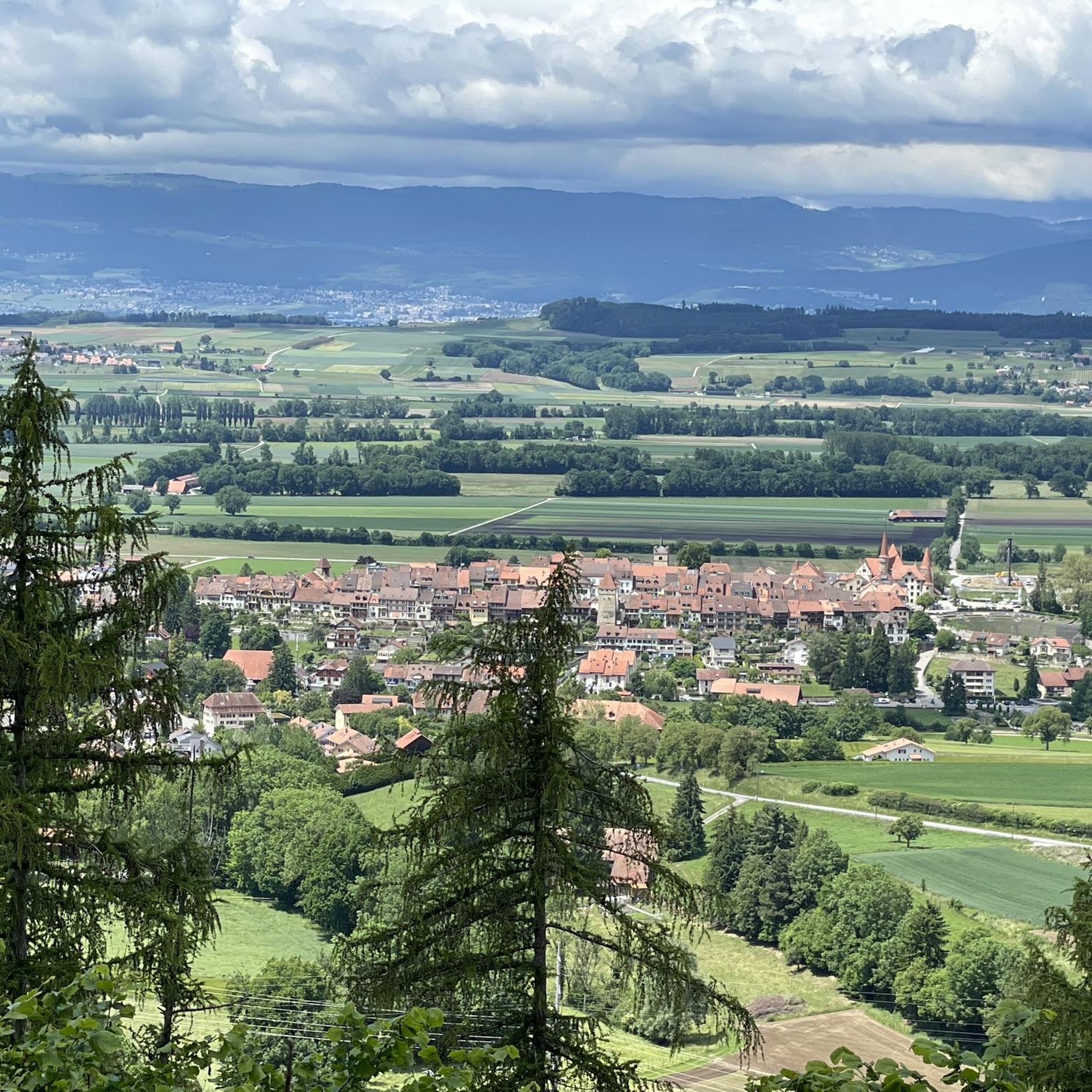
Great view over Lake Murten to the Alps or the other way around over the Seeland to the Chasseral
1
0

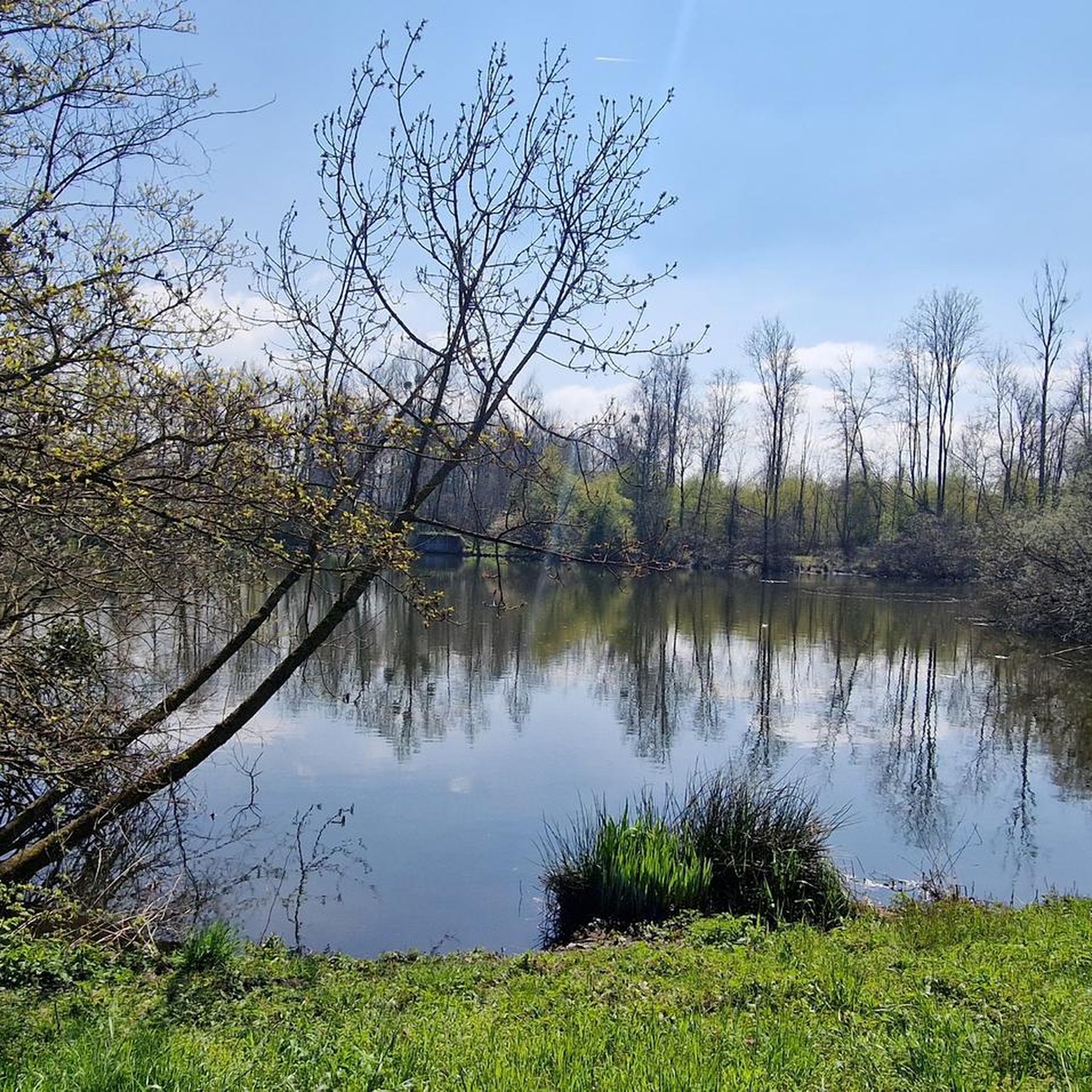
The Düdingen Möser were subject to numerous disturbances in the 20th century. The peat of this Möser, which took several thousand years to form, was intensively mined during the Second World War to counteract the lack of coal. This resulted in several bodies of water and the habitat began to be colonized by trees and bushes. The use of part of the Möser as a waste pit and for fish farming, as well as the construction of the A12 motorway, had a major impact on this habitat in the 1970s.
6
0
A hermit's dwelling in the hamlet of Räsch was first mentioned in 1448. The hermit Johann Dupré and his assistant Johann Liecht expanded the rock dwelling to its current size between 1680 and 1708. In order to prevent the hermitage from collapsing and to preserve it for the general public, the parish of Düdingen carried out extensive renovation work in 2005/2006. Open and free of charge from April to September.
6
0

Beautiful view over Lake Murten to the Valais Alps and over Lake Biel to the Chasseral. If you want to see the view from Mont Vully, you should do the climb from Sugiez. Over 2.3km you have to overcome 210m of elevation with a gradient of 7-13%. For this reason alone it makes sense to roll from Sugiez ↗️ and over Lugnorre ↘️.
2
0
Frequently Asked Questions
What are some popular natural monuments to visit around Avenches?
Beyond the well-known spots, you can explore the Magdalena Hermitage, Räsch, a unique rock dwelling with historical and geological significance. Another interesting site is Pierre Agassiz, an erratic stone transported by glaciers, offering a glimpse into the region's geological past.
What kind of natural features can I expect to see around Avenches?
The region around Avenches offers a diverse landscape, including picturesque lakeshores, extensive forests, and vital wetland ecosystems. You'll find areas like the Grande Cariçaie, Switzerland's largest lake marsh, and the tranquil shores of Lake Murten, featuring sandy beaches such as Salavaux. There are also forested hills like the Bois de Châtel, providing lush greenery and botanical trails.
Are there family-friendly natural monuments or activities around Avenches?
Yes, several natural areas are great for families. Grengspitz on the southern shore of Lake Murten offers accessible paths, picnic areas, and views of the lake. The shores of Lake Murten, particularly Salavaux Beach, are perfect for relaxing, swimming, and easy walks. The Bois de Châtel also provides pleasant hiking opportunities with an educational botanical trail.
Where can I find the best panoramic views near Avenches?
For breathtaking vistas, head to Mont Vully, which offers panoramic views of the Alps, Jura, and the three surrounding lakes. Another excellent viewpoint is the Refuge de la Reine Berthe, nestled within the Bois de Châtel, providing stunning views over Avenches and the surrounding region.
What outdoor activities can I do near these natural monuments?
The area around Avenches is excellent for various outdoor activities. You can find numerous hiking trails, including easy walks along the lake or more moderate routes through forests. Cycling is also popular, with options for road cycling and mountain biking. For detailed routes and guides, explore the hiking around Avenches, MTB trails around Avenches, and road cycling routes around Avenches guides.
Are there hiking trails suitable for different skill levels?
Yes, the region offers trails for various abilities. For easy walks, consider the Salavaux Beach loop. Moderate options include the Roman Theater of Aventicum – Avenches Roman Amphitheatre loop. The Bois de Châtel also has accessible and pleasant paths, while the climb to Mont Vully can be more challenging but rewarding.
Where can I observe wildlife or unique ecosystems?
The Grande Cariçaie, along the southern shore of Lake Neuchâtel, is a vital wetland ecosystem and a haven for biodiversity, including numerous bird species. The Düdinger Moos Nature Reserve also offers diverse habitats, ideal for nature observation. Additionally, Avenches is known as the only nesting place in French-speaking Switzerland for nearly 30 pairs of storks, offering a unique wildlife viewing experience.
Do any natural monuments have historical significance?
Absolutely. Mont Vully is not only a natural landmark but also features Helvetian fortifications and those from the "Reduit" era. The Magdalena Hermitage, Räsch, is a historical rock dwelling dating back to the 15th century. Grengspitz is a UNESCO World Heritage site due to its Neolithic and Bronze Age riverside settlements.
When is the best time to visit the natural monuments around Avenches?
The spring and autumn months are generally ideal for hiking and exploring, with pleasant temperatures and vibrant natural colors. Summer is perfect for water activities on Lake Murten and enjoying the beaches. While some areas may have limited access in winter, many trails remain accessible for those who enjoy a quieter, colder landscape.
Are any natural sights wheelchair accessible?
Yes, the Düdinger Moos Nature Reserve is noted for being wheelchair accessible, allowing visitors to explore its unique wetland environment. Additionally, some paths along the shores of Lake Murten and at Grengspitz are generally accessible.
What are some unique geological features in the area?
The Pierre Agassiz is a significant erratic stone, a large boulder transported by glaciers from the Furka massif. The Magdalena Hermitage, Räsch, is also geologically interesting, as visitors walk on petrified sand dunes that are remnants of a sea from about 20 million years ago.
Are there opportunities for birdwatching or observing specific wildlife?
The Grande Cariçaie is a prime location for birdwatching, being a critical habitat for numerous bird species. The Düdinger Moos Nature Reserve also supports diverse wildlife. Furthermore, Avenches is a unique spot to observe storks, as it's the only nesting place in French-speaking Switzerland for nearly 30 pairs that return annually.
Most popular routes around Avenches
Most popular attractions around Avenches

Get inspired with the komoot mobile app


Explore more
Extend your search for the best caves by checking out these guides of the top ones around Avenches:
