Top 8 Natural Monuments around Courchavon
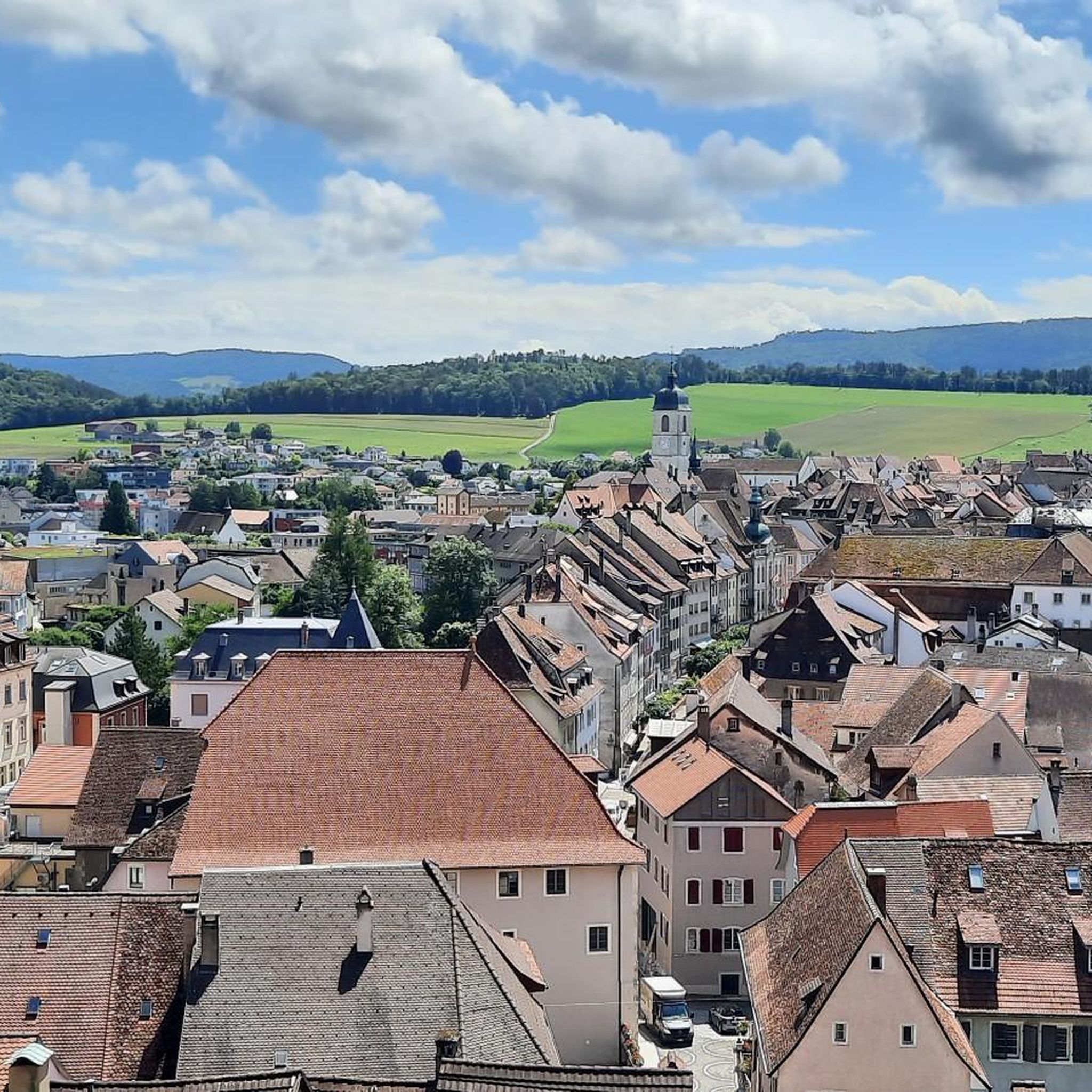
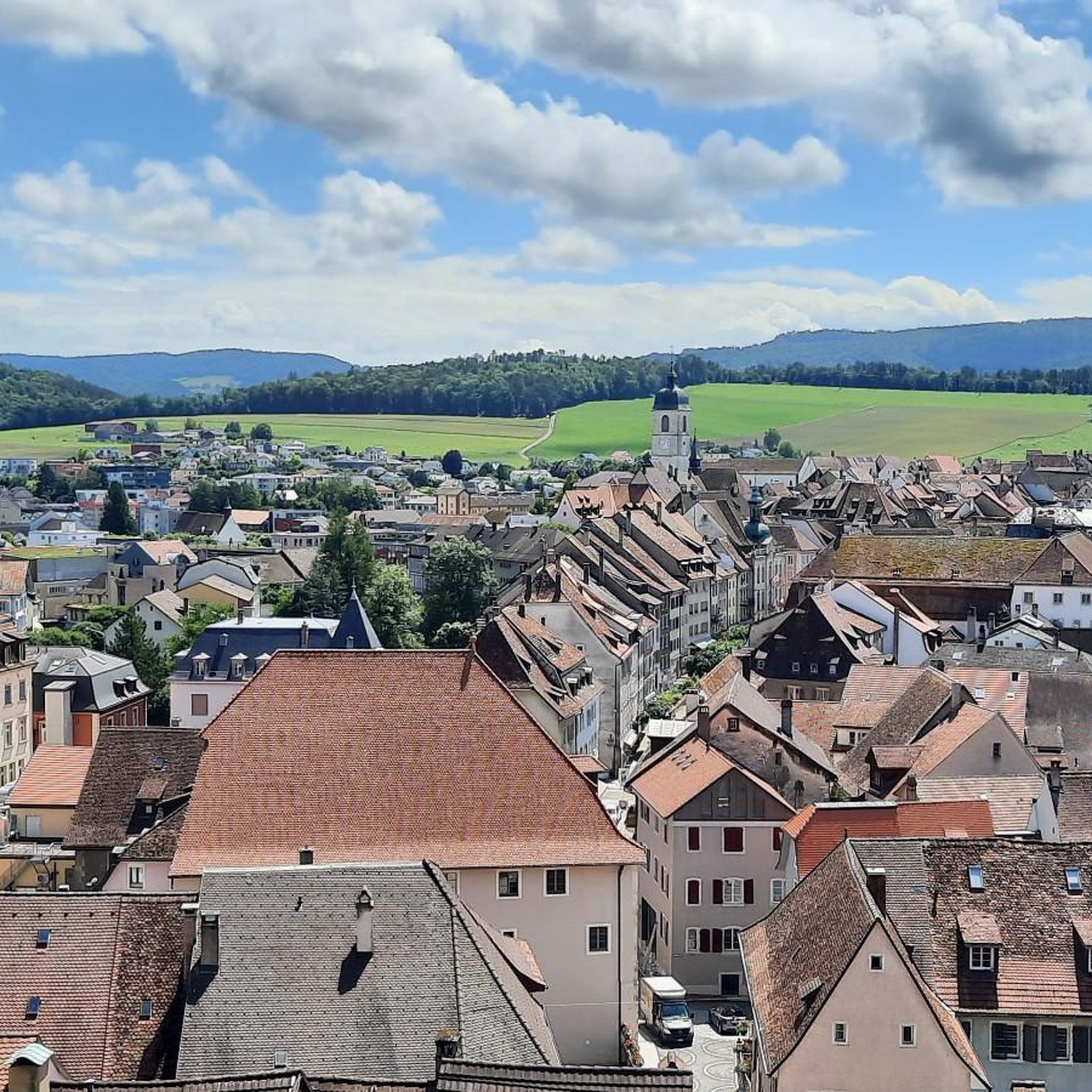
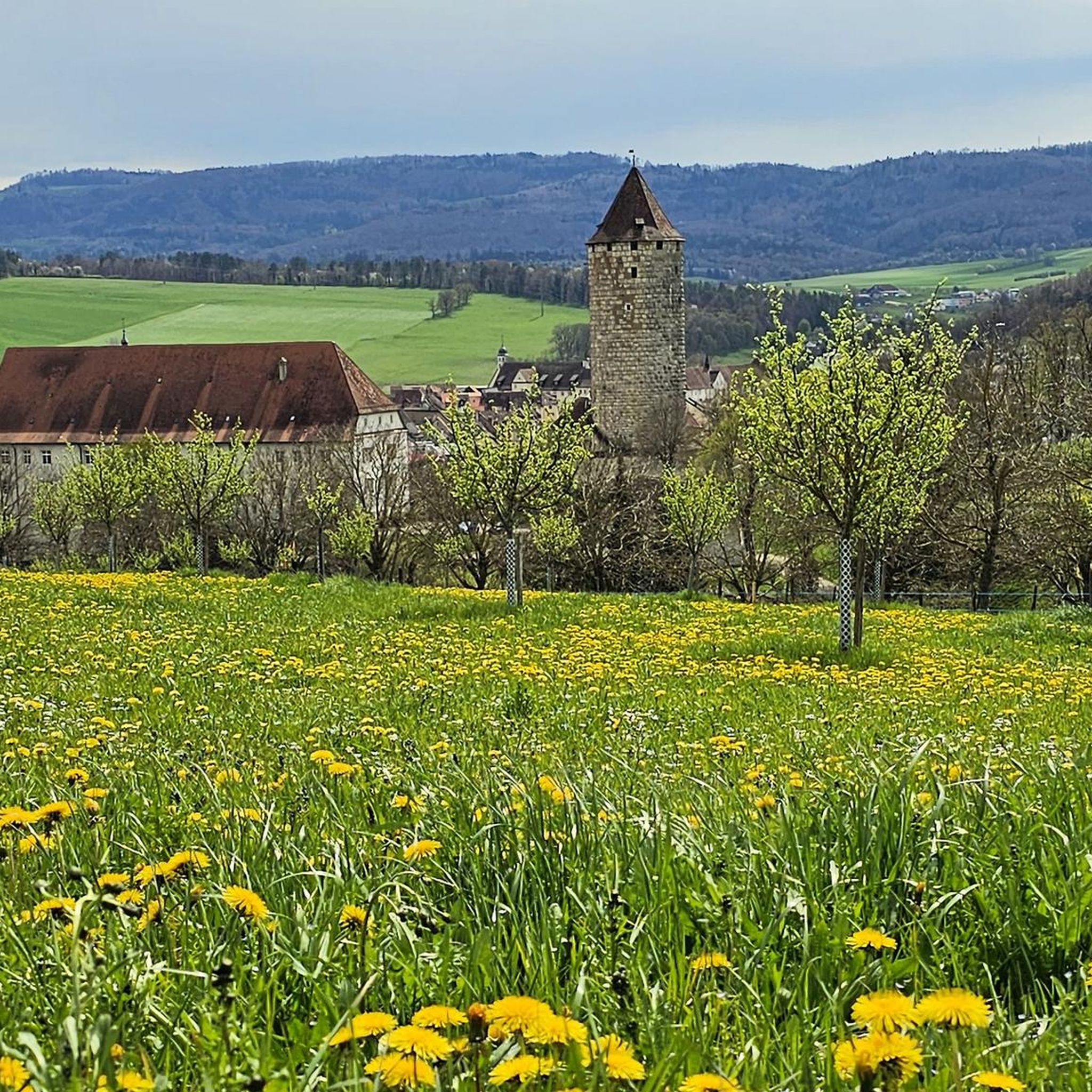
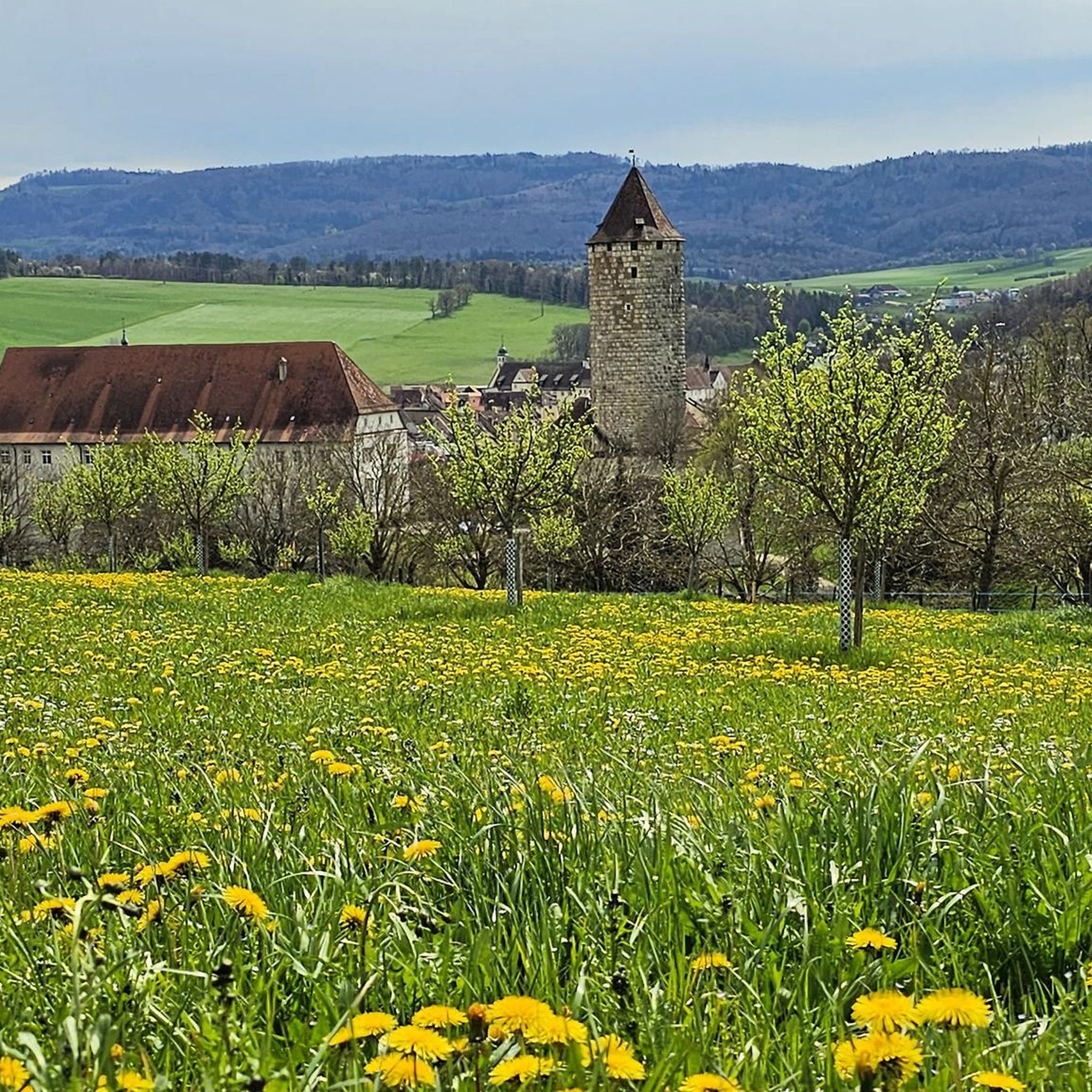
Top natural monuments around Courchavon are situated within the Jura region of Switzerland, an area characterized by its diverse natural landscape. This region features forests, rolling hills, and panoramic vistas, offering a variety of outdoor experiences. Courchavon serves as a base for exploring these natural attractions, which include geological formations, unique flora, and historical natural sites. The area provides opportunities to observe significant natural features and engage with the environment.
Top natural monuments around Courchavon
- The most popular natural monuments…
Last updated: October 13, 2026
Porrentruy Botanical Garden
Highlight • Natural Monument
Translated by Google •
Tip by

Dinosaur Tracks of Pommerat
Highlight • Natural Monument
Translated by Google •
Tip by

Sign up now to discover places like this
Get recommendations on the best single tracks, peaks, & plenty of other exciting outdoor places.
Milandre Caves
Highlight • Cave
Showing Translation
Tip by

Doue Spring
Highlight • Waterfall
Translated by Google •
Tip by

Pont Sarrazin Natural Arch
Highlight • Natural Monument
Translated by Google •
Tip by

Sign up for free to discover even more natural monuments around Courchavon.
Already have an account?
Start today with a free account
Your next adventure awaits.
Tips from the Community

Depending on the water level, the lower entrance of the cave can be explored more or less dry.
2
0

Impressive grotto under Millandre The active, vadose cave has been scientifically well studied. It is located in subhorizontal, fossil-bearing limestone. The cave river Milandrine flows through it, has a measured length of 10,520 meters and a vertical extension of 135 meters. https://de.wikipedia.org/wiki/Grotte_de_Milandre
1
2


A place where tranquility reigns supreme.
1
0

The source of the Doue is located behind an old mill which once used dynamite from the water to grind the cereals of the region. During the hot summers, the place turns into a haven of freshness.
1
0

If you stop in Porrentruy, if you are a herb, plant and flower enthusiast, you should definitely pay a visit to the Parc du Jardin Botanique. After the botanical garden in Basel, it is the second oldest in Switzerland. It is striking that in addition to the almost inexhaustible variety of plants, one or the other sundial on several house fronts shows the time in a shadowy way. A particularly idiosyncratic and modern example can be seen at the end of the park when you enter the area through the main portal. Right next to the botanical garden, there is a public car park that is subject to a fee. From the botanical garden, you can continue your journey of discovery in the direction of the old town, or pay your respects to the castle above the city.
0
0

Natural arch at the end of a Jura valley. The Sarrazin Bridge takes its name from the legend of Allima, well known in the country.
2
0

Over 600 local plant species from the Jura chain from Lake Biel to the Chasseral are on display. One focal point is the more than 70 varieties of roses and 180 varieties of irises, which enchant the garden in a huge sea of color when the flowers are in bloom.
1
1
Frequently Asked Questions
What are some unique natural monuments to visit near Courchavon?
Beyond the immediate vicinity, the broader Jura region offers diverse natural attractions. You can explore the impressive Milandre Caves, an active grotto with an underground river. For a historical natural site, the Dinosaur Tracks of Pommerat showcase 150-million-year-old fossilized footprints. Another unique spot is the Pont Sarrazin Natural Arch, a striking rock formation steeped in local legends.
Are there family-friendly natural monuments around Courchavon?
Yes, several natural monuments are suitable for families. The Dinosaur Tracks of Pommerat are particularly engaging for children, featuring well-preserved footprints and a dinosaur model they can interact with. The Porrentruy Botanical Garden is also family-friendly, offering a beautiful and educational experience with its diverse plant collections.
What natural features can I observe in the region around Courchavon?
The Jura region surrounding Courchavon is rich in natural features. You can find tranquil waterfalls like the Doue Spring, impressive geological formations such as the Pont Sarrazin Natural Arch, and extensive cave systems like the Milandre Caves. The area also boasts lush forests, rolling hills, and panoramic vistas, especially within the Jura Vaudois Nature Park.
Are there any historical natural sites or archeological natural monuments nearby?
Absolutely. The Dinosaur Tracks of Pommerat are a significant archeological natural monument, preserving ancient footprints. While not purely natural, the Menhirs of Clendy near Yverdon-les-Bains are an impressive prehistoric megalithic complex set in a natural forest clearing, offering a unique blend of history and nature.
What outdoor activities can I do near these natural monuments?
The region around Courchavon offers various outdoor activities. You can find numerous MTB trails, running trails, and gravel biking routes. The Jura Vaudois Nature Park is particularly well-suited for hiking, mountain biking, and even snowshoeing in winter, with a well-signposted network of trails.
Where can I find botanical diversity or unique plant species?
The Porrentruy Botanical Garden is an excellent destination for plant enthusiasts. As one of Switzerland's oldest botanical gardens, it features over 600 local plant species from the Jura chain, along with impressive collections of roses and irises that create a vibrant display when in bloom.
What is the best time to visit the natural monuments around Courchavon?
The warmer months are ideal for visiting many natural monuments, especially places like the Doue Spring, which offers a refreshing escape. For hiking and outdoor activities in the Jura Vaudois Nature Park, spring through autumn provides pleasant weather. Some sites, like the Dinosaur Tracks of Pommerat, are freely accessible from April to October.
Are there any nature reserves for wildlife observation near Courchavon?
Yes, the region boasts significant nature reserves. The Etang de la Gruère in the Canton of Jura is a tranquil national nature reserve known for its peaceful environment. Further afield, the Grande Cariçaie Nature Reserve along Lake Neuchâtel offers exceptional opportunities for wildlife observation, particularly from the Champ-Pittet Observation Tower.
Can I find panoramic viewpoints among the natural monuments?
Yes, several locations offer stunning views. The Pont Sarrazin Natural Arch provides a unique viewpoint at the end of a Jura valley. For expansive vistas, the Dent de Vaulion, within the Jura Vaudois Nature Park, stands as the highest mountain in the region and offers breathtaking panoramic views of western Switzerland, including the Vallée de Joux and its lakes.
What kind of geological formations can be explored?
The area is rich in geological formations. You can explore the impressive underground world of the Milandre Caves, featuring an active cave river. The Pont Sarrazin Natural Arch is another notable natural rock formation. The Jura Vaudois Nature Park also features jagged limestone rocks and diverse landscapes shaped by geological processes.
Are there any natural monuments that involve water features?
Certainly. The Doue Spring is a beautiful waterfall located behind an old mill, offering a tranquil environment. The Milandre Caves feature an active cave river, the Milandrine. Additionally, the broader Jura region includes Lac de Joux, the largest lake in the Jura, and the tranquil Etang de la Gruère.
What do visitors enjoy most about the natural monuments around Courchavon?
Visitors frequently appreciate the tranquility and natural beauty of the area. The Doue Spring is often highlighted for its peaceful atmosphere, especially during warmer months. The educational and historical aspects of sites like the Dinosaur Tracks of Pommerat and the botanical diversity of the Porrentruy Botanical Garden are also highly valued.
Most popular routes around Courchavon
Most popular attractions around Courchavon

Get inspired with the komoot mobile app


Explore more
Extend your search for the best caves by checking out these guides of the top ones around Courchavon:
