Top 20 Natural Monuments around Montana
Best natural monuments around Montana include a diverse range of geological features and protected areas. The state, known as "Big Sky Country," offers landscapes from vast mountain ranges to ancient fossil sites. Visitors can explore national parks, state parks, and national monuments that preserve unique natural formations and historical significance. These areas provide opportunities to observe varied ecosystems and geological history.
Best natural monuments around Montana
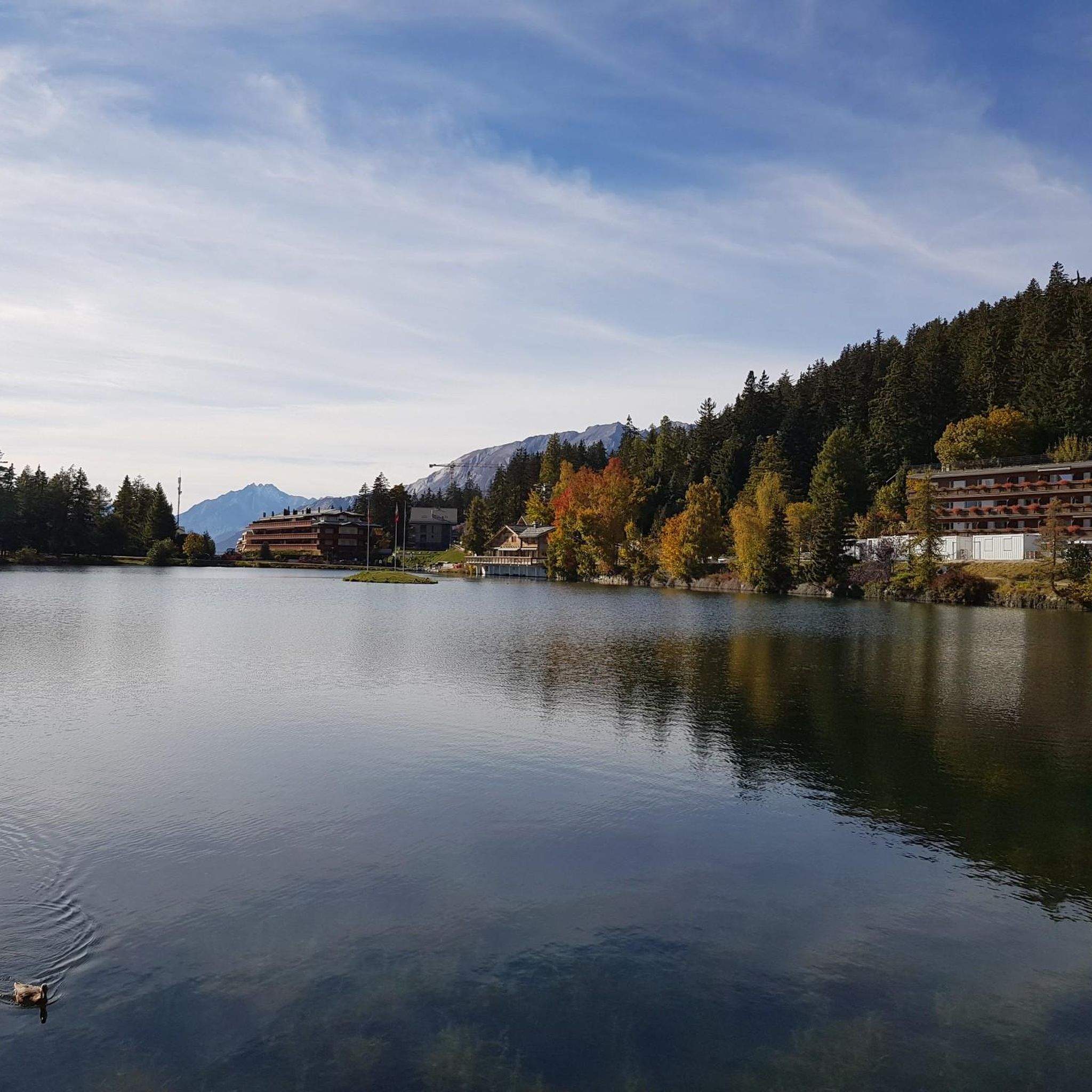
- The most popular natural monuments is Lake Tseuzier, a lake that is a…
Last updated: June 26, 2026
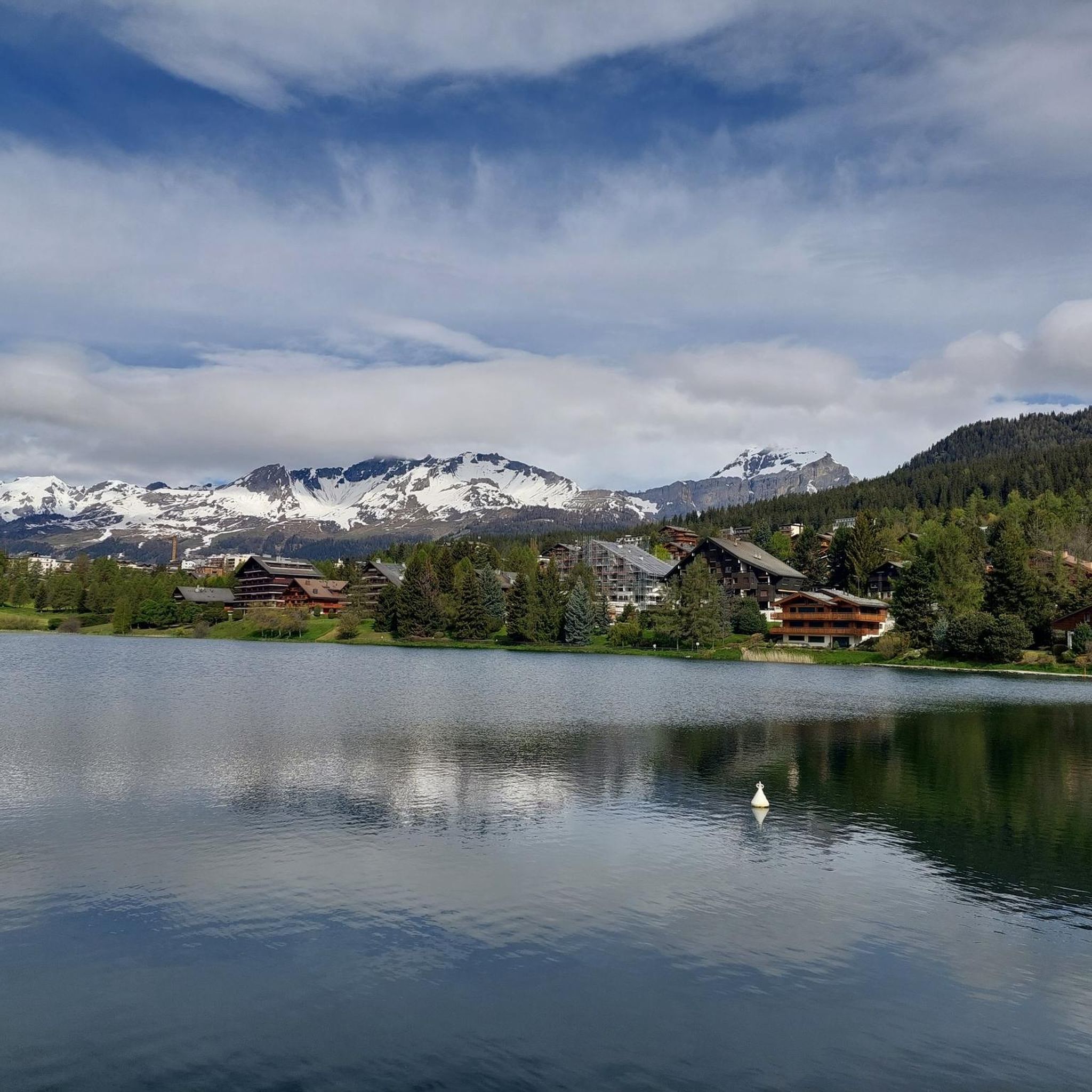
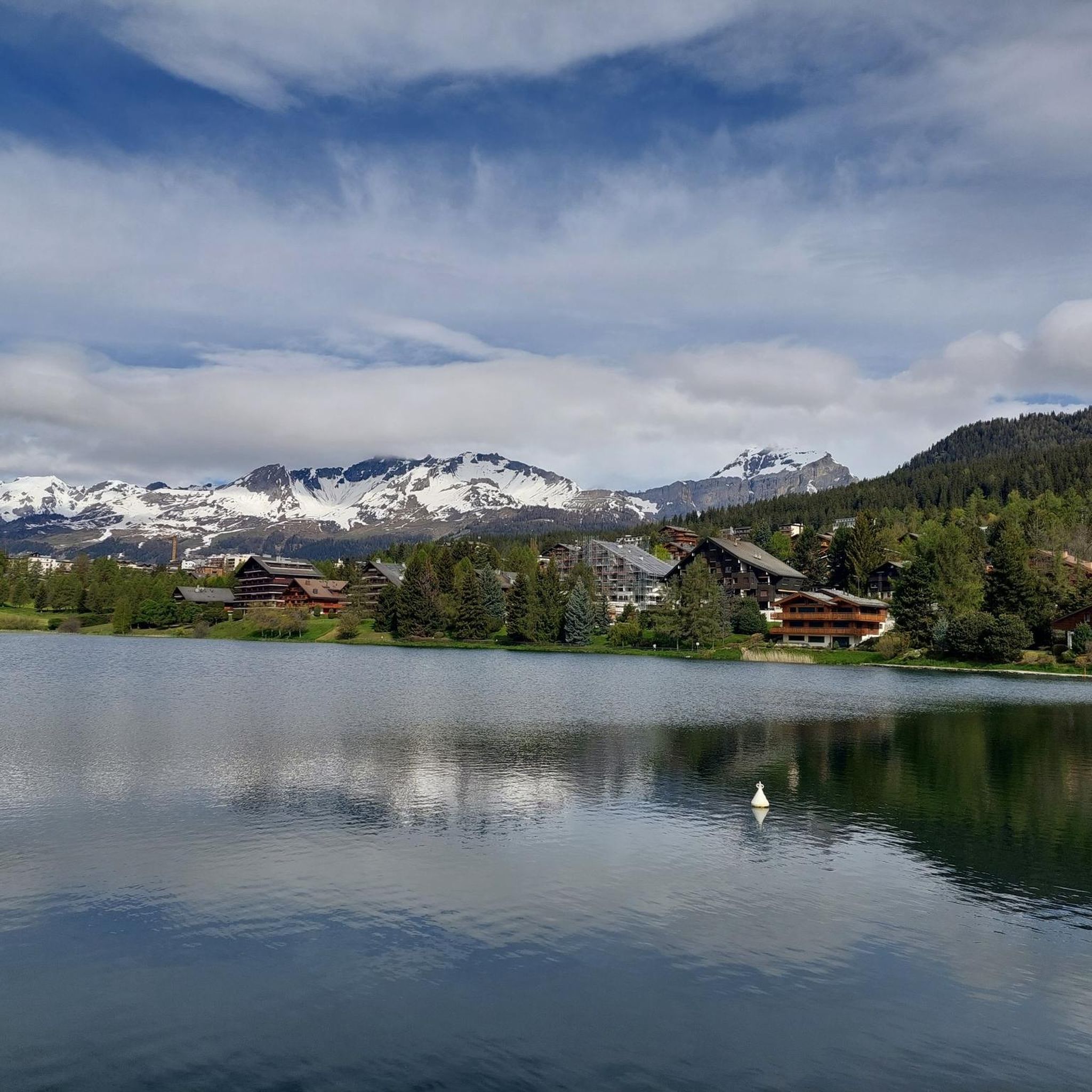
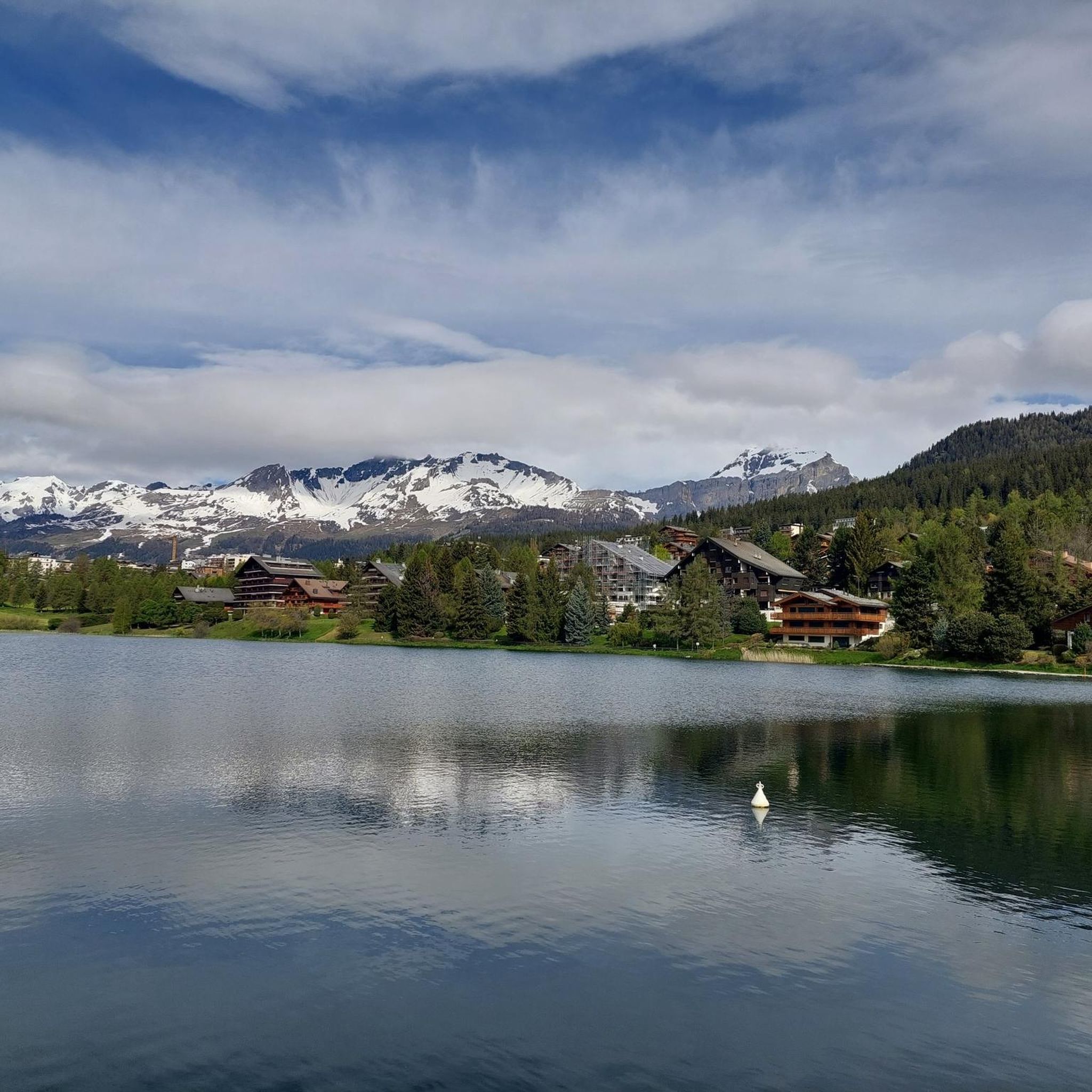
Lac de Tseuzier Reservoir
Highlight • Lake
Translated by Google •
Tip by

Bhutan Bridge Over the Illgraben
Highlight • Bridge
Translated by Google •
Tip by

Sign up now to discover places like this
Get recommendations on the best single tracks, peaks, & plenty of other exciting outdoor places.
Sign up for free
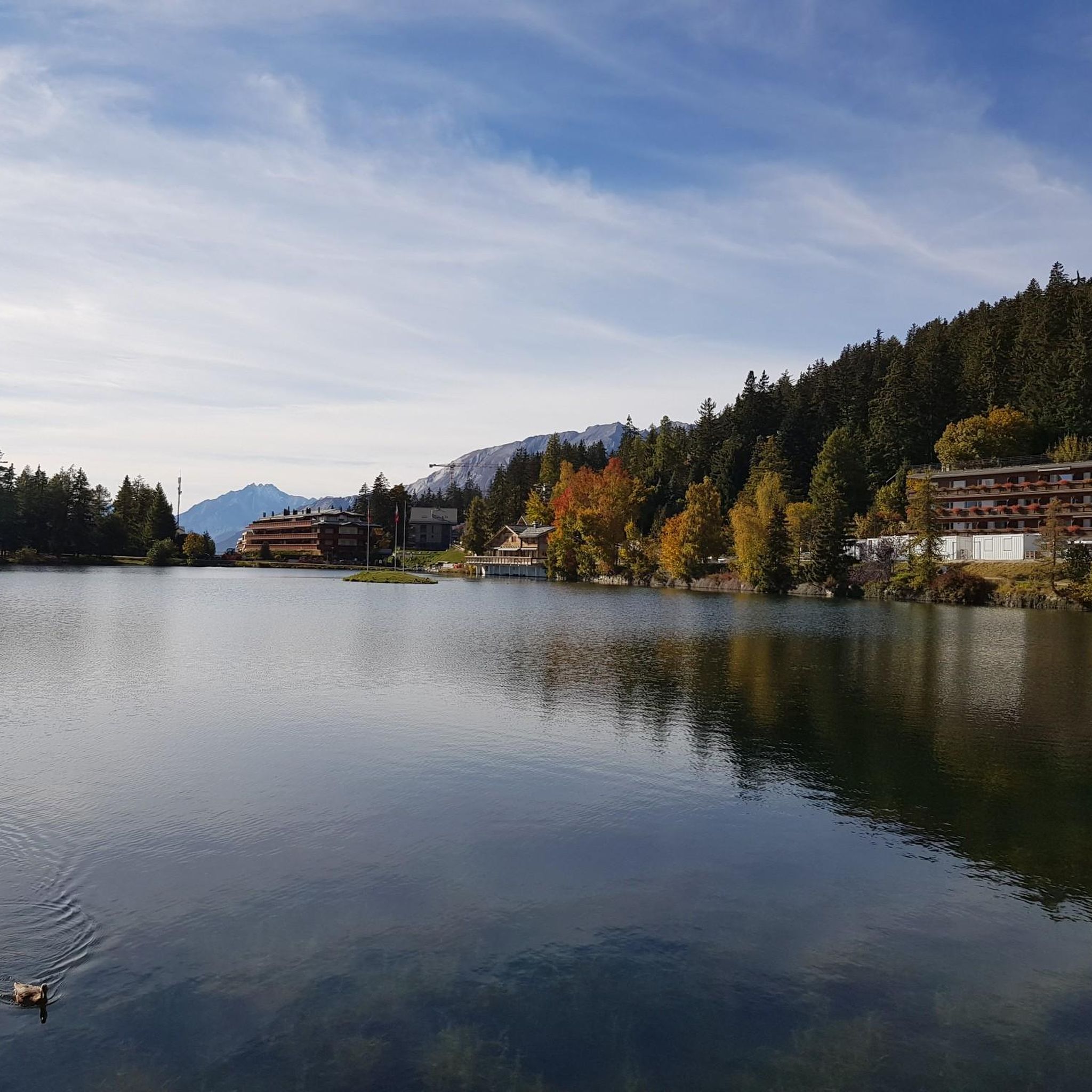
Lac de la Brèche
Highlight • Lake
Translated by Google •
Tip by

View of the Tièche Valley
Highlight • Viewpoint
Translated by Google •
Tip by

Col du Rawil (2,425 m)
Highlight • Mountain Pass
Translated by Google •
Tip by

Sign up for free to discover even more natural monuments around Montana.
Sign up for free
Already have an account?
Start today with a free account
Your next adventure awaits.
Login or Signup

Tips from the Community


From the Iffigenalp, a hiking trail leads through the forest and then along paths blasted into the rock to the pass. Together with the many waterfalls and the plateau, I found this pass to be magnificent.
0
0

magnificent view of the lake and the surrounding mountains
0
0

At the Rawil Pass you are at an altitude of 2,429 meters and on the border between the cantons of Bern and Valais. It is good that the plans from the 1980s to build a road and tunnel here were rejected by a popular initiative, because this means that the mountain idyll continues to prevail here instead of noise.
0
0

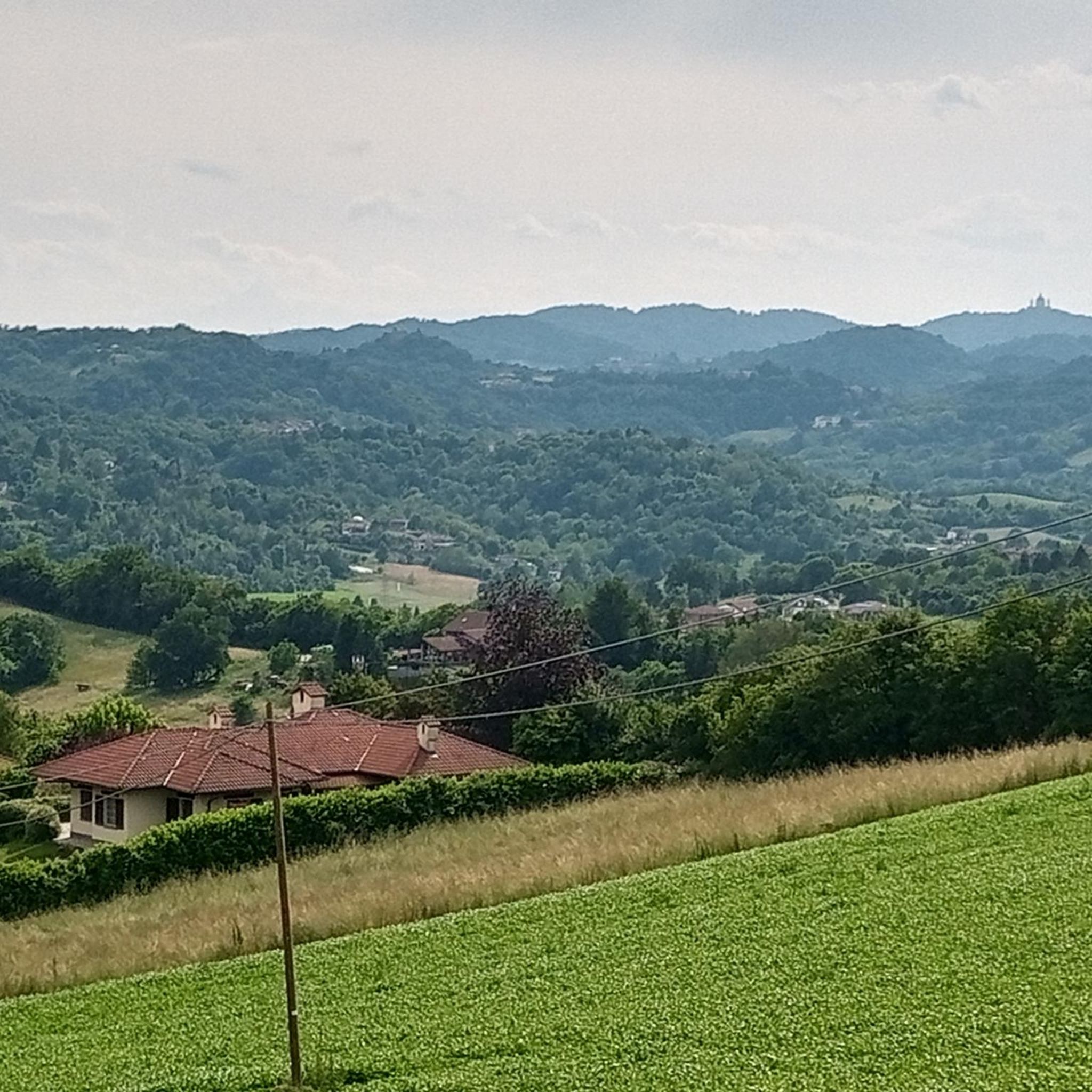
From here you have a fantastic view of the pristine Tièche valley. The valley is a small natural paradise with waterfalls, larch forests and preserved mountain pastures. Further down, the Tiéche flows into the Raspille, which also marks the linguistic border of the canton of Valais. Water from the Tièche is also transported to the vineyards around Crans-Montana via the old Suone de Tsittoret irrigation canal.
0
0
From here you have a fantastic view of the Tièche valley. The valley is a small natural paradise with waterfalls, larch forests and preserved mountain pastures. Further down, the Tiéche flows into the Raspille, which also marks the linguistic border of the canton of Valais. Via the old Suone de Tsittoret irrigation canal, the waters of the Tièche are also transported to the vineyards around Crans-Montana.
0
0
Lac de la Brèche is famous for its crystal clear waters and its surrounding landscapes. The water is very clear, during warmer periods you can enjoy a quick swim. There is a small pier nearby where you can rest or sunbathe. Access is free, there are no amenities, please take all trash with you.
1
0

The route around the lake has a few inclines and obstacles, but it is also manageable for younger children without any problems. In addition to fantastic panoramic views, there are also a few waterfalls to be admired.
1
0
Frequently Asked Questions
What are some of the most prominent natural monuments to visit in Montana?
Montana is home to a diverse range of natural wonders. Key highlights include the vast wilderness of Glacier National Park, the geysers and hot springs of Yellowstone National Park (Montana portion), the intricate limestone formations of Lewis and Clark Caverns State Park, and the dramatic Bighorn Canyon National Recreation Area.
Are there family-friendly natural monuments in Montana?
Yes, many natural monuments in Montana are suitable for families. For instance, Glacier National Park offers trails ranging from easy walks to more challenging routes, and its iconic Going-to-the-Sun Road provides breathtaking views accessible to all. Lewis and Clark Caverns State Park provides guided tours that are a unique underground adventure for all ages. Flathead Lake is also a popular destination for summer activities like boating and swimming.
What kind of unique geological features can I expect to see in Montana's natural monuments?
Montana's natural monuments showcase a wide array of geological features. You can explore the glacial landscapes and alpine lakes of Glacier National Park, the active geothermal features like geysers and hot springs in Yellowstone National Park, the stunning badlands formations at Makoshika State Park, and the towering canyon walls of Bighorn Canyon National Recreation Area. Lewis and Clark Caverns State Park offers a glimpse into intricate underground limestone formations.
Which natural monuments in Montana have historical significance?
Several natural monuments in Montana are rich in history. Pompey's Pillar National Monument features Native American petroglyphs and the signature of William Clark from the Lewis and Clark Expedition. The Upper Missouri River Breaks National Monument preserves a section of the Missouri River that remains largely as it was during the Lewis and Clark expedition. Lewis and Clark Caverns State Park also holds regional historical significance related to its discovery and exploration.
What outdoor activities can I do near these natural monuments?
The natural monuments in Montana offer a wealth of outdoor activities. You can find extensive hiking trails in Glacier and Yellowstone National Parks, boating and fishing opportunities at Flathead Lake and Bighorn Canyon, and unique exploration in the badlands of Makoshika State Park. For cycling enthusiasts, there are numerous routes available, such as those found in the Cycling around Montana guide, and for mountain biking, check out the Gravel biking around Montana guide. For more challenging treks, explore the Mountain Hikes around Montana guide.
When is the best time to visit Montana's natural monuments?
The best time to visit Montana's natural monuments largely depends on the specific location and desired activities. Summer (June to September) is generally ideal for hiking and exploring high-elevation areas like Glacier National Park, as roads and trails are typically clear of snow. Spring and fall offer fewer crowds and beautiful scenery, though some facilities might be closed. Winter provides opportunities for snow sports and unique wildlife viewing, especially in areas like Yellowstone's northern range, but access can be limited.
Can I see wildlife at Montana's natural monuments?
Yes, Montana's natural monuments are excellent for wildlife viewing. Glacier National Park is home to grizzly bears, mountain goats, and wolverines. The Montana portion of Yellowstone National Park offers opportunities to see bison, wolves, elk, and grizzly bears. Bighorn Canyon National Recreation Area and Flathead Lake also provide habitats for various species, including wild horses on Wild Horse Island.
Are there any natural monuments in Montana known for water features?
Absolutely. Giant Springs State Park in Great Falls is home to one of the largest freshwater springs in the country, releasing over 150 million gallons daily and forming the Roe River. Flathead Lake is the largest natural freshwater lake in the western United States, known for its crystal-clear waters. Glacier National Park features numerous lakes and cascading waterfalls, while Bighorn Canyon is carved by the Bighorn River and contains Montana's deepest lake, Bighorn Lake.
What are some unique natural monuments in eastern Montana?
In eastern Montana, Makoshika State Park near Glendive stands out as the state's largest state park, featuring unique badlands formations, eroded buttes, and canyons. It also holds significant paleontological importance, with dinosaur fossils discovered there, offering a glimpse into Montana's ancient past.
What kind of hiking trails are available at Montana's natural monuments?
Hiking opportunities vary widely across Montana's natural monuments. Glacier National Park offers trails from easy walks to challenging backcountry routes like the Highline Trail and Grinnell Glacier Trail. Yellowstone National Park's Montana section has trails such as the Beaver Ponds Loop. Lewis and Clark Caverns State Park provides guided cave tours, while Makoshika State Park offers trails for exploring its unique badlands landscape. Many areas also feature paths along rivers and lakes, such as those at Giant Springs State Park.
Are there any natural monuments in Montana that are less crowded?
While popular sites like Glacier and Yellowstone can draw large crowds, areas like Bighorn Canyon National Recreation Area offer a more remote and solitary experience. The Montana section of Yellowstone National Park, particularly around Gardiner, can also be less congested than other park entrances. The Upper Missouri River Breaks National Monument provides a pristine and historically significant natural landscape for those seeking solitude.
What makes the Upper Missouri River Breaks National Monument unique?
The Upper Missouri River Breaks National Monument is unique for preserving a 375,000-acre section of the Missouri River that largely remains as it was during the Lewis and Clark expedition. It features dramatic white limestone cliffs, deeply eroded coulees, and native prairie ecosystems, offering a pristine and historically significant natural landscape for river adventures and wildlife observation.
Most popular routes around Montana
Most popular attractions around Montana

Get inspired with the komoot mobile app


Explore more
Extend your search for the best caves by checking out these guides of the top ones around Montana:
