Top 20 Natural Monuments around Pollegio
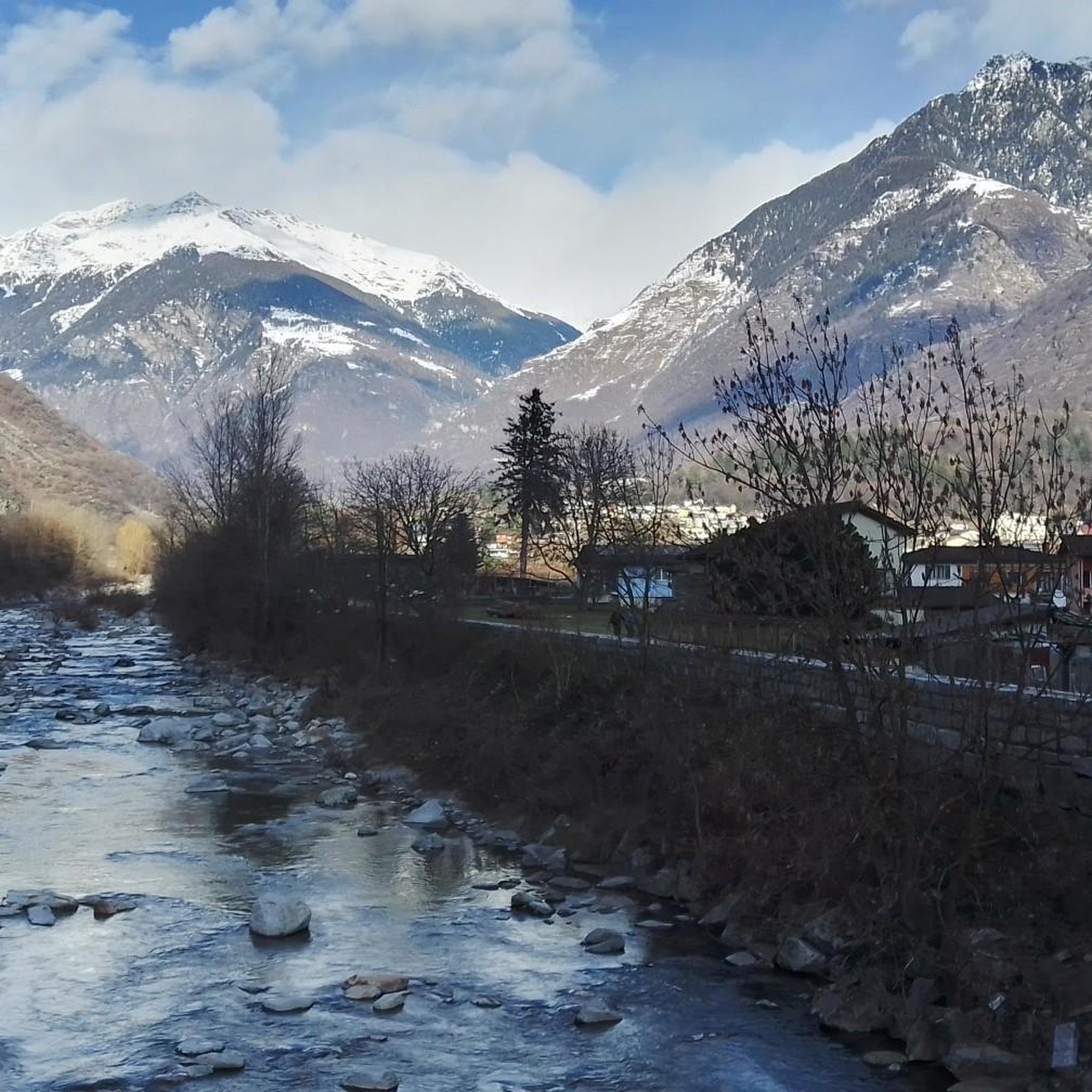
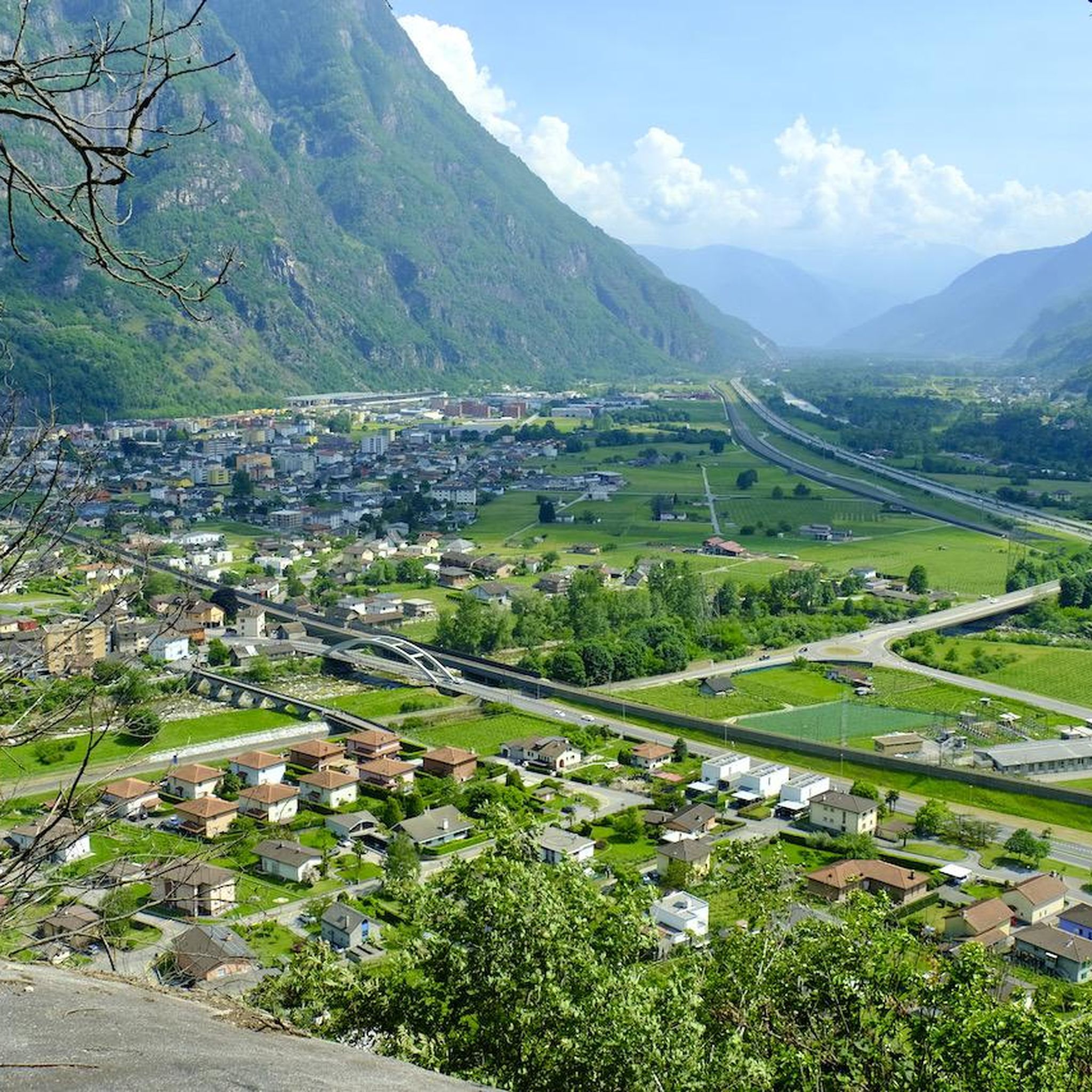
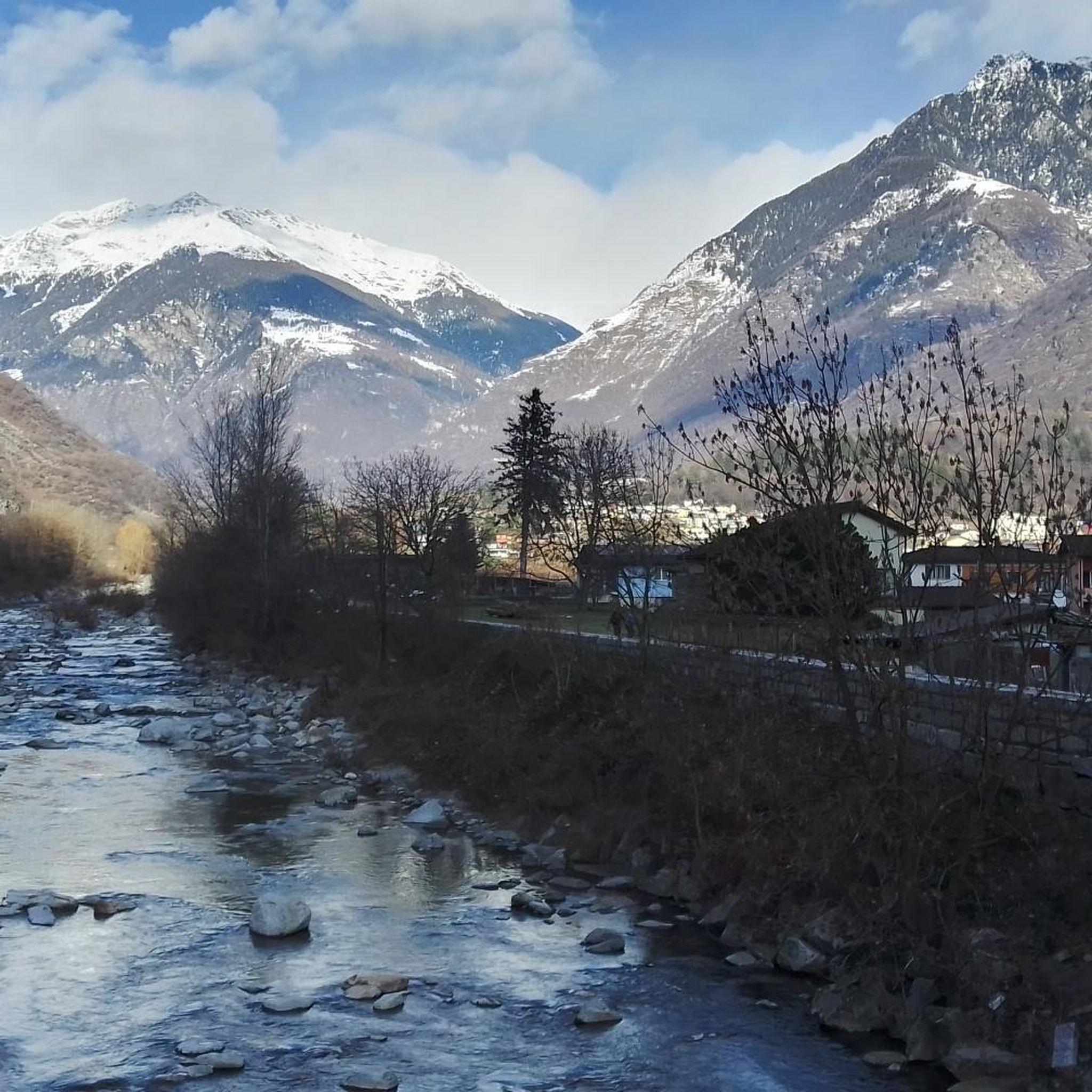
Best natural monuments around Pollegio are found in the lower Leventina Valley, within the Canton of Ticino, Switzerland. This region is characterized by its natural beauty, featuring waterfalls, mountain peaks, and canyons. The area offers diverse natural attractions, providing opportunities for outdoor activities and exploration of geological formations. Pollegio serves as a base for discovering these natural landmarks.
Best natural monuments around Pollegio
- The most popular natural monument is Lago d'Efra, a lake that is a small natural mountain…
Last updated: June 26, 2026
Acquarossa Thermal Springs
Highlight • Natural Monument
Translated by Google •
Tip by

Santa Petronilla Falls
Highlight • Waterfall
It descends from the high peaks, forming Santa Petronilla's waterfalls, the highest waterfalls of Ticino.
The waters …
Tip by

Sign up now to discover places like this
Get recommendations on the best single tracks, peaks, & plenty of other exciting outdoor places.
Sign up for free
Gorge of the Iragna Stream
Highlight • Gorge
Translated by Google •
Tip by

Pozzo di Osogna Waterfall
Highlight • Waterfall
Translated by Google •
Tip by

Lago d'Efra
Highlight • Lake
Translated by Google •
Tip by

Sign up for free to discover even more natural monuments around Pollegio.
Sign up for free
Already have an account?
Start today with a free account
Your next adventure awaits.
Login or Signup
Tips from the Community

Acquarossa is in the center of the Blenio Valley, a valley full of wonderful mountain bike trails, for all tastes. Discover them on komoot at www.komoot.com/it-it/collection/3576744/-blenio-bike-28-tour-mtb-in-valle-di-blenio-la-valle-del-sole or on the association's official website www.bleniobike.ch.
0
0

High above Biasca, on an alpine pasture, lies the source of the "Ri della Froda". This small and inconspicuous stream flows through a rocky landscape shaped by water over millennia, eventually becoming the largest waterfall in Ticino.
2
0

A suggestive place from which you can enjoy a wonderful view
0
0

The town is of Etruscan origin and dates back to the mid-7th century BC. The current name derives from the nearby iron-rich water source.
1
0

Small natural mountain lake in a very suggestive place, not too far from the Capanna Efra of the same name.
1
0

Wonderful, sunny bathing bay just a few meters from the town centre.
0
0

the path to the bathing area leads past the church
0
0

Acquarossa ("red water") in the middle Blenio Valley takes its name from the local springs containing salt, iron, arsenic and lithium carbonate, which have a constant temperature of 25 to 26 degrees Celsius and flow out of the mountainside at 2500 liters per minute. The bathing and drinking water from the spring, as well as the red mud (fango) obtained from it, are said to have medicinal healing powers. The first mention of the place name Aquam rubeam comes from 1446. In the 18th century there was a small bath that was built in 1786 on the foundations of an earlier building, the Palazzo Malingamba. A park, several restaurants, a post office with telephone and telegraph as well as a carriage service and, from 1911, a rail connection to the Biasca-Acquarossa railway (today the new bus station) near Comprovasco were available. Initially almost unknown in the north of the Alps, the spa was visited primarily from Ticino and Italy until the outbreak of the First World War.
0
1
Frequently Asked Questions
What types of natural features can I explore around Pollegio?
The region around Pollegio, situated in the lower Leventina Valley, is rich in diverse natural features. You can discover impressive waterfalls like the Santa Petronilla Falls, which are the highest in Ticino, and the unique Pozzo di Osogna Waterfall, known for its natural well that transforms into a summer beach. There are also serene mountain lakes such as Lago d'Efra, and dramatic geological formations like the Gorge of the Iragna Stream with its deeply carved pools and impressive narrows.
Are there any family-friendly natural monuments near Pollegio?
Yes, the Pozzo di Osogna Waterfall is particularly family-friendly. Its natural well transforms into a beach in summer, offering a perfect spot for relaxation and cooling off amidst nature. The nearby Grotto al Pozz also provides a joyful meeting place for families.
What outdoor activities can I do near these natural monuments?
The area around Pollegio offers various outdoor activities. For hiking, you can explore trails like the 'Val d'Ambra Loop Trail' or the 'St. Charles Borromeo – Santa Petronilla Falls loop from Biasca'. Cyclists can enjoy routes such as 'From Biasca to Claro – loop tour in the Val Riviera'. You can find more details and routes on the dedicated guides for Hiking around Pollegio and Cycling around Pollegio.
Are there any historical or cultural sites intertwined with the natural monuments?
Yes, the Acquarossa Thermal Springs offer a blend of natural and historical interest. The town of Acquarossa itself has Etruscan origins, dating back to the mid-7th century BC. The springs, known for their iron-rich waters with medicinal properties, have been utilized since at least the 18th century, with a small bathhouse built in 1786. Additionally, the ancient stone Grotti of Personico, characteristic rural structures in the lower Leventina Valley, showcase how human life historically intertwined with the natural environment for food preservation and shelter.
What do visitors enjoy most about the natural monuments around Pollegio?
Visitors frequently appreciate the scenic beauty and the opportunities for outdoor activities. For instance, the Santa Petronilla Falls are praised for their beauty, power, and the refreshing atmosphere they provide, along with a dream view of Biasca. The Lago d'Efra is loved for its suggestive location and wonderful views of the mountain lake and surrounding panorama. The Pozzo di Osogna Waterfall is highlighted as an ideal place to relax and cool off in nature.
What is the best time to visit the natural monuments in the Pollegio area?
The region's natural monuments, particularly those involving waterfalls and lakes, are generally best enjoyed during the warmer months from spring to autumn. During these seasons, the weather is more favorable for hiking and outdoor activities, and the waterfalls are often at their most impressive. The Pozzo di Osogna Waterfall, for example, transforms into a popular beach in summer.
Are there any viewpoints offering panoramic views of the region's natural beauty?
While not a natural monument itself, the summit of Monte Bolgia, though a bit further afield, offers breathtaking panoramic views of the Swiss and Italian Alps, including Lake Lugano and Lago Maggiore. Within the immediate vicinity of Pollegio, natural monuments like Lago d'Efra provide wonderful views of the mountain lake and surrounding mountain panorama.
Are there any challenging natural monuments for experienced hikers or canyoning enthusiasts?
Yes, the Gorge of the Iragna Stream is a very demanding canyon, ideal for fitness-strong and experienced canyoning fans. It features partially exposed abseiling sections up to 50 meters high, fast slides, and high jumps, offering a concentrated load of experiences in a magnificent gorge of white-veined gneiss and crystal-clear water.
How long should I plan for a visit to these natural monuments?
The duration of your visit depends on the specific natural monument and your planned activities. For a place like the Pozzo di Osogna Waterfall, you might spend a few hours relaxing and swimming. Exploring the Santa Petronilla Falls and its surrounding paths could take half a day. More challenging explorations, such as canyoning in the Gorge of the Iragna Stream, can be a full-day adventure. Consider combining visits to nearby monuments or integrating them into a longer hiking or cycling tour.
Are there opportunities for road cycling near the natural monuments?
Yes, the Pollegio area offers several road cycling routes. You can find challenging options like the 'North-South Route: Leventina Valley Loop' or the 'Giornico Village – Guex Monument at Gotthard Pass loop from Biasca'. For more details on routes and their difficulty, refer to the Road Cycling Routes around Pollegio guide.
What are the characteristics of the mountain peaks in the Pollegio region?
The region around Pollegio is characterized by various mountain peaks, which contribute to its dramatic alpine scenery. While specific peaks within Pollegio are not detailed, the broader Ticino region, where Pollegio is located, is known for mountains like Monte Bolgia. These peaks offer opportunities for hiking with significant elevation gains and promise spectacular vistas, often with southern exposure making them sunny destinations.
Most popular attractions around Pollegio

Get inspired with the komoot mobile app


Explore more
Extend your search for the best caves by checking out these guides of the top ones around Pollegio:
