Top 7 Mountain Passes around Gnosca
Best mountain passes around Gnosca are found in the Swiss canton of Ticino, where Gnosca is part of Bellinzona in the Riviera valley along the Ticino river. The area features a largely forested and mountainous landscape, offering numerous hiking opportunities. While Gnosca itself does not host named mountain passes, the region provides access to several significant Alpine passes in the broader Ticino canton, known for their scenic routes and challenging terrain.
Best mountain passes around Gnosca
- The most popular mountain…
Last updated: September 30, 2026
Erbea Pass
Highlight • Mountain Pass
Translated by Google •
Tip by

San Bernardino Pass from Bellinzona
Highlight (Segment) • Mountain Pass
Tip by

Sign up now to discover places like this
Get recommendations on the best single tracks, peaks, & plenty of other exciting outdoor places.
Bocchetta di Rognoi
Highlight • Mountain Pass
Translated by Google •
Tip by

Parcours 1 #TCRNo9 // Passo dello Spluga
Highlight (Segment) • Mountain Pass
Tip by

Forcarella di Lodrino
Highlight • Mountain Pass
Translated by Google •
Tip by
Sign up for free to discover even more mountain passes around Gnosca.
Already have an account?
Start today with a free account
Your next adventure awaits.
Tips from the Community

Given it's a north facing be prepared to find patches of loose snow even at the beginning of the summer season. Always double check snow conditions on SLF snow map website (https://whiterisk.ch/en/conditions/snow-maps/snow_depth)
0
0

If the snow line drops, there will be snow on the Moleno Valley side, and it won't melt away quickly (the sun doesn't even shine in October). This makes this route on the steep slope truly challenging without spikes or poles. The descents from both sides, in particular, should be approached with extreme caution.
0
0

The Bocchetta di Rognoi is a mountain pass in the municipality of Verzasca in the canton of Ticino. It is located at an altitude of 2219 meters above sea level between the Pizzo di Vogorno (2442m above sea level) and the Madon (2395m above sea level). The pass forms a connection between the Val della Porta in the south and the Val Carecchio to the north, both side valleys of the Verzasca Valley. The path over the Butta di Rognoi is marked as a white-red-white mountain hiking trail. The nearest mountain hut is the Capanna Borgna on the south side of the pass, from which there are hiking options to the Bochete di Cazzann (Butta Cazzane) and further to the Valle di Moleno as well as to the Passo di Ruscada (and from there to the Magadino plain).
0
0

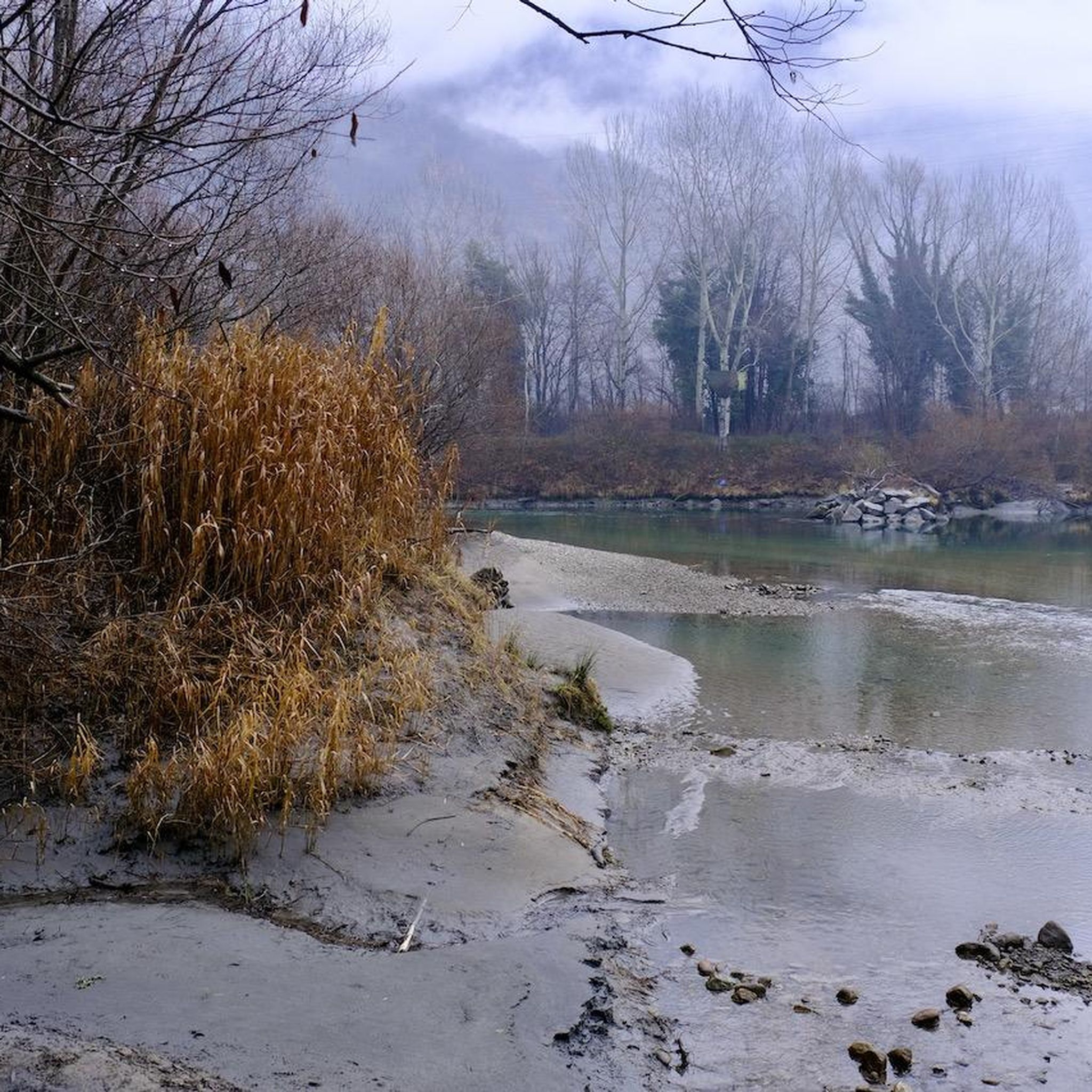
Bocchetta d'Erbea is located between the Gaggio valley and the Molena valley. It is a narrow opening in the rock that divides two very different valleys. The Gaggio valley is green, that of Molena is mainly stony.
1
0

Long climb up the pass, but really beautiful and very pleasant to ride
0
1

Very nice pass, drive and enjoy
0
1

Heading south to the Alps for the first Control Point of the Race, TCRNo9 riders face a parcours that follows in the millenia-old tracks of pass-storming armies and traders — zig-zagging across the Swiss and Italian borders, over the high cols and through the steeply-gorged valleys of the now famous San Bernardino and Splugen Passes, before plunging to Chiavenna at the foot of the Maloja Pass. 2023 marks the 200-year anniversary of the modern road over the Passo dello Spluga. Here riders will free route from the end of the parcours to Control Point 1 in Livigno. Perched high in the Italian Alps, the location will force racers to remain in the mountains en route to Control Point 2. Livigno’s name stems from the old German word for ‘avalanche’ — a reminder to riders not to underestimate conditions here, something they will do at their peril as they traverse some of the highest paved roads in the region before being deposited at the foot of the mighty Stelvio National Park.
0
0
The Forcarella di Lodrino is a mountain pass between the Valle Verzasca and the Riviera in the canton of Ticino. Your pass is at an altitude of 2218 meters above sea level on the ridge that leads from Poncione Rosso (2505m asl) in the north to Scima do Precastell (2358m asl). You can cross the pass on an alpine hiking trail (white-blue-white marking). From the village of Lodrino on the east side, this path first leads up to the huts near In Alva and then high above the Val di Lodrino to the crossing. From Lavertezzo in the Verzasca Valley you hike via Cognera and Forno into the Val Pincascia. At the back of the valley you first climb to Alpe Fümègna and then on to Forcarella di Lodrino.
2
0
Frequently Asked Questions
What are some of the most challenging mountain passes around Gnosca?
For those seeking a challenge, the region offers several demanding passes. The Erbea Pass is a narrow opening between the Gaggio and Molena valleys, known for its steep slopes and potentially snowy conditions even in autumn. Another challenging option is Bocchetta di Rognoi, situated at 2219 meters above sea level, connecting the Val della Porta and Val Carecchio with marked mountain hiking trails.
Are there any mountain passes suitable for cycling near Gnosca?
Yes, the Monte Ceneri Pass from Cadenazzo offers an intermediate cycling route. This 6.6 km climb features a vertical drop of 352 meters and an average gradient of 5.3%, with some sections reaching 8%.
What natural features and viewpoints can I expect to see around the mountain passes near Gnosca?
The passes in the Ticino region are renowned for their breathtaking panoramas. For instance, the San Bernardino Pass from Bellinzona offers stunning views, including the magnificent Moesola mountain lake near its summit. The Erbea Pass provides a striking contrast between the green Gaggio valley and the stony Molena valley. Additionally, the broader Ticino region, accessible from Gnosca, features the emerald Verzasca river and the iconic double-arched Roman bridge (Ponti dei Salti) in Lavertezzo.
What other significant Alpine passes are accessible from the wider Ticino region?
Beyond the immediate vicinity of Gnosca, the canton of Ticino boasts several major Alpine passes. These include the historic Gotthard Pass (2,108m), the scenic San Bernardino Pass, the Nufenen Pass (2,478m), which is the highest paved pass entirely within Switzerland, and the naturally beautiful Lukmanier Pass (2,108m) with its Centro Pro Natura nature center.
What outdoor activities can I do near these mountain passes?
The area around Gnosca offers a variety of outdoor activities. You can find numerous running trails, mountain hikes, and MTB trails. For specific routes, explore the Running Trails around Gnosca, Mountain Hikes around Gnosca, and MTB Trails around Gnosca guides.
Are there specific hiking trails near the mountain passes around Gnosca?
Yes, there are several notable hiking opportunities. The Alpe Arami and Capanna Albagno Loop is a challenging 13.0 km hike offering rewarding views. You can also explore the Monti di Motti Pond and Hamlet, accessible via a former military road, providing breathtaking views of the Verzasca Valley and Lake Maggiore. For more options, refer to the Mountain Hikes around Gnosca guide.
What is the best time of year to visit the mountain passes around Gnosca?
The best time to visit largely depends on the specific pass and activity. Generally, late spring through early autumn (May to October) offers the most favorable conditions for hiking and cycling, with less snow and milder temperatures. However, some higher passes may retain snow longer, as noted for the Moleno Valley side of Erbea Pass, where snow can persist and make routes challenging without proper gear.
What historical or cultural points of interest are associated with the mountain passes in the region?
The Gotthard Pass is particularly rich in history and legend, offering attractions like the 'four springs path' and the Sasso San Gottardo museum. The Sentiero Verzasca, while a hiking trail, follows an old mule trail past ancient stone buildings, chapels, and bridges, showcasing the valley's historical significance. The modern road over the Passo dello Spluga also celebrates its 200-year anniversary, reflecting centuries of passage through the Alps.
Are there any family-friendly activities or easier walks near Gnosca's mountain passes?
While many passes offer challenging terrain, the broader region provides options for varied fitness levels. The Monti di Motti Pond and Hamlet, with its grotto restaurant and scenic views, could be a pleasant stop for families. For easier walks, exploring parts of the Sentiero Verzasca, particularly sections like Mergoscia to Corippa, offers beautiful scenery without extreme difficulty. Always check specific route details for suitability.
What do visitors enjoy most about the mountain passes around Gnosca?
Visitors appreciate the diverse experiences offered by the mountain passes. The komoot community has upvoted various highlights 37 times and shared 31 photos, indicating a strong appreciation for the challenging trails, scenic cycle routes, and breathtaking viewpoints. The contrast in landscapes, from green valleys to stony terrains, and the sense of achievement from conquering high-altitude passes are frequently highlighted.
Can I find amenities like cafes or restaurants near the mountain passes?
Yes, some locations offer amenities. For example, the Monti di Motti Pond and Hamlet features a grotto that serves as a restaurant, making it an excellent stopping point. Near the San Bernardino Pass from Bellinzona, you can find the Hospiz St. Bernhardin (now a Gasthaus). For longer treks, mountain huts like Capanna Borgna near Bocchetta di Rognoi provide resting points.
What is the elevation of the mountain passes around Gnosca?
The mountain passes in the broader Ticino region vary significantly in elevation. For instance, the Bocchetta di Rognoi is at 2219 meters above sea level. Other major passes in Ticino include the Gotthard Pass and Lukmanier Pass, both at 2,108 meters, and the Nufenen Pass, which is the highest paved pass entirely within Switzerland, reaching 2,478 meters above sea level.
Most popular attractions around Gnosca

Get inspired with the komoot mobile app


Explore more
See even more epic mountain passes by checking out these guides around Gnosca:
