Top 20 Natural Monuments around Bedretto
Best natural monuments around Bedretto are found within the Bedretto Valley, a region in the Swiss Alps known for its alpine landscapes. The valley extends from the Nufenen Pass to Airolo and serves as the headwaters of the Ticino River. It features a dramatic setting of mountains and alpine pastures, showcasing significant geological and geographical characteristics. The area offers diverse natural features, including granite formations and various minerals, providing insights into the geological history of the Alps.
Best natural monuments…
Last updated: September 30, 2026
Lake Lucendro
Highlight • Lake
Translated by Google •
Tip by

Grimsel Pass and the Totensee
Highlight • Mountain Pass
Translated by Google •
Tip by

Sign up now to discover places like this
Get recommendations on the best single tracks, peaks, & plenty of other exciting outdoor places.
Guex Monument at Gotthard Pass
Highlight • Monument
Translated by Google •
Tip by

Morasco Lake
Highlight • Lake
Translated by Google •
Tip by

Lake Toggia
Highlight • Lake
Translated by Google •
Tip by

Sign up for free to discover even more natural monuments around Bedretto.
Already have an account?
Start today with a free account
Your next adventure awaits.
Popular around Bedretto
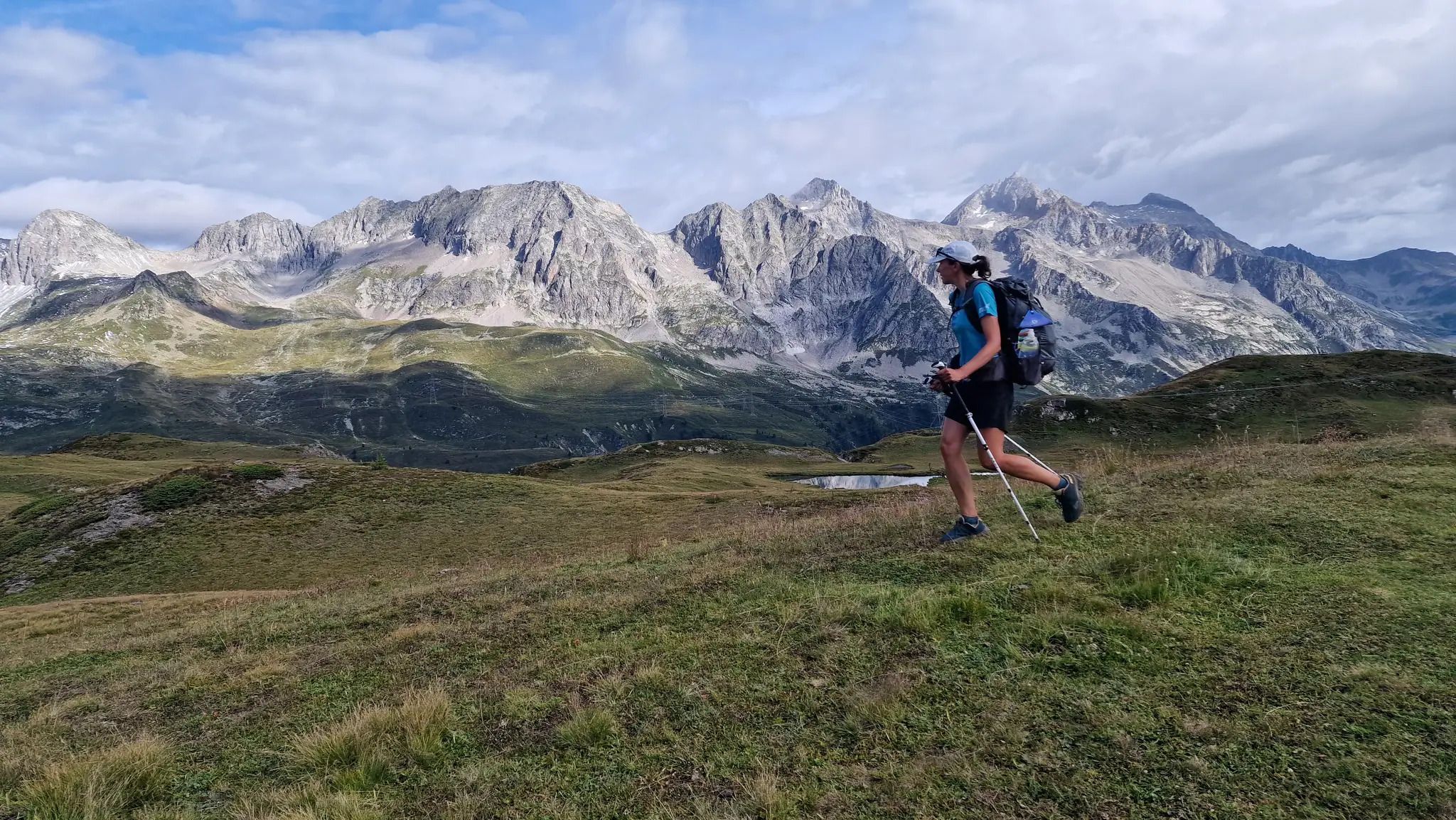
Alpine Passes Trail – hiking 700km across Switzerland
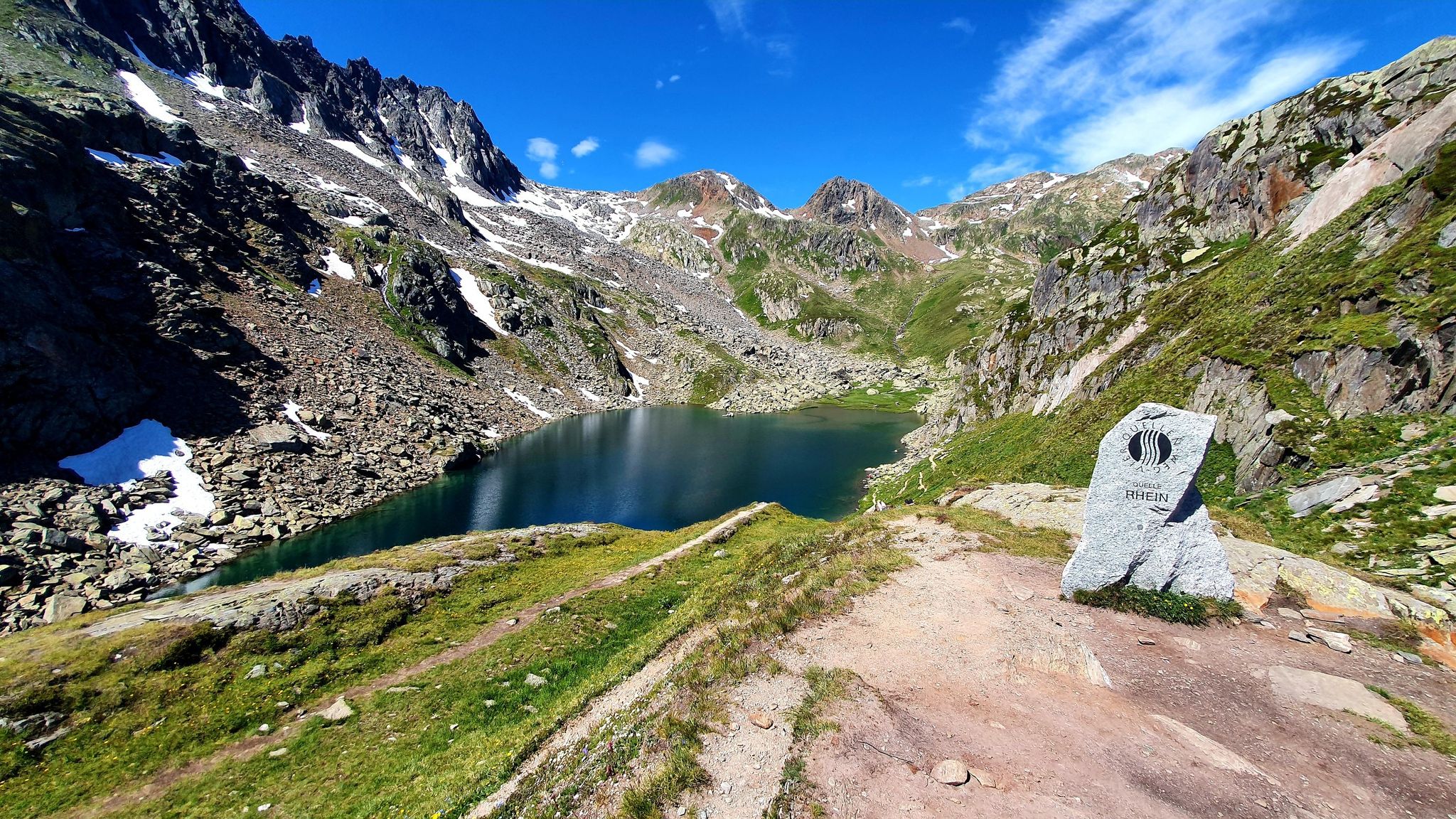
Four Springs Trail — Find flow in Switzerland's Gotthard Massif
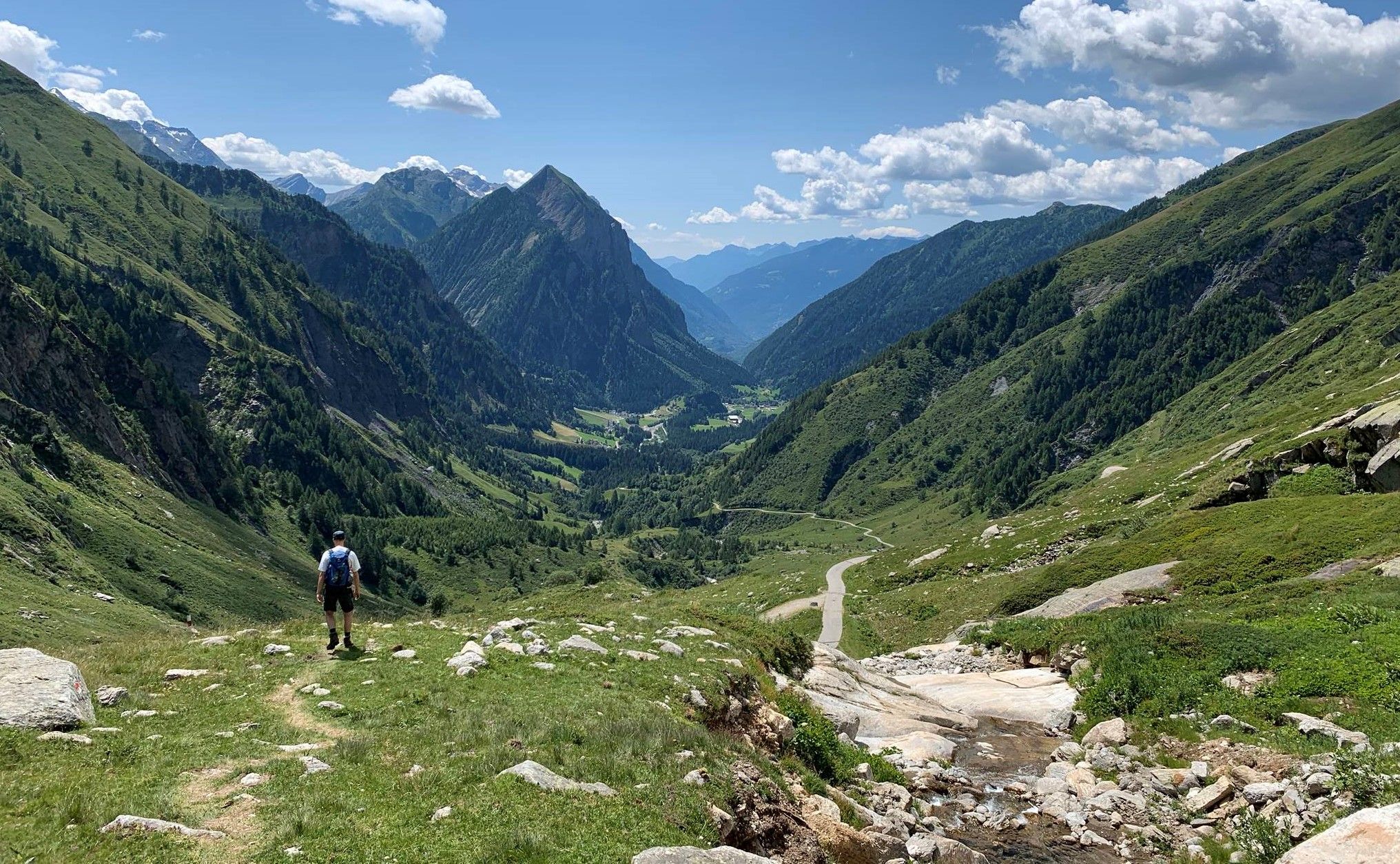
Alpine Passes Trail in Switzerland – 34 stages of pure mountain fun
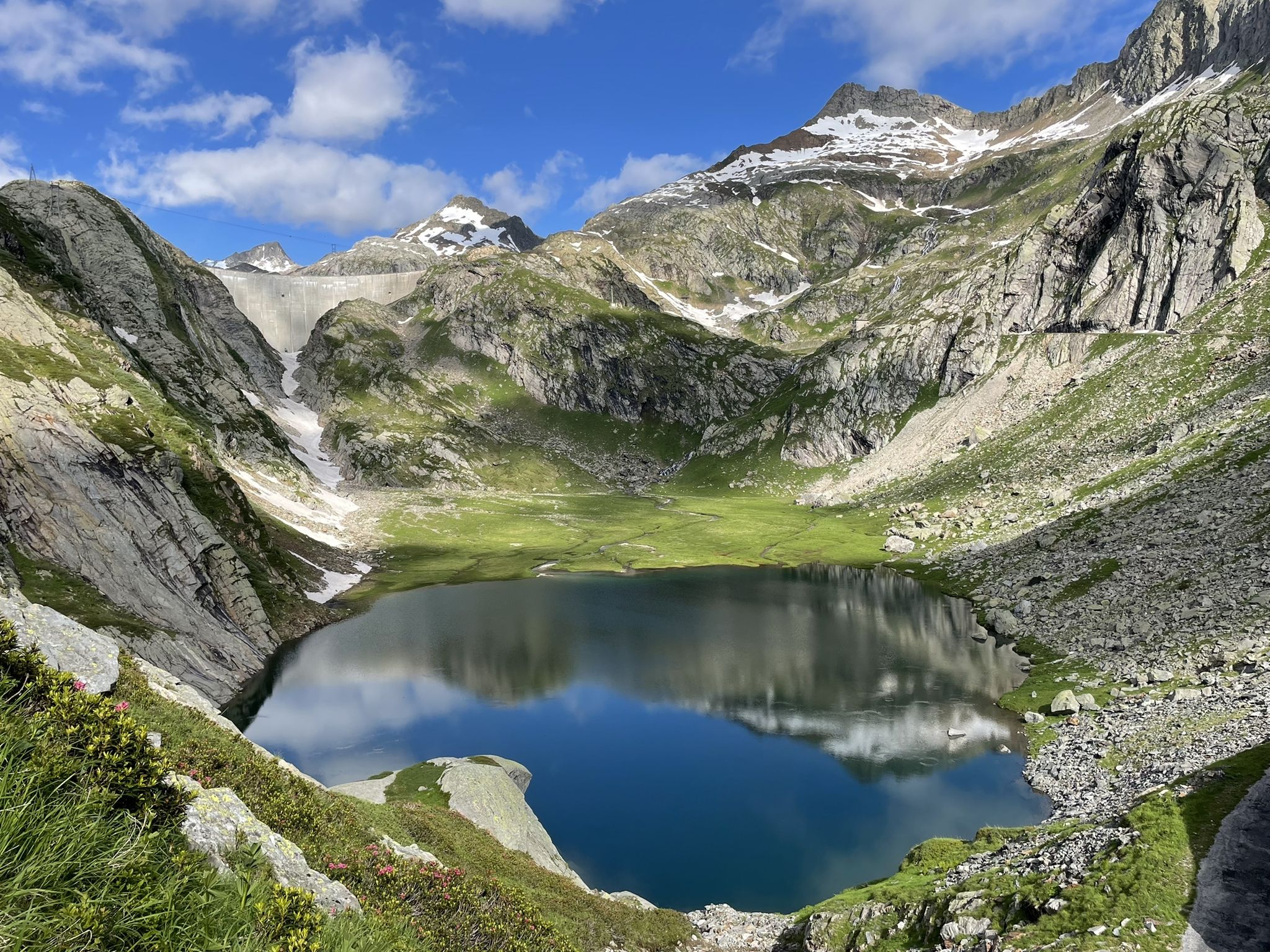
Sentiero Cristallina – 3 days through the mountains of Ticino
Hiking around Bedretto
Road Cycling Routes around Bedretto
Running Trails around Bedretto
MTB Trails around Bedretto
Cycling around Bedretto

Mountain Hikes around Bedretto
Other adventures around Bedretto


Tips from the Community

Artificial lake in Val Formazza at an altitude of 2200m
0
0

St. Gotthard Pass The Gotthard Pass divides waterways and connects various cultural and linguistic areas. Its significance as an "Alpine transversal" began at the beginning of the 13th century with the construction of the legendary Devil's Bridge in the Schöllenen Gorge. For many centuries, trade caravans (trading cattle and cheese for grain, wine, rice, and salt), mercenaries, messengers, and even entire armies crossed the pass. Between 1818 and 1836, the canton of Uri, with the help of other cantons, expanded the pass road, thus achieving its predominance among Swiss Alpine passes. The Gotthard Pass has significantly shaped the economy and culture of Central Switzerland for centuries. Until the opening of the Gotthard Railway in 1882, the Gotthard Pass was also used in winter. Dozens of roadmen and shovel workers were employed for this purpose. In 1922, the post bus replaced the stagecoach, and with the introduction of gasoline duties in 1923, the expansion of the pass roads began, continuing to this day. The old pass road on the south side, the Tremola between the top of the pass and Airolo, is still preserved and passable. This stretch of road recalls more tranquil journeys over the Gotthard that occurred not so long ago. In the 19th and 20th centuries, the Gotthard Pass was "condensed" into a myth, a symbol of Switzerland's independence, unity, and identity. Text / Source: Interest Group for Alpine Passes IAP, PO Box 11, 6491 Realp https://alpen-paesse.ch/de/alpenpaesse/gotthardpass
15
1

A few minutes from the Maria Luisa refuge...not to be missed, on a road suitable for vehicles
0
0

A Bit of Relaxation🌈on Lake Toggia🏞️
1
0

Lake Toggia (or Lake Toggia) is located in Val Formazza (VB) upstream of Riale, the northernmost hamlet of Piedmont. Its dam, built in the years 1929-32 on the Roni Torrent, is 199 meters long and 44 meters high. A dirt road runs along the western shore and then continues towards the San Giacomo Pass which marks the border with Switzerland. The closest support point is the Rifugio Maria Luisa
1
0


A beautiful lake, I was lucky enough to photograph it with the snow-capped mountains.
22
1

In summer, arrival by post bus from Andermatt or Airolo is possible.
2
0
Frequently Asked Questions
What types of natural monuments can I explore in the Bedretto Valley?
The Bedretto Valley is rich in diverse natural features. You'll find stunning alpine landscapes, high-altitude lakes, and significant geological formations. The valley itself is considered a natural monument, serving as the headwaters of the Ticino River and featuring dramatic mountains like Pizzo Rotondo and Pizzo Lucendro. Key highlights include several reservoirs such as Lake Lucendro, Lake Ritom, and Lake Toggia, all set against magnificent mountain backdrops.
Are there any historical or cultural sites among the natural monuments?
Yes, the region combines natural beauty with historical significance. The Guex Monument at Gotthard Pass is a notable site. The Gotthard Pass itself, located at 2,106 meters, has been historically important for centuries, connecting different cultural and linguistic areas and serving as a crucial Alpine crossing. The old pass road, known as the Tremola, still preserves the character of earlier journeys.
What are the most popular natural attractions in the Bedretto Valley?
Visitors particularly enjoy the high-altitude lakes. Lake Lucendro, a reservoir used by the Airolo power plant, is very popular. Lake Ritom, an artificial lake with a circumnavigation path, is another favorite. Additionally, Lake Toggia, with its impressive dam and mountain scenery, draws many visitors. These spots are highly appreciated by the komoot community, with hundreds of upvotes and photos shared.
What outdoor activities can I do near these natural monuments?
The Bedretto Valley offers a wide range of outdoor activities. You can enjoy various forms of biking, such as gravel biking, with routes like the 'Alpi Bedretto Gravel Tour'. For hikers, there are numerous mountain hikes, including challenging routes like the 'Pizzo Cristallina Summit loop'. Running enthusiasts can explore trails such as 'The source of the Ticino and the Val Formazza – loop run'. You can find more details on these activities and routes in the dedicated guides for gravel biking, mountain hikes, and running trails around Bedretto.
Are there family-friendly natural monuments or trails in the Bedretto Valley?
Yes, several natural monuments and areas are suitable for families. Lake Ritom is considered family-friendly, offering a wide dirt road on its north bank and a hiking trail on the southeastern bank, making it accessible for a leisurely circumnavigation. The general alpine pastures of the Bedretto Valley also provide gentle landscapes for family walks, especially along sections of the 'Alps Route'.
What is the best time of year to visit the natural monuments in Bedretto?
The Bedretto Valley is beautiful year-round, but the best time depends on your preferred activities. Summer (June to September) is ideal for hiking, mountain biking, and exploring the alpine pastures and lakes. In autumn, the larch trees transform into vibrant yellows and reds, offering a spectacular display. Winter transforms the valley into a snowy paradise, perfect for ski touring, snowshoeing, and long winter walks away from crowds.
What geological features can I observe in the Bedretto Valley?
The Bedretto Valley is a fascinating area for geology enthusiasts, as it forms a boundary between the Gotthard massif and the Penninic domain. You can observe diverse geological features, including granite formations, such as the Rotondo granite, and various minerals like quartz and feldspar, particularly in areas like the Valleggia Valley. The dramatic mountain scenery itself is a testament to the powerful geological forces that shaped the Alps.
Are there dog-friendly trails around the natural monuments?
While specific dog-friendly designations for each natural monument are not provided, the Bedretto Valley's extensive network of hiking trails and alpine pastures generally welcomes dogs. It's always recommended to keep dogs on a leash, especially in areas with grazing livestock or protected wildlife, and to follow local regulations. The wide-open spaces and varied terrain offer plenty of opportunities for walks with your canine companion.
How can I reach the natural monuments in the Bedretto Valley?
Many natural monuments, especially the lakes and passes, are accessible by road. For instance, Lake Lucendro can be reached via a road over the Gotthard Pass. Public transport options, such as post buses, also serve the valley, connecting key villages and trailheads. Parking is typically available at popular starting points for hikes and attractions. Always check local transport schedules and parking availability before your visit.
What kind of wildlife might I encounter in the Bedretto Valley?
The pristine alpine environment of the Bedretto Valley supports a variety of wildlife. While specific sightings are never guaranteed, you might encounter typical alpine fauna such as marmots, chamois, and ibex in higher elevations. Birdwatchers may spot various raptors and alpine birds. The valley's untouched quality provides a vital habitat for these species, making it a rewarding area for nature observation.
Are there any circular walks around the natural monuments?
Yes, several natural monuments offer opportunities for circular walks. For example, a circumnavigation of Lake Ritom is very popular, with a gravel road on one side and a hiking trail on the other. The alpine pastures, particularly along the 'Alps Route', also lend themselves to scenic circular hikes, allowing you to experience diverse landscapes and local culture.
What should I wear when visiting the natural monuments in Bedretto?
Given the alpine environment, layered clothing is highly recommended, regardless of the season. Even in summer, temperatures can change rapidly, especially at higher altitudes. Essential items include sturdy hiking boots, waterproof and windproof outerwear, sun protection (hat, sunglasses, sunscreen), and sufficient water. For winter visits, specialized gear for snowshoeing or ski touring, along with warm, insulated clothing, is crucial.
Most popular routes around Bedretto
Most popular attractions around Bedretto

Get inspired with the komoot mobile app


Explore more
Extend your search for the best caves by checking out these guides of the top ones around Bedretto:
