Top 20 Natural Monuments around Möhlin
Natural monuments around Möhlin showcase diverse natural landscapes, shaped by geological history and ongoing conservation efforts. The region features significant nature reserves, such as Burstel and Haumättli, known for their rich biodiversity and importance for endangered species. These areas provide habitats for amphibians, birds, and various plant species. Möhlin's natural attractions offer opportunities to experience local flora and fauna within accessible settings.
Best natural monuments around Möhlin
- The most popular natural monuments is Sol Rock, a natural monument that…
Last updated: June 26, 2026
Wehra River Mouth Nature Reserve
Highlight • Natural Monument
Translated by Google •
Tip by

Hohe Flum Lookout Tower
Highlight • Viewpoint
Translated by Google •
Tip by

Sign up now to discover places like this
Get recommendations on the best single tracks, peaks, & plenty of other exciting outdoor places.
Sign up for free
Sol Rock
Highlight • Natural Monument
Translated by Google •
Tip by

Eichener Lake
Highlight • Natural Monument
Translated by Google •
Tip by

Lehenbach Waterfalls
Highlight • Waterfall
Translated by Google •
Tip by

Sign up for free to discover even more natural monuments around Möhlin.
Sign up for free
Already have an account?
Start today with a free account
Your next adventure awaits.
Login or Signup
Tips from the Community

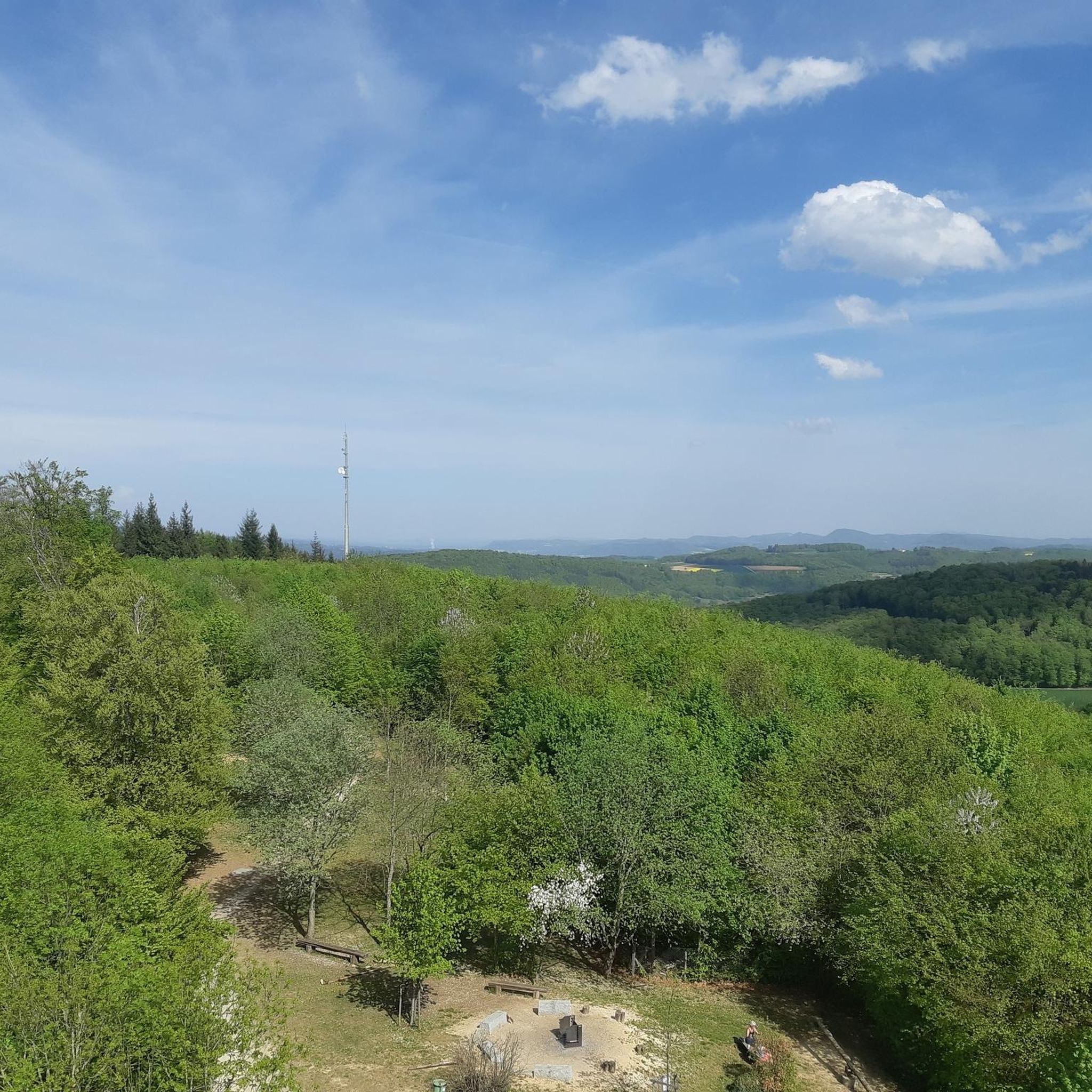
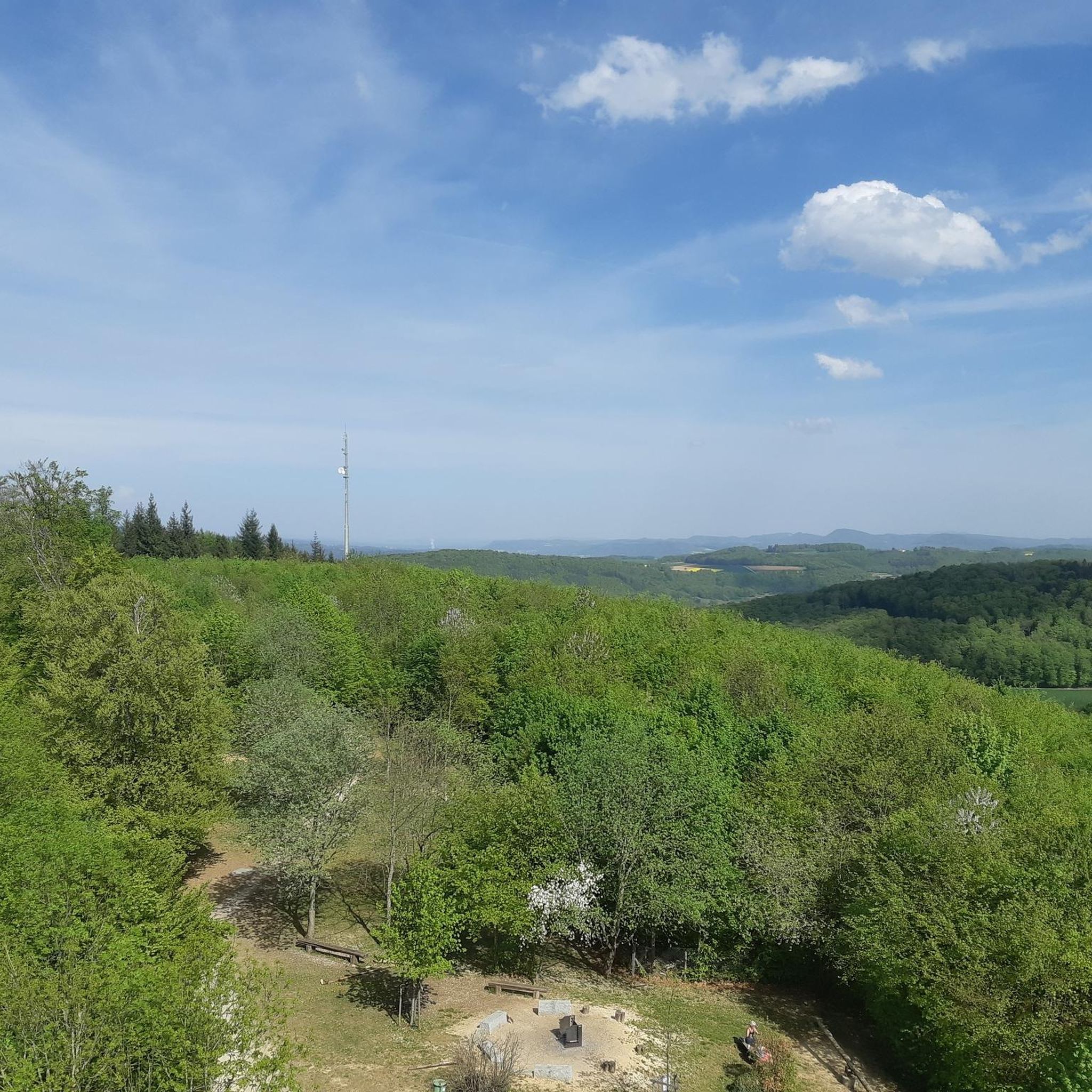
The Hohe-Flum Tower stands on the highest point of the Dinkelberg, at 535 meters above sea level. The 13.5-meter-high tower was built in 1874. Sixty-two steps lead up to the platform. From there, one has a magnificent panoramic view in all directions. To the south, one can see the Swiss Jura plateau and, in good weather, the Alps beyond. To the west, the view extends to the Vosges Mountains, and to the north and east, to the Black Forest. The Entegast, Zeller Blauen, Hohe Möhr, and other peaks are also visible.
4
0

Again and again you come across small or larger waterfalls during the ascent (and of course also during the descent)
1
0

Carry waterfall with stairs to bike. Nice corner, nice to look at.
1
0

Super cool place to take a break and watch the waterfowl
3
0
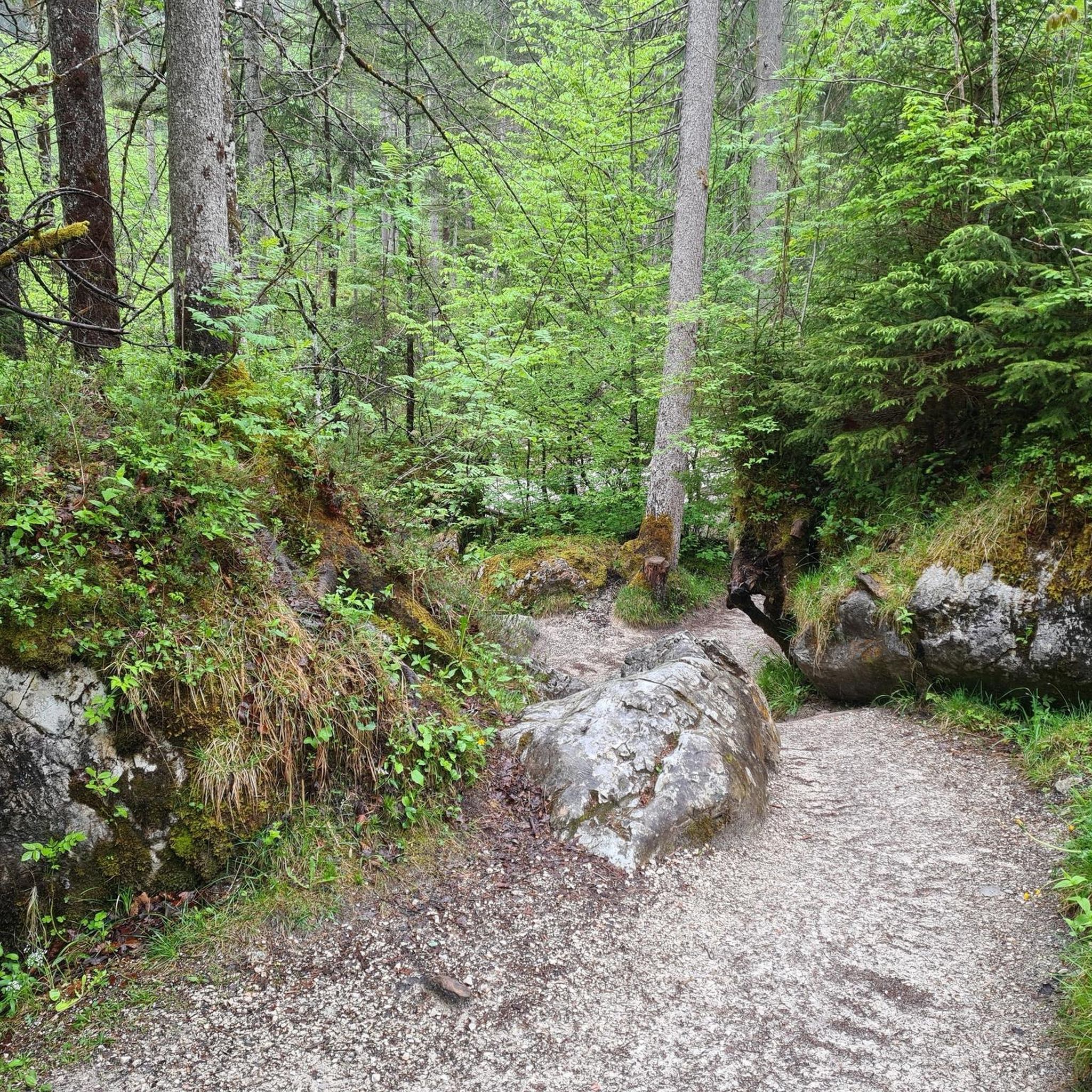
Interesting rock formation in the forest
1
0

Natural monument, height of 5.40m and a mass of 230 tons
0
0

Up and down with the Enduro, more climbing biking than riding. Wanted to go through the castle, but only goes up a narrow spiral staircase. You can't really go left or right around the castle, danger of falling!
1
0

Solfelsen is a great place to rest. Beautiful hiking trails around with lot of forest.
1
0
Frequently Asked Questions
What are some significant natural monuments and nature reserves in Möhlin?
Möhlin is home to several important natural areas. The Burstel Nature Reserve is a renaturalized former gravel pit, nationally recognized for its importance to amphibians like the European tree frog. Another key area is the Haumättli Nature Reserve, a species-rich former floodplain along the Rhine, known for birds like kingfishers and great crested grebes. You can also explore unique geological formations such as Sol Rock, a massive stone shaped by weathering, and the fascinating Eichener Lake, known for its intermittent appearance.
Are there family-friendly natural monuments to visit in Möhlin?
Yes, several natural monuments in Möhlin are suitable for families. The southern part of the Burstel Nature Reserve is accessible for visitors, including families and walkers. Sol Rock offers impressive rock formations and picnic opportunities, making it a great spot for a family break. Eichener Lake and the Wehra River Mouth Nature Reserve are also categorized as family-friendly, offering opportunities to enjoy nature.
What kind of wildlife can I expect to see in Möhlin's natural areas?
Möhlin's natural monuments are rich in biodiversity. The Burstel Nature Reserve is a vital habitat for endangered amphibians, including the European tree frog and smooth newt, as well as various insects like the praying mantis. The Haumättli Nature Reserve is a breeding ground for great crested grebes, and you might spot kingfishers, orioles, and wagtails. The Wehra River Mouth Nature Reserve is home to countless waterfowl and many different species of fish, with about 128 bird species recorded there.
What geological features shaped the Möhlin area?
The landscape around Möhlin was significantly shaped by the Möhlin Glaciation during the Middle Pleistocene, approximately 500,000 years ago, when Alpine glaciers reached their most extensive point here. Evidence of this, such as relict tills and glaciofluvial deposits, can be found in areas like the Bünten gravel pit. Additionally, the unique intermittent nature of Eichener Lake is due to its shell limestone background, which is permeable and soluble, allowing it to fill and empty with water.
Are there opportunities for outdoor activities near these natural monuments?
Yes, the region around Möhlin offers various outdoor activities. You can find numerous cycling routes, such as those detailed in the Cycling around Möhlin guide, with options ranging from easy to difficult. For runners, there are trails like the challenging "Sonnenbergturm Möhlin – Sonnenberg Observation Tower loop" and moderate routes near Beuggen Castle, as highlighted in the Running Trails around Möhlin guide. Mountain biking enthusiasts can explore routes like the "Sonnenberg Tower – Sunneberg Observation Tower loop" found in the MTB Trails around Möhlin guide.
Where can I find panoramic views of the region?
For spectacular panoramic views, visit the Hohe Flum Lookout Tower. From its top, you can see parts of the southern Black Forest, the southern Vosges Mountains, the Swiss Jura, and even the Bernese Alps on clear days. It's a wonderful spot for a break and offers extensive visibility over the surrounding landscape.
What makes the Wehra River Mouth Nature Reserve special?
The Wehra River Mouth Nature Reserve is a significant 11-hectare area where the Wehra meets the Upper Rhine. It boasts an extremely high variety of habitats in a small area, supporting countless waterfowl and diverse fish species. It's particularly noted for its birdlife, with approximately 128 species recorded, 60 of which are on the red list. Benches are available for an idyllic, relaxing break by the water.
What are the parking options at Möhlin's natural monuments?
For the Burstel Nature Reserve, parking is available at Feldhof, making it convenient for visitors. For other natural monuments, parking availability can vary, so it's advisable to check specific location details if driving. Many areas are also accessible via walking or cycling routes.
What is the best time of year to visit Möhlin's natural monuments?
The best time to visit Möhlin's natural monuments largely depends on your interests. Spring and summer are ideal for observing amphibians and birds in the nature reserves like Burstel and Haumättli, and for enjoying lush greenery. Autumn offers beautiful foliage, while winter can provide a unique, tranquil experience, though some areas might be less accessible or have fewer visible wildlife. Eichener Lake is most likely to be full after heavy rains or snowmelt, typically in late winter or spring.
Are there any unique or 'hidden gem' natural monuments in the area?
While not exactly 'hidden,' Eichener Lake is certainly unique, known as the 'lake that comes and goes.' This astatic karst lake only fills with water after significant rainfall or snowmelt, sometimes taking 8 to 160 days to disappear again. It's a fascinating natural phenomenon and home to the rare leaf tuberculosis Tanymastix lacunae. The Burstel Nature Reserve, a successful renaturalization project, also offers a special experience as a vital habitat for endangered species.
Can I bring my dog to the natural monuments in Möhlin?
While specific regulations for each natural monument regarding dogs may vary, generally, dogs are welcome on trails and in natural areas in Switzerland, often on a leash. It's always recommended to keep dogs under control to protect wildlife, especially in nature reserves like Burstel and Haumättli, which are critical habitats for sensitive species. Please check local signage for any specific restrictions at individual sites.
What can I expect at the Lehenbach Waterfalls?
The Lehenbach Waterfalls offer an incredibly adventurous and scenic experience. You'll encounter several waterfalls along a narrow, sometimes uneven path into the valley. The small waterfalls and bridges create a particularly beautiful atmosphere, making it a great spot for those who enjoy challenging and picturesque walks through nature.
Most popular attractions around Möhlin

Get inspired with the komoot mobile app


Explore more
Extend your search for the best caves by checking out these guides of the top ones around Möhlin:
