Top 20 Natural Monuments around Tujetsch
Best natural monuments around Tujetsch are located in the Surselva Region of Switzerland, an alpine environment known for its significant geological features. This area is notable for being home to the source of the Rhine River, offering a rich natural landscape. Visitors can explore diverse natural formations, from pristine mountain lakes to dramatic gorges and prominent peaks. The region provides numerous opportunities to experience its unique natural heritage.
Best natural monuments around Tujetsch
- The most popular natural monuments is Source…
Last updated: May 14, 2026
Source of the Rhine – Lai da Tuma
Highlight • Lake
Translated by Google •
Tip by

Schöllen Gorge
Highlight • Bridge
Translated by Google •
Tip by

Sign up now to discover places like this
Get recommendations on the best single tracks, peaks, & plenty of other exciting outdoor places.
Sign up for free
Devil's Bridge (Teufelsbrücke) in Schöllenen Gorge
Highlight • Bridge
Translated by Google •
Tip by

Lake Oberalp
Highlight • Lake
Translated by Google •
Tip by

Guex Monument at Gotthard Pass
Highlight • Monument
Translated by Google •
Tip by

Sign up for free to discover even more natural monuments around Tujetsch.
Sign up for free
Already have an account?
Start today with a free account
Your next adventure awaits.
Login or Signup
Popular around Tujetsch
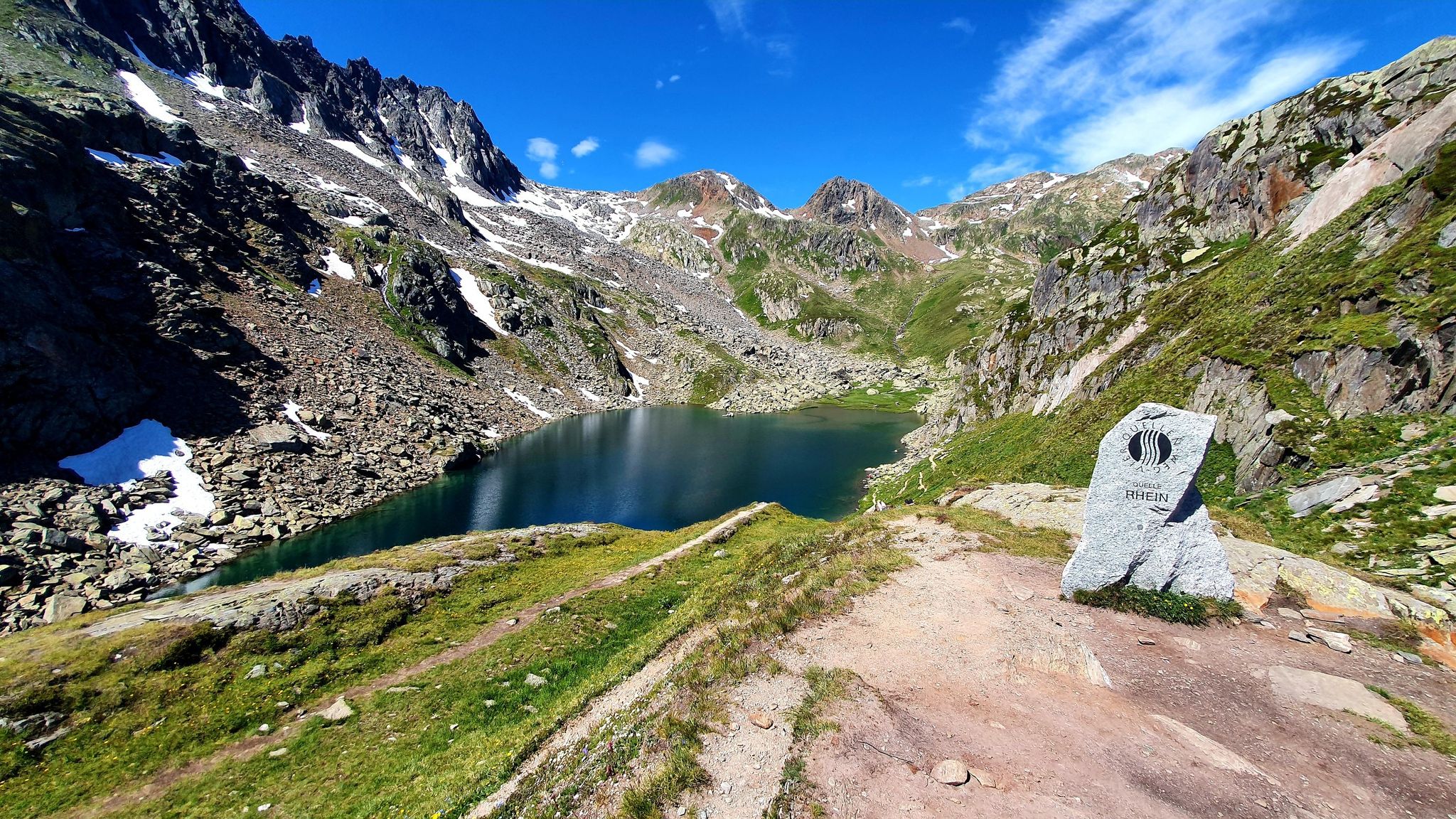
Four Springs Trail — Find flow in Switzerland's Gotthard Massif
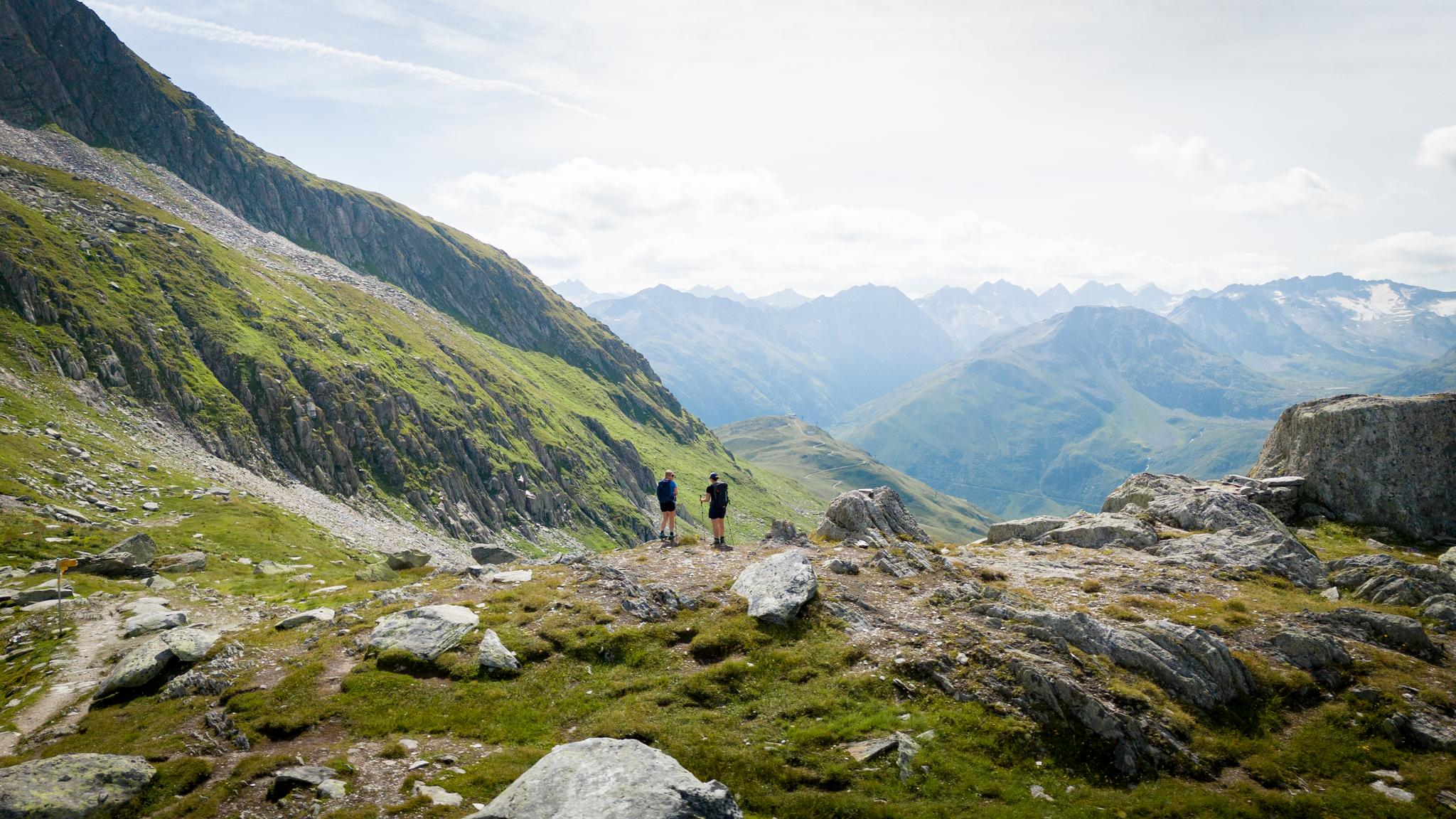
On the hunt for crystals and alpine lake magic – Gotthard Crystal Trek
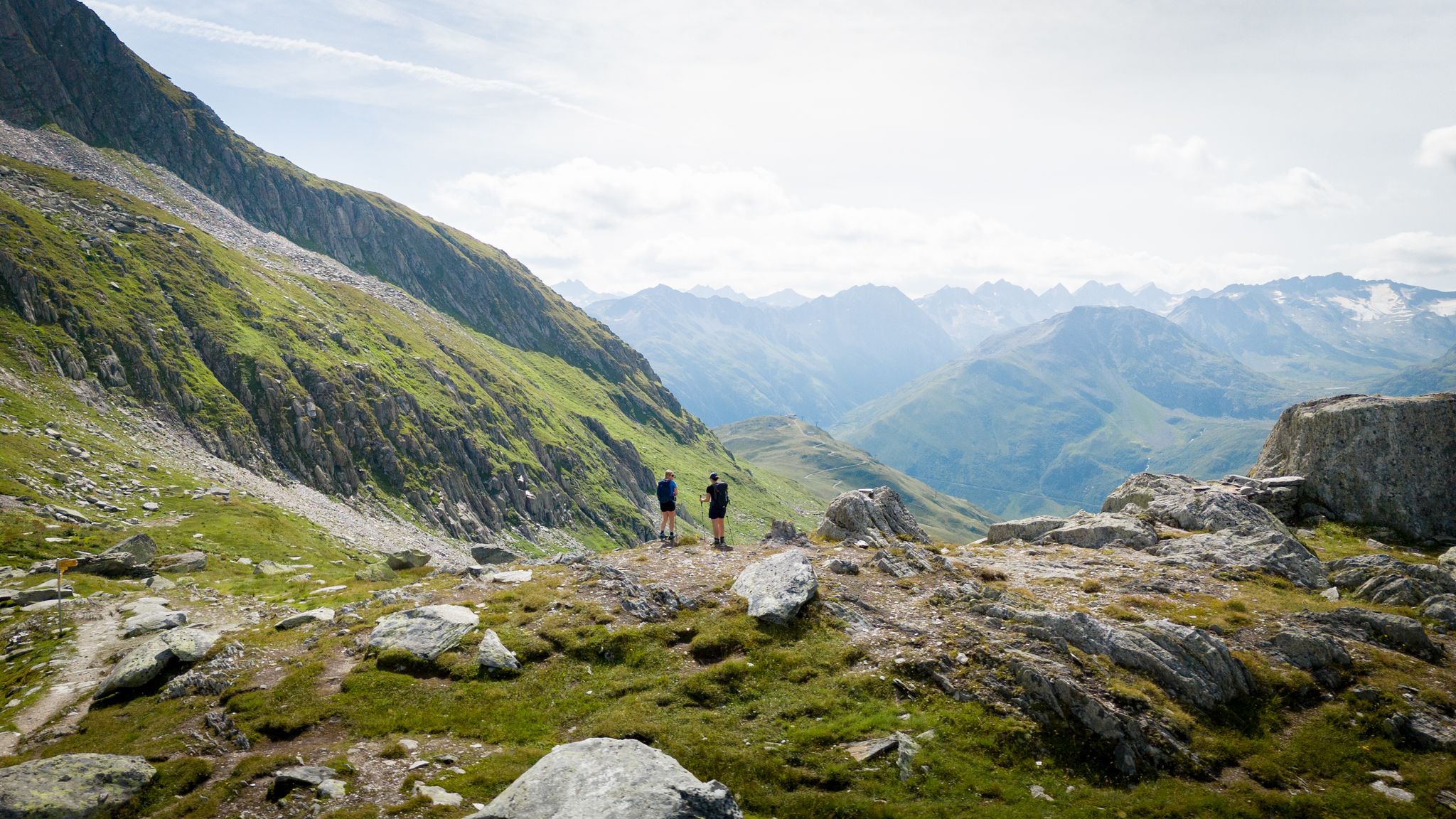
On the hunt for crystals and alpine lake magic – Gotthard Crystal Trek
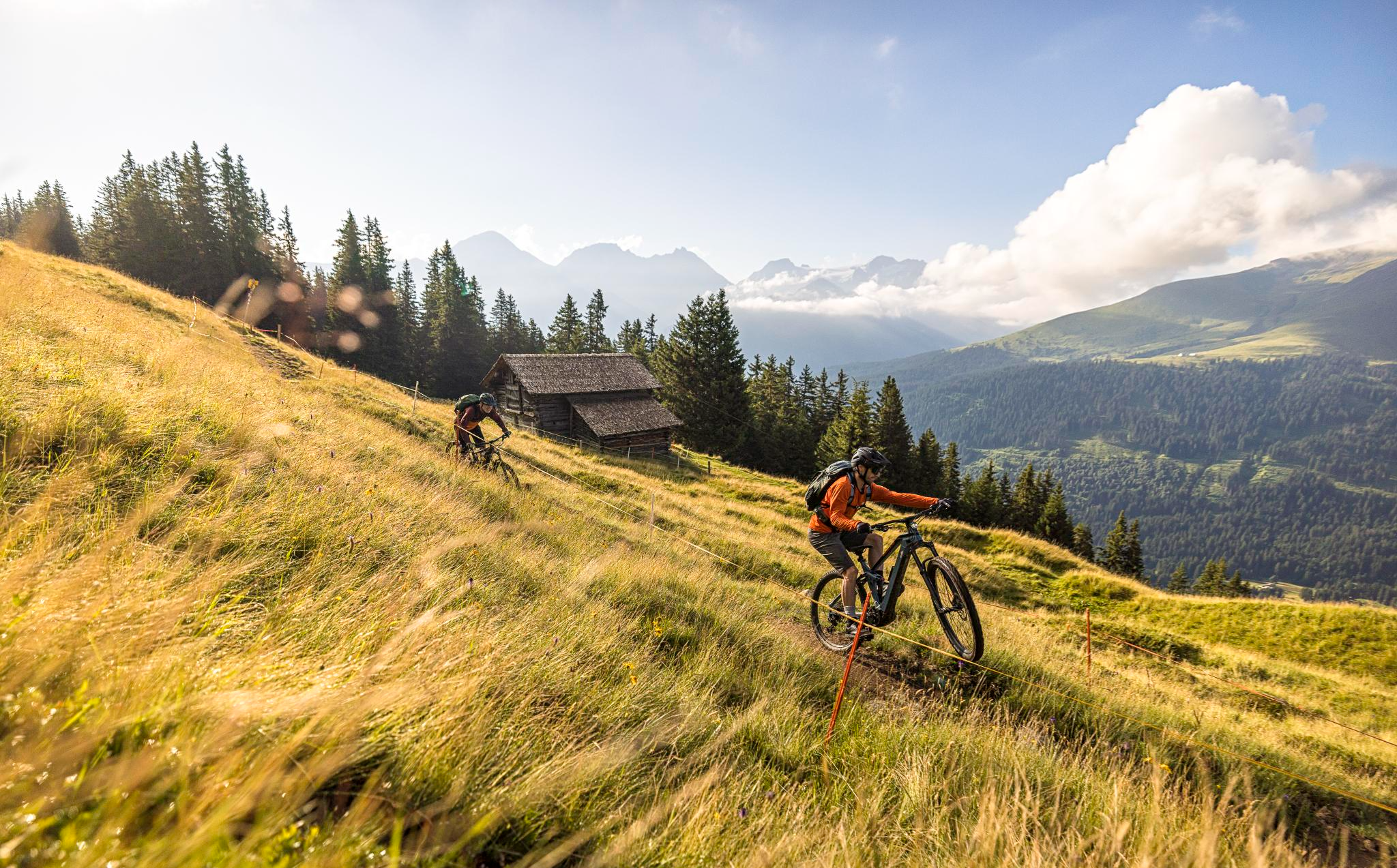
Flowy MTB trails with wonderful views – the best of Disentis Sedrun
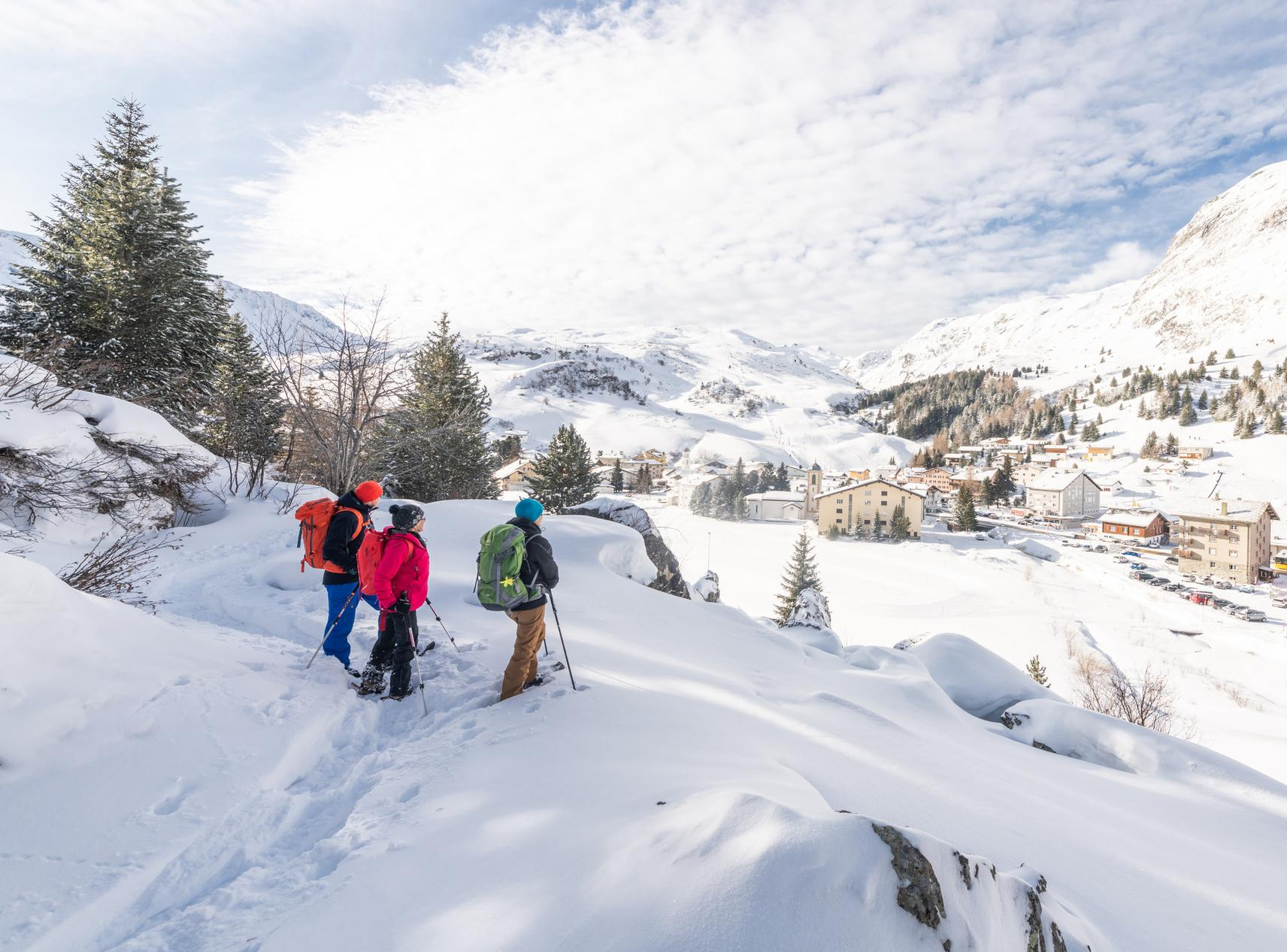
Snowshoe Safari – snowshoe trails through Graubünden
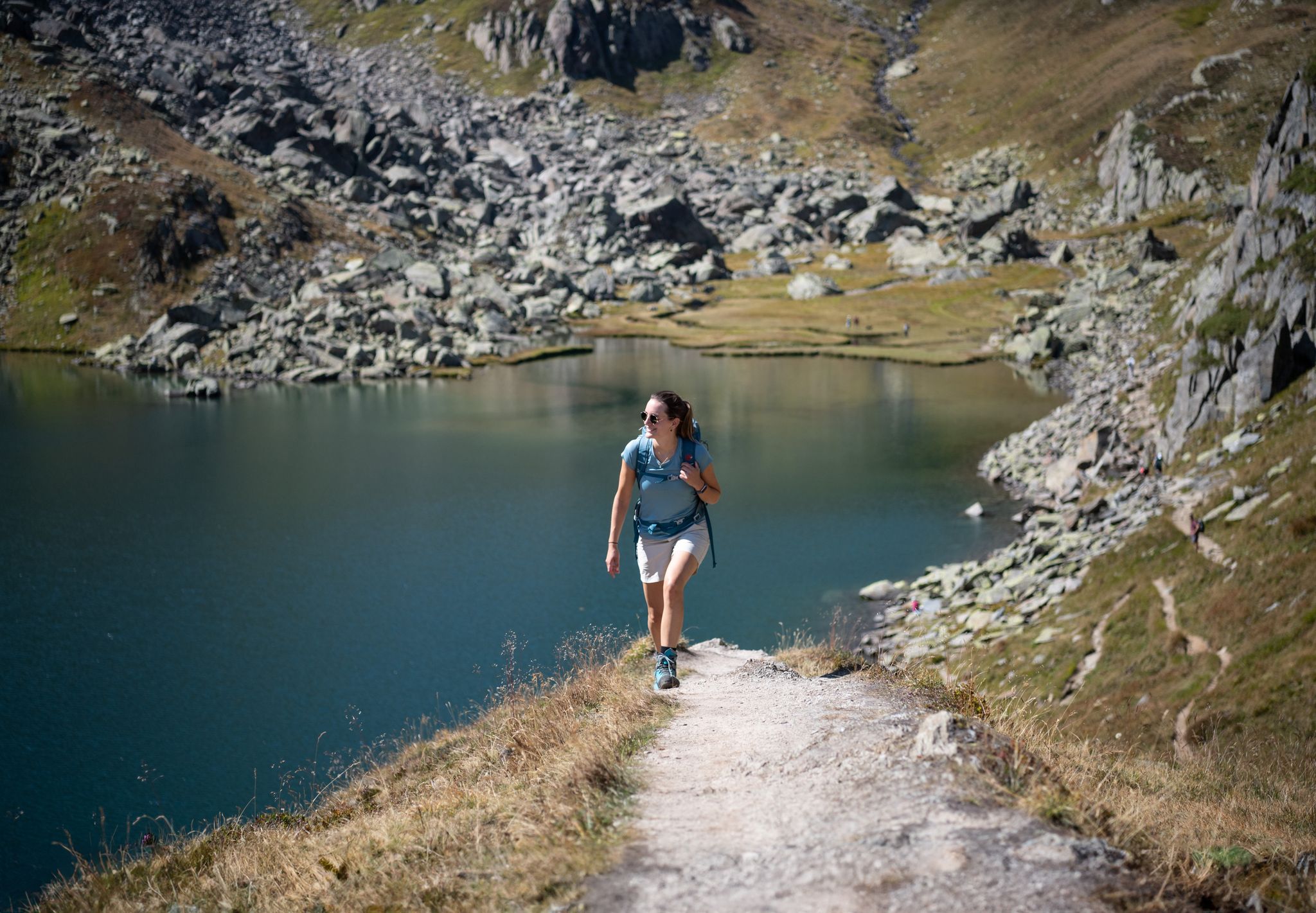
Varied hikes around the source of the mighty Rhine
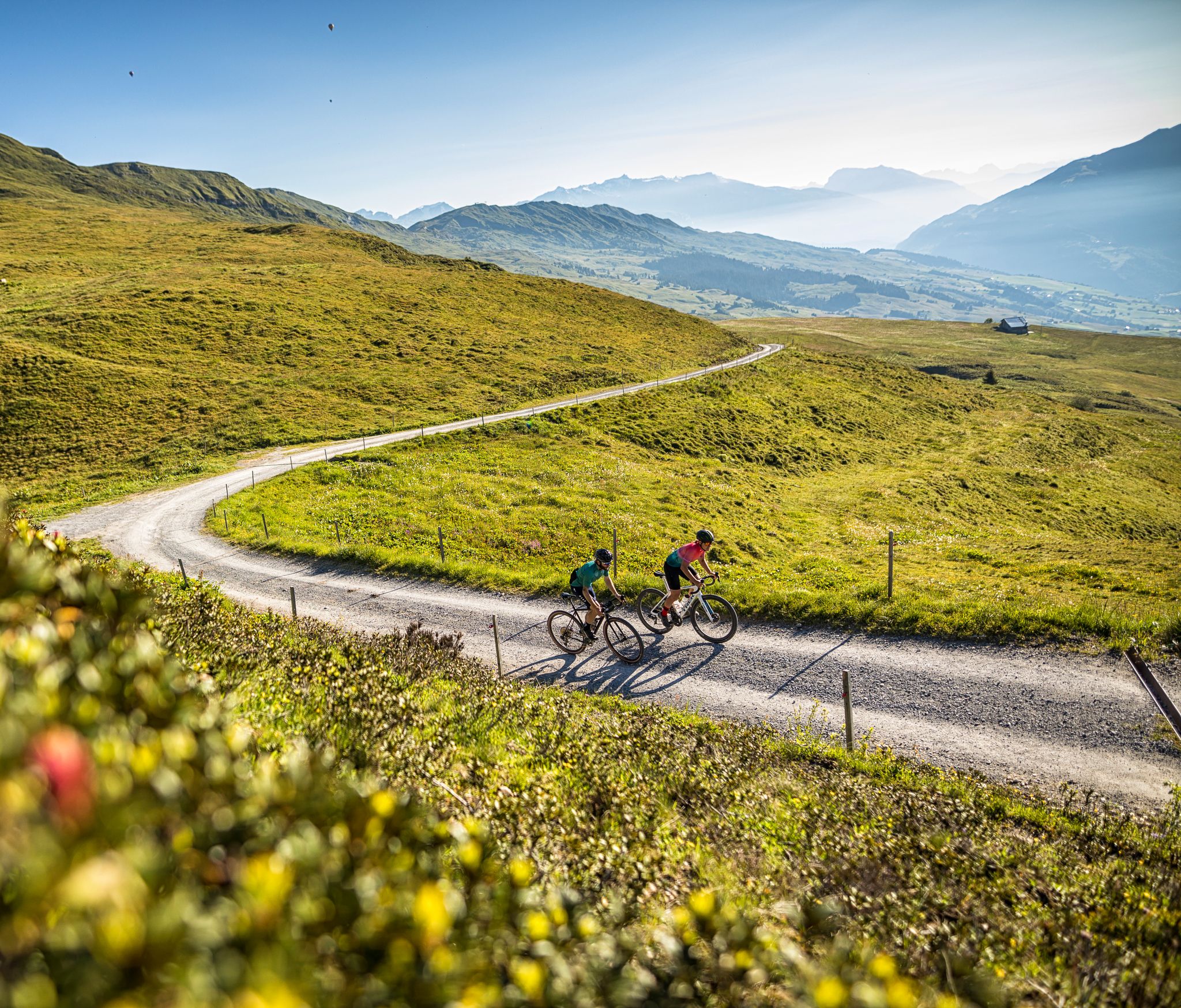
The six most beautiful gravel routes in Graubünden
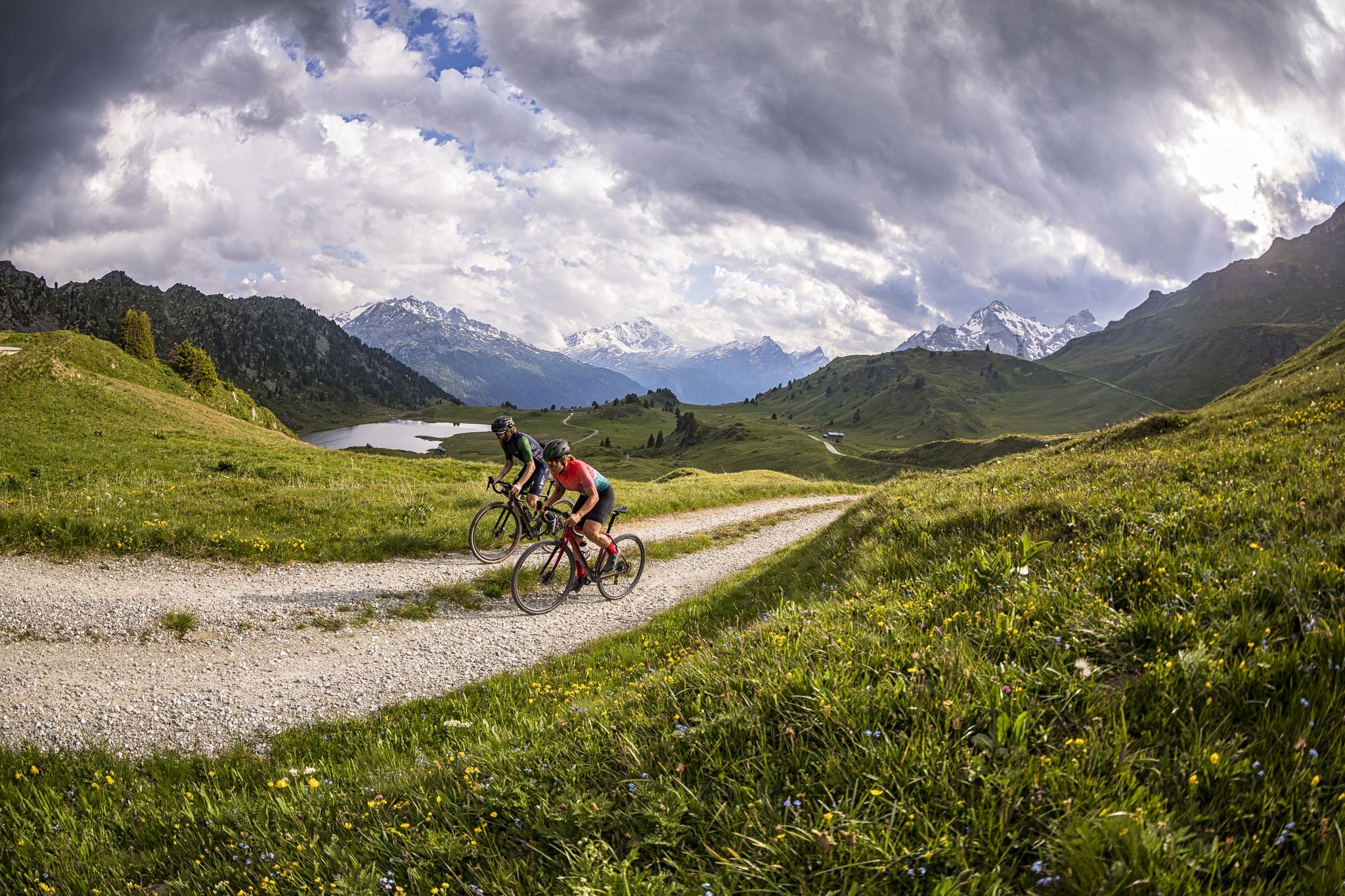
A gravel biking Menu for Switzerland’s Grisons
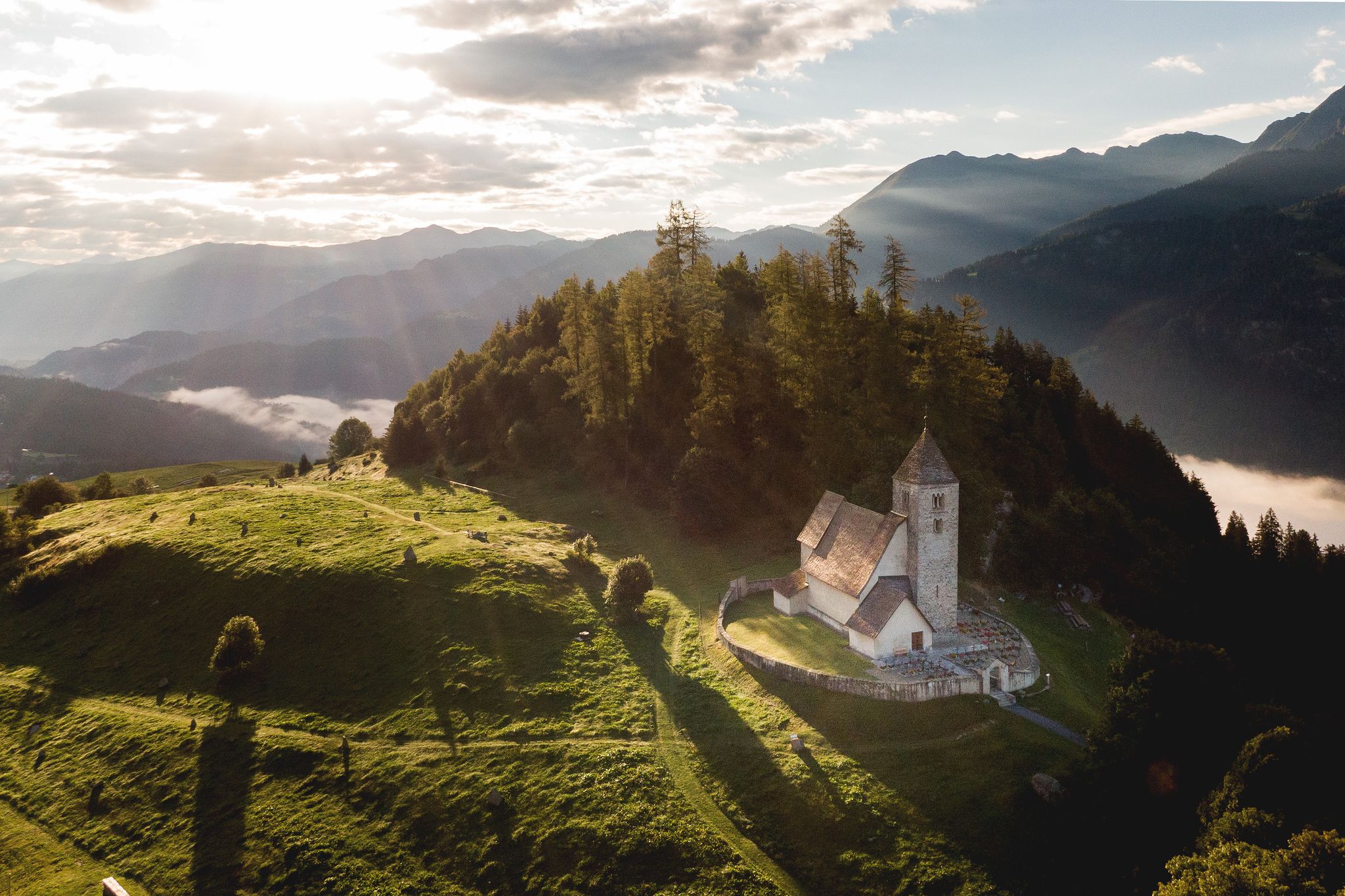
On ancient paths towards Santiago — the Way of St. James Graubünden
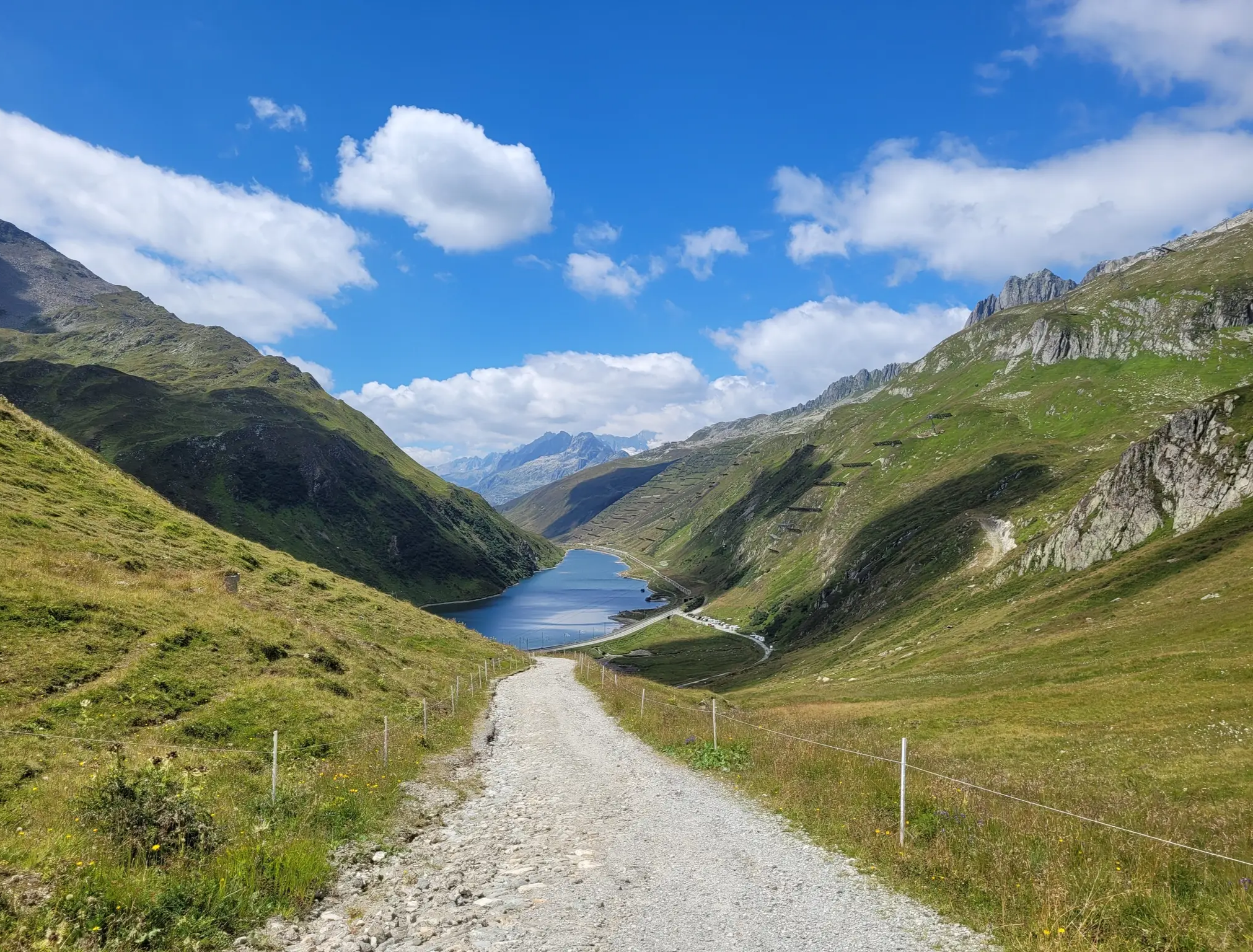
Senda Sursilvana – lungo il Giovane Reno tra natura e tradizione
Other adventures around Tujetsch


Tips from the Community

St. Gotthard Pass The Gotthard Pass divides waterways and connects various cultural and linguistic areas. Its significance as an "Alpine transversal" began at the beginning of the 13th century with the construction of the legendary Devil's Bridge in the Schöllenen Gorge. For many centuries, trade caravans (trading cattle and cheese for grain, wine, rice, and salt), mercenaries, messengers, and even entire armies crossed the pass. Between 1818 and 1836, the canton of Uri, with the help of other cantons, expanded the pass road, thus achieving its predominance among Swiss Alpine passes. The Gotthard Pass has significantly shaped the economy and culture of Central Switzerland for centuries. Until the opening of the Gotthard Railway in 1882, the Gotthard Pass was also used in winter. Dozens of roadmen and shovel workers were employed for this purpose. In 1922, the post bus replaced the stagecoach, and with the introduction of gasoline duties in 1923, the expansion of the pass roads began, continuing to this day. The old pass road on the south side, the Tremola between the top of the pass and Airolo, is still preserved and passable. This stretch of road recalls more tranquil journeys over the Gotthard that occurred not so long ago. In the 19th and 20th centuries, the Gotthard Pass was "condensed" into a myth, a symbol of Switzerland's independence, unity, and identity. Text / Source: Interest Group for Alpine Passes IAP, PO Box 11, 6491 Realp https://alpen-paesse.ch/de/alpenpaesse/gotthardpass
15
1

very pretty here, very pretty
2
0

Simply outstanding!!! If you arrive up here by bike from the north side, you have almost reached Andermatt and then this natural spectacle, no one can take that away from you ;) beautiful
0
0

Oh yes: the spray from the Reuss provides you with a welcome cooling down when cycling uphill 💦
0
0
A wild tangle of bridges: the old Devil's Bridge for pedestrians and cyclists, the bridge for cars and a bridge for the train. Interesting to look at.
1
0

When the lake is still, the mountain range is reflected in it. Beautiful.
2
0

In summer, arrival by post bus from Andermatt or Airolo is possible.
2
0

The rugged Schöllenen Gorge, through which the Reuss flows deep below, has always been a difficult obstacle to overcome on the Gotthard Pass route. It was probably the Walsers who tried to open up the mule track to the south by building daring bridges around 1200. The attempt to build a bridge over the Reuss failed several times over the centuries - until, according to legend, a pact was made with the devil.
3
1
Frequently Asked Questions
What are some of the most popular natural monuments to visit in Tujetsch?
Tujetsch offers a variety of stunning natural monuments. Among the most popular are the Source of the Rhine – Lai da Tuma, recognized as the origin of the Vorderrhein, and the dramatic Devil's Bridge (Teufelsbrücke) in Schöllenen Gorge, known for its historical significance and rugged setting. Visitors also frequently enjoy Lake Oberalp, which serves as a beautiful starting point for various hikes.
Are there family-friendly natural monuments or trails in Tujetsch?
Yes, several natural monuments in Tujetsch are suitable for families. Lake Oberalp is a great option, offering easy access and scenic views. The area around the Devil's Bridge (Teufelsbrücke) in Schöllenen Gorge is also considered family-friendly, combining natural beauty with historical interest. Many trails around these sites are manageable for children.
What kind of hiking trails and outdoor activities can I find near Tujetsch's natural monuments?
The region around Tujetsch is a paradise for outdoor enthusiasts. You can find numerous mountain hikes, including challenging routes like the loop to Lake Toma (Lai da Tuma) – Tomasee (Source of the Rhine) from Oberalppass. There are also running trails and gravel biking routes that allow you to explore the stunning alpine landscape, such as the 'Gotthard, Furka and Nufenen Passes' route.
What is the best time of year to visit the natural monuments in Tujetsch?
The best time to visit Tujetsch's natural monuments largely depends on your preferred activities. Summer (June to September) is ideal for hiking and exploring the alpine lakes and passes, as trails are generally clear of snow. In winter, the Oberalp Pass transforms into a snow-sure ski area, offering different natural experiences. Always check local conditions before your visit, especially for higher-altitude trails.
Are there any natural monuments in Tujetsch with historical significance?
Absolutely. The Devil's Bridge (Teufelsbrücke) in Schöllenen Gorge is a prime example, known for its dramatic history and the legends surrounding its construction. The nearby Guex Monument at Gotthard Pass also marks a historically significant location, as the Gotthard Pass has been a crucial Alpine crossing for centuries, connecting different cultural and linguistic regions.
What geological features can I observe in the Tujetsch region?
Tujetsch is geologically rich, particularly known for its Alpine-type fissure mineralizations. Areas like Val Giuv and Cavradi Gorge are recognized as 'classical' mineral localities, where you can find various minerals including milarite, amethyst, and smoky quartz. The region's geology involves mountain chains belonging to the Aare and Gotthard massifs, contributing to these unique mineral deposits.
Are there good viewpoints among the natural monuments in Tujetsch?
Yes, many natural monuments in Tujetsch offer spectacular viewpoints. The Source of the Rhine – Lai da Tuma provides pristine alpine views of the Gotthard massif. Pazolastock, near the Oberalp Pass, is another prominent mountain offering expansive panoramic views of the surrounding alpine landscape. The Oberalp Pass itself is a great vantage point, especially for observing the continental watershed.
How can I reach the natural monuments in Tujetsch using public transport?
Many natural monuments in Tujetsch are accessible via public transport. The Oberalp Pass, a key starting point for hikes to places like Lake Toma and Lake Oberalp, is well-served by trains and buses. The region's infrastructure is designed to connect visitors to these natural attractions, making it possible to explore without a private vehicle.
Are there any lesser-known natural monuments in Tujetsch worth exploring?
While the Source of the Rhine and Devil's Bridge are popular, the broader Val Tujetsch itself is a natural monument. Exploring its upper Vorderrhein valley, green meadows, and rugged peaks away from the main tourist paths can reveal hidden gems. The geological sites like Val Giuv and Cavradi Gorge are also less frequented by general tourists but offer unique insights for those interested in minerals.
What should I wear for hiking to natural monuments in Tujetsch during summer?
Even in summer, alpine weather can be unpredictable. For hiking to natural monuments in Tujetsch, it's recommended to wear layers, including moisture-wicking base layers, insulating mid-layers, and a waterproof/windproof outer shell. Sturdy hiking boots are essential, especially for trails with varied terrain or snow patches at higher altitudes. Don't forget sun protection, a hat, and plenty of water.
Can I find circular hiking routes around the natural monuments?
Yes, there are several circular hiking routes available. For instance, you can find a challenging 'Devil's Bridge (Teufelsbrücke) loop from Andermatt' or a 'Lake Toma (Lai da Tuma) – Tomasee (Source of the Rhine) loop from Oberalppass'. These routes allow you to experience the natural beauty and return to your starting point, often passing by multiple points of interest. You can find more options in the Mountain Hikes around Tujetsch guide.
What makes the Val Tujetsch region unique beyond its specific monuments?
The Val Tujetsch, as a whole, is a remarkable natural monument. It's characterized by its pristine upper Vorderrhein valley, lush green meadows, and dramatic rugged peaks. Beyond its natural beauty, the region is also known for preserving its Romansh traditions and unique dialect, offering a rich cultural experience alongside its stunning natural setting. It's a place where nature and local heritage intertwine.
Most popular routes around Tujetsch
Most popular attractions around Tujetsch

Get inspired with the komoot mobile app


Explore more
Extend your search for the best caves by checking out these guides of the top ones around Tujetsch:
