Top 20 Natural Monuments around Grüsch
Best natural monuments around Grüsch are found in the Prättigau region, characterized by its alpine landscapes and diverse natural features. The area encompasses prominent mountain ranges, expansive valleys, and significant waterways. These elements collectively form a rich environment for outdoor exploration. Visitors can experience a range of natural attractions, from high-altitude summits offering panoramic views to serene lake shores and deep gorges.
Best natural monuments around Grüsch
- The most popular natural monument is Lünersee South Shore, a lake known…
Last updated: June 26, 2026
Lünersee South Shore
Highlight • Lake
Translated by Google •
Tip by

Tamina Gorge
Highlight (Segment) • Gorge
Source of our thermal water
The Tamina spring is not only the namesake of our thermal spa, but …
Translated by Google •
Tip by

Sign up now to discover places like this
Get recommendations on the best single tracks, peaks, & plenty of other exciting outdoor places.
Sign up for free
Schesaplana Summit
Highlight • Summit
Translated by Google •
Tip by

View of Lünersee
Highlight • Viewpoint
Translated by Google •
Tip by

Saulakopf Summit
Highlight • Summit
The Schesaplana (there are people who carry your …
Translated by Google •
Tip by

Sign up for free to discover even more natural monuments around Grüsch.
Sign up for free
Already have an account?
Start today with a free account
Your next adventure awaits.
Login or Signup
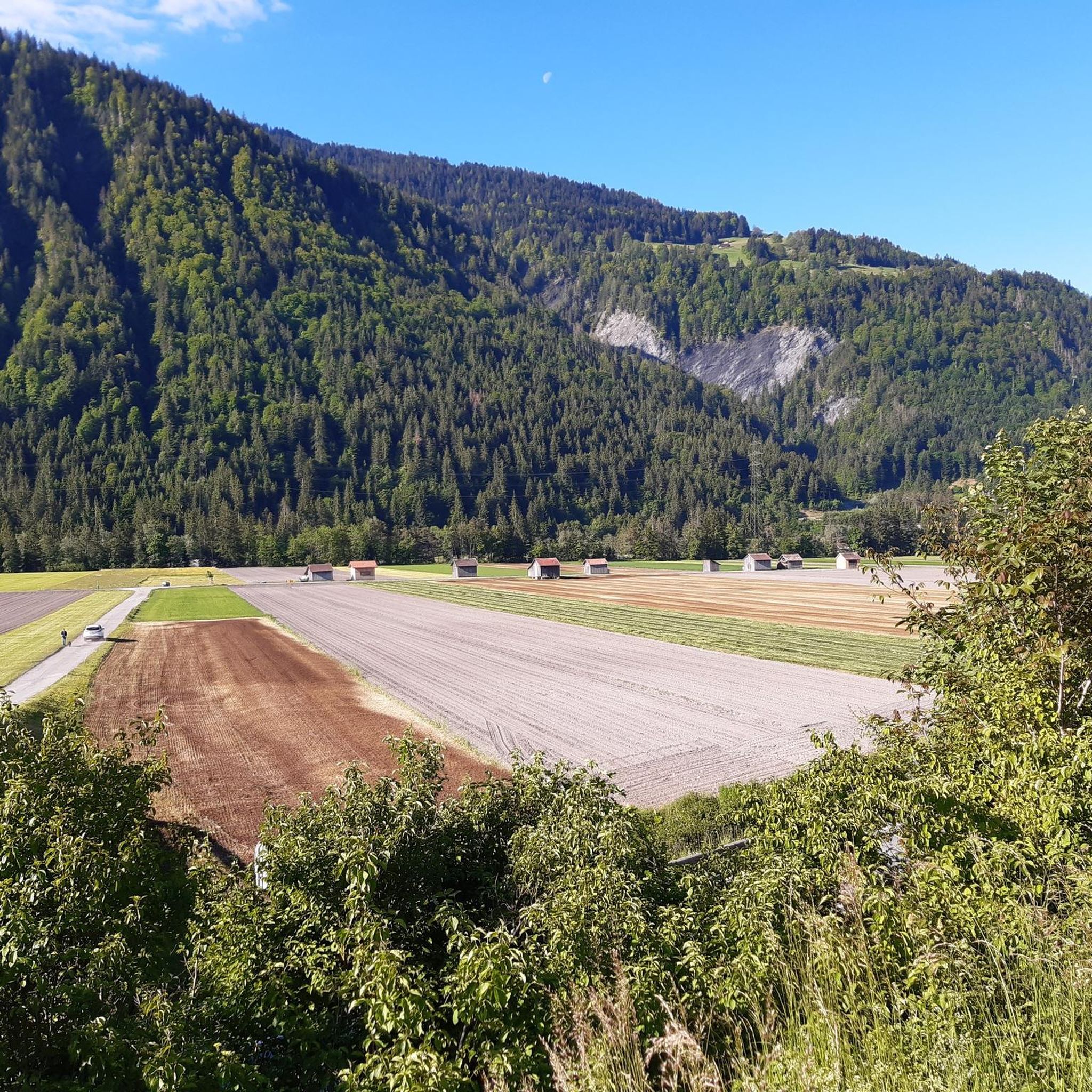

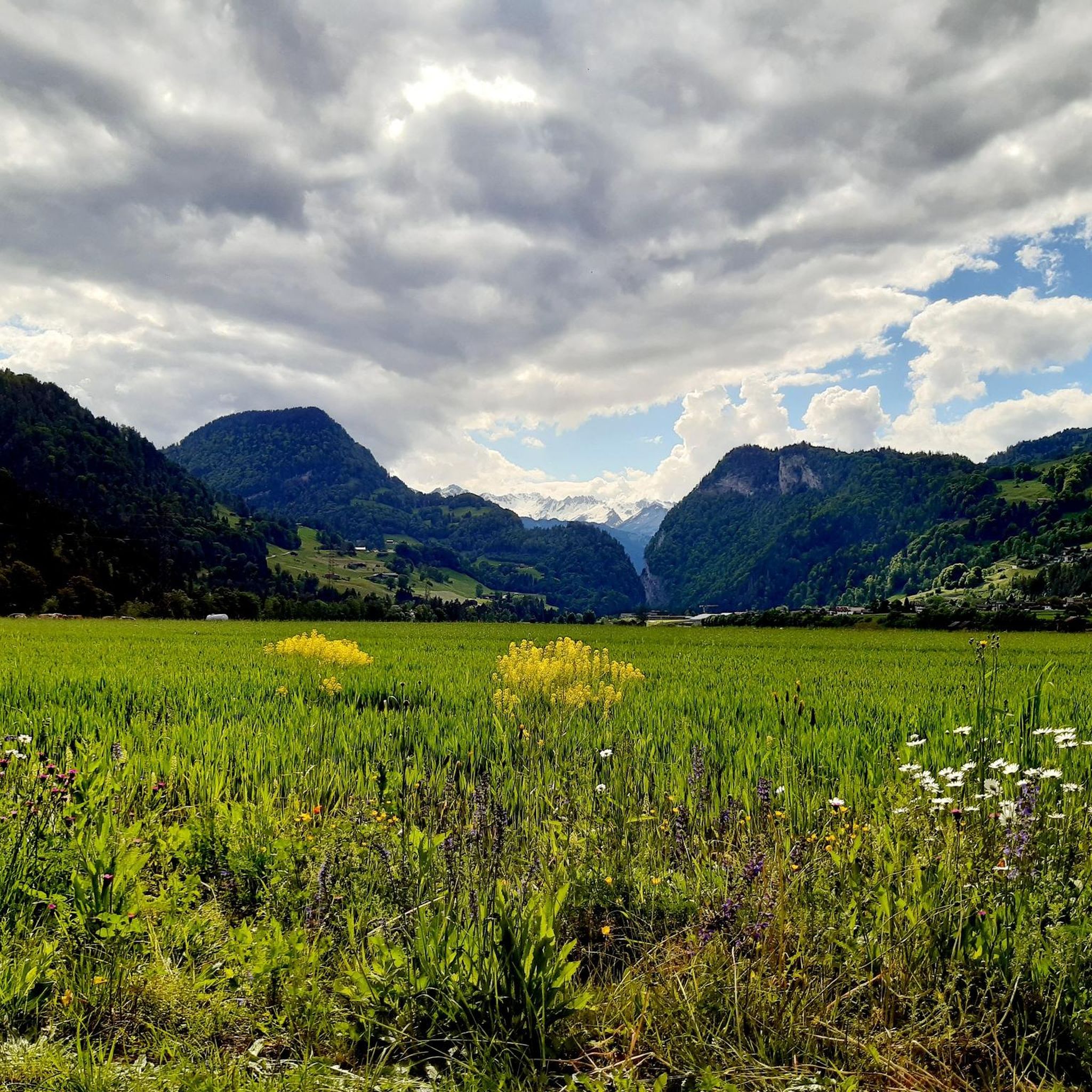
Tips from the Community

When circumnavigating Lake Lünersee, you can stop for a break at the Lünersee Alpe. The Lünersee Alpe sells regional products and offers a small snack menu. Cash payments only. Opening hours depend on the alpine season. Source: https://www.vorarlberg-alpenregion.at/brandnertal/de/alpe-luenersee-2_vc5704
9
1
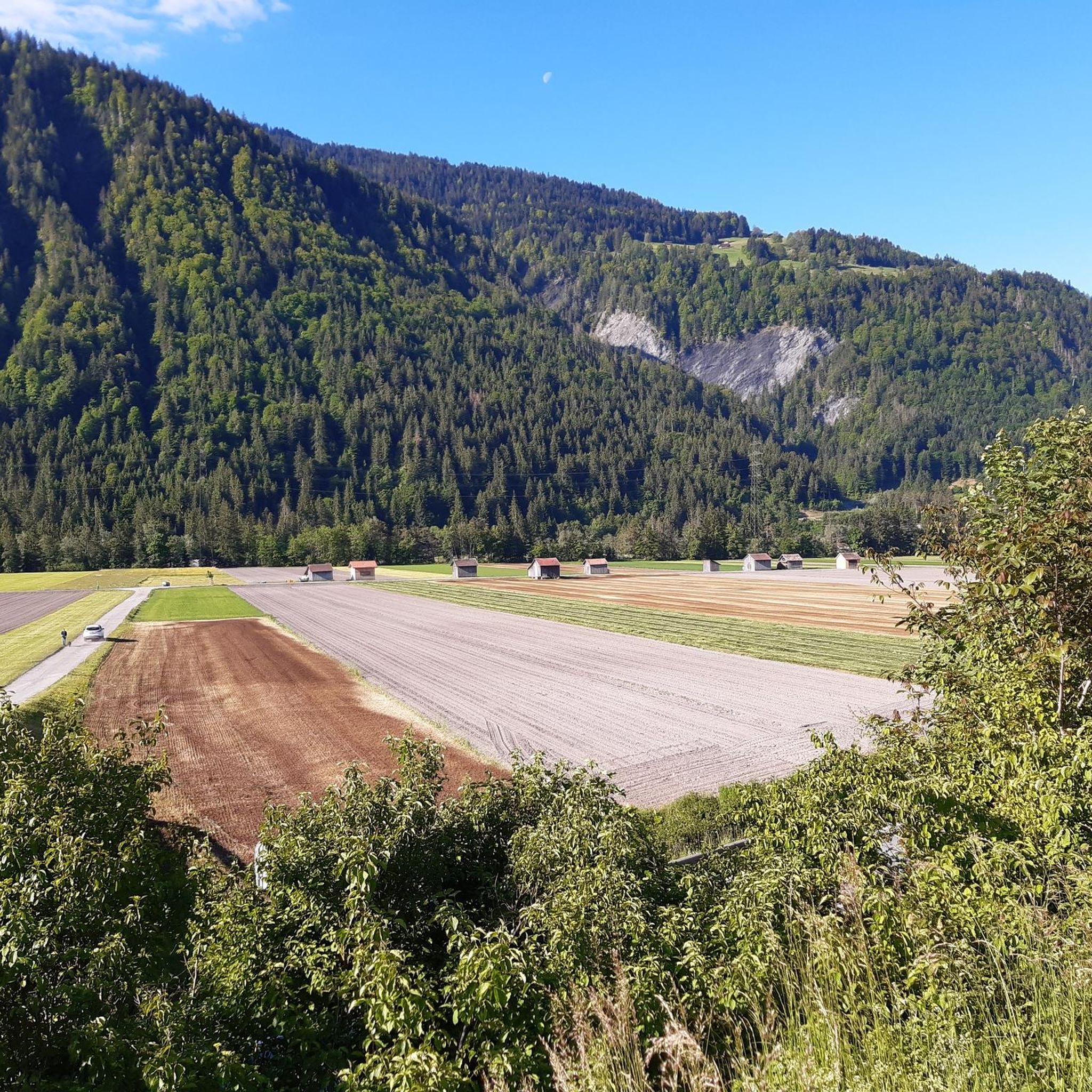
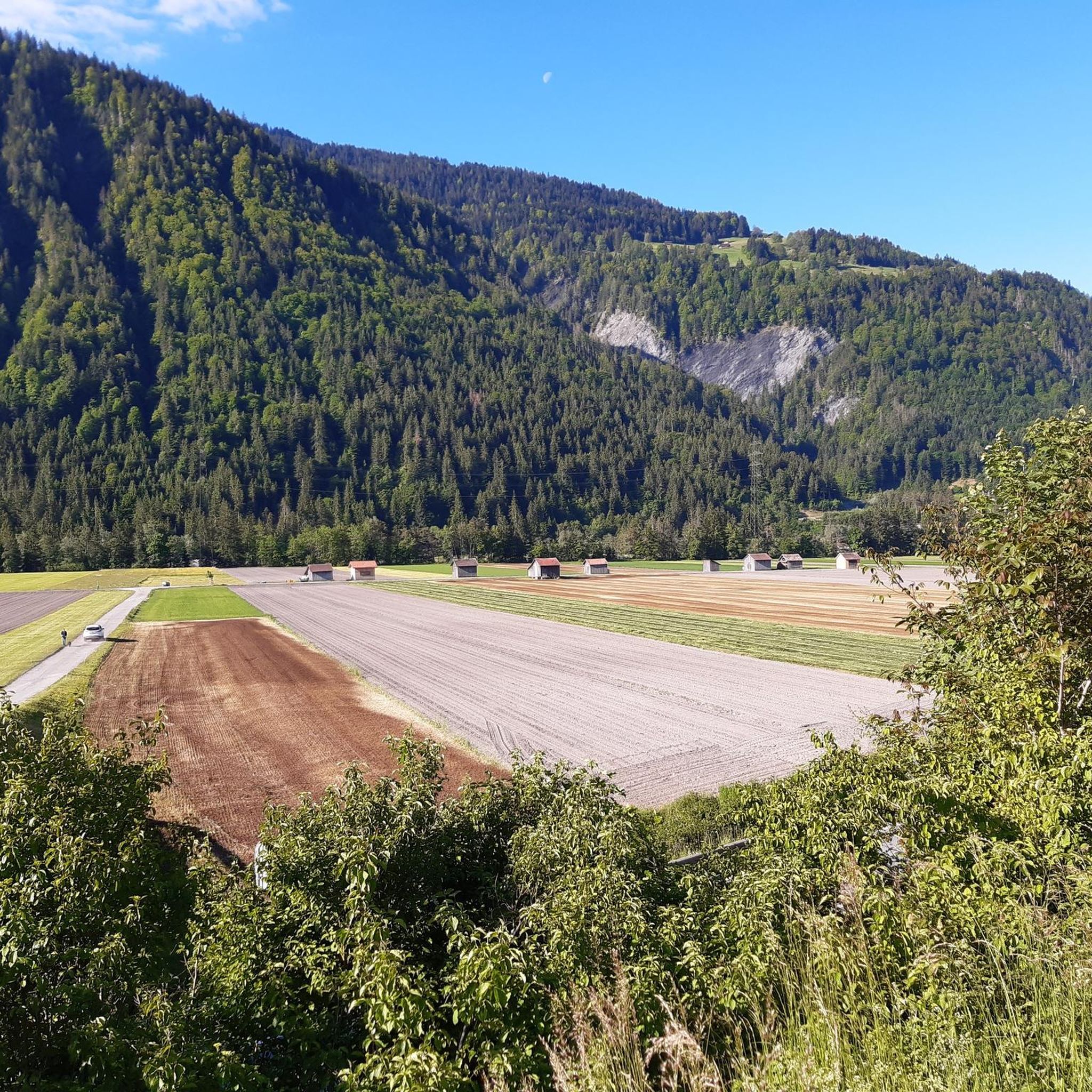
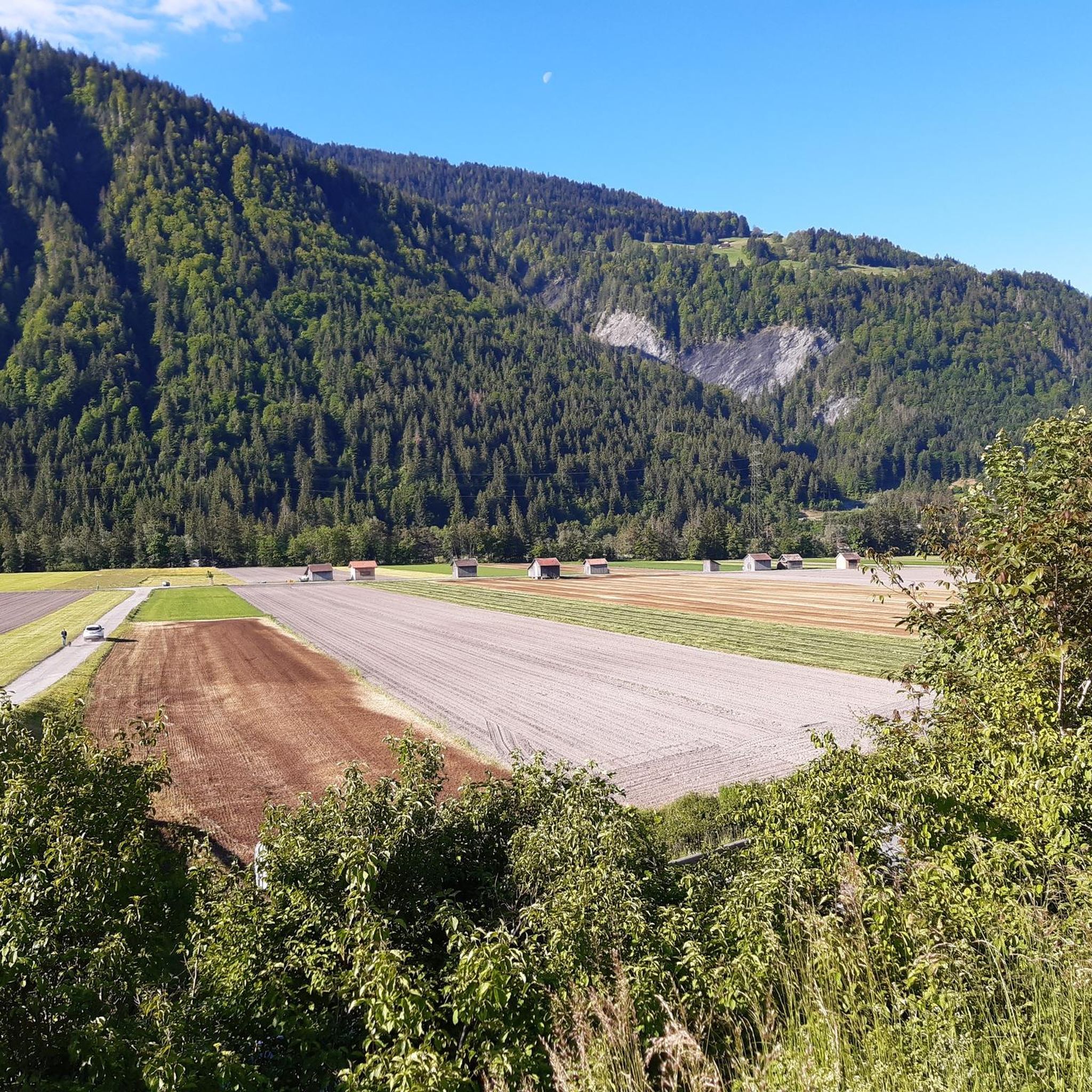
Wonderful valley and great view over Lünersee.
9
1
Great view of the beautiful Lünersee from a little above. This spot is part of the lake circuit.
9
0
A walk around the lake is definitely worth it; the view from this side is simply amazing.
9
0

Tamina Gorge near Old Bad Pfäfers - 36.5°C, 8,000 liters per minute. Source of our thermal water The Tamina spring is not only the namesake of our thermal spa, but also the source of our healing spring water. Europe's most abundant thermal spring rises in the Tamina Gorge near Bad Ragaz and was discovered in the early Middle Ages (in 1242). Mysterious Tamina Gorge In the Tamina Gorge between Valens and the hamlet of Bonadivis, the water of the Tamina River carves its way up to 200 meters into the earth. The narrow rock crevice of the Tamina Gorge is approximately 750 meters long and 70 meters deep. Near Old Bad Pfäfers, the gorge widens, and a road now connects Old Bad Pfäfers with the town of Bad Ragaz. Deep within the mystical Tamina Gorge beats its heart: the inexhaustible spring from which healing, body-temperature thermal water has bubbled for centuries. Among others, the physician and alchemist Paracelsus praised the healing properties of the spring water in the 16th century, which is considered an acratotherm due to its low mineral content and temperature of 36.5°C. Text / Source: TAMINA THERME AG, Hans Albrecht-Strasse, Bad Ragaz https://www.taminatherme.ch/thermalwasserwelt/taminaschlucht-thermalwasser
14
0

The Lünersee was once a natural mountain lake. The construction of a dam in 1959 transformed it into a reservoir with a capacity of 78.3 million m3. When full, the lake is 139 m deep. The circular trail around the lake is largely family-friendly and easy to walk.
10
0

A very popular peak, which appears invincible from afar, but loses some of its "terror" with every meter you approach. The sensational view is a reward for every single drop of sweat.
6
0
Frequently Asked Questions
What types of natural features can I explore around Grüsch?
The region around Grüsch is rich in diverse natural features, from high alpine summits to serene valleys and dramatic gorges. You can discover stunning mountain peaks like Saulakopf Summit, offering magnificent panoramas, or experience the wild beauty of the Tamina Gorge where the river carves its way through rock. The area also features picturesque waterfalls such as Glingabrunn Waterfalls and the tranquil Lünersee South Shore, known for its crystal-clear, turquoise water.
Are there family-friendly natural monuments to visit near Grüsch?
Yes, several natural monuments around Grüsch are suitable for families. The circular route around Lünersee South Shore is easily completed and offers scenic views, making it a great option. Additionally, the Glingabrunn Waterfalls are accessible via a pleasant walk from Brand, which is very enjoyable for families.
What outdoor activities can I do near these natural monuments?
The natural monuments around Grüsch are excellent starting points for various outdoor activities. You can embark on challenging mountain hikes, explore the landscape on cycling tours, or tackle exciting MTB trails. The region offers diverse routes catering to different fitness levels and interests.
What is the best time to visit the natural monuments around Grüsch?
The best time to visit largely depends on the activity you plan. For hiking and exploring the high alpine areas like Schesaplana Summit, late spring to early autumn (June to September) offers the most favorable weather conditions. In winter, the Grüsch-Danusa area transforms into a stunning landscape for panoramic winter hiking and snowshoeing, offering unique snow-covered vistas.
Are there any natural monuments that offer panoramic views?
Absolutely. The region is renowned for its breathtaking panoramic views. Schesaplana Summit provides an unobstructed 360-degree panorama as the highest mountain in the Rätikon. Similarly, Saulakopf Summit offers a magnificent alpine mountain landscape view. The high plateau of Grüsch-Danusa, accessible via cable car, also provides extensive views of the surrounding Alps.
What do visitors enjoy most about the natural monuments in this region?
Visitors frequently praise the stunning natural beauty and the diverse opportunities for outdoor recreation. The crystal-clear, turquoise water of Lünersee is a particular highlight, offering a beautiful contrast to the surrounding cliffs. The rewarding 360-degree panoramas from summits like Schesaplana are also highly cherished, as is the wild and romantic atmosphere of the Tamina Gorge.
Are there any natural monuments suitable for dog walking?
While specific dog-friendly designations for each natural monument are not always listed, many hiking trails and natural areas around Grüsch are suitable for dogs, provided they are kept on a leash and owners follow local regulations. The circular route around Lünersee South Shore is generally considered dog-friendly.
How long does it take to explore the natural monuments?
The duration varies greatly depending on the monument and your chosen activity. For instance, a circular route around Lünersee South Shore can be completed in 2.5 to 3.5 hours. Ascents to summits like Schesaplana or Saulakopf are more demanding and can take a full day. Shorter walks to places like Glingabrunn Waterfalls can be done in a few hours.
Are there any historical natural sites in the Grüsch region?
While the focus is on natural beauty, some areas combine nature with local history. For example, a hike to the 'Eretsloch' leads to a historical site where ore was once sought, offering a blend of natural scenery and a touch of the region's past. The Tamina Gorge is also historically significant for its thermal spring, discovered in the early Middle Ages.
What is the difficulty level of trails leading to these natural monuments?
The difficulty levels vary significantly. The circular path around Lünersee South Shore is generally easy. However, reaching summits like Schesaplana Summit and Saulakopf Summit involves challenging ascents, often requiring sturdy footwear and good fitness. The Tamina Gorge offers an intermediate experience, while the Glingabrunn Waterfalls can be reached via intermediate trails.
Can I find cafes or accommodation near the natural monuments?
Yes, the region offers various amenities. Near Lünersee South Shore, you'll find the Douglasshütte, which provides refreshments and accommodation. In the broader Grüsch area and surrounding villages, there are cafes, restaurants, and accommodation options available to support your visit to the natural monuments.
Are there any natural monuments that are less crowded?
While popular spots like Lünersee can attract crowds on nice days, visiting during weekdays or outside of peak holiday seasons can offer a more tranquil experience. Exploring the Valzeina Valley, for example, provides a serene environment away from more bustling areas, ideal for experiencing local flora and fauna in peace.
Most popular routes around Grüsch
Most popular attractions around Grüsch

Get inspired with the komoot mobile app


Explore more
Extend your search for the best caves by checking out these guides of the top ones around Grüsch:
