Top 20 Natural Monuments around Wittenbach
Best natural monuments around Wittenbach, a municipality in the canton of St. Gallen, Switzerland, offer diverse natural features. The region is characterized by protected wetlands, river landscapes, and various water bodies. These areas provide opportunities for observing local biodiversity and experiencing serene outdoor environments.
Best natural monuments around Wittenbach
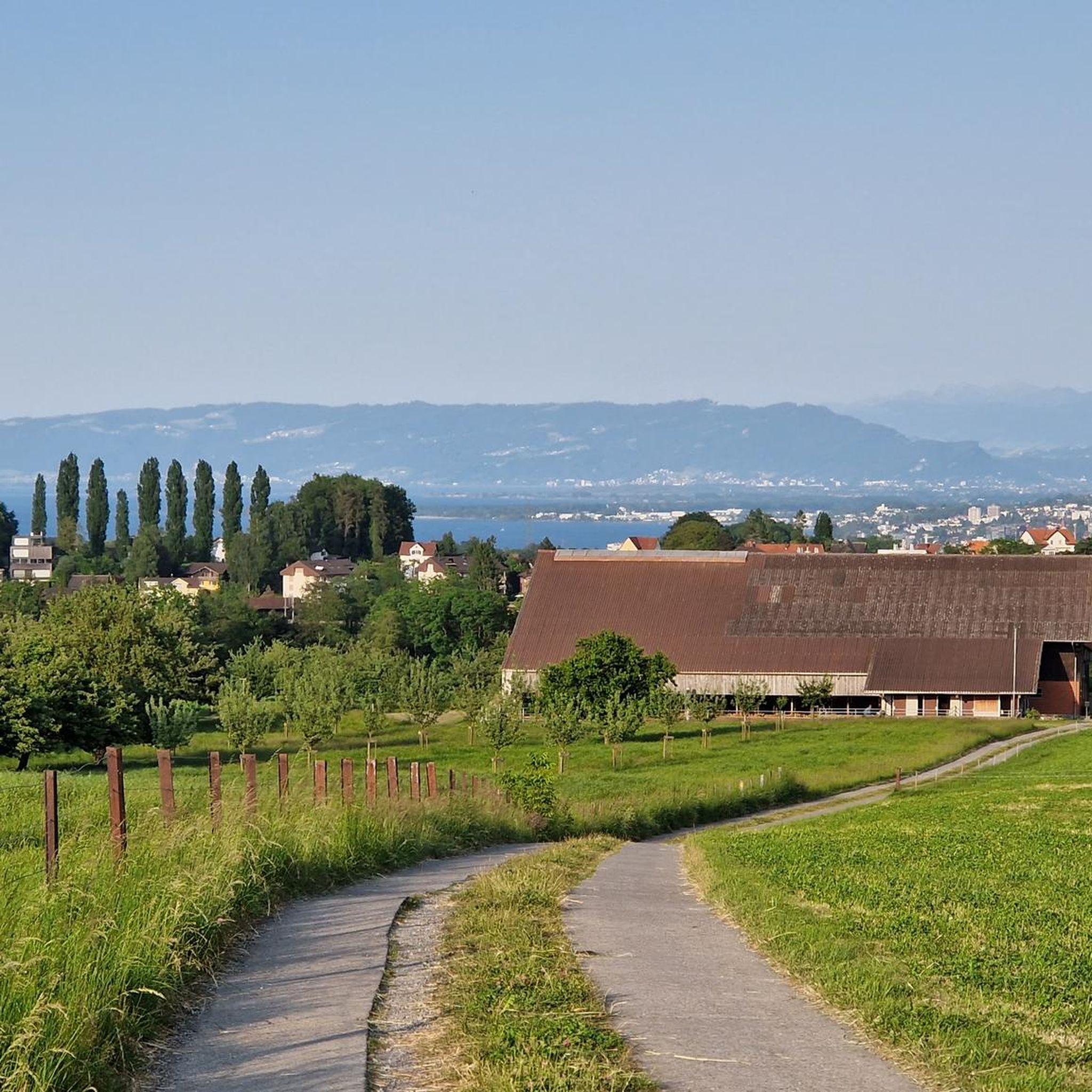
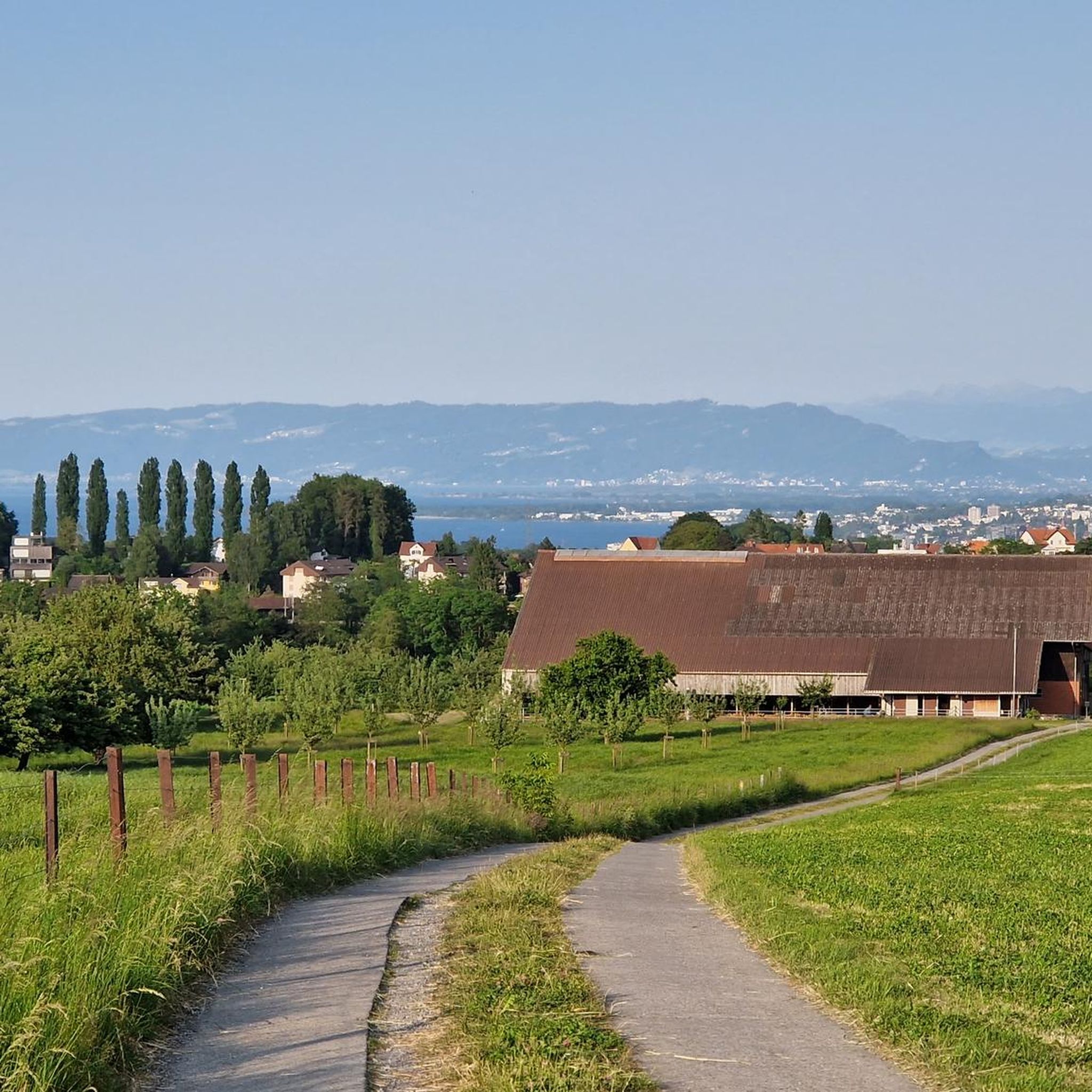
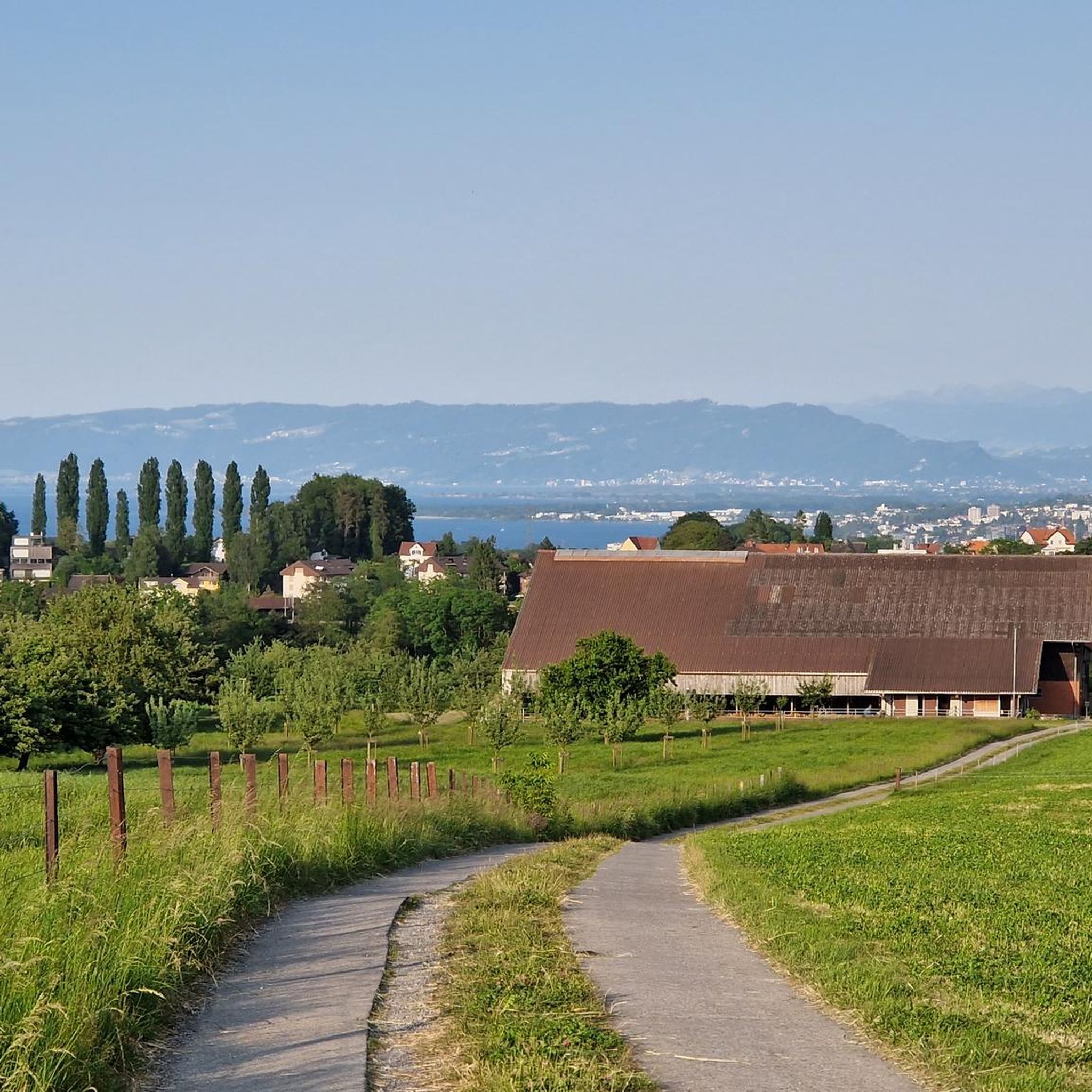
- The most popular natural monument is Drei Weieren (St. Gallen), a lake area that features five ponds and offers panoramic views of St. Gallen and Lake Constance. It is a popular recreational area for swimming and relaxation.
- Another must-see spot is Wenigerweier, a lake located within a nature reserve. This idyllic pond is an important habitat for amphibians and has been ecologically revitalized, offering paths and benches for nature observation.
- Visitors also love Gübsensee East, a lake that serves as a popular recreational area. It features many benches and fire pits, and the walk around the Gübsensee is frequently used by joggers.
- Wittenbach is known for its lakes, protected wetlands, and river landscapes. The area provides a variety of natural monuments to see and explore, including fens and ecologically rich river environments.
- The natural monuments around Wittenbach are appreciated by the komoot community, with more than 150 photos and over 290 upvotes shared by visitors.
Last updated: June 26, 2026
Drei Weieren (St. Gallen)
Highlight • Lake
Translated by Google •
Tip by

Wenigerweier
Highlight • Lake
The Wenigerweiher is located in the area of the city of St. Gallen. It is located outside the city center in the direction of Speicher at an altitude of 837 meters above sea level. There is a small island in the eastern part of the pond.
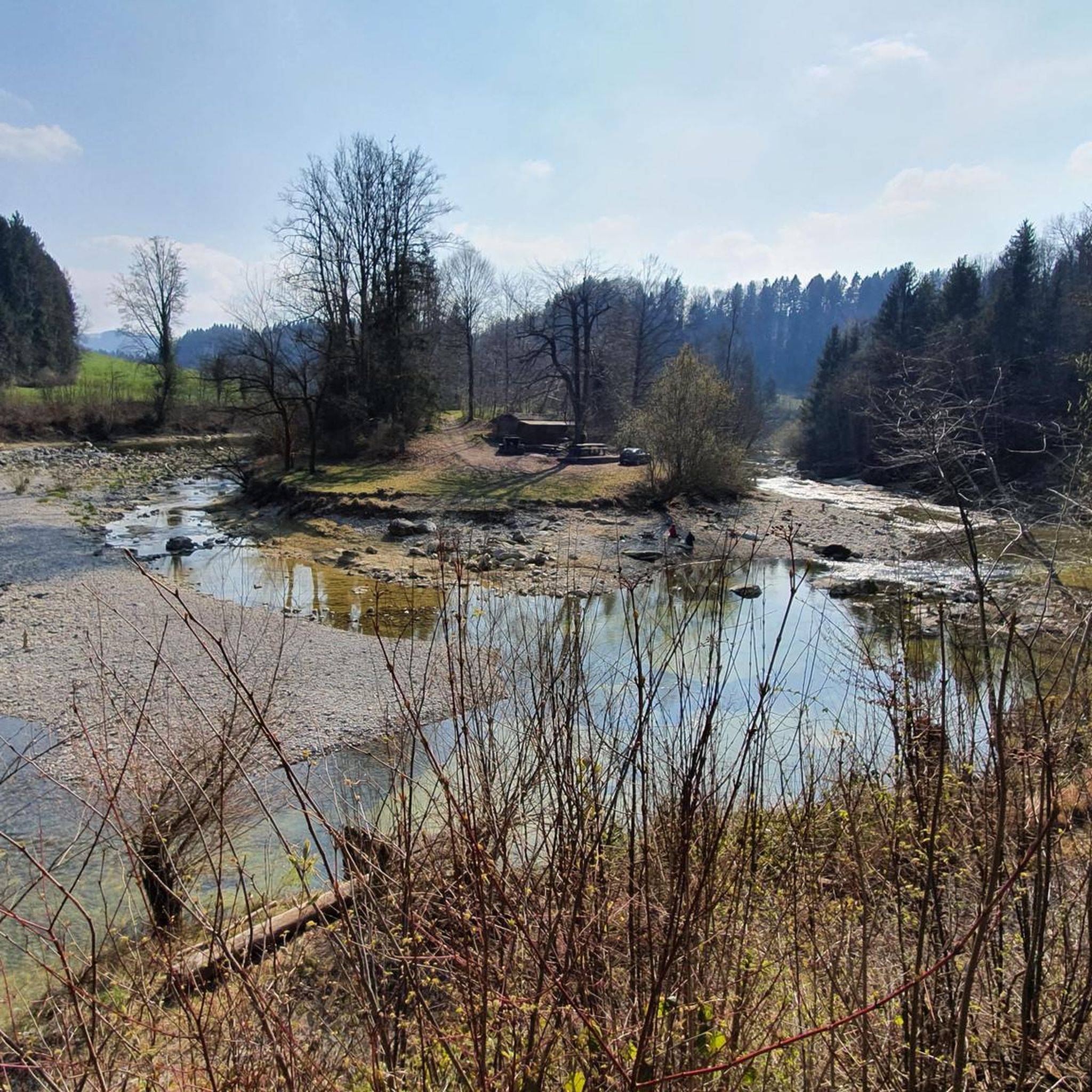
The Wenigerweiher, also spelled Wenigerweier, is located in a nature reserve and is an important habitat for amphibians. The pond is looked after by the nature conservation association of the city of St. Gallen. On the west side of the pond, a footbridge with a little house at the end protrudes into the water.
ARRIVAL TO THE WNIGERWEIHER
A beautiful forest path leads up to the lake from the St. Georgen district of St. Gallen (final stop “St. Georgen, Bach”). The walk takes around 20 minutes and is also very interesting for families with exciting information boards (“Industrial and Nature Trail”). The journey to the Wenigerweiher is shorter from the “Schwarzer Bären” stop on the train line from St. Gallen to Trogen. From there you can walk to the pond in five minutes.
Translated by Google •
Tip by

Sign up now to discover places like this
Get recommendations on the best single tracks, peaks, & plenty of other exciting outdoor places.
Sign up for free
Gübsensee East
Highlight • Lake
Showing Translation
Tip by
Drei Weieren (Three Ponds) St. Gallen
Highlight • Lake
Translated by Google •
Tip by

Hudelmoos Nature Reserve Parking Area
Highlight • Parking
Luminous birch trunks in front of dense reed belts, glittering streams between ponds, radiant swamp marigolds - thanks to individual paths that lead into the area, you can experience the Hudelmoos high moor with its springy ground under your feet.
The moraine landscape in this area was formed by the glaciers of the last Ice Age. After the ice masses retreated, small lakes formed in deeper, dense areas, from which bogs such as the Hudelmoos developed over the course of thousands of years.
History of the Hudelmoss
The increasing hunger for energy due to the growing population and industrialization in the 18th century led to peat extraction in many places. So peat was cut in the Hudelmoos from around 1750 until the middle of the 20th century. As a result of this degradation, only remnants of the original moor are left today.
Since this area was placed under cantonal protection in 1977, the largely dismantled raised bog has been regenerating. Ried meadows (small sedge and pipe grass meadows) have formed on the less humid areas. In 1990 the Hudelmoos was included in the "Federal inventory of raised and transitional moors of national importance". The aim of the current maintenance measures is to preserve the species-rich reed meadows and the generally large biodiversity and to enable further regeneration of the raised bog.
Biodiversity hotspot
The Hudelmoos is now considered a biodiversity hotspot. A monograph published in 1992 lists the following species numbers, among others:
• 40 birds
• 210 butterflies (including moths)
• 29 dragonflies
• 348 vascular plants
• 98 mosses (including 15 peat mosses)
• 298 mushrooms
Text: pro natura
pronatura-tg.ch/de/naturschutzgebiet-hudelmoos
Translated by Google •
Tip by

Sign up for free to discover even more natural monuments around Wittenbach.
Sign up for free
Already have an account?
Start today with a free account
Your next adventure awaits.
Login or Signup

Tips from the Community

Great circular hike through St. Gallen. 🥰
2
0

The funny thing about it: dogs are allowed to swim in the Bubenweiher lake, but not humans :)! https://www.teddy-b.ch/ausflugsziele/drei-weieren-st-gallen-wasserwelten/
2
1

Beautiful path on both sides along the Wenigerweiher, with constantly beautiful views of the water.
1
2

Drei Weieren is the name of the local recreation area below Freudenberg in St. Gallen. The ponds, which were created in the 17th century to provide water, are now beautiful natural swimming pools. The area around the waters is also perfect for strolling or picnicking.
1
0


Beautiful lake on the outskirts of the city and a fisherman's hot-spot
0
0

Beautiful reservoir and great local recreation area. It also has large fire pit. You can also swim in the lake.
1
2
The picturesque pond is on the edge of St.Georgen. It owes its name to the businessman Michael Weniger, who had the pond built in the 19th century. The pond served as a reservoir for the industrial and commercial companies of the time. Today the pond is the idyllic starting point of the industrial and nature trail as well as the Philosphentalweg. The pond is a beautiful local recreation area and benches invite you to linger. (Source: St.Gallen-Lake Constance)
1
0
Frequently Asked Questions
What types of natural monuments can I explore around Wittenbach?
The region around Wittenbach offers a diverse range of natural monuments, primarily featuring serene lake areas, protected wetlands, and ecologically rich river landscapes. You can discover places like the Drei Weieren (St. Gallen) with its five ponds and panoramic views, the tranquil Wenigerweier nature reserve, and the historic Gübsensee East.
Are there family-friendly natural monuments in the Wittenbach area?
Yes, several natural monuments around Wittenbach are ideal for families. The Drei Weieren (St. Gallen) is a popular spot for swimming and relaxation, while the Wenigerweier offers paths and benches for nature observation in a protected amphibian habitat. The Hudelmoos Nature Reserve also features easy, soft paths suitable for family walks.
What unique natural features or hidden gems can be found near Wittenbach?
Beyond the well-known lakes, the region boasts unique natural features like the Hubermoos (also known as Dottenwilermoos), a nationally significant protected fen. This wetland ecosystem is a vital habitat for diverse plant and animal species, particularly amphibians. Another gem is the Sittertobel, a river landscape offering rich biodiversity and nature trails for exploration.
What outdoor activities can I do near the natural monuments around Wittenbach?
The natural monuments around Wittenbach are excellent starting points for various outdoor activities. You can enjoy running on trails like the 'Running loop from Wittenbach' or 'Vitaparcours Hätterenwald loop' found in the Running Trails around Wittenbach guide. For cycling, explore routes such as 'Erlenholz Bridge W – Bridge Over the Sitter loop' from the Cycling around Wittenbach guide, or try mountain biking on trails like 'Sitterstrandweg – Spisegg Wooden Bridge loop' from the MTB Trails around Wittenbach guide.
How can I reach the natural monuments around Wittenbach using public transport?
Many natural monuments are accessible via public transport. For instance, to reach the Drei Weieren, you can take the Mühleggbahn or city buses 2 and 8 to 'St. Gallen, Mühlegg' and walk about five minutes. During summer, a dedicated bathing bus often runs directly to the ponds. For Wenigerweier, a forest path leads from the 'St. Georgen, Bach' stop, or it's a five-minute walk from the 'Schwarzer Bären' stop on the train line to Trogen.
Are there good places for swimming near Wittenbach's natural monuments?
Yes, the Drei Weieren (St. Gallen) is a very popular recreational area for swimming. Specifically, the Frauenweier (Chrüzweier) and Mannenweier among the five ponds are suitable for swimming, with the Frauenweier having a dedicated bathing area. The area is a beloved summer destination.
What is the best time of year to visit the natural monuments around Wittenbach?
The natural monuments around Wittenbach can be enjoyed year-round. Summer is ideal for swimming at the Drei Weieren and exploring nature trails. Spring and autumn offer pleasant temperatures for hiking and observing the changing flora and fauna in areas like the Hubermoos and Sittertobel. Even in winter, if ice thickness permits, the Buebenweier at Drei Weieren is open for ice skating, and the landscapes offer a different kind of beauty.
Where can I find parking near the natural monuments?
Parking options are available for many locations. For example, the Hudelmoos Nature Reserve has a suitable, larger, and free parking area. For the Drei Weieren, paid parking spaces are available, including near the Frauenbad.
What makes the Hubermoos Nature Reserve special?
The Hubermoos, also known as Dottenwilermoos, is a nationally significant protected fen. It's a valuable flat bog characterized by a dense mosaic of bogs, tall herbaceous vegetation, and various forest types. It's also classified as an amphibian spawning area of national importance and is considered a biodiversity hotspot, offering a chance to observe unique flora and fauna in a tranquil setting.
Can I find nature trails for walking and exploring biodiversity?
Absolutely. The Sittertobel, the river landscape along the Sitter, features established 'Naturpfade' (nature trails) that allow visitors to discover the local flora and fauna. Similarly, the Wenigerweier, located in a nature reserve, has paths and information boards, making it an engaging way to explore the region's biodiversity.
Are there any historical aspects related to the natural monuments?
Yes, some natural monuments have historical significance. The Gübsensee East, for instance, features the eastern dam wall of a reservoir built in 1900, which was Switzerland's first gravity dam and part of its first high-pressure power plant. The Hudelmoos Nature Reserve also has a history of peat extraction from the 18th to mid-20th century, with remnants of the original moor now regenerating.
What do visitors particularly enjoy about the natural monuments around Wittenbach?
Visitors frequently praise the beautiful views, tranquil settings, and recreational opportunities. The panoramic views of St. Gallen and Lake Constance from Drei Weieren are highly appreciated. Many enjoy the peaceful atmosphere for unwinding at places like Wenigerweier, and the well-maintained paths and fire pits at Gübsensee East make it a popular spot for joggers and families.
Most popular routes around Wittenbach
Most popular attractions around Wittenbach

Get inspired with the komoot mobile app


Explore more
Extend your search for the best caves by checking out these guides of the top ones around Wittenbach:
