Top 20 Natural Monuments around Giebenach
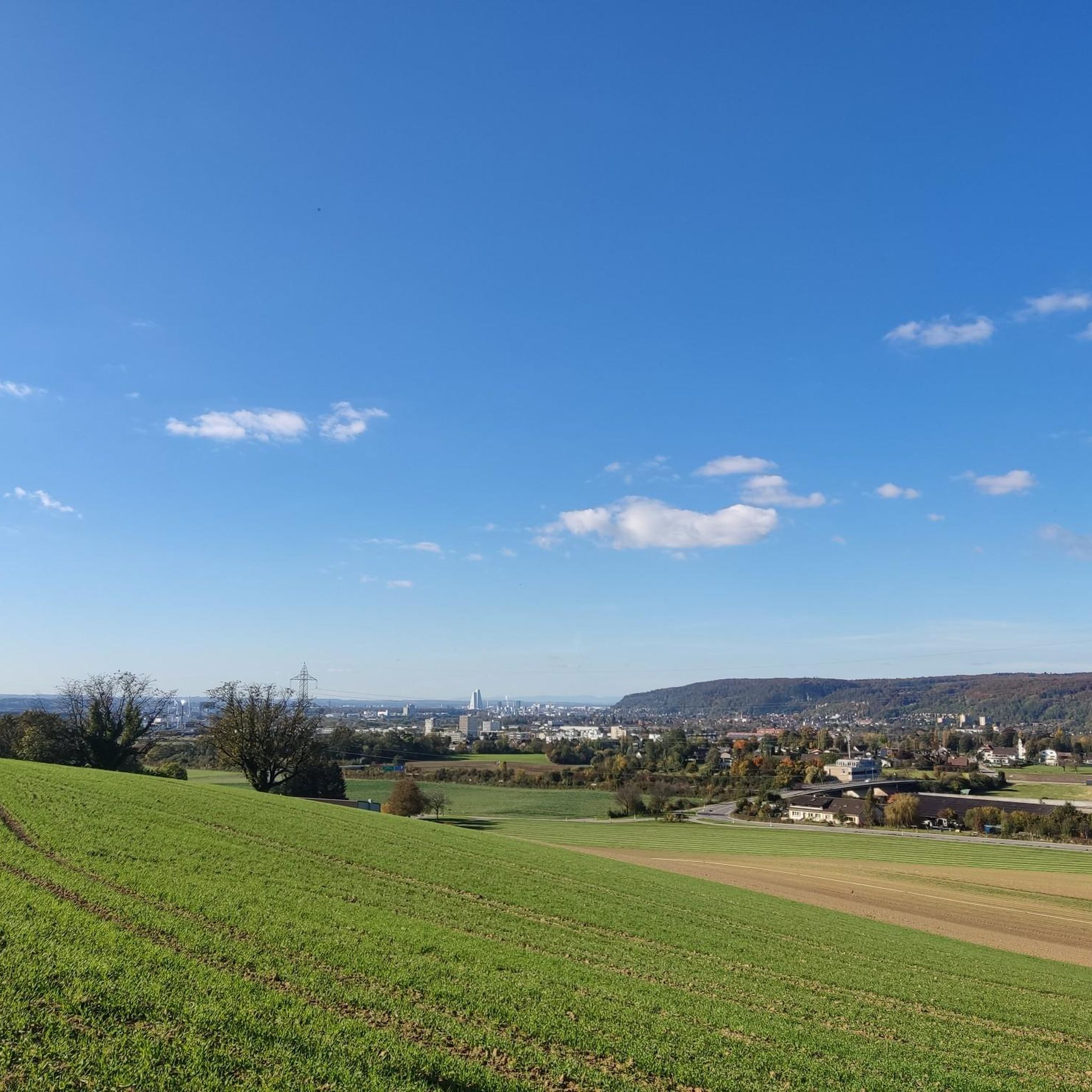
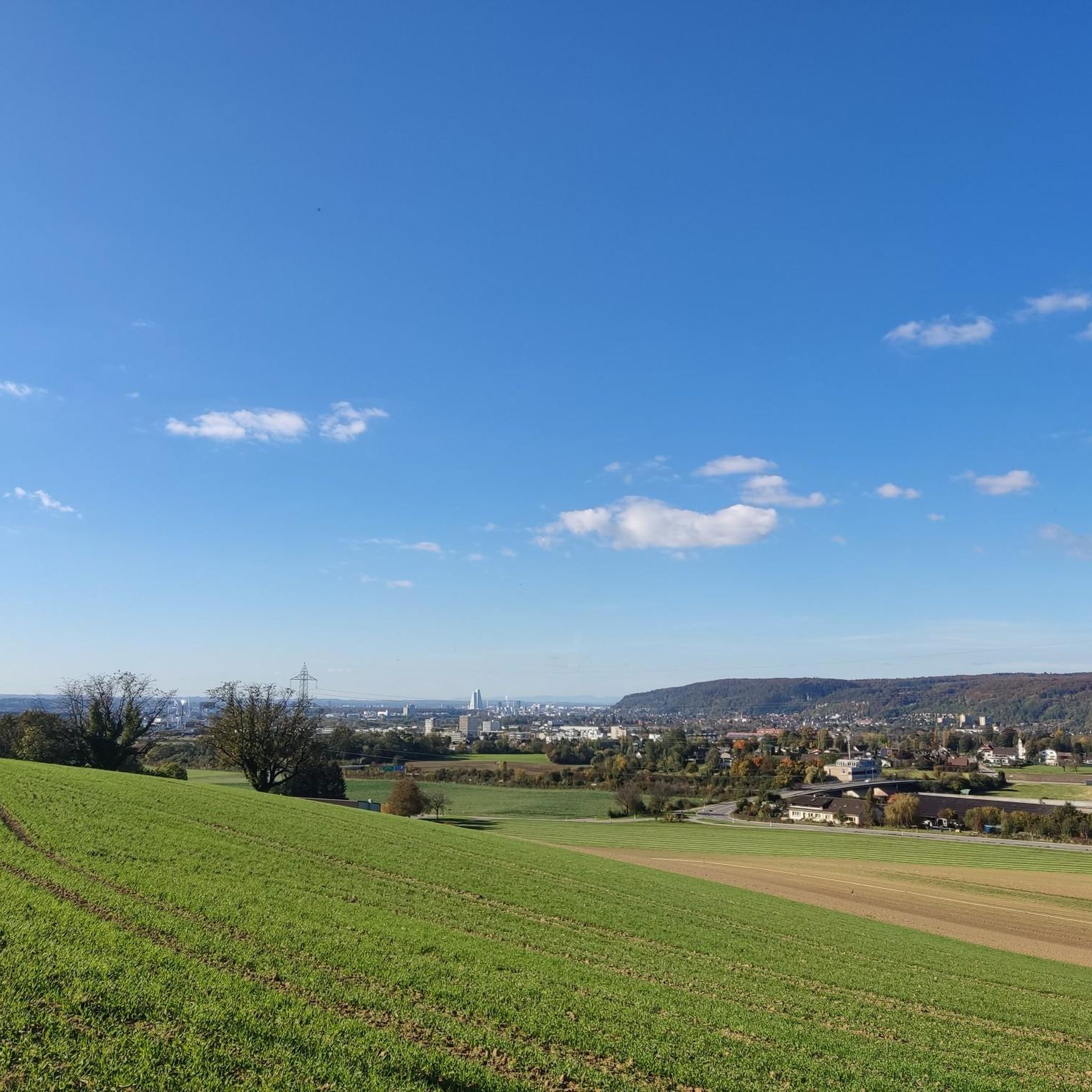
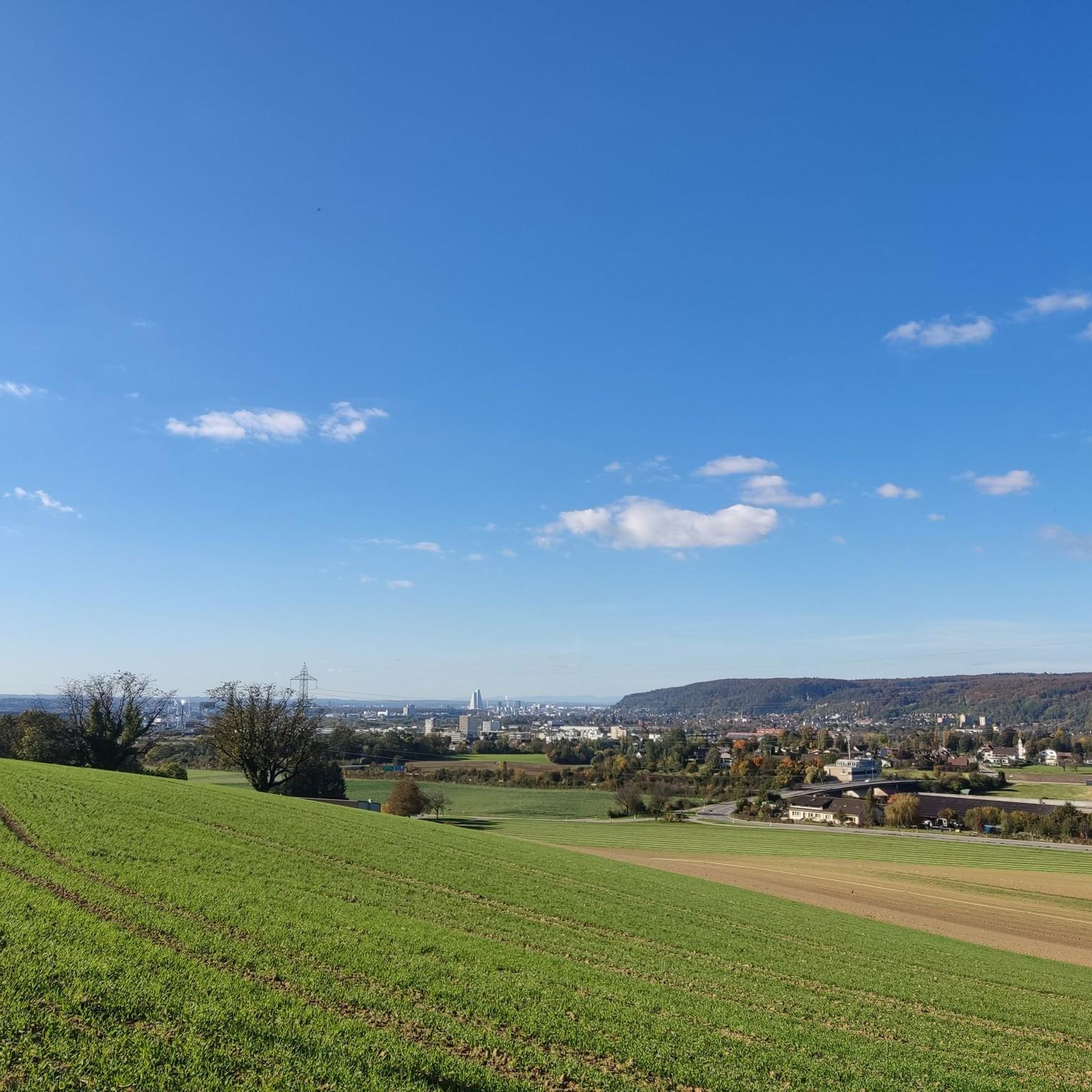
Best natural monuments around Giebenach are found within a landscape characterized by extensive forests and rolling hills. This region, part of the wider Basel area, features over 40% forest coverage, offering numerous opportunities for outdoor activities. Visitors can explore various Giebenach natural attractions and Giebenach forest trails, which provide scenic views and diverse terrain for hiking and cycling. The area's strength lies in its overall natural ambiance and green spaces.
Best natural monuments around Giebenach
- The most popular natural monument…
Last updated: June 26, 2026
Ermitage Arlesheim Landscape Garden
Highlight • Natural Monument
Translated by Google •
Tip by

Schartenflue
Highlight • Viewpoint
Translated by Google •
Tip by

Sign up now to discover places like this
Get recommendations on the best single tracks, peaks, & plenty of other exciting outdoor places.
Sign up for free
Cross Oak
Highlight • Natural Monument
Translated by Google •
Tip by

Dolivo Platform (viewpoint over the Rhine fish ladder)
Highlight • Viewpoint
Translated by Google •
Tip by

Old Rhine at Wyhlen
Highlight • River
Translated by Google •
Tip by

Sign up for free to discover even more natural monuments around Giebenach.
Sign up for free
Already have an account?
Start today with a free account
Your next adventure awaits.
Login or Signup
Tips from the Community


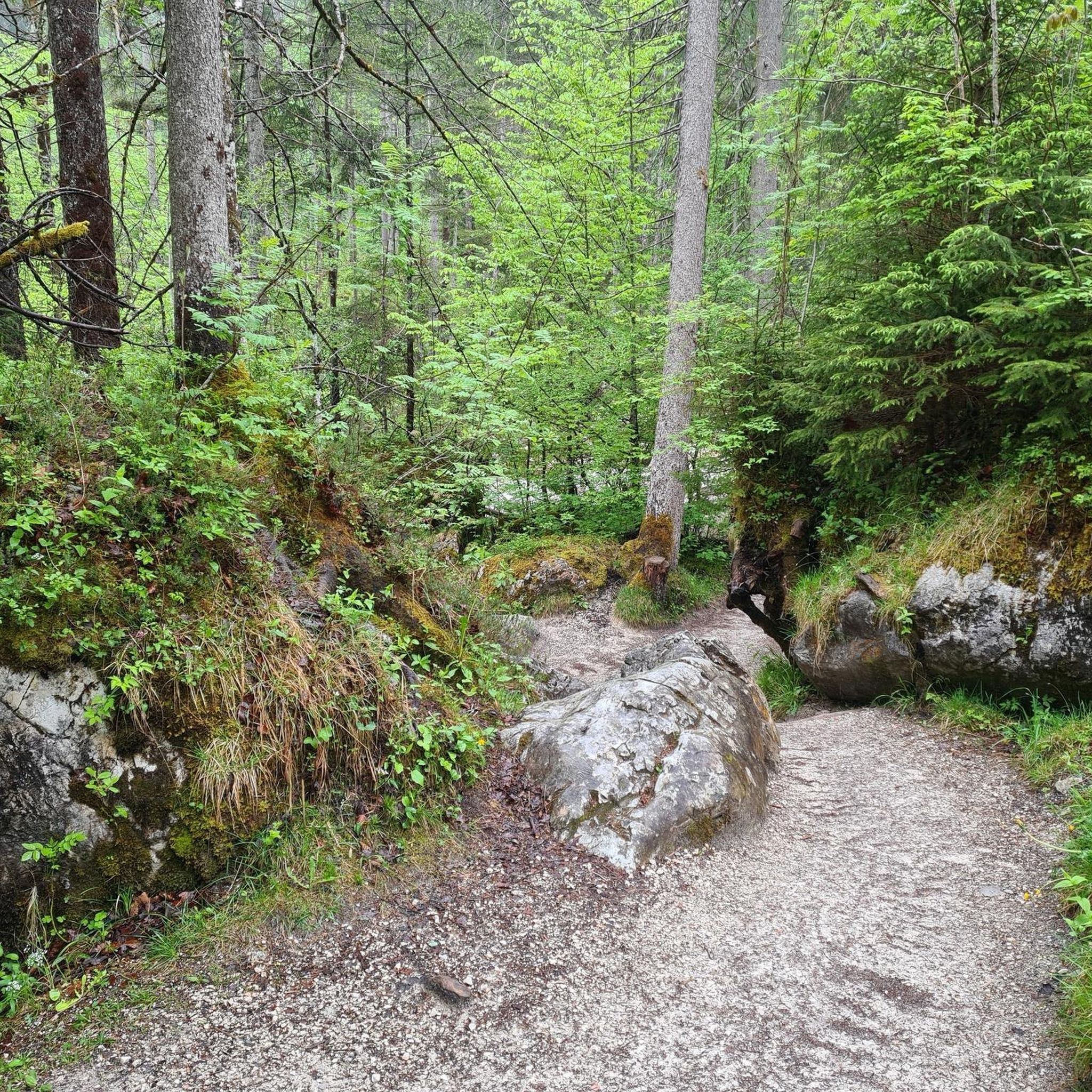
The Kreuzeiche near Lörrach (more precisely in Brombach, on Adelhauser Straße in the Brombach Forest) is a striking natural monument with great historical significance:
0
0

Very beautiful area and nature reserve.
0
0

The platform is part of the Natural Energy Trail. Information about it can be found here: https://www.rheinfelden.de/tools/rheinufer/media/pdf/Naturenergie_Weg-Tafel2.pdf
3
0

A really great starting point for day hikes or bike tours. Lots of hiking tips already on the board at the house. A huge parking lot with barbecue facilities.
0
0

The Ermitage is a large and lovingly designed green area from 1785, with three idyllic ponds, several romantic grottos, historical buildings, pretty walking paths between the shore and the edge of the forest and, on top of it all, the castle ruins of Bierseck Castle, as the crowning glory of the whole. It is a wonderful place for physical and mental relaxation, but those seeking peace and quiet should visit outside of the holidays or weekends. It is a real visitor magnet. Warning! The grottos can only be reached on foot and via steep stairs. The rest of the garden is mostly wheelchair accessible and suitable for pushchairs. There are no parking spaces directly at the Ermitage! Free entry!
0
0

Spacious area in the middle of the forest with a hut and plenty of seating for resting and relaxing.
1
0

The double power plant Augst (operator: 80% KWA 20% Canton Basel Land) and Wyhlen (operator: Energiedienst Holding Laufenburg, majority owned by EnBW since 2003) were built together between 1908 and 1912. The 212.80 m long weir has 10 openings, each with a clear width of 17.50 m. Each opening can be closed by a 9 m high iron gate. These are moved by winches that rest on an iron bridge structure above the pillar heads. A concrete weir bridge on the underwater side serves to reinforce the weir. Weir pillars and supports are clad with Black Forest granite. Until 1990, ten Francis turbine groups on both sides generated 2.2 MW each and two exciter groups each generated 440 kW of electrical energy. Since 1990, two of the former ten Francis turbine groups and two exciter groups have been in operation on the Swiss side; the rest have been replaced by seven built-in Straflo turbine groups, each with an output of 5.54 MW. Since 1990, five of the former ten Francis turbine groups and two exciter groups have still been in operation on the German side; the others have been replaced by six installed Straflo turbine groups. There is also a photovoltaic system on the roof of the KW Wyhlen machine hall with an area of 720 m² and an annual output of approx. 70,000 kWh. Since the end of 2017, a power-to-gas pilot plant for the climate-neutral production of hydrogen using electricity from hydropower has been operating on the Wyhlen power plant site. Source: Energiedienst AG
1
0
Frequently Asked Questions
What kind of natural attractions can I find around Giebenach?
The Giebenach area is characterized by extensive forests and rolling hills, offering a rich natural landscape. You can explore ancient oak groves, large English landscaped gardens, and viewpoints over the Rhine. The region's strength lies in its overall natural ambiance and green spaces, providing diverse opportunities for outdoor activities.
Are there any historical natural sites near Giebenach?
Yes, the Ermitage Arlesheim Landscape Garden is a significant historical natural site. It's the largest English landscaped garden in Switzerland, featuring Birseck Castle, small caves, lakes, and various wild places, designed in phases from 1785 onwards.
Where can I find ancient trees or forests around Giebenach?
The Wildenstein Oak Grove is home to oak trees over 500 years old. This ancient forest is an important habitat for insects and other small creatures. Another notable spot is the Cross Oak, which serves as a good starting point for forest hikes.
Are there family-friendly natural monuments in the Giebenach area?
Absolutely. Many natural monuments are suitable for families. The Ermitage Arlesheim Landscape Garden offers plenty to explore with its castles, caves, and lakes. The Wildenstein Oak Grove and the Cross Oak are also family-friendly forest areas, ideal for walks.
What kind of viewpoints can I find to enjoy the scenery?
You can visit the Dolivo Platform, which offers views of an artificially created, yet natural-looking side arm of the Rhine, providing insight into efforts to support local wildlife. The region's hilly terrain also offers numerous panoramic vistas over fields and woods.
What outdoor activities can I do near these natural monuments?
The Giebenach area is excellent for outdoor activities. You can enjoy hiking, mountain biking, and general cycling through the extensive forests and hilly landscapes. For specific hiking routes, explore options like the 'View of Basel – Bank Füllinsdorf loop' or the 'Schleifenberg Tower – Forest Tunnel Path loop' in the Hiking around Giebenach guide. Cycling enthusiasts can find routes in the Cycling around Giebenach guide.
Are there any natural features related to rivers or water bodies?
Yes, you can visit the Old Rhine at Wyhlen, which offers an exciting water landscape and is part of a cycle path connecting Germany and Switzerland. The Dolivo Platform also provides views of a Rhine side arm and a fish ladder.
What do visitors particularly enjoy about the natural monuments around Giebenach?
Visitors appreciate the tranquility and natural beauty of the area. For instance, the Ermitage Arlesheim Landscape Garden is often described as a 'place of rest.' The ancient Wildenstein Oak Grove is valued as a particularly worthy and protected area for nature observation.
What is the best time of year to visit the natural monuments in Giebenach?
The extensive forests around Giebenach are ideal for walks, hikes, and bike rides, especially during warmer months. However, the natural landscapes offer fascinating views and experiences throughout the year. For the Wildenstein Oak Grove, you can freely walk through from October to February, while from March to September, it's advised to stay on marked paths to protect rare plants.
Are there hiking trails of varying difficulty near Giebenach's natural monuments?
Yes, the region's hilly terrain offers diverse routes for hikers, ranging from easy strolls to more challenging tours. For example, the Hiking around Giebenach guide includes easy routes like the 'Giebenach Bench at Lindenplatz – Vogelsang Forest Pond loop' and moderate options such as the 'Olsberg Abbey – Wonderful view loop'.
Can I find parking facilities near the natural monuments?
Some natural monuments and trailheads offer parking. For instance, the area around the Cross Oak is noted for having parking facilities, making it a convenient starting point for hikes into the surrounding forests.
Are the natural monuments around Giebenach accessible by public transport?
While specific public transport details for each monument vary, the wider Basel region, where Giebenach is situated, generally has good public transport connections. It's advisable to check local transport schedules for the most direct routes to the vicinity of your chosen natural monument.
Most popular routes around Giebenach
Most popular attractions around Giebenach

Get inspired with the komoot mobile app


Explore more
Extend your search for the best caves by checking out these guides of the top ones around Giebenach:
