Top 9 Natural Monuments around Chésopelloz
Best natural monuments around Chésopelloz include a diverse range of natural sites, from ancient geological formations to protected nature reserves. The region's landscape features river valleys, forests, and unique rock structures, offering varied outdoor experiences. Visitors can explore 9 natural monuments, each providing insight into the area's natural history and ecological significance. These sites are ideal for those seeking to engage with the natural environment.
Best natural monuments around Chésopelloz
- The most popular natural monuments is Sandstone Cliffs on the…
Last updated: May 14, 2026
Magdalena Hermitage, Räsch
Highlight • Religious Site
Translated by Google •
Tip by

Düdinger Moos Nature Reserve
Highlight • Lake
Translated by Google •
Tip by
Sign up now to discover places like this
Get recommendations on the best single tracks, peaks, & plenty of other exciting outdoor places.
Sign up for free
Sandstone Cliffs on the Sarine River
Highlight • Natural Monument
Translated by Google •
Tip by

Tiefmoos Nature Reserve
Highlight • Natural Monument
Translated by Google •
Tip by
Ginkgo tree near the Abbaye de la Maigrauge
Highlight • Natural Monument
Translated by Google •
Tip by
Sign up for free to discover even more natural monuments around Chésopelloz.
Sign up for free
Already have an account?
Start today with a free account
Your next adventure awaits.
Login or Signup

Tips from the Community

In autumn, when the leaves change color, one tree stands out from all the others. It stands slightly above the Abbaye de la Maigrauge and shines like a beacon in the night. It's a ginkgo tree. Ginkgo trees have lived on Earth since before the dinosaurs. The seeds of the ginkgo tree can be used in cosmetics and medicines. By the way, did you know? In Hiroshima, a ginkgo tree stood about 800 meters from where the atomic bomb exploded. The following spring, a fresh, shy shoot grew from the old rootstock. Incredible, isn't it?
0
0

A super highlight is the Düdinger Moos
0
0

In 1975, the public recognized the ecological value of the area and declared it a nature reserve. Six years later, the municipality of Düdingen bought a large part of the Möser. In order to preserve the typical plants of the Möser, the wet meadows are now mown and the forest is pushed back. At present, checks are being carried out to see whether the water level can be raised again.
5
0
The Düdingen Möser were subject to numerous disturbances in the 20th century. The peat of this Möser, which took several thousand years to form, was intensively mined during the Second World War to counteract the lack of coal. This resulted in several bodies of water and the habitat began to be colonized by trees and bushes. The use of part of the Möser as a waste pit and for fish farming, as well as the construction of the A12 motorway, had a major impact on this habitat in the 1970s.
6
0
A hermit's dwelling in the hamlet of Räsch was first mentioned in 1448. The hermit Johann Dupré and his assistant Johann Liecht expanded the rock dwelling to its current size between 1680 and 1708. In order to prevent the hermitage from collapsing and to preserve it for the general public, the parish of Düdingen carried out extensive renovation work in 2005/2006. Open and free of charge from April to September.
6
0

The Magdalena Hermitage in Büdingen is a historic hermitage that was built in the 18th century. It is picturesquely located on the edge of the forest and consists of a small chapel and a residential building for the hermit. The hermitage served as a retreat for religious hermits and is now a popular destination for visitors seeking peace and historical atmosphere.
0
0

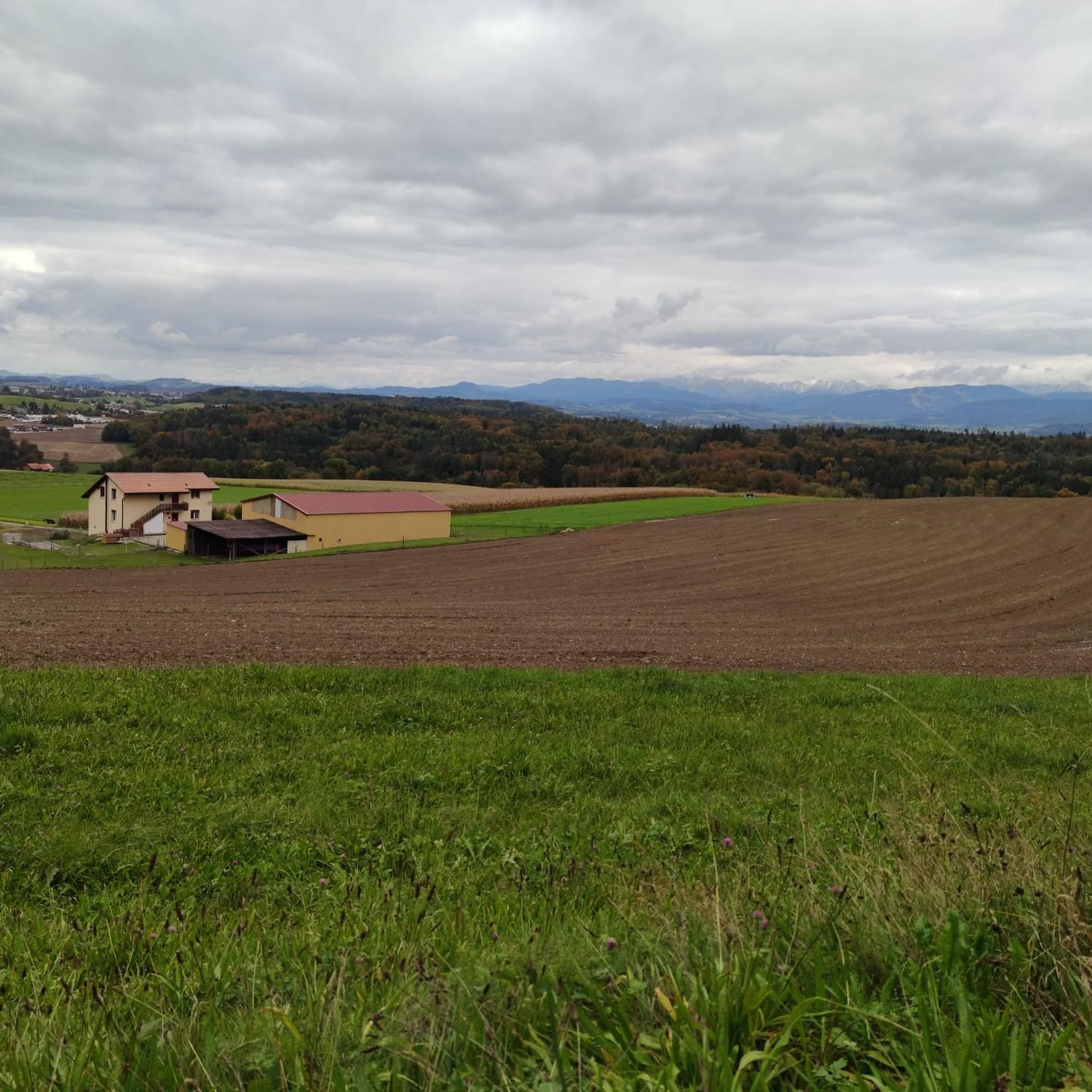
One of the Düdinger “Möser” protected areas. Beautiful!
1
0

A whole grotto system was created by hand between 1680 and 1708 and offered retreat to hermits. Coincidentally, petrified sand dunes of a sea that was here 20 million years ago (Tertiary) came to light.
0
0
Frequently Asked Questions
What unique natural features can I explore around Chésopelloz?
The region offers a diverse range of natural features. You can witness the dramatic Sandstone Cliffs on the Sarine River, which are ancient rock formations eroded by powerful underwater currents. The Düdinger Moos Nature Reserve and Tiefmoos Nature Reserve showcase unique ecological landscapes with bodies of water and diverse flora. Additionally, the Pierrafortscha Erratic Block is a fascinating granite block transported by the Rhône Glacier.
Are there any historical or cultural natural monuments in the area?
Yes, the Magdalena Hermitage, Räsch is a remarkable site. It's a rock dwelling expanded between 1680 and 1708, featuring a rock chapel and petrified sand dunes that indicate the presence of a sea millions of years ago. It offers a unique blend of natural geology and historical human endeavor.
What outdoor activities can I do near these natural monuments?
The area around Chésopelloz is excellent for various outdoor activities. You can find numerous routes for road cycling, mountain biking, and running. For example, there are several road cycling routes, MTB trails, and running trails that allow you to explore the natural beauty of the region.
Are there hiking trails suitable for families or beginners?
Yes, the Tiefmoos Nature Reserve is noted as family-friendly. The Galterntal (Gottéron Gorge) is also well-suited for hikers of varying abilities, with an extensive trail system including bridges and walkways. It's a great option for those looking for an engaging yet accessible walk.
Are any of the natural monuments dog-friendly?
The Galterntal (Gottéron Gorge) is particularly welcoming for dogs. The trails through the gorge have paw-friendly attachments on bridges, making it an ideal destination for walks with your canine companion.
What is the best time to visit the natural monuments around Chésopelloz?
The Magdalena Hermitage is open from April to September, with specific hours from May to September (9 a.m. - 8 p.m.) and April/October (9 a.m. - 6 p.m.), and closed from November to March. For outdoor activities like hiking in the Galterntal, spring and autumn offer pleasant temperatures and beautiful scenery, while summer provides lush greenery and cool shade within the gorge.
Are there any natural monuments that are wheelchair accessible?
The Düdinger Moos Nature Reserve is listed as wheelchair accessible, offering an opportunity for everyone to enjoy its unique ecological landscape.
What do visitors particularly enjoy about the natural monuments near Chésopelloz?
Visitors appreciate the diverse natural beauty and the tranquility. For instance, the Pierrafortscha Erratic Block is described as a 'very nice quiet place' to enjoy the view. The Düdinger Moos Nature Reserve is considered 'well worth staying here' and a 'beautiful area to discover' in combination with a hike. The Sandstone Cliffs on the Sarine River are often called a 'real natural highlight' for their breathtaking appearance.
Can I find viewpoints to enjoy scenic vistas?
Many natural monuments offer excellent viewpoints. The Düdinger Moos Nature Reserve, Tiefmoos Nature Reserve, and Pierrafortscha Erratic Block are all noted for their scenic views. The Galterntal (Gottéron Gorge) also provides incredible views, especially from the Galtern Bridge overlooking the city of Fribourg.
Are there any educational aspects to visiting these natural sites?
Yes, the hiking path through the Galterntal (Gottéron Gorge) coincides with a nature trail. This trail features approximately 40 labeled trees and shrubs in German, French, and Latin, offering an educational experience about the local flora.
How long does it typically take to visit these natural monuments?
The duration of your visit can vary. For a thorough exploration of the Galterntal (Gottéron Gorge) trails, you might spend a few hours. Shorter visits to sites like the Pierrafortscha Erratic Block or a quick stop at the Sandstone Cliffs might take less than an hour. For the Magdalena Hermitage, allow sufficient time to explore its various rooms and rock chapel.
Are there options for circular walks around the natural monuments?
The extensive trail system within the Galterntal (Gottéron Gorge) allows for various circular hiking routes, providing a dynamic and engaging experience as you traverse bridges and walkways. Many of the nature reserves also offer paths that can be combined into circular walks.
Most popular routes around Chésopelloz
Most popular attractions around Chésopelloz

Get inspired with the komoot mobile app


Explore more
Extend your search for the best caves by checking out these guides of the top ones around Chésopelloz:
