Top 10 Natural Monuments around Avry
Best natural monuments around Avry are found within the municipality's forested areas and the broader Fribourg region. Avry, located in the district of Sarine, Switzerland, features agricultural and forested land. The surrounding Fribourg region offers diverse natural attractions, including valleys, rivers, and nature reserves. These sites provide opportunities to connect with nature through walks and hikes.
Best natural monuments around Avry
- The most popular natural monuments is Sandstone Cliffs on the Sarine River, a natural monument characterized by unique…
Last updated: August 20, 2026
Magdalena Hermitage, Räsch
Highlight • Religious Site
Translated by Google •
Tip by

Düdinger Moos Nature Reserve
Highlight • Lake
Translated by Google •
Tip by
Sign up now to discover places like this
Get recommendations on the best single tracks, peaks, & plenty of other exciting outdoor places.
Sign up for free
Sandstone Cliffs on the Sarine River
Highlight • Natural Monument
Translated by Google •
Tip by

Ginkgo tree near the Abbaye de la Maigrauge
Highlight • Natural Monument
Translated by Google •
Tip by
Tiefmoos Nature Reserve
Highlight • Natural Monument
Translated by Google •
Tip by
Sign up for free to discover even more natural monuments around Avry.
Sign up for free
Already have an account?
Start today with a free account
Your next adventure awaits.
Login or Signup

Tips from the Community

In autumn, when the leaves change color, one tree stands out from all the others. It stands slightly above the Abbaye de la Maigrauge and shines like a beacon in the night. It's a ginkgo tree. Ginkgo trees have lived on Earth since before the dinosaurs. The seeds of the ginkgo tree can be used in cosmetics and medicines. By the way, did you know? In Hiroshima, a ginkgo tree stood about 800 meters from where the atomic bomb exploded. The following spring, a fresh, shy shoot grew from the old rootstock. Incredible, isn't it?
0
0

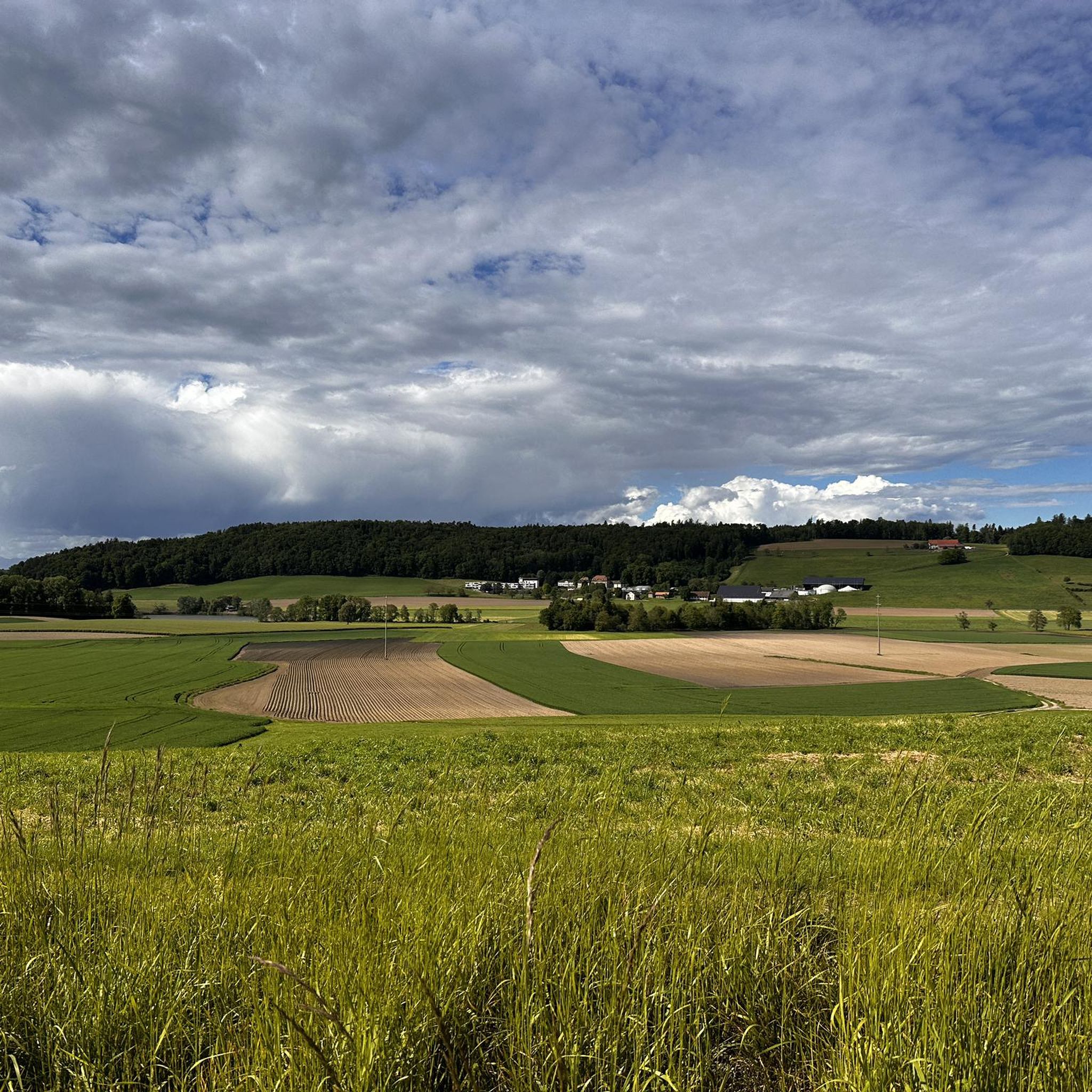
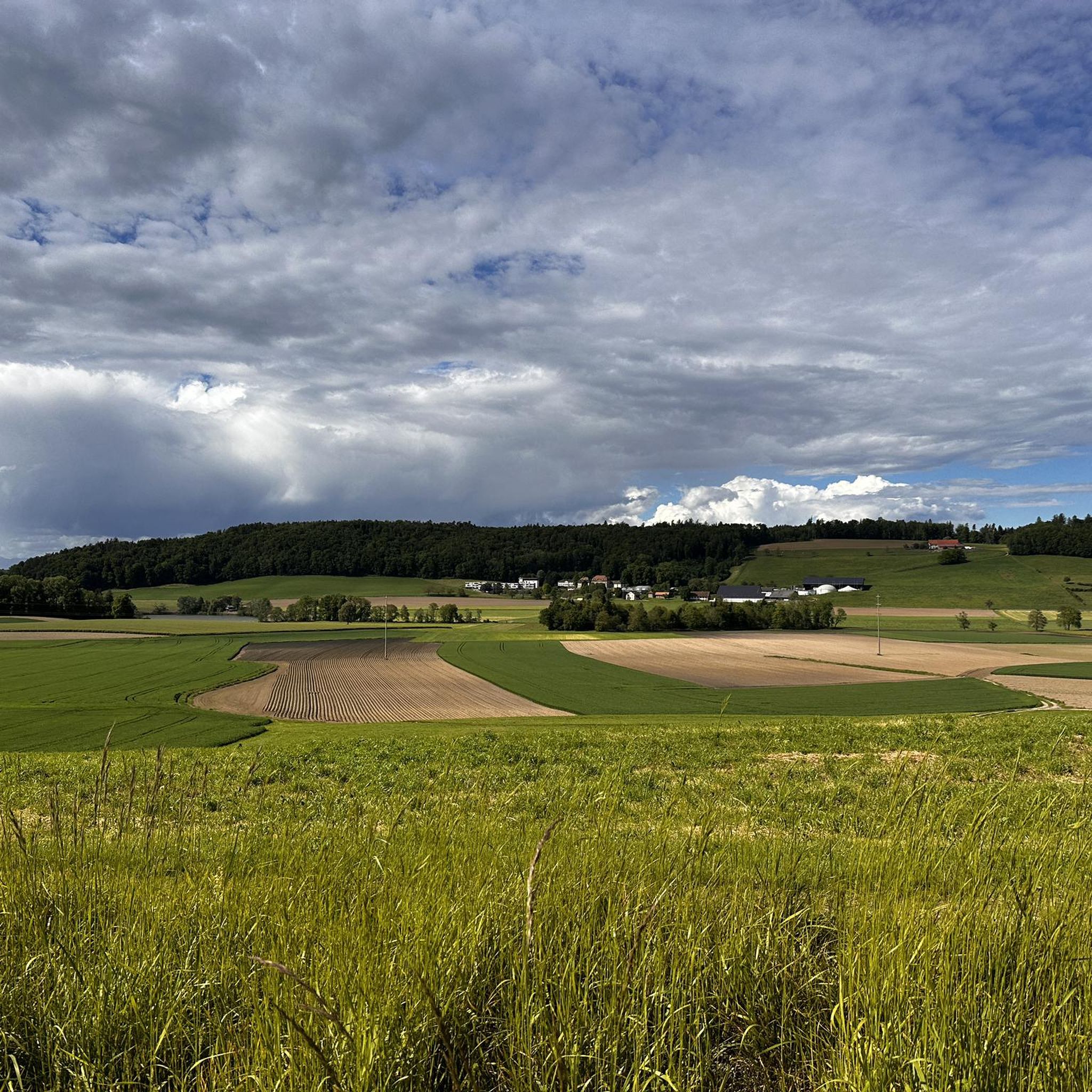
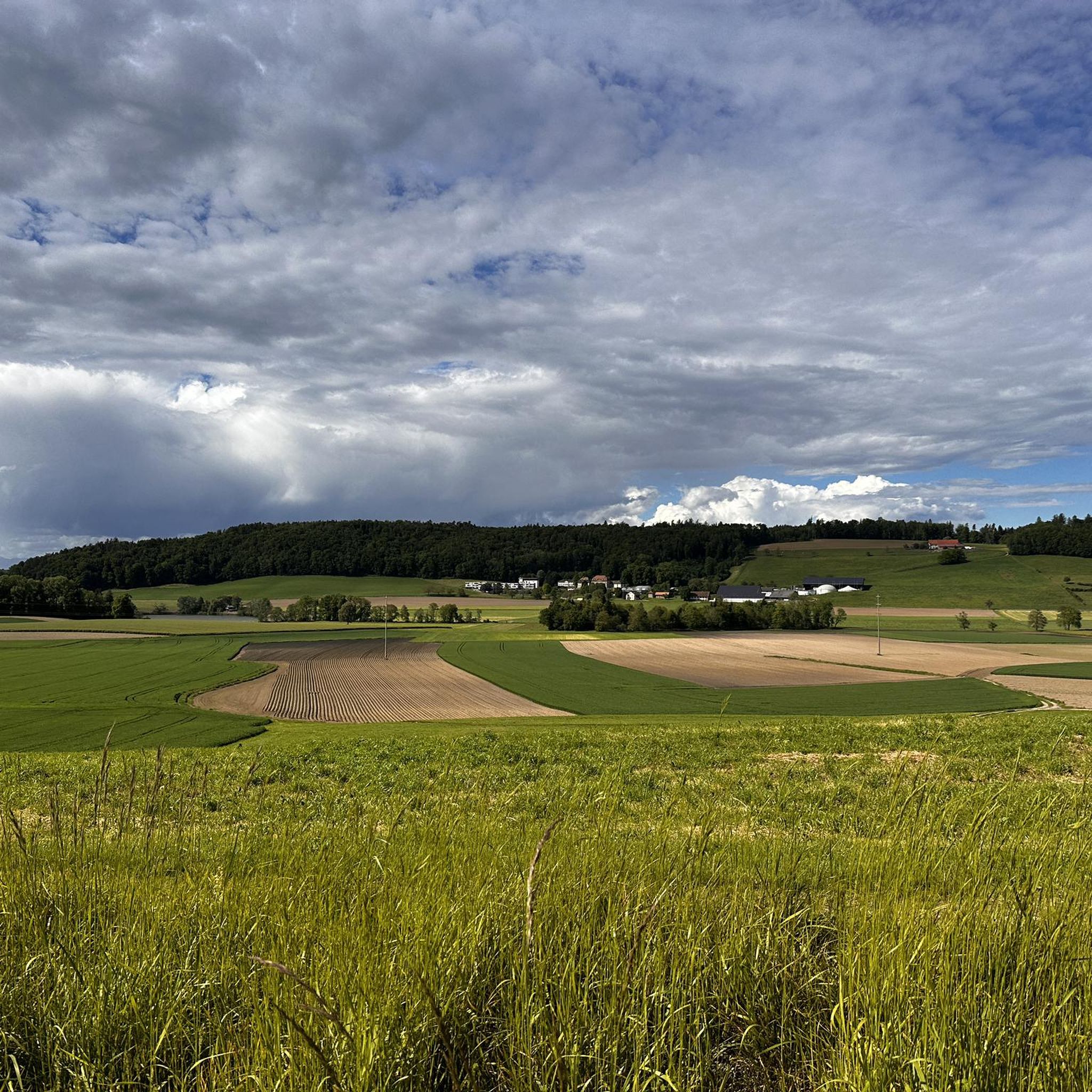
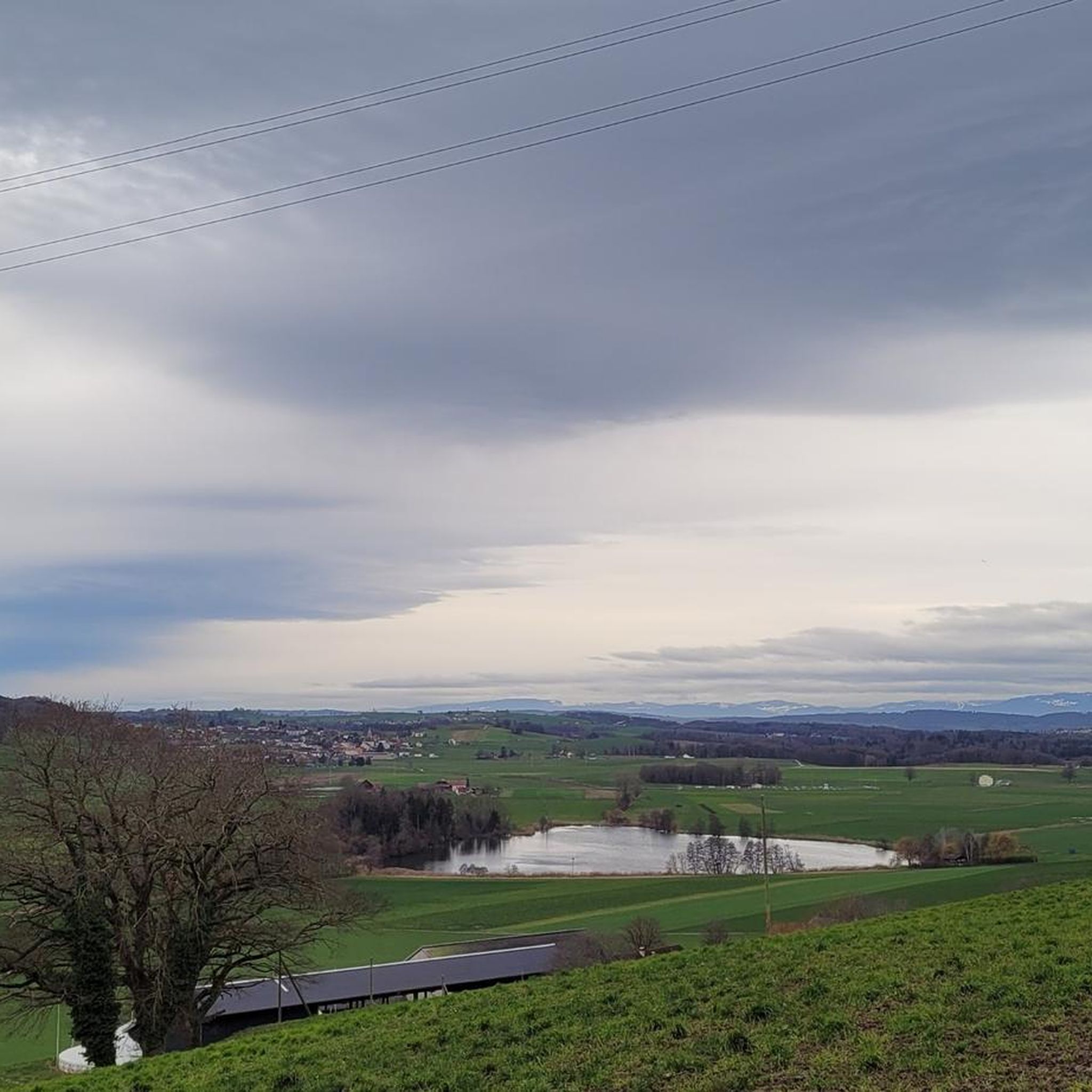
A super highlight is the Düdinger Moos
0
0

In 1975, the public recognized the ecological value of the area and declared it a nature reserve. Six years later, the municipality of Düdingen bought a large part of the Möser. In order to preserve the typical plants of the Möser, the wet meadows are now mown and the forest is pushed back. At present, checks are being carried out to see whether the water level can be raised again.
5
0
The Düdingen Möser were subject to numerous disturbances in the 20th century. The peat of this Möser, which took several thousand years to form, was intensively mined during the Second World War to counteract the lack of coal. This resulted in several bodies of water and the habitat began to be colonized by trees and bushes. The use of part of the Möser as a waste pit and for fish farming, as well as the construction of the A12 motorway, had a major impact on this habitat in the 1970s.
6
0
A hermit's dwelling in the hamlet of Räsch was first mentioned in 1448. The hermit Johann Dupré and his assistant Johann Liecht expanded the rock dwelling to its current size between 1680 and 1708. In order to prevent the hermitage from collapsing and to preserve it for the general public, the parish of Düdingen carried out extensive renovation work in 2005/2006. Open and free of charge from April to September.
6
0

The Magdalena Hermitage in Büdingen is a historic hermitage that was built in the 18th century. It is picturesquely located on the edge of the forest and consists of a small chapel and a residential building for the hermit. The hermitage served as a retreat for religious hermits and is now a popular destination for visitors seeking peace and historical atmosphere.
0
0

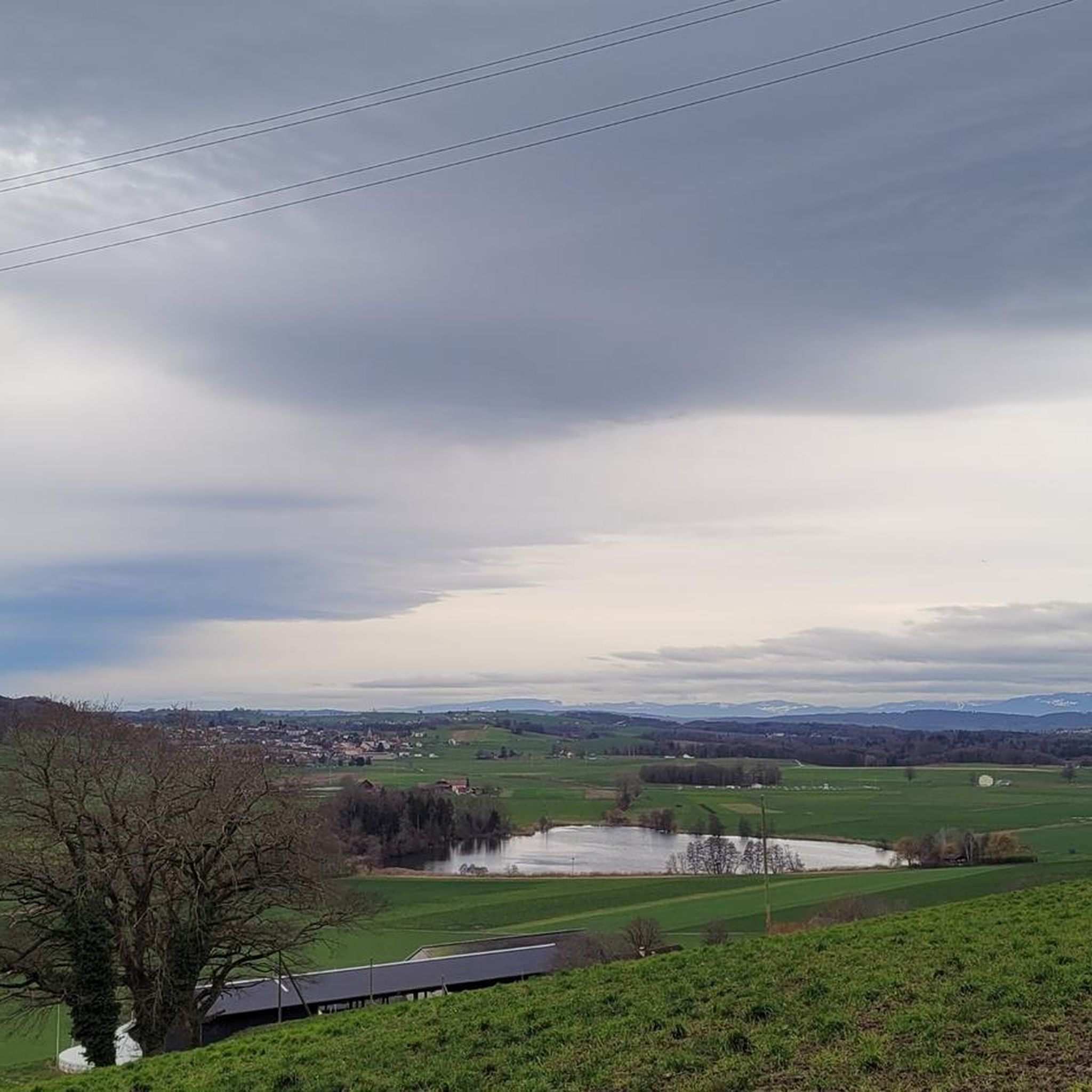
One of the Düdinger “Möser” protected areas. Beautiful!
1
0

A whole grotto system was created by hand between 1680 and 1708 and offered retreat to hermits. Coincidentally, petrified sand dunes of a sea that was here 20 million years ago (Tertiary) came to light.
0
0
Frequently Asked Questions
What unique geological formations can I explore near Avry?
The region around Avry offers several distinctive geological features. You can visit the Sandstone Cliffs on the Sarine River, known for their unique rock formations shaped by ancient underwater currents. Another fascinating site is the Magdalena Hermitage, Räsch, which is carved into a rock face and features petrified sand dunes, evidence of a sea millions of years ago. Additionally, the Pierrafortscha Erratic Block, a granite block transported by the Rhône Glacier, offers a quiet spot with a view.
Are there any protected nature reserves around Avry?
Yes, the area features several protected natural spaces. The Düdinger Moos Nature Reserve is a significant moorland with diverse habitats and bodies of water, preserved for its ecological value. Nearby, the Tiefmoos Nature Reserve is another protected moorland, recognized for its typical plants and wet meadows. The broader Fribourg region also includes the Vanil Noir Nature Reserve and the Sense River, both known for their unspoiled natural settings and biodiversity.
What kind of wildlife can I expect to see in the natural monuments near Avry?
The natural reserves and forested areas around Avry, such as the Düdinger Moos and Tiefmoos, are home to diverse flora and fauna. While specific species vary by season, visitors might observe local birds, insects, and small mammals. The broader Fribourg region, including the Vanil Noir Nature Reserve and the Sense River, is recognized for its rich biodiversity, offering opportunities to immerse oneself in tranquil natural settings and observe local wildlife.
Are there family-friendly natural monuments or activities near Avry?
Yes, several natural sites are suitable for families. The Tiefmoos Nature Reserve is considered family-friendly, offering easy trails to explore. The Moncor woods near Avry also provide accessible hiking trails for peaceful walks. The Gottéron Valley, while a bit further, is popular with families for its scenic walks along the stream, featuring bridges and walkways.
Can I bring my dog to the natural monuments and trails around Avry?
Many outdoor areas in the Fribourg region are dog-friendly. For instance, the Gottéron Valley near Fribourg is known for its trails that are popular with hikers and joggers, and even includes paw-friendly attachments on bridges for dogs. When visiting nature reserves or specific sites, it's always recommended to keep dogs on a leash to protect local wildlife and plants.
What are the best times of year to visit the natural monuments near Avry?
The best time to visit largely depends on the activity. Spring and autumn offer pleasant temperatures for hiking and exploring, with vibrant foliage in autumn and blooming flora in spring. Summer is ideal for longer days and warmer weather, though some areas might be busier. Winter can offer unique opportunities for snowshoeing or tranquil walks, especially in forested areas, but some sites like the Magdalena Hermitage have seasonal closures (November to March).
What outdoor activities, like hiking or cycling, can I do near Avry's natural monuments?
The region around Avry is excellent for various outdoor activities. You can find numerous running trails, including moderate loops from Avry-sur-Matran. For cycling enthusiasts, there are road cycling routes and challenging MTB trails, such as the Montagny Castle Ruins loop. The local forests, like Moncor woods, also provide easy hiking opportunities.
Are there accessible natural monuments near Avry for visitors with mobility considerations?
The Düdinger Moos Nature Reserve is noted as wheelchair accessible, offering paths that allow visitors with mobility considerations to enjoy the unique moorland environment. For other sites, it's advisable to check specific trail conditions, as some natural monuments may involve uneven terrain or stairs.
How long should I plan for a visit to the natural monuments near Avry?
The duration of your visit depends on the specific site and your activity. For places like the Magdalena Hermitage or the Pierrafortscha Erratic Block, a visit might range from 30 minutes to an hour. Exploring nature reserves like Düdinger Moos or Tiefmoos, or hiking along the Sarine River cliffs, could take 1-3 hours, depending on the length of your walk. For a more extensive experience, consider combining multiple sites or engaging in longer hikes.
What should I wear when visiting natural monuments around Avry?
Comfortable walking shoes or hiking boots are recommended, especially if you plan to explore trails or uneven terrain. Layered clothing is advisable, as weather conditions can change, particularly in the pre-Alpine region. Depending on the season, consider bringing rain gear, sun protection, and appropriate attire for cooler temperatures.
Are there any cafes or accommodation options near the natural sites in Avry?
While Avry itself is a smaller municipality, the surrounding Fribourg region offers various amenities. You'll find cafes, restaurants, and accommodation options in nearby towns and the city of Fribourg. It's recommended to check local listings for specific establishments close to the natural monument you plan to visit, as options might be limited directly adjacent to some reserves.
Is public transport available to reach the natural monuments near Avry?
Avry is located in the canton of Fribourg, Switzerland, which has a well-developed public transport network. While some natural monuments might require a short walk from the nearest bus stop or train station, many are accessible via public transport. For specific routes and schedules, it's best to consult local transport providers. Parking is generally available near popular natural sites for those traveling by car.
Most popular attractions around Avry

Get inspired with the komoot mobile app


Explore more
Extend your search for the best caves by checking out these guides of the top ones around Avry:
