Top 20 Natural Monuments around Wikon
Natural monuments around Wikon are situated in a region of Switzerland known for its diverse natural landscapes. The area offers opportunities to explore scenic beauty and engage in outdoor activities. While specific natural monuments within Wikon are not widely identified, the broader region provides access to various natural attractions. Visitors can discover features ranging from forests and biotopes to caves and riverine areas.
Best natural monuments around Wikon
- The most popular natural monuments is Born Biotope Pond, a lake that offers a clearing in the forest with an inviting biotope. It is a suitable spot for a short break, allowing observation of local animals and plants.
- Another must-see spot is Langholz Rothrist Nature Forest Reserve, an extensive forest area. Visitors can expect a rich natural environment with diverse wildlife, including dragonflies, frogs, and birds.
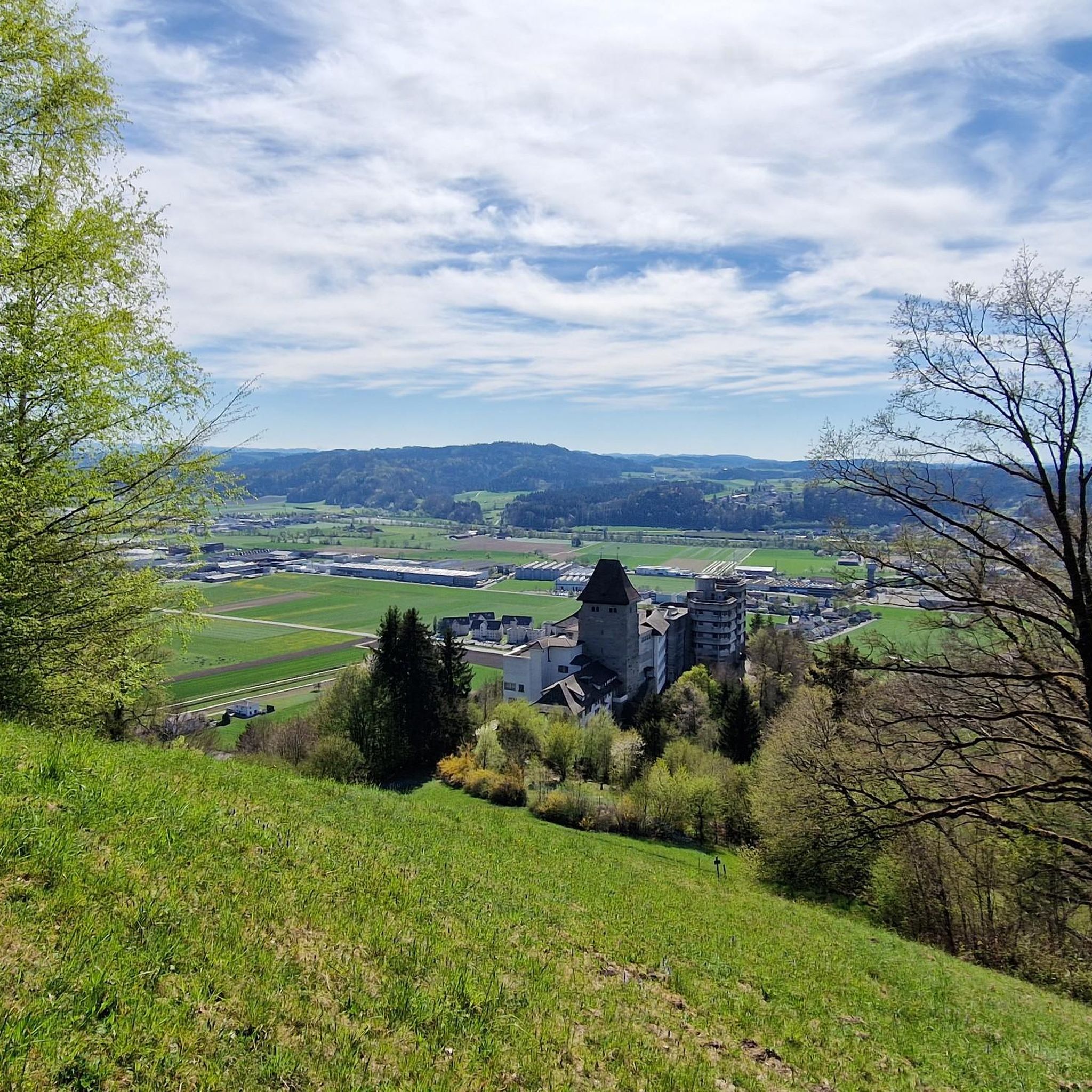
- Visitors also love Scherenberg Castle Ruins and Rock Carvings, a historical site with remnants of a medieval castle. This location offers a relaxing experience with a not-difficult tour, suitable for families.
- Wikon is known for its forests, caves, and riverine areas. The region offers a variety of natural monuments to see and explore, including biotopes and historical sites integrated into the natural landscape.
- The natural monuments around Wikon are appreciated by the komoot community, with 53 upvotes and 22 photos shared by visitors.
Last updated: November 23, 2026
Born Biotope Pond
Highlight • Lake
Translated by Google •
Tip by

Hügeliloch Cave
Highlight • Cave
The path to the Hügeliloch leads past corn and potato fields and up a wooden staircase into the forest. Béatrice Meili runs up the narrow path at a fast pace; she knows it well. She grew up in Schöftland.
She went for walks with her father again and again; the Hügeliloch in the conglomerate rock was often the destination.
Her father always told the legend of the Hügelimeitli. In the Hügeli area on the Stübisberg, where the Hügeliloch is now, there was once a castle in which a noble lady was said to have lived, according to legend. "She was probably a little conceited," says Meili. Because the lady of the castle couldn't get away from the mirror, the legend has a sad ending.
Too late for the baptism
According to this, a poor man asked the castle maiden to be his godmother. On the day of the baptism, she was supposed to take the child to church. However, she sat in front of the mirror for too long.
When she set off and arrived at the Hungerbach bridge, the bells were no longer ringing. "That was bad for her, because after the bells rang, only those with illegitimate children came to church," says Meili. "So one could have thought that she was bringing an illegitimate child with her." Because she could not bear this disgrace, she simply threw the child into the Hungerbach.
She returned to the castle and a violent storm arose. The castle was in ruins after that, and the noblewoman had disappeared. She was later given the name Hügelimeitli.
"I never understood why she threw the child into the stream," says Meili. "They say that Hügelimeitli is still there and that it must be redeemed." A young man who ventures into the cave can do this.
As a reward, he is to receive a chest filled with money, which is guarded by the Hügelimeitli and a black dog. This is how it is written in various versions of the legend. Today, the rear part of the cave is buried.
Béatrice Meili now lives in Kirchleerau and is president of the Suhrental Local History Association. She is a librarian and, among other things, a history teacher. "The stories here leave me cold and I think it is important that they are preserved and passed on," she says.
Two versions of the legend
This is how she knows a second version of the legend. Her grandmother told her this one. According to it, the castle was further back in the direction of Uerkental and the Hügeliloch was an underground entrance.
Because the farmers besieged the castle because of their high taxes, the noblewoman had to flee through this passage. She took the treasure chest with her. But the cave collapsed and the young woman was buried. "The story goes that in bad weather you can still see a little light burning in the hole," says Meili.
The supposed treasure has been searched for again and again. At the end of the 17th century, some Reitnau residents were summoned to the court for treasure hunting in the Hügeliloch, as can be seen in the book "Schöftland History and Stories" by Christian Holliger.
She has never met the Hügelimeitli, although it is said that you can sometimes see it combing hair by the Hungerbach, says Meili with a wink.
Benny Frei from Hirschthal tells of the legend: "There is a rumor that every now and then, at full moon, men leave the marital bedchamber and run towards the Hügeliloch to kiss the castle maiden and redeem her." Apparently, no one has yet found the Hügelimeitli.
Translated by Google •
Tip by

Sign up now to discover places like this
Get recommendations on the best single tracks, peaks, & plenty of other exciting outdoor places.
Ruppoldingen Hydroelectric Power Plant and Nature Restoration Area
Highlight • Structure
Translated by Google •
Tip by

Scherenberg Castle Ruins and Rock Carvings
Highlight • Castle
Not much is known about the former castle. It was built by the barons of Belp and first mentioned around 1200. The lords of Ifenthal were owners of the castle, John IV of Ifenthal, squire of Scherenberg, exhibited in 1344 at the castle a year for himself and other relatives in the monastery Ebersecken. The plant collapsed in the 14th century, and its remains were demolished in 1844. Today, the castle hill and a well shaft have been preserved.
Translated by Google •
Tip by
Landslide Area Born (Bergsturzgebiet Born)
Highlight • Natural Monument
Recently, there have probably been no such collapses here.
This conclusion can be drawn from the location and the growth of the blocks.
The Polypore Fern has developed particularly well.
on the moss cushions of the Born. This must have occurred in places with high humidity.
This conclusion can be drawn from the location and the growth of the blocks.
The Polypore Fern is also called angel-pulling. They are firmly embedded in the soil and have hardly any cavities. The limestone blocks are used to treat coughs, colds, and blockages, but too little soil material has yet accumulated for trees to grow.
Translated by Google •
Tip by

Sign up for free to discover even more natural monuments around Wikon.
Already have an account?
Start today with a free account
Your next adventure awaits.
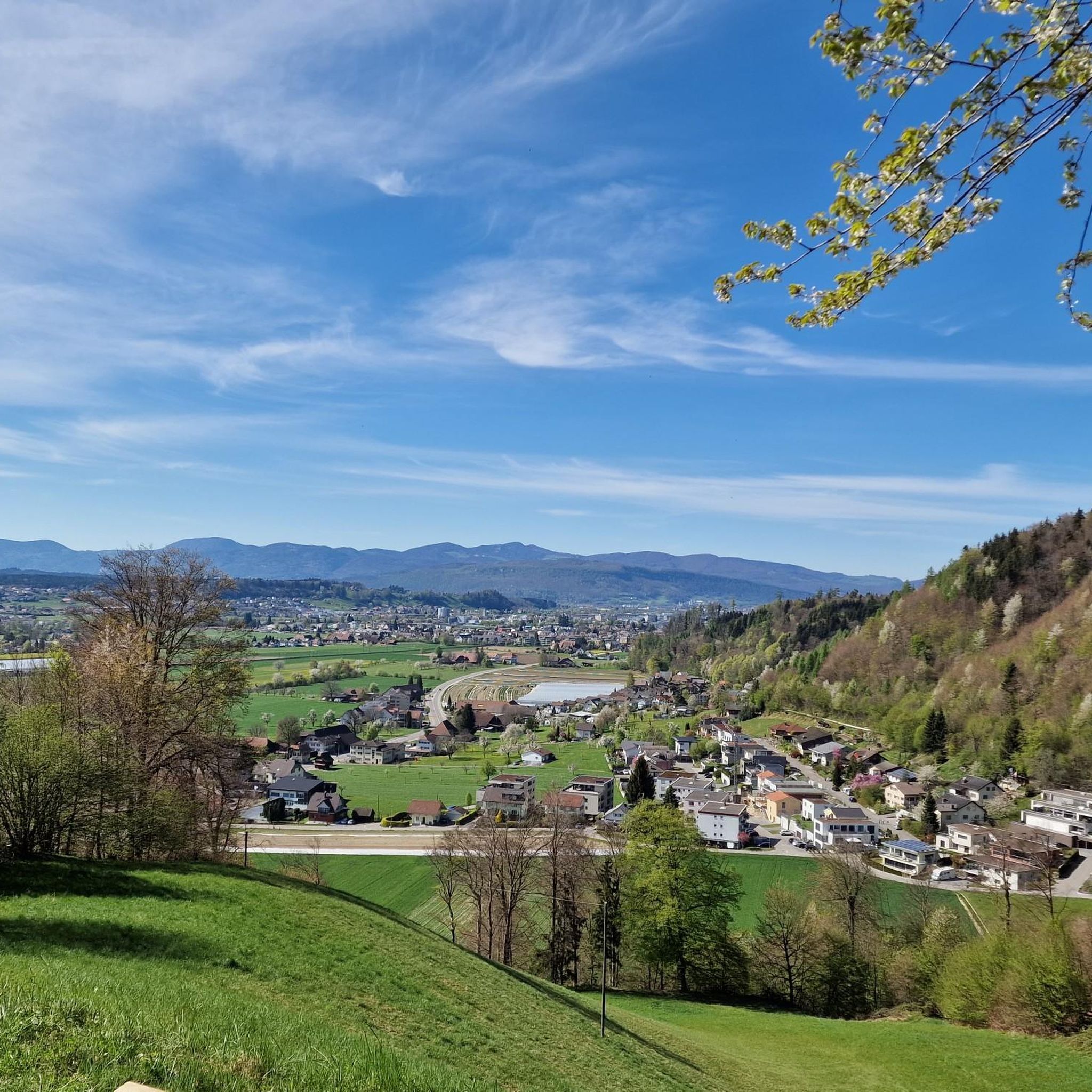
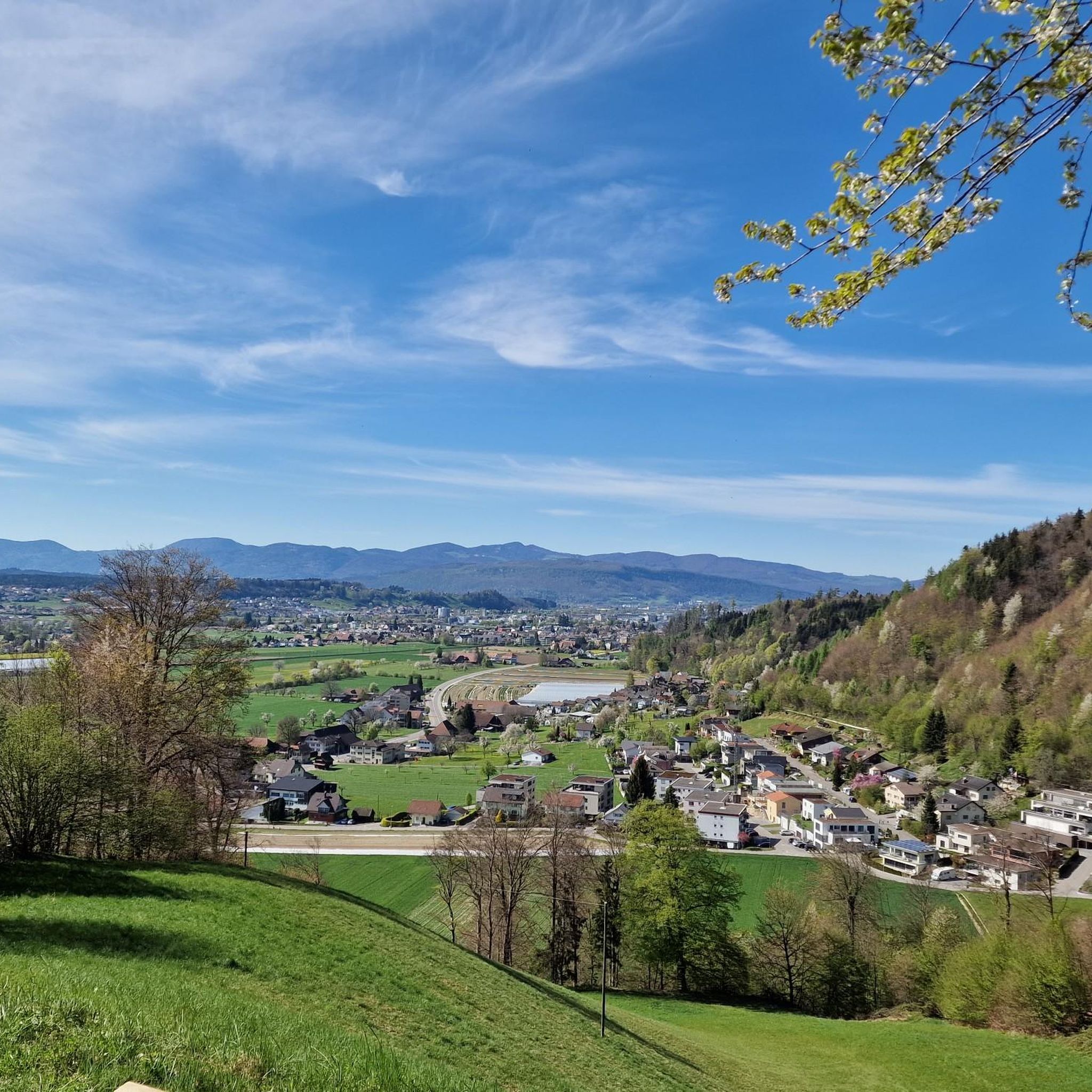
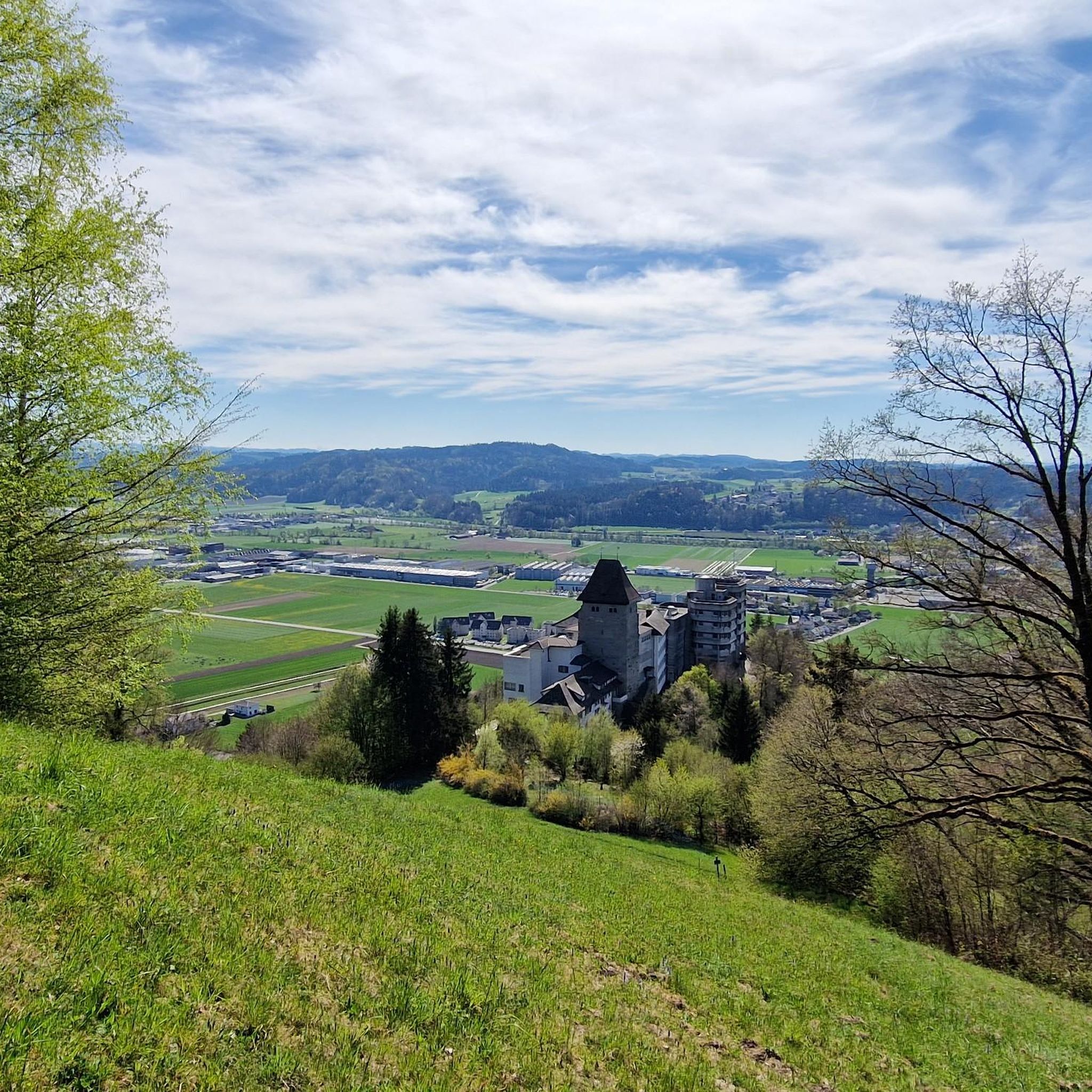
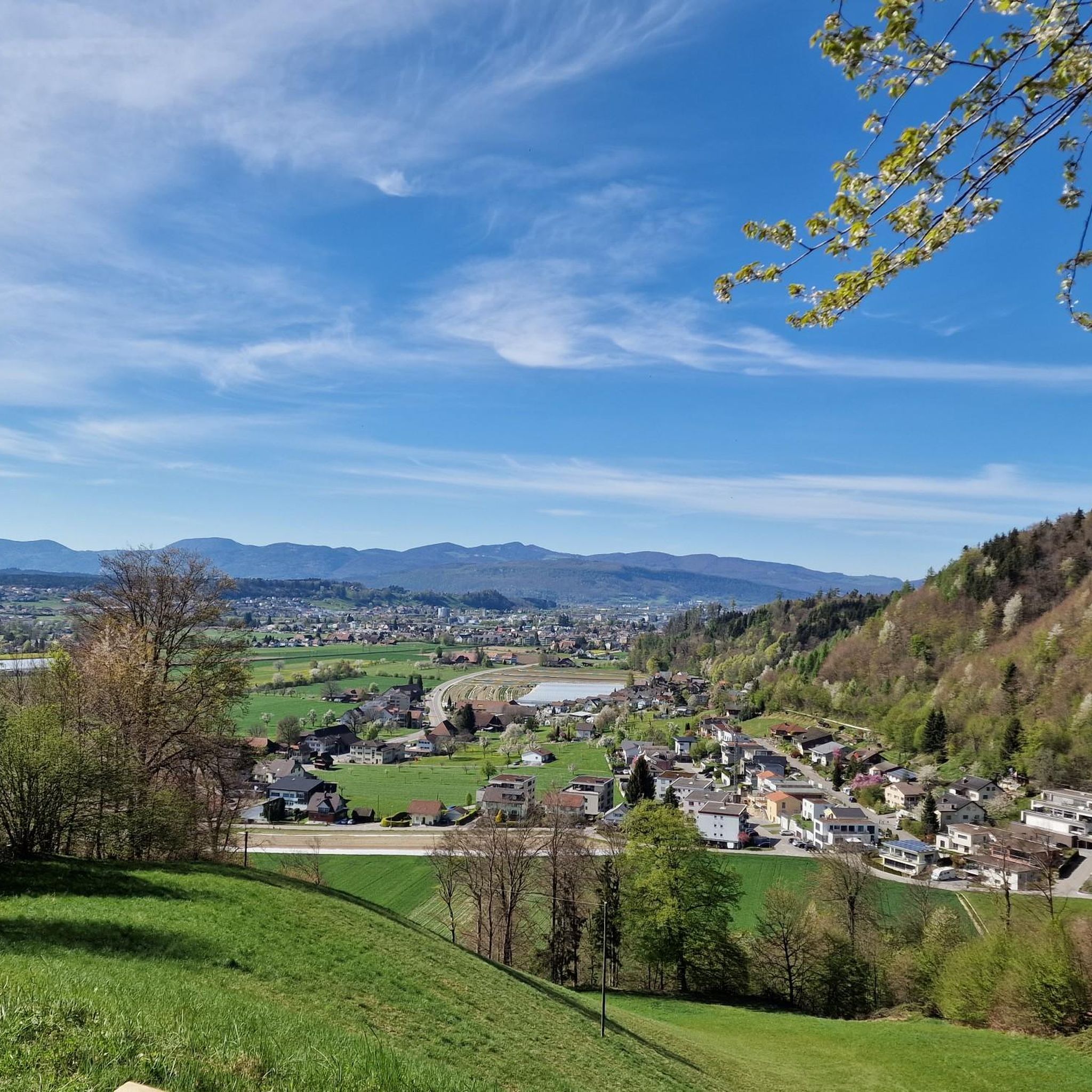
Tips from the Community


The man-made blocks towering here, up to house-high, are evidence of a local landslide from the Born rock ledge. As the only truly native epiphyte, the Polypore Fern can be found in places with high humidity. This must have occurred a very long time ago. Recently, there have probably been no such collapses here. This conclusion can be drawn from the location and the growth of the blocks. The Polypore Fern has developed particularly well. on the moss cushions of the Born. This must have occurred in places with high humidity. This conclusion can be drawn from the location and the growth of the blocks. The Polypore Fern is also called angel-pulling. They are firmly embedded in the soil and have hardly any cavities. The limestone blocks are used to treat coughs, colds, and blockages, but too little soil material has yet accumulated for trees to grow.
0
0

Very nice, currently it is frozen.
0
0

A nice place for a short biker break. If you take your time, you can see a lot here. Animals and plants. There are also fireplaces, so you could take a longer break.
1
0

The power plant itself interests me less. But I think it's great what has been done here to give nature back a small piece of what was taken from it. Here you can gain insights into the most astonishing water worlds and are also clearly explained on information boards.
1
0

Today a biotope, formerly intended as a water reservoir.
0
0

In the 20m deep Nagelfluh cave, you can still stand comfortably at the beginning, but further back you can only continue on your knees.
0
0

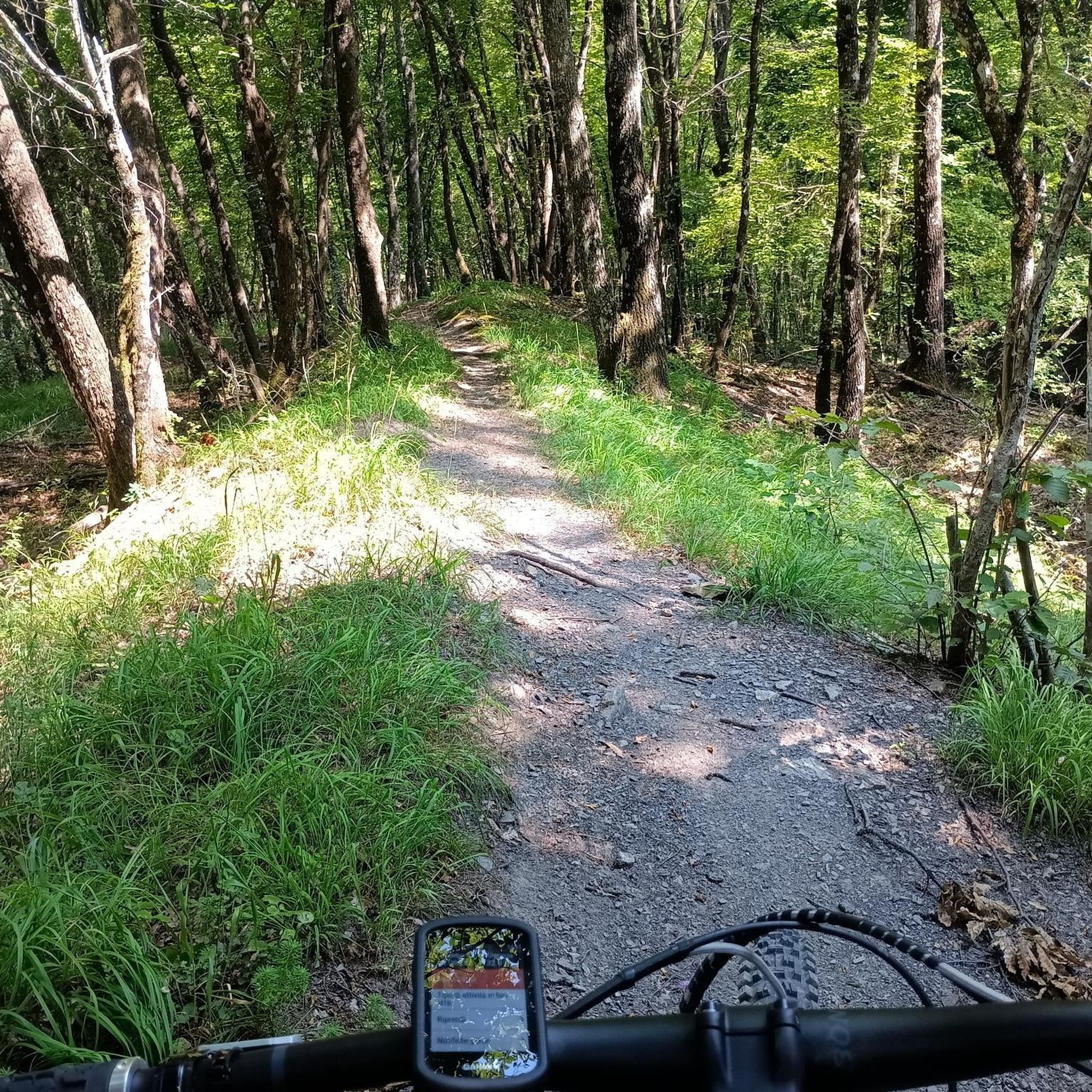
The last part of the single trail is a bit steeper than the rest and quite rocky. so be careful when starting up that the fork does not rise constantly. had to throttle my 90Nm strong motor that it doesn't happen to me.
0
0
Frequently Asked Questions
What types of natural monuments can I explore around Wikon?
The region around Wikon offers a variety of natural features to explore. You can find diverse landscapes including forests, biotopes, caves, and riverine areas. Specific examples include the Born Biotope Pond, an inviting lake clearing in a forest, and the extensive Langholz Rothrist Nature Forest Reserve.
Are there any family-friendly natural monuments near Wikon?
Yes, several natural monuments around Wikon are suitable for families. The Born Biotope Pond is a great spot for a short break where you can observe local animals and plants. The Langholz Rothrist Nature Forest Reserve is also family-friendly, offering a rich natural environment with diverse wildlife. Additionally, the Scherenberg Castle Ruins and Rock Carvings provide a relaxing experience with a not-difficult tour, perfect for families.
What historical or cultural sites are integrated with the natural landscape around Wikon?
The Scherenberg Castle Ruins and Rock Carvings offer a blend of history and nature. These remnants of a medieval castle provide a historical context within a natural setting. Another interesting site is the Hügeliloch Cave, which is steeped in local legends and myths, offering a unique cultural and geological experience.
What outdoor activities can I do near the natural monuments around Wikon?
The area around Wikon is excellent for various outdoor activities. You can find numerous routes for gravel biking, cycling, and road cycling. For example, you can explore routes like the 'View of the Alps from Aargau – Suhre Valley Cycle Path loop' or the 'Wigger River at Brittnau – Along the Luthern River loop'. You can find more details on these activities in the Gravel biking around Wikon, Cycling around Wikon, and Road Cycling Routes around Wikon guides.
Are there hiking opportunities near the natural monuments?
While specific hiking trails directly linked to every natural monument aren't detailed, the region's natural parks and forest areas, such as the Langholz Rothrist Nature Forest Reserve, provide ample opportunities for walks and exploring on foot. The Hügeliloch Cave is also accessed via a path through fields and forest.
What makes the Born Biotope Pond a notable natural monument?
The Born Biotope Pond is notable for being an unexpected clearing in the forest at the top of the Born. It offers a tranquil spot for a short break, where visitors can observe local animals and plants. There are also fireplaces available, making it suitable for a longer, relaxing stop.
What can I expect to see at the Langholz Rothrist Nature Forest Reserve?
The Langholz Rothrist Nature Forest Reserve is an extensive forest area known for its rich natural environment. Visitors can expect to encounter diverse wildlife, including dragonflies, frogs, and various birds, making it an excellent spot for nature observation.
What is the significance of the Ruppoldingen Hydroelectric Power Plant and Nature Restoration Area?
The Ruppoldingen Hydroelectric Power Plant and Nature Restoration Area is significant for its efforts in environmental protection and restoration. While it's a power plant, extensive measures have been taken to restore and create new natural and landscape values along the Aare River. This includes shallow water zones, islands, and floodplain forests, offering insights into diverse water worlds.
What is the best time to visit the natural monuments around Wikon?
The region around Wikon, like much of Switzerland, offers natural beauty throughout the year. For outdoor activities such as cycling and exploring forest areas, spring through autumn generally provides the most pleasant weather. Winter can offer unique snowy landscapes, but some paths might be less accessible. Always check local weather conditions before your visit.
Are there any broader natural parks or reserves accessible from Wikon?
While specific natural monuments within Wikon itself are limited, the village is situated in a region with access to broader Swiss natural parks. These include areas like the UNESCO Biosphere Entlebuch, known for its moorlands and karst formations, and Jurapark Aargau with its rolling hills and diverse species. These parks offer extensive natural experiences. You can learn more about Switzerland's natural parks at MySwitzerland.com.
What do visitors enjoy most about the natural monuments around Wikon?
Visitors particularly appreciate the tranquility and natural beauty of the area. They enjoy the opportunities for peaceful breaks at spots like the Born Biotope Pond to observe wildlife, and the extensive natural environments of places like the Langholz Rothrist Nature Forest Reserve. The blend of history and nature at sites like the Scherenberg Castle Ruins is also highly valued.
Is the Hügeliloch Cave suitable for all visitors?
The Hügeliloch Cave involves a path that leads past fields and up a wooden staircase into the forest. While the initial part of the 20m deep cave allows comfortable standing, further inside, you may need to proceed on your knees. Visitors should be prepared for a somewhat adventurous exploration, especially if they wish to venture deeper into the cave.
Most popular attractions around Wikon

Get inspired with the komoot mobile app


Explore more
Extend your search for the best caves by checking out these guides of the top ones around Wikon:
