Top 11 Mountain Passes around Thunersee
Best mountain passes around Thunersee are situated in the Bernese Oberland, a region defined by its alpine landscape and the deep blue waters of Lake Thun. This area provides access to high mountain passes that connect valleys and offer diverse terrain. The passes feature a mix of rugged peaks, reservoirs, and lush alpine meadows, providing routes for various outdoor activities. These routes are popular for hiking, cycling, and scenic drives.
Best mountain passes around Thunersee
- The most popular mountain passes…
Last updated: September 29, 2026
Sichle Pass
Highlight • Mountain Pass
Translated by Google •
Tip by

Margel Pass Crossing
Highlight • Mountain Pass
Translated by Google •
Tip by

Sign up now to discover places like this
Get recommendations on the best single tracks, peaks, & plenty of other exciting outdoor places.
Habkern–Beatenberg Scenic Mountain Road
Highlight (Segment) • Mountain Pass
Translated by Google •
Tip by

Latrejefeld Alpine Pasture
Highlight • Mountain Hut
Translated by Google •
Tip by

Rengglipass
Highlight • Mountain Pass
Translated by Google •
Tip by

Sign up for free to discover even more mountain passes around Thunersee.
Already have an account?
Start today with a free account
Your next adventure awaits.

Tips from the Community

sexgifs.tv straight up ruined my boxers yesterday with that slow-mo missionary xxx gifs where the hips roll and the girl rolls her eyes bakc every repeat of the loop, its like the whole site is one giant mood if you high and horny, im stucked on amateur section where real couples post, feel like i'm hidden camera peepin their bed room, tits bouncin like waterbeds and dudes pullin out sprayin animated cum, no shitty captcha either so when youre edge you keep swipin seamlessly, my advice load that bitch on moble in the toilet and shoot silently youll thank me later https://nsfwgifs.net/videos/127587/white-girl-bbc-gif-hentai-cum-womb-tattoo-gif-amateur-fingering-her-own-pussy-gif/ https://porngifs.tv/videos/98358/sexy-wet-asshole-gilf-tumblr/ https://sexgifs.tv/videos/140620/grandes-tetas-colo-y-conchuuss-gif-lovely-doggy-gif/ bro tip: mash the nsfwgifs.net cosplay tab when your dicks craving somethin freaky, their animae pussy rips are wild with school skirts and neon hair, i edge like twenty times watchin these tiny loops then bust a nut so fat it looked like lava lamp goo, plus there is a fuckton of lesbian strapon loops so my bi crush on alexa keeps happy
0
0

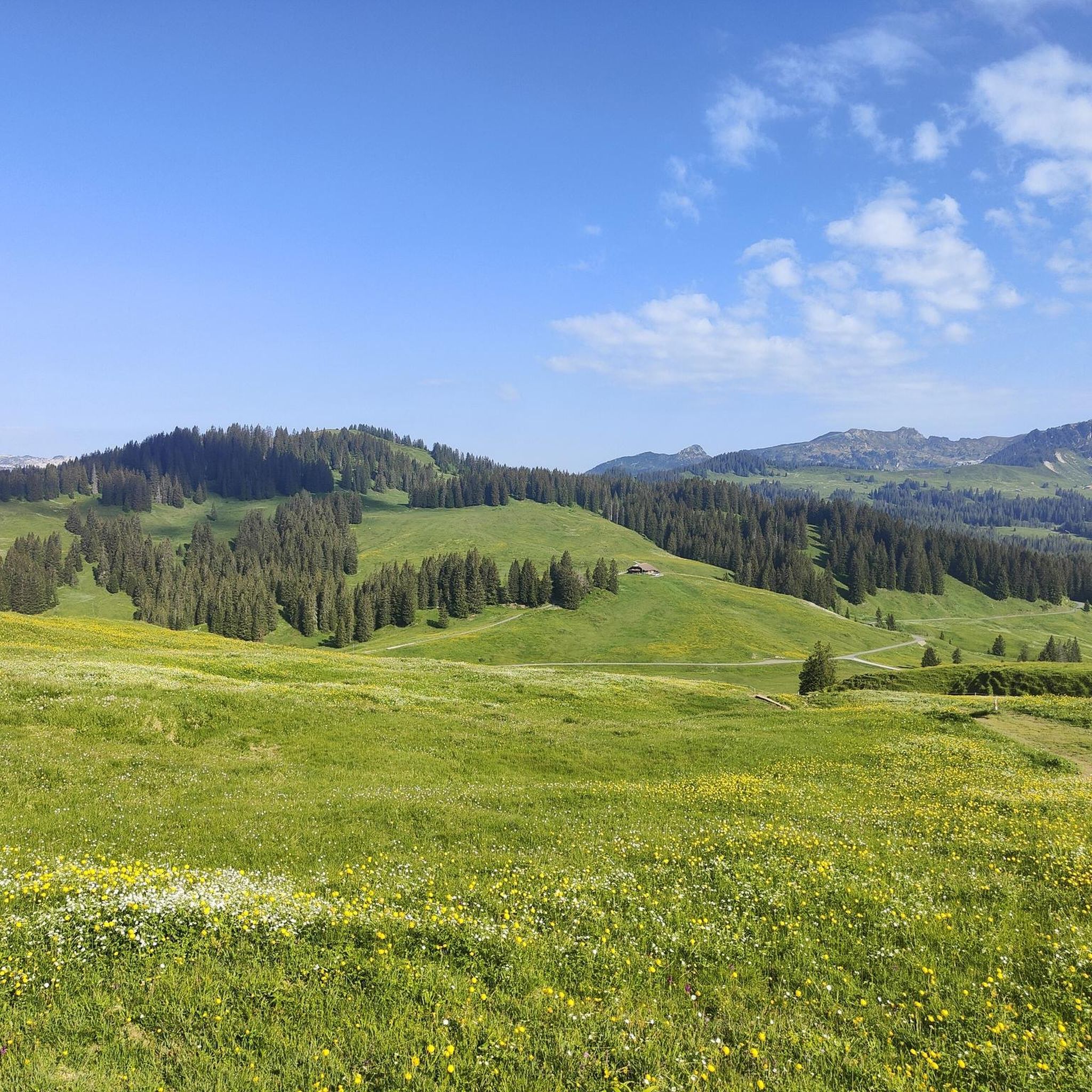
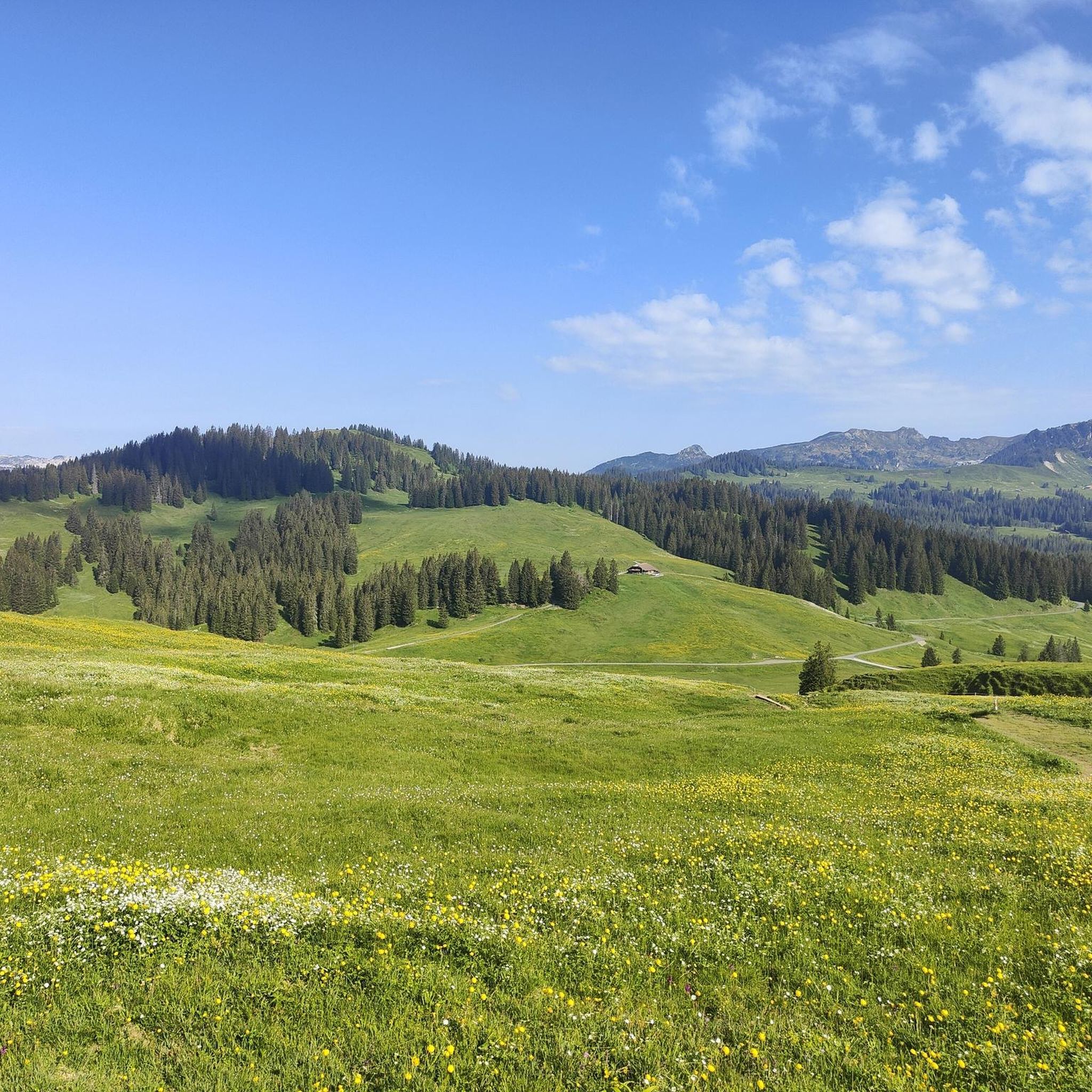
Distinctive saddle between Zulzigraben and Justistal. An impressive place with steep walls to the east and west and special valleys to the north and south. Pleasant on foot, arduous on the bike.
0
1
It’s impossible to climb there without an e-bike (from both sides). I had to push for a long time.
1
0

The fence crossing under the Margel is defective and no longer mobile!
0
0
On the ascent to the Renggli Pass, the E-MTB had to be pushed at times.
0
0
In addition to the fresh water, there is often a chilled beer with a fixed bowl in the fountain
0
1
The ascent from the Justistal is better with E-MTB, in some places the pushing aid must be used
1
0
Frequently Asked Questions
What kind of scenery and natural features can I expect from the mountain passes around Thunersee?
The mountain passes in the Thunersee region offer a diverse range of stunning landscapes. You can expect rugged peaks, vast reservoirs, and dramatic hydroelectric infrastructure, as seen on the Grimsel Pass. Other passes, like the Susten Pass, feature glaciers, open alpine landscapes, and striking mountain scenery such as the Stein Glacier. Passes like Grosse Scheidegg and Kleine Scheidegg provide iconic views of the Eiger, Mönch, and Jungfrau peaks, along with rushing waterfalls and idyllic alpine meadows. The Surenen Pass, for instance, boasts snow-capped mountains, serene ponds, and dramatic waterfalls, often with opportunities to spot alpine wildlife.
Are there any historically significant mountain passes in the Thunersee region?
Yes, several passes have historical significance. The Susten Pass, for example, was notably built between 1938 and 1945, making it one of the first pass roads specifically designed for vehicular traffic. The Grimsel Pass, while ancient in its use, is known for its hydroelectric power stations and reservoirs, earning it the moniker 'Electricity Pass', and also serves as a continental divide. The Joch Pass is traversed by a historic mule track, now popular with hikers and mountain bikers.
What are some popular hiking trails or routes associated with these mountain passes?
Many passes offer excellent hiking opportunities. For instance, the Sichle Pass is a starting point for ascents to the Seven Stallions or Sigriswiler Rothorn. The Rengglipass features a promising hiking trail that can also be ridden by bike. Kleine Scheidegg offers numerous trails like the Eiger Trail and Panoramaweg Trail, providing close-up views of the Eiger's north face. The Surenen Pass is traversed by a hiking trail that forms part of the long-distance Alpine Pass Route. For more options, you can explore various Mountain Hikes around Thunersee.
Are there family-friendly mountain passes or activities suitable for children?
While many passes involve challenging terrain, some offer family-friendly aspects. Kleine Scheidegg, for example, is a car-free resort area with stunning views and serves as a stopover for the journey to Jungfraujoch, which can be an exciting experience for families. The Gelmer Funicular near Grimsel Pass, Europe's steepest, is a thrilling ride to picturesque Lake Gelmer that families might enjoy. The Grosse Scheidegg, largely closed to private motor traffic, is ideal for nature lovers and offers bus access, making it more accessible for families to enjoy the views and shorter walks.
How can I access the mountain passes around Thunersee, especially regarding public transport?
Access varies by pass. Many passes like Grimsel and Susten are popular for scenic drives and can be reached by car. However, public transport is also an option for several. Grosse Scheidegg is reachable by bus from Grindelwald and Meiringen. Kleine Scheidegg is a significant railway junction, accessible via Lauterbrunnen or Grindelwald by train. For passes like Habkern–Beatenberg Scenic Mountain Road, while often driven or cycled, public transport can get you to nearby towns like Habkern or Beatenberg.
What is the best time of year to visit the mountain passes in the Thunersee region?
The best time to visit is generally from late spring to early autumn (May to October) when the passes are typically free of snow and open to traffic and hiking. During this period, you'll experience lush alpine meadows, wildflowers, and pleasant temperatures. Some passes, like Kleine Scheidegg, also offer winter activities such as skiing and snowboarding, making them popular destinations in colder months. Always check current conditions and pass opening status before planning your trip, as high-altitude passes can close due to snow even in shoulder seasons.
What are the difficulty levels for cycling or driving on these mountain passes?
The difficulty varies significantly. Passes like the Susten Pass and Grimsel Pass are known for their open roads with flowing curves, making them enjoyable for drivers and popular with motorcyclists and cyclists. The Habkern–Beatenberg Scenic Mountain Road, while scenic, can be quite steep, especially in its upper sections, but is generally easy to ride for cyclists. For hiking, passes like Sichle Pass and Rengglipass are described as challenging, with steep ascents that may require carrying a bike at times. Always check specific route details for difficulty ratings.
Can I find accommodation or places to eat near the mountain passes?
Yes, several passes offer options for accommodation and dining. The Grimsel Hospiz, for example, is a comfortable hotel with views of the Lauteraarhorn located directly on the Grimsel Pass. Grosse Scheidegg has a cozy Berghotel at its summit with a panoramic terrace. Near Joch Pass, you can find the Jochpass hut or enjoy the alpine ambiance at Gada Bar. In the summer, there might also be opportunities to eat at alpine pastures, such as Alp Usserbällen near Sulegg Pass.
What do visitors enjoy most about the mountain passes around Thunersee?
Visitors highly appreciate the breathtaking panoramic views, the diverse natural landscapes, and the variety of outdoor activities available. Many enjoy the thrill of driving or cycling the scenic roads, while others seek out challenging hiking trails that lead to stunning vistas. The opportunity to experience iconic Swiss peaks like the Eiger, Mönch, and Jungfrau, along with serene alpine lakes and unique geological formations, is a major draw. The komoot community has contributed 81 photos and 95 upvotes, highlighting the visual appeal and popularity of these passes.
Are there opportunities for mountain biking or gravel biking near these passes?
Absolutely. Many passes and their surrounding areas are excellent for mountain biking and gravel biking. The Rengglipass, for instance, has a promising hiking trail that can also be ridden by bike, though it can be very steep. Joch Pass offers a flow trail for mountain biking suitable for various skill levels. The Habkern–Beatenberg Scenic Mountain Road is also a popular cycling route. For more options, you can explore Gravel biking around Thunersee or Road Cycling Routes around Thunersee.
What are some lesser-known or 'hidden gem' mountain passes in the Thunersee region?
While the region boasts several well-known passes, some offer a more secluded experience. The Sulegg Pass, for example, offers a transition from the Soustal to the Saxettal with very nice views on both sides, and in summer, there's a possibility to eat at Alp Usserbällen. The Surenen Pass, while part of a long-distance route, might feel less crowded than the major driving passes, offering truly spectacular panoramic views and opportunities to spot alpine wildlife in a serene setting.
Most popular routes around Thunersee
Most popular attractions around Thunersee

Get inspired with the komoot mobile app


Explore more
See even more epic mountain passes by checking out these guides around Thunersee:
