Top 20 Natural Monuments around Schönenberg (ZH)
Natural monuments around Schönenberg (ZH) are found within a region of the Canton of Zurich characterized by its picturesque rural landscape. This area, now part of Wädenswil, features glacially formed landscapes, river gorges, and scenic lakes. The natural attractions offer diverse environments for exploration.
Best natural monuments around Schönenberg (ZH)
- The most popular natural monuments is Sihlsprung, a gorge located in the lower part of the Sihltobel. This area showcases a glacially formed drumlin and moraine landscape with a…
Last updated: May 14, 2026
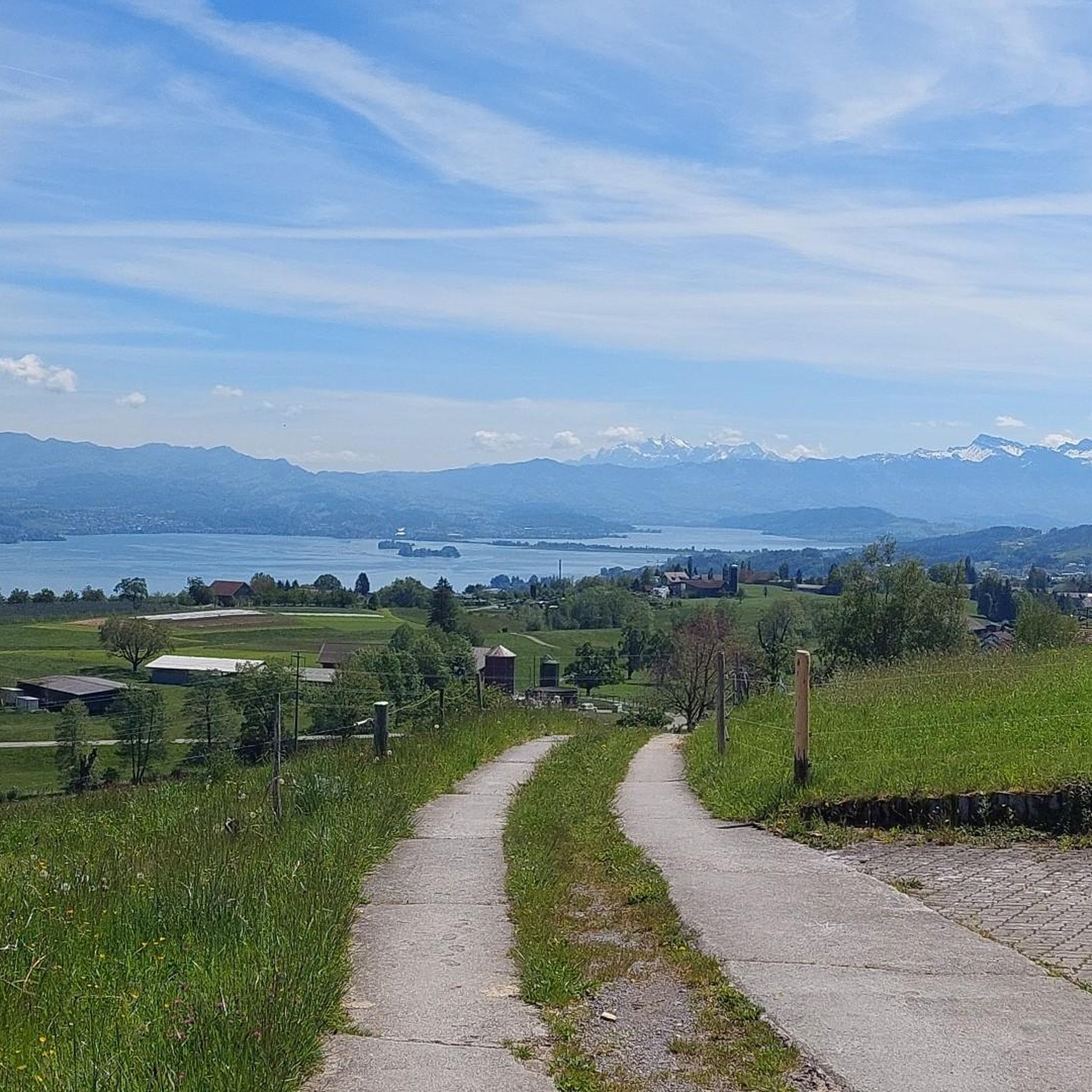
Lake Zug Promenade
Highlight • Cycleway
Translated by Google •
Tip by

Sihlsprung
Highlight • Gorge
Translated by Google •
Tip by

Sign up now to discover places like this
Get recommendations on the best single tracks, peaks, & plenty of other exciting outdoor places.
Sign up for free
Bürglenstutz - Highest point of the Albis chain (915 meters)
Highlight • Summit
Translated by Google •
Tip by

Höllgrotten
Highlight • Cave
Translated by Google •
Tip by

Schnabelburg ruins
Highlight • Castle
Translated by Google •
Tip by

Sign up for free to discover even more natural monuments around Schönenberg (ZH).
Sign up for free
Already have an account?
Start today with a free account
Your next adventure awaits.
Login or Signup
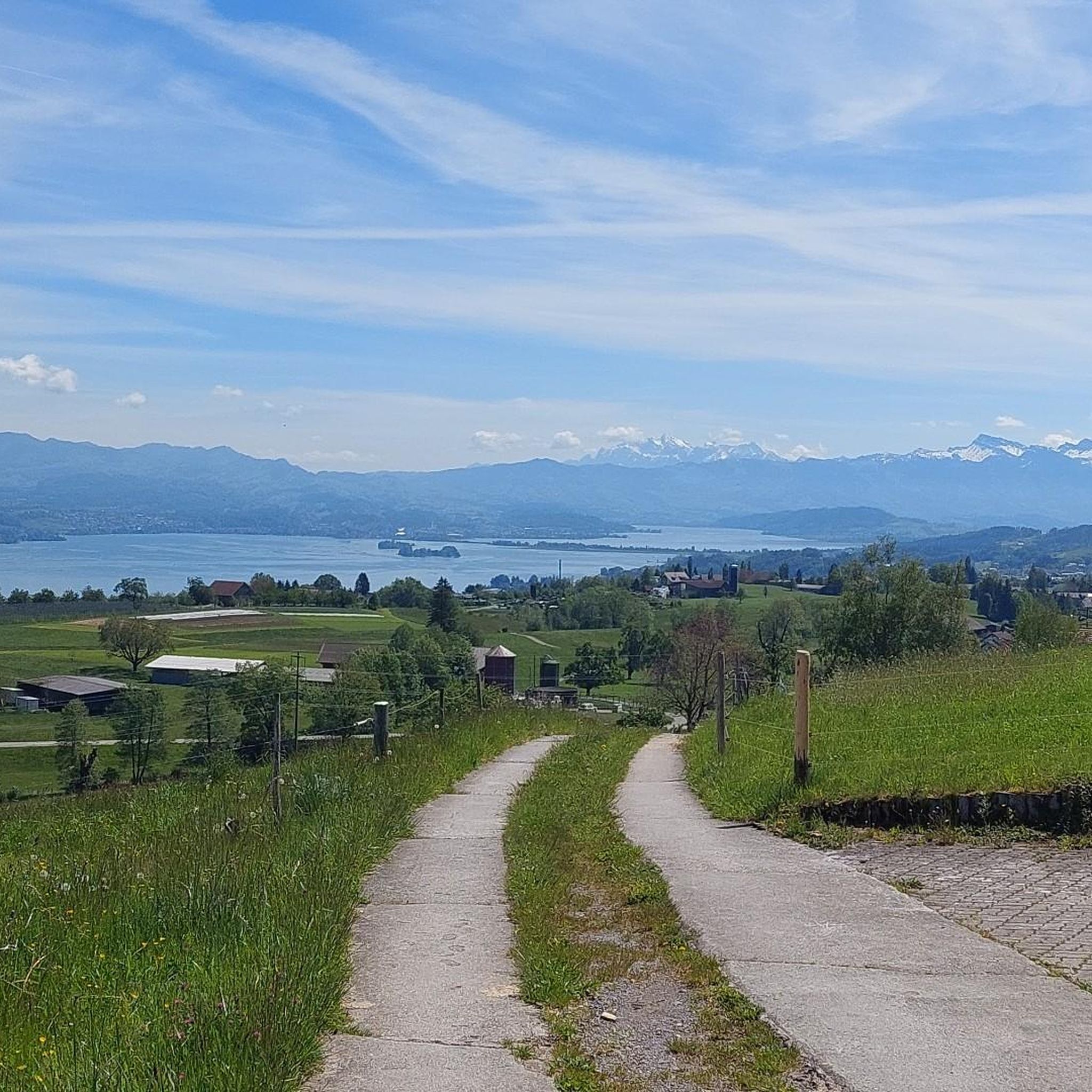
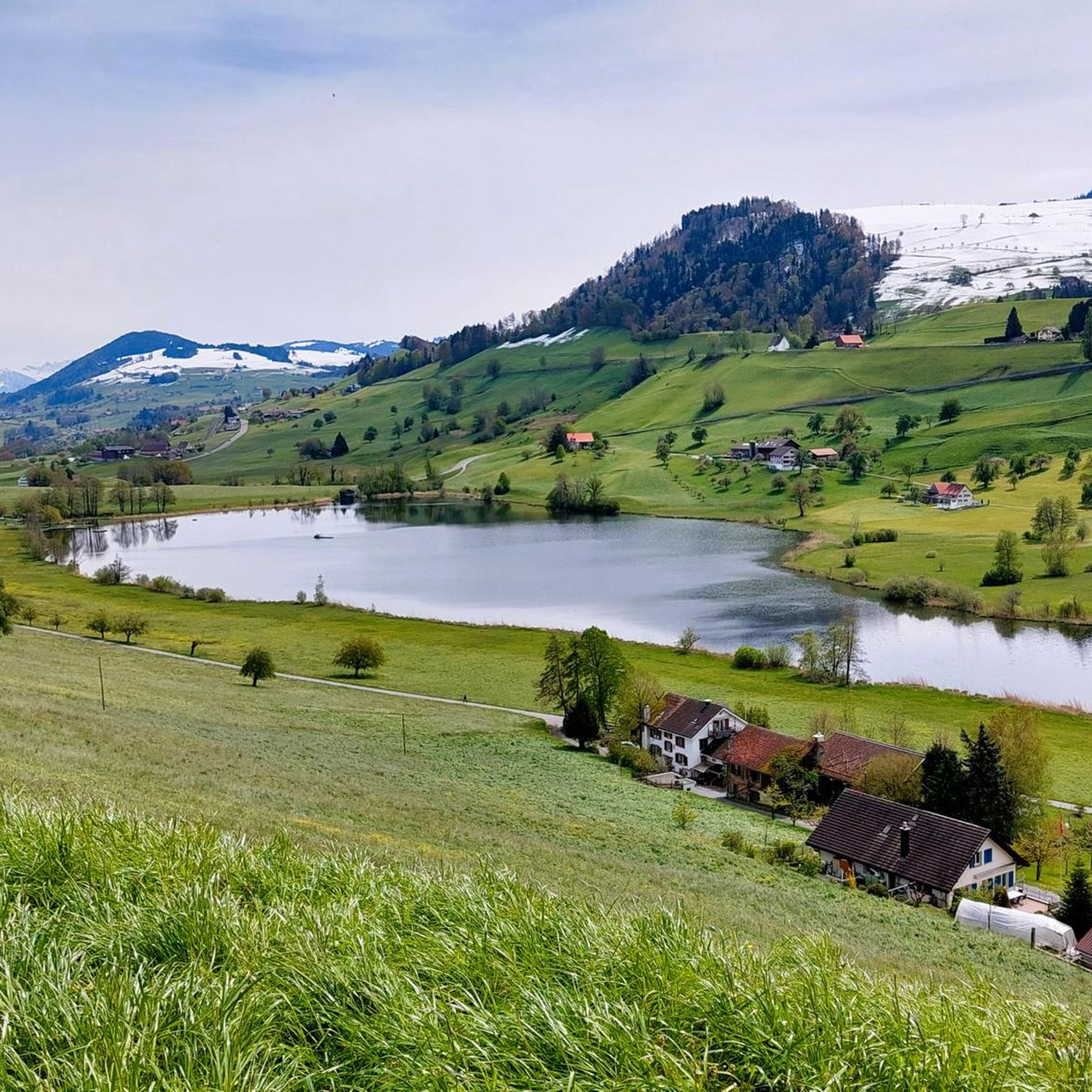
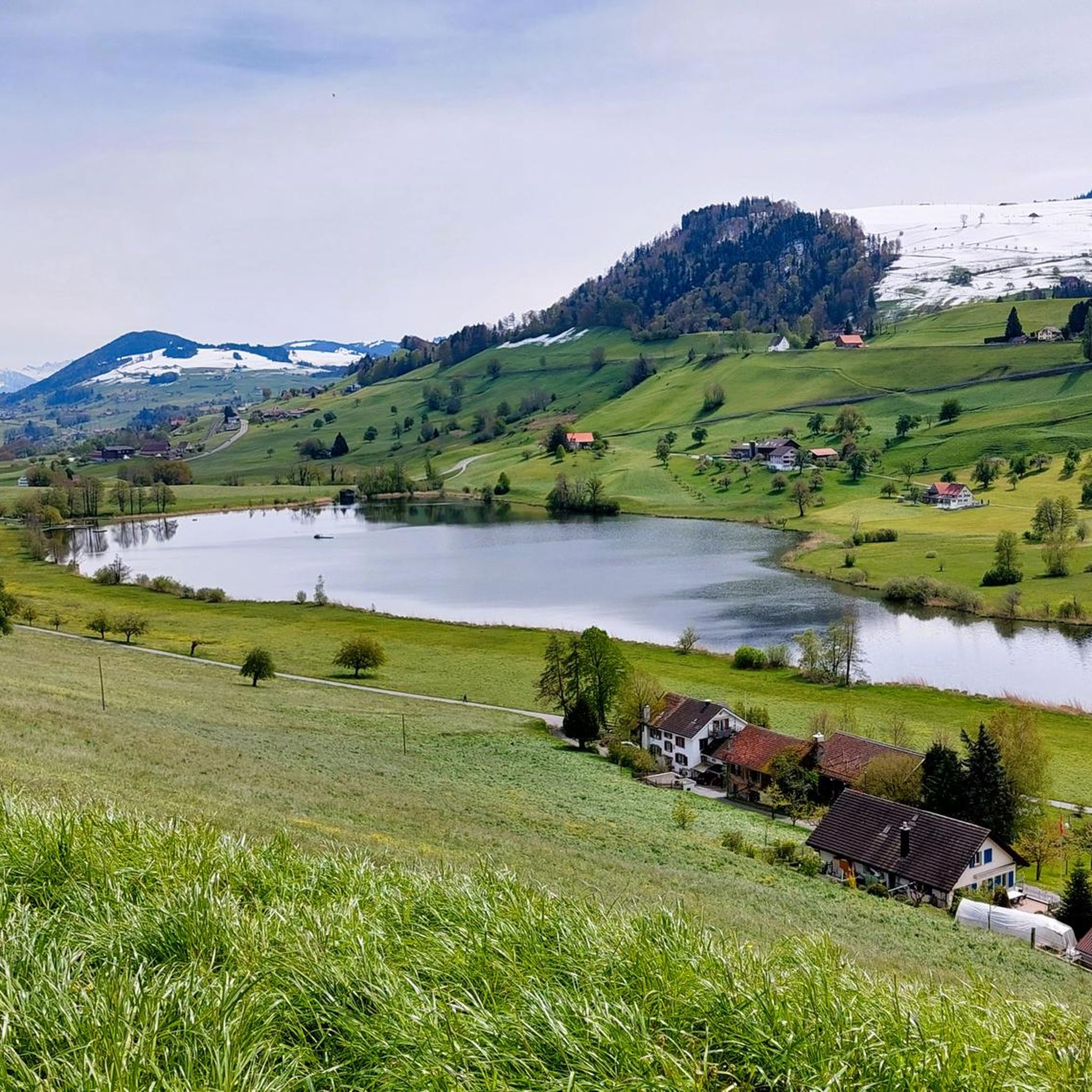
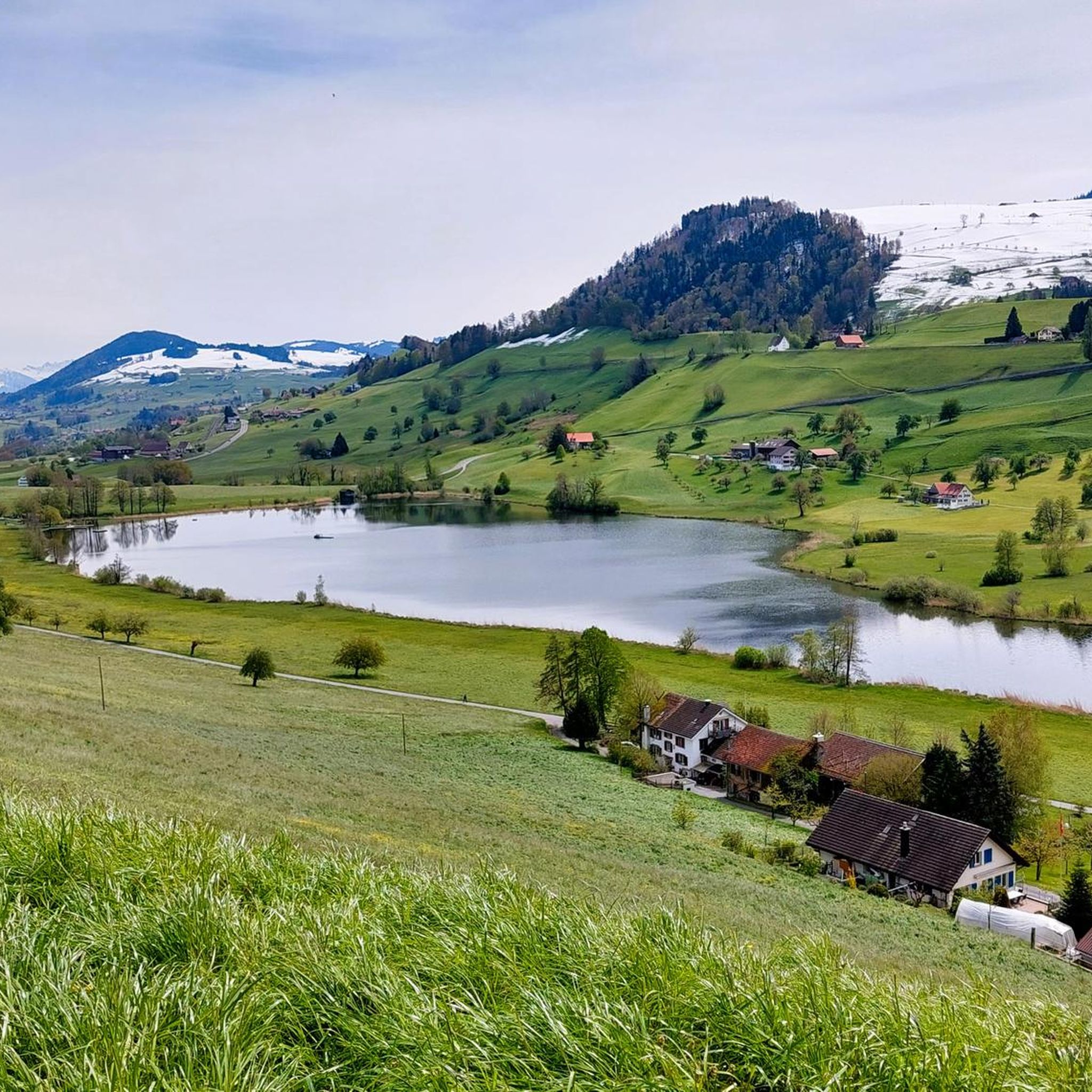

Tips from the Community

From the north, a relatively easy, clearly visible, unmarked path leads to the plateau on which Schnabelburg Castle stands. The descent to the south is very steep and, when the ground is wet and/or covered in autumn leaves, also very slippery.
1
0

Remains of the foundation walls of a former hilltop castle
5
0

This section of the Sihl River is truly breathtaking. Crystal-clear water flows gracefully around massive boulders that rise majestically from the riverbed. The sound of the water cascading over the stones adds a soothing rhythm to the natural symphony of the landscape.
2
0

The Albis chain is a striking, largely forested mountain ridge that runs parallel to the Sihl and Lake Zurich from Sihlbrugg to Urdorf / Schlieren. It is flanked by two valleys, the Sihl valley in the east and the Reppisch valley in the west. The eastern flank of the Albis is steep, characterized by ridges, deep ditches and numerous streams. It is geomorphologically extremely active, sparsely populated and largely covered by the Sihl forest. The western side is less steep and has an unusually strong interweaving of forest and grassland on steep slopes for the Central Plateau. Here, the interaction between site conditions and human use has led to diverse, sometimes rare habitats.
4
0

The Höllgrotten Baar were discovered in 1863 during the mining of tuff stone and were made more and more accessible until 1917. Thanks to an artificial connecting tunnel, you can now visit the entire grotto; a tour takes about 45 minutes. The grotto is open from April 1st to October 31st from 9 a.m. to 5 p.m. Since they are privately owned, there is an admission fee. You can find more information here: https://www.hoellgrotten.ch/.
1
0

Our beautiful city of Zug and Lake Zug😁
1
1

Worth seeing. And, as with most caves, it is advisable to take a jacket with you :-)
0
0

The Schnabelburg is the ruins of a hilltop castle on the beak-shaped hill north of the Schnabellücke above the village of Hausen am Albis in the canton of Zurich. Source: Wikipedia
6
2
Frequently Asked Questions
What are some of the most striking natural geological features to explore near Schönenberg (ZH)?
One of the most striking geological features is Sihlsprung. Located in the lower part of the Sihltobel, this area showcases a glacially formed drumlin and moraine landscape with a fluvial incision. The gorge features partly forested and rocky steep walls up to 75 meters high, composed of Nagelfluh, and is known for its large Nagelfluh boulders in and beside the riverbed.
Are there any family-friendly natural monuments around Schönenberg (ZH)?
Yes, the Höllgrotten caves are a fantastic family-friendly natural monument. These stalactite caves offer an intriguing visit into a network of unique geological formations. Another great option is the Lake Zug Promenade, which is a spacious cycle path along the lake, perfect for walks with children.
Where can I find panoramic views of the Alps and surrounding lakes near Schönenberg (ZH)?
For expansive panoramic views, head to Bürglenstutz, the highest point of the Albis chain at 915 meters. From here, you can enjoy wonderful vistas, especially in autumn and spring. The Pfannenstiel, with its Hochwacht Tower, also offers a great panorama of the Alps, Lake Zurich, and Lake Greifensee.
What kind of historical natural monuments can I visit in the area?
While primarily natural, the Schnabelburg ruins offer a blend of history and nature. These are the remains of a hilltop castle situated on a beak-shaped hill, providing a historical context within a natural setting. The narrow paths leading to the ruins are an experience in themselves.
What outdoor activities can I do near these natural monuments?
The region around Schönenberg (ZH) offers diverse outdoor activities. You can find numerous road cycling routes, such as the 'View of the Hochmoor in Zug – Schwandegg Castle loop from Wädenswil', or touring bicycle routes like the 'Sattelegg Pass – Sihlsee Dam loop from Burghalden'. For mountain enthusiasts, there are mountain hikes, including the 'Wildspitz Mountain Inn – Wildspitz Viewpoint loop from Stutzhütte'. You can explore more options on the Road Cycling Routes around Schönenberg (ZH), Cycling around Schönenberg (ZH), and Mountain Hikes around Schönenberg (ZH) guide pages.
Are there specific hiking trails associated with the natural monuments?
Yes, many natural monuments are integrated into hiking trails. For instance, the Sihlsprung gorge features a hiking trail that leads through tunnels and along the Sihl River, offering views of its unique rock formations. The Uetliberg Mountain, often called 'Zurich's very own mountain,' also has popular paths like the Hohenstein Trail and the Planet Trail, which are great for hiking.
What do visitors enjoy most about the natural monuments in this region?
Visitors frequently appreciate the diverse landscapes, from the dramatic geological formations of Sihlsprung to the serene lake views of Lake Zug Promenade and the panoramic mountain vistas from Bürglenstutz. The crystal-clear water and massive boulders at Sihlsprung are often highlighted, as are the unique stalactite structures within the Höllgrotten.
Is there a good time of year to visit the natural monuments around Schönenberg (ZH)?
While many natural monuments are enjoyable year-round, certain times offer unique experiences. Autumn and spring are particularly recommended for visiting viewpoints like Bürglenstutz for its clear views. Uetliberg Mountain is especially appealing in November when its summit often rises above the fog covering the city. The Höllgrotten are open from April 1st to October 31st.
Are there any natural monuments that are particularly suitable for easy walking or cycling?
The Lake Zug Promenade is ideal for easy walking and cycling, offering a spacious, paved path along the lake with scenic views. The southwest shore of Lake Ägeri also provides a pleasant gravel path for walking. These locations are generally flat and accessible for a relaxed outing.
How can I access these natural monuments, particularly regarding public transport or parking?
Access varies by location. Many natural monuments in the region are reachable by public transport, with train and bus services connecting to nearby towns. For example, Uetliberg Mountain is easily accessible by train from Zurich. For those driving, parking facilities are often available near popular trailheads or attractions, though it's always advisable to check specific location details in advance.
Are there any natural monuments that feature waterfalls?
Yes, the Sihlsprung area is known for its natural beauty, and two unnamed side streams on the Zug side even form small waterfalls, adding to the picturesque scenery of the gorge.
What is the significance of the Sihl River in the context of these natural monuments?
The Sihl River plays a significant role, particularly at Sihlsprung. The Sihlsprung itself is a fluvial incision that developed after the last ice age, carved by the Sihl River. The river here is described as breathtaking, with crystal-clear water flowing around massive boulders, creating a soothing natural symphony and showcasing the powerful geological forces that shaped the region.
Most popular routes around Schönenberg (ZH)
Most popular attractions around Schönenberg (ZH)

Get inspired with the komoot mobile app


Explore more
Extend your search for the best caves by checking out these guides of the top ones around Schönenberg (ZH):
