Top 20 Natural Monuments around Hall in Tirol
Best natural monuments around Hall in Tirol are found within a region characterized by its alpine setting in the Austrian state of Tyrol. This area offers diverse natural beauty, including expansive nature parks, mountain peaks, and unique forest ecosystems. Visitors can explore a variety of landscapes, from rugged limestone walls to lush valleys and ancient forests. The natural monuments provide opportunities for outdoor activities amidst significant geological and ecological features.
Best natural monuments around Hall in Tirol
- The most popular…
Last updated: November 23, 2026
Hafelekar Peak
Highlight • Summit
Translated by Google •
Tip by

Walderalm
Highlight • Mountain Hut
Translated by Google •
Tip by

Sign up now to discover places like this
Get recommendations on the best single tracks, peaks, & plenty of other exciting outdoor places.
Patscherkofel Summit
Highlight • Summit
Translated by Google •
Tip by

Lafatscher Joch
Highlight • Mountain Pass
Translated by Google •
Tip by

Maria Larch Pilgrimage Church
Highlight • Religious Site
A devout woman named Magdalena Bogner, who was married to the respected farmer Veit Spieltenner in Schlegelsbach, gave the first occasion for it (the chapel). This woman …
Showing Translation
Tip by

Sign up for free to discover even more natural monuments around Hall in Tirol.
Already have an account?
Start today with a free account
Your next adventure awaits.
Popular around Hall in Tirol
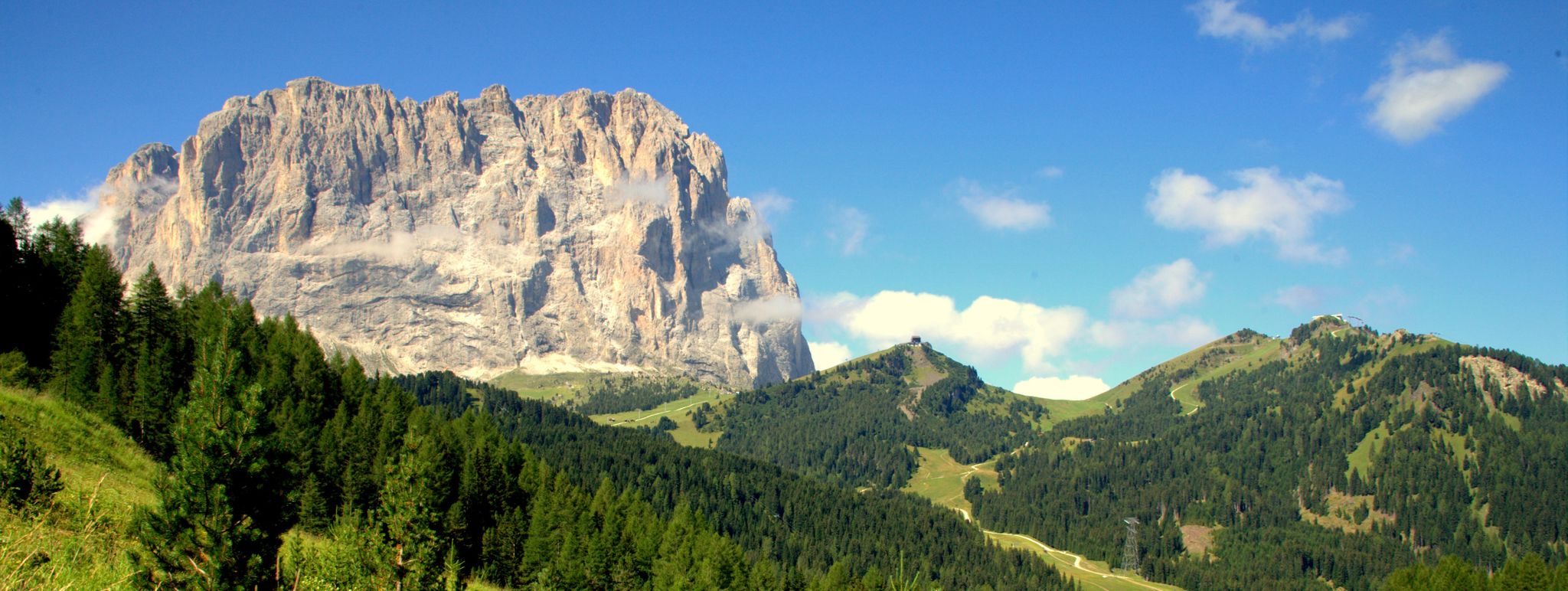
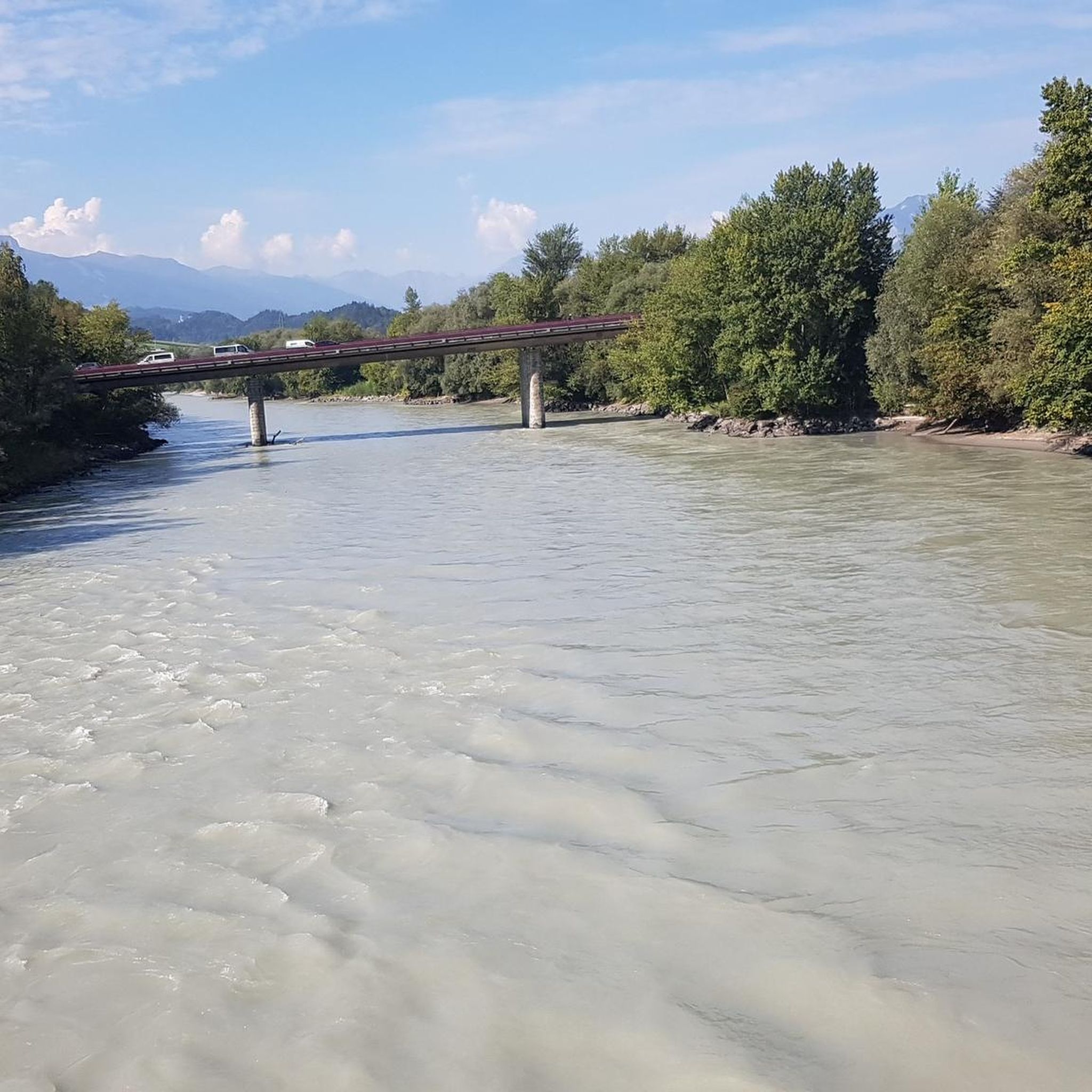
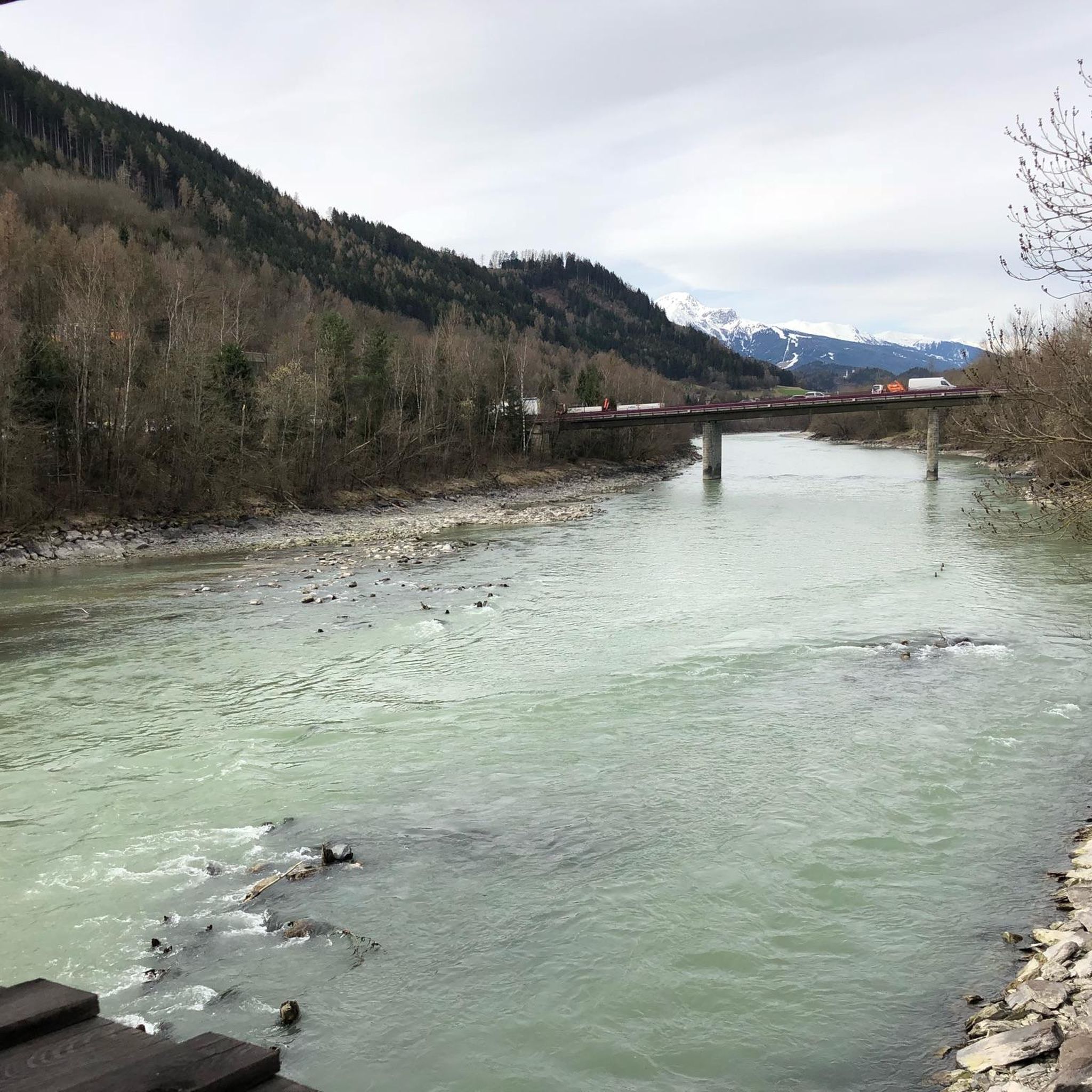
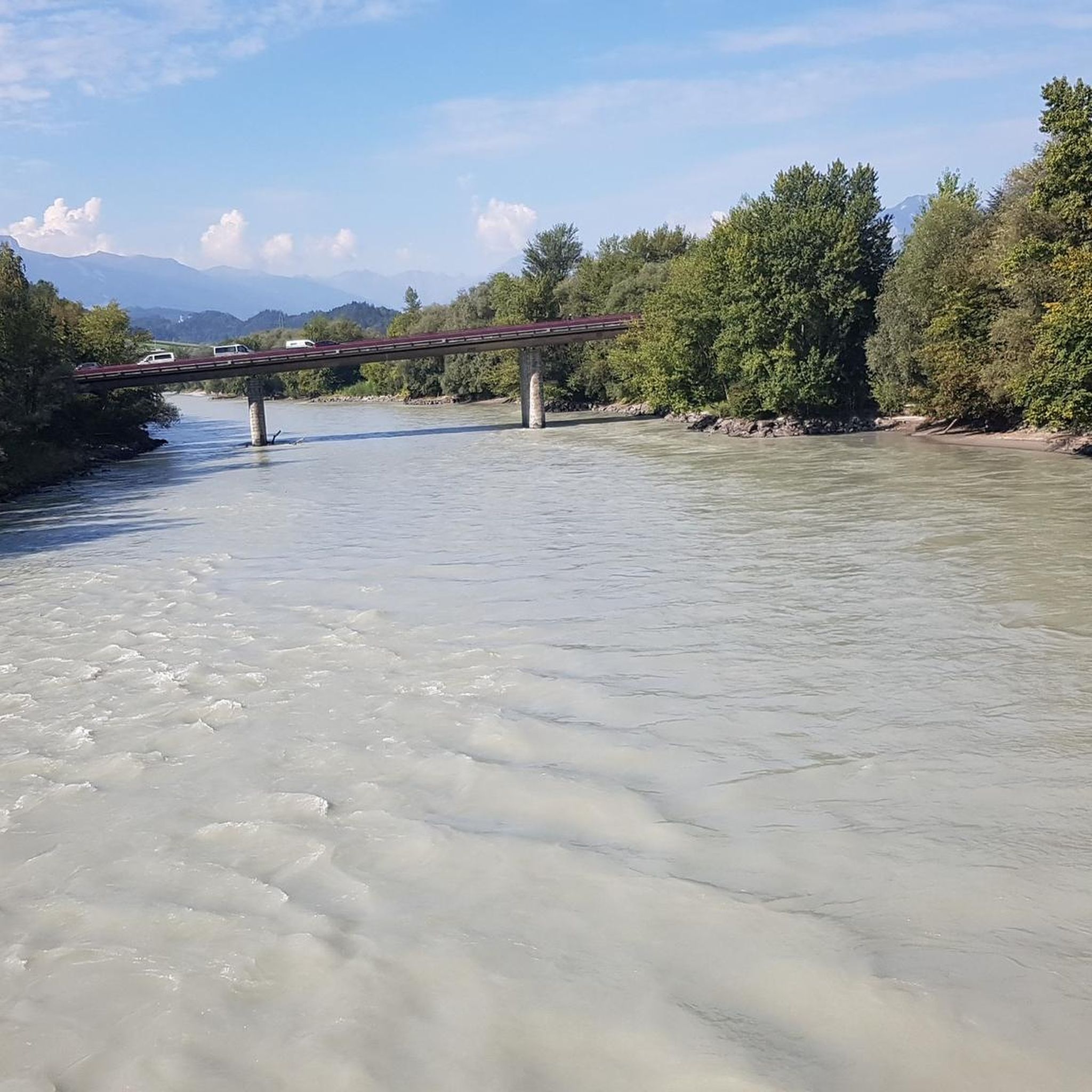
Other adventures around Hall in Tirol

Tips from the Community

Maria Larch The pilgrimage church of Maria Larch is located at the entrance to the Larch valley and is a beautiful destination for walks in the surroundings of Terfens / Gnadenwald. The origin of the pilgrimage to Maria Larch dates back to 1665. The beneficiary of St. Martin in Gnadenwald gave a peasant woman an image of the Mother of God made of clay, which was hung on a tree to awaken good thoughts in passers-by. About 10 years later, a chapel was built, which, however, underwent several renovations. Two miraculous healings were the trigger for Maria Larch becoming a popular pilgrimage site: a mute girl regained her speech after a heartfelt prayer before the image of grace, and a seriously ill child was healed. Text / Source: wallfahrt-online.at https://wallfahrt-online.at/maria-larch/
13
0
The spring: (Pilgrimage Chapel Maria Larch, Terfens) The Pilgrimage Chapel Maria Larch dates back to the 17th century. In the baroque well house, St. Florian watches over the water, which is still considered a revitalizing drink today. In the 18th century, it healed a mute girl from her suffering and later many, many more - probably also before and after. It is a right-turning water in a place of power that could not be more impressive. When the custodians of this gem have to openly ask for a donation for the water, it is actually a sign of poverty for those who bottle water here. Three things should be a matter of course at every holy spring: reverence, gratitude, and an "offering", whatever that may look like. Text / Source: Austria-Forum https://austria-forum.org/af/Kunst_und_Kultur/B%C3%BCcher/Heilige_Quellen/Tirol/Terfens_Maria_Larch
13
0
Maria Larch Legend: A devout woman named Magdalena Bogner, who was married to the respected farmer Veit Spieltenner in Schlegelsbach, gave the first occasion for it (the chapel). This woman felt an inexplicable urge within her to perform her devotion at the spot where the chapel now stands, and where she herself often passed by, either on Sundays and holidays on her way to church in Terfens or for business reasons. Johann Weiß, the chaplain in the hermitage of St. Martin in the woods, to whom she had confided the peculiar feeling in her heart, gave her a statue of the Mother of God, which she was to place somewhere at the designated spot, and then she could devote herself to prayer there without hesitation. The chaplain had made the statue himself out of clay. It is a shoe high; the divine mother holds the dear Christ child in her left hand and carries the gilded apple in her right. The woman brought the precious gift home with a joyful heart, and immediately had her husband place the statue at the designated spot in a small niche carved out of a strong larch tree. A narrow roof from above was to serve as protection for the statue against the falling rain; at the bottom, a narrow block was placed so that people could kneel more comfortably while praying. This happened in the year 1665. Text / Source: Legende: sagen.at https://www.sagen.at/doku/quellen/quellen_tirol/maria_larch.html
13
0

st. martin
0
0

Pilgrims have been visiting the small church for centuries, and it is also known as a place of power. This is probably because healing water bubbles out of the baroque fountain house. Legend has it that the healing water freed a mute girl from her suffering in the 18th century. Since then, the water has been said to have an invigorating effect. If that isn't the perfect stop for a break on your hike.
3
0

Before going up the Wilde-Bande-Steig, you can recharge your batteries here
0
0

When the weather is nice, a fantastic view. In bad weather very drafty and cold.
0
0

Frequently Asked Questions
What are some of the most popular natural monuments around Hall in Tirol?
Visitors frequently enjoy the magnificent panoramic views from Hafelekar Peak, which is easily accessible. Another favorite is Walderalm, a wide mountain meadow with an inn, offering great views surrounded by the rugged peaks of the Karwendel. The Hofgarten in Innsbruck, a historic and listed garden, is also a popular green space in the city center.
Are there family-friendly natural monuments near Hall in Tirol?
Yes, several natural monuments are suitable for families. The Hofgarten in Innsbruck features a playground and offers a relaxing green space. The Glungezer area, with its Zirbenweg, is known for being an easy and family-friendly trail, and it also has the 'Kugelwald am Glungezer' mountain adventure world. Hafelekar Peak is also considered family-friendly due to its easy accessibility and fantastic views.
What unique natural features can I expect to see in the region?
The region boasts diverse natural features. The Karwendel Nature Park offers a primeval alpine landscape with rugged limestone walls, emerald green streams, and one of Europe's finest sycamore forests at Kleiner and Großer Ahornboden. The Glungezer area is home to one of Europe's largest Swiss stone pine forests, including Tyrol's oldest stone pine, which is 750 years old.
What kind of wildlife can be spotted in the natural monuments around Hall in Tirol?
The Karwendel Nature Park is a haven for wildlife. Within the Halltal valley, visitors have opportunities to spot chamois and ibex in their natural alpine habitat. The park is also known for its diverse birdlife, including the three-toed woodpecker, owls, and woodcock, and supports rare animal species like golden eagles and sandpipers.
What outdoor activities can I do near these natural monuments?
The area around Hall in Tirol offers a wide range of outdoor activities. You can explore numerous hiking trails, from leisurely walks to challenging mountaineering routes, especially within the Karwendel Nature Park and the Glungezer area. For more specific routes, you can find options like the 'Halltal Escape Trail' or the 'Romedikirchl – Thaurer Alm loop' in the Hiking around Hall in Tirol guide. There are also great opportunities for gravel biking, such as the 'Inn Valley – Inn Riverside Cycle Path loop' detailed in the Gravel biking around Hall in Tirol guide, and various running trails, including those along the Inn Cycle Path, which you can find in the Running Trails around Hall in Tirol guide.
Are there any natural monuments that are less crowded or considered 'hidden gems'?
While popular spots like Hafelekar Peak can be crowded, the expansive Karwendel Alpine Park, one of Europe's oldest nature reserves, offers vast areas where you can find tranquility. Its 727 square kilometers encompass many less-traveled paths and quiet spots, allowing for a more serene experience amidst its wild beauty.
What is the Zirbenweg and why is it significant?
The Zirbenweg is a 7-kilometer panoramic path located in the Glungezer area, winding through one of Europe's largest Swiss stone pine forests. It's significant because it offers stunning views of the Karwendel mountain range and the Inn Valley, and along its path, you can admire Tyrol's oldest stone pine, which has been recognized as a natural monument since 1926.
Can I reach these natural monuments using public transport?
Many natural monuments in the region are accessible by public transport. For instance, the Glungezer area, which includes the Zirbenweg, is easily accessible by cable car. The Patscherkofel Summit can also be reached by cable car, making it accessible even for mountain beginners. For specific routes and connections, it's always best to check local transport schedules.
What do visitors enjoy most about the natural monuments around Hall in Tirol?
Visitors consistently praise the breathtaking panoramic views, especially from summits like Hafelekar Peak and Patscherkofel Summit. The tranquility and natural beauty of areas like the Karwendel Alpine Park are also highly valued, as are the opportunities for relaxation and enjoying local hospitality at places like Walderalm.
Are there any historical sites among the natural monuments?
Yes, the Hofgarten in Innsbruck is both a natural monument and a significant historical site. This listed garden has existed for approximately 600 years, undergoing transformations from Renaissance and Baroque gardens to its current landscaped park design. It has a rich history tied to the Innsbruck Hofburg and the Habsburg dynasty.
What geological formations are prominent in the natural monuments here?
The Karwendel Nature Park is particularly notable for its geological formations, featuring rugged vertical limestone walls and a unique 'Grand Canyon' known as the Vomperloch. These formations contribute to the park's primeval alpine landscape and offer dramatic scenery.
Can I find cafes or restaurants near these natural monuments?
Yes, several natural monuments have facilities nearby. Walderalm features a snack station and inn. The Patscherkofel Summit has a small summit restaurant with a beautiful viewing terrace. The Hofgarten in Innsbruck is located in the city center, offering easy access to numerous cafes and restaurants.
Most popular routes around Hall in Tirol
Most popular attractions around Hall in Tirol

Get inspired with the komoot mobile app


Explore more
Extend your search for the best caves by checking out these guides of the top ones around Hall in Tirol:
