Top 20 Natural Monuments in the Rhone Delta
Best natural monuments in the Rhone Delta are found within the Camargue, a significant wetland region on France's Mediterranean coast. This area is recognized as a UNESCO Biosphere Reserve and a Regional Natural Park. The landscape is a mosaic of lagoons, marshes, ponds, and salt-tolerant grasslands, formed by the Rhône River's two main arms. This diverse environment supports a wide array of flora and fauna, making it an ecological hotspot.
Best natural monuments in the Rhone Delta
- The most popular…
Last updated: May 14, 2026
Flamingo Observation in the Camargue Regional Natural Park
Highlight • Natural Monument
The pink flamingo is one of the 340 species of birds
Fauna of the Camargue. Probably the most fascinating bird.
This largest colony of pink flamingos in the …
Translated by Google •
Tip by

The Pink Salt Flats of Aigues-Mortes
Highlight • Natural
The tour with your own bike is possible from Mon-Sat and costs 22 €. There …
Translated by Google •
Tip by

Sign up now to discover places like this
Get recommendations on the best single tracks, peaks, & plenty of other exciting outdoor places.
Sign up for free
Camargue Wetlands
Highlight • Natural
Translated by Google •
Tip by

Scamandre Discovery Center
Highlight • Natural Monument
Translated by Google •
Tip by

Domaine Paul Ricard de Méjanes
Highlight • Natural
The Camargue is a breed of small saddle horse with a gray coat, …
Translated by Google •
Tip by

Sign up for free to discover even more natural monuments in the Rhone Delta.
Sign up for free
Already have an account?
Start today with a free account
Your next adventure awaits.
Login or Signup
Popular around Rhone Delta
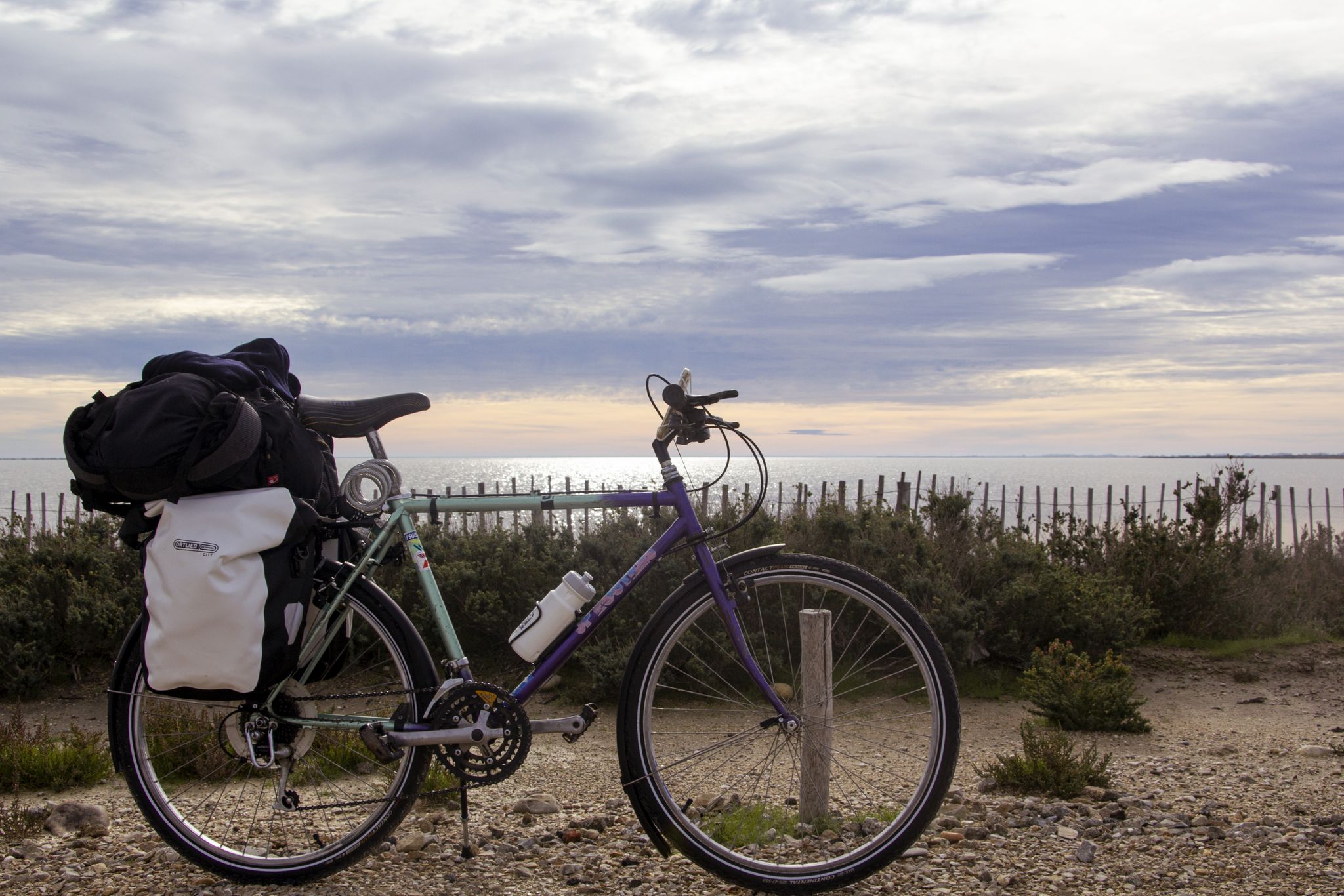
From Marseille to Montpellier — France's south coast by bike
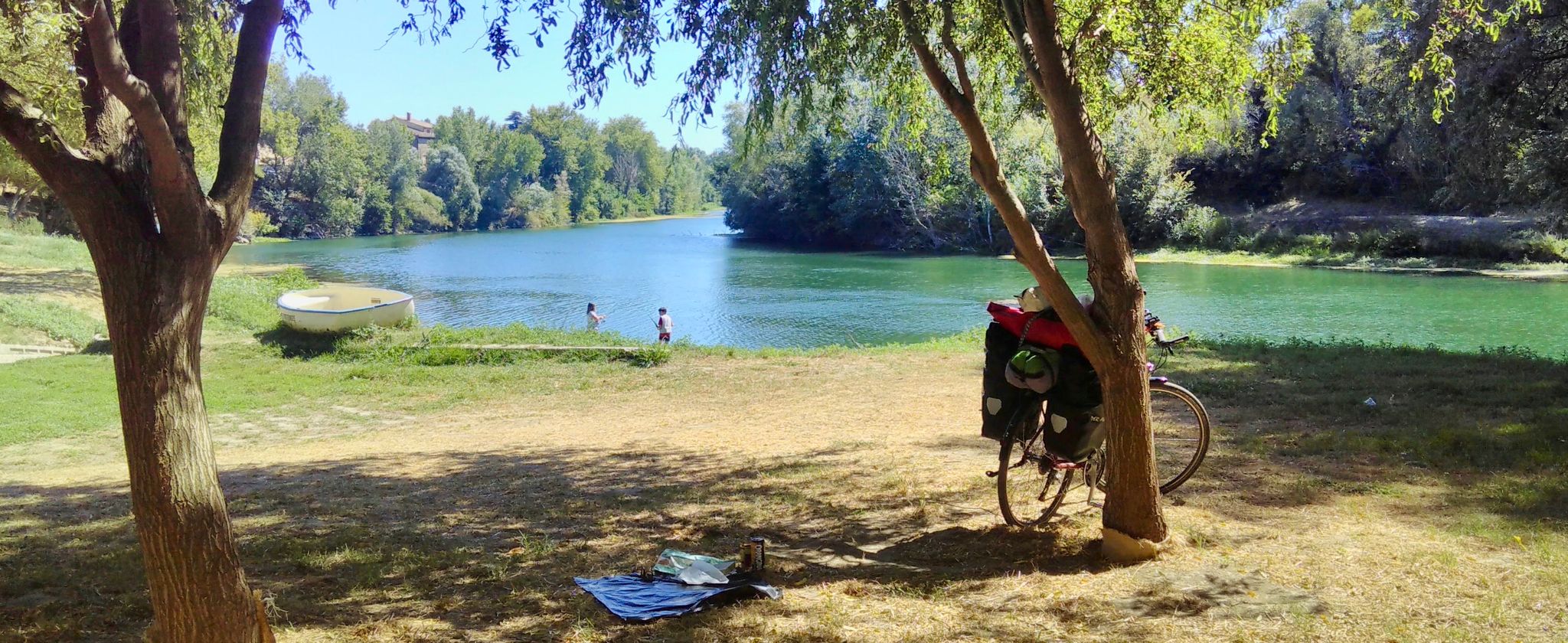
Via Rhôna — cycling the Rhone Valley Way from Lyon to the Mediterranean
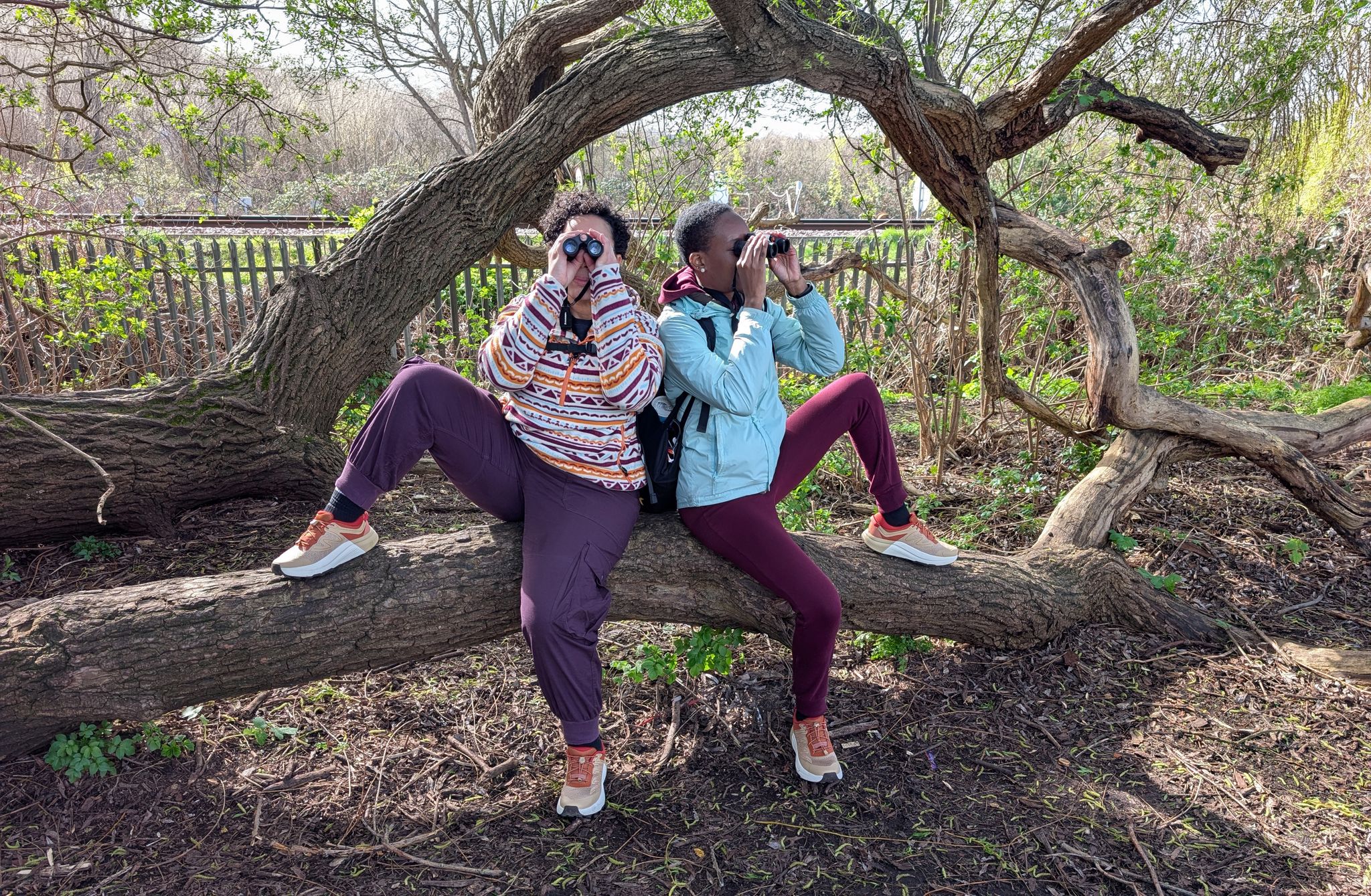
Europe’s Seasonal Birding Hotspots
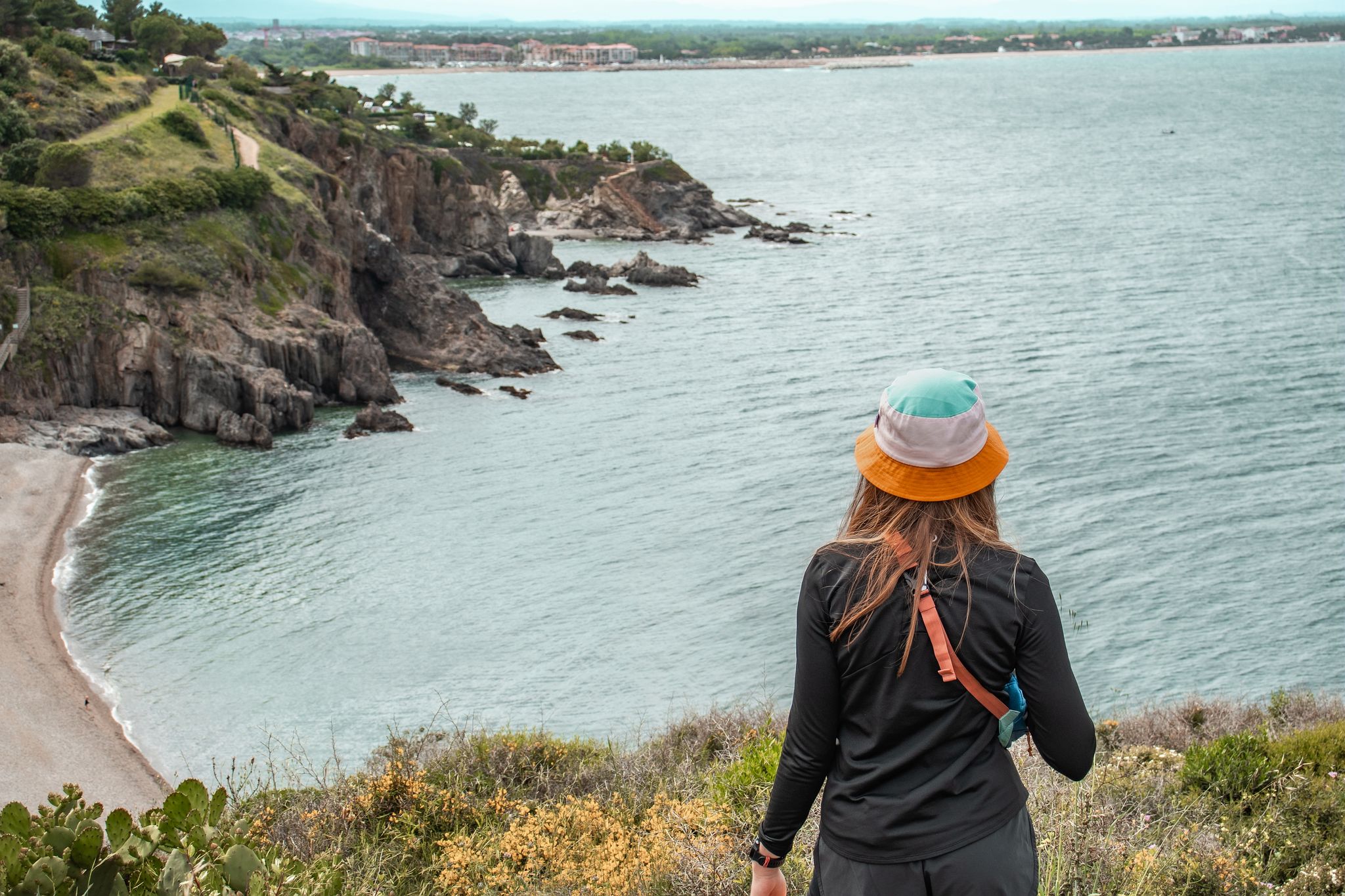
Côte Méditerranée – hiking in Occitania
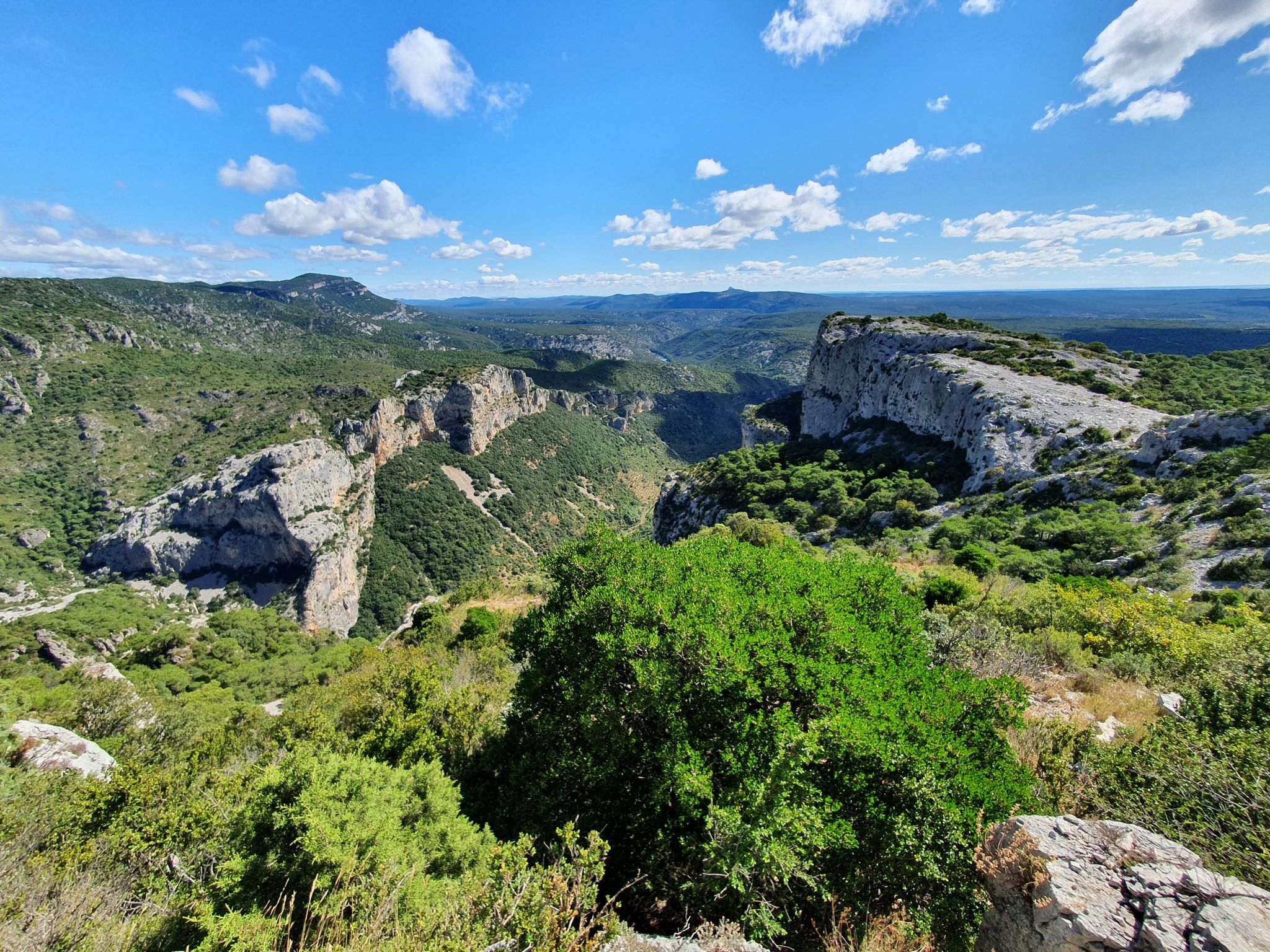
On the way to Compostela – Via Tolosana (Arles Way)
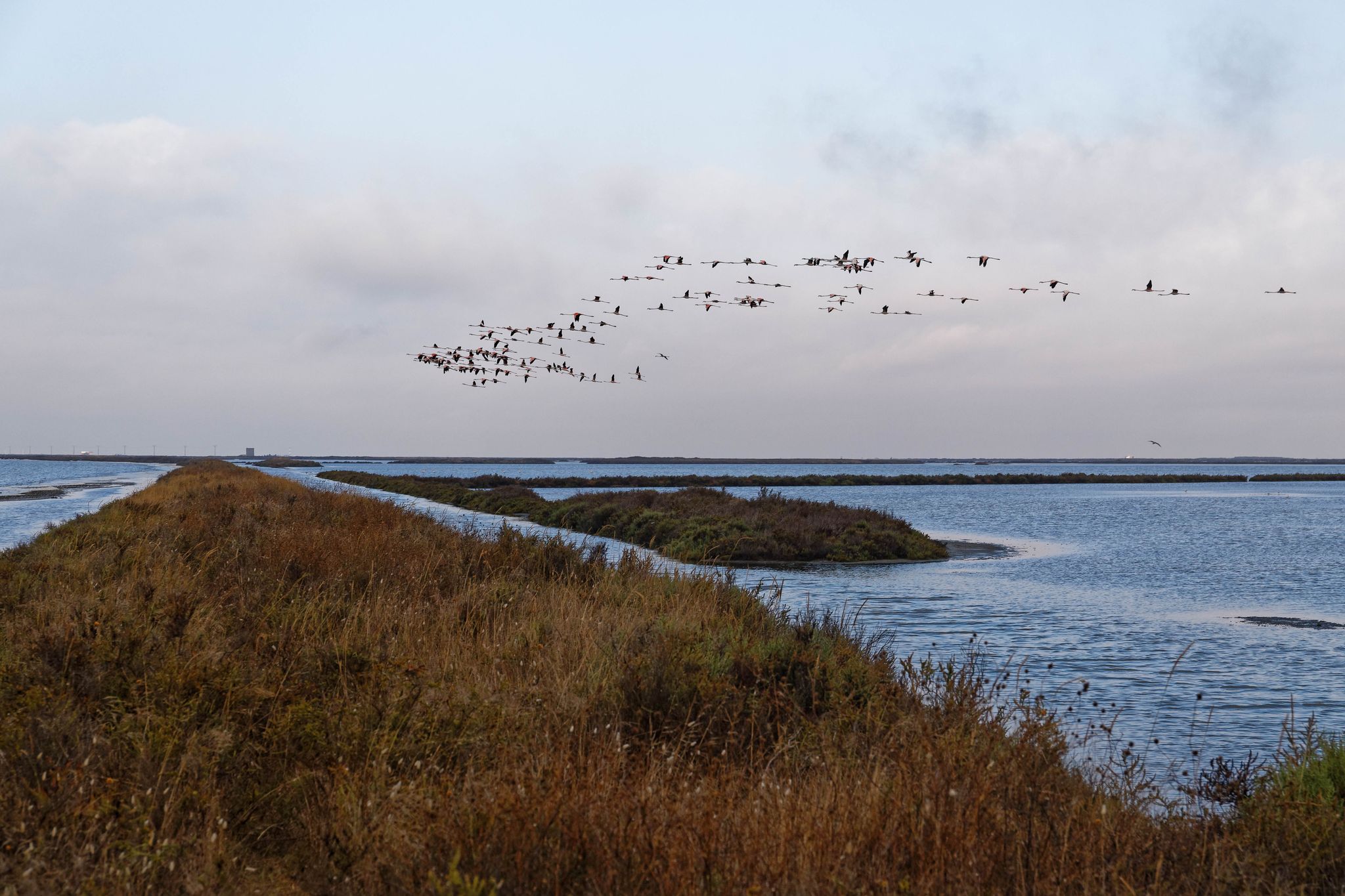
Provence to the Camargue – a journey along the Mediterranean borders
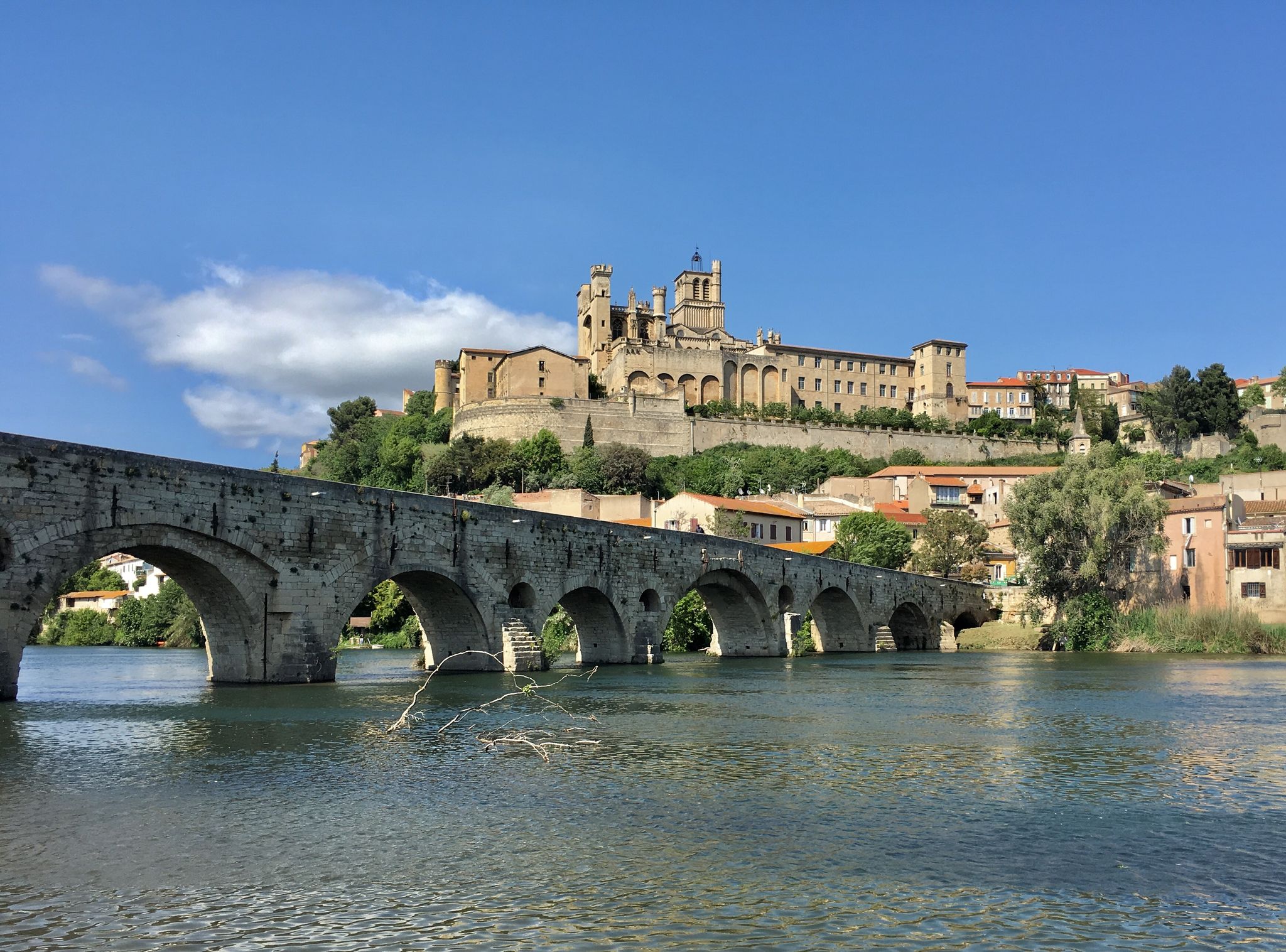
From the Occitan coast to Italy — exploring the Mediterranean by bike
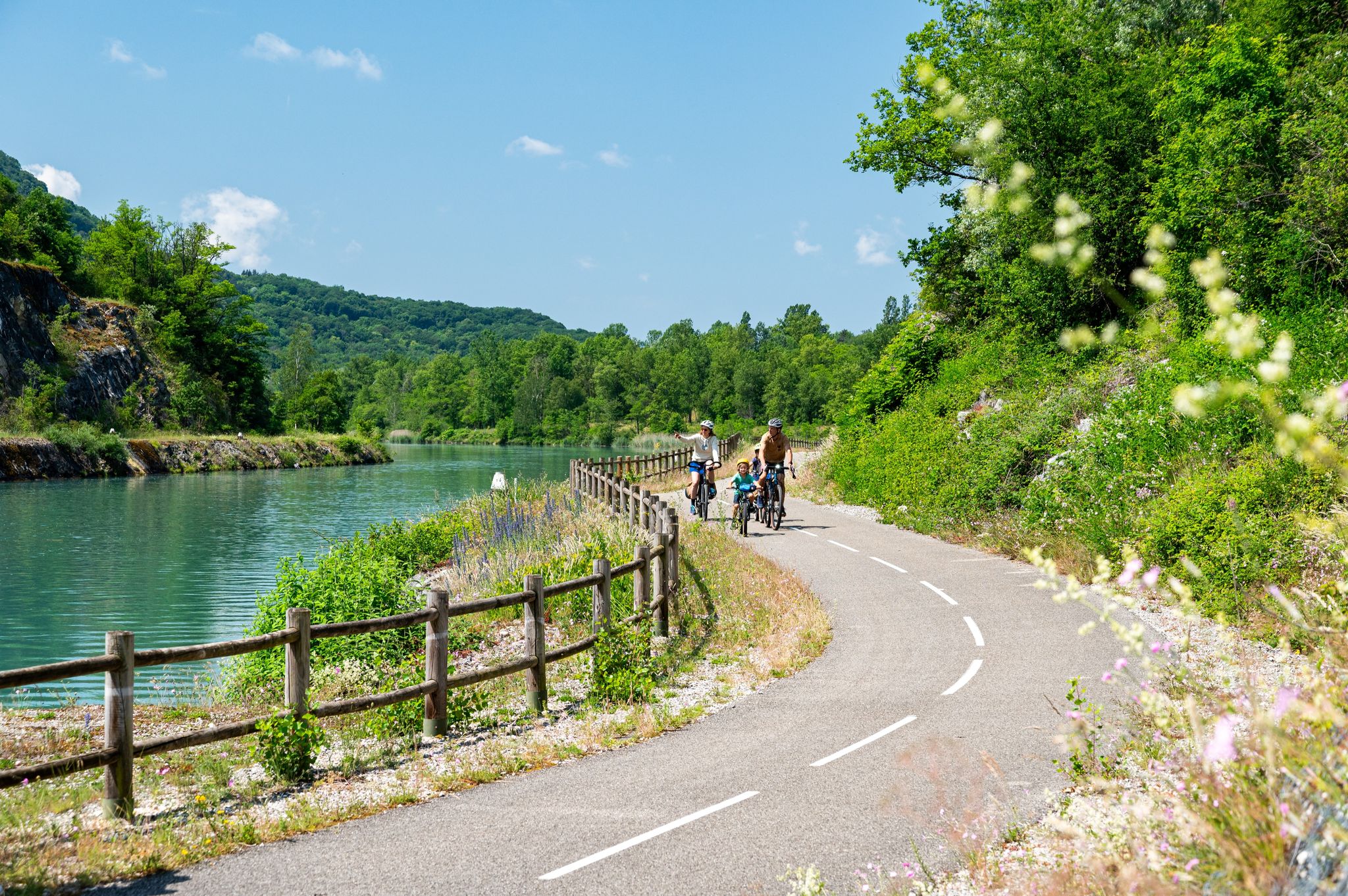
ViaRhôna — ride from the Alps to the Mediterranean
Cycling in the Rhone Delta
Hiking in the Rhone Delta
Other adventures in the Rhone Delta


Tips from the Community

Unique place and unique nature reserve
0
0

Years ago I spent a lovely holiday here in Saint Marie de la Mer, if not the most lovely holiday in my life. I've been to Provence several times, visited La Grande Motte and the Pont du Gard, the Arena of Nimes, Avignon, Marseille and much more, it is beautiful here on the Mediterranean, have a nice holiday everyone. 🙋👍
0
0

Too bad the salt works are private. We would like to cycle through them. Paid visit possible however.
4
1

THE FLAMINGO The pink flamingo is one of the 340 species of birds Fauna of the Camargue. Probably the most fascinating bird. This largest colony of pink flamingos in the western Mediterranean has been breeding on a breeding island since the beginning of the 1970s in the Camargue. Scientists and nature lovers have created an extensive program to protect the flamingo and also to provide it with a comfortable habitat. The place where the flamingos nest was owned by the Compagnie des Salins du Midi until the end of 2008. Today this extraordinary area belongs to the Conservatoire du Littoral. The greatest vigilance is required to protect the reproduction, because the colony in the delta is exceptional and of worldwide notoriety (10 to 15,000 pairs annually). In order to observe the birds during their wedding parades, it is essential to follow the instructions of the staff of the nature park and the bird protection organization. In order not to disturb the peace of these very shy birds, it is not possible to visit the breeding island itself. Special tours of this area, unique in France, are offered from April to the end of September.
0
0

This vast natural environment, located southeast of the Vaccarès site. They extend over more than 6,500 ha and include partly aquatic and terrestrial environments dominated by fresh water along the old arm of the Rhône, and partly extensive lagoon and dune complexes near the Mediterranean Sea. The successive advancement of the coastlines has created huge ranges of dune ridges on this site, which have gradually isolated some of the ponds and Etangs. Apart from the belts of dunes that cover more than 300 ha, the height of the Camargue is very often close to or below sea level. The vast areas without emerging vegetation, consisting of mud flats, etangs and brackish pools and more or less temporarily salted, cover more than 80% of the Camargue.
11
0

There really is incredible wildlife. Hope it lasts...
0
1
Certainly it's all flat, but it's a remarkable nature reserve.
0
0

In the middle of the small Camargue.
0
0
Frequently Asked Questions
What unique wildlife can I expect to see in the Rhone Delta's natural monuments?
The Rhone Delta, particularly within the Camargue, is renowned for its exceptional birdlife. You can observe over 400 species of birds, including the iconic pink flamingos, which have their only nesting site in France here. Other common sightings include egrets, grey herons, and various shorebirds. The region is also home to semi-feral white Camargue horses and black Camargue bulls, which roam freely across the grasslands.
Are there family-friendly natural monuments in the Rhone Delta?
Yes, several natural monuments in the Rhone Delta are well-suited for families. For instance, Flamingo Observation in the Camargue Regional Natural Park offers a chance to see these magnificent birds. The Scamandre Discovery Center provides paved hiking trails suitable for all ages to explore the unique flora and fauna. Additionally, Domaine Paul Ricard de Méjanes is a great spot to potentially see the famous wild Camargue horses.
What are the best natural monuments for hiking or walking in the Rhone Delta?
For walking, the Scamandre Discovery Center offers paved trails through its 215-hectare nature reserve. The vast Camargue Wetlands also provide diverse environments for exploration, including dune complexes and mud flats. For more structured routes, you can find numerous running and walking trails in the region. Explore options like the 'Camargue aux Saintes-Marie-de-la-Mer' loop or 'The Rousty Bridge trail' on the Running Trails in the Rhone Delta guide.
Can I cycle or gravel bike near the natural monuments in the Rhone Delta?
Absolutely. The flat terrain of the Rhone Delta and Camargue is ideal for cycling and gravel biking. You can find routes that take you past significant natural monuments, such as those offering views of the pink flamingos or Camargue horses. Check out the Gravel biking in the Rhone Delta guide or the Cycling in the Rhone Delta guide for routes like the 'Pink Flamingos in the Camargue' loops or 'The Regional Natural Reserve of the Tour du Valat in a loop'.
What makes the Pink Salt Flats of Aigues-Mortes a unique natural monument?
The Pink Salt Flats of Aigues-Mortes are a spectacular natural monument known for their vibrant pink lakes. This unusual coloration is due to a rare type of algae that thrives in the highly saline water. Beyond their striking appearance, the salt flats support unique flora and fauna adapted to this environment. Visitors can explore them via guided train tours or by cycling through designated areas.
What is the best time of year to visit the natural monuments in the Rhone Delta?
Spring (April-May) and autumn (September-October) are generally considered the best times to visit. During these seasons, the weather is pleasant, and the bird migration is at its peak, offering excellent opportunities for wildlife observation, especially flamingos. The 'sansouires' (salt-tolerant grasslands) also change color, from green in spring to red in autumn, adding to the scenic beauty. Summers can be very hot, and winters can be damp and chilly.
Are there any specific natural reserves or parks to visit within the Rhone Delta?
Yes, the entire Camargue region is a UNESCO Biosphere Reserve and a Regional Natural Park. Within this, you can visit specific areas like the Camargue Regional Natural Park for flamingo observation. The Scamandre Discovery Center is another dedicated nature reserve offering trails to explore the local ecosystem. The Étang de Vaccarès, the largest lake in the Camargue, is also a protected nature reserve vital for migratory birds.
What kind of landscapes define the natural monuments of the Rhone Delta?
The Rhone Delta's natural monuments are characterized by a dynamic and diverse landscape. This includes extensive lagoons, freshwater and saline marshes, ponds, and halophilous steppes known as 'sansouires.' You'll also find wild beaches, sand dunes, and woodlands, all shaped by the Rhône River's interaction with the Mediterranean Sea. This mosaic of environments supports the region's rich biodiversity.
What cultural significance do the natural monuments of the Camargue hold?
Beyond their natural beauty, the Camargue's natural monuments are deeply intertwined with the region's cultural heritage. The free-roaming Camargue horses and bulls are central to local traditions, including the 'gardians' (cowboys) and bull games. Salt extraction has also been an industry here for centuries, as seen at the Pink Salt Flats of Aigues-Mortes, adding a historical and economic layer to the natural landscape.
Are there opportunities for birdwatching beyond flamingos in the Rhone Delta?
While flamingos are a major draw, the Rhone Delta offers extensive birdwatching opportunities for over 400 species. The wetlands are a critical stopover for migratory birds between Europe and Africa. You can spot a wide variety of waterbirds, including egrets, grey herons, geese, storks, bitterns, glossy ibises, and various shorebirds like black-winged stilts, especially around the Étang de Vaccarès and other marshy areas.
What are the typical opening hours for natural monument sites like the Scamandre Discovery Center?
The Scamandre Discovery Center is generally open from 9 am to 6 pm. For other specific sites or guided tours, such as those for flamingo observation or the salt flats, it's advisable to check their individual schedules, as they may vary seasonally or require advance booking. Some areas of the Camargue Regional Natural Park are accessible at all times, while others have restricted access to protect wildlife.
Most popular routes in the Rhone Delta
Most popular attractions in the Rhone Delta

Get inspired with the komoot mobile app


Explore more
Extend your search for the best caves by checking out these guides of the top ones in the Rhone Delta:
