Top 20 Natural Monuments in the Cordillera Oriental Colombia Venezuela
Best natural monuments in the Cordillera Oriental Colombia Venezuela encompass a diverse range of landscapes, from high-altitude páramos to deep canyons and waterfalls. This segment of the Andes mountain range features unique geological formations and ecosystems. The region is characterized by its significant role as a water source and its rich biodiversity, supporting a variety of flora and fauna. Visitors can explore a total of 40 natural monuments, offering varied outdoor experiences.
Best natural monuments in the Cordillera Oriental Colombia…
Last updated: July 10, 2026
Statue of Christ Overlooking Villa de Leyva
Highlight • Monument
Showing Translation
Tip by

Tequendama Falls
Highlight • Waterfall
Tip by

Sign up now to discover places like this
Get recommendations on the best single tracks, peaks, & plenty of other exciting outdoor places.
Sign up for free
Chisacá Lagoon, Sumapaz National Natural Park
Highlight • Lake
Translated by Google •
Tip by

La Regadera Reservoir
Highlight • Lake
Translated by Google •
Tip by

Neusa Reservoir
Highlight • Lake
Translated by Google •
Tip by

Bogotá Botanical Garden
Highlight • Natural
Tip by

Lake Guatavita
Highlight • Lake
Tip by
Laguna Grande de la Sierra
Highlight • Lake
Translated by Google •
Tip by

El Chiflón Waterfall
Highlight • Waterfall
Translated by Google •
Tip by

Chicamocha Canyon
Highlight • Canyon
Translated by Google •
Tip by

Sign up for free to discover even more natural monuments in the Cordillera Oriental Colombia Venezuela.
Sign up for free
Already have an account?
Start today with a free account
Your next adventure awaits.
Login or Signup
Popular around Cordillera Oriental Colombia Venezuela
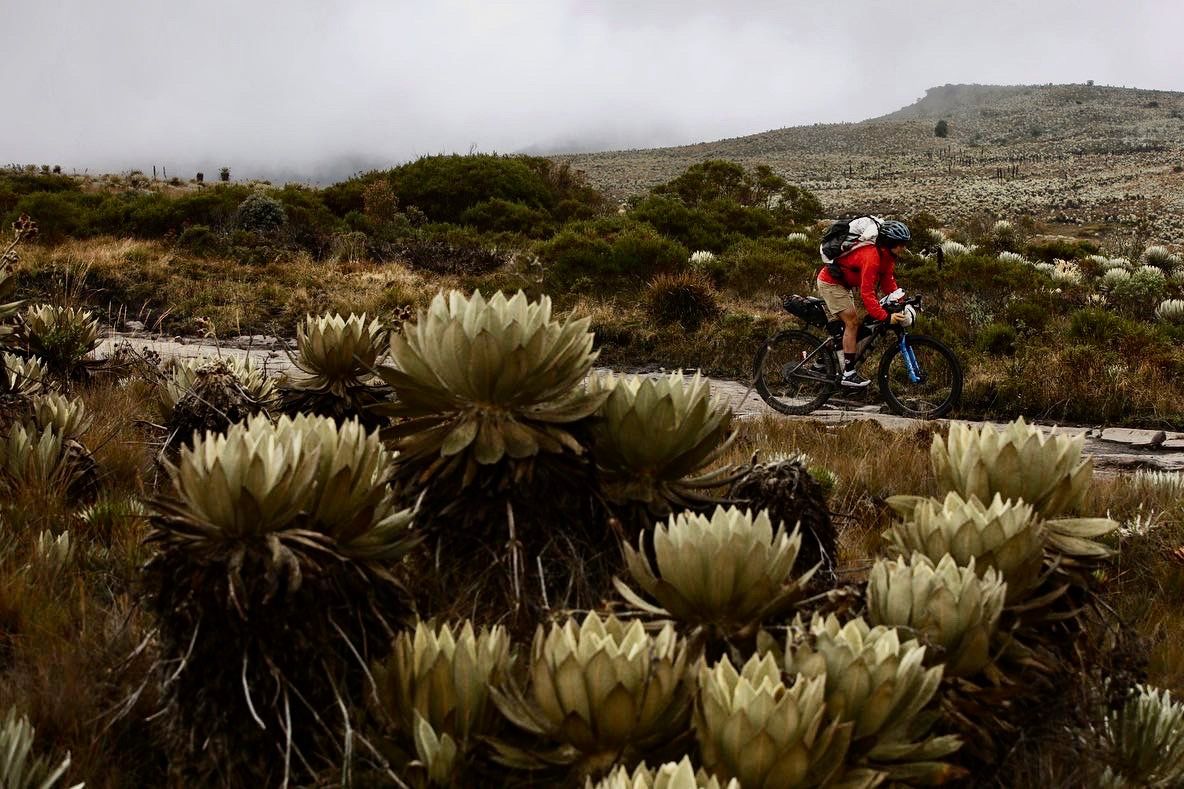
Chingaza Loop – Bikepacking Colombia Scouting
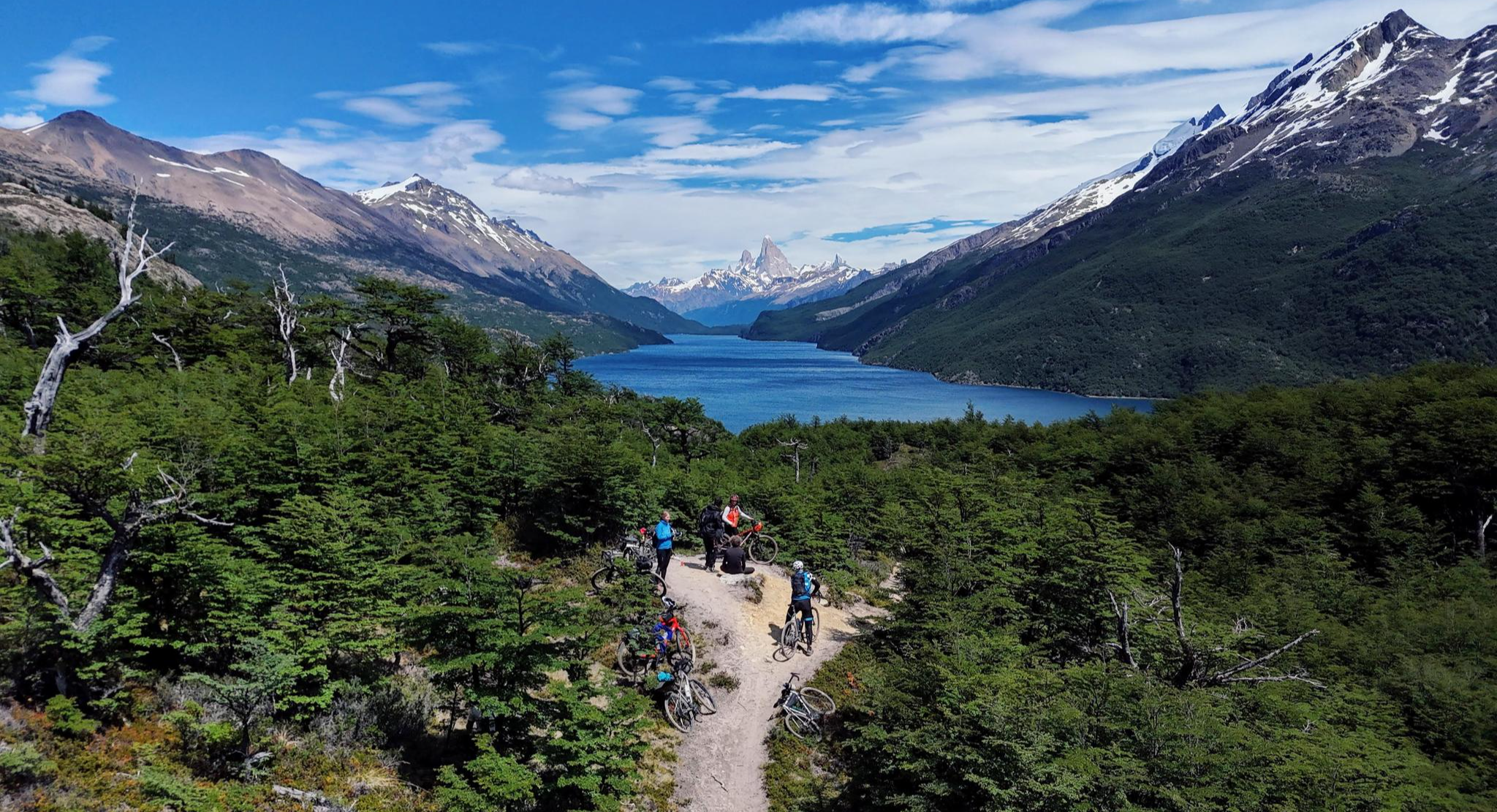
South American Epic — From Cartagena to Ushuaia
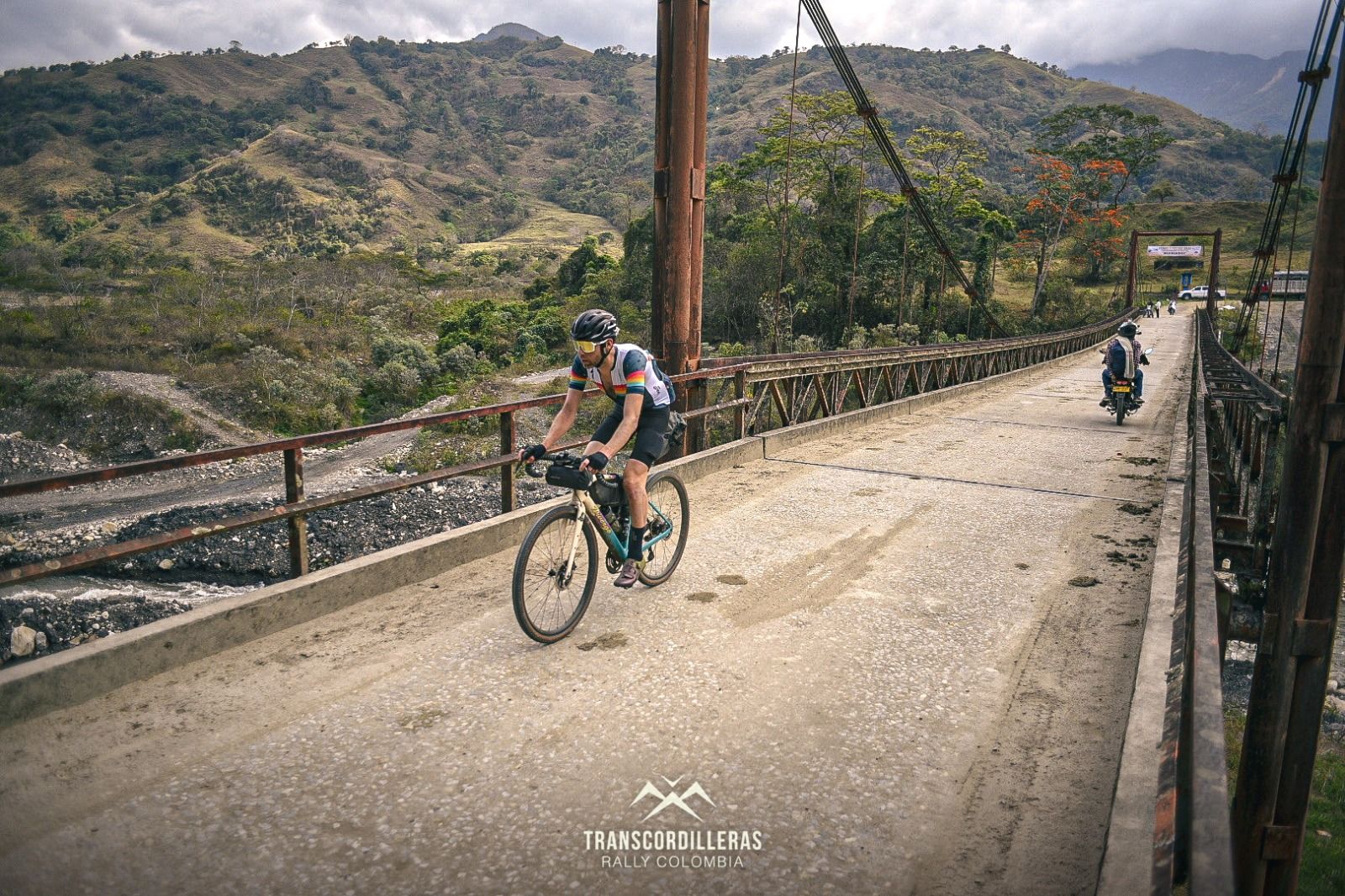
Transcordilleras 2022 — eight-day bikepacking race through the Andes
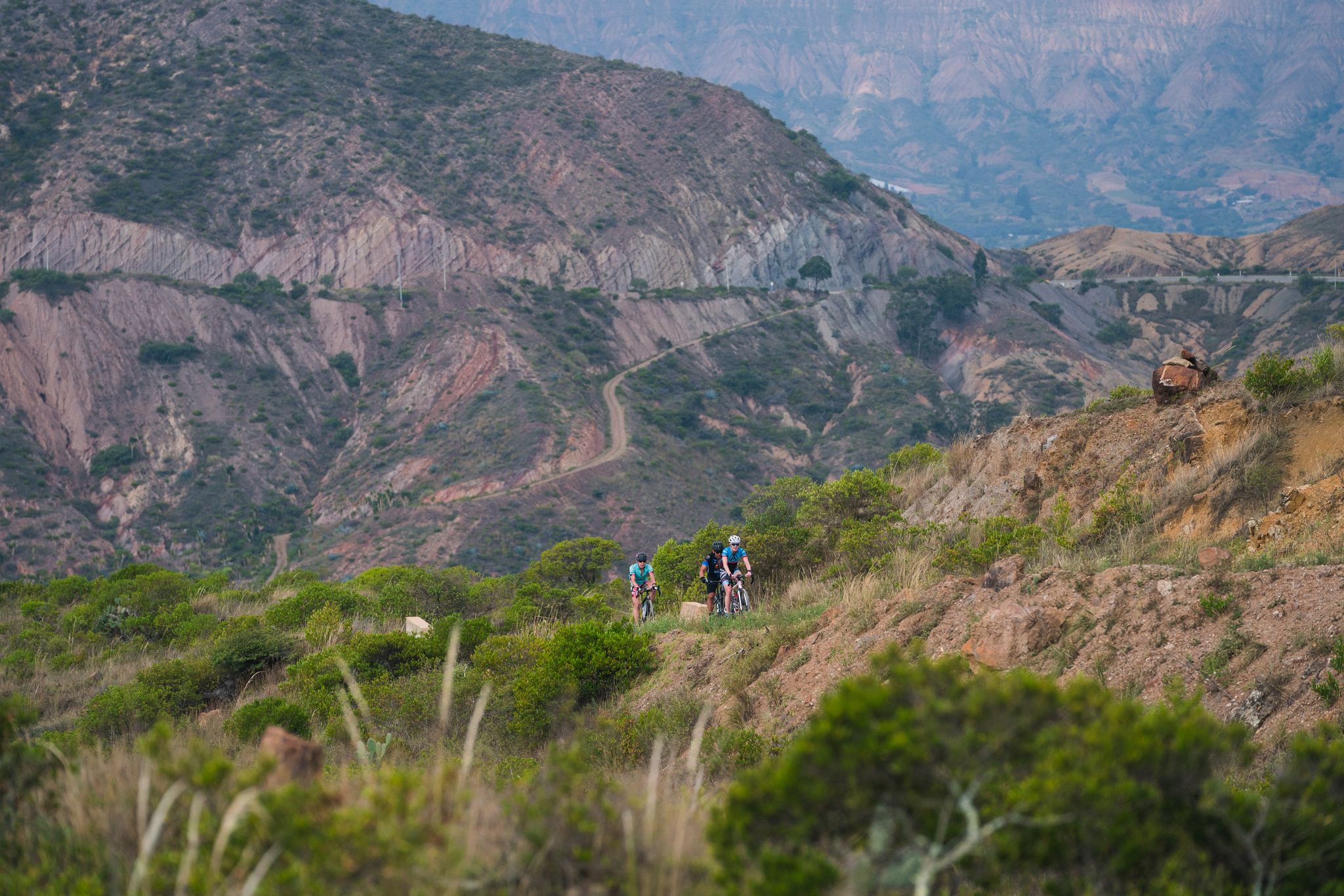
Gravel rides of the Colombian Boyoca region
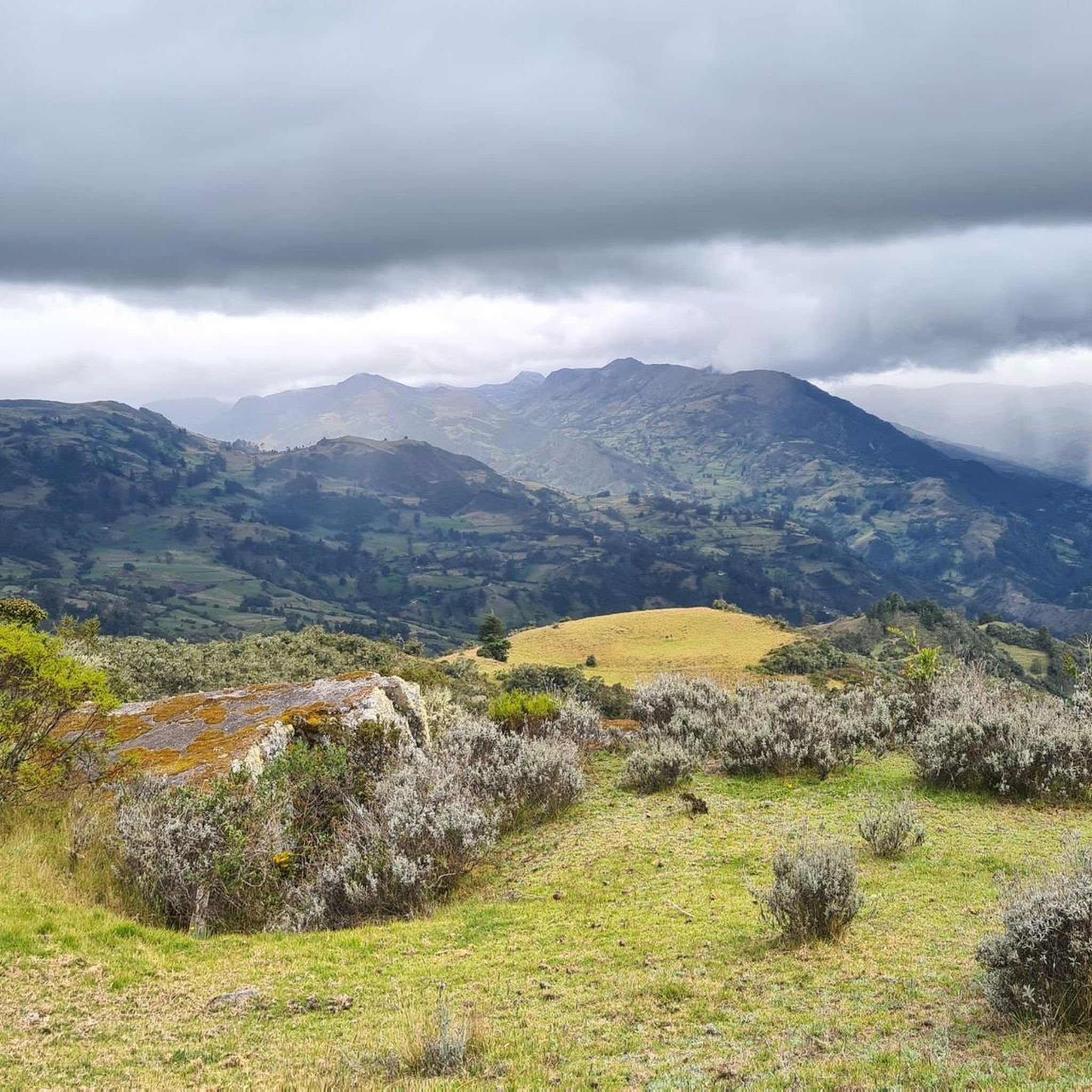
Hiking in the Cordillera Oriental Colombia Venezuela
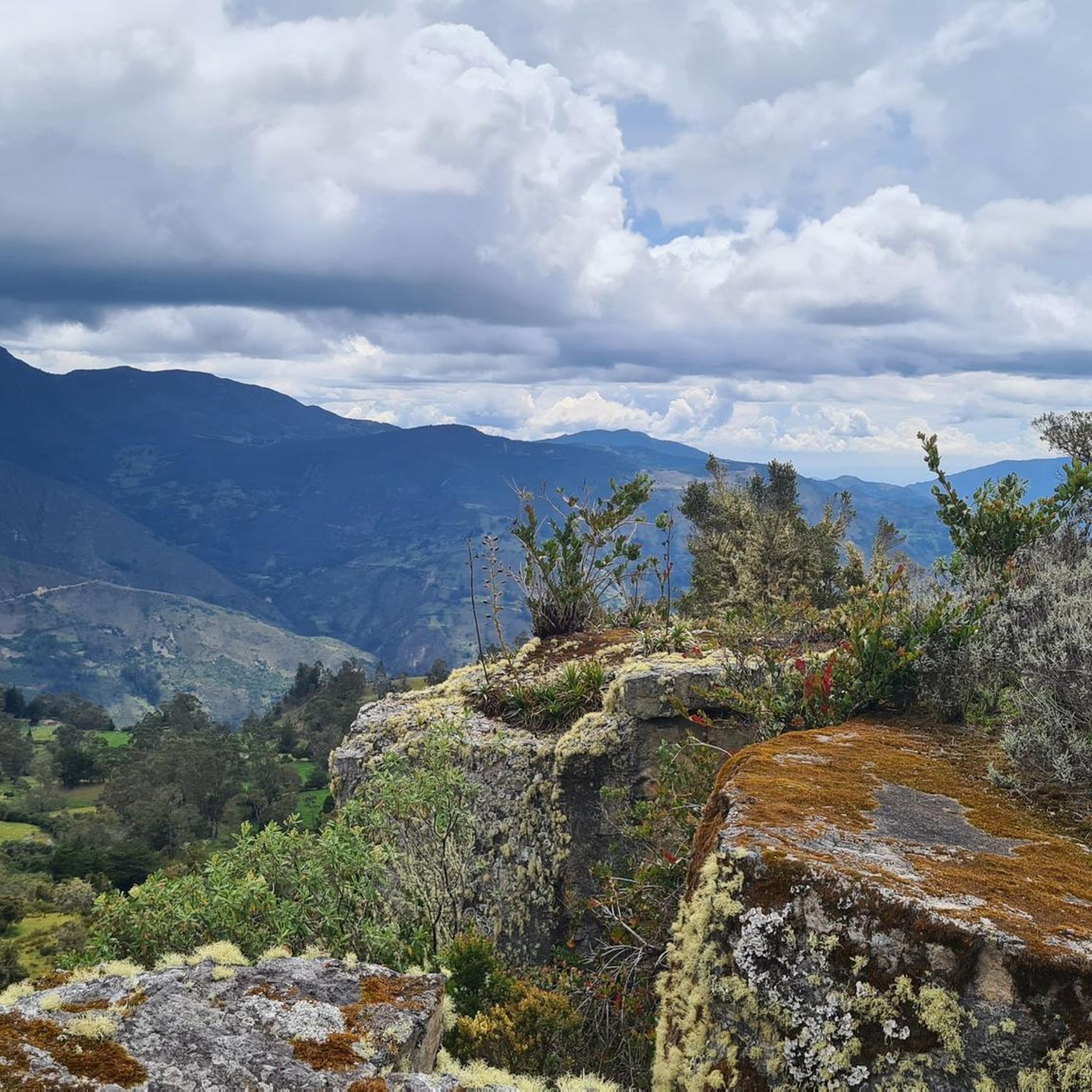
Road Cycling Routes in the Cordillera Oriental Colombia Venezuela
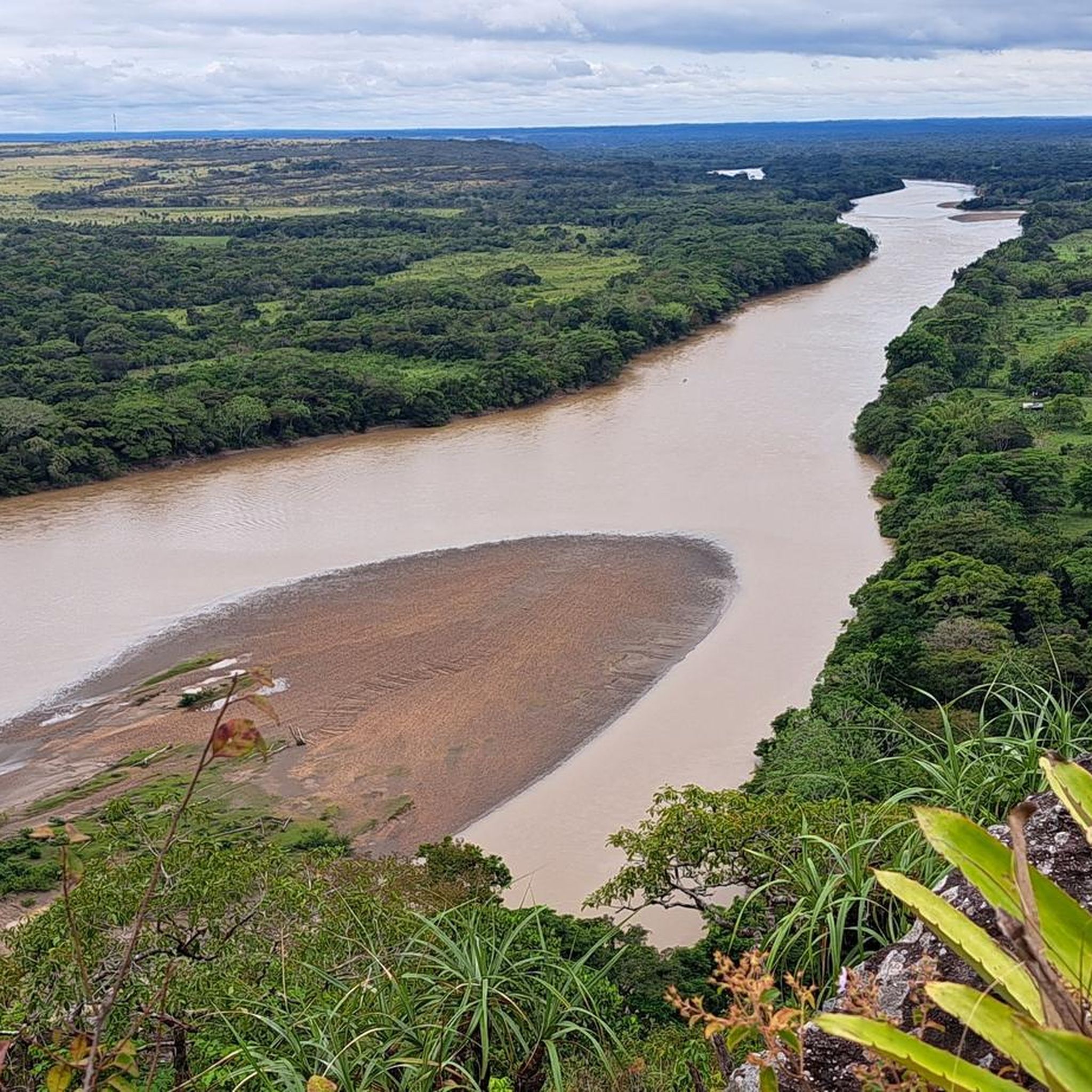
Cycling in the Cordillera Oriental Colombia Venezuela
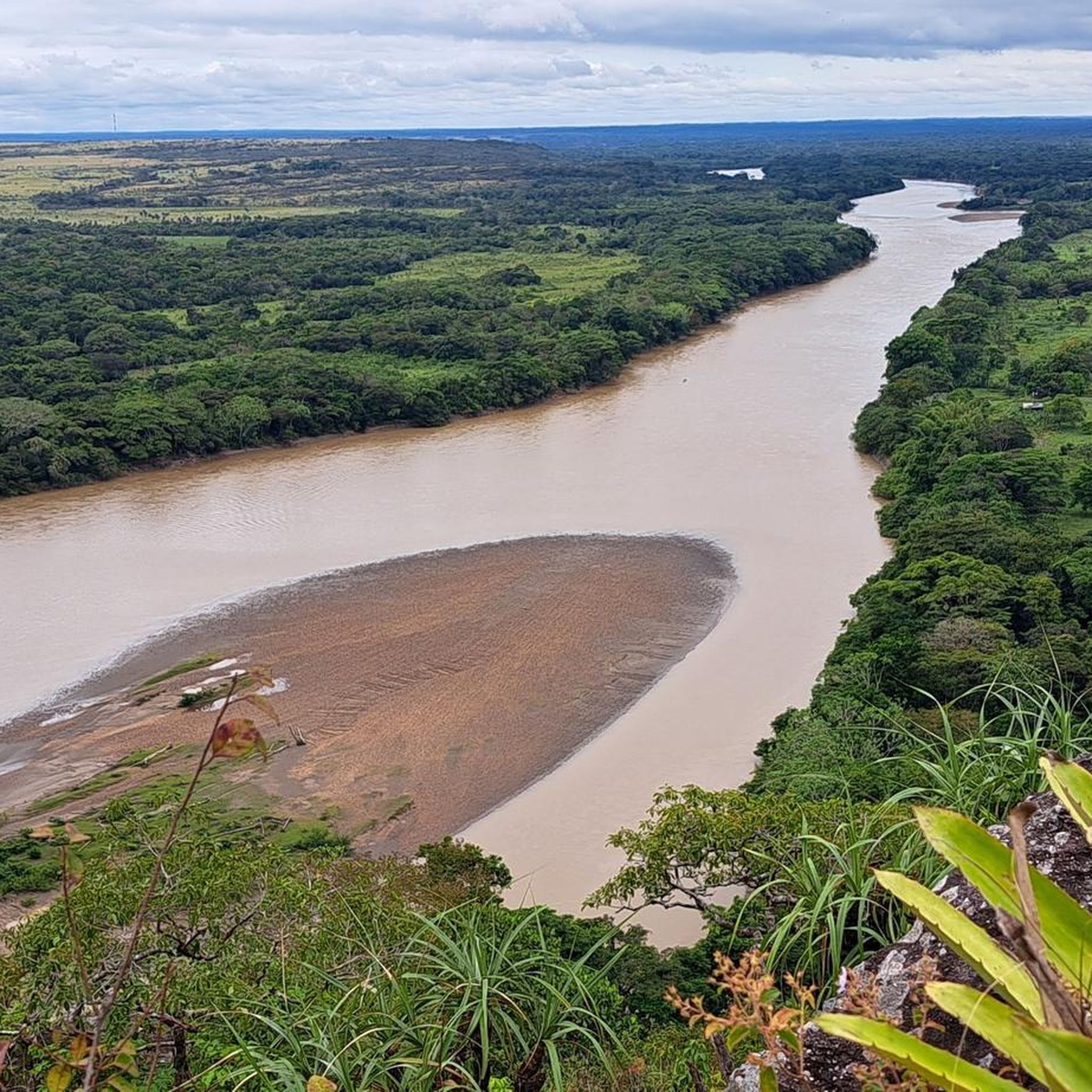
MTB Trails in the Cordillera Oriental Colombia Venezuela
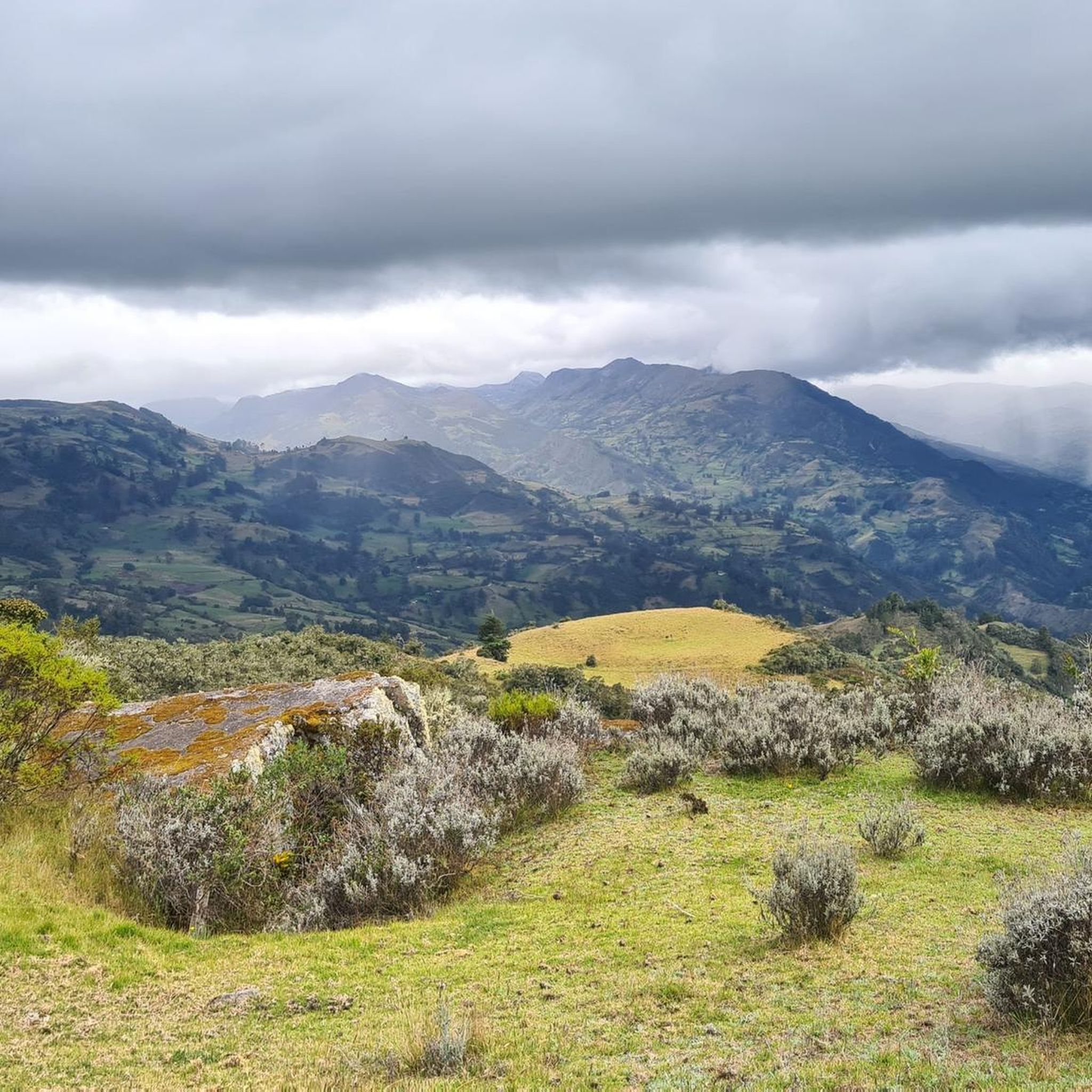
Running Trails in the Cordillera Oriental Colombia Venezuela
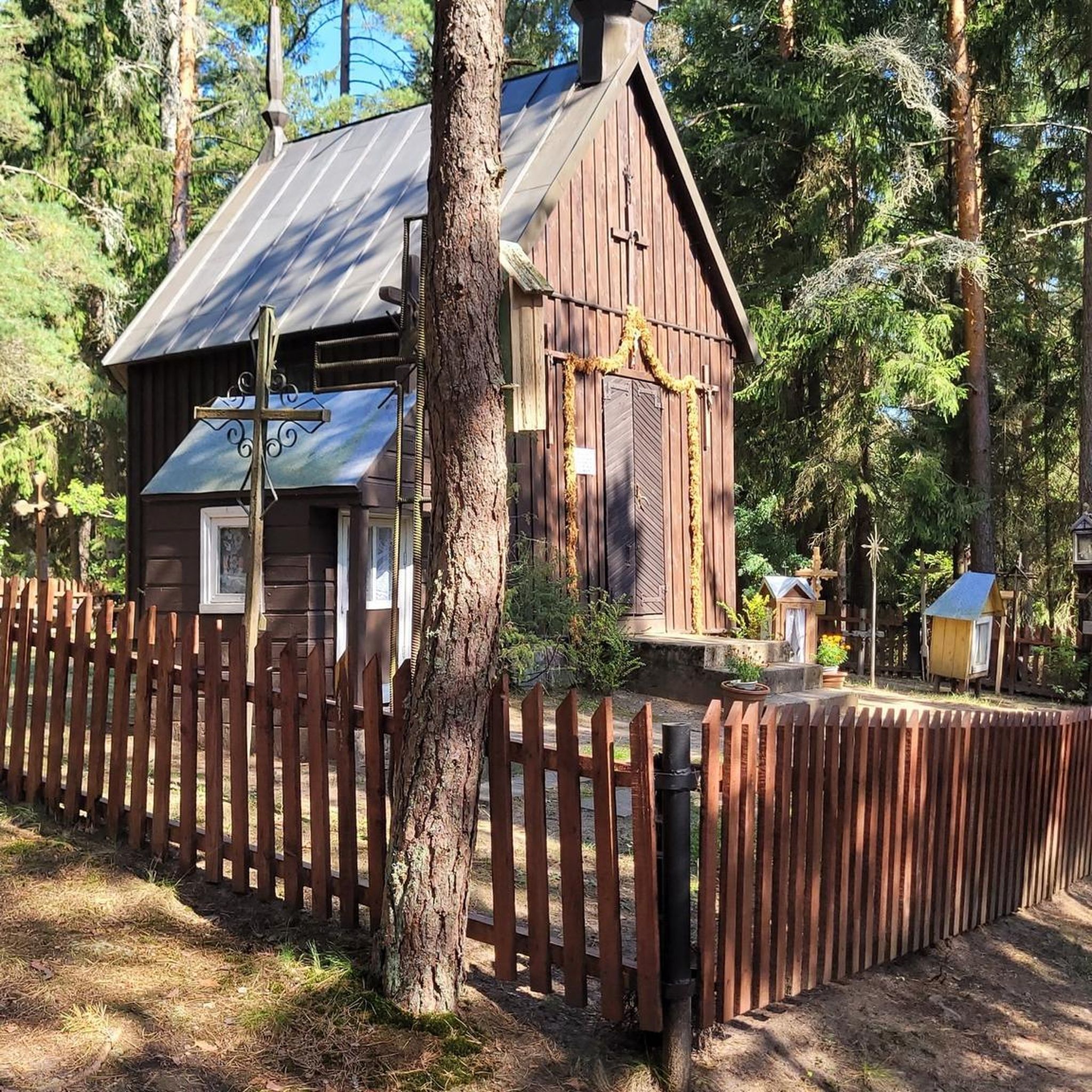
Gravel biking in the Cordillera Oriental Colombia Venezuela
Other adventures in the Cordillera Oriental Colombia Venezuela


Tips from the Community

The Jardín Botánico de Bogotá José Celestino Mutis (Botanical Garden of Bogotá) is located in the Engativá district on Avenida Calle 63. The park covers about 19.5 hectares. It is the largest botanical garden in Colombia and is particularly dedicated to the ecosystems of the Andes and the Páramo. Highlights include a waterfall, a rose garden with over 70 species, and greenhouses (Tropicario) for different climate zones. Opening hours: Tuesday to Friday: 08:00 – 17:00. Weekends and public holidays: 09:00 – 17:00.
0
0
The Christ statue at the viewpoint "Mirador El Santo Sagrado Corazón de Jesús" towers over a hill northeast of the town center of Villa de Leyva. The statue is often simply referred to as "El Santo" or as the statue of the "Most Sacred Heart of Jesus" (Sagrado Corazón de Jesús). It is located on a ridge and offers a wide panoramic view of the colonial village of Villa de Leyva and the surrounding mountain landscape. The ascent is moderate, but steep and rocky in places. A hike takes about 45 to 60 minutes for the ascent.
0
0

The drinks are expensive, and the air is polluted. The road is narrow; you have to be careful of the vehicles.
0
0
The perfect place to take a break
0
0

Cold, beautiful place, be prepared for the cold, respect this place, do not throw garbage, do not shout, there the water is born...
0
0
Good bike route, quiet place... generally cold
0
0

Very nice and a place for high performance athletes
0
0
highly recommended
0
0
Frequently Asked Questions
What types of natural monuments can I explore in the Cordillera Oriental Colombia Venezuela?
The Cordillera Oriental offers a wide variety of natural monuments, including stunning waterfalls like Tequendama Falls, serene lakes such as Chisacá Lagoon, Sumapaz National Natural Park, and impressive geological formations like the Chicamocha Canyon. You'll also find unique ecosystems like high-altitude páramos and cloud forests.
Are there family-friendly natural monuments in the Cordillera Oriental?
Yes, several natural monuments are suitable for families. For instance, Neusa Reservoir offers facilities and opportunities for birdwatching and camping. Lake Tota is another family-friendly option, appreciated for its natural setting and views.
What outdoor activities can I do near the natural monuments in this region?
The Cordillera Oriental provides numerous opportunities for outdoor activities. You can find various waterfall hikes, explore running trails, or enjoy road cycling routes. Many natural monuments are integrated into these networks, offering diverse experiences for all skill levels.
Which natural monuments are known for their unique geological features?
The Cordillera Oriental boasts several natural monuments with distinctive geological formations. The Chicamocha Canyon is a prime example, known for its vast scale and impressive landscapes. In Colombia, Los Estoraques Unique Natural Area (not listed in highlights but mentioned in research) features towering, eroded earth columns, creating a surreal environment.
Are there any natural monuments with historical significance?
Yes, Lake Guatavita holds significant historical importance as the origin of the legend of “El Dorado.” Indigenous Muisca people made offerings into the lake, and it is now accessible via guided tours that delve into its rich past.
What are some notable high-altitude natural monuments in the region?
The region is famous for its high-altitude páramos. Chisacá Lagoon, Sumapaz National Natural Park, is located within the world's largest páramo ecosystem, offering a unique cold, high-altitude experience. Sierra Nevada del Cocuy National Natural Park (Colombia) is another example, featuring snow-capped peaks and glacial lakes.
What can I expect regarding wildlife and unique flora at these natural monuments?
The Cordillera Oriental is a biodiversity hotspot. You can expect to see unique flora such as frailejones in the páramos. Wildlife varies by location but can include spectacled bears and diverse bird species in areas like Chingaza National Natural Park (Colombia). Venezuela's Cueva del Guácharo National Park is renowned for its oilbirds.
What do visitors appreciate most about the natural monuments in the Cordillera Oriental?
Visitors frequently highlight the stunning views and natural beauty. For example, Tequendama Falls is praised for its amazing view. Many also appreciate the tranquility and the opportunity to connect with nature, often describing places like La Regadera Reservoir as 'worth going' and 'cold place'.
Are there any natural monuments that are particularly challenging for hikers?
For those seeking a challenge, Laguna Grande de la Sierra is categorized as a challenging natural monument, offering rewarding views for experienced hikers. Many high-altitude páramos and mountain trails also present intermediate to difficult conditions.
Which natural monuments are known for their water features?
The region is rich in water features. Besides Tequendama Falls and El Chiflón Waterfall, there are numerous lakes and reservoirs. Caño Cristales, known as the 'River of Five Colors,' is a unique riverine natural monument, though it requires specific timing to see its vibrant aquatic plants.
What is the best time to visit the natural monuments in the Cordillera Oriental?
The best time to visit generally depends on the specific monument and activity. The Cordillera Oriental experiences varying weather due to its diverse altitudes. For high-altitude páramos, be prepared for cold conditions year-round. For areas like Caño Cristales, specific seasons are required to witness its unique colors. Always check local conditions and recommendations for your chosen destination.
Most popular routes in the Cordillera Oriental Colombia Venezuela
Most popular attractions in the Cordillera Oriental Colombia Venezuela

Get inspired with the komoot mobile app


Explore more
Extend your search for the best caves by checking out these guides of the top ones in the Cordillera Oriental Colombia Venezuela:
