Top 15 Natural Monuments in the Jiri Massif
Best natural monuments in the Jiri Massif are found within Jirisan National Park, South Korea's first national park. This region features diverse landscapes, including rugged peaks, deep valleys, and pristine streams. The Jiri Massif is known for its significant natural beauty and rich biodiversity. It offers numerous hiking trails that traverse varied terrain.
Best natural monuments in the Jiri Massif
- The most popular natural monument is Cheonwangbong Peak, Jirisan National Park, a summit that is the highest mountain on…
Last updated: September 29, 2026
Cheonwangbong Peak, Jirisan National Park
Highlight • Summit
Translated by Google •
Tip by

Tongcheonmun (Rock Gate) — Jirisan National Park
Highlight • Natural Monument
Translated by Google •
Tip by

Sign up now to discover places like this
Get recommendations on the best single tracks, peaks, & plenty of other exciting outdoor places.
Daedunsan Peak 879 m
Highlight • Summit
Tip by

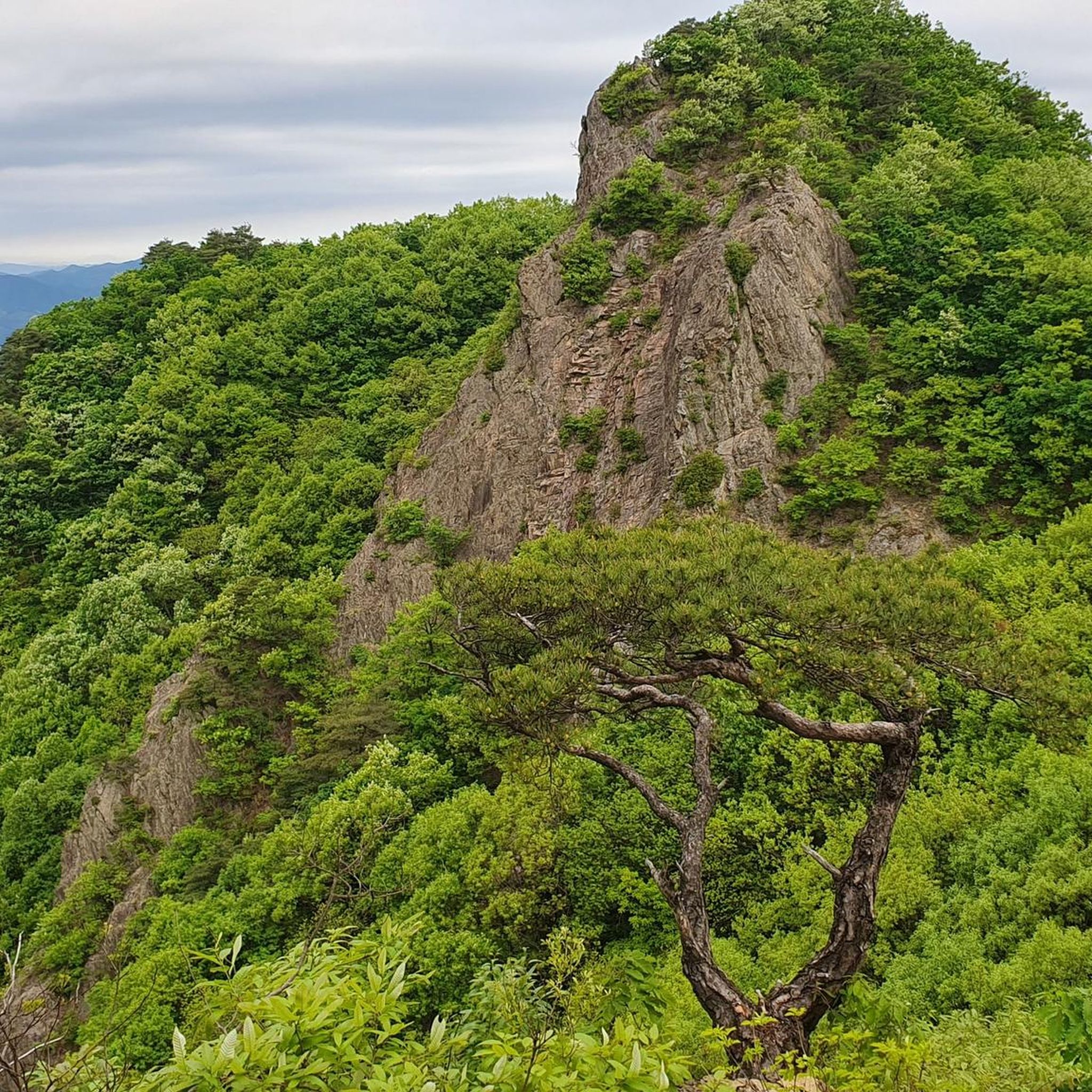
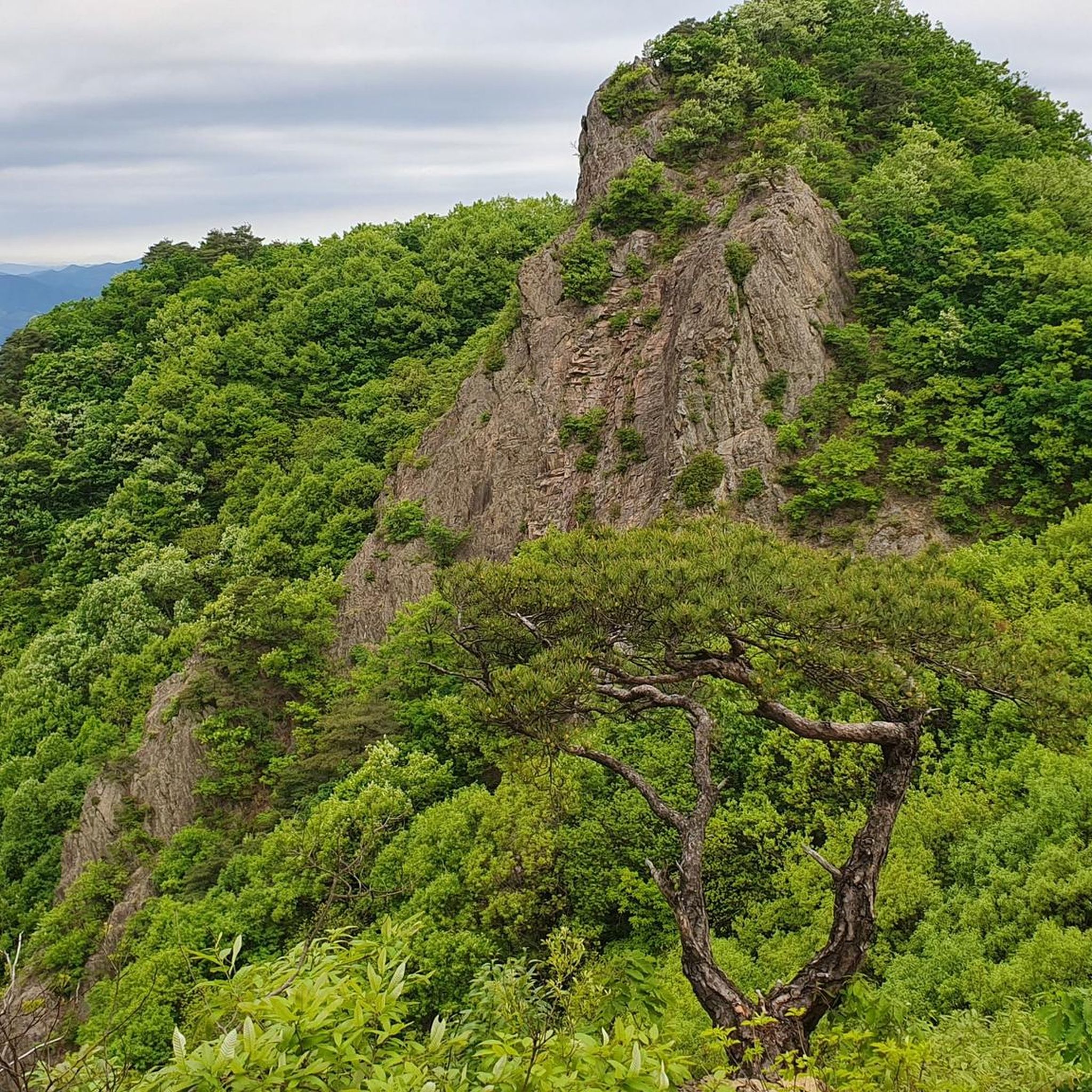
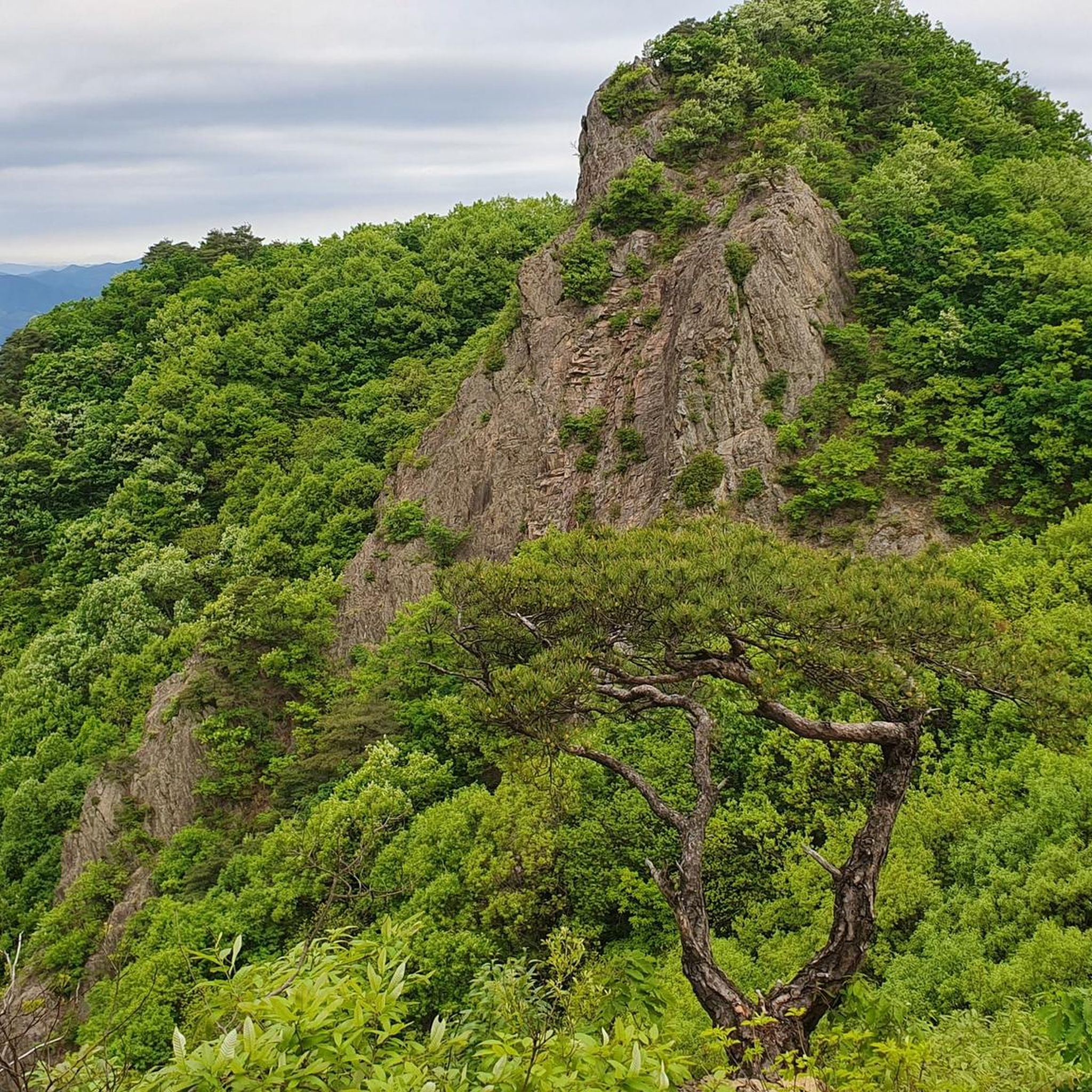
View of the Rocky Mountain Peak with Windswept Pine
Highlight • Viewpoint
Translated by Google •
Tip by

Temple
Highlight • Religious Site
Translated by Google •
Tip by
Seoraebong - 624 m
Highlight • Summit
Translated by Google •
Tip by
Seonnamsa Rock-Carved Standing Buddha
Highlight • Monument
Translated by Google •
Tip by

Seobong Peak (1,492 m), Deogyusan National Park
Highlight • Summit
Translated by Google •
Tip by
Janggunbong 884 m
Highlight • Summit
Translated by Google •
Tip by
Hanshin Waterfall
Highlight • Waterfall
Translated by Google •
Tip by
Sign up for free to discover even more natural monuments in the Jiri Massif.
Already have an account?
Start today with a free account
Your next adventure awaits.

Tips from the Community

Cool rock formation. The path is well-maintained with many steps and some ladders, so good shoes are essential. Due to the altitude, there is often snow or ice, so crampons or poles are also recommended.
0
0
A stunning view from the summit of the highest mountain on the Korean Peninsula. Despite the cold November weather, the summit was quite busy.
0
0
The highest mountain on the Korean Peninsula, offering correspondingly good views. The climb shouldn't be underestimated, and the temperature is quite cold and windy due to the high altitude. Snow can also linger at the summit for a long time.
0
0
First peak on my hike down from the valley after a very steep uphill hike with many steps. The views are though absolutely stunning and some of the best, as you can see both towards Naejangsan peak opposite and back to the city of Jeongeup. Very rewarding hike and not too technical, it just requires fitness, good legs and lungs to hike up here.
0
0

The Baekmudong to Cheonwangbong section has many stone steps, so shoes with good grip are essential.
0
0

Going to Jogyesan to eat barley rice~ The barley rice is really delicious.
0
1

Descending from a bamboo-lined trail, you reach this waterfall (upper part of Hanshin Valley). The water surges against the rocks, tumbling and tumbling, before entering a cavern below. Unlike many waterfalls in Hanshin Valley, this one is off-limits and not widely known, but its dynamic flow is a spectacular sight. The final stretch of the trail to the lower part of Hanshin Valley requires a rope descent down a steep, rocky path. The return to the main trail also requires a steep, slippery climb, making it dangerous immediately after rain.
0
0
An iron ladder path through a hole in a rock that must be passed through in order to climb up to Cheonwangbong after passing Jeseokbong. Even in the 1980s, when there were almost no facilities on the Jirisan trail, there was a Tongcheonmun iron ladder.
0
0
Frequently Asked Questions
What unique geological formations can I explore in the Jiri Massif?
The Jiri Massif is home to several distinctive geological features. One notable example is Tongcheonmun (Rock Gate), an iron ladder path that passes through a natural hole in a rock, a necessary passage for climbers heading towards Cheonwangbong. Additionally, Nogodan Peak is famous for its 'Sea of Clouds' phenomenon, where clouds fill the valleys below, creating a breathtaking spectacle.
Which peaks offer the best panoramic views in the Jiri Massif?
For expansive views, Cheonwangbong Peak, as the second-highest mountain in South Korea, provides unparalleled vistas. Nogodan Peak is celebrated for its panoramic views of the entire region, especially its 'Sea of Clouds.' Banyabong Peak offers stunning sunset views, particularly in summer. Daedunsan Peak 879 m also provides great views and is accessible via a cable car.
What are the most challenging natural monuments to reach in the Jiri Massif?
Reaching Cheonwangbong Peak is a challenging endeavor, involving many stone steps and often cold, windy conditions at high altitudes. The path through Tongcheonmun (Rock Gate) is also considered challenging, requiring good shoes and sometimes crampons due to ice. The trail to Hanshin Waterfall is also categorized as challenging.
Are there any natural monuments with cultural or historical significance?
Yes, several natural monuments in the Jiri Massif hold cultural and historical importance. Nogodan Peak is considered a sacred ground and place of pilgrimage, featuring small shrines and stone pagodas. Eunsusa Temple, located within the Maisan Mountain area, was founded much earlier than Tapsa Temple and features ancient trees planted by King Taejo. Additionally, the Seonnamsa Rock-Carved Standing Buddha is a significant historical and religious site.
When is the best time to visit the natural monuments in the Jiri Massif?
The best time to visit depends on what you wish to experience. For vibrant autumn colors, Piagol Valley is legendary, especially during its 'Samhong' period. In spring, from early May to late June, the Seseok plateau transforms with colorful azalea blooms. For sunrise views, Cheonwangbong Peak is popular, though weather can be unpredictable. Summer offers stunning sunsets from Banyabong Peak.
What kind of wildlife can I expect to see in the Jiri Massif?
Jirisan National Park, which encompasses much of the Jiri Massif, is renowned for its rich biodiversity. It is a significant habitat for diverse flora and fauna, including the endangered Asiatic black bear. Visitors may also encounter various bird species and other forest animals, especially in less frequented areas like Chilseon-gyegok.
Are there any notable waterfalls or significant water features in the Jiri Massif?
Yes, the Jiri Massif is characterized by an extensive network of streams and waterfalls. Hanshin Waterfall is a prominent feature. Another notable example is Bulil Falls, located southeast of Ssanggye Temple, known for the resonant sound its water makes. The Seomjin River, originating in the Jirisan mountains, is celebrated for its exceptionally clean waters, often compared to blue silk.
What outdoor activities can I do near the natural monuments in the Jiri Massif?
The Jiri Massif offers a wide range of outdoor activities. You can find numerous hiking trails, from strenuous treks to leisurely walks. For cycling enthusiasts, there are many road cycling and touring bicycle routes available. Running trails are also popular. You can explore more options and detailed routes in the Road Cycling Routes in the Jiri Massif, Cycling in the Jiri Massif, and Running Trails in the Jiri Massif guides.
What should I wear when hiking to natural monuments in the Jiri Massif, especially in winter?
Given the varied terrain and high altitudes, appropriate footwear with good grip is essential for hiking in the Jiri Massif. For challenging sections like Tongcheonmun (Rock Gate), good shoes are crucial. In winter, or at higher elevations where snow and ice can linger, crampons or poles are highly recommended. Temperatures at summits like Cheonwangbong Peak can be quite cold and windy, so layered clothing is advisable.
Are there any hidden natural monuments or less-known spots worth discovering?
While many natural monuments are well-known, Chilseon-gyegok (Seven Gods Valley) is often described as the last wild forest remaining in Jirisan. It offers an untamed natural experience with enchanted purity and beautiful sights, making it a great spot for those seeking a less-crowded, pristine natural environment.
What do visitors enjoy most about the natural monuments in the Jiri Massif?
Visitors frequently praise the stunning views from the summits, particularly the extensive panoramas from Cheonwangbong Peak. The unique geological formations, such as Tongcheonmun (Rock Gate), are also highly appreciated. Many find the challenging trails rewarding, and the diverse natural beauty, from vibrant autumn foliage in Piagol Valley to spring azaleas at Seseok, leaves a lasting impression.
Are there any natural monuments suitable for photography?
Absolutely. The Jiri Massif offers numerous picturesque locations for photography. The sunrise views from Cheonwangbong Peak and the 'Sea of Clouds' at Nogodan Peak are particularly popular. Banyabong Peak is renowned for its stunning sunsets. The vibrant autumn colors of Piagol Valley and the spring azalea blooms at Seseok also provide incredible photographic opportunities.
Most popular routes in the Jiri Massif
Most popular attractions in the Jiri Massif

Get inspired with the komoot mobile app


Explore more
Extend your search for the best caves by checking out these guides of the top ones in the Jiri Massif:
