Top 4 Natural Monuments around Mount Bozburun
Natural monuments around Mount Bozburun offer a diverse landscape characterized by rugged mountains, pine forests, and an indented coastline. This region in southwest Turkey provides a variety of natural features for exploration. The area is known for its geological formations, ancient trees, and pristine coastal areas. It serves as a destination for those seeking natural beauty and outdoor activities.
Top natural monuments around Mount Bozburun
- The most popular natural monuments is Natural stone bridge over the Köprüçay River, a…
Last updated: May 14, 2026
Natural stone bridge over the Köprüçay River
Highlight • Bridge
Translated by Google •
Tip by

View of Köprülü Canyon from Oluk Bridge
Highlight • Viewpoint
Tip by

Sign up now to discover places like this
Get recommendations on the best single tracks, peaks, & plenty of other exciting outdoor places.
Sign up for free
Eşek Köprüsü (Donkey Bridge), Köprülü Canyon National Park
Highlight • Bridge
Translated by Google •
Tip by
View of ancient Selge
Highlight • Viewpoint
Translated by Google •
Tip by

Gelin Kavağı Waterfall
Highlight • Waterfall
A gravel road branches off from the asphalt road, which you follow for a while on foot or by car.
The branch …
Translated by Google •
Tip by

Theatre Passage in Köprülü Canyon National Park
Highlight • Historical Site
Translated by Google •
Tip by
Adamkayalar – Stone People
Highlight • Natural Monument
Translated by Google •
Tip by
Start today with a free account
Your next adventure awaits.
Login or Signup
Tips from the Community

A conglomerate rock formation that originated during the formation of the area. The softer rocks have been eroded and washed away by the Köprüçay River, while the harder ones have remained.
0
0

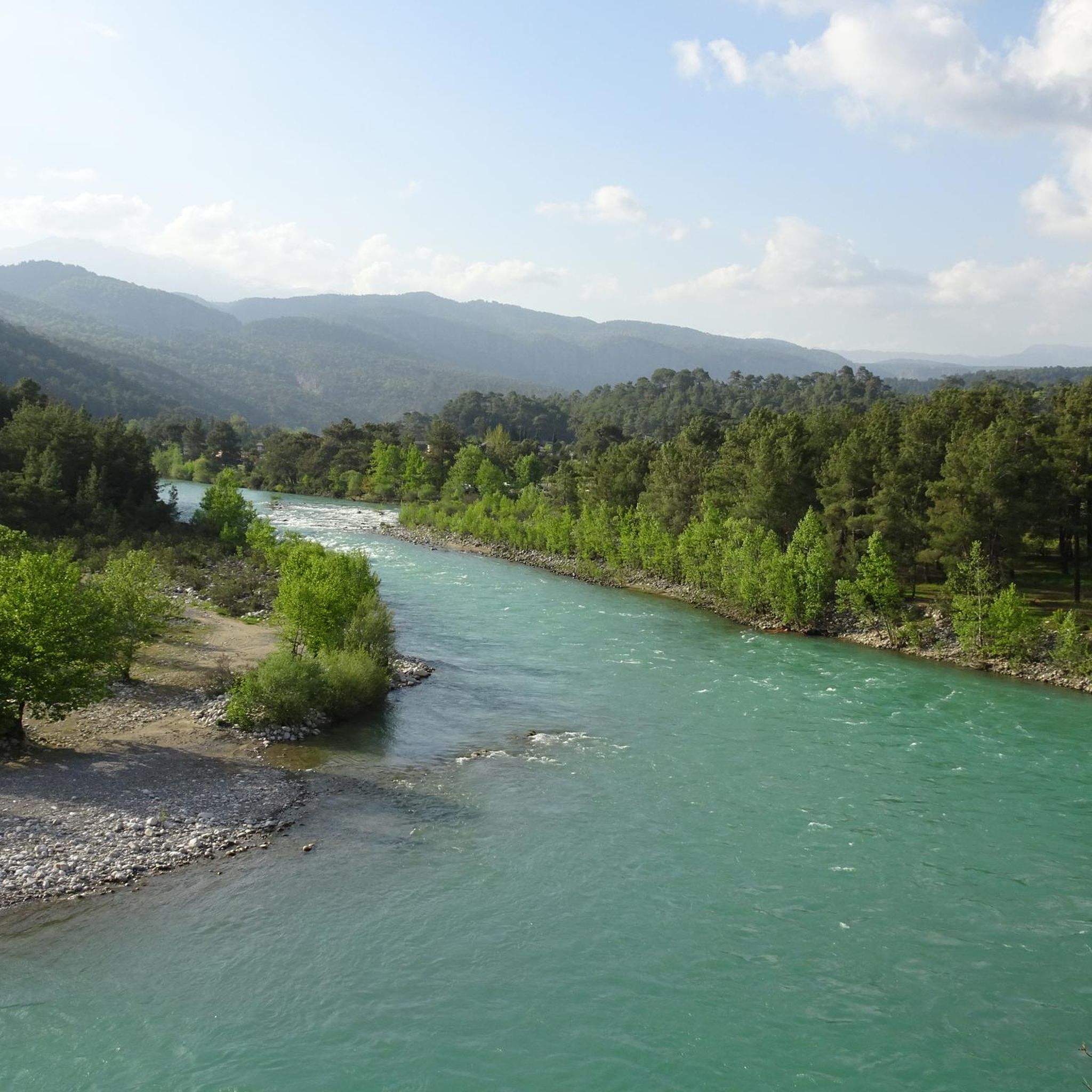
The Oluk Bridge (formerly known as the Eurymedon Bridge) is a Roman bridge over the Köprüçay River, formerly known as the Eurymedon, near the ancient city of Selge, the capital of the Roman province of Pisidia in Turkey. The structure was located on a road leading from the Pamphilia coast to Pisidia. Built in a sparsely populated area, the bridge crosses the Köprüçay River near the village of Beşkonak and is notable for its height. The excellently preserved ancient building is 14 meters long and 3.5 meters wide; the street surface is 2.5 meters wide. The clear width of its single arch is about 7 meters, and the thickness of the wedge-shaped, mortarless stones is 60 centimeters. The construction technique used and the strength of the masonry indicate that it was built in the 2nd century AD, Selge's heyday.
0
0
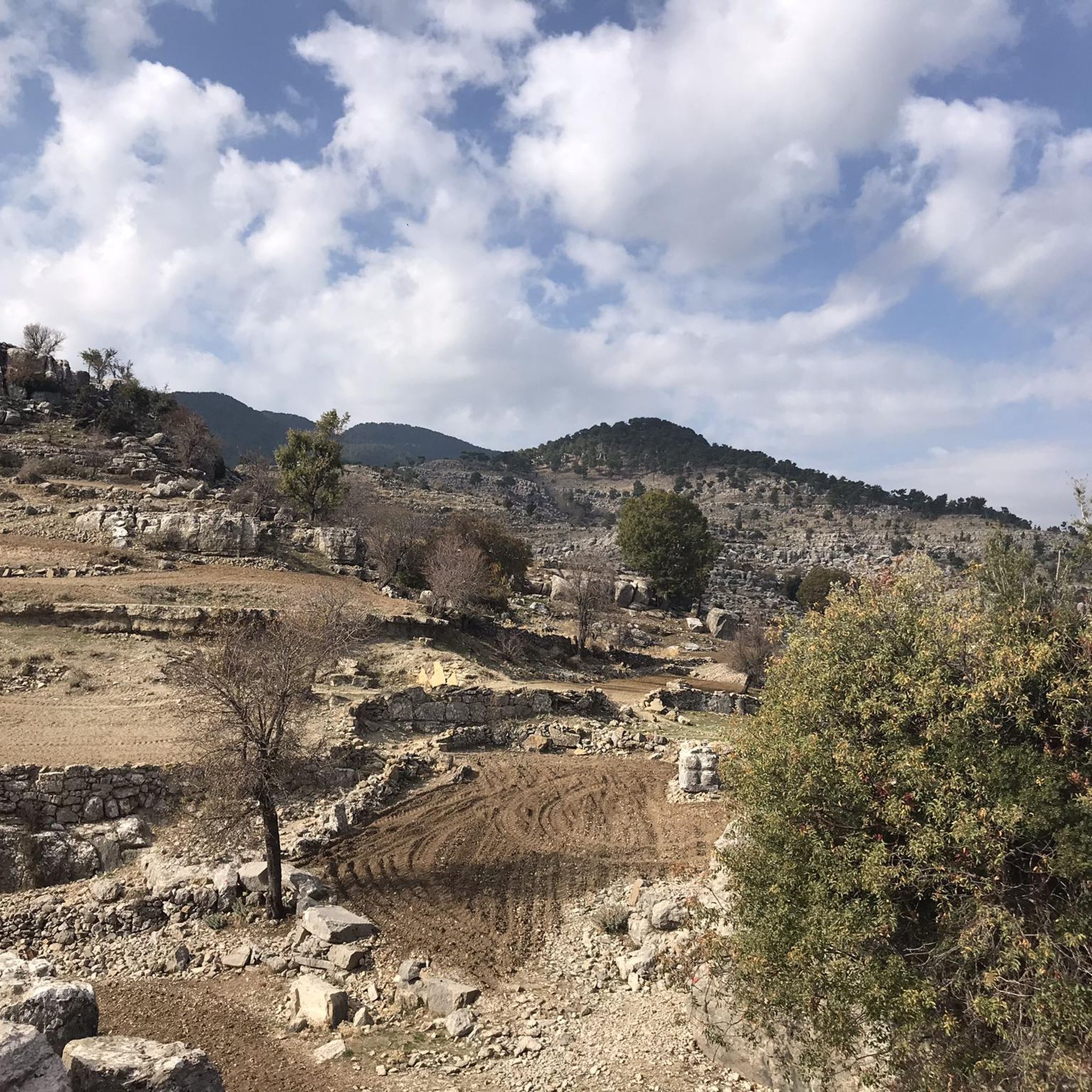
One of most important structure and the only one still standing today is the theatre reconstructed towards the mid-2nd c. AD. It was an amazingly stable construction, given that its diameter was 104 m, while its position between two hills is particularly advantageous. Approximately 10,000 spectators could attend the performances. The auditorium (cavea) was built according to the Greek standards.
0
0
The natural bridge goes through a rock that lies above the river. It is called the donkey bridge (eşek köprüsü) because only donkeys can pass through it as pack animals. There is a warning sign at the top that there may be flooding after heavy rain.
2
0
Natural transition
0
0

Very beautiful waterfall - in a wonderful setting. A gravel road branches off from the asphalt road, which you follow for a while on foot or by car. The branch from the gravel road is marked with small piles of stones (cairns). There is a short path to the waterfall. In the future, the path will also be marked on OSM 😉. Enough water in April 🌊.
0
0
It's actually a bridge. You can't go any further by bike after the bridge.
0
0
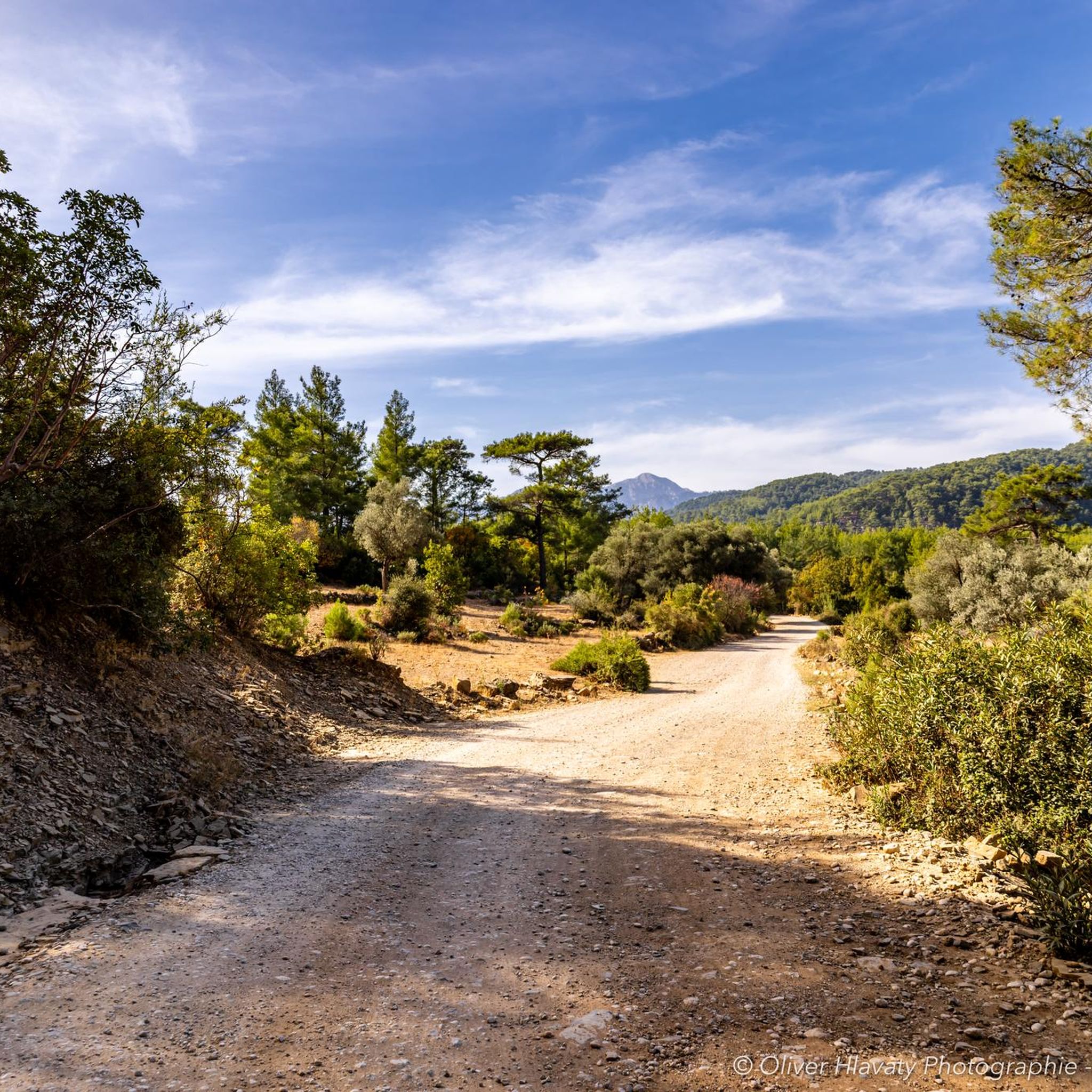
On the other side a hiking trail leads to Selge. There are also signs that the water level can rise very quickly when it rains.
0
0
Frequently Asked Questions
What unique natural features can I explore around Mount Bozburun?
The Mount Bozburun area is rich in diverse natural features. You can experience the unique geological formation of Natural stone bridge over the Köprüçay River, which allows passage over the river. Another notable feature is the Gelin Kavağı Waterfall, offering a refreshing natural spectacle. The region also boasts dramatic canyons and gorges, such as those found near Eşek Köprüsü (Donkey Bridge) in Köprülü Canyon National Park.
Are there any natural monuments with historical significance in the region?
Yes, several natural monuments are intertwined with history. The View of Köprülü Canyon from Oluk Bridge offers perspectives from a Roman bridge dating back to the 2nd century AD, near the ancient city of Selge. You can also find the Theatre Passage in Köprülü Canyon National Park, which is part of the ancient city's impressive theatre structure.
What are the best viewpoints to appreciate the natural beauty of Mount Bozburun?
For breathtaking vistas, visit the View of Köprülü Canyon from Oluk Bridge, which provides stunning perspectives of the canyon. Another excellent spot is the View of ancient Selge, offering an overview of the historical site and its surrounding natural landscape. The entire Bozburun Peninsula itself is known for magnificent views of the Aegean and Mediterranean seas, especially from its wild, rugged mountains.
What kind of outdoor activities can I do near the natural monuments?
The Mount Bozburun area is ideal for various outdoor activities. You can explore numerous hiking trails, including those leading from the Natural stone bridge over the Köprüçay River to Selge. For cycling enthusiasts, there are many routes available. You can find detailed guides for Road Cycling Routes, General Cycling, and MTB Trails around Mount Bozburun.
Are there any family-friendly natural attractions in the Mount Bozburun area?
While specific family-friendly ratings for individual natural monuments are not always available, the unique experience of walking on the sandbar at Kızkumu Beach (Orhaniye) is often enjoyed by families due to its shallow waters. The tranquil atmosphere of Bayır Village, with its ancient plane tree, also offers a peaceful setting for all ages. When hiking, look for trails marked as 'easy' or 'intermediate' to ensure they are suitable for children.
What is the best time of year to visit the natural monuments around Mount Bozburun?
The Bozburun Peninsula generally offers pleasant weather for outdoor activities for much of the year. Spring (April-May) and autumn (September-October) are often considered ideal, with milder temperatures perfect for hiking and exploring. Summers can be hot, making coastal activities more appealing, while winters are generally mild but can bring rain, potentially affecting trail conditions.
Can I find any hidden natural gems or less-known spots in the region?
Beyond the more prominent sites, the Bozburun Peninsula itself is considered a hidden gem, known for its unspoiled beauty and commitment to avoiding mass tourism. Ada Boğazı (Ada Strait) in Yeşilova Gulf is a secluded spot favored by those seeking tranquility, offering pristine clear waters and vibrant marine life away from crowds. Exploring the numerous bays and inlets along the highly indented coastline can also reveal hidden natural treasures.
What do visitors enjoy most about the natural monuments in Mount Bozburun?
Visitors particularly appreciate the unique geological formations, such as the Natural stone bridge over the Köprüçay River, which is noted for its natural transition. The historical context combined with natural beauty, like the well-preserved Roman Oluk Bridge offering canyon views, is also highly valued. The opportunity to explore ancient sites like Selge from a vantage point, allowing for planning and discovery, is another highlight.
Are there any specific hiking trails or routes recommended for exploring the natural monuments?
Many natural monuments are accessible via hiking trails. For instance, a hiking trail leads from the Natural stone bridge over the Köprüçay River to Selge. The broader Bozburun Peninsula is also traversed by the Carian Trail, an extensive hiking route that showcases the region's diverse terrain and impressive rock formations. You can find more hiking options in the Mount Bozburun guide.
What are the general characteristics of the landscape around Mount Bozburun?
The Bozburun Peninsula is characterized by a wild and rugged landscape. It features steep, pine-forested mountains, a highly indented coastline with numerous bays and islets, and dramatic rock formations. This combination of mountains meeting the sea creates a stunning and diverse environment, offering magnificent views and a true connection with nature.
Is there public transport available to reach the natural monuments?
While specific public transport details for each individual natural monument are not provided, the Bozburun Peninsula is generally a tranquil region. Access to some of the more secluded natural monuments might require private transport or local taxis. For popular villages like Bayır, local dolmuş (minibus) services might be available, but it's advisable to check local schedules for specific routes and destinations.
Are there any natural rock formations or unique geological sites to see?
Yes, the region is known for its geological formations. The Natural stone bridge over the Köprüçay River is a prime example of a unique natural rock formation. Additionally, the Adamkayalar – Stone People is another intriguing natural monument featuring distinctive rock formations. The entire mountainous and coastal landscape of the Bozburun Peninsula itself showcases impressive rock formations.
Most popular attractions around Mount Bozburun

Get inspired with the komoot mobile app


Explore more
Extend your search for the best caves by checking out these guides of the top ones around Mount Bozburun:
