Top 5 Natural Monuments in the Kaiparowits Plateau
Best natural monuments in the Kaiparowits Plateau are found within this vast, elevated landform in southern Utah, which is part of the Grand Staircase–Escalante National Monument. The region is characterized by its rugged terrain, diverse geological features, and significant paleontological sites. It offers opportunities to explore unique rock formations, extensive pinyon-juniper woodlands, and remote landscapes. The Kaiparowits Plateau provides a setting for discovering natural landmarks and experiencing its wild character.
Best natural monuments in the Kaiparowits Plateau
- The most popular…
Last updated: September 29, 2026
Grosvenor Arch
Highlight • Natural Monument
Tip by

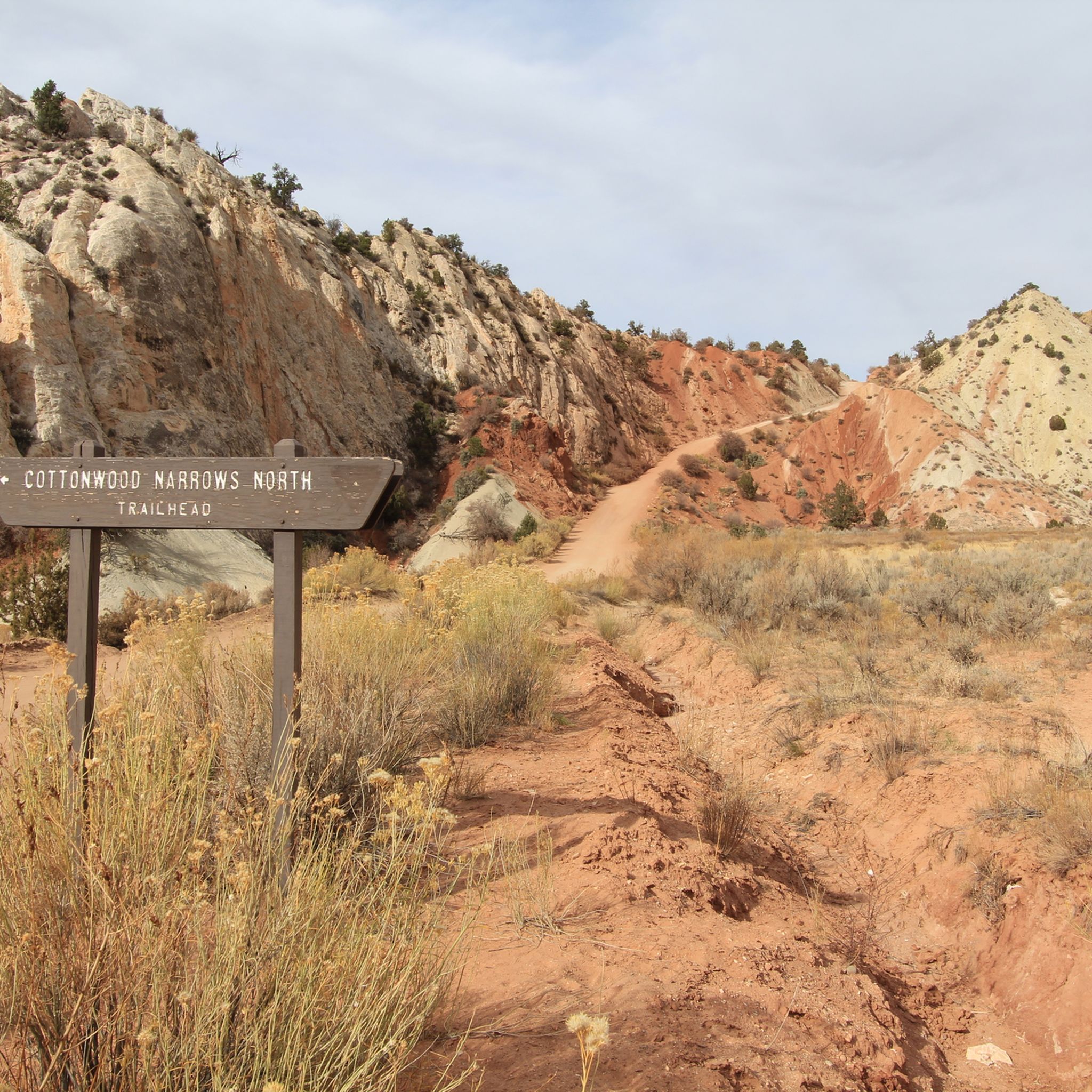
Cottonwood Narrows South Trailhead
Highlight • Canyon
Tip by

Sign up now to discover places like this
Get recommendations on the best single tracks, peaks, & plenty of other exciting outdoor places.
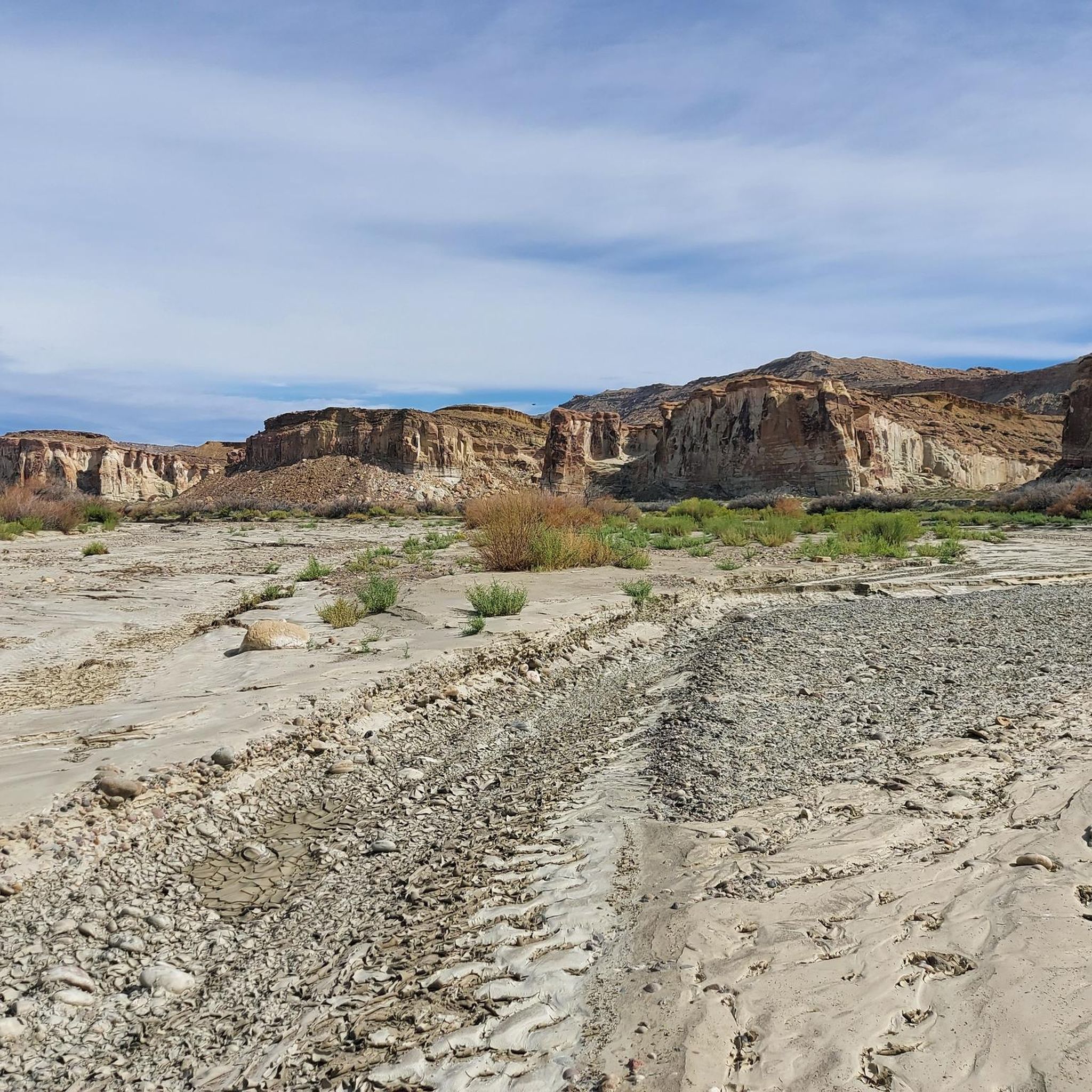
Grand-Staircase Escalante National Monument
Highlight • Natural Monument
Tip by
Bull Valley Gorge
Highlight (Segment) • Gorge
Tip by

Start today with a free account
Your next adventure awaits.
Popular around Kaiparowits Plateau
Tips from the Community

It is really beautiful to walk between the cliffs.
1
0

Bull Valley Gorge is an interesting hike, due to the geology of the area as well as the evidence that remains from a car accident that happened over the gorge in the 1950s. A car hangs at the top of the deep gorge just off of the road, frozen in time.
0
0
The trail to Grosvenor Arch is very short and you can see the arches from afar in the parking lot. The rock that the double arch is in towers high above the desert. This arch is named after the first permanent editor of National Geographical Magazine. He was the editor-in-chief of the magazine for 55 years.
0
0

Cottonwood Narrows South entrance along the 45 miles Cottonwood Canyon scenic road.
2
0

The Grosvenor Arch measures up to 30 meters in diameter and is absolutely impressive. If you dare to take the Cottonwood Canyon Road in Grand-Staircase Escalante, you should visit the double arch. A short hiking trail leads to the foot of this fascinating natural monument. By the way, the Grosvenor Arch is named after Gilbert Hovey Grosvenor, the first permanent editor of the National Geographic Magazine. He headed the magazine as editor-in-chief for 55 years.
2
0
From the Cottonwood Narrows, Hackberry Canyon, Paria Box to the Gosvenor Arch – Grand-Staircase Escalante National Monument has a lot to offer for hiking, mountain biking or just exploring. Dispersed camping is permitted in some areas, but a (free) backcountry permit is required. You can get the permit at the entrance roads from small boxes. To enter the National Monument you should have at least a 4x4 vehicle. Watch for the weather and avoid driving along the backcountry roads in rain.
2
0
Frequently Asked Questions
What are some of the most popular natural monuments to visit in the Kaiparowits Plateau?
Visitors frequently explore Yellow Rock Trail, known for its steep climb to a multicolored slick rock formation offering panoramic views. Another highly regarded spot is Grosvenor Arch, an impressive double arch formation accessible via a short trail. The Cottonwood Narrows South Trailhead is also popular for its scenic canyon walk through narrow passages and sculpted rock formations.
Are there family-friendly natural monuments in the Kaiparowits Plateau?
Yes, Grosvenor Arch is considered family-friendly. A short, easy trail leads directly to the base of this magnificent double arch, making it accessible for most ages and activity levels. The impressive scale of the arch is sure to captivate visitors of all ages.
What kind of geological features can I expect to see in the Kaiparowits Plateau?
The Kaiparowits Plateau is rich in diverse geological features. You'll encounter towering sandstone cliffs like the Straight Cliffs, impressive hogback formations such as The Cockscomb, and unique rock formations like the white sandstone hoodoos found on the Wahweap Hoodoos Trail. The region is also famous for its numerous slot canyons, including Willis Creek Narrows and Cottonwood Narrows, carved by water over millennia, and natural arches like Grosvenor Arch.
What outdoor activities can I do near the natural monuments in the Kaiparowits Plateau?
The Kaiparowits Plateau offers a variety of outdoor activities. Hiking is very popular, with options ranging from easy walks through slot canyons to challenging climbs. You can find detailed hiking routes in the Hiking in the Kaiparowits Plateau guide. For those looking for easier walks, explore the Easy hikes in the Kaiparowits Plateau. Running enthusiasts can also find suitable trails, such as those listed in the Running Trails in the Kaiparowits Plateau guide.
Are there any challenging trails or climbs among the natural monuments?
Yes, for those seeking a challenge, the Yellow Rock Trail involves a steep and strenuous climb up a giant, multicolored slick rock formation. Additionally, exploring areas like Bull Valley Gorge and certain sections of the Grand-Staircase Escalante National Monument can present challenging terrain and require careful navigation.
What is the best time of year to visit the natural monuments in the Kaiparowits Plateau?
The Kaiparowits Plateau is best visited during the spring (April-May) and fall (September-October) months. During these seasons, temperatures are milder, making hiking and exploration more comfortable. Summer can be extremely hot, and winter can bring cold temperatures and occasional snow, making some roads and trails impassable.
What should I know about accessibility and vehicle requirements for visiting the Kaiparowits Plateau?
The Kaiparowits Plateau is a remote region, and many roads are unpaved. For accessing areas like the Grand-Staircase Escalante National Monument and its various natural monuments, a 4x4 vehicle is often recommended, especially for backcountry roads. It's crucial to check weather conditions, as rain can quickly make dirt roads impassable. Some popular spots, like Grosvenor Arch, are accessible via shorter, well-maintained trails from parking areas.
Are there opportunities for wildlife viewing in the Kaiparowits Plateau?
Yes, the Kaiparowits Plateau's diverse ecosystems, including pinyon-juniper woodlands and arid landscapes, support a variety of wildlife. While specific viewing spots aren't highlighted, visitors often encounter desert bighorn sheep, mule deer, various bird species, and smaller desert animals. Early morning and late afternoon are generally the best times for wildlife observation.
What makes the Kaiparowits Plateau significant from a paleontological perspective?
The Kaiparowits Plateau is globally significant for its paleontological treasures. Its sedimentary rock formations, particularly the Kaiparowits Formation, are an exceptionally rich source of Late Cretaceous period fossils. Numerous dinosaur species previously unknown to science have been discovered here, making it a vital area for research and offering a unique connection to prehistoric life. The Big Water visitor center specifically focuses on these dinosaur discoveries.
What are some unique natural features beyond arches and slot canyons?
Beyond the well-known arches and slot canyons, the Kaiparowits Plateau features distinctive landmarks like the Straight Cliffs, which define the plateau's northeastern edge with their striking layered sandstone. Fiftymile Mountain offers impressive panoramic views, and The Cockscomb presents a dramatic, saw-toothed hogback formation. The region also boasts extensive pinyon-juniper woodlands, creating a unique green landscape amidst the red rock scenery.
What do visitors enjoy most about the natural monuments in the Kaiparowits Plateau?
Visitors consistently praise the remote, rugged, and wild character of the Kaiparowits Plateau. They appreciate the opportunities for solitude, the dramatic geological formations, and the sense of discovery in a fossil-rich environment. Many are captivated by the panoramic views from spots like Yellow Rock Trail and the immersive experience of hiking through narrow canyons like Cottonwood Narrows South Trailhead.
Most popular routes in the Kaiparowits Plateau
Most popular attractions in the Kaiparowits Plateau

Get inspired with the komoot mobile app


Explore more
Extend your search for the best caves by checking out these guides of the top ones in the Kaiparowits Plateau:
