Top 5 Natural Monuments in the Clearwater Range
Natural monuments in the Clearwater Range showcase diverse landscapes shaped by ancient geological forces and glacial activity. This region, spanning parts of Idaho, Montana, and Washington, features rugged mountain peaks, deep canyons, and unique hydrological features. The area is also rich in cultural significance, particularly for the nimíipuu people. Visitors can explore vast wilderness areas and experience untouched nature.
Best natural monuments in the Clearwater Range
- The most popular natural monuments is Camas Prairie viewpoint & historic marker, a…
Last updated: June 26, 2026
Heart of the Monster
Highlight • Natural Monument
Tip by

Salmon River Canyon
Highlight • Canyon
Tip by

Sign up now to discover places like this
Get recommendations on the best single tracks, peaks, & plenty of other exciting outdoor places.
Sign up for free
Jerry Johnson Hot Springs
Highlight • Natural Monument
Tip by

Middle Fork Clearwater Wild and Scenic River
Highlight • River
Tip by

Camas Prairie viewpoint & historic marker
Highlight • Viewpoint
Tip by
Start today with a free account
Your next adventure awaits.
Login or Signup
Popular around Clearwater Range
Tips from the Community

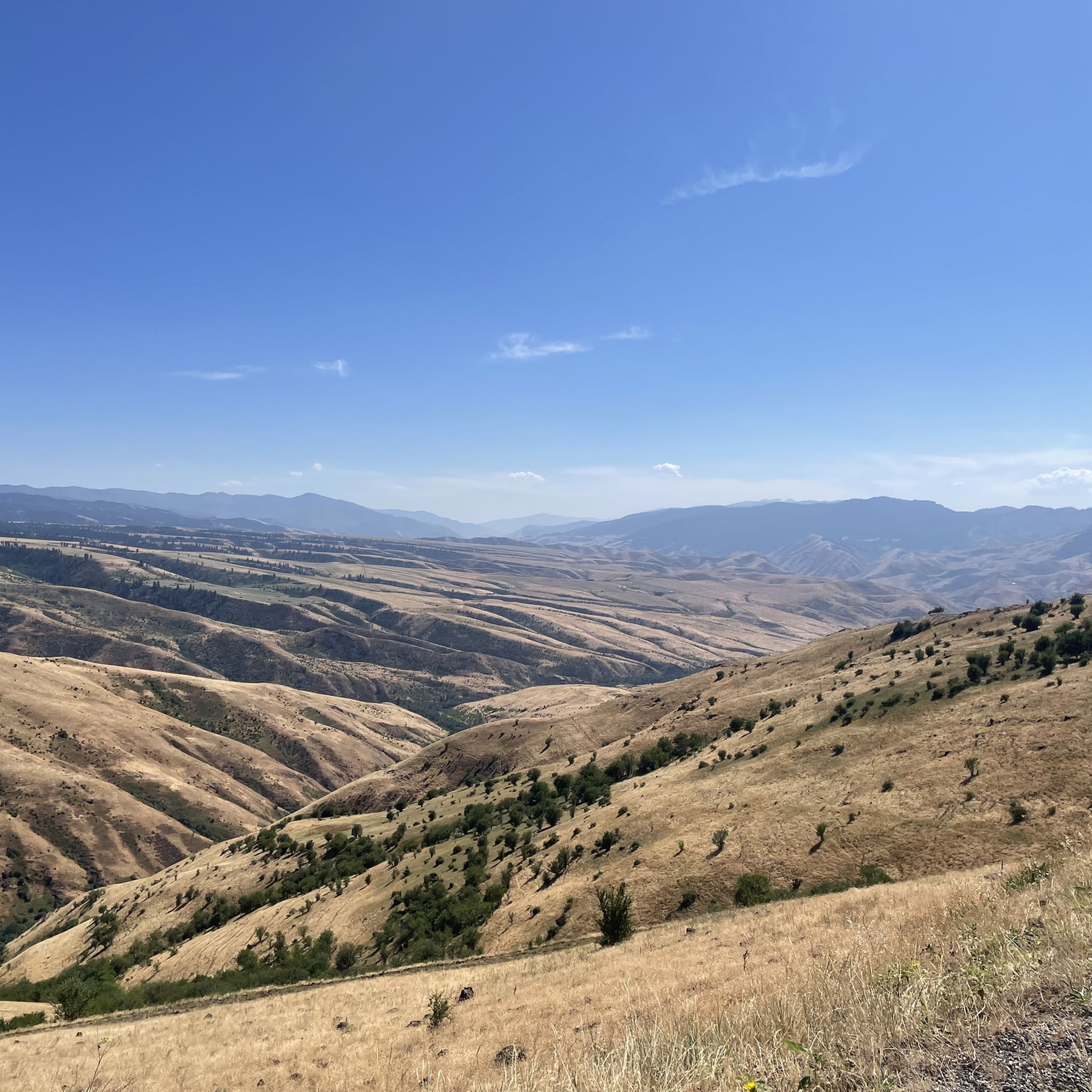
Camas Prairie is not just grassland – it is an historic place. Tolo Lake, just south of the prairie, was a gathering place and in 1877 Nimiipuu bands gathered here after they were ordered to leave their home in the Wallows in Oregon. It is the origin of the Nez Perce flight of 1877. The Camas Prairie is named after the perennial camassia or camas. The bulbs of this blue-flowering plant were a crucial food source for the Native Americans.
2
0
Around 15 million years ago, the majestic Salmon River made its way through Miocene lava beds a carved a gorge. Later in time, the area rose, mountain developed and the river carved an even deeper canyon into the hard rock below and created Salmon River Canyon. A stunning place to take a break.
3
0

According to the nimíipuu creation story, Iceye’ye (Coyote) killed a large monster along the Clearwater River near present day Kamiah, Idaho, thus creating different tribes in the region, including the nimíipuu. A rock formation in the area is said to represent the heart of the monster described in the legend. It is sacred to the nimíipuu people.
0
0

Jerry Johnson Hot Springs, being one of the most accessible hot springs in the area, is also the most popular. Three distinct pools are fed by separate sources. The largest and nearest to the trail may be submerged by the river during the spring ice melt. Follow cairns to find the smaller pools further from the river bed.
1
0

This section of river is part of the National Wild and Scenic Rivers System and is a major point for salmon migration. Following the trail to the Elevator Mountain Trail junction, hikers are afforded views of nearby summits such as Gardiner Peak and Elevator Mountain.
0
0
Frequently Asked Questions
What are some of the most popular natural monuments in the Clearwater Range?
Visitors frequently enjoy the Camas Prairie viewpoint & historic marker, which offers both scenic views and historical significance. Another favorite is the dramatic Salmon River Canyon, known for its deep geological formations. For relaxation, Jerry Johnson Hot Springs is a popular and accessible choice.
Are there any culturally significant natural monuments in the Clearwater Range?
Yes, the region holds deep cultural importance. The Heart of the Monster near Kamiah, Idaho, is sacred to the nimíipuu people, representing a key site in their creation story. Additionally, the Camas Prairie viewpoint & historic marker commemorates a gathering place for Nimiipuu bands in 1877, marking the origin of the Nez Perce flight.
What unique geological features can I explore in the Clearwater Range?
The Clearwater Range showcases diverse geological formations. You can see rugged, glaciated terrain with alpine cirques and lake basins in areas like the Selway Crags and the Mallard-Larkins Pioneer Area. The Salmon River Canyon itself is a testament to the river carving through Miocene lava beds and hard rock. Columnar Basalts, remnants of ancient flood basalt eruptions, are also visible in river valleys.
Are there hot springs to visit in the Clearwater Range?
Yes, the Clearwater National Forest is home to natural hot springs. Jerry Johnson Hot Springs is one of the most accessible and popular, featuring three distinct pools. Weir Creek Hot Springs is another option, accessible via trails, offering a relaxing soak amidst the wilderness.
What kind of wildlife can I expect to see in the Clearwater Range?
The vast wilderness areas of the Clearwater Range are rich in wildlife. Visitors often spot moose, black bear, cougar, bald eagles, and mountain goats. The Clearwater National Forest is also known for elk and wolves. The Clearwater Corridor Natural Resources Conservation Area in Washington is particularly vital for elk habitat.
Are there family-friendly natural monuments in the Clearwater Range?
The Camas Prairie viewpoint & historic marker is considered family-friendly, offering an accessible location with both scenic views and historical context. While Jerry Johnson Hot Springs is popular, access involves a short hike, so consider the abilities of younger family members.
What outdoor activities can I do near these natural monuments?
The Clearwater Range offers extensive opportunities for outdoor activities. You can enjoy hiking, climbing, and backpacking in wilderness areas like the Selway-Bitterroot and Gospel-Hump Wildernesses. The Lochsa and Clearwater Rivers provide excellent conditions for rafting, kayaking, and fishing. For hiking specifically, you can find trails near many natural monuments, including those around Jerry Johnson Hot Springs. Explore more hiking options in the region on the Hiking in the Clearwater Range guide.
Where can I find dramatic river landscapes in the Clearwater Range?
The region is defined by its powerful rivers. The Salmon River Canyon offers a stunning example of a river carving through ancient rock. The Middle Fork Clearwater Wild and Scenic River is another prime location, recognized for its natural beauty and importance for salmon migration. The Lochsa and Clearwater Rivers also flow through scenic forest areas, providing opportunities for whitewater and quiet pools.
What kind of forest environments can I find in the Clearwater Range?
The Clearwater Range encompasses diverse forest types. The Clearwater National Forest features vast expanses of mountains and river drainage areas, home to a variety of tree species. In Washington, the Clearwater Corridor Natural Resources Conservation Area preserves a unique 2,323-acre mature coastal forest with Sitka spruce, western hemlock, red alder, and bigleaf maple, showcasing the distinct Pacific Northwest ecosystem.
What is the best time to visit the natural monuments in the Clearwater Range?
The best time to visit largely depends on your desired activities. Summer (June to September) offers the warmest weather and best access for hiking, backpacking, and water activities like rafting. Spring and fall provide cooler temperatures, vibrant foliage, and fewer crowds, though some higher elevation areas may still have snow in spring or receive early snow in fall. Winter offers opportunities for snowshoeing and cross-country skiing, but access to many natural monuments can be limited by snow.
Are there opportunities for wilderness exploration and solitude?
Absolutely. A significant portion of the Clearwater Mountains lies within vast wilderness areas such as the Selway-Bitterroot Wilderness, the Gospel-Hump Wilderness, and the northern part of the Frank Church-River No Return Wilderness. These areas provide extensive opportunities for backcountry exploration, offering solitude and an immersive experience in untouched nature.
What makes the Camas Prairie historically significant?
The Camas Prairie is more than just a grassland; it's a pivotal historic site. Tolo Lake, located just south of the prairie, served as a gathering place for Nimiipuu bands in 1877 after they were ordered to leave their ancestral lands in Oregon. This gathering marked the beginning of the Nez Perce flight of 1877. The prairie is also named after the camassia plant, whose bulbs were a crucial food source for Native Americans.
Most popular routes in the Clearwater Range
Most popular attractions in the Clearwater Range

Get inspired with the komoot mobile app


