Top 9 Natural Monuments in the Wind River Range
Best natural monuments in the Wind River Range are characterized by towering granite peaks, extensive glaciers, and pristine lakes. The region's geology, primarily a granitic batholith sculpted by glaciers, presents a unique landscape within the Rocky Mountains. This area offers a wealth of natural features, including high alpine valleys and significant mountain summits. It is a destination for those seeking to explore diverse geological formations and wilderness environments.
Best natural monuments in the Wind River Range
- The most popular natural…
Last updated: May 14, 2026
Sinks Canyon of the Popo Agie
Highlight • Gorge
Tip by

Schwabacher Landing
Highlight • Viewpoint
Translated by Google •
Tip by

Sign up now to discover places like this
Get recommendations on the best single tracks, peaks, & plenty of other exciting outdoor places.
Sign up for free
Cirque of the Towers
Highlight • Natural Monument
Tip by

Island Lake
Highlight • Lake
Tip by
North Lake
Highlight • Lake
Tip by
Gannett Peak
Highlight • Summit
Tip by

Sacred Rim Viewpoint
Highlight • Viewpoint
Tip by
Grand Tetons Viewpoint
Highlight • Viewpoint
Tip by

Start today with a free account
Your next adventure awaits.
Login or Signup
Tips from the Community


1st person to summit Gannett peak from the titcome lakes route at 9:47 am. Excellent snow conditions so it was a safe summit but the weather got bad after the bonny pass
0
0

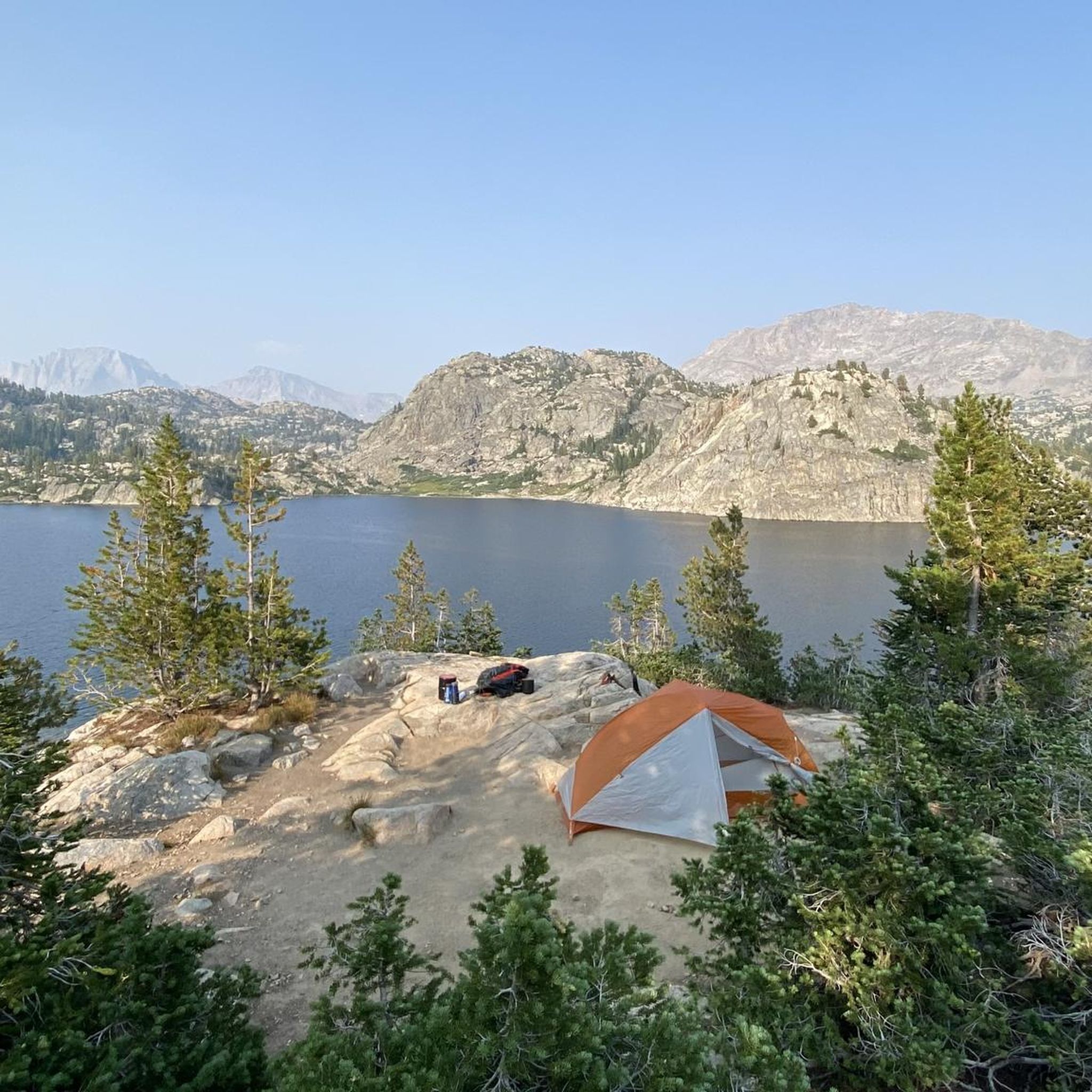
Island Lake is a beautiful alpine lake with tiny rock islands in the lake and the majestic peaks of the Cirque of the Towers in the distance.
2
0
North Lake is a pristine alpine lake with stunning views of rising War Bonnet Peak and Dog Tooth Peak. It sits along the Continental Divide in the Wind River Range. Due to its beauty, it is a popular hike, so you might start a little early for more solitude.
3
0
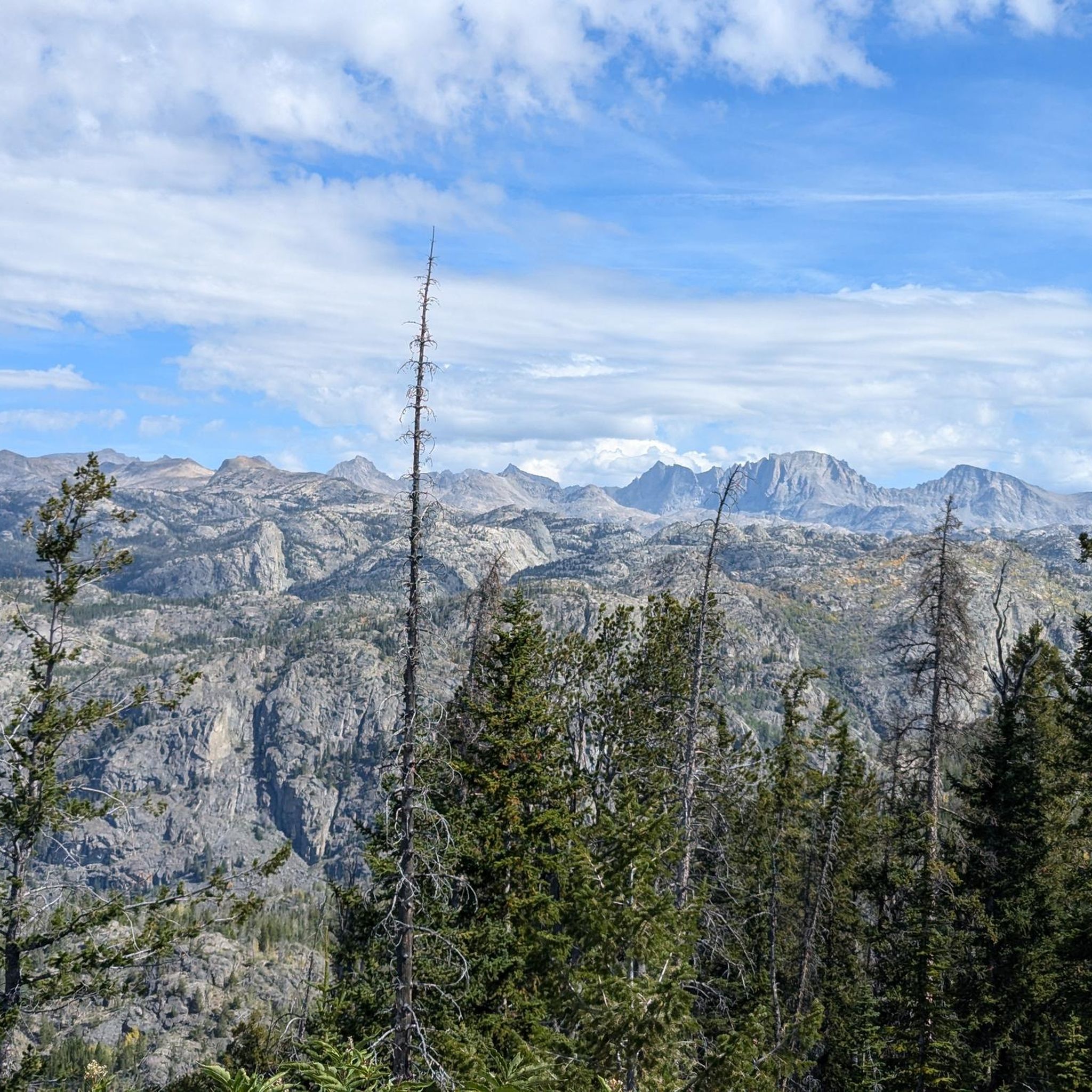
The Sacred Rim Viewpoint offers a stunning panorama over the mountains of the Bridger Wilderness and the Wind River Range itself, with Long Lake and Upper Long Lake nestled between the steep granite walls.
2
0

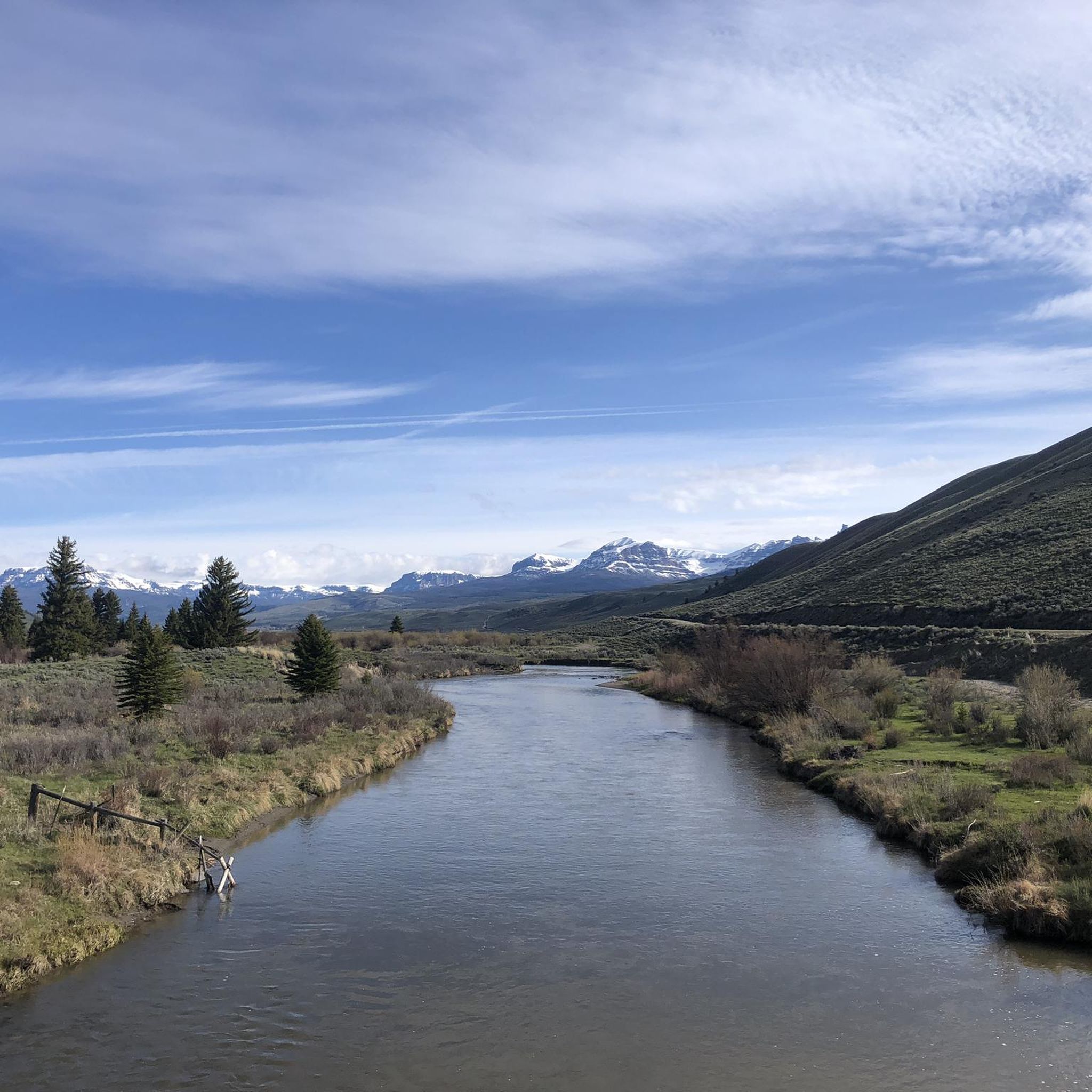
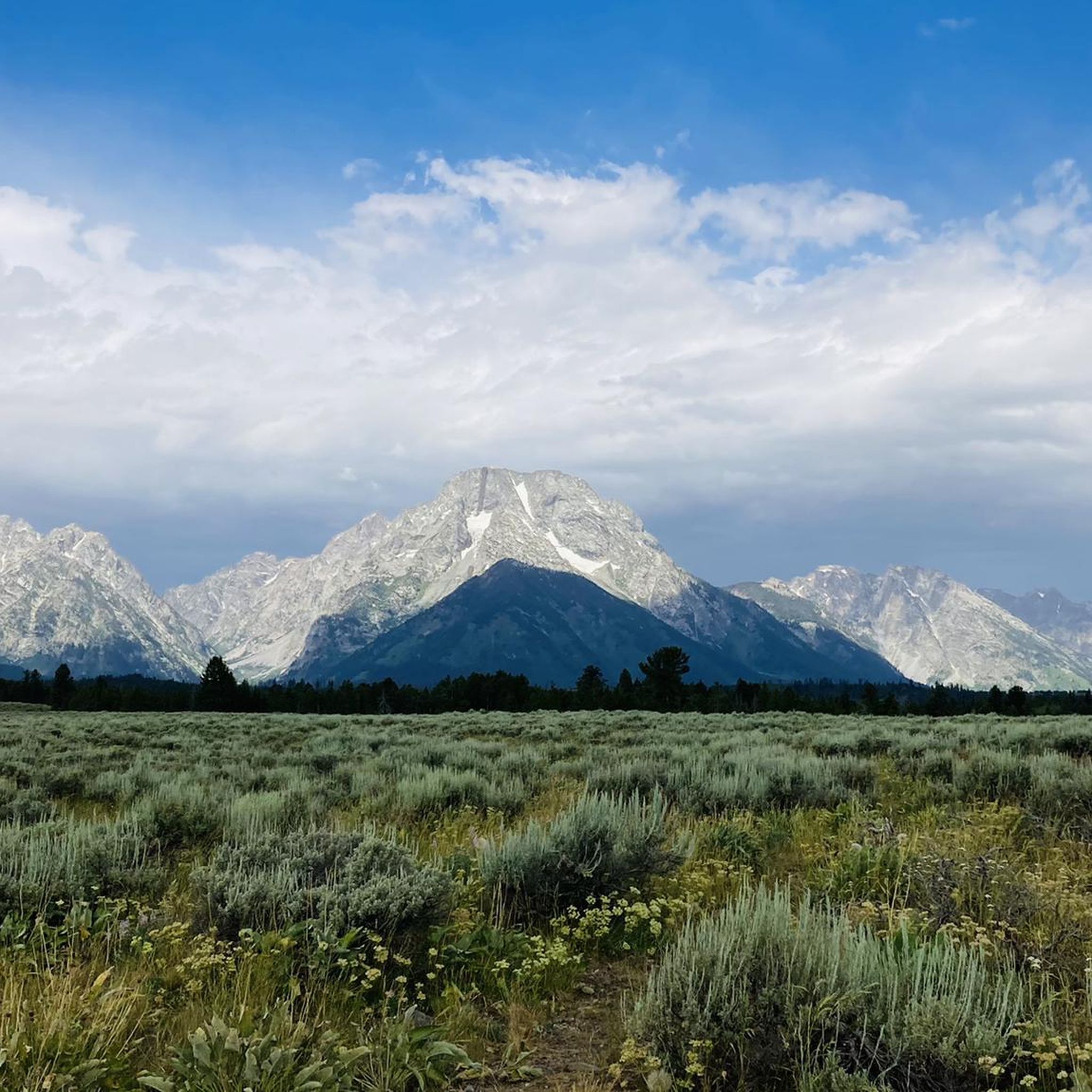
Amazing panoramic views to the Tetons. It's just next to the road, you can park there and enjoy the amazing and stunning views!
3
0
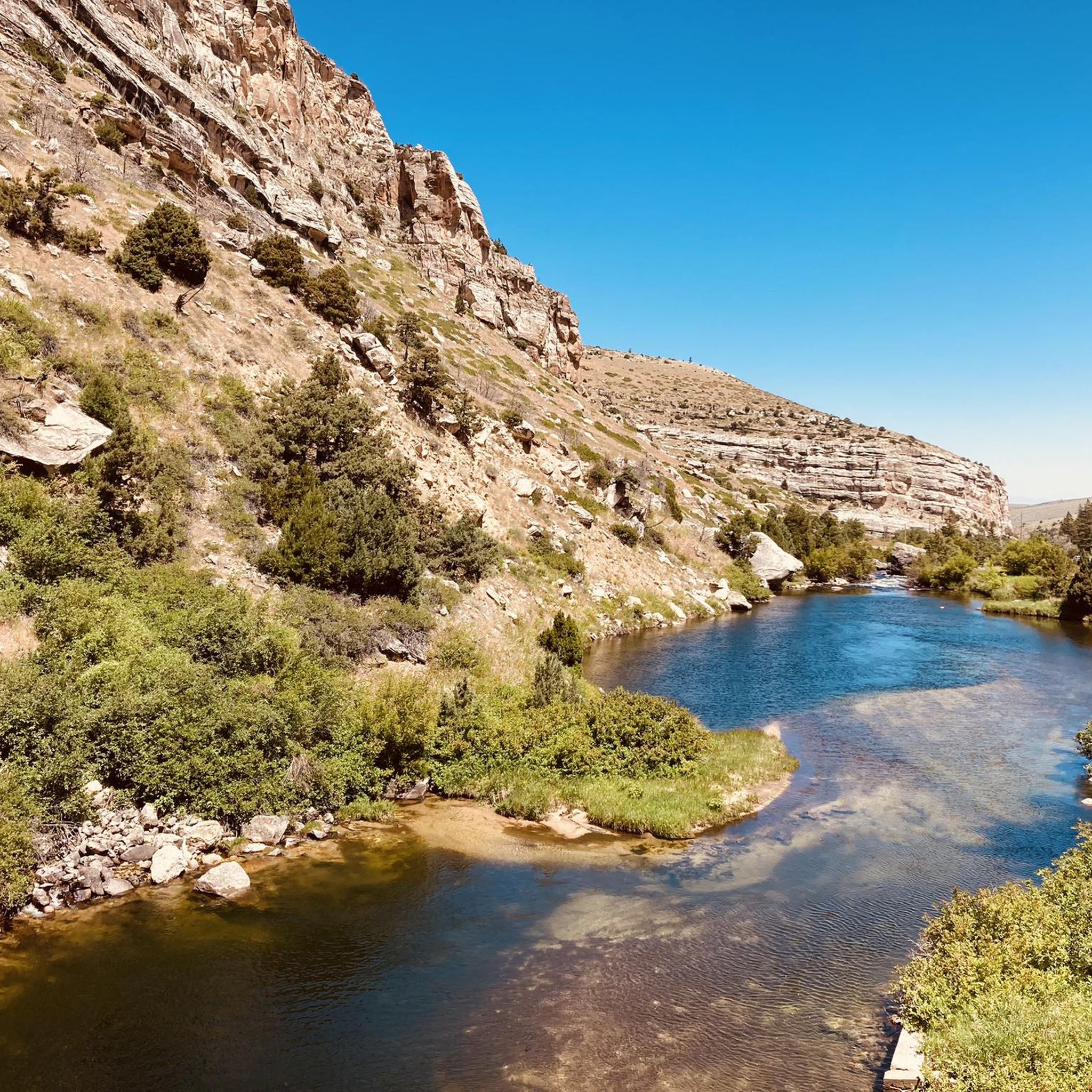
This place is just incredible! A few meters from the parking lot, you'll find the Sinks where the river enters into caves inside the mountains and the water then will exit in the Rise just half a mile down the road. The curiosity is that the water will take up to two hours to cover that distance, meaning that the cave's network is quite extensive and so far, it is unknown exactly what path the water follows once it enters the Sinks. Just an amazing spot!
4
0
Frequently Asked Questions
What unique geological features can I find among the natural monuments in the Wind River Range?
The Wind River Range is characterized by its dramatic alpine scenery, featuring towering granite peaks, extensive glaciers, and pristine lakes. You can explore formations like the Sinks Canyon of the Popo Agie, where a river disappears into caves and re-emerges, showcasing a unique underground water network. The region's geology is primarily a granitic batholith, sculpted by glaciers over millions of years.
Are there any natural monuments suitable for mountaineering or technical climbing in the Wind River Range?
Yes, the Wind River Range offers significant challenges for mountaineers and climbers. Gannett Peak, Wyoming's highest mountain, is a premier wilderness mountaineering challenge requiring technical skills. The Cirque of the Towers is world-renowned for its spectacular granite spires, offering hundreds of classic technical rock climbing routes for experienced climbers.
What are some notable viewpoints in the Wind River Range?
The Wind River Range boasts several stunning viewpoints. The Sacred Rim Viewpoint offers a breathtaking panorama over the Bridger Wilderness, with Long Lake and Upper Long Lake nestled between steep granite walls. Schwabacher Landing provides a quiet valley setting with excellent views of the Teton mountain range, while the Grand Tetons Viewpoint offers amazing panoramic views directly from the roadside.
Are there family-friendly natural monuments in the Wind River Range?
Absolutely! The Sinks Canyon of the Popo Agie is a fantastic family-friendly spot where you can easily observe the river disappearing into and emerging from the mountain. Schwabacher Landing is also suitable for families, offering beautiful views and a peaceful environment. Additionally, the Grand Tetons Viewpoint is wheelchair accessible and provides stunning vistas right next to the road, making it accessible for all.
Can I see glaciers in the Wind River Range?
Yes, the Wind River Range is home to several significant glaciers. Gannett Peak, Wyoming's highest mountain, hosts five rugged glaciers, including the 896-acre Gannett Glacier, which is the largest single glacier in the American Rocky Mountains. Other notable glaciers in the area include Minor, Dinwoody, Gooseneck, and Mammoth Glaciers, all contributing to the range's dramatic alpine character.
What kind of wildlife can I expect to see near these natural monuments?
The Wind River Range is rich in wildlife. In areas like Titcomb Basin, visitors often spot diverse wildlife, including moose, marmots, and various types of bears. The surrounding Bridger-Teton and Shoshone National Forests provide a protected environment, making it a great place for wildlife observation and photography.
What are some popular lakes to visit in the Wind River Range?
The Wind River Range is dotted with numerous pristine alpine lakes. Island Lake is a beautiful destination, known for its tiny rock islands and views of the majestic peaks of the Cirque of the Towers in the distance. North Lake is another notable alpine lake offering scenic beauty. Many of these lakes, particularly in areas like Titcomb Basin, are also excellent for fishing.
Are there hiking or running trails near the natural monuments in the Wind River Range?
Yes, the Wind River Range offers a wide array of trails for hiking and running. You can find various routes, from moderate to difficult, that allow you to explore the stunning landscapes. For running, consider trails like the 'View of the Teton Range' or the 'Hidden Falls – Inspiration Point loop'. For more options, you can explore the Running Trails in the Wind River Range guide.
Can I go cycling near the natural monuments in the Wind River Range?
Absolutely! The Wind River Range provides excellent opportunities for cycling. There are routes suitable for touring bicycles and road cycling, offering scenic rides through the region. Examples include the 'North South Highway: Moose to Rockefeller Parkway' or various loops within Grand Teton National Park. For detailed routes, check out the Cycling in the Wind River Range guide or the Road Cycling Routes in the Wind River Range guide.
What is the best time to visit the natural monuments in the Wind River Range?
The best time to visit the natural monuments in the Wind River Range is typically during the summer months, from late June through September. During this period, trails are generally clear of snow, and the weather is more favorable for hiking, climbing, and exploring the high alpine areas. However, some lower elevation areas might be accessible earlier or later in the season.
Are there any natural monuments that are wheelchair accessible?
Yes, the Grand Tetons Viewpoint is noted as being wheelchair accessible. It's located just next to the road, allowing visitors to park and enjoy the amazing panoramic views of the Tetons without extensive hiking.
What are the difficulty levels for exploring these natural monuments?
The difficulty levels vary significantly. Some viewpoints like Grand Tetons Viewpoint are easily accessible. Others, like the trails leading to Island Lake or North Lake, are considered intermediate. Challenging destinations such as Gannett Peak and the Cirque of the Towers require significant experience, technical skills, and are not recommended for novices due to high elevations and steep, rocky terrain.
Most popular routes in the Wind River Range
Most popular attractions in the Wind River Range

Get inspired with the komoot mobile app


